
Stats
- Episodes featuring their films
- 9
- Movies in this archive
- 12
Rewatchables episodes featuring Robert Redford’s films
Butch Cassidy and the Sundance Kid
1969 film
Bill Simmons · Aaron Sorkin · Sean Fennessey
Aired September 2, 2019
Mentioned in discussions


Recasting Couch
Richard Gere or Paul Newman as Graham; broader Redford, Brando, Hoffman, DiCaprio, and Lakeith Stanfield hypotheticals
In the discussion (7)
- Richard Gere for Graham is proposed and disputed.
- Paul Newman is treated as the most intriguing period alternative.
- Robert Redford is considered.
- Marlon Brando is considered.
- Dustin Hoffman is considered.
- A post-Revenant Leonardo DiCaprio version is imagined.
- Lakeith Stanfield is proposed for a modern version.
Casting What-Ifs
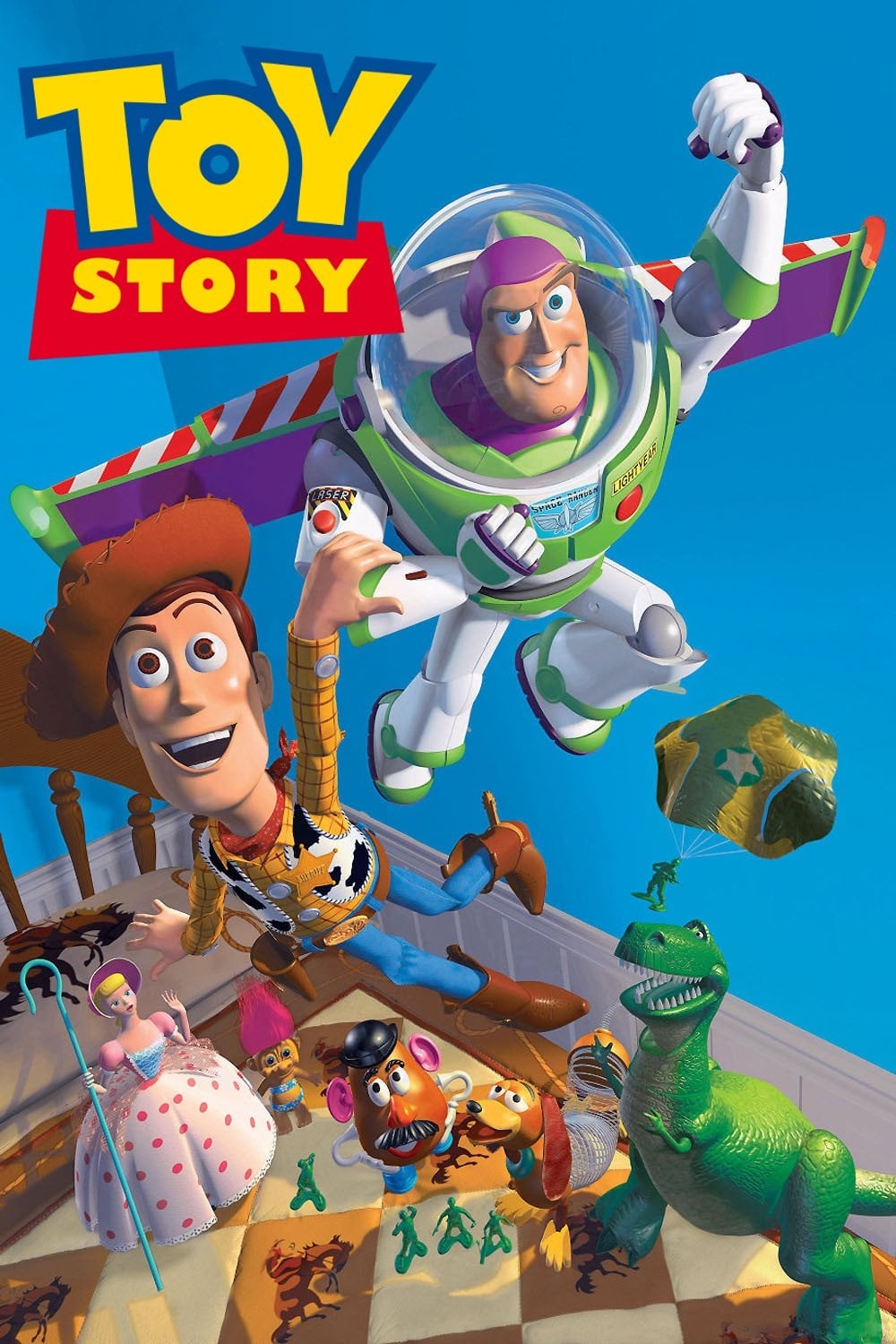
Billy Crystal, Chevy Chase, Bill Murray, Mel Gibson or Bruce Willis as Buzz; Jim Carrey as Buzz with Paul Newman as Woody; Rick Moranis as Rex
In the discussion (12)
- Billy Crystal declined Buzz, later called it the biggest mistake of his career, and was then offered Mike Wazowski in Monsters, Inc. — Sean Fennessey
- Crystal is judged not rigid enough for Buzz, unlike Tim Allen's chin-out delivery. — Sean Fennessey
- Chevy Chase turned down Buzz; he is judged unable to pull it off because his corners are a little too rounded. — Shea Serrano
- Bill Murray is rejected as too snarky to deliver the "sad, strange little man" line seriously. — Shea Serrano
- A 1995 Mel Gibson is judged capable of the role. — Shea Serrano
- Bruce Willis gets a thumbs up with doubts, and his Look Who's Talking voice work is praised. — Shea Serrano
- Tim Allen has said Pixar wanted Jim Carrey for Buzz and Paul Newman for Woody but could not afford them, meant to reflect new Hollywood taking over old; Newman later voiced Doc Hudson in Cars. — Sean Fennessey
- One should never say no to Paul Newman, but Tom Hanks's Woody is too ingrained to imagine anyone else. — Mallory Rubin
- Hanks and Allen as generational peers, a movie pillar and a TV star, is preferred; Newman fits better as Doc. — Sean Fennessey
- Newman is the only name that could have replaced Hanks, because Woody needs a peach-soft voice; several actors, such as Robert Redford or Denzel Washington, could have played Buzz. — Shea Serrano
- Rick Moranis was reportedly approached for Rex, which would have been great. — Shea Serrano
- An online claim of Jeremy Irons as Mr. Potato Head is raised but unconfirmed. — Sean Fennessey

In the discussion (8)
- The hosts report that Robert Redford came up with the premise "the President elopes," selected Sorkin's treatment and was to star, then dropped out for unclear reasons. — Bill Simmons
- Redford would be too cool for the goofy, sentimental material and the speech, and The President Elopes would have been a more solemn marriage story.
- An Indecent Proposal digression: nobody leaves Redford, and a 2020 version would star Brad Pitt. — Bill Simmons
- The hosts report Redford wanted Emma Thompson; after he left, Susan Sarandon and Michelle Pfeiffer are mentioned, and Pfeiffer could have pulled off the part. — Bill Simmons
- Michelle Pfeiffer is a favorite, caught at a nice point in her career. — Bill Simmons
- Another participant also had Pfeiffer on their list.
- Meg Ryan is too on the nose and too rom-com at that point. — Van Lathan
- The hosts report that the Sidney actress and Douglas were to star in Disclosure until her pregnancy gave the part to Demi Moore; the casting should be kept as it is. — Bill Simmons

In the discussion (3)
- The category is framed as a sport that cannot end in a tie, with no shootouts on the show; one voice first says Redford, anticipating the other will say Goldman, is surprised that a screenwriter is allowed, and concedes of course it is Bill.
- Goldman wins hands down: he made a ton of money, it set up his career, he became the dean of screenwriters and completely rebottled the buddy movie; $400,000 for a screenplay in 1969 is likened to $100 million now, and he wrote only three drafts over eight years, prompting jokes about how screenwriters count drafts and the finality of typing on a 1969 typewriter.
- The pick was surprisingly easy with no argument; one host had been going back and forth between Newman and Redford before realizing Goldman won.
Podcast choices
- Speaker not identified
- William Goldman
- Speaker not identified
- William Goldman
Probably Unanswerable Questions
Who would play Butch and Sundance if the film were made from scratch today?
In the discussion (3)
- The one question is who plays these two if the movie never existed and they start from scratch in 2019, though going decade by decade would be more fun; Matt and Ben are not a bad idea, but perhaps a 2009 idea since they are older now, unless aging fits a story about the times changing under their feet.
- Butch should be older, as Newman was 13 or 14 years older than Redford, so Damon as Butch and Affleck as Sundance would draw them in; Clooney and Pitt are floated, with Pitt able to play either part, though both are mid-50s; one participant wants men who have had a whole life of robbing trains before being chased to South America.
- Pitt has done Jesse James; Tom Cruise is floated; Denzel and his son would need to be closer in age, with his son recalled as a USC receiver who did a stint with the Rams; Gosling and Leo are paired, Leo more a Sundance but Butch next to Gosling; both parts need someone truly famous; one participant would give anything to have written it; Ethan Hawke is named a great Butch, a chatterbox who talks his way out of anything, and Ryan Reynolds too.

In the discussion (3)
- Paul Newman is a yes: after this movie, at the end of the decade, he is at the absolute peak of his powers and could do whatever he wanted; agreed.
- Catherine Ross is not thought to be at her peak here, and certainly not Redford; George Roy Hill is offered as a hedged yes, with his next twenty years of films admired, Funny Farm and The World According to Garp among them, plus his Goldman reunion on The Great Waldo Pepper, an underseen movie.
- Earlier, Redford's Apex Mountain is placed at All the President's Men in 1976, with Ordinary People a close second.
Half-Assed Internet Research
Body count of 30; a 1979 prequel with Tom Berenger and William Catt; Catherine Ross clashed with George Roy Hill and later married Conrad Hall; Montezuma's revenge in Mexico except for the stars; Redford did his own train-top stunt; Bob Dylan was asked to sing Raindrops; Redford hated the bicycle interlude; the film motivated David Fincher; Newman and Hill fought over the Bledsoe scene
In the discussion (8)
- Guessing the body count: the five Bolivian payroll robbers are counted, the army at the end is debated since the frame freezes and only gunfire is heard, and the shootout before it may be covering fire; the answer is 30, more than expected.
- A 1979 prequel, Butch and Sundance: The Early Days, starred Tom Berenger as Butch and William Catt (as transcribed) of Greatest American Hero as Sundance; Goldman produced but did not write it, and people did not like it.
- Catherine Ross did not get along with George Roy Hill, saying any day away from him was a good one; she was scolded and banned from the set for a day for operating a camera, which Conrad Hall had allowed, and Hall and Ross married shortly after; she liked the silent bicycle sequence most because the second unit, not Hill, shot it.
- The Bolivia scenes were shot in Mexico, where everyone got Montezuma's revenge except Redford, Newman and Ross, who drank only soda and beer; Newman called it the most fun he ever had making a film, and he and Redford became legitimately close, which shows on screen in this and The Sting.
- Redford wanted to do his own stunts and ran along the tops of the train cars himself despite Newman objecting that he did not want to lose a co-star.
- The filmmakers tried to get Bob Dylan to sing Raindrops Keep Falling on My Head and he declined; one participant sees the attempt as reaching across the century divide to feel contemporary, and 1969 was a nice year to get Dylan; Scorsese's Rolling Thunder documentary is called inspiring in an aside.
- Redford was honest that he thought the bicycle musical interlude killed the movie the first time he saw it and that the whole sequence was terrible, and the sequence was scotched; one host can picture an early screening feeling that way and beseeching Hill to cut it; now it is classic, perhaps the most iconic scene for broad audiences while fans pick the waterfall, the song was the year's biggest hit and the most parodied, and BJ Thomas's people thought it ruined his career.
- The film motivated David Fincher to become a director and the guest to become a screenwriter, so without it The Social Network does not happen; the only major Newman and Hill conflict was the Bledsoe scene, which Newman wanted at the end of the chase as the catalyst for Bolivia, and they argued about it daily on set.
Casting What-Ifs
Steve McQueen as Sundance, out over billing; Jack Lemmon and Warren Beatty turned Sundance down; Zanuck's split-prints billing idea; Redford a near-unknown; Natalie Wood considered for Etta
In the discussion (8)
- Redford was not the original Sundance: Jack Lemmon was offered the part, at Goldman's suggestion, and turned it down feeling he had played too many aspects of the character; Warren Beatty turned it down as too similar to Bonnie and Clyde; Steve McQueen was in, and the title was to become The Sundance Kid and Butch Cassidy because McQueen considered himself the bigger star than Newman.
- The fight over whether McQueen or Newman would be billed first drove McQueen off the movie; asked whether this is true, one participant confirms that kind of nonsense happens all the time, over billing and over parts not taken.
- Fox president Daryl Zanuck (as transcribed) made the unusual suggestion that half the prints bill Newman first and half McQueen, McQueen refused and left, and they got Redford, a handsome theater actor nobody knew, known if at all for urbane Neil Simon comedy like Barefoot in the Park; he has maybe a hundred words in the movie, becomes a giant star in four expressions, gives a great performance, and played men of few words for the rest of his career, even as Bob Woodward.
- The long sepia close-up when Redford is first met, held while someone else talks, is one of the all-time close-ups and became a Redford signature, a good editing-room decision; Goldman wrote that Newman's people, not Newman himself, were upset by all the Redford close-ups and worried Redford would steal the movie.
- Natalie Wood was considered for Etta.
- Catherine Ross was in The Graduate, the biggest movie of the year before, then in this, the biggest movie of its year, and was in pole position as the good-looking actress of choice, but did not want that power, toned it back, did some stage work and the moment left; Anne Bancroft was only three or four years older than her in The Graduate.
- Goldman was unsure whether the real Etta was a schoolteacher or a prostitute and, from how pretty and cleanly dressed she was in photos, chose to believe schoolteacher, though the historical record is fuzzy; it would have been unusual for a woman of about 24 to be unmarried.
- Ally McGraw (as transcribed) of Love Story was the market correction, though Ross, the better actress, could have corrected her back and instead gave up, with Mia Farrow and Ellen Burstyn the other big actresses; research suggests Ross was difficult and disliked making movies; she met Sam Elliott, a card player with a very small role here, did not date him, and married him fifteen years later.

What’s Aged the Worst?
The scene where Sundance makes Etta undress at gunpoint
In the discussion (4)
- The scene where Etta is met: they appear to be strangers and Redford makes her undress at gunpoint, which reads like a date rape scene; today the reaction would be that it turns rape into something sexy and a woman's fantasy, and it would never be shot, much less released, though it was half a century ago and nobody is being blamed.
- The montages are weird and make it feel distinctly a 60s and 70s movie; the New York trip and the ship to Bolivia go on for a while and would be done better now, the one place surgery would be easiest.
- The opening credits' silent-film device is raised as possibly aging badly, since Goldman's original idea became convoluted; one host goes back and forth, forgets each time that the movie does not start the way he remembers, and still gives it an A for trying something new; starting that way made more sense in 1969, forty years after silent movies, than it would now.
- Goldman wanted them to watch a movie of their own lives, which does not land because we are not there yet, and the point was that this was not the old, old days; he argued with a studio executive over the bifocals line, saying these men were alive when his grandmother was, in the Edison era; the date rape scene is named the winner, and the film is called as close to perfect as the show may ever do.

What’s Aged the Best?
The widescreen cinematography
In the discussion (8)
- Young Redford is a first nomination: Downhill Racer and The Candidate are loved, Downhill Racer came out a week after this film, which studios would never allow today, and Hollywood has spent fifty years trying to manufacture another Young Redford, with Brad Pitt in Thelma and Louise the example that worked; the mysterious handsome guy whom women want and men want to hang out with is the hardest thing to find in an actor.
- Finding another Redford is harder still because the kinds of movies where he would be discovered are rarely made now, more likely on Netflix than in the seventh installment of a superhero franchise; Redford did appear in a Marvel movie as the Secretary of Defense and turned up in Endgame for about a minute after rumors that The Old Man and the Gun would be his last film, so he is not ashamed of a paycheck.
- Redford's first three big film roles were written by Neil Simon, William Goldman and James Salter, writers who understood his quiet pullback; Goldman wrote four more Redford movies afterward, and then Redford turned on him with a revisionist history of All the President's Men that was debunked on the internet.
- In All the President's Men, the stretch where Dustin Hoffman grabs his copy and he finally confronts him is unbelievable Redford; he also produced it, and that film is named his Apex Mountain, with Ordinary People a close second, since in 1976 he was probably the biggest star in the world with the juice to fund his own movie.
- Widescreen: the film had a crappy run on square TVs through the 70s, 80s and 90s because it is shot super wide, and the super posse sequence is gorgeous on the right TV and transfer where the 1982 broadcast version was cutting and panning; Conrad Hall shooting and Edith Head doing the look are perhaps the best cinematographer and costume designer of their generation on one movie, with George Roy Hill again.
- The Butch, Etta and Sundance dynamic could have gone wrong in many ways but the chemistry works even though Butch and Etta are not dating, in the bicycle scene and her line about what would have happened if she had met him first; it is believable.
- The scene where Etta is first met is held for what has aged worst; the love story is between Butch and Sundance, and Etta, though a key figure, recognizes that, which is why it never turns into a weird fight over her, since they are loyal to each other over anyone else.
- Old-school dynamite hooked up to a safe, something movies no longer show, and the dialogue, where not a word would be changed, are also nominated; the final pick is the widescreen, having lived through thirty years of watching it another way, with agreement plus love for Redford and the Swingle Singers.

Most Rewatchable Scene
The waterfall jump
In the discussion (8)
- The category is set up as the scene you stay for when you catch the movie while flipping channels; one host has five and invites additions, and one participant asks to guess them first.
- The guesses: the first-act fight with the huge guy in the gang that ends with one kick, which is on the list, and the third-act attempt to rob the Bolivian bank while getting the Spanish right, which was not on the list but gets added.
- The first Redford scene: with no history with the actor, the close-ups and the different 1870s-style color make you wonder what is going on, the film carefully establishes in two minutes that nobody should mess with him though he is not physically huge, and it ends with him firing six bullets around the man without killing him, instant mythology, while Newman knows what is coming and is already flying out of the way.
- Butch kicking the giant leader in the balls is on the list; Goldman wrote that people objected because a John Wayne hero would not do that, and studio people asked why Sundance was not helping, joking dryly about bets instead; the answer is that Sundance knows exactly what is going to happen and is not worried about Butch at all.
- The train robbery that introduces the super posse is on the list, though the first train robbery where they blow the car up could be argued; the Woodcock clip is played, the poor man nearly murdered out of loyalty to E.H. Harriman, and the actor is identified as George Firth (as transcribed); the second robbery with the horse posse is called a great seven minutes, with Goldman's book explaining how it was shot.
- Further nominees: the Bolivian bank scene, the ending, the payroll-up-the-hill scene in Bolivia with the colorful character actor right before he is shot, its sister scene where it comes out that Butch has never shot anyone, the waterfall, and the meeting with Bledsoe where they try to enlist, which one host holds back for another category.
- It comes down to the train robbery and super posse scene versus the waterfall; the waterfall is called one of the most rewatchable scenes of all time and the clip is played, with the angry, embarrassed 'I can't swim' named a favorite line reading, Newman's reaction praised, and the jump and the men coming in called everything you want from an action scene.
- Earlier, Goldman is described as holding on to the secret that Sundance could not swim for as long as he could, unable to wait to write the cliff scene; the run to the edge and what they shout as they jump have been ripped off in fifty other movies, Lethal Weapon included.
In the discussion (2)
- Robert Redford is named and agreed to immediately, with only Brimley's chest hair as an alternative; a case is made for Pop as the heart of the film, the maimed Fisher King whose Holy Grail Roy pursues as Percival, finally getting the win with help, a reminder that you cannot do it on your own.
- Pop gives a lot, and Red is iconic but probably not in it enough to win.
Podcast choices
- Speaker not identified
- Robert Redford
- Speaker not identified
- Robert Redford
Films in the archive
All the President’s Men
1976



Butch Cassidy and the Sundance Kid
1969

Downhill Racer
1969
Indecent Proposal
1993

Jeremiah Johnson
1972
Ordinary People
1980

Quiz Show
1994

Sneakers
1992

The Great Gatsby
1974

The Natural
1984

The Sting
1973
The Way We Were
1973