
Stats
- Episodes featuring their films
- 9
- Movies in this archive
- 12
Rewatchables episodes featuring Robert Redford’s films
Butch Cassidy and the Sundance Kid
1969 film
Bill Simmons · Aaron Sorkin · Sean Fennessey
Aired September 2, 2019
Mentioned in discussions

Half-Assed Internet Research
Reviews; parody; production; original ending; dress; casino filming
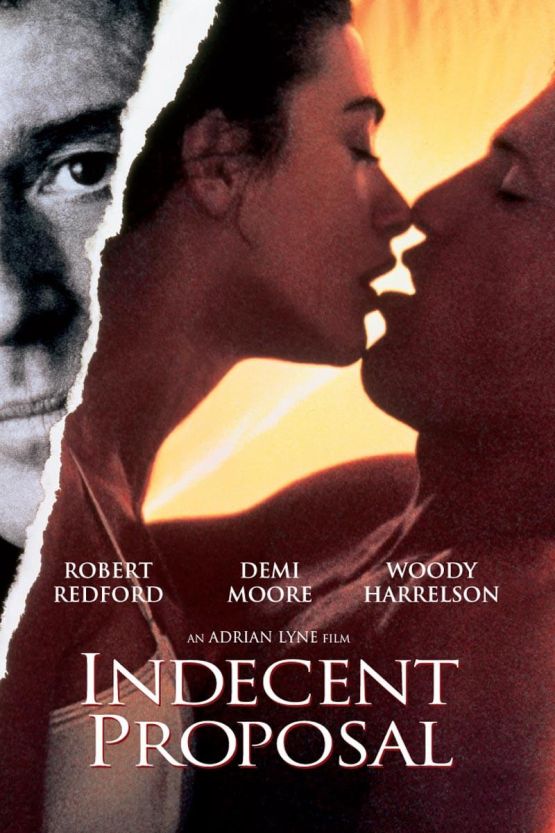
In the discussion (10)
- The film reportedly appears in John Wilson’s book of one hundred enjoyably bad movies and inspired a 2002 Simpsons parody. — Bill Simmons
- Moore reportedly recalled Harrelson’s discomfort performing sex scenes with a friend’s wife. — Bill Simmons
- Negative reviews from the Los Angeles Times, New York Times and Rolling Stone led Amy Holden Jones to publish a rebuttal; the Thelma and Louise screenwriter also criticized the film. — Bill Simmons
- Redford’s missed-connection speech is described as substantially borrowed from Citizen Kane. — Bill Simmons
- Moore reportedly received final approval over her sex scenes and participated in editing them. — Bill Simmons
- The secretary reading Susan Faludi’s Backlash is identified as a deliberate thematic detail. — Bill Simmons
- The original script let Diana leave independently; Beatty reportedly refused because his character would not get the woman. — Bill Simmons
- Lyne and Moore reportedly argued over the character before he conceded that she was right. — Bill Simmons
- The five-thousand-dollar Thierry Mugler dress became a widely copied sensation. — Bill Simmons
- Vegas casino filming reportedly began at three in the morning for several weeks. — Bill Simmons
Recasting Couch
Sydney Sweeney; husband unresolved; Brad Pitt; gender-swapped Angela Bassett
In the discussion (7)
- Scarlett Johansson is raised as a contemporary Moore comparison before Sydney Sweeney is proposed for a remake. — Bill Simmons
- For Sydney Sweeney’s husband, a younger Adam Driver is considered; Glen Powell is rejected as too attractive and Miles Teller is viewed as a better candidate. — Mallory Rubin
- Jacob Elordi and Paul Mescal are rejected as too attractive for the desired contrast; Elordi’s height is also noted. — Bill Simmons
- A producer identified in the transcript as Linda Oakes describes Harrelson’s appeal to women as both adorable and adventurous; the name remains uncertain. — Bill Simmons
- Rory Culkin is proposed before the Succession actor is corrected to Kieran; Jeremy Strong follows, but the age gap with Sweeney draws an objection.
- Brad Pitt is favored over “Leo” (surname not spoken) for Gage because of his resemblance to and career association with Redford. — Bill Simmons
- A gender-swapped Gage prompts an emphatic Angela Bassett choice; Halle Berry and Nicole Kidman are additional candidates, while Reese Witherspoon is a joking contrast. — Bill Simmons

Mallory Rubin Award: Did This Movie Need a Better Sex Scene?
Add later yacht-sex flashbacks
In the discussion (4)
- The absence of a Gage–Diana sex scene is criticized; Redford refusing to perform one is explicitly speculation. — Mallory Rubin
- An online claim that a porn actor served as Redford’s double is rejected as fake rather than accepted as research. — Mallory Rubin
- Withholding the yacht sex initially creates useful uncertainty, but later flashbacks of Diana remembering it would improve the film. — Mallory Rubin
- Lyne’s actual sex scenes are questioned despite his sexual subject matter, including this film’s awkward opening and recurring dishes or running water; Nine and a Half Weeks is the favorable exception. — Bill Simmons

Most Rewatchable Scene
Gage’s billiards proposition
In the discussion (17)
- The Vegas shopping scene leading into craps is nominated, including Diana’s refusal to be treated as another item for sale. — Bill Simmons
- The shopping and craps sequence captures the film’s strongest Vegas stretch and establishes Gage’s interest in borrowing Diana for luck.
- Billy Bob Thornton’s small appearance as Day Tripper is amusing in retrospect given his later Oscar. — Bill Simmons
- The money-covered sex scene after the first successful Vegas day is considered as another scene candidate, with objections deferred. — Mallory Rubin
- The billiards proposition is praised for its iconic premise-setting line, riveting conversation and insight into Gage’s psychology. — Mallory Rubin
- Diana answers before David, and Gage insists on hearing from him, deliberately opening a wedge between the couple.
- Pool-ball continuity undermines the scene’s metaphor: a scratched cue ball reappears, and the play lacks coherent eight-ball or nine-ball rules. — Bill Simmons
- The lawyer’s contract negotiation is a favorite, particularly payment without consummation and the John Garfield death-during-sex clause.
- Jeremy’s insistence that he could have negotiated at least two million dollars adds to the lawyer’s appeal. — Mallory Rubin
- The boat scene is praised, including Gage’s assurance that nothing will happen without Diana choosing it; it is called one of the film’s last good scenes. — Bill Simmons
- The argument about whether the sex was good gives Diana an effective explanation that neither praise nor denial can satisfy her husband.
- Her affirmative answer is disputed as unnecessarily hurtful; suggested reassuring lies draw the objection that he would not believe them. — Mallory Rubin
- Redford’s speech about the woman on the train is nominated, with Moore appearing genuinely moved by his performance. — Bill Simmons
- The supposedly relatable missed-connection story is mocked for justifying a billionaire’s extravagant pursuit of another man’s wife. — Mallory Rubin
- The million-dollar-club revelation is praised for Shackleford’s visible effort to support Gage’s improvised story without exposing it. — Mallory Rubin
- Sam Elliott is suggested as a cooler version of Shackleford who could appear more convincingly complicit. — Bill Simmons
- Gage’s billiards offer is the agreed final most-rewatchable scene despite the pool continuity errors. — Mallory Rubin

Casting What-Ifs
Many actors declined Annie Wilkes and Paul Sheldon; several alternative Paul Sheldons are debated
In the discussion (7)
- Anjelica Huston and Bette Midler are identified as actors offered Annie Wilkes — Bill Simmons
- Richard Dreyfuss is proposed as a believable writer but possibly insufficiently physical — Brian Koppelman
- Robin Williams is proposed for his sympathy, physicality, and caged energy — Brian Koppelman
- Robert Duvall and Michael Douglas are proposed as strong alternatives — Bill Simmons
- Donald Sutherland is proposed as another alternative — Bill Simmons
- William Hurt, Kevin Kline, Michael Douglas, Harrison Ford, Dustin Hoffman, Robert De Niro, Al Pacino, Richard Dreyfuss, Gene Hackman, and Robert Redford are listed as having declined Paul Sheldon — Bill Simmons
- Richard Dreyfuss and Bette Midler are said to have later expressed regret — Bill Simmons
Casting What-Ifs
Older-star versions with Clint Eastwood, Robert Redford or Harrison Ford; Keanu Reeves
In the discussion (4)
- The segment opens with a joke that Chris should have a ponytail by the 500th episode.
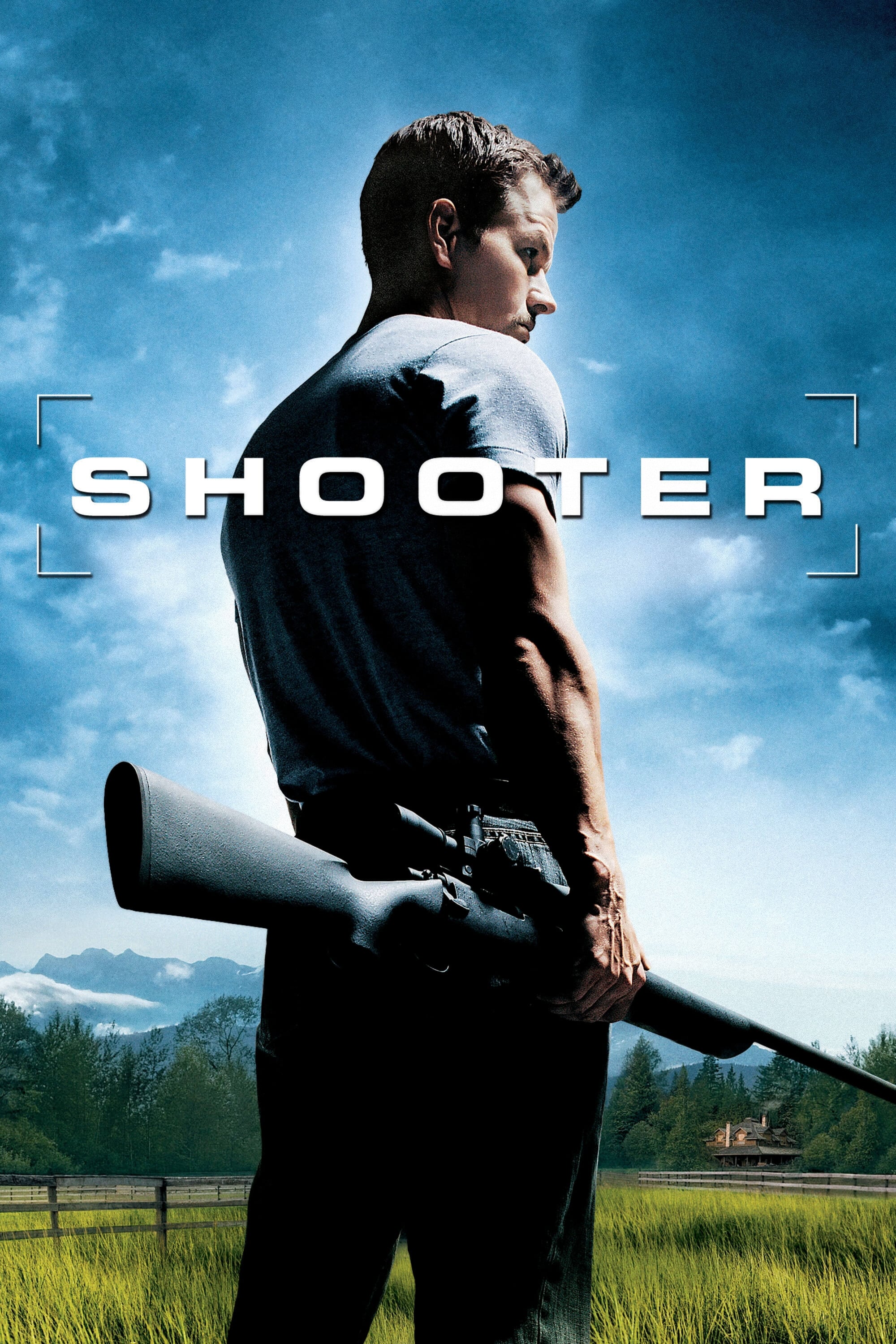
- William Goldman did script-doctor work; an older Swagger was envisioned, with Clint, Robert Redford or Harrison Ford, all of whom passed.
- An older sniper is not believable because eyesight worsens by the mid-40s.
- Keanu reportedly passed, joked as having filed away the dog-revenge idea for later.

In the discussion (6)
- This is among the five or six hardest winner calls, on the 221st movie the show has done. — Bill Simmons
- Redford is predicted as one participant's usual, predictable pick and argued for: he directed it, won Best Director and Picture, and was the biggest star on the planet.
- A shared Hirsch and Hutton case is raised but called a cheat; Sutherland wins the actual movie while Redford wins everything that came from it.
- A joke subtitles the episode 'Goldman's Revenge.'
- Sutherland wins the movie: the host went in thinking Hutton and left thinking Sutherland had the key performance; Mary Tyler Moore had a chance until the packing seizure. — Bill Simmons
- Mary Tyler Moore is a TV actor in a bracing against-type role, while Sutherland is a skilled film actor in a different class. — Sean Fennessey
Podcast choices
- Speaker not identified
- Robert Redford

Apex Mountain
Robert Redford; Timothy Hutton; Judd Hirsch; Buck and Ward in the same movie
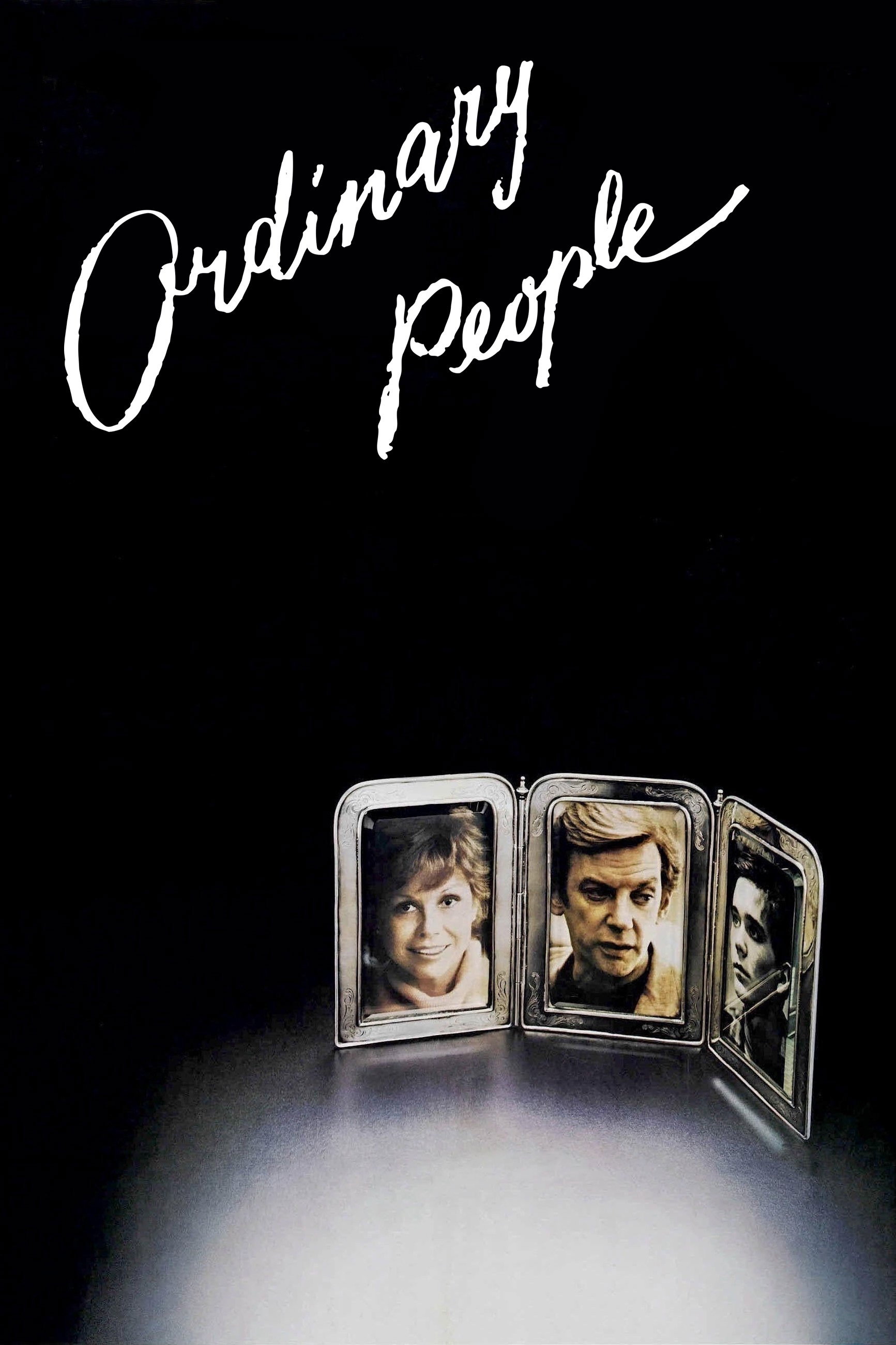
In the discussion (10)
- Redford is a yes: one of the most bankable actors, at his handsome peak, and a Best Director winner who took down Scorsese; the Sundance Institute was formed in 1981. — Bill Simmons
- Timothy Hutton is a probable yes, with Taps also considered, but the Oscar closes the deal.
- Mary Tyler Moore is a no, followed by a tangent on attractive stars of earlier decades and her Laura Petrie on The Dick Van Dyke Show. — Bill Simmons
- The 1981 Oscars are considered, but one host names 1994 as the Apex telecast and 1975's hosts are read; no Apex call is made for 1981.
- Sutherland could be talked into Apex, but his peak is also placed at the 24-era moment when viewers learned he is Kiefer's father, and at JFK.
- Judd Hirsch is an emphatic yes.
- Elizabeth McGovern is a no. — Bill Simmons
- The name Buck is declared Apex Mountain by one voice, supported with Buck Henry, Buck Showalter, Magic Johnson's nickname Young Buck, Craig's suggestion of Uncle Buck and Bucky Barnes, while Yankee fans' Bucky Dent is waved off. — Bill Simmons
- The name Ward belongs to Ward Cleaver, but Buck and Ward in the same movie is declared Apex Mountain. — Bill Simmons
- Intense Chicago movies are becoming Apex but are not there yet, and fucked up family movies are a no. — Bill Simmons
Half-Assed Internet Research
Paramount greenlight; refilmed Sutherland scene; banned-books ranking
In the discussion (6)
- Paramount's Michael Eisner and Jeffrey Katzenberg did not like the project, but Barry Diller did, so it was made; this is compared with doubts at The Ringer about launching The Watch. — Bill Simmons
- Redford's version: Sutherland's big late scene felt too much, they reviewed it together, and Sutherland agreed to reshoot it. — Bill Simmons
- Sutherland's version: he felt humiliated watching dailies, told them he had overdone it, and Redford called three months later to redo it, standing in for Mary Tyler Moore. — Bill Simmons
- One host chooses to believe Sutherland because Redford is an unreliable narrator. — Bill Simmons
- Sutherland is likely self-regarding too, so the truth may never be known. — Sean Fennessey
- The book ranked 52nd among the most challenged books in schools and libraries, per the figure read on air, just ahead of American Psycho; it is likened to 13 Reasons Why for its depiction of suicidal ideation and depression. — Bill Simmons
Casting What-Ifs
Robert Redford as Calvin; Gene Hackman as Calvin; Richard Dreyfuss as Dr. Berger; Natalie Wood as Beth
In the discussion (8)
- The studio wanted Redford to play Calvin; he declined as too predictable, and the hosts think he would have overpowered or sunk the film. — Bill Simmons
- Hackman as Calvin is intriguing, recalling his surprising turn in The Firm. — Bill Simmons
- The EW oral history links Hackman to both the Berger and Calvin parts; research indicates it was the Sutherland part. — Bill Simmons
- Per Redford, he wanted Richard Dreyfuss as the psychiatrist, but the reply was that Dreyfuss was having a nervous breakdown; Sutherland then said he wanted the husband rather than the psychiatrist. — Bill Simmons
- Hackman was cast as Calvin but dropped out over compensation, per a Chicago Tribune article; Sutherland was told it was him or Hackman. — Bill Simmons
- Elizabeth McGovern got special permission from Juilliard to be in the film. — Bill Simmons
- Per Redford, he found Judd Hirsch on Taxi, which the hosts note was a top show, and saw Mary Tyler Moore alone on a Malibu beach, a story half believed. — Bill Simmons
- Natalie Wood reportedly wanted to play the mother and had worked with Redford in the 60s; they never spoke again after Mary Tyler Moore was cast. — Bill Simmons

What’s Aged the Worst?
Canon in D as a wedding song; Sutherland's Best Actor snub; Mary Tyler Moore shock value; Good Will Hunting borrowing; odd dialogue; unwrapped candy apples
In the discussion (9)
- The Canon, the theme of one of the most dysfunctional family movies, is now the standard wedding song. — Bill Simmons
- Sutherland's Best Actor snub has aged the worst. — Bill Simmons
- The shock of Mary Tyler Moore as the evil mom has faded; there is no current equivalent, perhaps Aniston in the mid-2000s. — Bill Simmons
- Good Will Hunting borrowing from this film bugs one host a tiny bit, prompting a joke to get Matt and Ben back on the show. — Bill Simmons
- A spouse noticed odd lines that could fuel a sketch, like Sutherland's remark about the leaves at the end; the counterpoint is that he is incoherent because Beth left. — Bill Simmons
- In a 2013 Esquire profile Redford claimed Kael turned on him after he refused her offer of tips; one host distrusts Redford, citing how Redford treated William Goldman, a friend of the host's, over All the President's Men. — Bill Simmons
- In reply, Kael was tempted by figures like Warren Beatty to develop movies, so an exchange with Redford is believable, though no one can be trusted on what happened. — Sean Fennessey
- Kael also feuded with Clint Eastwood, and in the last Dirty Harry movie a critic resembling her is murdered. — Bill Simmons
- Handing out unwrapped candy apples for Halloween could not happen now. — Bill Simmons

What’s Aged the Best?
Conrad's depression cues; Beth's haircut; evil Mary Tyler Moore; Elizabeth McGovern; swim coach's office; movie psychiatrists; 'It hurts too much to be around you'; performances; Canon in D score; fashion; Conrad's books; actor-to-director transition; Chicago-suburb setting
In the discussion (11)
- The subtle ways the film shows Conrad is depressed in the first 15 minutes are called smart. — Bill Simmons
- Beth's haircut is perfect, de-glamorizing America's sweetheart; NBC gave Willow Bay the same cut. — Bill Simmons
- Evil Mary Tyler Moore has aged fantastically, and Elizabeth McGovern is a delight who is still working, as Cora on Downton. — Bill Simmons
- The swim coach's office feels completely 1980. — Bill Simmons
- Redford instructed the cast and crew not to interact with Hutton so he would feel isolated like his character; it worked. — Bill Simmons
- Psychiatrists in movies have aged the best, beyond a Woody Allen or erotic-thriller gimmick. — Bill Simmons
- After Conrad punches the swimmer, telling his friend 'it hurts too much to be around you' lands because the friend reminds him of Buck. — Bill Simmons
- The performances hold up on repeat viewing, as do the piano-heavy Canon in D score and the fashion, especially the suede outerwear. — Mallory Rubin
- Conrad's desk and books are noted: Return of the King, Thomas Hardy's Jude the Obscure, and Hunter S. Thompson. — Mallory Rubin
- The answer's own style is a fusion of Cal's and Berger's clothes. — Sean Fennessey
- The actor-to-director glow up became more common after Redford, and late-70s and early-80s Chicago-suburb films, with Risky Business, Ferris Bueller and Thief, have aged well. — Sean Fennessey
Films in the archive
All the President’s Men
1976



Butch Cassidy and the Sundance Kid
1969

Downhill Racer
1969
Indecent Proposal
1993

Jeremiah Johnson
1972
Ordinary People
1980

Quiz Show
1994

Sneakers
1992

The Great Gatsby
1974

The Natural
1984

The Sting
1973
The Way We Were
1973