
Stats
- Episodes featuring their films
- 6
- Movies in this archive
- 6
Rewatchables episodes featuring Carrie Fisher’s films
Star Wars: A New Hope
1977 film
Bill Simmons · Chris Ryan · Sean Fennessey · Van Lathan
Aired May 6, 2025
Star Wars: A New Hope
1977 film
Bill Simmons · Chris Ryan · Sean Fennessey · Van Lathan
Aired May 6, 2025
Austin Powers: International Man of Mystery
1997 film
Bill Simmons · Chris Ryan · Sean Fennessey
Aired May 3, 2022
Mentioned in discussions
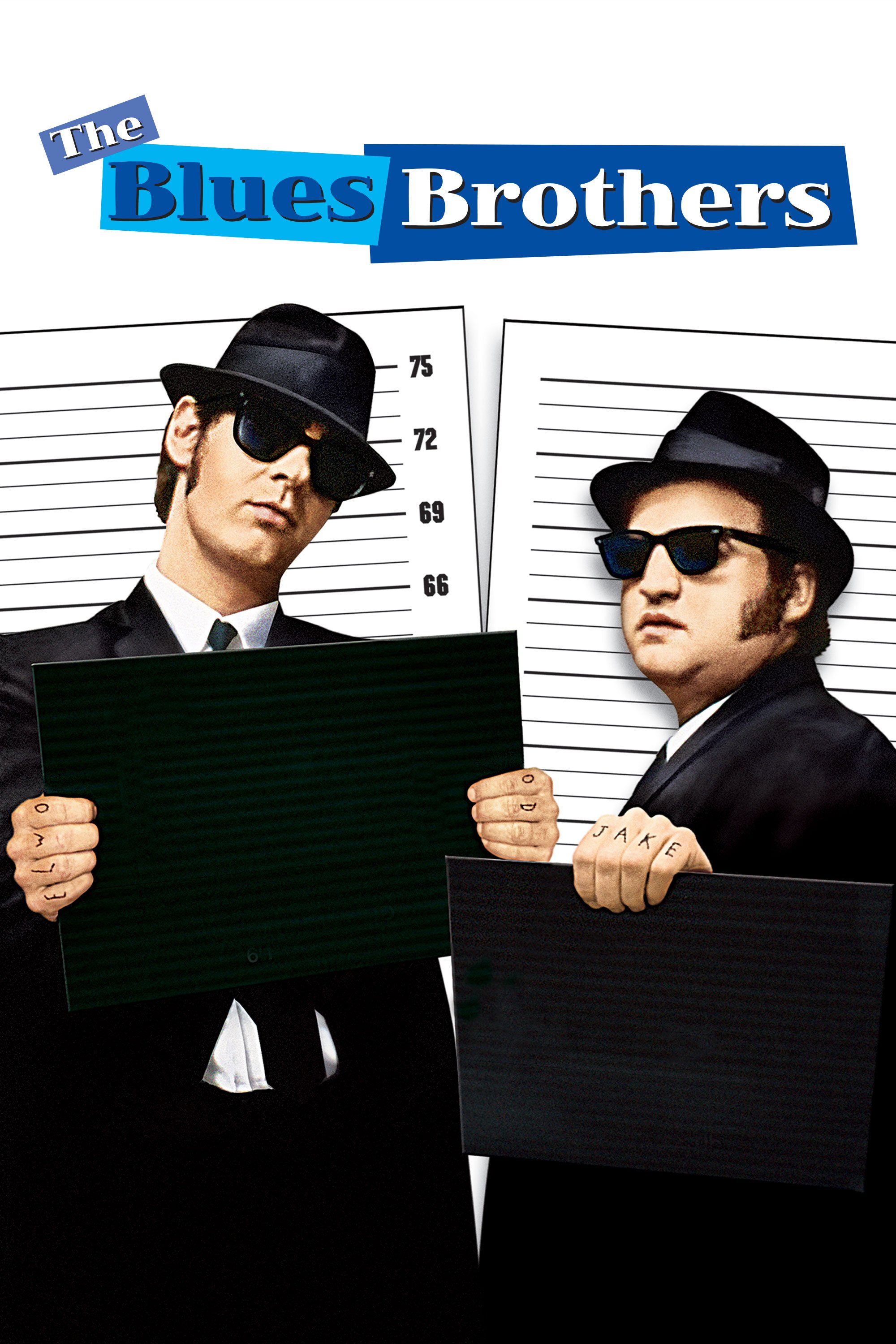

Most Rewatchable Scene
Ray’s Music Exchange; Chez Paul; mall chase
In the discussion (11)
- Jake’s release, the brothers’ reunion, police-car pickup and bridge jump provide a strong opening. — Bill Simmons
- James Brown’s church performance and Jake’s epiphany are nominated as iconic, with a stunt double inferred for the handsprings. — Bill Simmons
- The Dixie Square Mall chase is loved for escalating destruction, deadpan shopping remarks and its period mall atmosphere. — Bill Simmons
- Chez Paul is a favorite and the funniest scene, unleashing Belushi through food and outrageous demands; more similarly unrestrained scenes are desired. — Bill Simmons
- The Soul Food Cafe sequence combines John Lee Hooker, dry toast and four fried chickens, and Aretha’s Think; Murphy’s stiff acting contrasts with her performance. — Bill Simmons
- Ray’s Music Exchange is praised as the best musical number for its outdoor choreography, compared with Ferris Bueller’s Twist and Shout dancing. — Chris Ryan
- Bob’s Country Bunker, Rawhide and Stand by Your Man are nominated; its chicken wire inspires a joke about live television recaps.
- Minnie the Moocher, the Palace Hotel performances and Carrie Fisher’s tunnel confrontation are listed among candidates. — Bill Simmons
- The 106-miles-to-Chicago exchange is an iconic launch into the final chase. — Bill Simmons
- The Nazis’ prolonged falling Pinto, the Bluesmobile collapsing and the surrounding guns are final-chase highlights. — Bill Simmons
- Ray’s Music Exchange is explicitly selected for Charles’s timing, the song and dance, and its necessary place in getting instruments; another response favors Chez Paul or the mall. — Sean Fennessey

Half-Assed Internet Research
SNL origins; sprawling script; troubled production; stunts and release
In the discussion (18)
- The Blues Brothers began as a warm-up act, appeared as musical guests with Steve Martin and Carrie Fisher in 1978, then toured and released the hit album amid Belushi’s rapid rise. — Bill Simmons
- The film is placed near the start of a Chicago filmmaking revival and praised as a major city love letter preceding Ferris Bueller. The discussion’s mayor identification is not independently verified. — Bill Simmons
- Aykroyd reportedly delivered an unwieldy 324-page first script filled with digressions despite never having written or read a screenplay.
- The troubled production reportedly included a $3.5 million downtown scene, budgeted cocaine, an on-set private bar and an eventual $27.5 million budget that angered executives. — Bill Simmons
- The film is reported to have grossed $115.2 million, ranked tenth for 1980 and sixth among musicals, and launched alongside a concert tour; the claimed same-day Empire release is retained only as a podcast claim. — Bill Simmons
- Mixed contemporary reviews and criticism of excess are contrasted with enthusiasm from Siskel and Ebert. — Bill Simmons
- The original script reportedly contained separate recruitment plots for eight band members, compressed because they would not make a workable movie.
- Aretha reportedly struggled with lip syncing; Hooker is said to be the only singer recorded live. — Bill Simmons
- The Colleen Camp poster in Elwood’s apartment prompts a reported Apocalypse Now history: Lynda Carter’s original casting, storm interruption, Wonder Woman conflict and replacement poster recreating her original pose. — Sean Fennessey
- Thirteen Bluesmobiles were reportedly bought at auction, plus sixty police cars at $400 each. — Bill Simmons
- Forty stunt drivers and more than five hundred extras reportedly worked on the climax; a Pinto was dropped from a helicopter at 1,200 feet with special FAA permission. — Bill Simmons
- A Vanity Fair account describes a daily chain of executive anger over spending, eventually reaching Aykroyd as the person responsible for getting Belushi to work. — Chris Ryan
- Woodward’s Wired is described as controversial and drug-focused, supplying much production history later reused; Belushi disappearing into nearby homes makes the making-of seem filmworthy. — Bill Simmons
- The film reportedly destroyed 103 cars, a record later surpassed by The Matrix Reloaded’s 300. — Bill Simmons
- Belushi’s skateboarding injury reportedly required an urgently summoned orthopedic surgeon to keep his knee usable for filming. — Bill Simmons
- The Hollywood Palladium reportedly doubled for Chicago; enthusiastic concert crowds are praised, although their initial indifference to the first song is questioned. — Bill Simmons
- Aykroyd is quoted as blaming racist Southern theater refusals for suppressing box-office potential. — Bill Simmons
- Elwood’s freeze-framed record lists 116 parking and 56 moving violations with orders to arrest him and impound the vehicle. — Bill Simmons

Half-Assed Internet Research
Budget and gross; knife skills; expanded Vaughn role; therapy premise; Bogotá objections; Fight Club shirt; reused helicopter shot; 50 drafts; TV pilot and sequel ideas
In the discussion (10)
- The stated budget is $110 million, possibly more, against a $487 million gross. — Bill Simmons
- Jolie reportedly brought knife skills and her own collection to the production. — Chris Ryan
- Vaughn’s Eddie reportedly expanded from a cameo-sized part. — Chris Ryan
- Kinberg reportedly developed the premise after friends described marriage therapy as aggressive and mercenary. — Bill Simmons
- Colombians and their president reportedly objected to the film’s depiction of the country. — Bill Simmons
- Brody wears a Fight Club T-shirt during the interrogation. — Bill Simmons
- A helicopter shot over Bogotá was taken from Clear and Present Danger and modified with CGI. — Bill Simmons
- The script reportedly went through 50 drafts, with writers including Terence Winter, Akiva Goldsman, and Carrie Fisher. — Bill Simmons
- A 2007 ABC pilot written by Kinberg and directed by Liman starred Jordana Brewster and Martin Henderson; it was pitched as Married with Children with guns and was not picked up. — Bill Simmons
- Subsequent sequel ideas are described as eventually becoming Keeping Up with the Joneses, with uncertainty about whether Pitt and Jolie would have participated. — Chris Ryan

Recasting Couch
Keep Allen disputed; Sarandon, Winger, Close, Lange, Kidder and Fisher proposed
In the discussion (17)
- Redford or Hoffman are imagined in a 1970s version, but neither would supply Travolta’s particular lightness and finesse. — Wesley Morris
- Travolta is imagined in Tom Hanks’s 1980s roles, Romancing the Stone, Beverly Hills Cop and Amadeus, praising his combined dancing and everyman abilities. — Wesley Morris
- Purple Rain is jokingly floated and doubted, while Manhunter receives enthusiastic support as a hypothetical Travolta vehicle.
- Gere is imagined in Urban Cowboy’s Scott Glenn role but not Travolta’s lead. — Wesley Morris
- Travolta in No Way Out and Field of Dreams is imagined; Field of Dreams versus Bull Durham suitability is disputed, including whether he looks like a baseball player.
- Travolta in Die Hard is enthusiastically supported; missing an action vehicle around 1986–1988 is considered a lost opportunity.
- Travolta is imagined as Danny in Prince of the City.
- Nancy Allen is the recasting target despite admiration for Dressed to Kill and Carrie; repeated casting of a romantic partner is compared to Sondra Locke, while Allen is said to improve in the second half. — Bill Simmons
- Susan Sarandon, Debra Winger, a young Glenn Close and Jessica Lange are proposed for more star power. — Bill Simmons
- Lange is initially considered the only proposed actor suited to the character’s ditziness; Allen’s apparent dullness is defended as manipulation plus genuine hospital sedation.
- Allen is defended through her attentive eyes in the bar scene; the alternatives might project too much intelligence and professionalism, including Lange’s light rather than ditzy Tootsie performance. — Wesley Morris
- Sarandon remains a possible alternative, but Allen’s Bronx background makes her believable as Philadelphian in a way Lange may not. — Chris Ryan
- Margot Kidder and Carrie Fisher are proposed then rejected as different or too smart; Allen’s lightness is defended as exactly right, while the desire for a new actress persists.
- Harrison Ford is proposed as capable of the lead but acknowledged to produce a different performance. — Wesley Morris
- Roy Scheider could make it work as a more 1970s film; Redford is doubted as too beautiful and insufficiently East Coast, while Pacino and Gere remain conceivable. — Wesley Morris
- Stallone is jokingly the worst case because he would rewrite the material.
- The invited producer agrees Allen works better by the end despite disliking her early performance. — Bill Simmons
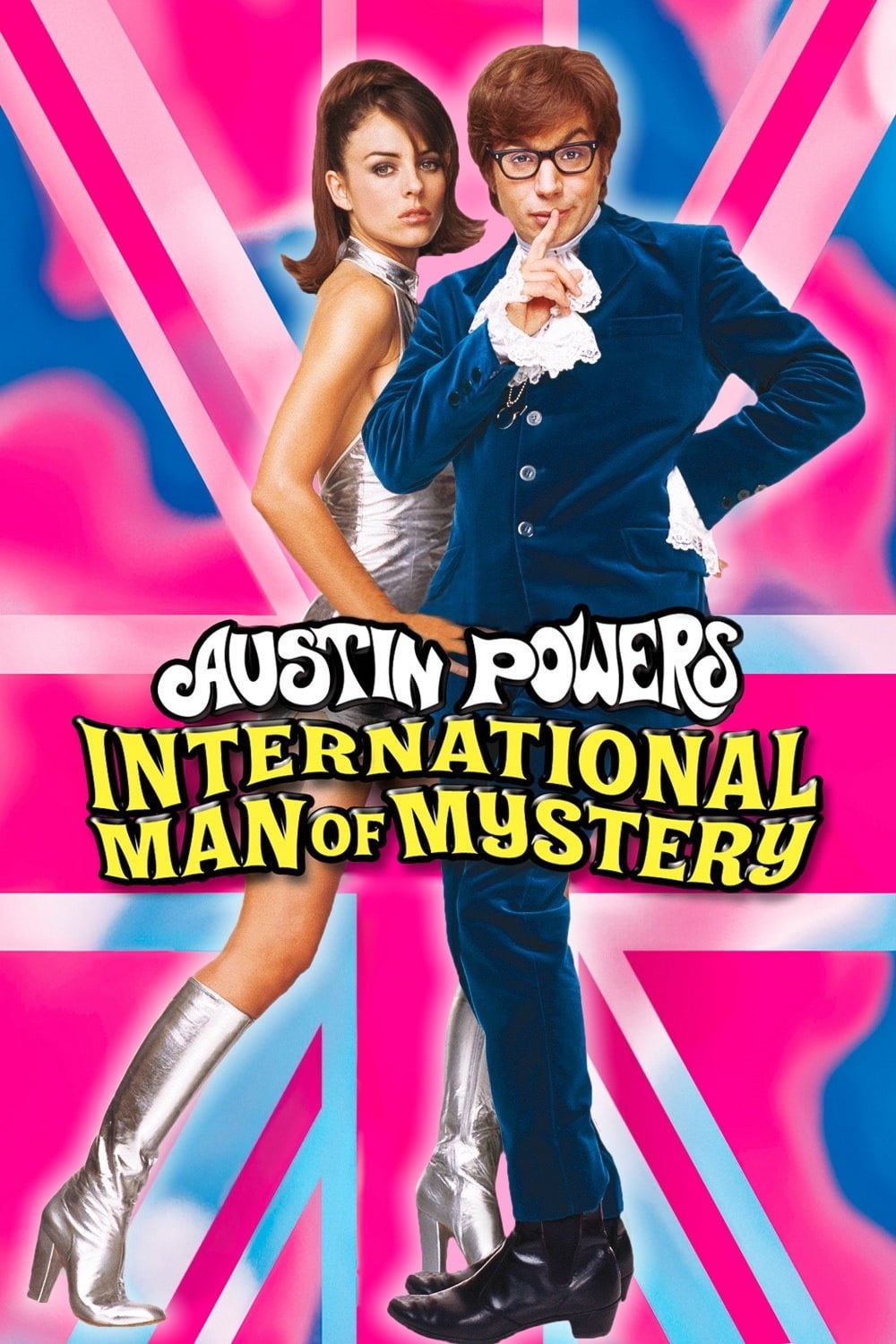
Most Rewatchable Scene
Group therapy scene
In the discussion (9)
- The cryogenic unfreezing with Gary Coleman and Vanilla Ice is a home-run four minutes: chest hair, the very long pee, the voice-volume side effect, meeting Vanessa, and the penis enlarger inventory gag. — Bill Simmons
- Mustafa's Las Vegas scene, where he keeps saying he was shot and asks for the hatch to be opened, is nominated; he was brought back in the sequel.
- The introduction of Dr. Evil's crew with bald Bigglesworth and his plan is a phenomenal four-to-five minute sequence; Will Ferrell slays, arriving from SNL, where he was still new and not yet mainstream.
- The evil laughing scene, Austin naked while Vanessa eats a sausage, and the returning Mustafa death scene show Myers pushing a bit past unfunny and back; the evil laughing should be a meme, though there may be concerns about Robert Wagner. — Bill Simmons
- The group therapy scene with Carrie Fisher is in the running for the greatest four minutes of 90s comedy and is one pick for most rewatchable; the Dr. Evil childhood speech is played in full.
- The evil petting zoo line and the dynamic between Dr. Evil and his son are favorites, and the sequel leans into it more.
- The dinner-party exchange questioning why Dr. Evil doesn't just shoot Austin, the reportedly improvised shushing scene, 'liquid hot magma' and the honeymoon ending are also cited.
- Other nominations: the Electric Psychedelic Pussycat Swingers Club with Mimi Rogers, the airplane seduction with Austin spinning around, and Tom Arnold's 'showed that turd who's boss' moment.
- All agree on the group therapy scene; one is partial to Austin waking up with the long pee and the penis enlarger and calls the two tied.
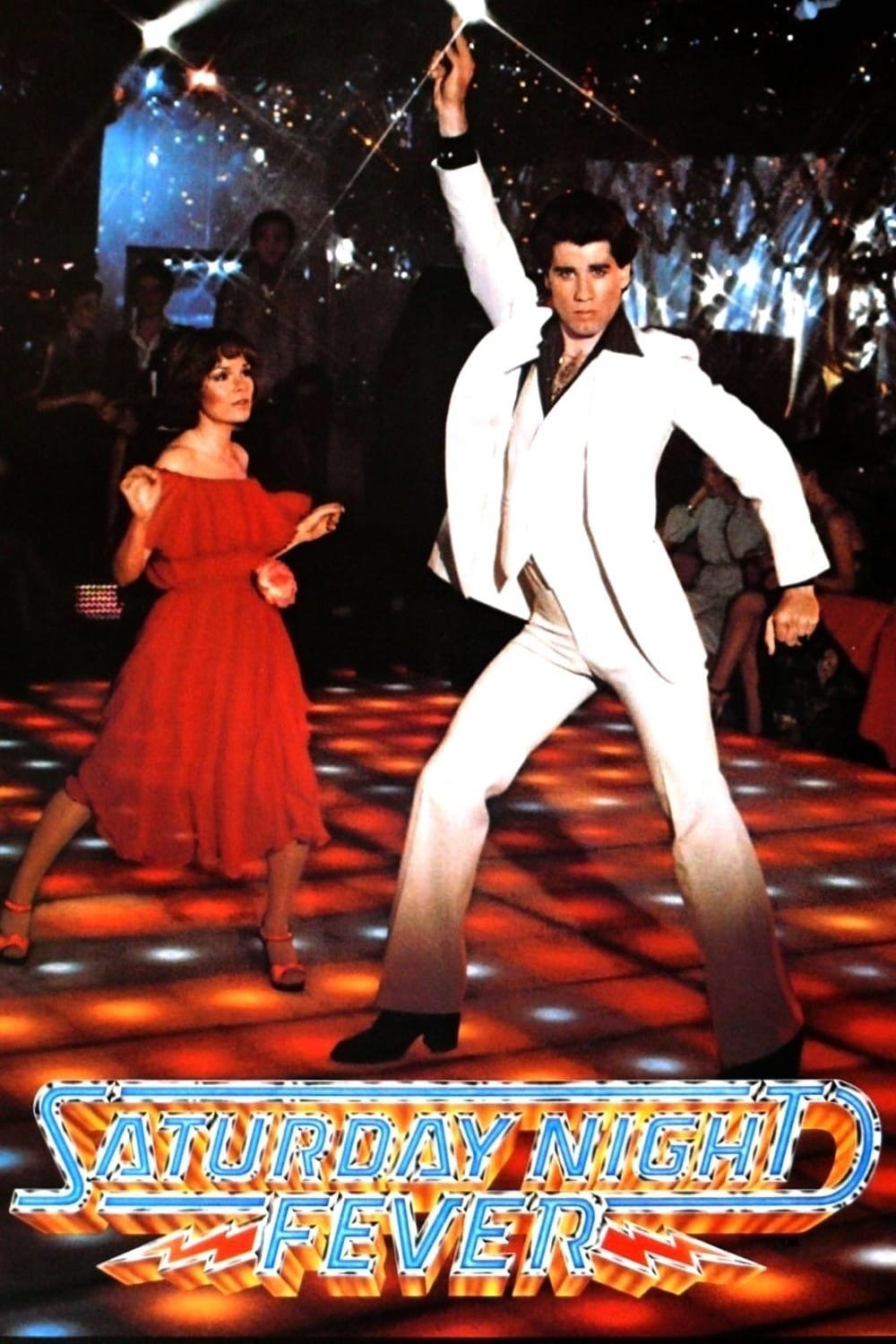
Recasting Couch
Carrie Fisher, Fran Drescher or Cher as Stephanie
In the discussion (3)
- Anyone could replace Karen Lynn Gorney; Carrie Fisher is the exciting option. — Bill Simmons
- Fran Drescher as the lead would have been great, though possibly too young if the role needed someone older. — Jimmy Kimmel
- Cher (transcribed "share") is floated, with the bonus of fake Hollywood stories about the leads falling in love during filming; the joke headline adds "Sunny, furious." — Bill Simmons
Casting What-Ifs
John Avildsen replaced by John Badham; Jessica Lange, Kathleen Quinlan and Carrie Fisher reportedly considered for Stephanie; Donna Pescow nearly passed over
In the discussion (5)
- The original director, who made Rocky, was fired a month before shooting, and his replacement was put on the map by this film. — Bill Simmons
- Actresses reportedly considered for Stephanie include Jessica Lange, Kathleen Quinlan, Amy Irving and Carrie Fisher, with the internet list flagged as not fully verified. — Bill Simmons
- Amy Irving is doubted because she was in Carrie with Travolta and was probably too famous; Carrie Fisher auditioned before Star Wars and would have been better than Gorney. — Bill Simmons
- Accent matters most: Gorney's fake New York accent is unconvincing, illustrated by an impression of a Brooklyn aunt. — Jimmy Kimmel
- Donna Pescow, from Brooklyn, had to bring her accent back; Paramount executives Eisner and Katzenberg thought her too pretty, so she gained about 10 pounds and auditioned six times. — Bill Simmons
Casting What-Ifs
Glenn Close’s casting challenge; Sharon Stone and other Alex candidates; Christopher Reeve; Andie MacDowell; Brian De Palma; John Carpenter
In the discussion (6)
- The producers doubted Close’s sexual suitability until her hair and chemistry with Douglas helped establish the role. — Bill Simmons
- Stone auditioned and was passed over; the panel argues Alex should be Douglas’s contemporary. Field, Alley and Thompson are reported as considered, with uncertainty. — Bill Simmons
- Elisabeth Shue’s candidacy is doubted because of her age; Carrie Fisher is mentioned, and Field’s ability to play Alex is debated through Sybil.
- Reeve reportedly declined Dan; the panel doubts his fit for spontaneous moral compromise. MacDowell was considered for Beth. — Wesley Morris
- MacDowell is described as a later market replacement for Archer, with hypothetical Archer roles in Sex, Lies, and Videotape, Groundhog Day and Short Cuts.
- De Palma reportedly wanted Douglas replaced; Carpenter then declined over similarities to Play Misty for Me and objections to the original ending. — Wesley Morris

In the discussion (1)
- His death and the deaths of Carrie Fisher and Nora Ephron are noted after the selection. — Bill Simmons

Half-Assed Internet Research
Rejected titles, Crystal isolating himself, real-couple interludes, Gerald Ford’s son, the original platonic ending, Reiner’s changed outlook, and improvised material
In the discussion (8)
- Ephron reportedly proposed “How They Met,” and a crew contest considered Just Friends, Playing Melancholy Baby, Boy Meets Girl, Blue Moon, Words of Love, It Had to Be You, Harry, This Is Sally, and How They Met. — Bill Simmons
- Billy Crystal reportedly stayed apart from the cast and crew in another hotel to find Harry’s lonely mindset. — Bill Simmons
- The interlude couples are reported as real people rather than actors. — Bill Simmons
- Gerald Ford’s son Jack played Joe. — Bill Simmons
- The script initially kept Harry and Sally platonic; Reiner changed the ending after meeting his future wife during production.
- A 2004 stage adaptation starred Luke Perry and Alyson Hannigan. — Bill Simmons
- Reiner and Crystal met playing best friends on All in the Family, and Carrie Fisher knew Reiner through Penny Marshall. — Bill Simmons
- Harry and Sally’s final interview was reportedly improvised from a much longer filmed exchange.

In the discussion (2)
- Fisher’s Rolodex selfishness, repeated “You’re right, I know you’re right,” and emotional economy make five scenes feel career-defining.
- The panel compares her favorably with later rom-com best friends and argues that Ephron’s friends are people rather than one-note assistants.

What’s Aged the Best?
Nora Ephron’s script, the 96-minute structure, friends-to-lovers premise, soundtrack, sexual candor, supporting friendships, old-movie references, and memorable micro-phrases
In the discussion (11)
- The screenplay and Ephron’s voice remain clean, influential, and highly readable. — Bill Simmons
- The 96-minute runtime wastes no scene and avoids modern padding, contrived villains, and overloaded will-they/won’t-they plotting. — Bill Simmons
- Friends realizing mutual love remains a powerful movie and real-life template. — Bill Simmons
- Harry Connick Jr.’s classic-song soundtrack avoids the dating effect of period pop choices. — Bill Simmons
- New York restaurants, Sally’s changing hair before the perm, her intricate ordering, and the Knicks drought jokes remain vivid. — Bill Simmons
- Carrie Fisher’s “Joe’s available,” Jimmy Breslin, and the warning about sleeping with a friend remain sharply observed. — Bill Simmons
- The movie’s frank treatment of sex, different expectations, and Harry’s absolutist friendship theory remains productive and mostly nonoffensive. — Bill Simmons
- Nora Ephron is treated as irreplaceable and New York in autumn as permanently beautiful. — Bill Simmons
- References to Casablanca and older romantic comedies teach viewers to rewatch and argue about movies. — Bill Simmons
- The fake-orgasm scene helped make discussion of women’s sexual experience more open, and “he’s never going to leave her” remains practical relationship advice. — Amanda Dobbins
- The Pictionary arrows and phrases such as “baby fish mouth” show how small jokes became durable shared language. — Bill Simmons
Films in the archive
Austin Powers: International Man of Mystery
1997



Shampoo
1975

Star Wars: A New Hope
1977
The Blues Brothers
1980


The Empire Strikes Back
1980
When Harry Met Sally...
1989