‹ All movies

Star Wars may have partly displaced organized religion for its fans.

Van Lathan: A correlation between declining organized religious engagement and Star Wars mythology is proposed as a provocative interpretation, not established causal research.

Bill Simmons: A childhood restriction on watching the film illustrates how its religious imagery could be viewed as competing belief; toys are compared with devotional objects.

The film

Star Wars: A New Hope (1977)

Directed by George Lucas · Science fiction

121 minutes

Cast

Selected cast credits · Film reference

Everything from the episode

In the order the hosts got to it. Open a row for the discussion.

30:48

The Stephen A. Smith Hottest Take Award

Star Wars may have partly displaced organized religion for its fans.

Star Wars may have partly displaced organized religion for its fans.

In the discussion (2)
Approx. transcript time · 00:30:48Read transcript
  • A correlation between declining organized religious engagement and Star Wars mythology is proposed as a provocative interpretation, not established causal research. — Van Lathan
  • A childhood restriction on watching the film illustrates how its religious imagery could be viewed as competing belief; toys are compared with devotional objects. — Bill Simmons
34:37

Producer review

The producer recalls casual enjoyment and an intimidating depth of lore.

The producer recalls casual enjoyment and an intimidating depth of lore.

In the discussion (2)
Approx. transcript time · 00:34:37Read transcript
  • Only a few early viewings left him less attached, and expert gatekeeping can make a casual fan feel excluded. — Van Lathan
  • Obsessive Star Wars talk can alienate others, like NHL fans challenging somebody who does not watch Oilers games or sports fans quizzing a stranger about the Niners quarterback.
37:22

The Stephen A. Smith Hottest Take Award

A nearly perfect movie may also have damaged the movie business.

A nearly perfect movie may also have damaged the movie business.

In the discussion (3)
Approx. transcript time · 00:37:22Read transcript
  • The film is argued to have shifted mainstream priorities from adult stories toward children and corporate franchise profits, despite its own excellence. — Bill Simmons
  • Others question whether expanding audiences, distribution and home video would have produced similar changes anyway. — Chris Ryan
  • The argument for expansion is that more movies get made and a six-year-old and thirty-six-year-old can be obsessed with the same thing; the effect on smaller films is debated. — Bill Simmons
55:14

Top Ten List

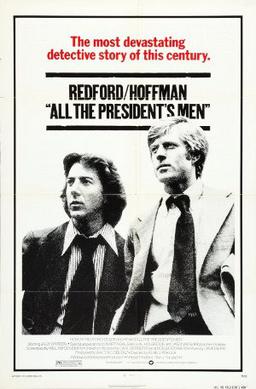
1976 box office top ten: 1 Rocky; 2 To Fly!; 3 A Star Is Born; 4 King Kong; 5 Silver Streak; 6 All the President's Me...
In the discussion (1)
Approx. transcript time · 00:55:14Read transcript
1:11:11

Half-Assed Internet Research

The production combines rights gambles, technical invention and an unexpected hit.

The production combines rights gambles, technical invention and an unexpected hit.

In the discussion (5)
Approx. transcript time · 01:11:11Read transcript
  • Fox’s deal, Lucas retaining sequel/merchandise rights and the studio’s closed effects department are described as key circumstances leading to the film and ILM. — Van Lathan
  • Dykstra, Mirren, Tippett and Johnston’s warehouse work, motion-camera development, animation and model photography are praised through the Light and Magic documentary. — Sean Fennessey
  • The Falcon approaching the rebel planet and the detailed, fully focused opening destroyer still seem convincing; handmade models give ships physical credibility.
  • Limited marketing, valuable early merchandise, a May release strategy and a reported2.5-percent profit swap with Spielberg are recounted.
  • Lucas reportedly vacationed during the unexpected success and developed Raiders with Spielberg in Hawaii. — Bill Simmons
1:20:45

The Stephen A. Smith Hottest Take Award

Han Solo versus Indiana Jones as Ford’s greatest role.

Han Solo versus Indiana Jones as Ford’s greatest role.

In the discussion (2)
Approx. transcript time · 01:20:45Read transcript
  • Indiana Jones is considered more iconic or enduring by several speakers, while others identify Ford most strongly with Han’s charm and freedom to play.
  • The likely obituary emphasis is imagined as Indiana Jones, while Han remains personally central to this film. — Chris Ryan
1:21:33

Who Won the Movie?

Tentatively Ford; final decision deferred

Tentatively Ford; final decision deferred

In the discussion (1)
Approx. transcript time · 01:21:33Read transcript
  • Ford is said to win this film because it would not work without him, but another participant objects to reaching the last category early. This is provisional discussion, not a completed winner vote. — Bill Simmons
1:24:00

Recasting Couch

Denzel or a later Kurt Russell are imagined as Han.

Denzel or a later Kurt Russell are imagined as Han.

In the discussion (2)
Approx. transcript time · 01:24:00Read transcript
  • Han requires an unusual combination of cool, humor and charisma; Denzel is proposed as a somewhat edgier alternative. — Van Lathan
  • A later Russell is considered plausible because Han must be dashing yet rough, smuggling and likable rather than simply pretty. — Sean Fennessey
1:34:26

Roger Ebert's review

4 stars (scale not stated)
In the discussion (1)
Approx. transcript time · 01:34:26Read transcript
  • Ebert’s account of forgetting the theater and feeling part of the film is enthusiastically embraced. — Sean Fennessey

More from the conversation

Star Wars is introduced as a peak seventies blockbuster. An explicitly invited response recalls seeing it with a father at seven and discovering the possibilities of science fiction.
Approx. transcript time · 00:02:21Read transcript
Theatrical rereleases, prequels and the Disney era sustain repeated rediscovery. Growing up after the original release meant inheriting a film culture permanently changed by it.
Approx. transcript time · 00:03:43Read transcript
Toys, limited available stories and unexplained lore left room for children to invent their own adventures, unlike a later universe with extensive answers.
Approx. transcript time · 00:06:03Read transcript
Memories of classmates’ repeated theatrical visits and merchandise lead to debate over whether sports fandom and Star Wars fandom were separate or naturally overlapping passions.
Approx. transcript time · 00:08:18Read transcript
Empire’s darker relationships and personal crisis made the series more compelling to one participant; the trilogy format itself felt new.
Approx. transcript time · 00:10:26Read transcript
Repeated viewing transforms initial concerns about dated effects and slow desert passages into exhilaration at the trench run and admiration for Vader’s brief but commanding presence.
Approx. transcript time · 00:11:45Read transcript
Knowing the later family revelations changes the original story. Luke now seems bratty until rescuing Leia and losing his mentor, whereas childhood viewers saw an aspirational older hero.
Approx. transcript time · 00:13:28Read transcript
Ford’s confidence, modern sarcasm and lived-in charm make Han immediately compelling. Luke’s blankness is defended as isolation and a mystical calling being held back, rather than simply a failed performance.
Approx. transcript time · 00:14:45Read transcript
One participant regrets never becoming deeply invested despite theatrical viewings and friends’ enthusiasm; the others compare franchise lore with his own basketball-history passion.
Approx. transcript time · 00:17:47Read transcript
Western, Dune, Flash Gordon, Wizard of Oz, Kurosawa and 2001 influences are discussed as material synthesized into a fresh world through style and technology.
Approx. transcript time · 00:19:11Read transcript
The sparse early exposition is defended as trusting viewers to inhabit an unfamiliar world. Modern demands for exhaustive explanation can constrain storytelling; intuitive names help children grasp characters.
Approx. transcript time · 00:20:22Read transcript
Lucas’s imaginative scale is compared with King. The original’s practical limits reportedly left him dissatisfied and drove later revisions, while expanded technical freedom did not guarantee equally strong prequels.
Approx. transcript time · 00:23:27Read transcript
Revenge of the Sith receives support while the other prequels disappoint; production constraints are considered part of the original’s strength.
Approx. transcript time · 00:25:17Read transcript
The lack of a readily available unaltered theatrical edition is regretted. Added Jabba footage is considered damaging to mystery, while Lucas’s revisions are interpreted as attempts to realize an unfinished personal vision.
Approx. transcript time · 00:25:59Read transcript
Belief, purpose, good versus evil, destiny, fathers and sons, loyalty and aging are identified as durable themes, with basketball analogies for Obi-Wan.
Approx. transcript time · 00:29:39Read transcript
Late merchandise production reportedly led to empty-box promises for toys; memories of coveted playsets illustrate their role in childhood fandom.
Approx. transcript time · 00:33:31Read transcript
A remembered date asking basic Force questions illustrates the gatekeeping just discussed.
Approx. transcript time · 00:36:43Read transcript
New Hollywood directors’ later failures are attributed to a mixture of commercial shifts, personal circumstances, excess and risky films; Friedkin and Coppola provide contrasting examples.
Approx. transcript time · 00:42:54Read transcript
Coppola’s reported challenge to make a comedy leads into American Graffiti’s importance for Lucas’s character writing and Ford connection. Taking lower pay for merchandising/sequel rights is praised as an extraordinary gamble.
Approx. transcript time · 00:45:49Read transcript
Siskel’s concern for serious pictures and Scorsese’s reported reaction to Star Wars and New York New York frame the backlash. Scorsese’s later achievements complicate a simple story of permanent displacement.
Approx. transcript time · 00:48:07Read transcript
Quoted criticism from Milius and Friedkin is contrasted with Lucas’s defense of popular entertainment. The discussion separates sincere commercial art from corporate profit priorities and recalls earlier biblical/disaster spectacles.
Approx. transcript time · 00:49:57Read transcript
Star Wars is credited with turning childhood fans into lifelong customers. Later nostalgia and family-entertainment business models build on that relationship, while adult reviewers struggle to separate childhood attachment from criticism.
Approx. transcript time · 00:56:14Read transcript
Familiar influences presented in a new form are compared with recent hits. The droids and Chewbacca provide warmth and reassurance between violent passages, contrasting with 2001’s cooler intellectual distance.
Approx. transcript time · 00:59:09Read transcript
The distant-yet-ancient framing and opening crawl create timeless myth, urgency and a sense of reading something momentous.
Approx. transcript time · 01:00:49Read transcript
Merchandise, sequels, books, games, parks and television make the property an unusually durable global franchise. Bond is raised as an earlier repeatable-film model, though less serialized; technical and filmmaker influence is also recognized.
Approx. transcript time · 01:02:32Read transcript
World-building becomes a Hollywood sales pitch, but franchise fatigue can conflict with complete standalone stories. Star Wars’ sustained influence is compared with Pulp Fiction’s shorter imitation cycle.
Approx. transcript time · 01:05:22Read transcript
Repeatedly filling the same timeline risks exhausting new stories. Rogue One’s Vader sequence is admired, but its proximity to the original illustrates saturation; Solo highlights the difficulty of replacing Ford.
Approx. transcript time · 01:08:02Read transcript
Regarding Henry is jokingly placed behind the iconic roles, leading to discussion of Abrams’s early screenplay and Nichols directing.
Approx. transcript time · 01:22:49Read transcript
Williams is celebrated as an unmatched film composer whose late-career scores remain strong. His many signature franchises complicate choosing a single defining work.
Approx. transcript time · 01:25:32Read transcript
Star Wars, Jaws, Superman and other Williams scores compete as his signature work; their instantly recognizable music is considered an extraordinary collective achievement.
Approx. transcript time · 01:27:33Read transcript
The creature variety is compared with Henson’s imaginative worlds. McQuarrie is called a secret MVP for translating Lucas’s ideas into concept art closely resembling the finished film.
Approx. transcript time · 01:28:48Read transcript
Annie Hall winning Best Picture is debated: Star Wars may have lacked prestige, but Annie Hall is defended as formally adventurous. The five-film field and Guinness’s supporting nomination are discussed.
Approx. transcript time · 01:30:46Read transcript
Conflicting accounts of Guinness’s enthusiasm, his reported profit participation and his later identification with Obi-Wan are discussed. The spoken Oscar-count/category list is not independently verified.
Approx. transcript time · 01:32:47Read transcript
The speakers report an 11-million budget, initial 410-million worldwide gross and later cumulative figures while acknowledging rerelease uncertainty. Inflation-adjusted rankings are a separate spoken comparison.
Approx. transcript time · 01:33:52Read transcript
After roughly 95 minutes of introductory discussion, the hosts explicitly move the remaining episode into Part Two.
Approx. transcript time · 01:34:55Read transcript