
Film credit
Bill Murray
Stats
- Episodes featuring their films
- 9
- Movies in this archive
- 10
Rewatchables episodes featuring Bill Murray’s films
The Grand Budapest Hotel
2014 film
Chris Ryan · Sean Fennessey · Andy Greenwald
Aired August 13, 2024
Mentioned in discussions


What’s Aged the Worst?
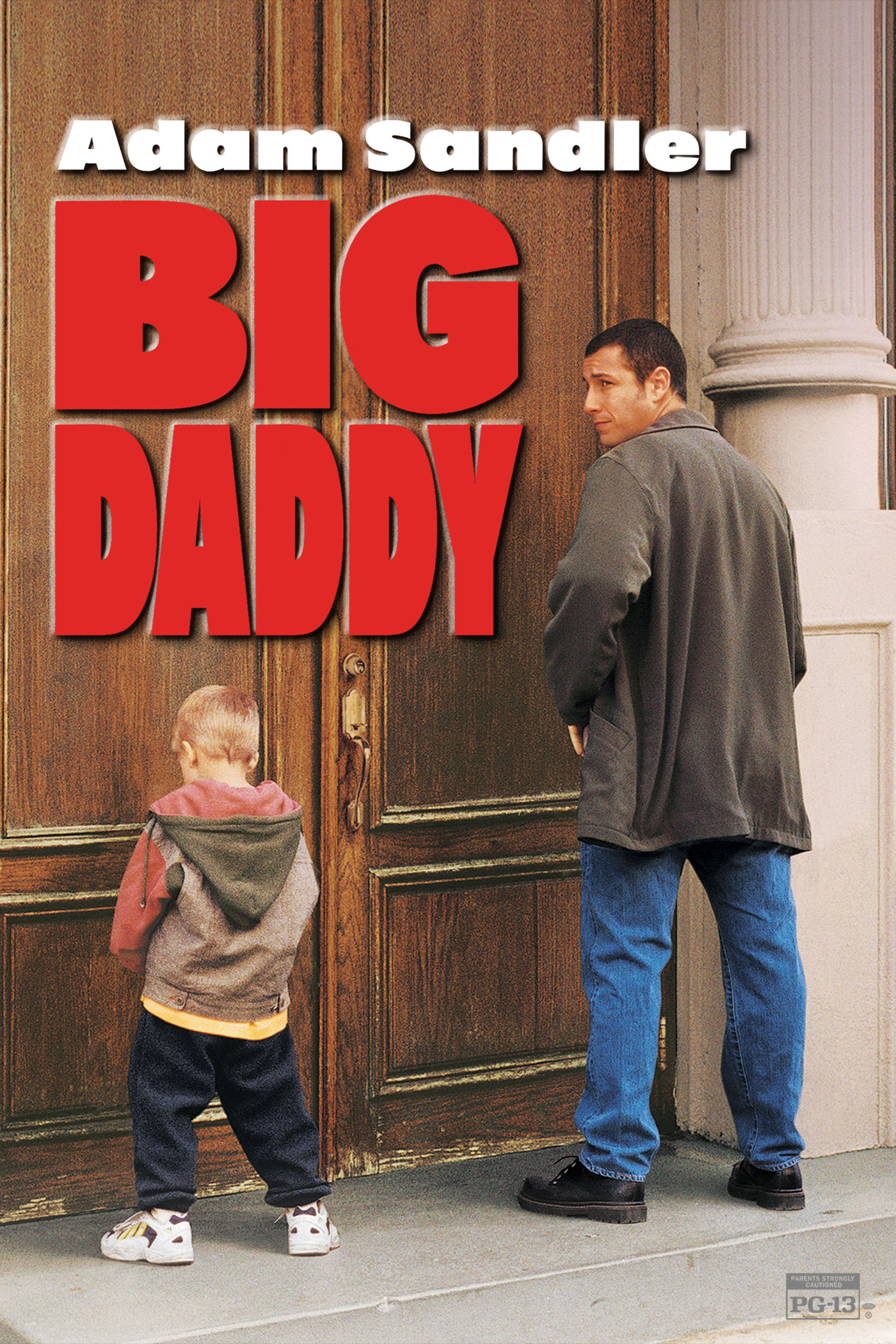
Adam’s characterization; the smiling youngest son; Baldwin’s later baggage
In the discussion (3)
- The adult children are implausibly jobless, available, and eager to climb into bed together.
- Baldwin’s briefly mentioned presence and Adam’s loser-like characterization; Bill Murray is proposed as Adam, then questioned because Jane might need to care for him.
- The youngest son’s constant grin seems unnerving rather than natural. — Bill Simmons
In the discussion (1)
- Bill Murray and Jack Nicholson were allegedly considered for the lead; Murray is intriguing. — Bill Simmons
In the discussion (2)
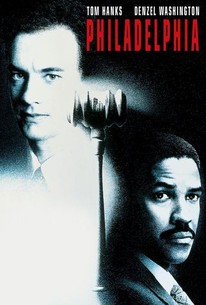
- Casting what-ifs: Daniel Day-Lewis and Michael Keaton reportedly declined Andy; Bill Murray and Robin Williams were considered for a more comic Joe before Denzel. — Bill Simmons
- Casting what-ifs: John Leguizamo reportedly chose Super Mario Bros.over Miguel; James Woods was considered for Wheeler. Springsteen initially offered existing Tunnel of Love before writing a new song.

Casting What-Ifs
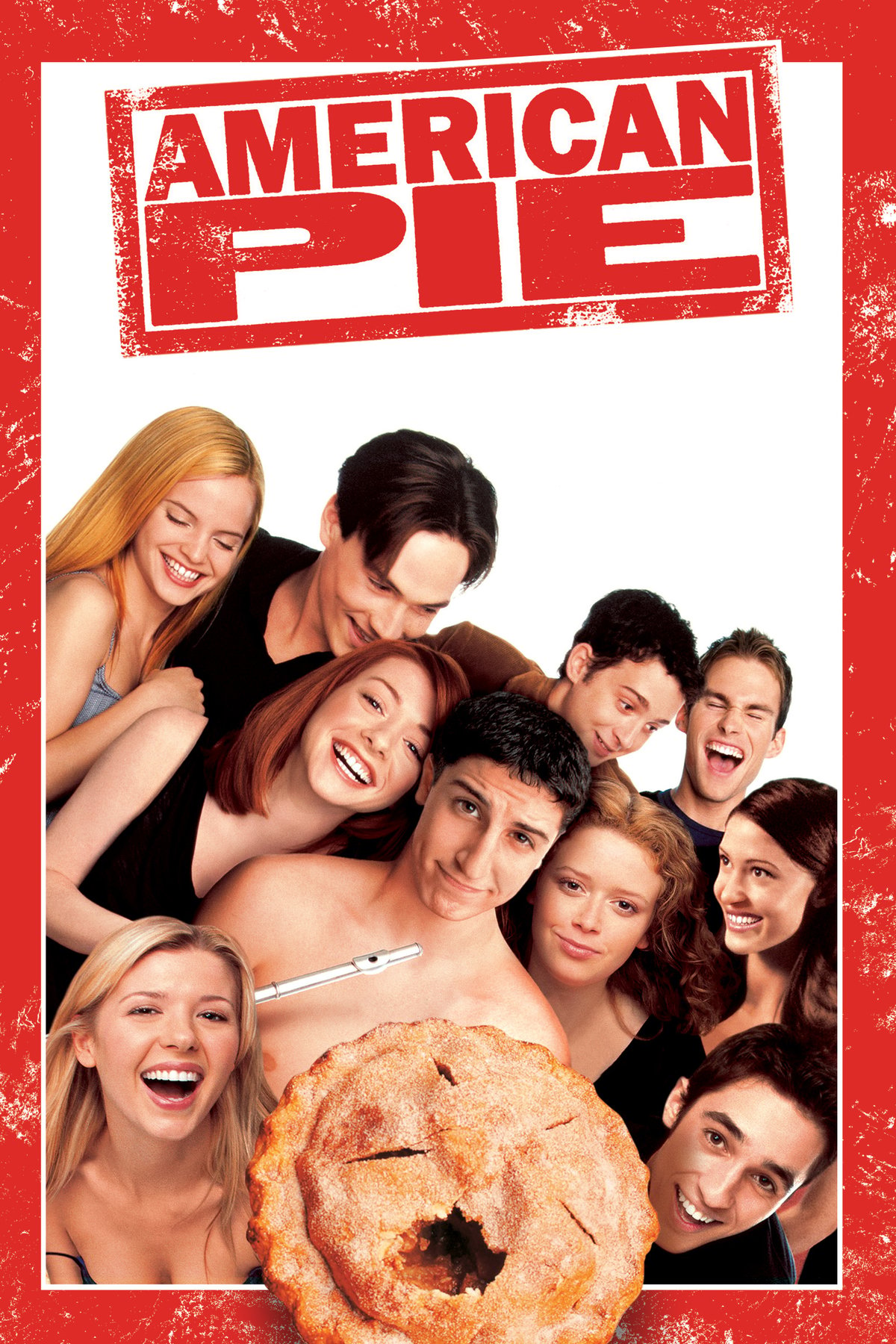
Murray reportedly declined Jim’s father; Hannigan reportedly chose the bandcamp role over Heather.
In the discussion (1)
- Bill Murray reportedly declined Jim dad; Hannigan reportedly declined Heather and chose bandcamp role; initial Tara Reid role attribution corrected to Savari. — Bill Simmons

In the discussion (2)
- Johansson and Coppola are considered, but Murray receives two explicit final choices. — Bill Simmons
- The performance completes Murray’s transition from comic star to serious dramatic actor, building on earlier work and the Wes Anderson period. — Bill Simmons
Podcast choices
- Speaker not identified
- Bill Murray
- Speaker not identified
- Bill Murray

The Stephen A. Smith Hottest Take Award
Danny McBride is the funniest person of his generation
In the discussion (5)
- Danny McBride is declared the funniest performer of the prior fifteen years and the successor to Will Ferrell.
- His recurring overconfident persona is compared with Bill Murray, Chevy Chase, and Will Ferrell.
- His entrances, breakfast, ration argument, insults, and laughter at Michael Cera’s death are cited as examples. — Bill Simmons
- The limited-film-role, heat-check shape of his career is praised rather than treated as a weakness. — Bill Simmons
- Pineapple Express 2: Blood Red is identified as an apocalypse project within the film and as the prospective real sequel plot. — Bill Simmons
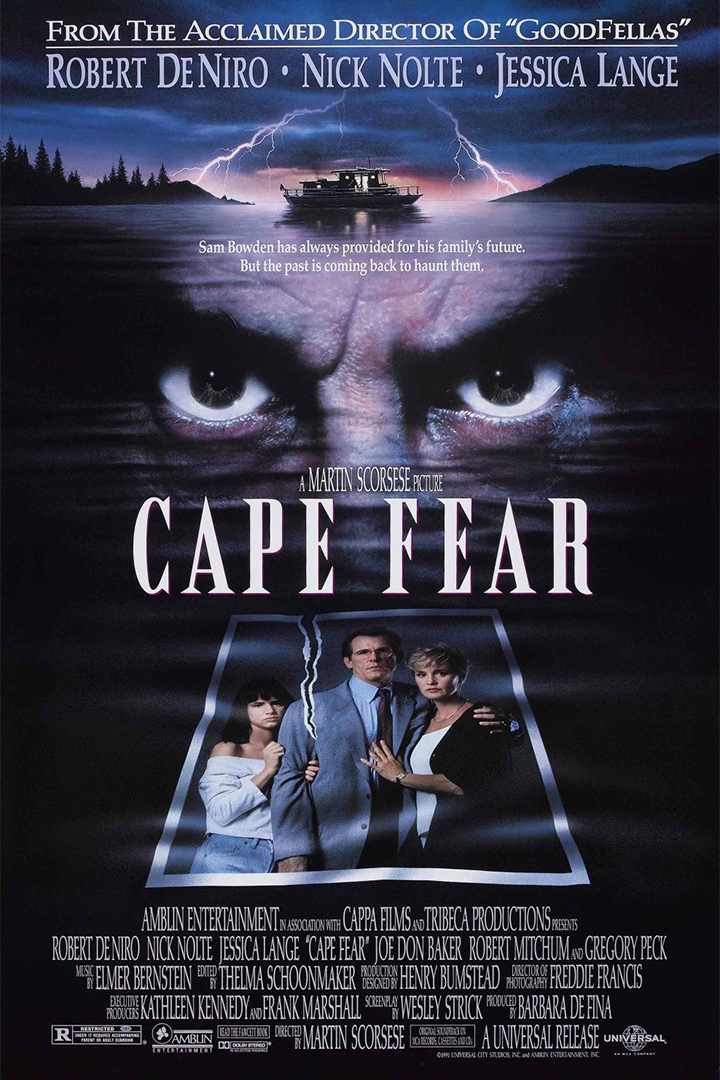
Casting What-Ifs
Spielberg initially attached; reported Schindler’s List / Cape Fear project trade praised as right choice for both directors.
In the discussion (5)
- Spielberg initially attached; reported Schindler’s List / Cape Fear project trade praised as right choice for both directors. — Bill Simmons
- Scorsese reportedly wanted Ford as Sam, Ford wanted Cady; reactions range from terrible fit to intriguing. Spielberg reportedly wanted Bill Murray as Cady, with some approval and Groundhog Day / comic references to Mad Dog and Glory. — Bill Simmons
- Host rejects internet claim that Sarah Jessica Parker was cast then fired, citing Scorsese saying Lewis was first cast. Drew Barrymore initial mishearing corrected. — Bill Simmons
- Reported roughly 500 auditions including Connelly, Barrymore and Witherspoon. Barrymore wrong energy and reportedly disappointed by her audition; older Freeway-era Reese might work, fifteen-year-old Reese would not. — Bill Simmons
- Diane Keaton reportedly considered for wife; hosts glad she was not cast. Lange performance remains disputed.
Casting What-Ifs
Batman contenders; Joker alternatives; Vicki Vale recasting; Grissom refusal; Adam West
In the discussion (13)
- Casting what-ifs are deferred past the break; the film is said to have as many as any of the 226 editions, rivaling The Godfather. — Bill Simmons
- Nearly every 1980s star was reportedly considered for Batman, including Mel Gibson, Kevin Costner, Charlie Sheen, Tom Selleck, Bill Murray, Harrison Ford, and one further name garbled in the transcript, with uncertainty over what is real. — Bill Simmons
- Pierce Brosnan reportedly met Burton but did not want to play a comic-book hero. — Bill Simmons
- Bill Murray, with Ivan Reitman directing, was earlier buzz that Peters favored for years; the hosts are glad it did not happen. An Eddie Murphy as Robin rumor is doubted. — Bill Simmons
- Damon Wayans, met by chance, reportedly denied the research claim that he and Bruce Willis feuded on The Last Boy Scout, illustrating the unreliability of casting research. — Bill Simmons
- Nicholson was reportedly the studio’s top Joker choice since 1980, and Willem Dafoe reportedly stated in 2009 he had been in talks. — Bill Simmons
- Robin Williams was reportedly offered the Joker to pressure Nicholson, released once Nicholson agreed, and then refused Warner roles such as the Riddler without an apology; the apology detail is doubted. — Bill Simmons
- Dead Poets Society was 1989’s third-biggest film; swapping Nicholson and Williams would make both films worse, and “he stole my balloons” is called a favorite line.
- Nicholson’s reported conditions included top billing, a share of earnings including merchandise, capped work hours, and no work on Lakers home playoff games; his fee dropped from $11 million to $6 million, but he may have made $90 million. — Bill Simmons
- Martin Landau reportedly turned down Carl Grissom for Crimes and Misdemeanors, and Jack Palance in that role is imagined as bad.
- Sean Young was cast as Vicki Vale and replaced after a horse-riding injury; the Knox actor later claimed she sabotaged a read-through, which is doubted. Her Catwoman costume audition for Batman Returns is recalled.
- The Knox actor also claimed Keaton blocked Peters’ choice of Michelle Pfeiffer because they had dated, which is doubted since she is in the sequel. — Bill Simmons
- Adam West was publicly disappointed not to be asked to reprise Batman. — Bill Simmons
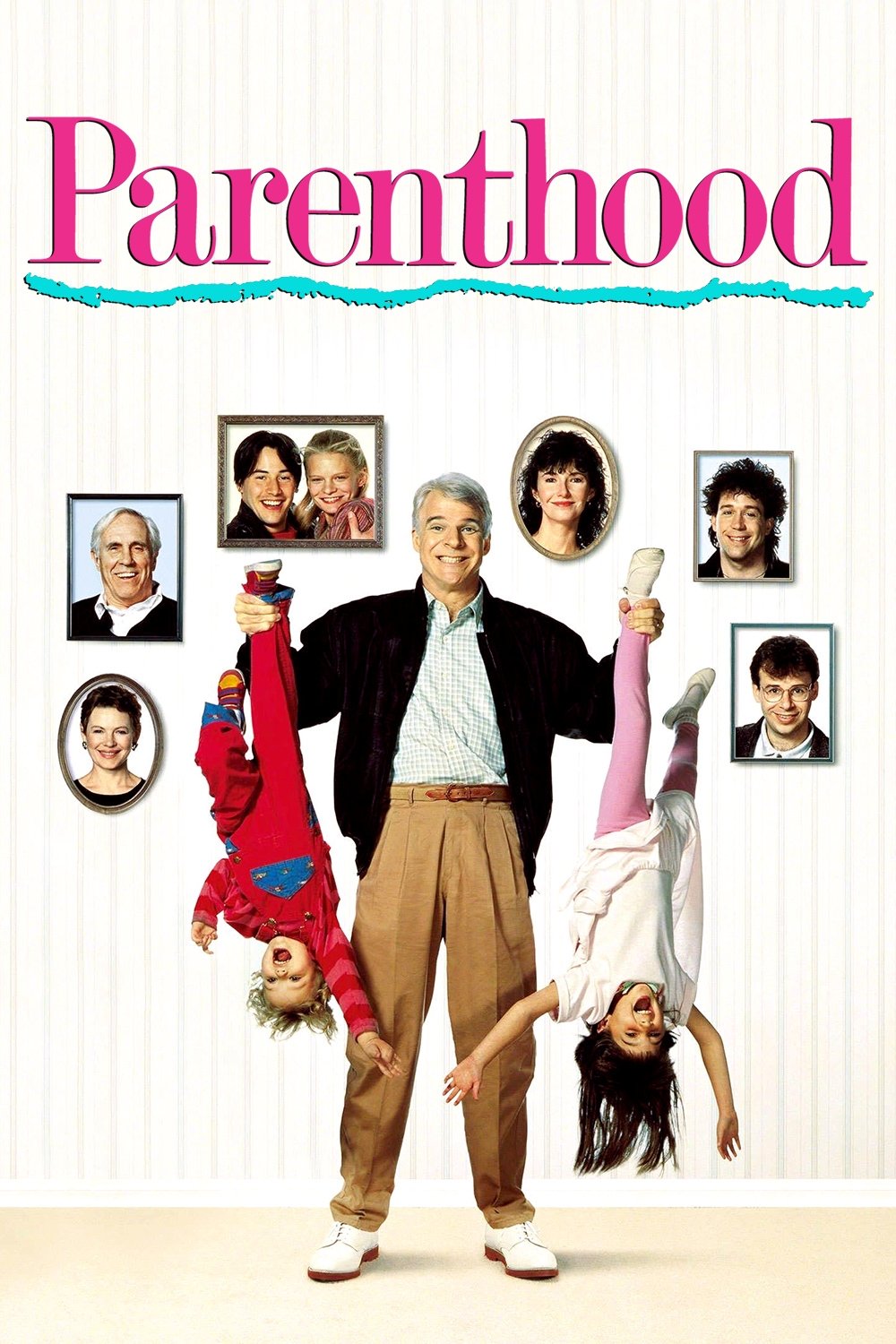
Picking Nits
Towering Little League pop fly; Martin playing 35; baseball positioning; uninjured car-crash couple; sexual content; Moranis’s classroom song; developed sex photos
In the discussion (10)
- Moved up from picking nits: the first baseman explodes into the outfield impossibly fast under a pop fly that hangs for about fifteen seconds. — Bill Simmons
- A 32-mile-per-hour pitch and a weak batter could not produce that pop fly, and the first baseman is a slow slugger type rather than a quick first baseman like John Olerud.
- The biggest nitpick is that Martin, 44 and looking older, plays a 35-year-old; he is called miscast despite being great.
- If Gil is 35 with a nine-year-old, he would be about fifty at the college graduation yet appears elderly with a cane. — Van Lathan
- A generational talent gap is suggested between the Hanks-Keaton group and Martin; Dan Aykroyd or Bill Murray might have fit, but the character should have been written older, which would also sharpen the late pregnancy. — Bill Simmons
- The team’s best player would pitch or play shortstop rather than first base; Lou’s grievance comes from Gil’s positioning of Kevin, and a manager could simply move the left fielder to second. — Bill Simmons
- Gil or his wife should have been hurt in the car accident, although the nature of the crash is unclear.
- The film pushes the limits of its rating with a vibrator, pornography, oral sex and sex photographs.
- Rick Moranis singing in the classroom is called a least-favorite, overly long scene. — Bill Simmons
- Developing sex photographs at a local shop seems implausible; developers reportedly refused to print some photos. — Bill Simmons
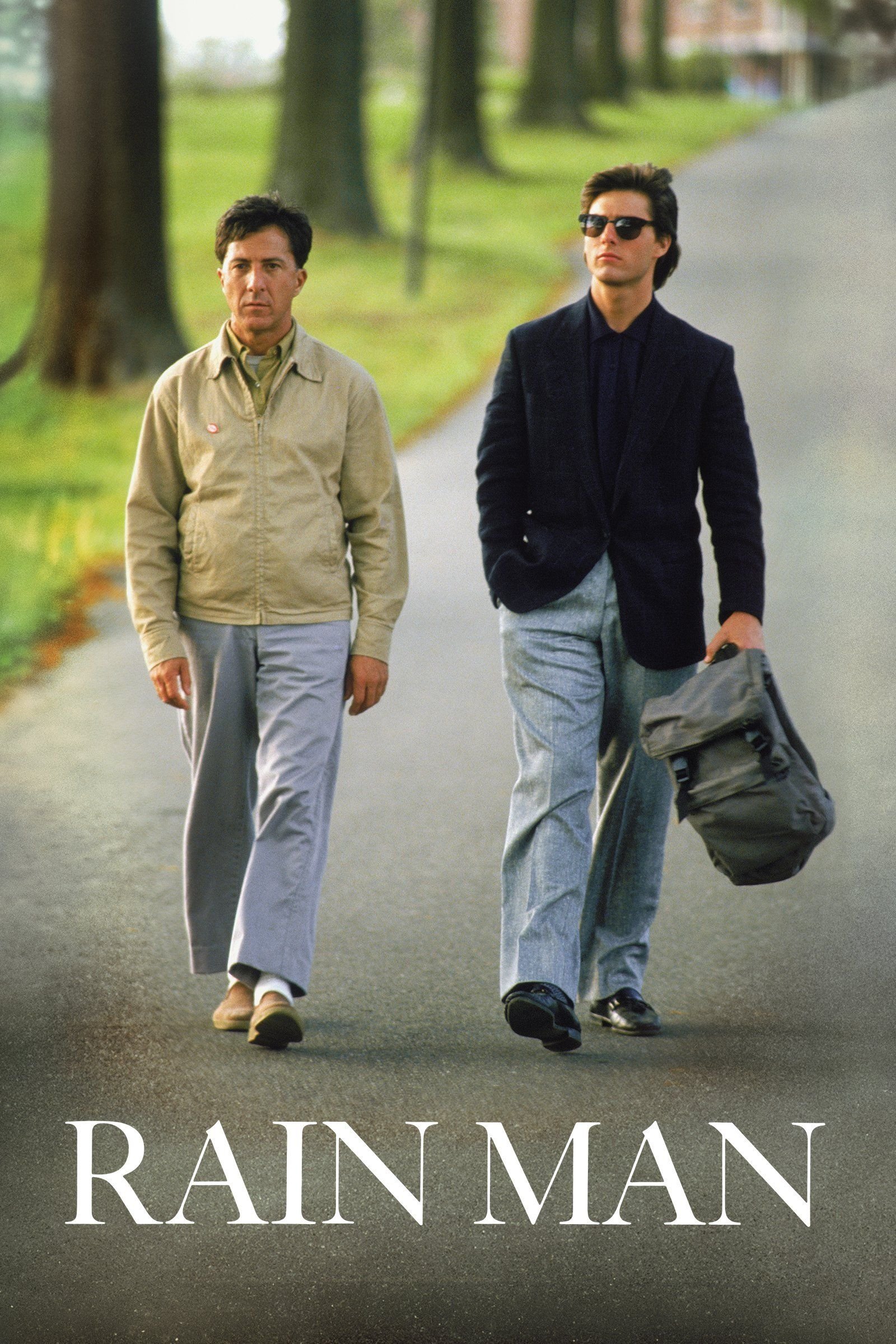
Casting What-Ifs
Dustin Hoffman as Charlie with Bill Murray as Raymond; Martin Brest, Steven Spielberg or Sydney Pollack as director; J.T. Walsh as the psychiatrist
In the discussion (6)
- Michael Ovitz sent Hoffman the script thinking Hoffman would play the Cruise part; Hoffman preferred the other role. — Bill Simmons
- CAA wanted Dustin Hoffman and Bill Murray, with Hoffman as Charlie; Murray went on to make What About Bob, called a similar but different-toned lane that suited him better. — Bill Simmons
- CAA agent Paula Wagner, later Cruise's producing partner, suggested making Charlie the younger brother to get Tom Cruise in, raising objections that the two could never be brothers given the age gap. — Bill Simmons
- Martin Bress, Spielberg and Sydney Pollack all circled the film; Pollack and Hoffman legendarily despised each other on Tootsie, but Pollack got Levinson to read it. — Bill Simmons
- Levinson acts in the film because J.T. Walsh was supposed to play the psychiatrist but had a conflict. — Bill Simmons
- Jokes follow about Walsh playing the part as Markinson or as Happy Kikindale from Blue Chips. — Bill Simmons
In the discussion (2)
- Bill Murray is the unanimous winner. — Brian Koppelman
- Ivan Reitman is acknowledged as a possible case but immediately rejected in favor of Murray. — Brian Koppelman
Podcast choices

Picking Nits
Haircuts, the Pom Pom raid, EM-50 promotion and design, an impossible basketball throw, and a missing double-date scene
In the discussion (7)
- Bill Murray and Harold Ramis keeping movie-star hair while other recruits receive crew cuts is questioned. — Bill Simmons
- The reason military police raid the Pom Pom mud-wrestling club remains unclear. — Bill Simmons
- The late-arriving recruits being promoted to the military-vehicle project is judged implausible. — Bill Simmons
- The supposedly advanced vehicle looks too much like a minivan or Winnebago. — Brian Koppelman
- The indoor-basketball throw through the window follows no plausible shot trajectory. — Brian Koppelman
- One more double-date scene is requested to deepen the four central characters. — Bill Simmons
- The bag underneath his head is there and then not there, but that continuity issue is explicitly dismissed. — Bill Simmons
Films in the archive
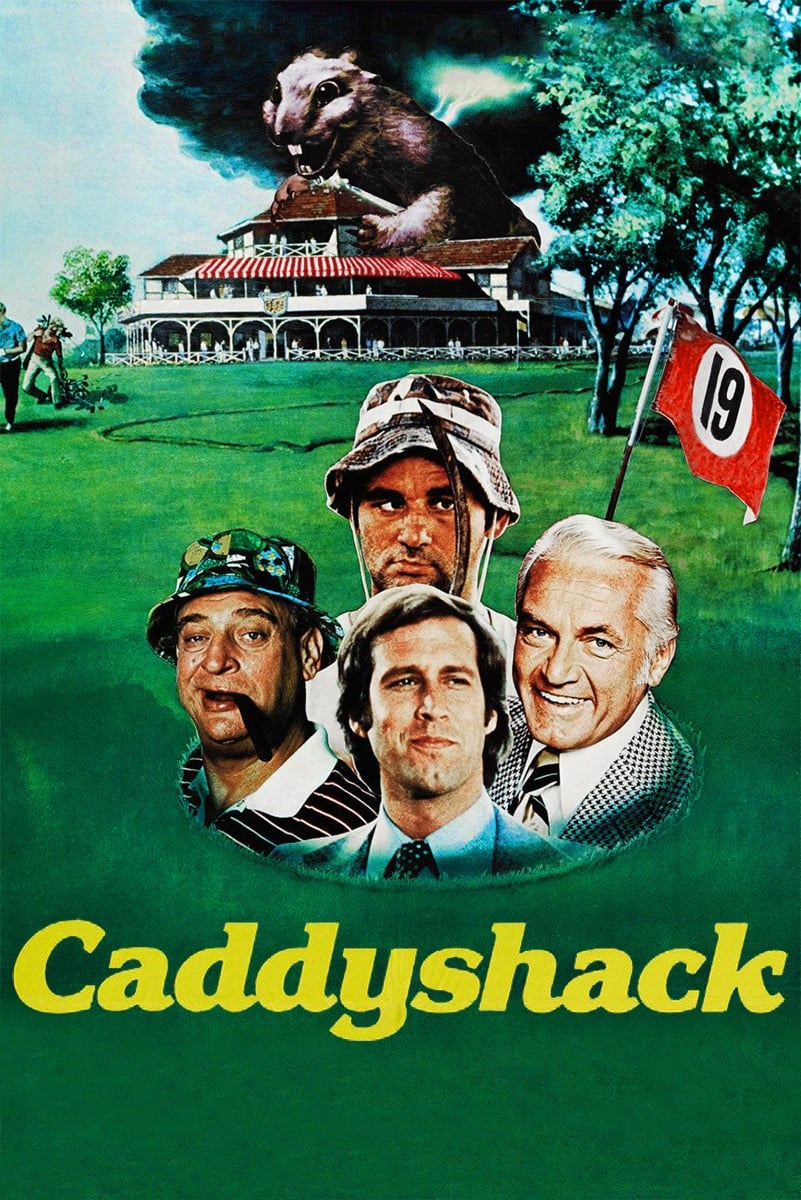
Caddyshack
1980




Ghostbusters
1984

Groundhog Day
1993
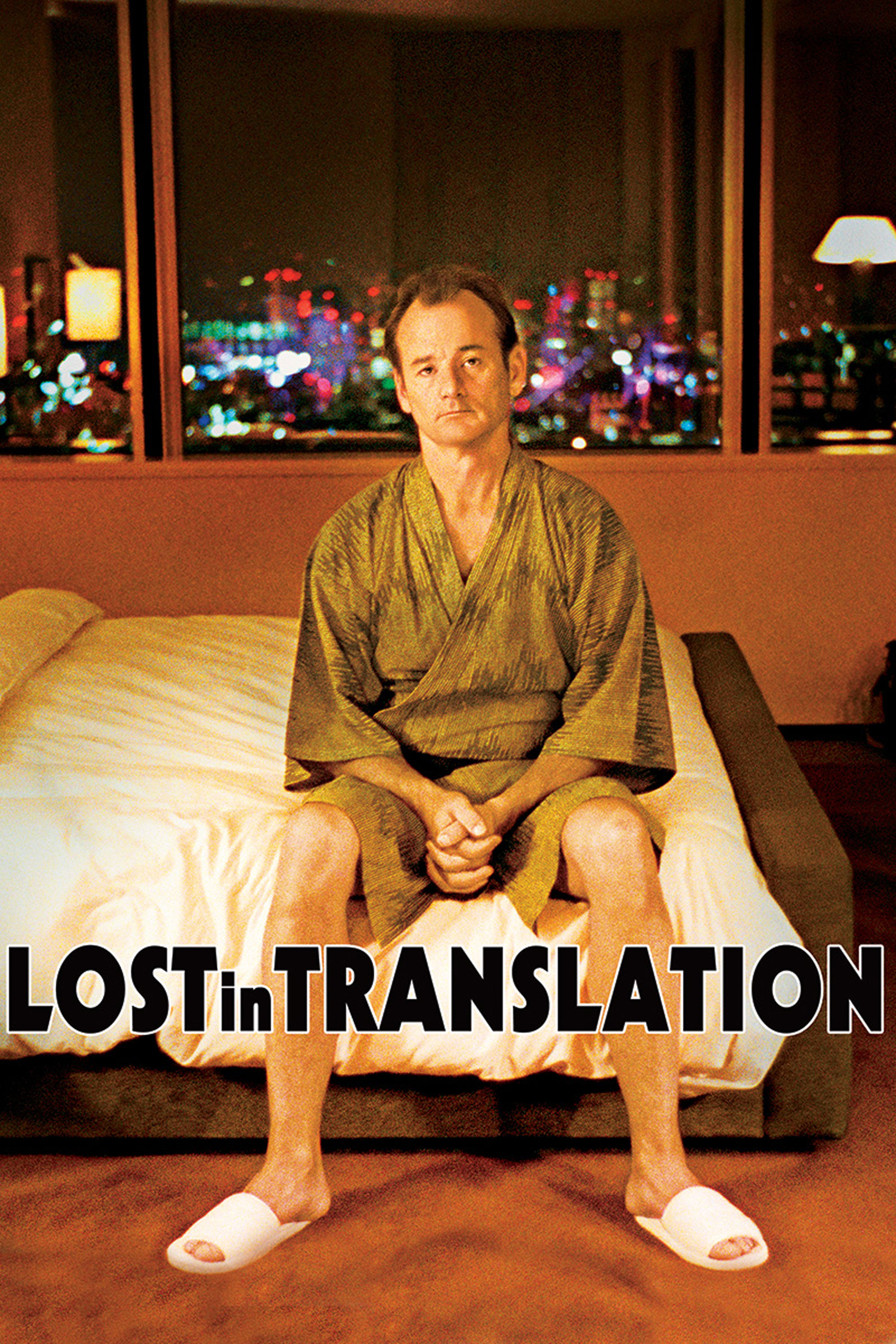
Lost in Translation
2003

Meatballs
1979
Stripes
1981

The Grand Budapest Hotel
2014

The Royal Tenenbaums
2001

What About Bob?
1991

Wild Things
1998