
Film credit
Bill Murray
Stats
- Episodes featuring their films
- 9
- Movies in this archive
- 10
Rewatchables episodes featuring Bill Murray’s films
The Grand Budapest Hotel
2014 film
Chris Ryan · Sean Fennessey · Andy Greenwald
Aired August 13, 2024
Mentioned in discussions


Apex Mountain
Warren Oates: yes; military comedies: strong affirmative case
In the discussion (11)
- Bill Murray is rejected because Ghostbusters provided a stronger later peak. — Bill Simmons
- Harold Ramis is debated as a newly cool movie star here, while Groundhog Day and Ghostbusters brought larger later influence and wealth. — Brian Koppelman
- John Candy is rejected. — Bill Simmons
- Military comedies about joining and training are given a strong apex case, with the broader military-movie claim treated as weaker. — Bill Simmons
- The actress identified by the machine transcript as P. J. Souls is rejected in favor of Halloween. — Bill Simmons
- Sean Young is rejected in favor of the Blade Runner, Wall Street, and No Way Out period. — Bill Simmons
- The actor whose name the machine transcript renders as Laracette is rejected because he became a major television star. — Bill Simmons
- Goofy future-tense closing credits are discussed, with Animal House preferred. — Bill Simmons
- Warren Oates receives a clear apex verdict. — Bill Simmons
- Ivan Reitman is rejected. — Bill Simmons
- The mud-wrestling sequence is proposed as the apex of mud wrestling in movies. — Bill Simmons

Half-Assed Internet Research
Army access, Warren Oates’s Wild Bunch stories, on-set injuries, improvised accidents, surprise haircuts, Murray–Young friction, and a John Candy fight-night dinner
In the discussion (8)
- The military reportedly supported the film with Fort Knox access and real troops as extras. — Bill Simmons
- Warren Oates chipped a tooth when actors dragged him through mud without warning him. — Bill Simmons
- Warren Oates reportedly entertained the cast with stories about The Wild Bunch and was liked even by Bill Murray. — Bill Simmons
- The actor whose name is transcribed as Laracette broke his nose running into a door during an unused take and wore makeup afterward. — Bill Simmons
- Murray’s suitcase blow was accidental and remained in the film. — Bill Simmons
- Most basic-training haircuts were surprises, producing genuine reactions. — Bill Simmons
- A disputed story says Murray and Sean Young clashed over improvisation; the panel explicitly marks it uncertain. — Bill Simmons
- John Candy hosted the cast for homemade spaghetti and the Leonard–Duran no-más fight. — Bill Simmons
Casting What-Ifs
The project began as Cheech and Chong joining the Army; Columbia preferred Dennis Quaid to Harold Ramis, and Kim Basinger was offered the role ultimately played by the actress the transcript calls P. J. Souls.
This discussion recalls a choice from an earlier episode.
In the discussion (5)
- The initial concept was Cheech and Chong joining the Army, but their demand for creative control ended that version. — Bill Simmons
- The characters were rewritten for Bill Murray and Harold Ramis. — Bill Simmons
- Columbia preferred Dennis Quaid for Ramis’s role, and participation was made conditional on Ramis remaining in the cast. — Bill Simmons
- Kim Basinger was offered the role ultimately played by the actress identified in the transcript as P. J. Souls; the offer fell through because Basinger’s agent requested what the panel calls a crazy amount of money. — Bill Simmons
- The panel thinks Basinger’s star power and appearance would have overwhelmed the ensemble. — Brian Koppelman

What’s Aged the Best?
The breakup setup, John Candy, Judge Reinhold, throwaway jokes, the women, poker running gag, score, deleted scene, Murray–Ramis friendship, and Warren Oates
In the discussion (11)
- The wet-blanket girlfriend telling the likable loser he is going nowhere is treated as a comedy setup copied for decades. — Bill Simmons
- The first training sequence, especially the log obstacle, is explicitly added as another thing that aged best. — Bill Simmons
- John Candy’s first appearance, long hair, cigarette, and Eisenhower greeting still land immediately. — Bill Simmons
- Judge Reinhold’s short role is praised as part of a strong early-career run. — Bill Simmons
- Lines such as the furs answer, the drug answer, and Ramis’s strip-search head movement reward repeated viewing. — Brian Koppelman
- Sean Young and the other actress playing a military-police character are praised as charismatic women with agency; the latter’s strong late-1970s run is recalled. — Bill Simmons
- Candy repeatedly exploiting the character Cruiser in poker remains an effective running gag. — Bill Simmons
- Elmer Bernstein’s score is praised for shifting between jaunty and lower-register military themes. — Brian Koppelman
- A deleted South American subplot has LSD, an unauthorized paratrooper mission, guerrilla capture, and escape; cutting it is judged correct because it derailed the film. — Bill Simmons
- The Harold Ramis and Bill Murray friendship is itself described as something that aged best. — Brian Koppelman
- Warren Oates and Sergeant Hulka also remain durable strengths. — Brian Koppelman

Most Rewatchable Scene
The recruit introductions
In the discussion (10)
- The first twelve minutes establish John as a likable loser through the shoeshine, parking ticket, cab fare, repossession, upside-down pizza, and breakup. — Bill Simmons
- The apartment visit is praised for indoor basketball, the five bishops, and the ease of the central friendship. — Bill Simmons
- The recruit-introduction scene wins for Cruiser, Psycho, Ox, Francis, Lee Harvey, the big-toe speech, and Murray’s escalating improvisational energy. — Bill Simmons
- A participant recounts memorizing the unusual-underwear speech and eventually reciting it directly to Bill Murray at Madison Square Garden. — Brian Koppelman
- The visit to General Barnicke’s house is praised for Murray’s late-night improvisation and rapport with his military-police scene partner. — Bill Simmons
- The graduation ceremony and late arrival were a childhood favorite. — Bill Simmons
- The first training sequence, including the log obstacle, is another preferred passage. — Bill Simmons
- The return-to-America newspaper-headline montage is praised for extending each character’s outcome as a closing gag. — Bill Simmons
- Captain Stillman’s first appearance and his shower-sponge line are singled out as a strong character introduction. — Brian Koppelman
- The mud-wrestling sequence is remembered as a major adolescent fantasy, though the raid and separation from the unit are questioned. — Bill Simmons

In the discussion (3)
- Bill Murray receives the first immediate winner choice. — Bill Simmons
- Two further participants agree without qualification. — Bill Simmons
- The performance is compared with a unanimous MVP season. — Bill Simmons
Podcast choices
- Speaker not identified
- Bill Murray
- Speaker not identified
- Bill Murray
- Speaker not identified
- Bill Murray


What Piece of Memorabilia Would You Want From This Movie?
Bob’s local shirt, Leo’s puppets, the Wagoneer, and the Lake Winnipesaukee house
In the discussion (5)
- The game-worn Bill Murray local shirt is one choice. — Bill Simmons
- Leo’s therapy puppets are another choice. — Bill Simmons
- The mentioned Waggonier is praised as a great car memorabilia choice. — Sean Fennessey
- The lake house is the final aspiration and strongest lifestyle choice.
- The panel imagines a shared timeshare and participation in the town’s local culture.
Apex Mountain
Charlie Korsmo’s acting career and “death therapy”
In the discussion (8)
- Bill Murray and Richard Dreyfuss receive explicit negative Apex verdicts. — Bill Simmons
- Julie Haggerty also receives a negative Apex verdict. — Bill Simmons
- Charlie Korsmo receives an acting-apex verdict even though his later academic career may be a larger achievement. — Bill Simmons
- The movie’s “death therapy” concept is proposed as an apex. — Bill Simmons
- Good Morning America receives a possible case based on the era’s cultural centrality of morning shows. — Van Lathan
- Lake Winnipesaukee is proposed but left unresolved. — Sean Fennessey
- Patient-therapist movies are compared, with Analyze This favored because it was a large hit and important to De Niro. — Bill Simmons
- Bob being foisted onto Leo is proposed as a Foist Apex candidate. — Bill Simmons
Half-Assed Internet Research
The miniature house explosion, a reported Spielberg Oscar campaign, Murray’s awards history, the Murray-Dreyfuss feud, the Virginia filming location, and Charlie Korsmo’s academic and legal career
In the discussion (12)
- The explosion used a three-quarter-scale replica rather than destroying the expensive real house. — Bill Simmons
- Steven Spielberg is reported to have spent his own money campaigning for a Bill Murray Oscar nomination. — Bill Simmons
- The panel notes Murray has only one Oscar nomination despite his long importance to movies.
- Sean Penn’s win over Murray’s Lost in Translation performance is criticized; the winning film title is unclear in the machine transcript. — Bill Simmons
- Murray is reported to have acknowledged that aggravating Dreyfuss helped the movie. — Bill Simmons
- Dreyfuss is reported to have called the experience unpleasant while still admitting Murray made him laugh. — Bill Simmons
- A Dreyfuss account says Murray aggressively confronted him and threw a heavy glass ashtray. — Bill Simmons
- The panel condemns physical harm but treats Murray’s verbal insult as darkly funny. — Bill Simmons
- The vacation house was filmed at Smith Mountain Lake in Virginia. — Bill Simmons
- Charlie Korsmo is reported to have chosen What About Bob? instead of the Terminator 2 child role. — Bill Simmons
- Korsmo later earned physics and law degrees, practiced law, taught corporate law, and received a federal board nomination.
- The group calls Korsmo a legend in both acting and his later academic career. — Van Lathan
Casting What-Ifs
Woody Allen was approached for Leo and possibly directing or rewriting; Patrick Stewart was also considered for Leo, and Robin Williams was the first choice for Bob.
In the discussion (5)
- Woody Allen is reported to have been approached to play Leo and possibly direct or co-write.
- The panel rejects Allen because his screen neurosis would unbalance the premise. — Bill Simmons
- Patrick Stewart is reported as another Leo possibility, which the panel also doubts. — Sean Fennessey
- Robin Williams is reported as the first choice for Bob before the production reached Bill Murray.
- The panel says Williams was likely the bigger star in the late-1980s to early-1990s window. — Bill Simmons
In the discussion (5)
- The movie is reported to have cost thirty-nine million dollars and earned sixty-four million. — Bill Simmons
- Roger Ebert is reported to have given the movie three stars. — Bill Simmons
- Ebert is reported to have called it Bill Murray’s best movie since Ghostbusters. — Bill Simmons
- Gene Siskel is reported to have disliked the movie because Dreyfuss’s anger felt excessive.
- The panel understands Siskel’s objection but disagrees because Dreyfuss’s anger powers the comedy and trailer.
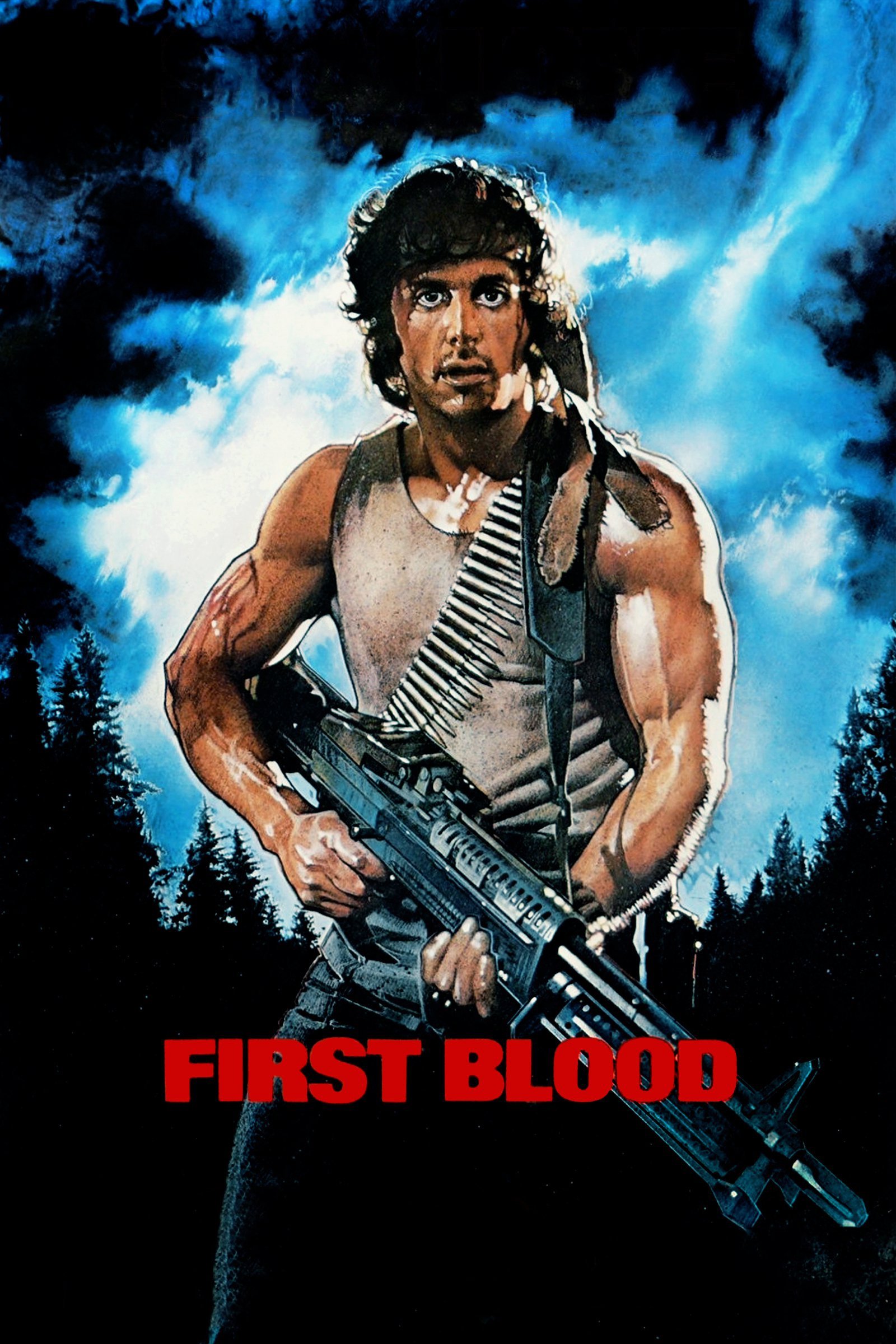
What’s Aged the Best?
Hero survives ending; premise; score; PTSD theme; early David Caruso; police brutality; original John Rambo; Teasle rising in his office; National Guard photo; Clinton Morgen character; "They drew first blood"; Kassar and Vajna credits; real-life touches
In the discussion (11)
- Pulled forward from What's Aged the Best: not having Rambo kill himself, as in the script, after test audiences disliked it may be the smartest action-movie decision ever; don't kill your hero. — Brian Koppelman
- The premise is unassailable and the score is great, including when he plows through the cars near the end. — Bill Simmons
- A hero with PTSD was still new; it is how one host learned about PTSD at 13. — Bill Simmons
- Objection: the PTSD flashbacks as a filmmaking technique did not age well; Spike's Five Bloods did them better. — Brian Koppelman
- Early Caruso, sneering with a terrible haircut, was somebody to watch. — Brian Koppelman
- Police brutality, cops treating someone like dirt for no reason, was new in a popular movie; original John Rambo has aged well. — Brian Koppelman
- Teasle slowly standing in his office when told Rambo is alive, and the weekend National Guard guys posing for a picture ("back to the drugstore on Monday") are singled out. — Brian Koppelman
- The actor playing Clinton Morgen, named as Timothy Stack's brother, is hilarious and should have been in Bill Murray movies. — Brian Koppelman
- "They drew first blood, not me" says the title in the dialogue and has aged perfectly; Rounders should have done the same. — Bill Simmons
- The producer credits for Mario Casar and Andrew G. Vajna sound almost fictional, marking a movie friends would watch and act out. — Brian Koppelman
- Small real-life touches add credibility: the jail being painted and a radio monitor reading a magazine in the command tent. — Brian Koppelman
Films in the archive
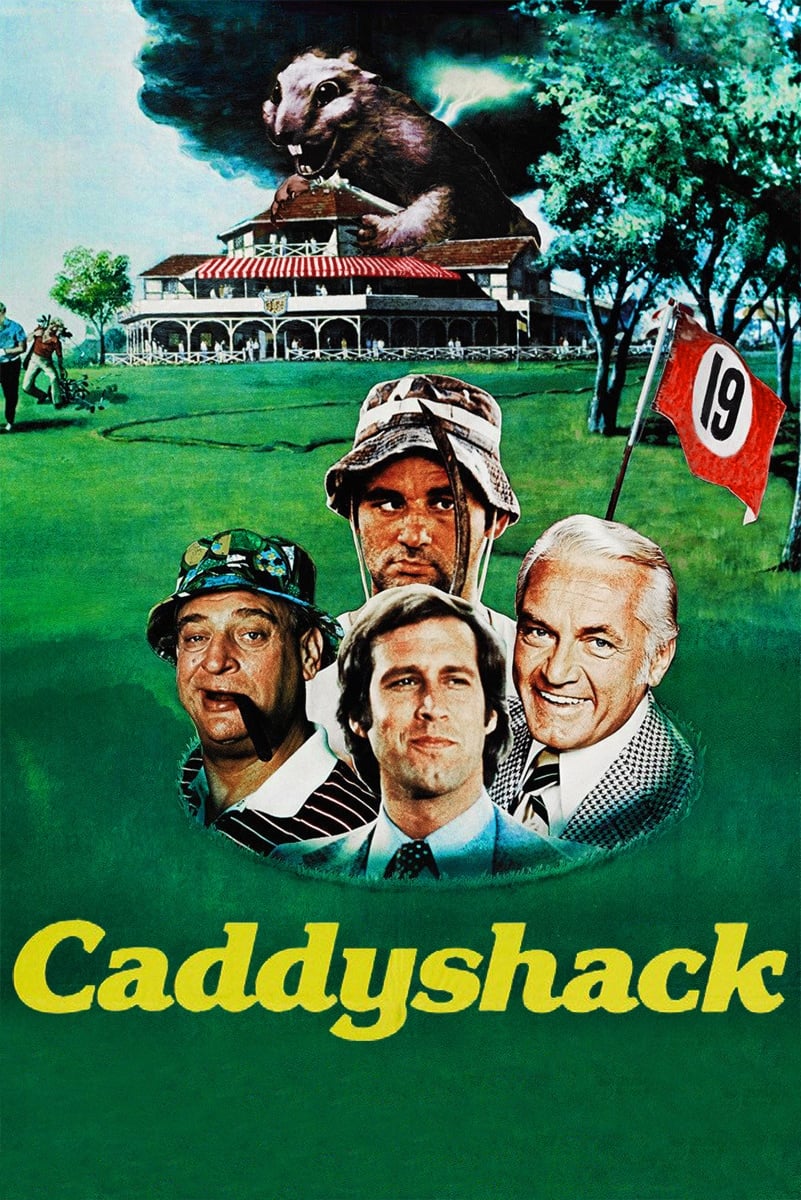
Caddyshack
1980




Ghostbusters
1984

Groundhog Day
1993
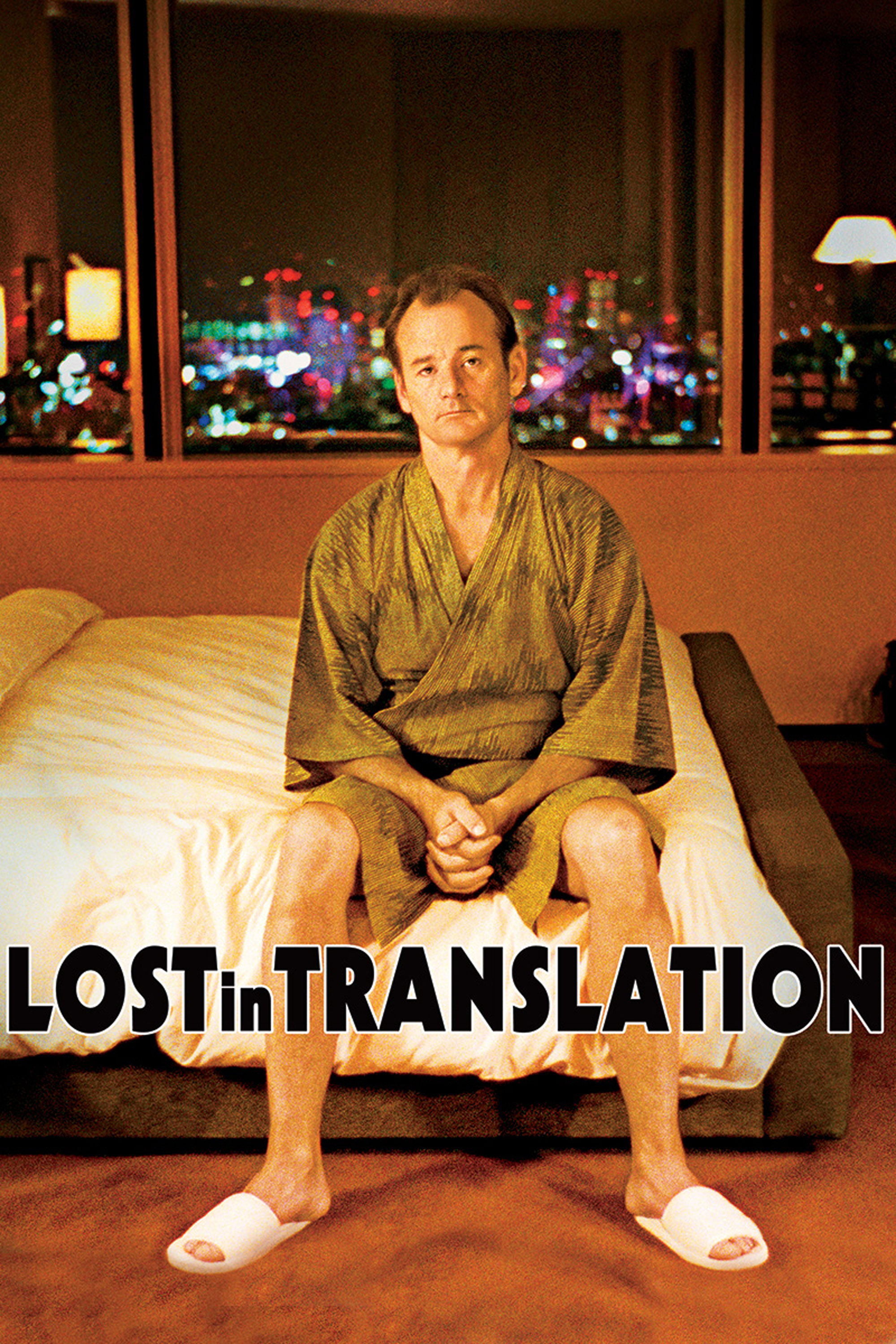
Lost in Translation
2003

Meatballs
1979
Stripes
1981

The Grand Budapest Hotel
2014

The Royal Tenenbaums
2001
What About Bob?
1991

Wild Things
1998