
What’s Aged the Best?
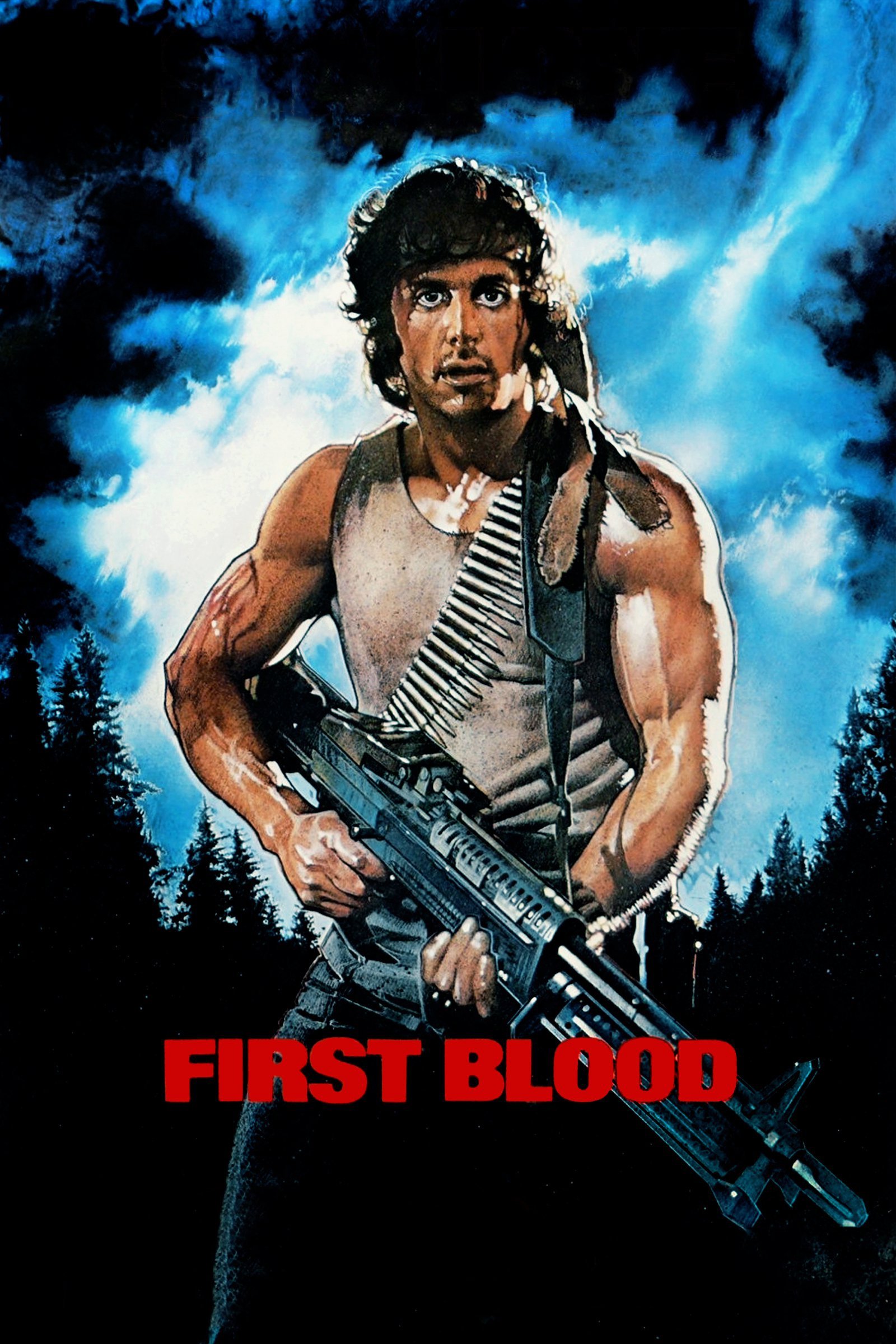
Hero survives ending; premise; score; PTSD theme; early David Caruso; police brutality; original John Rambo; Teasle rising in his office; National Guard photo; Clinton Morgen character; "They drew first blood"; Kassar and Vajna credits; real-life touches
In the discussion (11)
Approx. transcript time · 00:24:14Read transcript
- Pulled forward from What's Aged the Best: not having Rambo kill himself, as in the script, after test audiences disliked it may be the smartest action-movie decision ever; don't kill your hero.
- The premise is unassailable and the score is great, including when he plows through the cars near the end.
- A hero with PTSD was still new; it is how one host learned about PTSD at 13.
- Objection: the PTSD flashbacks as a filmmaking technique did not age well; Spike's Five Bloods did them better.
- Early Caruso, sneering with a terrible haircut, was somebody to watch.
- Police brutality, cops treating someone like dirt for no reason, was new in a popular movie; original John Rambo has aged well.
- Teasle slowly standing in his office when told Rambo is alive, and the weekend National Guard guys posing for a picture ("back to the drugstore on Monday") are singled out.
- The actor playing Clinton Morgen, named as Timothy Stack's brother, is hilarious and should have been in Bill Murray movies.
- "They drew first blood, not me" says the title in the dialogue and has aged perfectly; Rounders should have done the same.
- The producer credits for Mario Casar and Andrew G. Vajna sound almost fictional, marking a movie friends would watch and act out.
- Small real-life touches add credibility: the jail being painted and a radio monitor reading a magazine in the command tent.