‹ All people

Film credit

Jodie Foster

Also referred to as Foster, Joey Foster

Stats

Episodes featuring their films
5
Movies in this archive
4

Rewatchables episodes featuring Jodie Foster’s films

Panic Room

2002 film

Bill Simmons · Chris Ryan · Sean Fennessey

Aired March 29, 2022

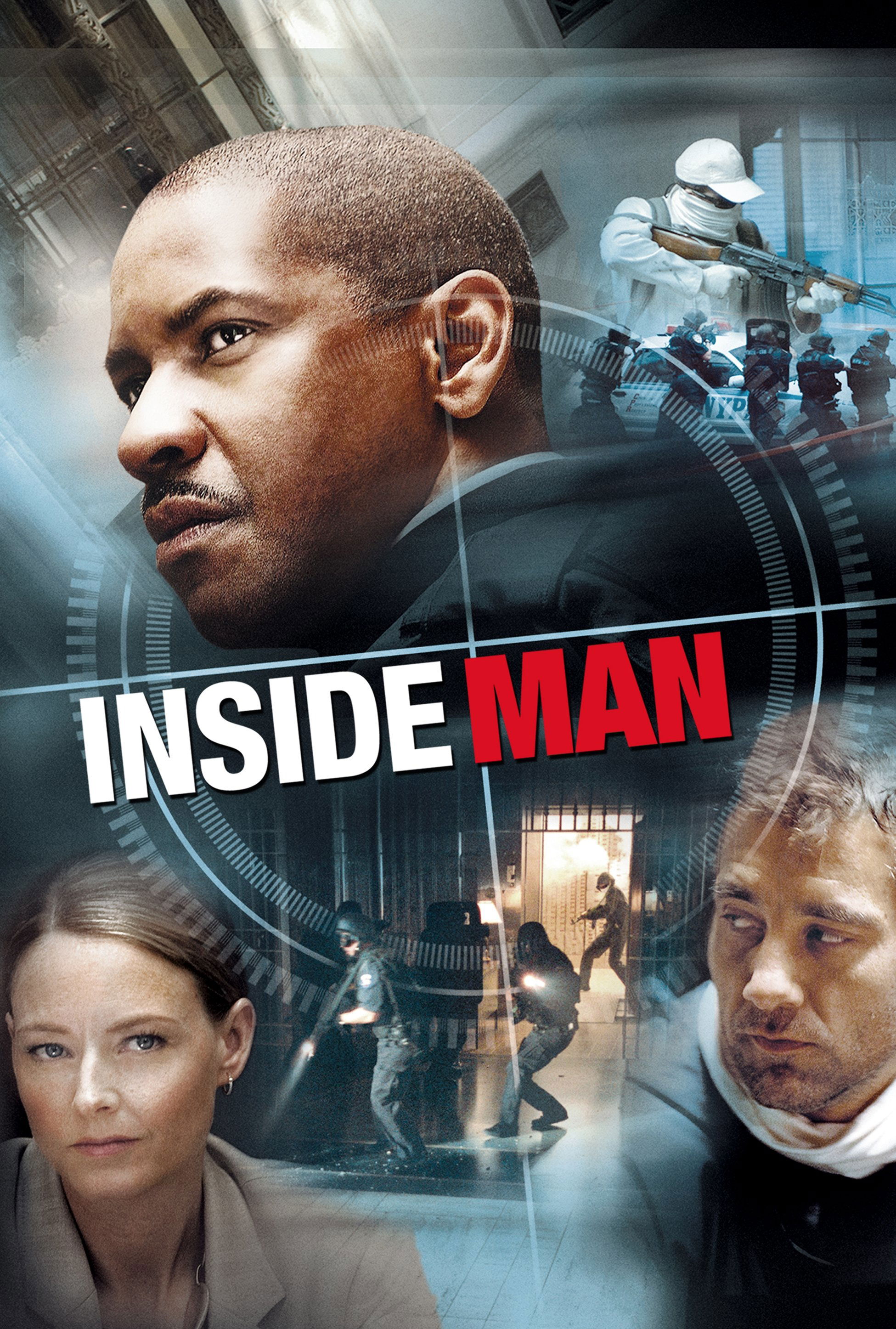
Inside Man

2006 film

Bill Simmons · Sean Fennessey · Chris Ryan

Aired March 15, 2021

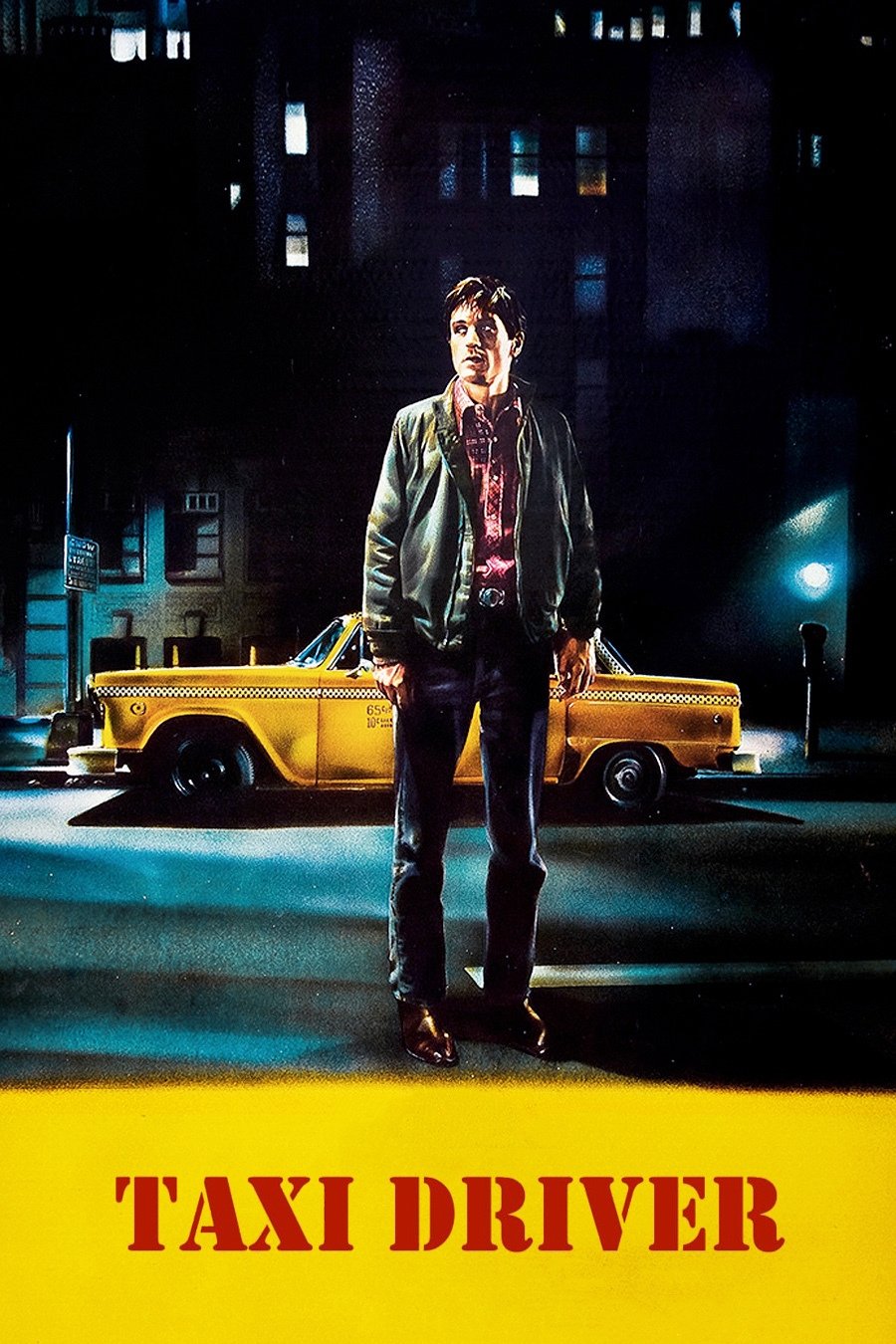
Taxi Driver

1976 film

Bill Simmons · Bill Hader · Sean Fennessey

Aired February 9, 2021

Displaying all 5 episodes

Mentioned in discussions

Inside Man

Apex Mountain

Clive Owen; Jodie Foster; Juicy Fruit; Gangstas iz Genocide

In the discussion (10)
Approx. transcript time · 01:08:00Read transcript
  • Denzel: no. Spike Lee: no.
  • Clive Owen: yes; 2006 with Children of Men and Inside Man was his apex, among the best two-film years ever.
  • Jodie Foster in the 21st century: yes, though Flight Plan was a big hit.
  • Juicy Fruit gets a yes as its best use in a movie, after wondering whether Chuck Yeager chewed it in The Right Stuff.
  • Gangst is genocide, the in-film video game, also gets a yes.
  • For fixers, Winston Wolf is apex over Michael Clayton, and Foster's character, who proves ineffective, ranks third.
  • Bruce Willis's girlfriend in Pulp Fiction is the apex of worst movie girlfriends, with a promise to rip that stretch apart in an in-person Pulp Fiction episode after the pandemic.
  • On whether it is apex for post-Heat heist movies, the answer is only that it is "in the carousel," mocked as a non-answer. — Chris Ryan
  • Candidates weighed include Den of Thieves, The Dark Knight, Logan Lucky, Hell or High Water, Widows, Baby Driver, The Town and Fast Five.
  • The final ranking puts The Town first, Fast Five second and Inside Man third, with Den of Thieves fourth.
Inside Man

What’s Aged the Best?

Interrogation scenes; Albanian subplot; Denzel dolly shot; Rothschild quote; Nazi plot twist; hostage roll call; the boy; Terence Blanchard score; Chaiyya Chaiyya
In the discussion (11)
Approx. transcript time · 00:44:44Read transcript
  • The interrogation scenes are this speaker's number one aged-best item. — Sean Fennessey
  • Continuing the Albanian theme is called a first on the show: Albanians in a movie are an automatic yes, with a dream 1988 bank movie involving Albanians.
  • Asked about his "homeland," the reply jokes about being Albania's most prominent podcaster. — Chris Ryan
  • Movies such as Taken 2 and Wag the Dog make Albania a go-to country for debauchery and crime.
  • Subtle touches hold up, including the phone-call argument and the camera trick moving Denzel toward the camera on a dolly after the hostage shooting.
  • Jodie Foster's Baron Rothschild quote about buying property when there is blood in the streets is cited.
  • Nazi plot twists work in well-made movies, as in Marathon Man; this is about the last point when a present-day movie could have a functioning Nazi collaborator.
  • Denzel going through the hostages, including Ken Lung, is cited.
  • The little boy is cited, with the note that that material was ad-libbed.
  • Terence Blanchard's booming noir jazz score is praised over a modern soundtrack of songs, compared with Touch of Evil.
  • The opening and closing song Chaiyya Chaiyya by A.R. Rahman came a couple of years before Slumdog Millionaire, putting Spike ahead of the Bollywood boom. — Sean Fennessey
Inside Man

Most Rewatchable Scene

Final Plummer-Foster confrontation; Foster-Denzel courthouse exchange; Albanian-language sequence

In the discussion (16)
Approx. transcript time · 00:33:58Read transcript
  • The bank-robbery setup comes first: meticulous crime setups are a favorite, with the crew entering in painter jackets with fluorescent strips.
  • Asked what disguise they would use for a heist, the picks are plumbers and a cable repairman installing the jails network, while another wants only to be the driver.
  • The driver pitch prompts jokes about a risky U-turn bit and a terrifying wheelman, plus disappointment that the movie has no second switch van.
  • Watching the people in line invites imagining your own move as a hostage: get straight down with hands visible, or offer to help the robbers.
  • One of Clive Owen's best scenes is his anger when the Gold Digger ringtone goes off, followed by the strip-to-your-underwear order; it is tense because the character's limits are still unknown, and shuffling the hostages is disorienting.
  • The first Foster-Plummer scene shows two strong actors, with Foster coming in off the bench, and the conversation is staged on the Brooklyn Promenade for scenery.
  • The video-game scene is offered as a controversial pick: some found it hacky social commentary, but the speaker enjoyed Owen vibing with the boy, and their son asked if the game was real.
  • Spike, pushing 50, is seen reacting to a generational gap in hip-hop culture, both criticizing it and trying to understand it; it plays a little old-guy. — Sean Fennessey
  • Spike also added the imagined raid scene for action; the video game likewise slows the film but gives Owen a quieter moment, and the boy relates more to Owen than to Denzel.
  • The boy's 50 Cent line is a little clumsy, but Spike committing to it and building the game from scratch is appreciated.
  • The first Clive-Denzel phone call, with the pina colada and Amber-and-Tiffany back-and-forth, is praised as hard to pull off on a phone.
  • Other beats listed are the first Owen-Foster meeting, and the hostage-release reveal that everyone is "actually hostage," a voila moment.
  • The last Plummer-Foster scene, with "I sold my soul" and her Bin Laden's nephew joke, is named the speaker's pick for most rewatchable, a chess match and the exclamation point of the film.
  • As a cap, the Foster-Denzel courthouse exchange with the Baron Rothschild blood-in-the-streets line is added, along with the interrogations, which the speaker read were improvised but was unsure count as scenes. — Sean Fennessey
  • A dark-horse pick is the sequence where the police try to identify the Albanian recording: the most New York sequence, with the body-bags line and the woman with the bag of parking tickets.
  • The two conversations that Foster pivots are the favorites. — Sean Fennessey
Taxi Driver The Rewatchables
In the discussion (4)
Approx. transcript time · 01:33:48Read transcript
  • Usually inclined to pick the director, this participant picks De Niro because 'Are you talking to me' is the film's most remembered moment, citing De Niro telling a 40th-anniversary audience he was sick of hearing it; Scorsese wins almost every other movie he makes. — Sean Fennessey
  • Jodie Foster is picked because the Hinkley affair should have killed the movie and could have haunted her, yet her performance at 12 is unreal and layered, not merely a victim, and after an amazing career she remains a hero. — Bill Hader
  • Scorsese is picked so each person is represented: after this movie anything seemed possible for him, and it became a go-to film for influential filmmakers. — Bill Hader
  • Ending in three different places is called fitting for a perfectly directed, subjective movie. — Bill Hader
Podcast choices
Taxi Driver The Rewatchables
Taxi Driver

Half-Assed Internet Research

De Niro honoring his $35,000 deal; Connie Foster as body double; Julia Phillips's book on Cybill Shepherd's lines; Dick Smith's fake Mohawk; gunshot makeup effects; Mohawk on display at the Museum of the Moving Image

In the discussion (7)
Approx. transcript time · 01:18:10Read transcript
  • After De Niro's profile rose the producers feared they could not afford him, but he honored his original $35,000 deal, which helped get the movie made. — Bill Simmons
  • Jodie Foster's sister Connie, about 19, was her body double for scenes such as the last one. — Bill Simmons
  • Producer Julia Phillips's book says they were frustrated that Shepherd could not remember her lines in the coffee-and-pie scene. — Bill Simmons
  • The most shocking find is that De Niro's Mohawk was not real: Dick Smith made a bald cap with individually placed hairs so other scenes could be filmed after the Mohawk scenes. — Bill Hader
  • Haircuts during a shoot make producers' heads explode; productions ask to be told before an actor cuts their hair. — Bill Hader
  • Smith's gunshot effects are amazing, though a fishing-line pull on the neck wound is visible in slow motion; the blood running down the finger-gun hand is also smartly done. — Bill Hader
  • The Mohawk hairpiece is on display at the Museum of the Moving Image in Astoria. — Bill Simmons
Taxi Driver The Rewatchables
Taxi Driver

What’s Aged the Worst?

John Hinckley; Palantine campaign posters; porn-theater date scene; porn theaters; Jodie Foster playing a 12-and-a-half-year-old prostitute; taxis

In the discussion (12)
Approx. transcript time · 01:02:01Read transcript
  • John Hinkley became anchored to the film: five years later he tried to kill President Reagan to impress Foster after seeing the movie many times, and it postponed the 1981 Oscars, where De Niro was about to win for Raging Bull, by a day.
  • The idea of blaming culture for horrible events has not faded; Schrader and Scorsese argue that blaming the movie evacuates everyone else's responsibility. — Sean Fennessey
  • An uncomfortable Matt Lauer interview around an anniversary had Foster decline to talk about Hinkley; it messed her up and she stepped back for a couple of years; Hinkley is called maybe the best example ever of aged worst.
  • The Palantine 'We Are the People' posters are almost intentionally bad and maybe go too far, answered with a 'make America great' joke. — Bill Simmons
  • Asked what happened when he took his future wife to the porn film on a date, the reply jokes that they got married that night. — Sean Fennessey
  • The porn-theater date scene has aged worse and is skin-crawling; one participant goes to the bathroom whenever it plays in a theater. — Bill Hader
  • The camera dollying away down the hallway during Travis's call to Betsy felt like the movie could not bear to watch, and seeing it in sixth grade turned one participant into a full movie fanatic. — Bill Hader
  • Porn theaters where strangers watched together in the 70s and 80s are impossible to explain to people under 25. — Bill Hader
  • Foster playing a 12-and-a-half-year-old prostitute is handled well, but the Keitel dance scene is uncomfortable from a parent's view; the next year's Pretty Baby with Brooke Shields raised the same question.
  • The girl who grabs Iris near the cab was the real teenage prostitute who served as her technical advisor, part of the film's honesty. — Bill Hader
  • Taxis may not exist in 10 years; Schrader recalled a New York audience cheering the title, but with ride-sharing taxi drivers no longer hold the same place, like making a movie about a samurai. — Sean Fennessey
  • The film made another taxi-driver movie nearly impossible, likened to how The Shining ruled out a hotel-caretaker story. — Bill Simmons
Taxi Driver The Rewatchables
Taxi Driver

What’s Aged the Best?

Mid-70s New York City; Joe Spinell's job interview; God's lonely man line; Harvey Keitel's pimp look; Travis and Wizard scene; De Niro's preparation; Bernard Herrmann's score; cinematography; Jodie Foster's career

In the discussion (16)
Approx. transcript time · 00:53:37Read transcript
  • The mid-70s New York setting holds up, as does the opening job interview in which Joe Spinell sizes Travis up as a lunatic. — Bill Simmons
  • Spinell's 1970s run, including Godfather 2, Taxi Driver, Rocky, Sorcerer and Big Wednesday, is compared to De Niro's. — Bill Simmons
  • The 'loneliness has followed me my whole life... God's lonely man' line is Schrader writing about loneliness after almost losing his mind. — Bill Simmons
  • Keitel's sleeveless-shirt, hat, hair and muscles look is floated as something that should have become a Saturday Night Live character. — Bill Hader
  • Keitel reportedly based the pimp on a real pimp he worked with at the Actors Studio; the pimp originally had five lines and Keitel added more, and the 'I'm hip / You don't look hip' exchange is loved. — Bill Hader
  • Travis telling Wizard he has bad ideas in his head is short but pivotal; Peter Boyle is great as a man who knows he doesn't know what he's saying yet is weirdly right. — Bill Hader
  • 'You talking to me' was an omnipresent catchphrase for 15 or 20 years, though probably not as big a deal in 2021. — Bill Simmons
  • De Niro's preparation, including 15-hour days driving cabs, studying mental illness, recording Midwestern soldiers for the accent and losing 35 pounds, felt like the first time an actor's commitment was almost part of the marketing. — Bill Simmons
  • The method line runs from Brando to Dustin Hoffman in the same era, as in Marathon Man, and on to later method actors; De Niro's work is honed into behavior where others' choices show. — Bill Hader
  • Asked about riding with cops for eight months for a Superbad cop role, the reply says they did have to ride with a cop in South Central and calls it the dumbest thing of all time. — Bill Hader
  • Bernard Herman, arguably the most important film composer and known for Psycho, Vertigo and Citizen Kane, wrote his last score here; Scorsese, who mostly uses needle drops, begged him to do it, and the composer said 'all I hear is brass'. — Sean Fennessey
  • An editor on Barry dislikes the score and the bluesy saxophone gets a reservation, but it works and the opening music hits like a giant wave; hearing it reportedly made Scorsese feel Travis's doom and fate. — Bill Hader
  • The composer died right after recording the score, at 64.
  • The cinematography is composed, natural-light and beautiful in a style rarely seen now. — Bill Hader
  • The shoot came during a hot summer and the garbage strike with wet streets, and according to the cinematographer a lack of time and money forced them to let New York light itself, which turned out right. — Bill Simmons
  • In most versions of her life Foster might not have become one of the most celebrated actors of a generation and an accomplished filmmaker; a reply praises her acting and directing.
The Game The Rewatchables
The Game

Casting What-Ifs

An earlier version paired Bridget Fonda with an actor whose name is transcribed as Kyle McLaughlin; Rebecca De Mornay is proposed as a period alternative, and Jodie Foster and Jeff Bridges were later attached or offered major roles.

This discussion recalls a choice from an earlier episode.
In the discussion (5)
Approx. transcript time · 00:40:04Read transcript
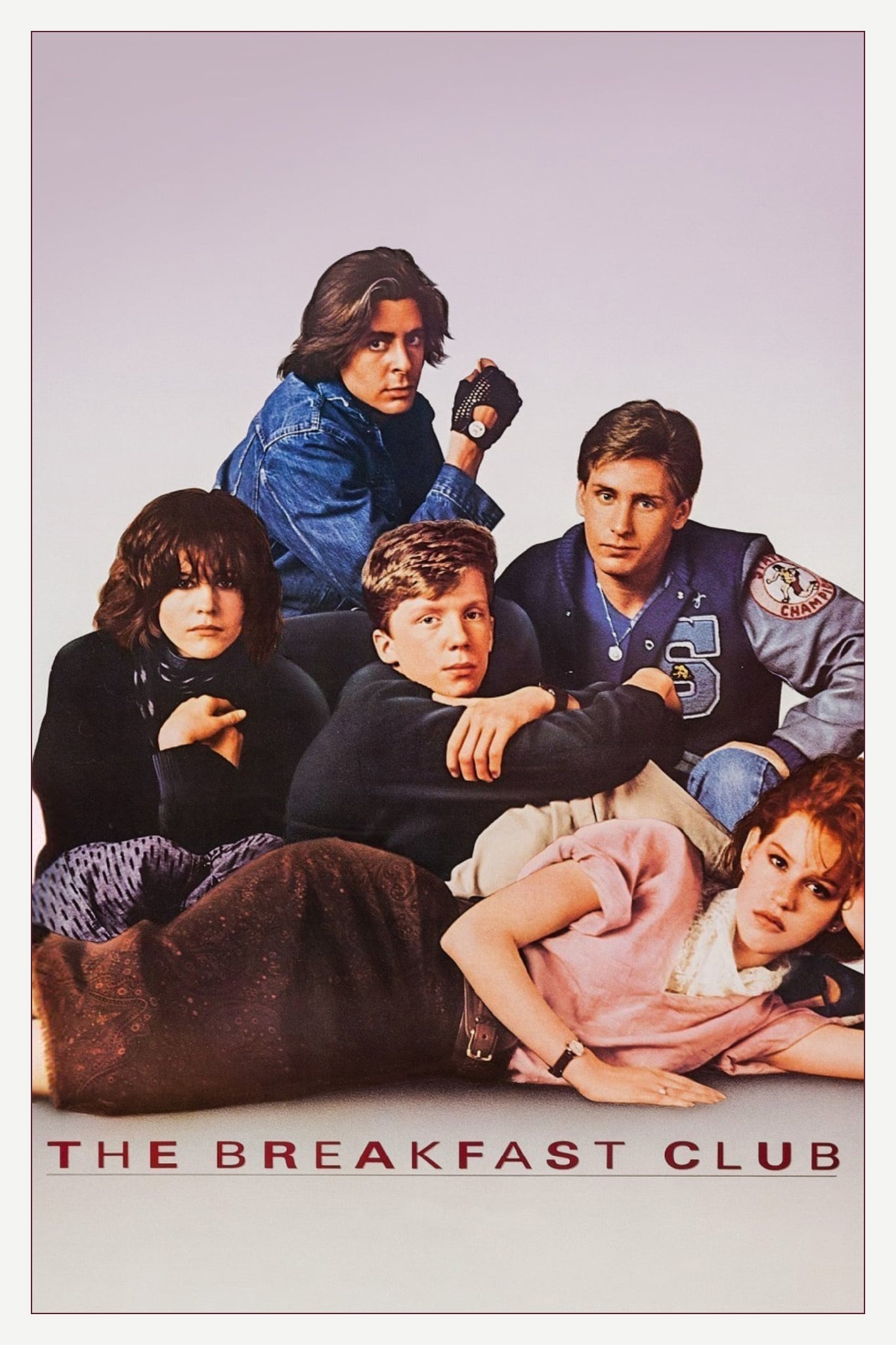
The Breakfast Club

Casting What-Ifs

Ringwald originally for Allison; Robin Wright, Jodie Foster and Laura Dern for Claire; Estevez, Nicolas Cage and John Cusack for Bender; Tom Cruise for Andrew; Rick Moranis for Carl; Anthony Michael Hall offered Full Metal Jacket

In the discussion (8)
Approx. transcript time · 01:05:09Read transcript
  • The hosts say Ringwald was meant to play Allison but wanted Claire, and Hughes initially resisted because it was close to her Sixteen Candles role; switching would have broken her persona. — Bill Simmons
  • Robin Wright, Foster and Laura Dern are named as auditioning for Claire; Wright is judged too beautiful for the part. — Wesley Morris
  • As the hosts relay Ringwald's account, Hughes wrote Sixteen Candles around her headshot, and their mentor relationship changed after she began dating Anthony Michael Hall during this film. — Bill Simmons
  • Estevez was originally to be Bender but switched when Hughes couldn't find an Andrew; Tom Cruise was unavailable and is called perfect for it.
  • Nicolas Cage was considered for Bender and is judged too much.
  • John Cusack was originally cast as Bender and replaced by Nelson for not being threatening enough; it would be a totally different, more sensitive film.
  • Rick Moranis was originally cast as the janitor and left over creative differences.
  • Anthony Michael Hall was offered the lead in Full Metal Jacket before Matthew Modine and withdrew after negotiations with the director. — Bill Simmons
Forrest Gump

Casting What-Ifs

Harry Anderson was Zemeckis's first choice for Forrest; Bill Murray, John Travolta and Chevy Chase turned it down; David Alan Greer (as transcribed), Dave Chappelle and Ice Cube turned down Bubba and Tupac auditioned; Jodie Foster, Nicole Kidman and Demi Moore turned down Jenny; Terry Gilliam and Barry Sonnenfield (as transcribed) turned down directing

In the discussion (6)
Approx. transcript time · 00:33:52Read transcript
  • Robert Zemeckis's first choice for the title role was Harry Anderson, who was unavailable because of a commitment to Dave's World on CBS. — Sean Fennessey
  • The late Harry Anderson as Forrest Gump is dumbfounding; it might have been good but a different, smaller movie, and Anderson was not that famous even then.
  • Bill Murray, John Travolta and Chevy Chase turned down Forrest; Travolta has called it one of the biggest regrets of his career. The hosts think Travolta would have been terrible, that he kind of played Forrest Gump in Phenomenon, which one still rides for, and that Michael was him trying to get back to that moment.
  • David Alan Greer (as transcribed), Dave Chappelle and Ice Cube turned down Bubba. Ice Cube refused to play an idiot and is literally too smart for the part; Chappelle thought the movie would bomb, regretted it and worked with Hanks four years later on You Got Mail (as transcribed); Tupac auditioned for Bubba, which would not have worked. Bubba's name is Buford Blue.
  • Jodie Foster and Nicole Kidman turned down Jenny and both could have been good; Demi Moore also turned it down and would have been too old to pull off the high school and college stretch that Robin Wright managed, with a tangent on when Striptease came out.
  • Terry Gilliam and Barry Sonnenfield (as transcribed) turned down directing; Gilliam's version would have been amazing and a lot different. Hanks was probably not the first choice because he was unavailable. Bill Murray would not work: he only played dumb as Carl in Caddyshack, for comedy, and What About Bob is the craziest he has gone.
In the discussion (4)
Approx. transcript time · 01:02:05Read transcript
  • The candidates offered are Anthony Hopkins, Jodie Foster, Demme (misspoken as 'Ted Demme') and Ted Levine; one participant chooses Jonathan Demme, and another would have said Hopkins and asks for the case.
  • The case for Demme: he bridged late-70s and 80s independent filmmaking with a subversive yet entertaining genre blockbuster, the reason something new appears on every rewatch, aided by his regular cinematographer Tack Fujimoto (as transcribed), who shot Pretty in Pink and Ferris Bueller; Demme had recently died.
  • After a joke answer naming Miggs's actor, the case for Hopkins is that his would be among the first performances named in any bar argument about the most memorable ever.
  • The Demme backer answers "You're not going to get any argument from me", just wanted to shout Demme out, expected the other to have Hopkins, and calls it "a 1A, 1B thing".
Podcast choices
Speaker not identified
Jonathan Demme
Speaker not identified
Anthony Hopkins
The Silence of the Lambs

Probably Unanswerable Questions

What did Lecter say to make Miggs kill himself?; Is it okay to root for Hannibal Lecter?; Did Catherine Martin keep Precious?; Would you watch a 1997 Buffalo Bill prequel with Ted Levine?; Should Jodie Foster have done the Hannibal sequel?; Was Jodie Foster good in this movie?
In the discussion (7)
Approx. transcript time · 00:58:10Read transcript
  • Is it okay to root for Lecter: he is one of the five worst people the hosts have rooted for, they cheer when he attacks Charles Napier's character, Clarice tells her FBI roommate he would not come after her because he would find it rude, and he seems to attack only people he has a grudge against.
  • Did Catherine Martin keep Precious: she carries the dog out at the end after the bone-and-bucket Hail Mary, and the host thinks she kept it.
  • Would they watch a Buffalo Bill prequel with Ted Levine in 1997: yes, though the investigation of serial killers interests one host more than their origins; should Foster have done the Hannibal sequel: no, she knew to leave well enough alone.
  • Was Foster good: one host thinks she is great; the other, since learning Michelle Pfeiffer had turned the role down, watches imagining Pfeiffer, would be more scared and more convinced, and thinks Pfeiffer the better actress, perhaps a year or two old for it.
  • The rebuttal is that Clarice's background as a rural West Virginia sheriff's daughter fits Foster, while Pfeiffer seems like a Tequila Sunrise, Fabulous Baker Boys person; the accent is still judged not good enough, with the claim that Hopkins knew it, and the advice is never to do an accent unless you are Daniel Day Lewis.
  • The Pfeiffer backer, calling her a favorite actress, adds that Castaway would be better with her in the Helen Hunt part and admits to simply not being a big Jodie Foster fan; another voice asked for an opinion praises her rookie vulnerability, Julia Roberts is rejected as too much of a megastar against Foster's diminutive presence, and there were few great actress options at the time.
  • Earlier, during the nits, what Lecter told Miggs over six hours to make him kill himself was parked for this segment.
Displaying discussions 13 - 24 of 27 in total

Films in the archive