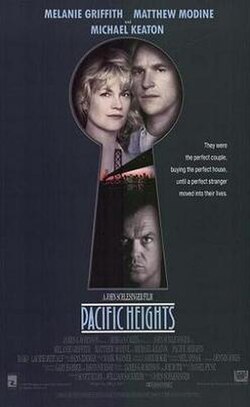
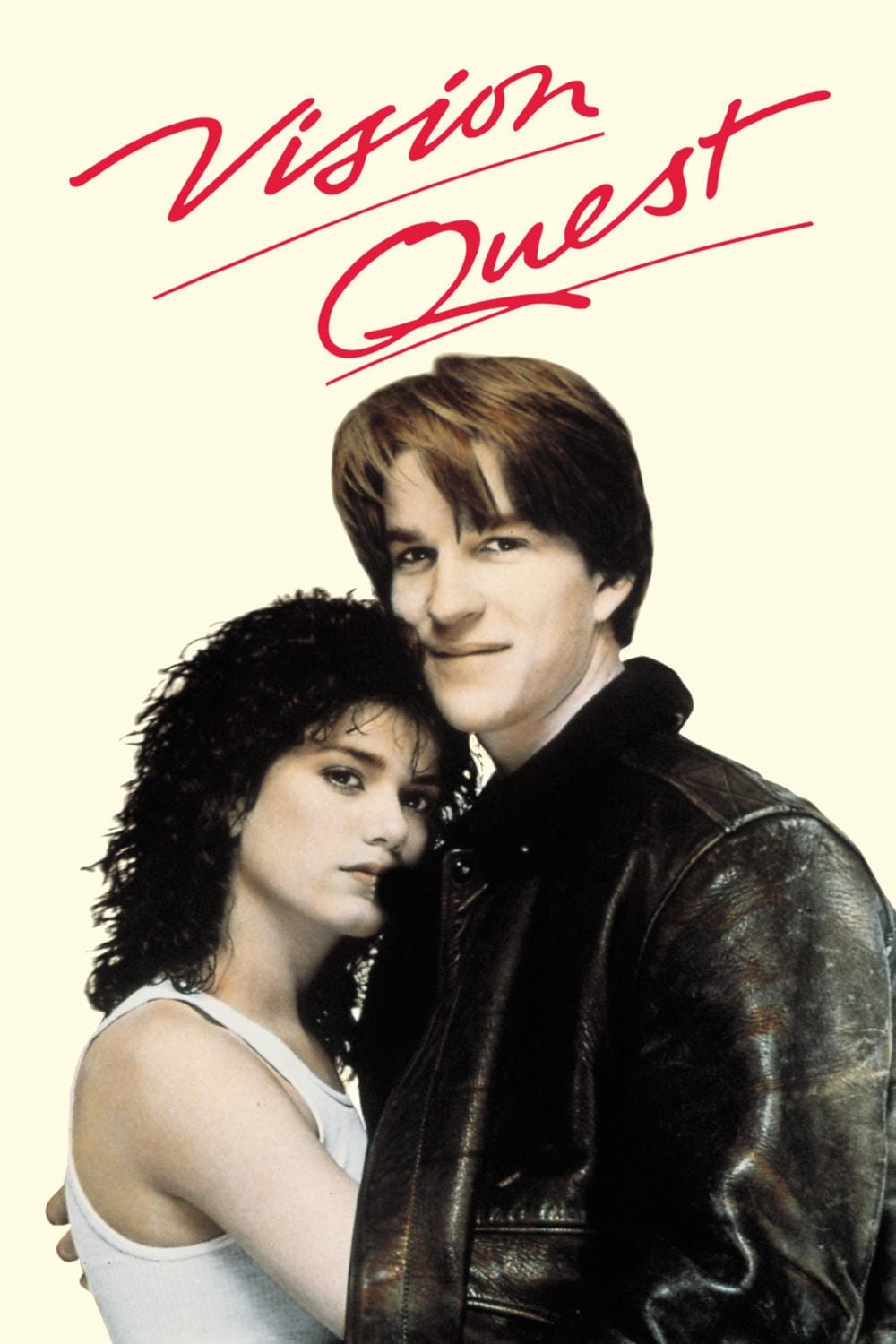
The opening encounter with Mrs. Griswold is nominated for its startling entrance.
The renovation leading into the awkward rental interview is nominated. — Bill Simmons
Carter separately manipulating Drake and Patty during the rental pitch is nominated.
Drake’s casual racism while discussing a prospective tenant is named as a favorite comic scene. — Bill Simmons
Carter gaining access and immediately changing the locks is nominated.
Carter smoking in the dark garage and revealing the razor blades is nominated. — Bill Simmons
The cockroach attack and Drake crawling beneath the apartment are nominated, with praise for Matthew Modine taking live cockroaches to the face.
Carter’s flowers, preemptive police call, and successful provocation of Drake are nominated; the hosts debate how Carter would have forced an attack if Drake resisted.
Fiorentino is picked; she is great and the reason to go back, and her uneven acting is called a little punk rock.
Modine is picked because he plays someone with many unredeeming qualities yet you root for him throughout.
A third participant answers that traditional atlases win, a joke about how long the drive to the grandfather's house took without a Google map; not counted as a ballot.
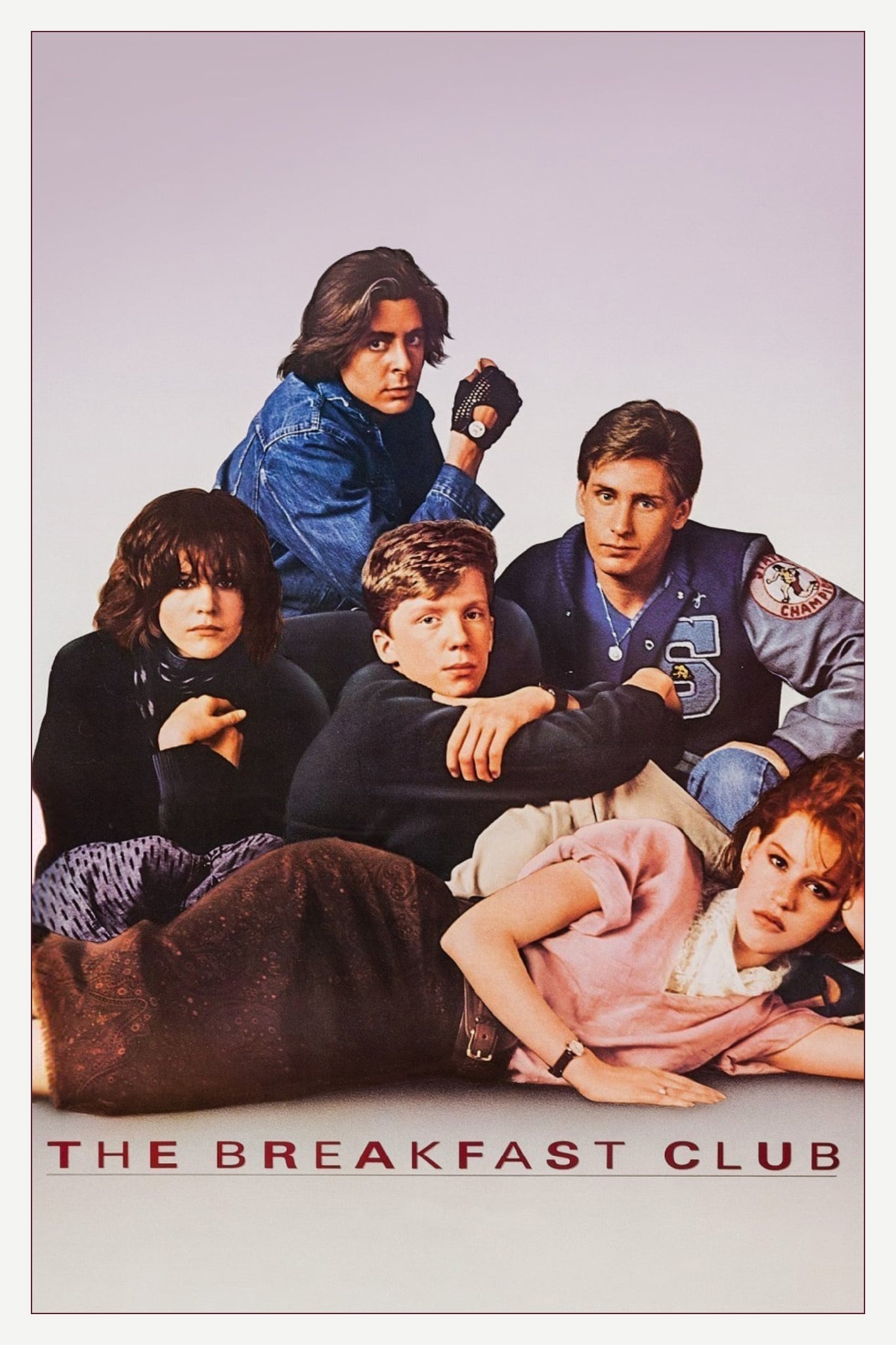
The hosts say Ringwald was meant to play Allison but wanted Claire, and Hughes initially resisted because it was close to her Sixteen Candles role; switching would have broken her persona. — Bill Simmons
As the hosts relay Ringwald's account, Hughes wrote Sixteen Candles around her headshot, and their mentor relationship changed after she began dating Anthony Michael Hall during this film. — Bill Simmons
Estevez was originally to be Bender but switched when Hughes couldn't find an Andrew; Tom Cruise was unavailable and is called perfect for it.
Nicolas Cage was considered for Bender and is judged too much.
John Cusack was originally cast as Bender and replaced by Nelson for not being threatening enough; it would be a totally different, more sensitive film.
Rick Moranis was originally cast as the janitor and left over creative differences.
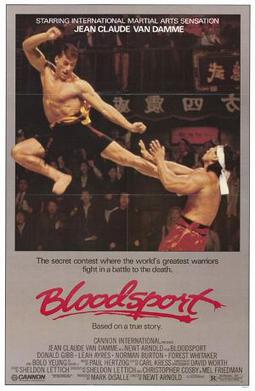
Chong Li versus Frank Dux in the Kumite final; the Victory soccer game; Sidney Dean and Billy Hoyle versus the King and Duck; the Friday Night Lights title game; Doug and Kate's pairs final in The Cutting Edge; Blades of Glory; the Slap Shot title game; the Cool Runnings bobsled race; the dead ballplayers' cornfield game; Snake Plissken's full-court shot
Asked how high the Chong Li versus Frank Dukes final ranks among sports-movie events to attend, ringside with the Atlantic reporter: the storylines write themselves and it has to be number one on stakes alone, a fight to the death, a reigning champion undefeated for years, the first American with a chance to win, a fighter carrying the lineage of a mentor whose son died, and Chong Li coming off his second kill of the tournament. — Shea Serrano
The soccer game in Victory is one host's pick, beating the Nazis before the crowd breaks through the walls, but it is argued down as more about the escape than the game, while the Kumite final is hype all the way; Vision Quest, never seen by one host, is called Matthew Modine's apex and the greatest wrestling movie ever.
The remaining picks: Sidney Dean and Billy Hoyle versus the King and Duck, which you could probably wander up to for free; the Friday Night Lights title game; Doug and Kate's pairs figure-skating gold in The Cutting Edge, with Blades of Glory preferred; the Slapshot (as transcribed) title game, a brawl for three periods; the Cool Runnings bobsled race; a dozen dead racist ballplayers returning to play in a cornfield; and Snake Plissken's court-to-court basketball challenge ending in a full-court shot.