‹ All people

Film credit

Jodie Foster

Also referred to as Foster, Joey Foster

Stats

Episodes featuring their films
5
Movies in this archive
4

Rewatchables episodes featuring Jodie Foster’s films

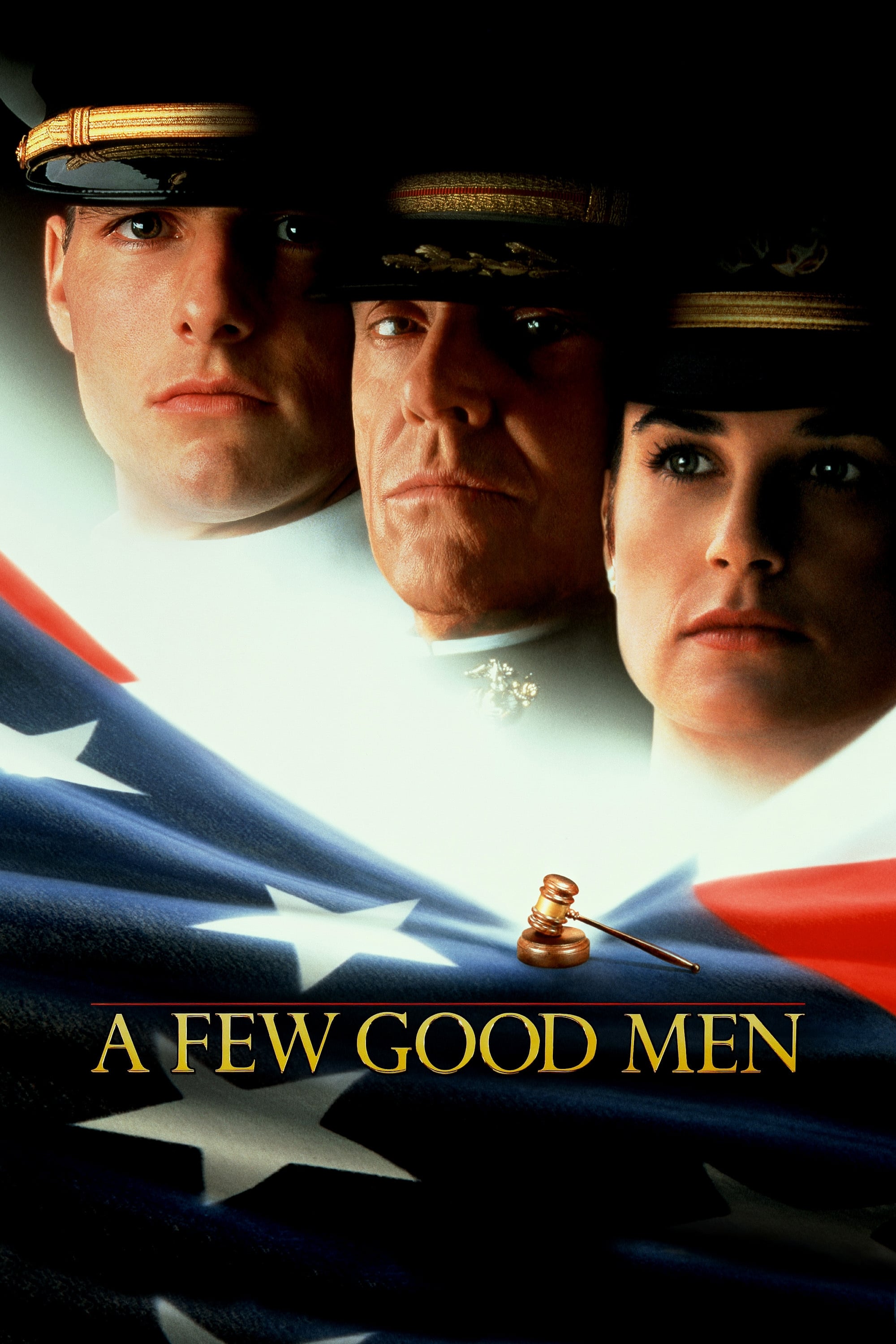
Panic Room

2002 film

Bill Simmons · Chris Ryan · Sean Fennessey

Aired March 29, 2022

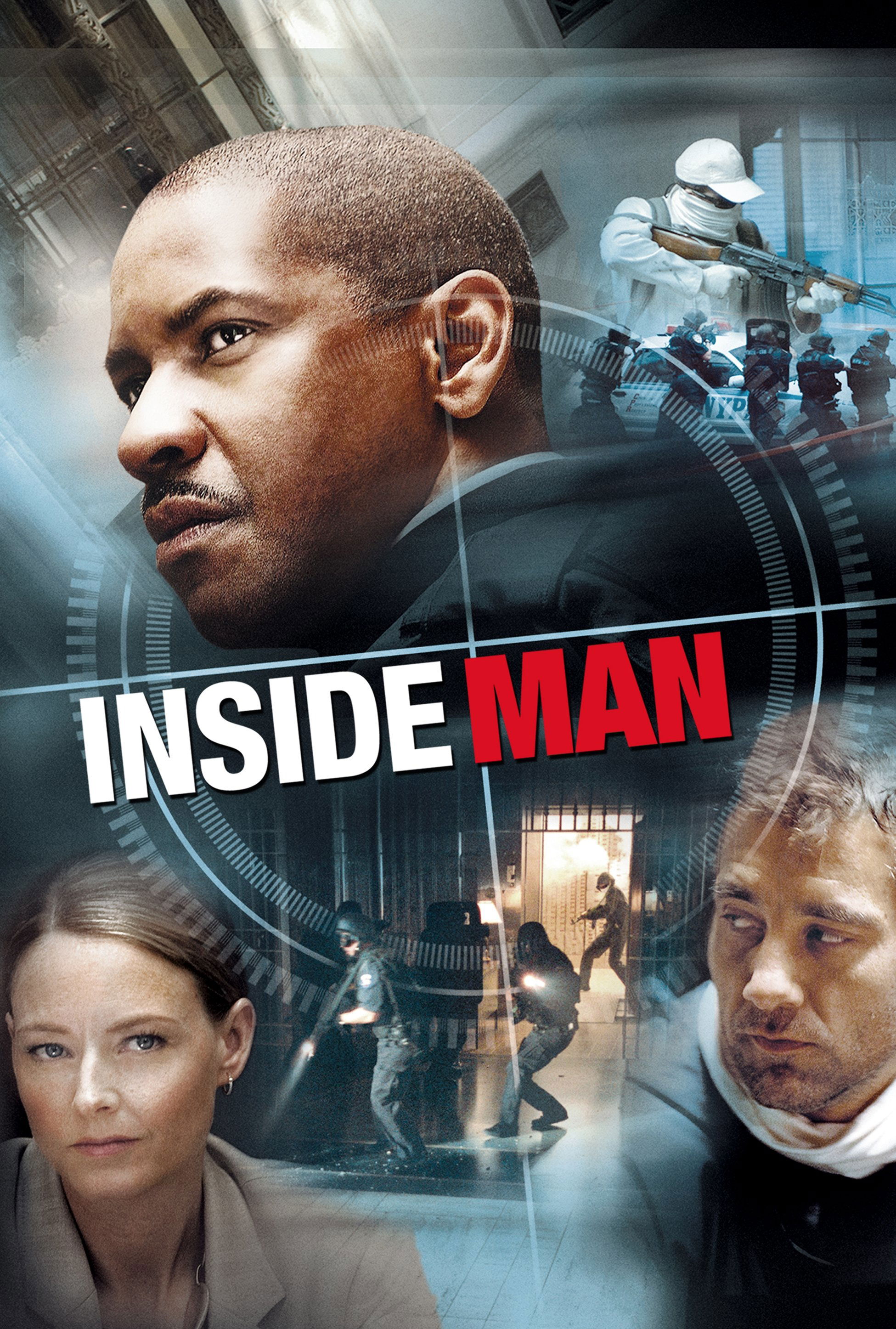
Inside Man

2006 film

Bill Simmons · Sean Fennessey · Chris Ryan

Aired March 15, 2021

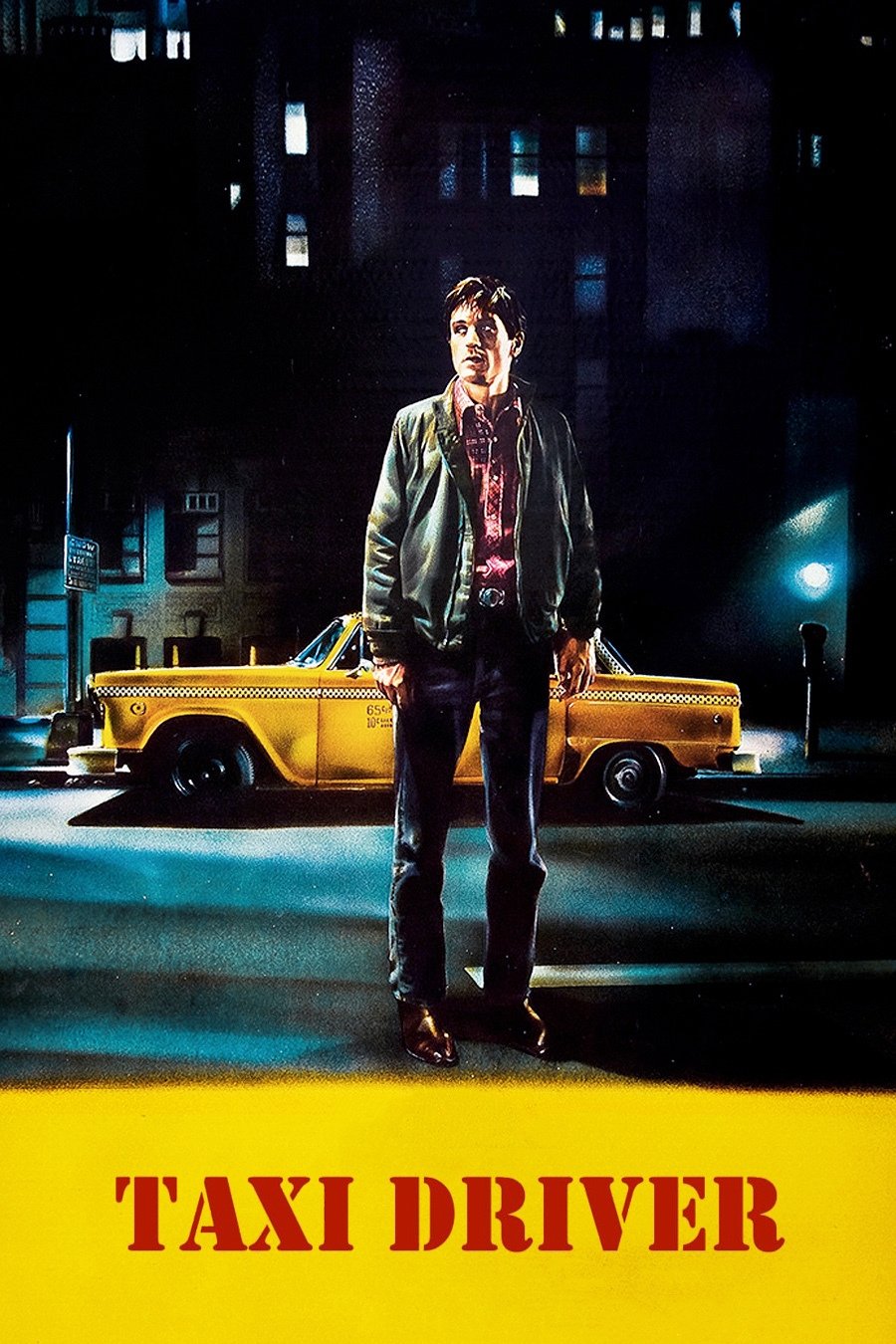
Taxi Driver

1976 film

Bill Simmons · Bill Hader · Sean Fennessey

Aired February 9, 2021

Displaying all 5 episodes

Mentioned in discussions

The Silence of the Lambs

Apex Mountain

Anthony Hopkins; Ted Levine; Jodie Foster (one host rates her performance in The Accused higher)

In the discussion (5)
Approx. transcript time · 00:43:49Read transcript
  • Anthony Hopkins is a yes: this is the apex for him.
  • Ted Levine is a yes, called the apex not just for him but for all actors.
  • Jonathan Demme is a no from one host, who would choose Stop Making Sense or Something Wild; the other asks how a five-for-five Oscar sweep is not the apex, and the first host admits to being a hipster about it but sticks with that choice.
  • Chris Isaac's apex (as transcribed) is instead the Wicked Game video, called a top-12 video of all time.
  • Jodie Foster is a yes: after an initial 'I think so', the reply agrees this was her apex; her performance in The Accused is rated higher, she is called good in Panic Room and Inside Man without those being apex work, and her most iconic role plus a second Best Actress Oscar settle it.
The Silence of the Lambs

Half-Assed Internet Research

Hopkins mocked Foster's Southern accent in their first scene; James Gumm combines Ed Gein, Ted Bundy and Gary Hednick (as transcribed); Gene Siskel gave the film a negative review; Brooke Smith gained 25 pounds for Catherine Martin; Goodbye Horses replaced a Bob Seger song and Ted Levine insisted on the dance; Levine and Scott Glenn did extensive research; the story was inspired by Robert Keppel and Ted Bundy; William Goldman got Demme to cut a 12-minute Crawford-Clarice sequence
In the discussion (10)
Approx. transcript time · 00:33:36Read transcript
  • According to Jodie Foster, Hopkins improvised mocking her Southern accent during their first meeting, so her horrified reaction is genuine; the hosts love when good actors unsettle their scene partners, and the accent is called not great and one of several problems with her performance.
  • James Gumm ('Jame Gum' variously as transcribed) combines three real killers: Ed Gein, who skinned victims, Ted Bundy, who escaped and killed again, and Gary Hednick (as transcribed), who kept captives in a basement pit.
  • Gene Siskel gave the film a negative review, and one host calls Siskel the movie equivalent of the host's perpetual disagreements with Greenwald.
  • Brooke Smith, who played Catherine Martin, gained 25 pounds for her first major role, and the hosts wonder whether she deserved a supporting actress nomination.
  • The dance song Goodbye Horses by Q Lazarus was originally supposed to be a Bob Seger song, which one host is glad it was not; the hosts joke about how men their age would react if it came on in a bar.
  • Ted Levine insisted the dance scene be in the film, and the screenwriter did not know it would be until he saw it; it was improvised, Levine needed two drinks first, and he researched by visiting trans bars and talking to people.
  • Scott Glenn researched child murder cases and worked with the real-life model for Crawford, with tempestuous political arguments because Glenn opposed capital punishment; a host jokes that Glenn then murdered him.
  • The story was inspired by the relationship between University of Washington criminology professor and profiler Robert Keppel and Ted Bundy, which is how the Green River killer was caught.
  • The second host's research, from a Deadline oral history: after an LA screening, William Goldman told Demme to cut a filmed 12-minute sequence in which the attorney general chews out Crawford and Clarice, kicks her out of the academy and takes him off the case; Demme and the editor resisted, cut it anyway, and the film became a tight hour and 54 minutes.
  • Goldman is also credited with telling the Good Will Hunting writers to drop the second half where Will becomes a spy; the host found the Goldman story the most interesting, the Hackman material having been covered.
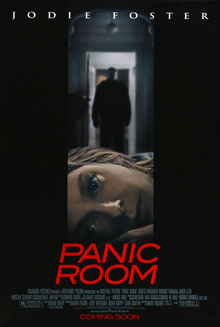
A Few Good Men

Picking Nits

Putting Jessup on the stand; Caffey calling Jessup a son of a bitch in court; whether Joe Galloway was a terrible lawyer; who should have played Joe Galloway
In the discussion (13)
Approx. transcript time · 00:41:15Read transcript
  • Putting Jessup on the stand was insane: they gamble six months and their careers on a fake-out with the two airmen whom Sam almost fails to get to court in time, a huge bluff that, like Rounders, is fun to rewatch even knowing how it ends.
  • Cruise's 'Don't call me son. I'm a lawyer and an officer in the United States Navy, and you're under arrest, you son of a bitch' would not really happen in court, though another notes the formality had already gone once Nicholson was screaming his own threats.
  • Was Joe Galloway a terrible lawyer? A prepared list argues she is good: she knows what a code red is, a quote from her advisors calls her a hell of an investigator, and she memorizes extensive biographical details.
  • The list continues: she believes in due process, unlike Caffey's '12 years and out in six' deals, and at the Gitmo lunch she angers Jessup into admitting off the record that he condones code reds and will take any bait, which becomes the winning strategy.
  • Further points: being a lawyer is client services, she is not friends with the prosecution, she has the idea to put Jessup on the stand, and she is never held in contempt; she is not a litigator in a film about litigation as performance, so she gets no credit, but he would not win without her and she motivates him.
  • Non-legal points in her favor: her jeans are back in style, she has great taste in bar-and-grills such as the crab shack, her hair, the business suit she wears off duty on the first night with the tower logs and Chinese food, and Malcolm X glasses worn in one scene.
  • The 'twice as hard as you' dynamic is called a good foil for Cruise's character and an honest picture of a woman in that workplace, making her one of the best Sorkin female characters despite the disrespect; 'I strenuously object' is bad, but she earns credit for the 'exceptional lawyer' speech that pumps Cruise up, and a host wishes Ringer colleagues gave speeches like that.
  • The case against her: she is blamed for Downey, having befriended Aunt Ginny without learning Downey was not in the room; the reply is that Weinberg did witness prep, Caffey was lead counsel, and the defendants never volunteered anything they were not asked, which is when Cruise freaks out.
  • 'Strenuously object' is her scarlet letter, before she was in The Scarlet Letter, along with saying 'we're going to win'; one panelist calls it a bad performance with Demi Moore miscast.
  • Julia Roberts is floated as better, though she could not have been cast for the same reason as Bacon's haircut; Roberts and Cruise never made a movie together; asked to split the blame 65 to 35 between Demi Moore and Sorkin or blame 1991, the answer is that it is majority Demi Moore's fault.
  • In a 2017 version the character could not just be stuck in middle-management paperwork; one suggestion flips it, making Caffey a woman and Joe Galloway a man.
  • Jodie Foster was also up for the role, with one other name forgotten; Foster with Cruise is mocked as having no chemistry, measured against McConaughey and Foster in Contact and Helen Hunt with Nicholson in As Good as It Gets.
  • The Galloway question is left unsolved but seeds are planted; with Julia Roberts getting every part back then, Linda Hamilton in Terminator 2 shape is suggested as a good alternative.
Displaying discussions 25 - 27 of 27 in total

Films in the archive