

Most Rewatchable Scene
The first drop and beach battle
In the discussion (21)
Approx. transcript time · 00:30:22Read transcript
- The movie cuts so quickly that it has more flashes of scenes than scenes, but about eight rewatchable scenes are listed. — Sean Fennessey
- First on the list is Major Cage's first meeting with General Brigham, where he is told he will be on the beach with the first wave. — Sean Fennessey
- Casting Brendan Gleeson in a small part signals the character matters, like a Montgomery or Patton; it is contrasted with a day-player walk-on in Devs, discussed with Greenwald. — Chris Ryan
- Gleeson, who can ham it up as in Troy, underplays the moment, has his shirt tucked in and looks as big as the wrestler Big Van Vader. — Sean Fennessey
- Waking up in Master Sergeant Farell's J Squad is next; the speaker's wife gets anxious at how unfair it is that Cage is stripped of rank, and the movie wisely avoids showing it too many times. — Sean Fennessey
- A joke asks whether the mimics would have won if Cage had simply agreed to make the documentary. — Sean Fennessey
- The first airdrop and beach battle are called incredible and heart-racing, with Cruise's great scared-stiff performance ("How do I turn the safety off?"). — Sean Fennessey
- Casting unknowns in J Squad means no one seems protected, so the hit on the plane before the doors open is shocking. — Chris Ryan
- The beach storming works despite coming in Saving Private Ryan's wake; the mimics are just CGI and not very interesting, and the movie wisely stops dealing with them for a while after the first alpha death and reset. — Sean Fennessey
- The hosts mention that Guillermo del Toro worked on some of the mimic designs. — Sean Fennessey
- Cage seeking out Rita and the training montage are listed; training montages are called mostly corny, with Creed the exception and Blades of Glory a joke contender. — Sean Fennessey
- The drive that leads to the farmhouse and the return engagement with General Brigham are on the list; the final battle is called bad, with a steep drop-off in about the last 35 minutes. — Chris Ryan
- The farmhouse is like finding water in the desert: a human moment in which the characters actually go on a journey. — Chris Ryan
- An added pick is Cage walking into the J Squad camp and reading everyone's poker hands ("Kimmel's working on a flush"). — Chris Ryan
- Cage becomes the smartest guy in every room; despite a flawed final 30 minutes, the final action shot of his hand opening to show grenade pins and the zippy ending where Rita asks if she has something on her face are praised. — Sean Fennessey
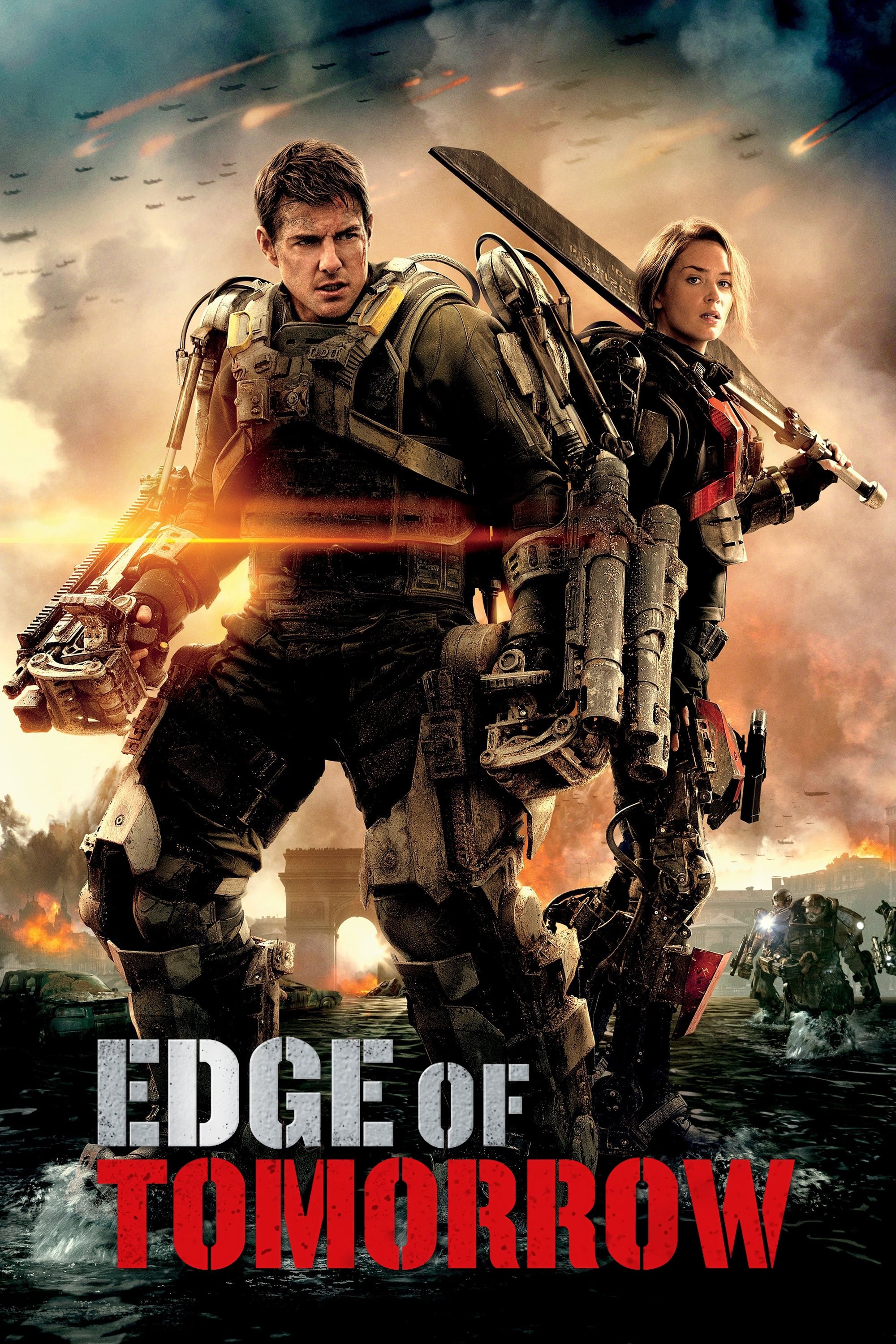
- The pick is the drop landing and storming of the beach: the heavy, tactile mech suits recall Ripley's loader in Aliens, the speaker says they were mostly real rather than CGI, and the scene is redone four or five times. — Chris Ryan
- The hosts say the CGI is sparing: per making-of featurettes, portable green screens were carried alongside running actors, a beach was built in a studio, and an entire Heathrow airport army base was built instead of shooting at Heathrow. — Sean Fennessey
- Understanding how mainstream action movies get made is fun; Cruise, the quote-unquote hardest-working guy who does his own stunts, tends to get results that feel more real. — Sean Fennessey
- The other host agrees that the first battle sequence is the most rewatchable scene. — Chris Ryan
- Neither host cares about the romance; it ranks about eighth or ninth in importance, the kiss plays as a farewell, and critics called it unearned. — Sean Fennessey
- Cruise as a romantic lead is harder to accept as he keeps pairing with actresses about 31; Kubrick and his personal life ended his youthful sex-icon status, and the movie could have done without the romance. — Sean Fennessey

