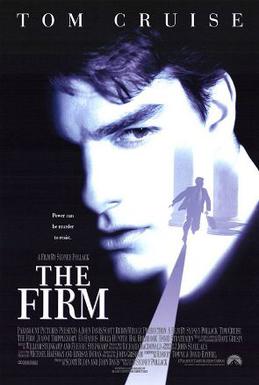
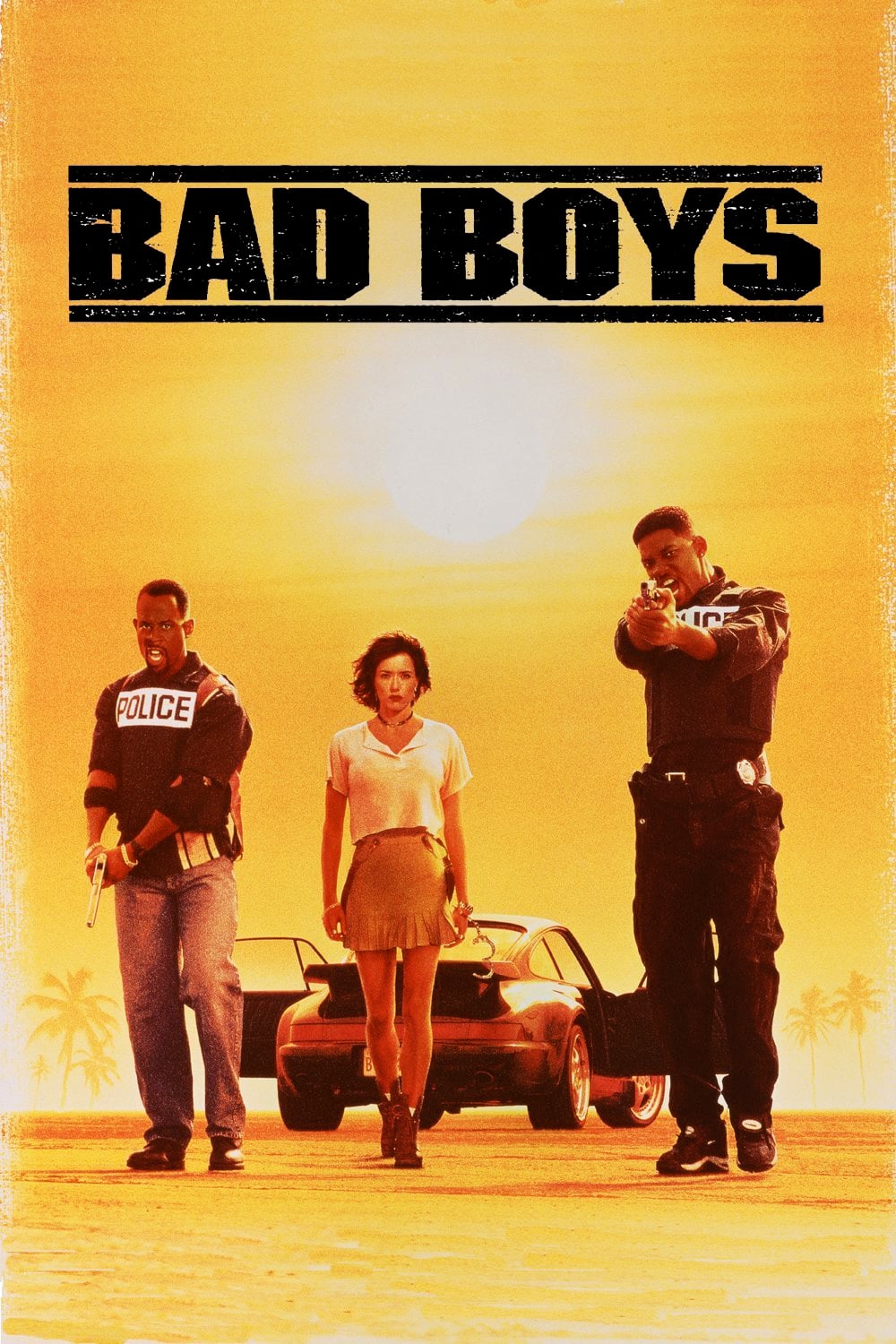
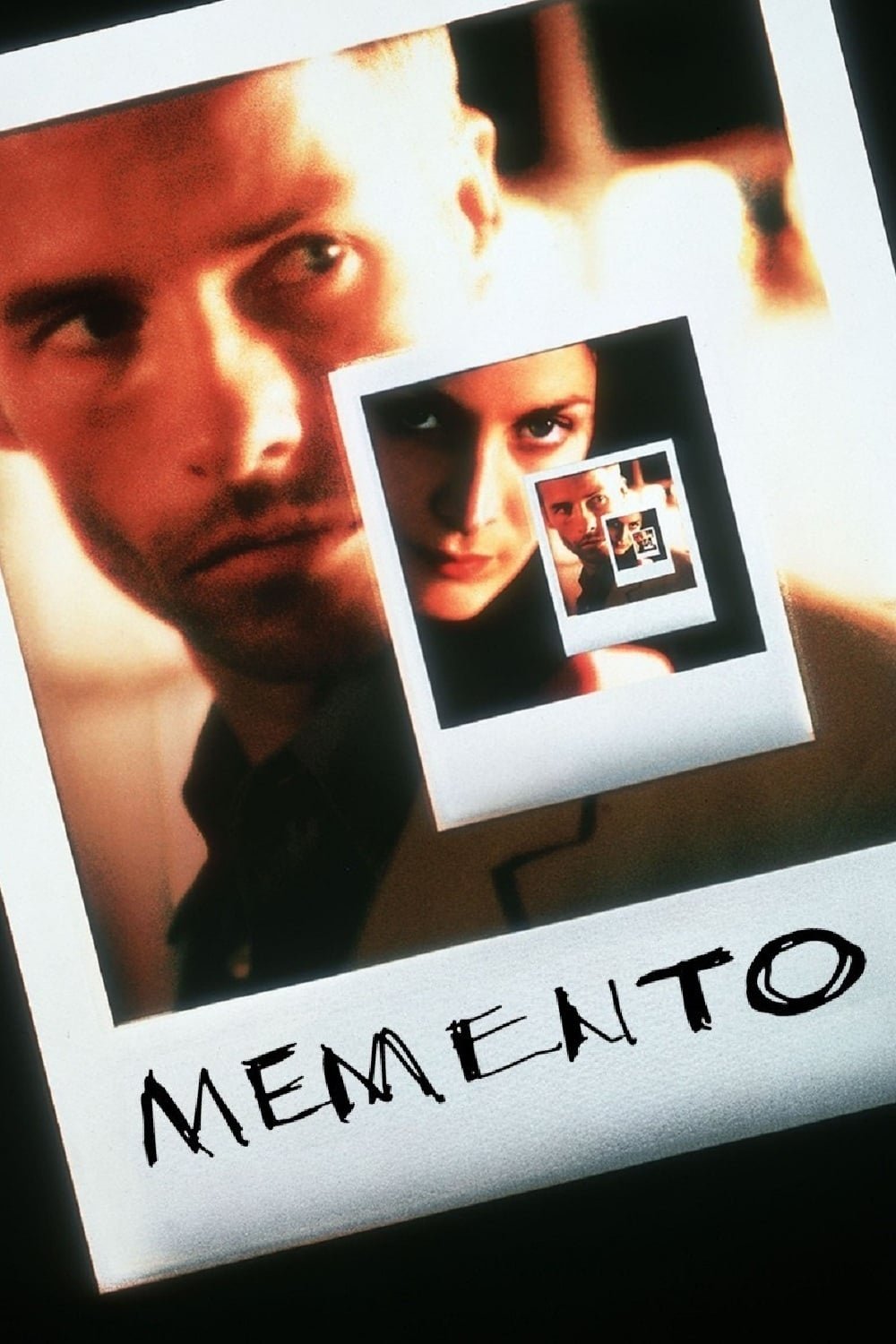
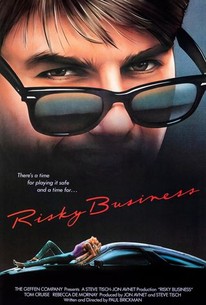
The award is explained as Joe Pantoliano, 'that guy' through the eighties before becoming Joey Pants; the question is whether the winner should be someone who was that guy then and became known, or someone never known, with Terry Kinney, David Strathairn and Paul Sorvino ruled out as people we know.
The personal choice is the man beside Paul Sorvino, with Hal Holbrook's consigliere Jerry Hardin, who plays Royce McKnight, as runner-up; Hardin was in everything for twenty years, from Big Trouble in Little China and Reds to Deep Throat on the X Files and Melrose Place.
The award is now also named for Robert Shaw's Quint in Jaws, with a Quint impression; nobody really overacts in this movie, though Pantoliano never modulates his performance and dials it up in a good way, as in his line about everybody telling him to go fuck himself.
Last week listeners were asked to tweak the Danny Trejo category (transcribed 'Danny trail'), since it had already been decided Trejo should be in every movie; a couple of people suggested variations of the adopted idea, so no one person gets credit: three actors, taken from a time machine in their primes, and the hosts decide which fits best.
Buscemi is the obvious pick for both: he could have played seven parts, Moron Number One or Two, the donuts guy, Joey Pants, an FBI agent, even the Duke on a budget; the game is called fun and the suggestions are thanked.
De Niro is complicated and this is not his apex but a high step toward it; candidates for his real apex are Taxi Driver, Raging Bull coming off Godfather 2, and Goodfellas, with a Marvin's Room joke; one host personally calls Midnight Run his favorite De Niro peak but then argues Goodfellas, where the anticipation of De Niro in a Scorsese mob movie as Jimmy Conway made the credibility the hook, as the arguable apex, so the lean does not stand as a pick.
Joey Pants is a yes: he is great in Memento and The Matrix, but this is the favorite and his apex because this is where he becomes Joey Pants, running to the restaurant or reporting that Marvin has the Duke.
An all-time that-guy extravaganza, with some former that-guys now too well known: Moron Number One and Two, the dad from My So Called Life as an FBI agent, and Eddie Moscone's sidekick who dimes him out and keeps offering to get donuts (transcribed 'Eddie Moscon').
The award goes to Joey Pants because it is named after him.
John Ashton, Marvin here and Rosewood's partner in Beverly Hills Cop, with Cop 2 one of the great heat checks, would win going away in any other movie; it is a mystery why he never had a bigger career or a Fox cop drama, since he could easily have been the Dennis Franz character in NYPD Blue.
Yafet Kodo (as transcribed), the FBI agent whose identity De Niro steals, is in maybe fifteen minutes yet hits seven threes on presence alone, and carried it over to network TV.
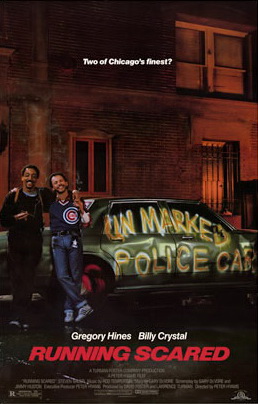
Joe Pantoliano, who has his own award on the show, was in the stretch where he stopped being that guy, after Risky Business, Running Scared and Eddie and the Cruisers, and became Joe Pantoliano here, dyed hair and all; by the strict letter of the Dion Waiters law one host gives it to Pantoliano for making the most of his opportunity.
The other host goes Farina, who is in about five scenes, all filmed in Vegas because he was doing Crime Story, and is completely over the top in a baggy gray-and-black sweater; they agree to disagree, and his threats about the pencil, the cream soda and burying the telephone in his lawyer Sydney's head are recited.
Farina's best work is argued over: his mob boss Lombard in the first Miami Vice season, which led to Crime Story and typecasting as cop or mob boss after eighteen real years as a Chicago cop; Manhunter as Will Petersen's boss (preferred over the Bronx Tale performance of the actor transcribed as 'Chaz Pimentary'); and Out of Sight as Jennifer Lopez's father.
Every scene is called rewatchable, so a few are thrown out: the counterfeit-twenties con in the bar (the 'litmus configuration' test), Jack visiting his daughter, the coffee-shop scene with the chorizo and the 53-cent coffee where the Duke needles Jack about Serrano, the boxcar scene, and the late chase where Jack loses the Duke, stops the car under the helicopters and says he has come too far.
The boxcar is the pick for both: it is where the two finally break down and become real friends, a cathartic release after the car chase through the desert, apparently mostly improvised, and a lived-in, funny, genuine scene between two great actors; any scene with Farina or Pantoliano is a rewind, but the boxcar is the rewatchable one.
The setup as recounted: the Duke slips into a boxcar thinking he has escaped, Jack comes around the other side and, furious, announces he is not talking for the rest of the trip; the director then told Grodin to loosen De Niro up, De Niro was too wound up to crack, and Grodin finally landed it with a crude teasing question about the farm animals on the reservation, which leads to the exchange about the watch; the clip is played and it is called the best scene in the movie.
The segment is announced as 'New category. The Joe Pantoliano Award' and named for Joe Pantoliano, which is why it is recorded under the existing Joey Pants that-guy family.
The award is for a then-that-guy who became a that guy or never did: Joe Pantoliano was Guido the Killer Pimp and the guy from the Cruisers movie for five years, then Running Scared, The Matrix and The Sopranos made him Joey Pants; the two nominees are Scott Glenn and Harris Ulan (as transcribed).
Harris Ulan (as transcribed) is a flat-out that guy: a hundred movies, almost always evil, usually the lieutenant or someone in the DA's or mayor's office, an amazing theater actor; the two performances burned in are the judge in Ghostbusters 2 and Mel Burstead (as transcribed) in Scarface, a role he has essentially played for 35 years, including a version of it here.
Scott Glenn's recognition of Hoyt as a strong safety from North Hollywood High is recited, and his one-shot character in the Apocalypse Now director's cut, painted and surrounded by Montagnard Indians at Brando's compound, is imagined coming back to the States to become an L.A. drug dealer who scouts high school defensive backs.
Why does Roger wear a black tank top tucked into jeans with a green bathrobe, drinking scotch at 10 in the morning, with a photographic memory for a player from 10 or 15 years earlier, before YouTube mixtapes, like the invention of Pro Football Focus; weird little flourishes like this elevate the movie.
Roger is understood as an ex-cop turned dealer, and there is a brand of cop really into local athletics who goes to high school games for no reason and asks about the quarterback, a provincial type who probably has a Letterman jacket from 1957.
The script had been banging around since the mid-90s and is based on the Rampart scandal, drawing on the Raphael Perez (as transcribed) case of cops stealing and selling drugs, with Alonzo modeled on Perez down to the beard and look.
Wesley Morris's 'there can only be one' market-correction game: Tommy Lee Jones market-corrected Scott Glenn; Glenn was the rival who sleeps with Debra Winger in Urban Cowboy, a weird film that has not aged well, while Jones was in The Executioner's Song with Rosanna Arquette, and they ran parallel through the 80s until The Fugitive and Under Siege made Jones a top-tier star and left Glenn to play Roger.
Glenn belongs to the early-80s generation of The Right Stuff, Silverado and Terms of Endearment whose careers were derailed by the mid-to-late-80s action boom; he took second-in-command roles in The Hunt for Red October, Silence of the Lambs as Jack Crawford, The Player, Backdraft and Absolute Power, grouped with Kline, Costner and Dennis Quaid.
Personal Best, Robert Towns's (as transcribed) directorial debut, is a weird film that has aged badly and incredibly well at once, with Glenn's character crazy and the two-athletes-falling-for-one-another premise interesting; it will never be on the show.
One voice thinks it has to go to Scott Glenn; another argues for Harris Ulan (as transcribed) because Glenn was already Scott Glenn, Alan Shepard in The Right Stuff, a known quantity 20 years earlier; Roger is called his best part, three great scenes, though the other would take Personal Best and The Right Stuff over it, and no single pick is settled.
Roger's football recall is riffed on: the game against Crenshaw, picking off two passes, going nickel in the third quarter, the safety blitz, all offered with scotch and a bathrobe.
Earlier, during the heat check, a nomination for Harris Ewan (as transcribed) was held for this new category.
An 11-episode Netflix show is accepted; the Devlin MacGregor plot is more believable now than in 1993. — Bill Simmons
One participant picks Mark Ruffalo as Kimble for his mix of intelligence, innocence and looking aggrieved.
Jon Hamm is proposed, then said to also have been another participant's choice: a believable doctor with a great jaw and big charismatic TV star.
Ruffalo's case is defended with a 'they knew' sequel joke, but he is later dismissed as busy with the Hulk.
The marshal should be Black or a woman to change the dynamic, with Viola Davis suggested; the pairing lands on Hamm and Viola.
Joey Pants could come out of retirement as an older Cosmo.
For a male minority Gerard, someone with a comedian background is suggested, with Chris Rock raised, and Idris Elba is proposed; Elba is questioned on sarcasm but defended via Molly's Game and Luther.
Liam Neeson as an older fugitive would not survive the dam; Brad Pitt would have been a great fugitive in a movie version. — Chris Ryan
A tech-era version would need to handle the internet, which makes it less of a pure ride; Will Smith basically already did it. — Andy Greenwald
Michael Shannon is suggested as Sam Gerard; one participant dislikes him.
The Fugitive should be a binge-watch show; a series could have a different fugitive, director and writer every season.
This is not Joe Pantoliano's apex; candidates raised include The Sopranos, Guido the Killer Pimp, The Matrix, Bad Boys, Eddie and the Cruisers, Running Scared and Risky Business.
A case is made that The Fugitive was the apex of Pantoliano being likable and welcome, when people recognized him and were excited he was there. — Andy Greenwald
Nominees include the one-armed man (Katsulas) and the bald Black convict on the train, who is said to deserve his own sequel or the U.S. Marshals fugitive role; Joey Pants and Dr. Charles Nichols make four candidates. — Bill Simmons
A write-in candidate is all the reporters at the Tommy Lee Jones press conference, including an actor from Veep and two apparent real Chicago columnists. — Chris Ryan
Side note: Andreas Katsulas was on Babylon 5 and has died; its creator said he loved smoking with a passion that cannot be described. — Andy Greenwald
One participant names the bald Black convict the winner: in three scenes he goes 'seven for eight with ten rebounds.' — Andy Greenwald
Another makes a small argument for Krabbé (transcribed 'Jerome Krabb'), who must have laughed at the script and is dining out on those scenes. — Andy Greenwald
The Nichols character is obviously the villain as soon as he reappears; he is not plausible as Kimble's friend, and the Charlie and Chuck names do not fit a Dutchman. — Andy Greenwald