
Film credit
Kevin Costner
Also referred to as Costner, Koster, Coster
Stats
- Episodes featuring their films
- 10
- Movies in this archive
- 10
Rewatchables episodes featuring Kevin Costner’s films
Robin Hood: Prince of Thieves
1991 film
Bill Simmons · Chris Ryan · Van Lathan
Aired November 7, 2023
Mentioned in discussions
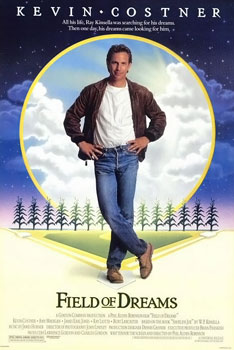

What’s Aged the Best?
James Horner's score; Shoeless Joe's 'I would have played for nothing'; late-80s Fenway Park; the Kinsella house; Ray's chemistry with the White Sox ghosts; Gabby Hoffman as Karen; the Terrence Mann character; the Annie and Ray relationship; the van scenes; Busfield walking across the field; Costner's hair and jeans; the disgruntled writer as plot point; the themes of hope and purpose
In the discussion (16)
- James Horner's score, unequivocally, arguably who won the movie: stolen over and over by sporting events, documentaries and trailers across thirty years, it plays five seconds and you need to excuse yourself; heard in surround sound for the first time it feels like a stadium; it has to double and triple the emotional climax in the last twenty minutes, like Shawshank's iconic score.
- Shoeless Joe's I would have played for nothing, against today's spoiled players like Bryce Harper getting cash and checks.
- Late-80s Fenway Park, a personal thing: the caterer, two dogs and two beers for seven bucks, few movies filmed there, the Morgan Magic 88 team with Ellis Burks and Mike Greenwell before the A's kicked their ass.
- The Kinsella house is a top seven or eight movie house, still standing as it was, worth a fortune if moved to LA; the White Sox ghosts busting Ray's balls during the call to dinner show his chemistry with them, and it would be amazing if he plowed the field and told the cheaters to go back to hell.
- Gabby Hoffman as the daughter is all-time adorable, in a cutest-daughters final with the Remember the Titans girl, with Macaulay Culkin's bee movie ruled out as a non-sports film; a host's own daughter at six was their favorite human ever and their own field of dreams would be going back to that age; Karen's precociousness is winning.
- Terrence Mann is James Baldwin meets J.D. Salinger; the book used Salinger and the film changed it for fear of a lawsuit; the recited bio, voice of the 60s, marched with MLK, cover of Newsweek, coined make love not war; asked whether we ever had a writer like this, the answer is no, though Baldwin and Norman Mailer were around back then doing that kind of writing; the whole movie could have been Costner and James Earl Jones in the van.
- The Annie and Ray relationship: a great, supportive, believable marriage with real history, down to her sleeping in one of his old t-shirts.
- The son of a bitch died before I could take it back scene is gut-wrenching, Joe Jackson's a criminal being the meanest thing you could say to your dad; the van exchange about the falling out and it's not my fault you wouldn't play catch with your father; all their scenes are high level, high PER.
- Busfield walking across the field and interrupting without knowing the ghosts are there, the pitch just missing him and the batter swinging through, timed with no visible special effects.
- Costner's hair and everything about him, worth bottling; the tightness of the jeans, which they don't make like that anymore.
- Disgruntled writer as plot point has aged well: the recluse found at a pivot point between influencing everyone and being influenced, the aura pulsating over every conversation about him, a stand-in for baseball and tradition in American life; more broadly the themes of the movie.
- The retort that the themes could equally have aged the worst is greeted as a holy shit take and parked for the next category, with a promise to explain why fathers and sons aren't as interesting as you think.
- Asked for a pick, the answer is Annie and Ray, first misspoken as Amy and Ray. — Chris Ryan
- Another pick is the blend of magic realism with hope and purpose as a driving force in a life, which Bill is expected to try to dissuade.
- Late 80s Fenway Park, a selfish pick for just one person. — Bill Simmons
- The show missed its chance to get a Ray Liotta walking off the field yelling Karen.

Most Rewatchable Scene
Ray meeting Terrence Mann in Boston; Moonlight Graham crossing the line to save Karen; the James Earl Jones speech
In the discussion (17)
- First nominee: Ray meets Shoeless Joe, is this heaven, no it's Iowa; a quick Liotta imitation; this was a year before Goodfellas, when he was a critic's darling after Something Wild; he still has never seen the movie and thought the script was dumb.
- Liotta plays Joe Jackson like a sensitive, dew-eyed guy from 1989 rather than a period Black Sox type, which is perfect because he seems like a ghost who doesn't know he is one; a Chantix commercial with him in the cornfield and a second-half-of-Goodfellas Henry Hill emerging from the corn are joked about.
- Second nominee: Ray goes to Cambridge in his Volkswagen van and meets Terrence Mann; the finger-or-gun exchange is played, the door slamming is really funny, and Mann flips fast once Ray brings up John Kinsella (transcribed 'John Consala'); great suspenders and belt.
- The two hosts who have spent time in Boston are asked whether there really are that many Jewish people there, since the street looks like half of Brooklyn with Hebrew letters on windows; the Boston exteriors were apparently filmed in Dubuque with after-the-fact wide shots, though they obviously shot at Fenway.
- Third nominee: after Fenway, Mann pretends he didn't see the scoreboard, drops Ray off, then is standing in the street; the Moonlight Graham, you saw it exchange is recited, New York Giants 1922, one game, never batted, Chisholm, Minnesota; that part is amazing.
- Fourth nominee: the nighttime scrimmage with Archie, the first time Frank Whaley walks out, ghosts playing at 9:30 with Amy Madigan turning the lights on, the most baseball in the movie, a four-minute sequence.
- A host doubts they could hit fly balls to a ghost who showed up in the backyard; the counter is that Ray had been prepping, taking BP every day; the one caveat is that Costner wears Timberlands the entire movie rather than Chucks or running shoes.
- The James Earl Jones speech and the actual ending round out six nominees; the Beulah and Annie scene is rejected as padding rewatchable stats; Moonlight's sacrifice, Karen falling and being saved, is counted as its own scene separate from the catch with dad.
- The opening catch-up montage is really good where it goes wrong in so many movies, and a secretly great choice is that the voice comes in the first scene with no thirty-minute build-up of farm life; Amy Madigan is quirky enough to buy it, unlike one host's wife, and she asks whether it's acid.
- Ray meeting Moonlight for the first time and walking back to his office is poetry, resonant though removed from the climax; the rack focus to The Godfather on the marquee; the magic realism works seamlessly and the story is about life rather than baseball or fantasy.
- Burt Lancaster's last movie, and the part was supposed to be, or at least offered to, Jimmy Stewart, blurted early and rebuked for stepping on half-assed internet research. — Chris Ryan
- Ray simply accepting that it's 1972 is not ridiculous at all, which is why it is more a fantasy movie than a baseball movie.
- One pick is when Ray goes to Boston: great chemistry, the reclusive countercultural icon surrounded by tapes and books who wants to be left alone, the locks on his doors; the last thirty minutes can only be watched once a decade, like dialing it up on YouTube to cry it out.
- Seeing Terrence Mann for the first time has become a favorite, a well-written, well-acted five minutes, with a wish for four hours of deleted van small talk; the 1989-era library research for the old interview mentioning Ebbets Field is loved, as is Mann's heartbreak at not remembering and the you're from the 60s line.
- Another pick is Moonlight crossing the line to save Karen and Ray's oh my God, you can't go back, the first thing that comes to mind about the movie, more than the catch; it is the emotional gut punch where every theme and tension, hope, purpose, sacrifice, is realized in one second.
- A sneaky good scene is picking up Frank Whaley hitchhiking, the I need good karma line and his day-job baseball towns, looking like he's in Stand By Me; a host promises to ruin that scene later.
- A further pick is when he sees Terrence Mann for the first time, and then really the pick is the James Earl Jones speech, with all the ghosts stopping to watch; baseball's a part of us, Ray.

Casting What-Ifs
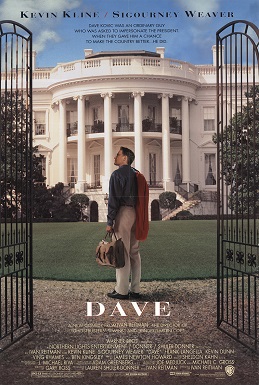
Arnold Schwarzenegger batted around when Warner Brothers wanted a box-office star; Warren Beatty and Kevin Costner considered, with Beatty bringing Dave to Ivan Reitman; Robin Williams considered; Kevin Kline almost turned it down as too close to his A Fish Called Wanda character
In the discussion (3)
- Warner Brothers wanted a box office star and Arnold Schwarzenegger was batted around at one point, which is weird for a variety of reasons, though a host jokes he could have pulled off the Laura Linney cheating scenes; both Warren Beatty and Kevin Costner were considered, and Beatty took it seriously enough that after deciding not to do it he brought Dave to Ivan Reitman, which is how Reitman got the movie.
- Costner is interesting but one voice doesn't think it works; he had the most power of his career right around then and basically plays Bob Alexander in 13 Days (as transcribed), so he has some interest in the executive branch; Kevin Kline almost turned it down because he thought the character was too close to his Fish Called Wanda character, which none of the hosts can see.
- Casting what-ifs are blown early: this was almost a Robin Williams movie, which is 90% likely a disaster and 10% likely a reined-in Dead Poets Society performance; Kevin Kline being such a good and subtle actor keeps the ridiculous premise from becoming a circus show of clown ideas, whereas Williams's big expressive face riding that pig would make you ask what ridiculous movie this is, and how could two people look like Robin Williams.

Probably Unanswerable Questions
Does Kevin Costner make this movie better or worse? Would a Kurt Russell reconstruction of Tombstone as the Western Godfather be worth watching? Why does this always happen to Westerns?
In the discussion (4)
- Does Kevin Costner make this movie better or worse? In a sense he did make the movie; it cannot be made without Russell, since Costner at that point was in his own head about being an auteur and was too famous, while Russell is the right level of famous; Wyatt Earp is so long because it details his romantic relationships from his teens through law enforcement to Tombstone.
- Russell has said he was given all the footage to reconstruct the movie, that the real film is a Western Godfather quite different from what was released, and that he has not done it because he has a life, though while moving he found the hospital scene between Wyatt and Doc that he wrote; whether anyone would want to watch a reconstructed Tombstone is the question.
- Interest in director's cuts and reconstructions, like the chronological Godfather and the Apocalypse Now cut, has faded with the home-entertainment market, so it would probably not make money and might be a Netflix eight-episode miniseries instead, though there may not be enough footage; The Other Side of the Wind, reassembled from film found in Slovenia and Paris, is an amazing document but not an amazing movie, and a reconstruction risks feeling like what they wanted without being it; the hosts like Tombstone's messy flaws.
- Why does this always happen to Westerns? They are expensive and tough to manage, you easily fall behind with horses, weather and the elements, and nobody makes a fast Western; it always has to be sprawling.
Casting What-Ifs
Kevin Costner was to be Wyatt Earp before leaving for Lawrence Kasdan's Wyatt Earp; Richard Gere as Wyatt Earp and Willem Dafoe as Doc Holliday were nearly cast, with Buena Vista vetoing Dafoe over The Last Temptation of Christ; Mickey Rourke turned down Johnny Ringo
In the discussion (4)
- Costner was supposed to be Wyatt Earp; according to Kurt Russell the film was nearly cast with Richard Gere as Wyatt and Willem Dafoe as Doc Holliday, but Buena Vista refused Dafoe as blowback from The Last Temptation of Christ five years earlier; thank God, since Dafoe is a great actor but not Doc Holliday.
- Mickey Rourke was almost cast as Johnny Ringo and turned it down; as good as Biehn is, one host thinks it would have been a cool Rourke role, while another thinks that with Cosmatos coming in amid the turmoil it would have been one too many cooks, Rourke deciding he was really directing the movie and going full iso ball like Carmelo in OKC.
- Production history: Costner was originally involved but disagreed with Kevin Jarr (as transcribed) over the focus, believing the emphasis belonged on Wyatt Earp rather than the many characters; he bowed out and teamed with a then red-hot Lawrence Kasdan on a competing film, Jarr proved a disaster, and this still ended up the better movie.
- Costner was the biggest star in the world then, coming off Dances with Wolves; in a True West magazine interview Russell told of Costner giving his blessing, the host thinking that was because Jarr had written Dances with Wolves, yet blocking any deal except with Disney's adult label Buena Vista, which then had its own say over who could be cast, Costner throwing his weight around.

Casting What-Ifs
Alec Baldwin, Michael Douglas, Kevin Costner or Andy Garcia as Kimble; Jon Voight or Gene Hackman as Gerard; Walter Hill directing Nick Nolte
In the discussion (7)
- Alec Baldwin was the first choice to play Richard Kimble; he had also been first offered Ford's Patriot Games role, which suggests Baldwin had more juice than Ford in 1992-93.
- Baldwin reportedly wanted control of his career and too much money and did not want to be a franchise pawn; Patriot Games is contrasted with Hunt for Red October.
- A correction: this was not the end of Ford's heyday because Air Force One was still ahead; Six Days, Seven Nights, overshadowed by a controversy around its co-star, is called the real end.
- Michael Douglas, Kevin Costner and Andy Garcia were also considered for Kimble; only Costner is found believable because Kimble needs something wholesome, while Douglas and Baldwin seem like they might have done it.
- Jon Voight and Gene Hackman were both offered Sam Gerard, prompting a riff that Voight gets attached to many projects; Varsity Blues is teased for Zach Mack. — Chris Ryan
- Walter Hill wanted to direct with Nick Nolte, who thought he was too old; one participant would have loved a Walter Hill version but thinks it worked out.
- Ford is better the less he says; his doctor-talk scene with Julianne Moore almost pulls you out of the movie. — Andy Greenwald
Recasting Couch
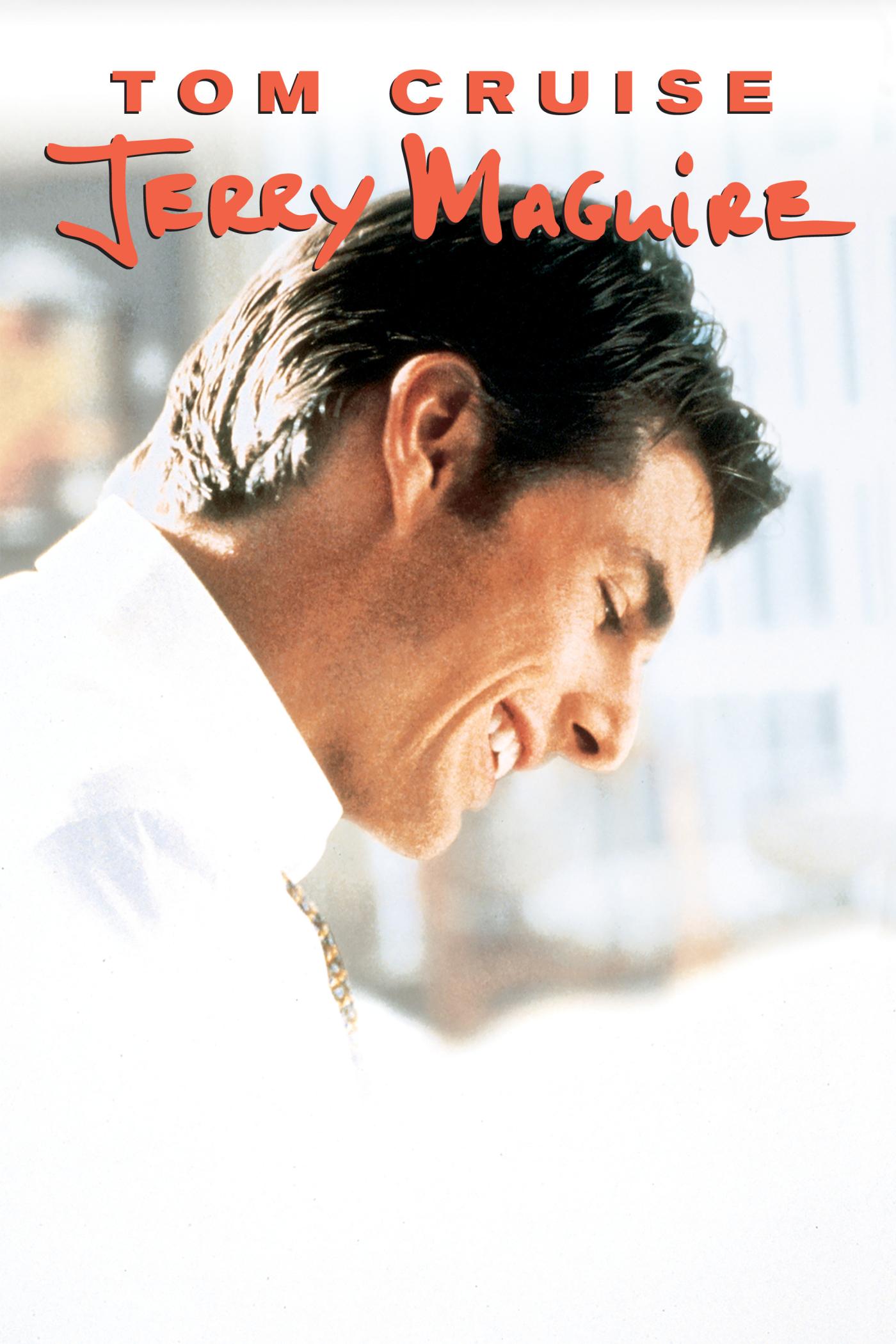
Brad Pitt, Kevin Costner, Robert Downey Jr., and an uncertain Frazier reference are considered as alternate Jerry Maguires, with several reservations.
In the discussion (5)
- The prompt argues that few actors from the prior twenty-five years could have supplied all of Jerry Maguire’s layers. — Bill Simmons
- Brad Pitt is considered possible at the time, though the resulting movie would be different and slicker. — Bill Simmons
- Kevin Costner is rejected as ultimately too wholesome. — Chris Ryan
- Robert Downey Jr. is considered potentially very good in the role, but too effective in the opening and insufficiently wholesome for the ending. — Chris Ryan
- The transcript’s uncertain Frazier reference is jokingly considered for Jerry, then preferred as Cush. — Bill Simmons
Films in the archive
Draft Day
2014


Field of Dreams
1989

For Love of the Game
1999
JFK
1991

Night Shift
1982


No Way Out
1987

Robin Hood: Prince of Thieves
1991
The Bodyguard
1992
The Untouchables
1987

Tin Cup
1996