
Film credit
Kevin Costner
Also referred to as Costner, Koster, Coster
Stats
- Episodes featuring their films
- 10
- Movies in this archive
- 10
Rewatchables episodes featuring Kevin Costner’s films
Robin Hood: Prince of Thieves
1991 film
Bill Simmons · Chris Ryan · Van Lathan
Aired November 7, 2023
Mentioned in discussions

In the discussion (2)
- Costner obviously won the movie. — Mallory Rubin
- Costner's making-of description of the pancake line as absolute justice and poetry is shared, and he is called maybe the most beloved actor in the Ringer universe. — Mallory Rubin
Podcast choices

Half-Assed Internet Research
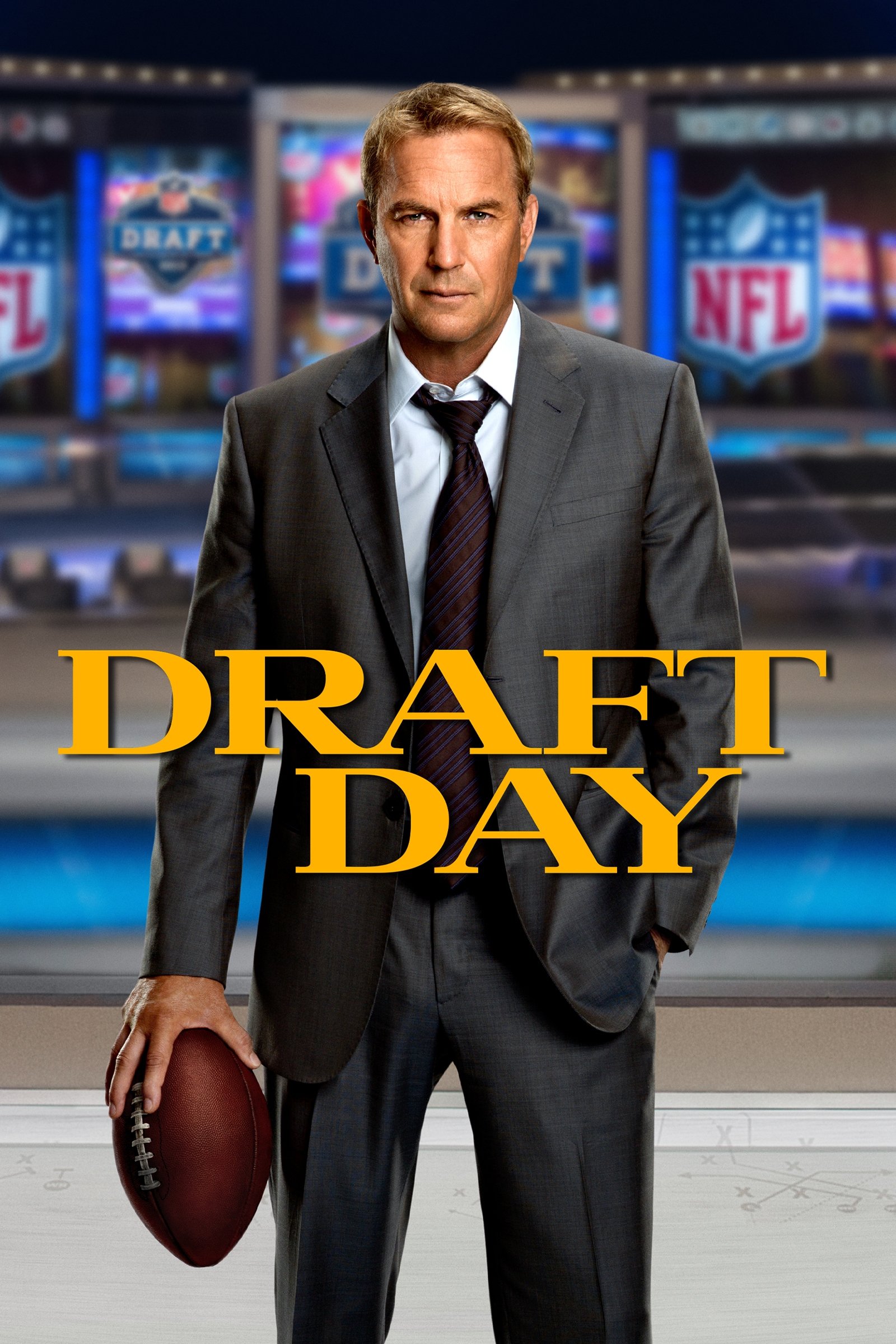
The Jets as the original foil; the switch to the Browns for cheaper Ohio filming; Andrew Brandt's critique; a JaMarcus Russell origin for the $100 trick; the 2012 Black List script; the NFL-vetoed effigy scene; a former Jets GM consultation; an R rating cut to PG-13
In the discussion (9)
- Previewed as research: the foil team was supposed to be the Jets. — Mallory Rubin
- They changed it to the Browns because it was cheaper to film in Ohio. — Bill Simmons
- Andrew Brandt, a former Packers executive turned media figure, shredded it as lacking any true description of how an NFL team operates around the draft. — Bill Simmons
- The $100-bill trick came from a famous JaMarcus Russell story involving a blank DVD. — Bill Simmons
- The screenplay was on the 2012 Black List. — Bill Simmons
- The NFL nixed a scene of fans hanging Costner's character in effigy; a quoted reaction from the star found it funny but noted the NFL cracking down on fan behavior. — Bill Simmons
- Little information exists because the movie was not successful. — Mallory Rubin
- The screenwriters consulted for two hours with a former Jets GM (transcribed Mike Dannembaum). — Mallory Rubin
- It was supposed to be rated R before being argued down, joked as the version with Eva Mendez. — Mallory Rubin

What’s Aged the Worst?
P. Diddy as a sports agent; Jennifer Garner as the salary-cap expert; the 'how important is winning' call; a running back taken with a top-10 pick; Roger Goodell's cheered cameo; NFL involvement sapping the edge; Sonny's unpreparedness; the reliable-quarterback premise; Sonny bullying intern Rick
In the discussion (10)
- P. Diddy as a high-powered sports agent is unconvincing; the Bo Callahan scenes are meant to be stilted, but any Wire actor, such as Jamie Hector or Bunk, would be better. — Bill Simmons
- Jennifer Garner as the football-savvy salary-cap expert is worse: no chemistry with Costner, scenes in closets, pregnancy pressure that makes him less likable, and a 90s-style casting cliche. — Bill Simmons
- The co-host likes seeing a woman executive but not the illicit affair and the coach testing her football knowledge in the cafeteria, which feels like 1987. — Mallory Rubin
- A GM dating the cap expert would get both fired now; the co-host jokingly supports them, and the subplot is called ludicrous. — Bill Simmons
- The "how important is winning to you" call is called idiotic. — Bill Simmons
- Taking a running back with a top-10 pick, combined with a linebacker at No. 1, is "bold font, not in today's NFL," especially given the Browns' 2012 Trent Richardson pick and Coach Penn's 28th-ranked offense. — Mallory Rubin
- Ray Jennings's father was a Cleveland great, though the Browns had few great moments after 1993-94. — Mallory Rubin
- Every Roger Goodell cameo has aged worst: fans cheer him at a time he was booed after bounty gate and the referee strike; they should have used a different commissioner. — Bill Simmons
- NFL involvement lends authenticity but saps the edge; a Ballers route would be better, the film is too chaste with one f-bomb, and Ballers and Uncut Gems show permission was not needed. — Mallory Rubin
- Sonny is sold as a genius who knows nothing, not knowing who drafts fourth or the Jags GM's name and not scouting Callahan; the reliable-quarterback premise, Coach Penn's sexism and bullying intern Rick are added. — Mallory Rubin

What’s Aged the Best?
Cable and streaming rewatch value; Chadwick Boseman as Vontae Mack; the versatile-linebacker profile; ESPN draft-telecast integration; Frank Langella as the owner; the Browns' draft-day chaos; Kevin Costner's throwback performance; NFL media cameos
In the discussion (14)
- The movie has aged best as a cable, on-demand, streaming or airplane movie that maybe never needed a theatrical release, like Million Dollar Arm, which the host helped produce. — Bill Simmons
- In 2020 it would be a Netflix movie released two weeks before the NFL draft. — Bill Simmons
- Split screen is offered as aged best because so much of the film is phone calls. — Bill Simmons
- The split screens are countered as aged worst: the logic from the making-of is sound, but the effect is distracting and dated; the first host stays pro split screen. — Mallory Rubin
- Chadwick Bozeman as Vante Mac comes across super likable and realistic despite limited screen time, though he is the smallest guy in several rooms. — Mallory Rubin
- His undersized, versatile build is added as aged best for the era of flexible defenders, citing Derwin James and Isaiah Simmons falling in the recent draft. — Mallory Rubin
- The ESPN telecast is used well, even Berman; filming at the actual 2013 draft at Radio City with real analysts and Goodell captures the event, plus good helicopter shots. — Mallory Rubin
- Dennis Leary as a head coach is kind of liked and seen as realistic. — Mallory Rubin
- Frank Langella as the owner is great, his second sports-owner role after Eddie, reunited with Kevin Dunn from Dave, and wearing sunglasses almost throughout. — Bill Simmons
- The Browns doing crazy things on draft day has obviously aged best. — Bill Simmons
- Sonny's "don't Twitter" advice is called aged best by one host; the co-host has it as aged worst because the NFL now wants players building online personas, though she backs never-tweet advice. — Mallory Rubin
- Jacksonville having a terrible GM is offered as aged best; the co-host cites Jalen Ramsey and Josh Allen but notes the real 2014 Jags took Blake Bordell's. — Bill Simmons
- Costner in a sports movie is the top aged-best item: he is undefeated, the Michael Jordan of sports movies, and the only actor the movie works with; Brad Pitt and Denzel are floated as the only alternatives. — Mallory Rubin
- The NFL media cameos, including Chris Berman, Rich Eisen, John Gruden and Mike Mayock, are called aged best by both hosts. — Mallory Rubin
Casting What-Ifs
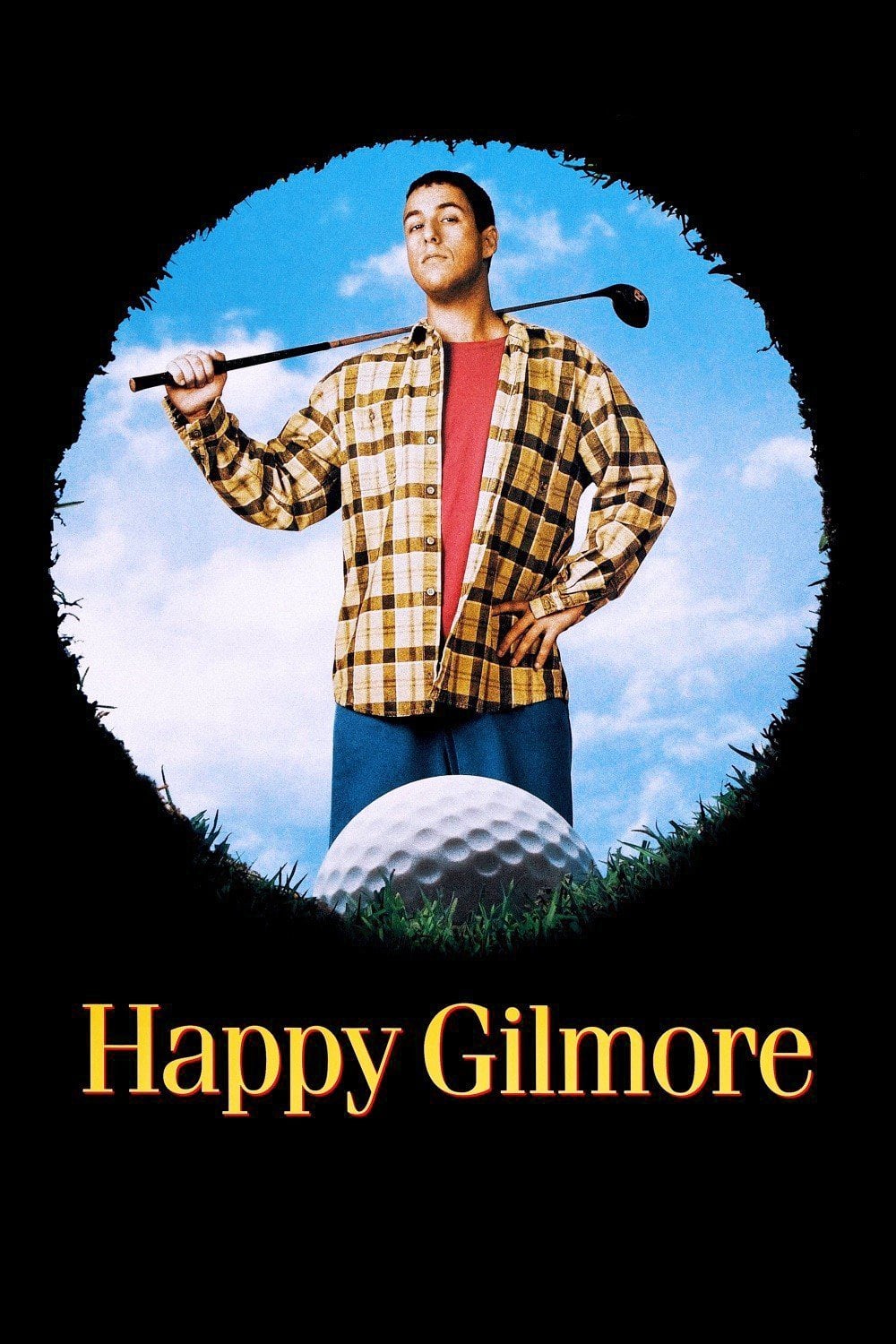
Kevin Costner, Bruce Campbell or Peter Gallagher as Shooter McGavin
In the discussion (5)
- Kevin Costner was approached for Shooter McGavin and turned it down while doing Tin Cup. — Bill Simmons
- Costner might have been too likable and overpowered the movie, though it might have grounded it for critics like Ebert; it would have been a fun career move.
- Bruce Campbell lobbied hard for the part, and McDonald turned it down twice before doing it. — Bill Simmons
- Ben Stiller is uncredited, and a deleted scene where Happy gets revenge on him is recalled.
- Peter Gallagher's eyebrows would have made an interesting Shooter.

Apex Mountain
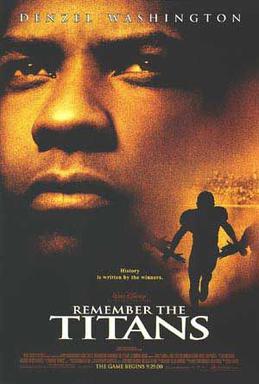
Disney's sappy sports-movie formula; the actor who plays Blue; the actor who plays Racist Ray; Kip Pardue; Hayden Panettiere
In the discussion (4)
- This might be the height of sappy Disney sports movies, the go-to one people mention first, bigger and better than Miracle; Disney figured out the formula here and kept doing it with The Rookie and Miracle, with Mighty Ducks the other competitor and Angels in the Outfield the sappy comparison; Denzel lowering his guard and putting his daughter over his shoulder brings tears.
- A soft spot for McFarlane USA (as transcribed), a Kevin Costner white-savior movie with Mexicans in a sports movie, is called justifiable; it was a tweener between theatrical sports movies and streaming, and Costner's Black and White came out the same year, which, with Draft Day where he saved the Browns, cannibalized it.
- Everybody else went on to do something better except Blue, so it is Blue's Apex Mountain; Apex is defined as the height of a career, when they have the most juice.
- It is probably Racist Ray's high spot and low spot, Kit Pardue's (as transcribed) too, and Panettiere's best role even if some would say Heroes.

Casting What-Ifs
Tom Hanks, Kevin Costner, and Tom Cruise were considered for Andy; Brad Pitt for Tommy; James Gandolfini for Boggs; Johnny Depp and Nicolas Cage were rumored; and Rob Reiner proposed Cruise and Harrison Ford.
This discussion recalls a choice from an earlier episode.
In the discussion (12)
- Tom Hanks was offered Andy but could not accept because of Forrest Gump; the panel prefers Tim Robbins because the role became inseparable from him.
- Kevin Costner was offered Andy and is considered a credible alternate, although the panel thinks Robbins better preserves doubt about Andy.
- Tom Cruise attended table readings but declined over the director's inexperience; the panel thinks his intensity would distort Andy.
- Brad Pitt was intended for Tommy before Thelma & Louise created other opportunities; the panel thinks his presence would make Tommy disproportionately prominent.
- James Gandolfini was intended for Boggs but chose True Romance instead. — Chris Ryan
- Johnny Depp and Nicholas Cage are discussed as rumored Andy possibilities whose dreaminess or intensity could have fit parts of the role. — Chris Ryan
- Rob Reiner offered Frank Darabont three million dollars and another financed project for the right to direct with Cruise as Andy and Harrison Ford as Red.
- Jon Favreau auditioned for the fresh-fish prisoner and later called it his worst audition.
- Bob Gunton's height helped him plausibly share clothes with the taller Tim Robbins for the escape plot.
- Tom Cruise is suggested instead for Tommy Williams.
- The hosts imagine Cruise preparing for the pipe crawl by practicing with Navy SEALs.
- Favreau is reported to have used the failed audition as motivation to lose weight before Swingers.
In the discussion (2)
- Costner is named at once, with Iowa floated as an alternative; only Costner could have done this, not Tom Hanks, since the wet eyes and the way he looks over a twilight cornfield are not replicable and you believe he is from there.
- The key Ray scene is his interaction with the old farmers, which makes the premise believable and shows him absorbed into that community; great hair, and he knows how to wear the Berkeley t-shirt.
Podcast choices
- Speaker not identified
- Kevin Costner
- Speaker not identified
- Kevin Costner
In the discussion (7)
- Costner is a yes for this movie rather than Dances with Wolves, since this sets up Dances with Wolves and made him the biggest star; a case for the Apex Mountain Supreme Court; he is cooler in Bull Durham, and 88 and 89 are treated as a pair, plus No Way Out, which deserves its own episode; he was able to direct Dances with Wolves only because of the roll he was on as the most bankable actor, and Robin Hood is placed after Dances with Wolves.
- He was never more likable across America, everybody was in on Kevin Costner, whereas Dances with Wolves drew a fuck that guy backlash and Goodfellas-should-have-won complaints; this movie has no backlash.
- James Earl Jones: not enough is known of his career, Darth Vader or Othello, but this feels like his longest-lasting performance, so no answer is given; Timothy Busfield was in thirtysomething and directed a lot of Sorkin, but no question this is his.
- Amy Madigan, yes, for sure; Gabby Hoffman, no.
- Iowa: late-80s Iowa, Kirk Ferentz, Steve Alford, its role in the presidential process, but it's hard to top literally standing in for heaven; 100 percent yes.
- Baseball might have been at its apex: the end of the great baseball movie decade cresting with this, the 86 World Series, the Twins, before the earthquake series, steroids not yet involved though Consico and McGuire (as transcribed) looked like Pacific Rim, cocaine cleaned up, integration achieved; the thought trails off into I don't know.
- Shoeless Joe as a sympathetic figure: Eight Men Out and this came back to back, and most people's knowledge of the Black Sox comes from these two movies; the Eight Men Out book is a staple that lays out how unfair some of it was; he's a tragic figure; Craig is asked whether his generation reads books.
Half-Assed Internet Research
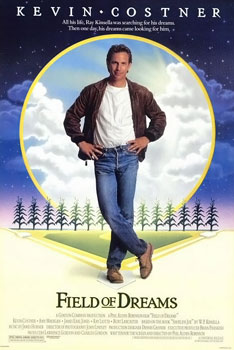
Original title Shoeless Joe, book working title Dreamfield, changed after test audiences; the voice's identity unknown, rumored Ed Harris; Damon and Affleck as Fenway extras; filming sped up for Costner's Revenge; the corn outgrew Costner; the Lansing and Ameskamp farms, 65,000 annual visitors, sold in 2011 for about $5.4 million; 1,500 volunteers' headlights in the final shot; Moonlight Graham's real game was June 1905; the line-drive reaction was genuine; James Earl Jones hates baseball; deleted scenes; George W. Bush's favorite film; AFI quote number 39; W.P. Kinsella bored on set; Ray Kinsella named for Salinger characters; Don Buford and USC coaches as advisers
In the discussion (6)
- Behind on time, the research is zipped through: the original title was Shoeless Joe, the book's working title Dreamfield, and test audiences thought Shoeless Joe was about a homeless person; nobody knows who the voice was, the rumor is Ed Harris, one host is in the Liotta camp, but Liotta hasn't even seen the movie.
- Matt Damon and Ben Affleck were legendarily extras at Fenway; filming began in 88 and was sped up because Costner had to shoot Revenge; the corn grew taller than Costner so they put boxes out for him to stand on.
- Scenes were shot on Don Lansing's property and the baseball scenes on neighbor Al Amiskamp (as transcribed), who replanted corn while Lansing kept the field as a tourist destination without charging admission, only souvenirs; 65,000 visitors a year by the 20th anniversary; sold in 2011 for a believed $5.4 million, so Don Lansing's checkbook won.
- The final shot used 1,500 volunteers flashing high beams; the real Moonlight Graham played one game in June 1905, not 1922; Shoeless Joe and Ty Cobb really were friends; the line drive knocking over the bag of balls was real and unplanned, Costner's reaction genuine and in character; James Earl Jones hates baseball yet did this and The Sandlot; deleted scenes include Ray's hearing test, buying equipment, getting lost on the way to Fenway, and watching batting practice with Terrence.
- George W. Bush named it his favorite film; if you build it, he will come was voted the number 39 movie quote by AFI; W.P. Kinsella was on set a lot and found it incredibly boring, though his daughter had a romance with Ray Liotta.
- Ray Kinsella is not named for the author but for two Salinger characters, Richard Kinsella in Catcher in the Rye and a Ray Kinsella in a 1941 story; Don Buford, the Oriole and father of Damon, coached the actors, and USC coaches were brought in to advise.
Casting What-Ifs
Tom Hanks reportedly offered Ray Kinsella; Costner not originally considered after Bull Durham; Jimmy Stewart the original choice for Moonlight Graham; Burt Lancaster turned it down until a friend changed his mind
In the discussion (4)
- The internet claims Tom Hanks was offered Ray Kinsella and turned it down, though nobody knows if it happened and a host will ask him if he's ever on a podcast; Costner wasn't considered because they thought he wouldn't follow Bull Durham, then got interested thinking it would be this generation's It's a Wonderful Life, which it probably is.
- There are strands of Jimmy Stewart, especially Harvey; late-80s Hollywood, often Castle Rock, made throwbacks to Capra like City Slickers and Big, and Robin Williams tried to make that movie four times, What Dreams May Come being the worst version of this one.
- Jimmy Stewart was ironically the original choice for Moonlight Graham and turned it down; Burt Lancaster turned it down too, then a baseball-fan friend told him he had to do it.
- Earlier, during the scene nominees: Lancaster's last movie, and the part was supposed to be or offered to Jimmy Stewart. — Chris Ryan
What’s Aged the Worst?
Baseball as the one constant in the James Earl Jones speech; the slow first twenty minutes; the Christmas-sweater time jump; Costner drinking from a coffee mug while driving; no concussion protocol for Karen; the cover of Newsweek as proof of relevance
In the discussion (7)
- Baseball itself: the speech's premise that the country ebbs and flows while baseball is the one constant no longer holds, with an apology to Mal; the picker clarifies they are not saying baseball aged badly, only that the 1989 point, once totally true, has been undone by everything that has happened in baseball.
- Counter: the country is in turmoil now as in the late 60s, sports are a rhetorical minefield yet still elementally loved and shared, what the Red Sox did for one host the Cubs, Eagles and Ravens did for others; a shout out to 'maize' (as transcribed), who would have been on if he hadn't quit four years ago.
- Most time with baseball now is spent on what's wrong with it and how to fix it, with a counter-struggle of still liking it; in 1989 there was no struggle; the Field of Dreams way of thinking peaked with Sosa and Maguire (as transcribed) and was destroyed when that proved horseshit; Lupica's Summer of 98 book is now a comedy; the conversation is largely numbers.
- Reply: the message is not the purity of the game but how the game unlocks something in your life; it's a part of our past is still true; investing in something as a portal to something else is eternal; both sides agree they are both right.
- The 80s already had gross Astrodome stadiums, Pete Rose and cocaine, and Terrence Mann wouldn't have been allowed to play in the majors, a stain the film doesn't acknowledge; yet baseball's space, a rural game held in cities, never changes, which is why the Iowa cornfield setting is so inspired; the cinematography, the smell of a glove and the feel of grass have aged well.
- The first twenty minutes are a little slow and could lose three minutes; the Christmas sweater time jump always gets a laugh, and what about field maintenance after winter; Costner driving while drinking from a coffee mug seems old, though a thermos is classic.
- Two small ones: no concussion protocol when Karen falls from the top of the bleachers, nobody checks her head and neck, and a six-year-old would cry for ten minutes rather than recover instantly; and citing the cover of Newsweek as definitive proof of relevance makes members of the media a little sad.
Films in the archive
Draft Day
2014


Field of Dreams
1989

For Love of the Game
1999
JFK
1991

Night Shift
1982


No Way Out
1987

Robin Hood: Prince of Thieves
1991
The Bodyguard
1992
The Untouchables
1987

Tin Cup
1996