
Film credit
Andy Garcia
Also referred to as Garcia
Stats
- Episodes featuring their films
- 3
- Movies in this archive
- 3
Rewatchables episodes featuring Andy Garcia’s films
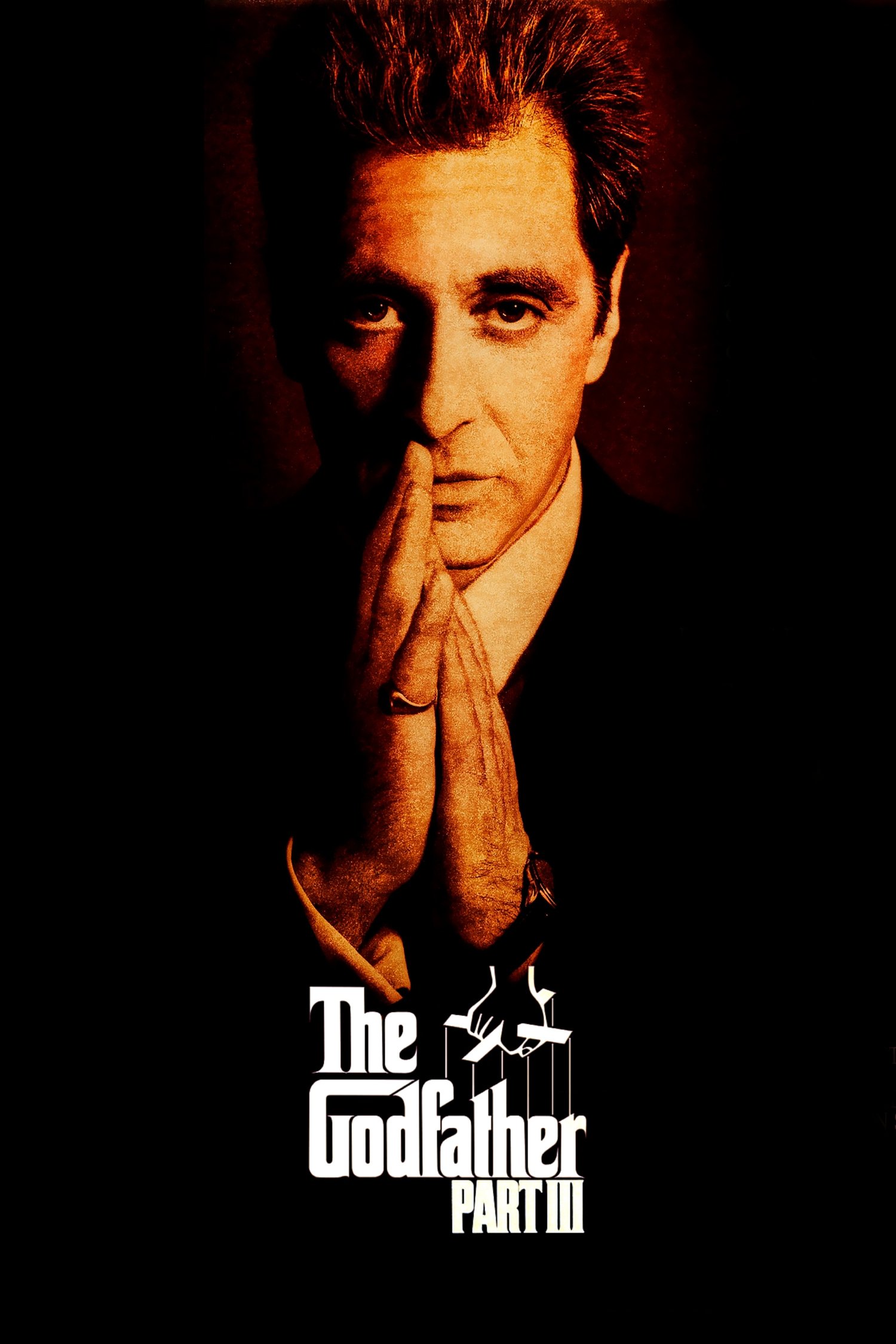
Mentioned in discussions


Recasting Couch
Melanie Griffith as Bianca; multiple Vukovich alternatives
In the discussion (4)
- Gary Sinise’s reported audition and recommendation of Petersen inform recasting alternatives: Sinise, Andy Garcia and John Malkovich, with Garcia considered too handsome and Pankow’s chase acting defended. — Bill Simmons
- Further Vukovich alternatives include Kelsey Grammer, Jeff Goldblum, Stanley Tucci, Will Patton, Michael Biehn and Bill Paxton, with age, height and attractiveness qualifications; Malkovich remains favored by one participant.
- Bianca recasting candidates include Melanie Griffith, Rosanna Arquette, Jennifer Jason Leigh, Kelly McGillis and Daryl Hannah; dance credibility matters and Griffith is favored.
- More Vukovich recasts are David Patrick Kelly, Michael Madsen, James Remar, J. T. Walsh and John Heard, with Madsen considered too handsome.
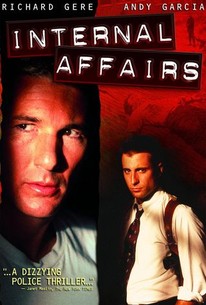

Sequel, Prequel, Limited Series, or All-Black Remake
A revisionist pro-Peck documentary; a sequel about his grown children.
In the discussion (2)
- A revisionist documentary could portray Peck as a loving father and relationship fixer, recutting Garcia as the villain.
- A sequel follows Peck's grown children terrorizing Los Angeles in the late 2000s, blaming their father and perhaps sharing an influencer house. — Bill Simmons

Apex Mountain
Richard Gere and Andy Garcia in 1990; cops sleeping with partners’ wives; slapping.
In the discussion (8)
- Gere is affirmed for the 1990 combination with Pretty Woman, and Garcia for the same year's Godfather Part III combination.
- Billy Baldwin is rejected in favor of Backdraft or the film described as Thief of Hearts in the transcript.
- The Valley receives a suggested case for looking cool and wild, contrasted with Boogie Nights and Magnolia.
- Dirty Los Angeles cops is debated against Colors, The Onion Field and L.A. Confidential. Internal affairs and cops moonlighting as hitmen are floated without a clear final declaration.
- Nancy Travis loses to So I Married an Axe Murderer; Metcalf and Sciorra are rejected; Faye Grant gets only a probable yes. — Bill Simmons
- Imagining one's wife with another man loses to Indecent Proposal after comparisons with The Best Man, The Big Picture and Unfaithful. — Van Lathan
- Cops sleeping with partners' wives and slapping in movies receive affirmative answers.
- Gere is tentatively proposed as the apex of an attractive villain, without a firm conclusion.
In the discussion (1)
- Romo is the clear choice, riffing on Peck's taunts and Garcia losing control. — Bill Simmons

What’s Aged the Worst?
Domestic violence, Amy’s lost authority, old computers, missing boxing and nightclub scenes, and lost Raiders tickets.
In the discussion (8)
- The film treats possessive obsession and violence as evidence of love.
- Taking the officer's Raiders tickets denies him a chance to see peak Bo Jackson and sends him to mall duty instead.
- Old police computers with green text. — Bill Simmons
- The cousin's nightclub scene is too brief to explore its world. — Bill Simmons
- Veteran investigator Amy inexplicably lets Raymond take over, with his physical assertion of power carrying a sexual charge.
- A boxing-training scene could establish Raymond's toughness; his actual fighting offers little support for his reputation.
- The film's overall attitude toward domestic violence is condemned.
- Garcia's angry laughing mannerism is enjoyed but questioned as an effective reaction to his wife.

The Slow Ride / Kid Cudi – Pursuit of Happiness Award for Best Needle Drop
Music during drunk Raymond’s sequence; the pimp-watching-the-arrest cue.
In the discussion (1)
- The music accompanying drunk, angry Garcia, and the cue when the pimp watches Dorian arrest the woman; neither song is reliably named. — Bill Simmons

What’s Aged the Best?
Evidence planting; menswear and haircuts; Los Angeles; Figgis; Metcalf; marriage tension; co-parenting; revised ending; mall security; cuckolding.
In the discussion (13)
- Evidence planting remains an effective fictional device, especially before ubiquitous cameras and phones.
- The good investigator beginning to resemble the corrupt man he pursues. — Bill Simmons
- Off-duty menswear, including Gere's polo and sunglasses, remains contemporary. — Chris Ryan
- Figgis contributing music and appearing as Nancy Travis's dinner companion. — Chris Ryan
- Los Angeles as a vibrant crime-film setting, and Gere and Garcia's early-1990s haircuts. — Bill Simmons
- Laurie Metcalf excels despite a limited role and has strong chemistry with Garcia. — Bill Simmons
- The unusual sexual slang root, made ironic by Peck's affair with Van's wife.
- Unfinished suburban developments as crime-film locations and suspiciously expensive houses revealing corruption.
- Faye Grant's performance and the tense Garcia–Travis marriage, with her sexual frustration and his fixation on work. — Bill Simmons
- Peck's unconventional co-parenting and the dirty-cop excuse that a woman is his informant.
- Replacing the convoluted original ending, with a threatened assault, shooting, window fall and apparent drowning, after hostile test reactions. — Bill Simmons
- Xander Berkeley as Rudy and cops forced to work second jobs as mall security.
- The cuckolding theme is much more widely recognized in contemporary culture.
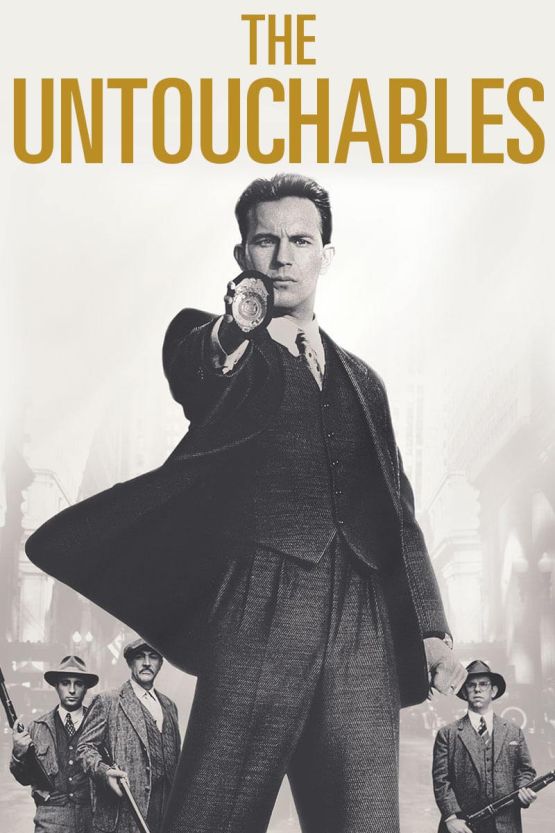
Apex Mountain
Al Capone
In the discussion (6)
- Costner and Garcia are rejected; The Sting is preferred for Prohibition, despite its less central use of the subject. — Bill Simmons
- Marriage is floated jokingly, with Kramer vs. Kramer as an incongruous comparison, without a settled affirmative answer. — Bill Simmons
- This is preferred for Capone over the secret-vault television event and Stephen Graham’s Boardwalk Empire portrayal. — Chris Ryan
- De Palma is rejected: Mission: Impossible is the large-budget alternative, while the period around Dressed to Kill and Blow Out better represents maximum career leverage. De Niro is also rejected. — Bill Simmons
- Older Connery prompts The Rock and Finding Forrester comparisons, with The Hunt for Red October preferred. — Bill Simmons
- The Chicago-movie comparison lists Running Scared, About Last Night, Ferris Bueller’s Day Off, Above the Law, Adventures in Babysitting, Midnight Run, The Big Town and The Untouchables; Ferris Bueller is preferred for use of the city. — Bill Simmons

Most Rewatchable Scene
Train-station baby-carriage shootout
In the discussion (12)
- Capone’s opening interview, overhead framing and shaving nick establish both theatrical charm and danger. — Craig Horlbeck
- Malone joining Ness and the church conversation deliver the Chicago-way bargain, blood oath and memorable Mamet rhythms. — Bill Simmons
- Garcia’s recruitment is enjoyed for the combative exchange and physical back pat; the ethnic casting reversal and hotheaded persona prompt discussion. — Bill Simmons
- Capone’s teamwork speech and baseball-bat killing are memorable; the single impact and others’ reactions are considered sufficient violence. — Bill Simmons
- The Canada raid is enjoyable but called clumsy in one assessment; Malone’s fake execution of an already-dead man is particularly admired, while the charge fulfills the Western conception. — Bill Simmons
- The elevator revelation and blood-written accusation are admired as a single-shot death reveal. — Bill Simmons
- Malone’s assassination is powerful but lengthy, with questions about blood loss and diminished surprise on later viewings. — Bill Simmons
- The train-station shootout is called a masterpiece, with the Battleship Potemkin homage and slow motion praised; budget restrictions reportedly replaced an expensive train action sequence. — Bill Simmons
- Garcia’s slide, gun toss, baby-carriage stop and precise aim remain indelible. — Bill Simmons
- The roof confrontation is enjoyable, though simply shooting Nitti seems legally defensible before the eventual fall. — Bill Simmons
- Ness and Malone’s first bridge encounter is an additional favorite, including the joke about claiming to be a treasury officer. — Chris Ryan
- The final courtroom confrontation and jury switch are also enjoyed; the train-station sequence remains the shared obvious choice. — Chris Ryan
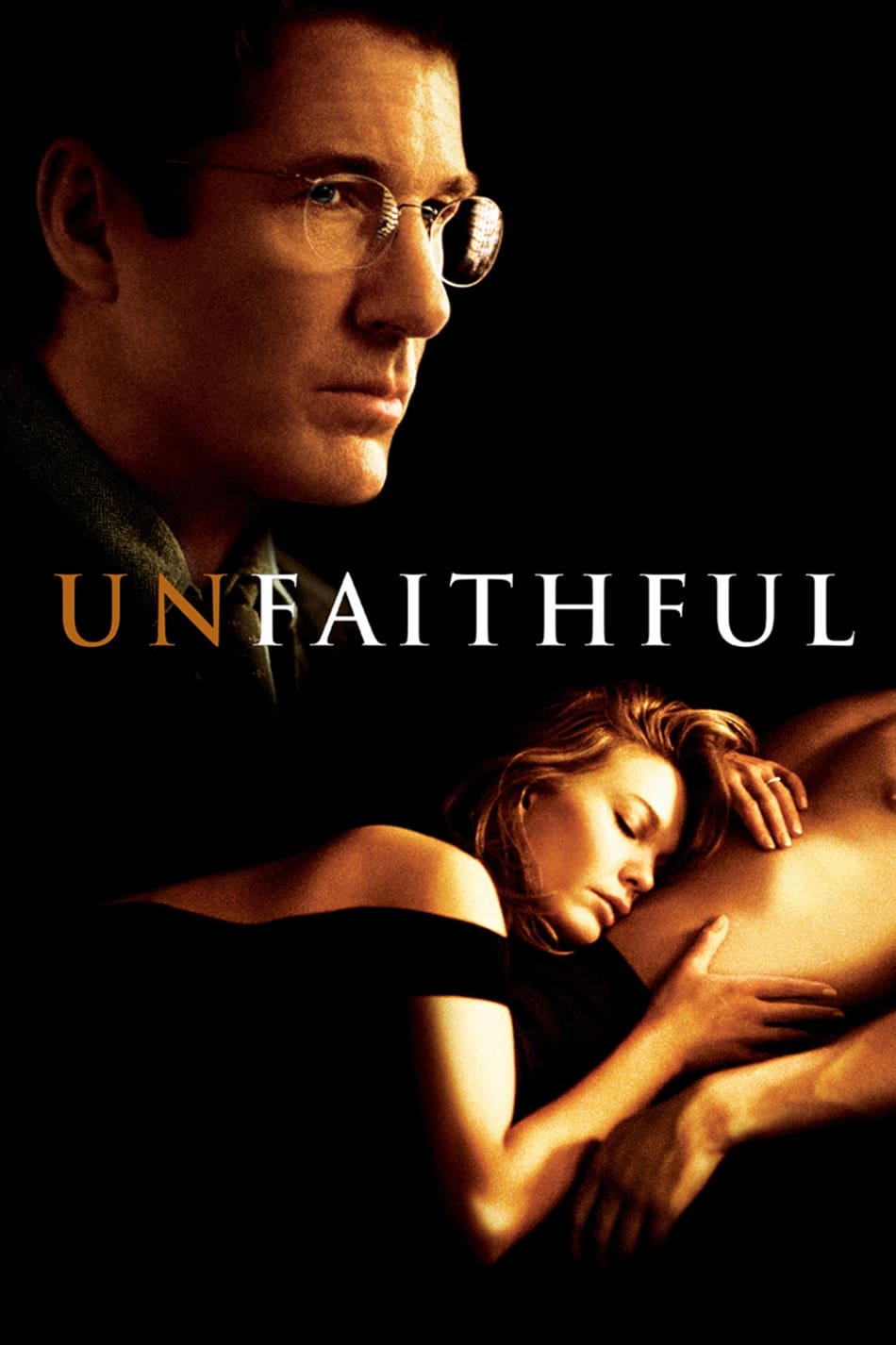
Probably Unanswerable Questions
Paul did not have to die; Richard Gere is a conditionally good actor; claim self-defense; the marriage does not survive
In the discussion (7)
- Did Paul deserve to die? A case: he was a dick when Gere came to the door, opened the snow-globe bit, and could have looked sheepish; but did he have to die? No, it was a dumb reason to die. — Bill Simmons
- The missing movie: a bad sex life, an affair that enlivens her, a husband who murders the lover, and a couple who hide it and use it to make their marriage kinkier, like two psychos in a John Waters movie. — Wesley Morris
- Is Richard Gere a good actor? He is called a conditional good actor who takes many shots with low points per game, good with Julia Roberts, Winger and Andy Garcia, but hard to cast opposite, as with Foster in Summersby. — Wesley Morris
- Where would you dump a body? The better move was to say he confronted the man and hit him in self-defense; claiming self-defense is relayed as a suggestion from Craig. — Bill Simmons
- One participant would never kill anyone and does not want to be in that position. — Wesley Morris
- The junkyard would not be the final choice; with that big house, the body could have been stashed under it. — Bill Simmons
- What happens to the Sumners next? They are guessed to divorce within a couple of years because the marriage cannot survive; views differ on whether he turns himself in, and DNA means they would be caught anyway. — Bill Simmons

Casting What-Ifs
Andy Garcia's cut love-interest role
In the discussion (2)
- Andy Garcia is quoted from a 2020 radio appearance: he said the script did not need a love interest, played the arc anyway, it was cut as unnecessary, and he still cashed the check. — Bill Simmons
- Garcia's cut role appears on lists of famous actors cut from movies, notable because he was famous then. — Bill Simmons


