
Film credit
Nick Nolte
Also referred to as Nick Dolty, Nicole Nolte, Nolte, Dick Nolte, Nick Dalton
Stats
- Episodes featuring their films
- 7
- Movies in this archive
- 7
Rewatchables episodes featuring Nick Nolte’s films
Mentioned in discussions
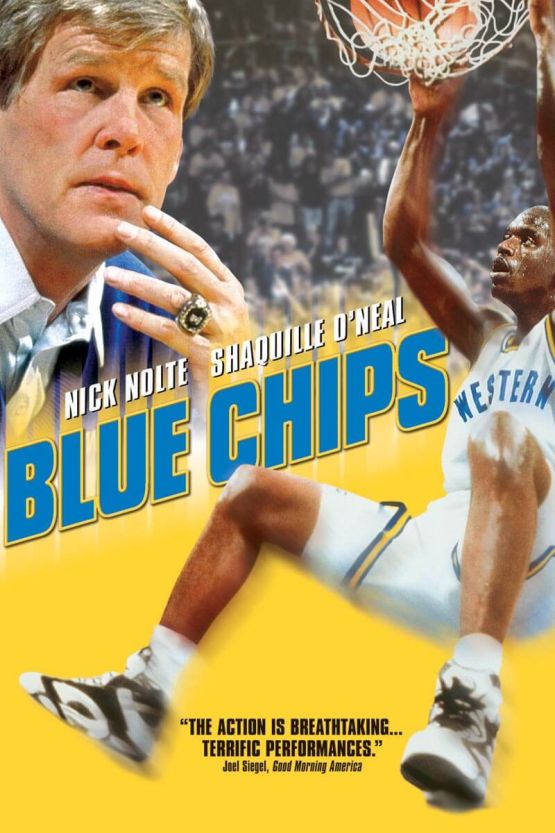
Nick Nolte’s 200-Page Pete Bell Novel Award for Most Ridiculous Commitment to a Movie
Nolte’s 200-page Pete Bell novel
The panel proposes a new category here.
In the discussion (2)
- A proposed Nick Nolte’s 200-Page Pete Bell Novel Award recognizes the reported character novel given to Friedkin, whose response was lukewarm.
- The award name is debated against Nicole Kidman’s proposed neurosurgery classes, with a suggestion to combine names like the overacting award. — Chris Ryan

Most Rewatchable Scene
Press conference; point-shaving review; Cousy free throws
In the discussion (23)
- Pete’s repeated opening tirade is nominated as an anti-motivational introduction, contrasting hunched vulnerability with Pitino’s smooth confidence. — Bill Simmons
- Cousy’s free-throw conversation is nominated; a reported plan to alternate shooters failed when he made twenty-one straight, leaving Nolte’s complaint improvised. — Van Lathan
- The kindly athletic director is interpreted as a deliberately incurious figurehead who would also lose his job after the scandal. — Bill Simmons
- The free-throw sequence is defended enthusiastically; Cousy reportedly recalled the crew’s reaction as contrasting his accuracy with Shaq’s misses the prior day. — Bill Simmons
- The recruiting trip is called the best fifteen-minute stretch, with Chicago highlights and rival coaches appearing at every stop. — Bill Simmons
- Gossett’s brief recruiter-facing school role is praised for balancing cynical control of the process with concern for the player; other actors accept small parts. — Bill Simmons
- Woodard’s blunt millionaire answer and demands for a job and house are recruiting-sequence highlights. — Bill Simmons
- The Indiana recruiting stop introduces Larry Bird and his actual French Lick home; the cameo leads into a commercial-location anecdote.
- Bird’s house shares the driveway from the Magic Johnson Converse commercial; mismatched eyelines are noticed, but Bird’s presence carries the scene. — Chris Ryan
- Shaq visiting the elementary classroom is praised for his gigantic yet childlike presence. — Van Lathan
- The barn basketball sequence is admired, while its abundance of elite players, half-court rules and geography are questioned.
- Happy’s untraceable-money pitch and argument that players deserve compensation are admired as a precursor to modern collectives.
- The payoff montage gives the mother a job and house, Ricky money and a tractor, and Neon an unsolicited Lexus; Neon remains the purest character. — Van Lathan
- Butch’s homesickness scene is a candidate. — Van Lathan
- Happy claiming ownership of Pete is a candidate; whether his point-shaving admission fits his earlier denial of wrongdoing is questioned.
- Reviewing the 1991 point-shaving tape is a favorite, with comically obvious turnovers and clock checks; The Gambler’s version is considered better. — Bill Simmons
- The tape-review confrontation is called the best scene, while the wording distinguishes best from most rewatchable. — Bill Simmons
- Freddie’s detached needling of the assistant who recruited Tony builds the tape-review confrontation toward an explosion. — Bill Simmons
- Pete’s rebuke to Tony is read as self-accusation; an explicit display of Tony’s leverage would better explain why he stays on the team. — Van Lathan
- The final game offers Knight’s referee arguments and Hurley’s play, but the improbable alley-oop and droning score disappoint; Tupac, Beastie Boys or The Natural music are imagined alternatives.
- The final press conference is nominated for Ed’s probing question and Pete’s confession, with the final declaration compared to A Time to Kill’s emotional climax. — Bill Simmons
- Two explicit choices favor the press conference; another response prefers the point-shaving review and adds Cousy’s free throws. — Chris Ryan
- The tape-review staging lets Freddie needle the foreground assistant while Nolte remains behind them. — Bill Simmons
In the discussion (12)
- Friedkin’s basketball enthusiasm reportedly included considering a one-third Celtics purchase and consulting Cousy, explaining the latter’s appearance.
- The production reportedly used real players, coaches and games before six thousand spectators, but authentic play alone does not solve basketball’s cinematic difficulty. — Van Lathan
- Anthony C. Hall is described as both actor and player; many real coaches and college stars supplied the basketball cast.
- A claimed Kevin Garnett appearance cannot be located and his youth raises doubt; Geert Hammink is recognized. — Bill Simmons
- Shelton reportedly developed the script in 1981, with studio delays before White Men Can’t Jump revived interest; Lansing brought in Friedkin while Shelton made Cobb. — Bill Simmons
- Basketball was reportedly filmed at Frankfort High using full competitive games plus set plays; Knight repeatedly disrupted planned endings by coaching to win. — Bill Simmons
- A $35 million budget and $26 million gross are reported; later home-video value and enduring cultural references are offered as qualifications. — Bill Simmons
- Shaq’s reported worst-new-star Razzie nomination is rejected as unfair because his performance is good. — Bill Simmons
- Friedkin’s reported claim that sports films cannot reproduce a real game’s unpredictable suspense is dismissed as sour grapes, with successful sports movies offered as the objection. — Bill Simmons
- Shaq reportedly wore very thin soles to reduce height differences; framing him farther from Nolte and Mary McDonnell is discussed as another solution. — Chris Ryan
- Shaq’s last college game is recalled as an Indiana loss to the team featuring Knight and the actor playing Ricky; Indiana’s subsequent Final Four loss to Duke is also recalled. — Bill Simmons
- Butch’s Chicago gym is identified as Mount Carmel High School, and the crew including Shaq reportedly stayed at a Lafayette Howard Johnson’s for two weeks. — Van Lathan

Casting What-Ifs
Al Pacino for Reggie; Nick Nolte for Ned; Jack Carlson replaced by Dave Hanson.
In the discussion (3)
- Al Pacino wanted Reggie, but Hill chose Newman; the hosts joke about accommodating Pacino's height.
- Jack Carlson's WHA playoff call-up led to Dave Hanson replacing him as a brother and Jerry Houser playing Killer Carlson. — Bill Simmons
- According to the performer playing Johnny Upton, Nick Nolte sought Ned Braden, but former university player Ontkean won the role. The hosts prefer the outcome and Nolte in North Dallas Forty. — Bill Simmons
Casting What-Ifs
Nick Nolte declined Peck; the extensive other-candidate list is treated skeptically.
In the discussion (2)
- Nick Nolte reportedly declined Dennis Peck for Another 48 Hrs.; Gere is considered essential despite a long and questionable list of other purported candidates.
- The untrusted candidate list includes Alec Baldwin, Tom Berenger, Jeff Bridges, Pierce Brosnan, Kevin Costner, Willem Dafoe, De Niro, Michael Douglas, Harrison Ford, Mel Gibson, Jeff Goldblum, Ed Harris, William Hurt, Don Johnson, Tommy Lee Jones, Michael Keaton, Nolte, Pacino, Christopher Reeve, Kurt Russell and Schwarzenegger. — Chris Ryan

Casting What-Ifs
Nolte, Baldwin, Hackman, Voight and Richard Jordan
In the discussion (5)
- Walter Hill’s proposed Nick Nolte version — Bill Simmons
- Alec Baldwin described as an early choice — Bill Simmons
- Gene Hackman and Jon Voight considered for Gerard — Bill Simmons
- Richard Jordan’s illness and replacement — Bill Simmons
- Reshooting the party scene and Ford’s beard differences — Bill Simmons
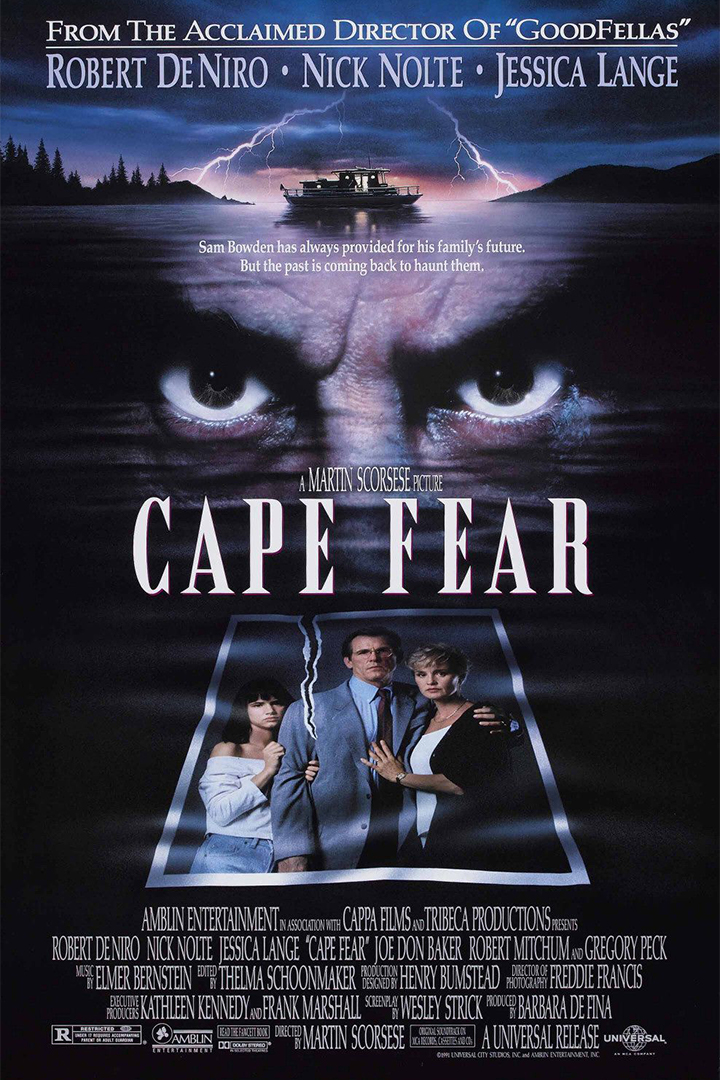

Apex Mountain
Robert De Niro as a box-office star (reconsidered); the 1991 Oscar-nominated face-biting role (joking); Fred Thompson’s film run; Cape Fear as a location
In the discussion (4)
- Scorsese and De Niro initially rejected; De Niro reconsidered specifically as box-office star. Raging Bull perhaps broader career peak, with Goodfellas and Godfather Part II discussed. — Bill Simmons
- Nolte’s seventies hype / early-eighties 48 hours preferred; Lange no; Lewis Natural Born Killers agreed. — Bill Simmons
- 1991 Oscar-nominated face-biting joking apex; Fred Thompson film run yes, explicitly separate from Senate career. — Bill Simmons
- Cape Fear location itself proposed as having its peak through this movie, despite odd vacation branding.
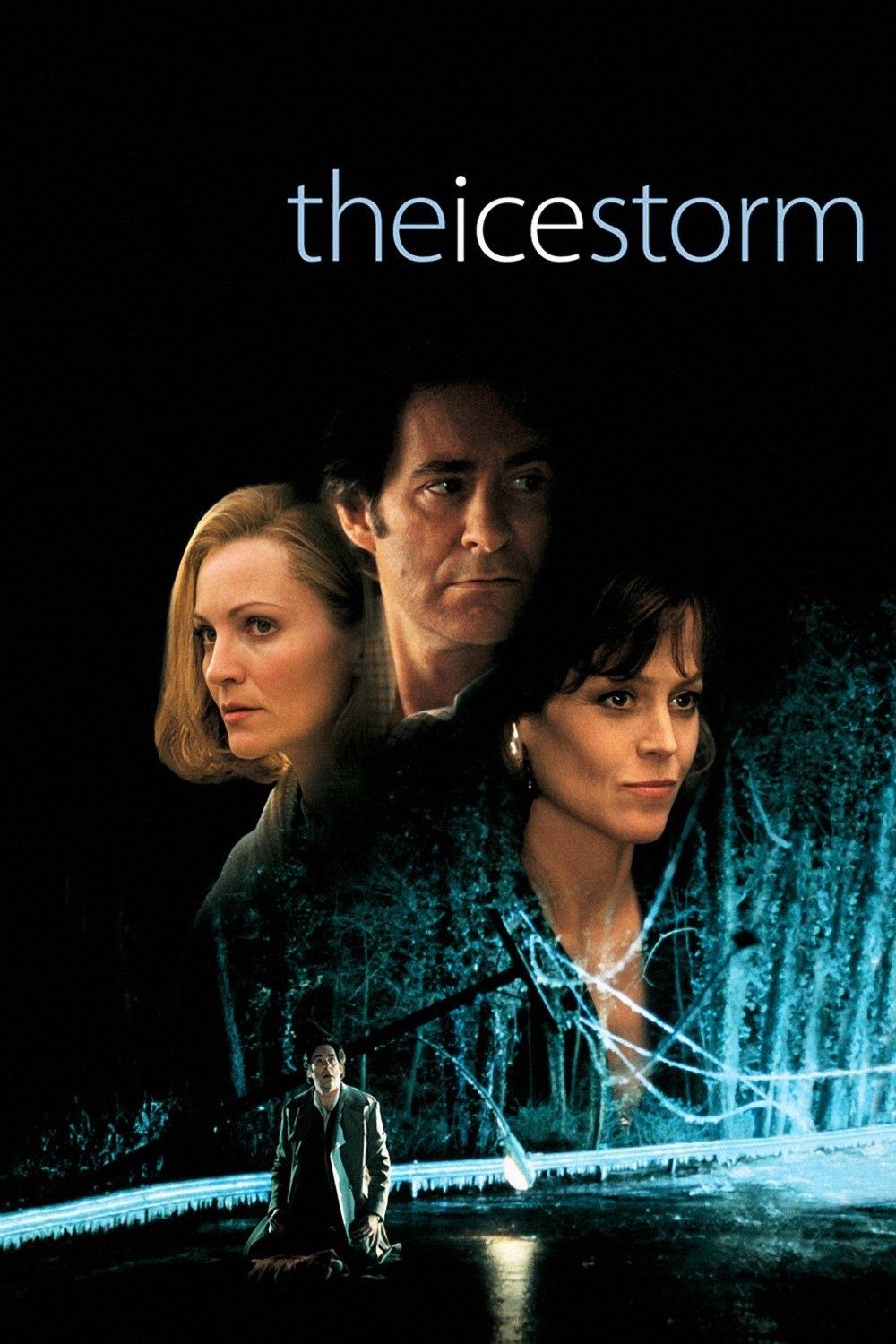
Recasting Couch
Sharon Stone for Weaver; Harrison Ford for Kline; a Culkin for Elijah Wood or Sandy; Philip Seymour Hoffman anywhere; a bigger name for Jim Carver
In the discussion (9)
- Sharon Stone for Sigourney Weaver is posed as a thought exercise.
- Weaver is judged better because she is believable as a suburban housewife while Stone would read as there to tear up the suburbs. — Chris Ryan
- Agreement that Weaver is more believable. — Sean Fennessey
- Harrison Ford as Ben is floated; objections say horny Ford is awkward and his sex scenes tend to be under duress.
- Swapping Elijah Wood for a Culkin is suggested. — Sean Fennessey
- A Good Son flip with any Culkin, including Kieran as Sandy, is added. — Bill Simmons
- Wood is knocked as a one-move bulging-eyes actor, then defended for Lord of the Rings and The Faculty. — Bill Simmons
- Philip Seymour Hoffman in any role, such as the Reverend, Jim Carver, or Paul, would elevate the film. — Bill Simmons
- The Jim Carver role is the one to upgrade to a Jeff Bridges or Nick Nolte, though top stars would not want to play a premature ejaculator.

In the discussion (2)
- Nolte wins for generating sympathy through the relapse and the small smile at the ending. — Ryen Russillo
- Hardy is the only serious alternate before the consensus returns to Nolte. — Ryen Russillo
Podcast choices
- Speaker not identified
- Nick Nolte
- Speaker not identified
- Nick Nolte

Apex Mountain
The film’s director; Joel Edgerton; underground MMA movies; Sparta
In the discussion (7)
- The movie is called the director's artistic apex despite its original commercial failure. — Bill Simmons
- Bane is selected as Hardy's apex, with Mad Max, Dunkirk, and Inception considered. — Bill Simmons
- Sparta is proposed as an Atlantic City apex before Rounders and a Sopranos reference are considered. — Bill Simmons
- Nick Nolte receives an explicit apex check and is rejected. — Bill Simmons
- The film is selected as Edgerton's apex because he holds his own opposite Hardy as a leading man. — Bill Simmons
- Underground MMA movies and Sparta are declared apex cases. — Bill Simmons
- Grillo and Brian Callen are placed near their apexes, while Pittsburgh is placed with its 1979 sports teams and The Deer Hunter. — Bill Simmons
Half-Assed Internet Research
Injuries, the final song, an unused diner scene, Pittsburgh locations, remakes, and the release strategy
In the discussion (8)
- Hardy gained twenty-eight pounds and carried the muscle into his next major role. — Bill Simmons
- Edgerton tore his MCL and fight photography paused for six weeks. — Bill Simmons
- Hardy sustained a broken toe, ribs, and finger during production. — Bill Simmons
- The writers chose the National's closing song before writing the final scene and looped it while shaping the action. — Bill Simmons
- A Nolte diner scene earned a first-day crew ovation but did not enter the finished movie. — Bill Simmons
- The Iraq scenes were filmed in a Pittsburgh parking lot. — Bill Simmons
- The story was remade as Brothers in India and again under the same title in Russia. — Bill Simmons
- The director wanted a slow platform release, while the wider launch failed and was quickly pulled. — Bill Simmons

In the discussion (3)
- Nolte's intensity is defended as earned by the character's history. — Bill Simmons
- Mad Dog is selected for pushing the smarmy antagonist performance during both stare-downs. — Bill Simmons
- Anik's brief performance as the Sparta host is criticized before the category ends. — Bill Simmons
Films in the archive

48 Hrs.
1982



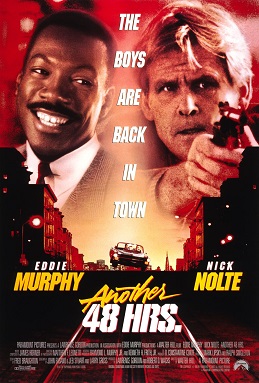
Another 48 Hrs.
1990
Blue Chips
1994
Cape Fear
1991

North Dallas Forty
1979

Tropic Thunder
2008
Warrior
2011