
Film credit
Samuel L. Jackson
Also referred to as Sam Jackson, Samuel Jackson
Stats
- Episodes featuring their films
- 11
- Movies in this archive
- 13
Rewatchables episodes featuring Samuel L. Jackson’s films




Mentioned in discussions


Recasting Couch
Cillian Murphy as Harry Osborn; Bryce Dallas Howard or Scarlett Johansson as Mary Jane; Samuel L. Jackson as Norman Osborn; Tyrese as Harry Osborn
In the discussion (5)
- Cillian Murphy is proposed to recast Harry Osborne, since the character lands better in Spider-Man 3 when he turns evil. — Charles Holmes
- Kirsten Dunst never quite worked as Mary Jane for one host; Bryce Dallas Howard or Scarlett Johansson is proposed, and a birth-year check settles that Johansson was old enough. — Van Lathan
- With Bill Nunn and Octavia Spencer as the only Black actors, the goal is to add Black actors to the film. — Van Lathan
- Samuel L. Jackson as Norman and Tyrese as Harry would add a racial undertone to the Mary Jane triangle. — Van Lathan
- A comic-accurate addition gives both Jackson and Tyrese waves in their hair. — Charles Holmes


The Dion Waiters Award for Best Heat Check Performance
Queen Latifah and Samuel L. Jackson receive competing choices, with the final argument favoring Jackson’s memorable work across several scenes.
In the discussion (3)
- Queen Latifah is one participant’s automatic choice because she appears only at the club, the competition, and the audition. — Wosny Lambre
- Samuel L. Jackson receives the competing choice because his final scene and club dialogue remain memorable.
- The broader case says Jackson crushed every little bit and part he received throughout his early career. — Van Lathan

What’s Aged the Best?
The opening credits, the meaning of juice, Q’s room, scratching, Queen Latifah, the soundtrack, golden-era hip-hop, apartment parties, and Samuel L. Jackson’s early supporting run
In the discussion (11)
- The Eric B. and Rakim opening song and spinning-album credits remain an ideal start for an early-1990s film. — Bill Simmons
- The panel’s deep dive suggests the film popularized juice as a term for status or power, although the usage may already have been regional.
- Juice World is reported to have taken his name from the film because it was a favorite he watched repeatedly. — Bill Simmons
- Q’s low bed, Malcolm X poster, customized stop sign, and carefully placed turntables make his room feel lived in. — Bill Simmons
- Scratching inspires nostalgia as a foundational hip-hop skill even though the public meaning of DJ has broadened. — Van Lathan
- Queen Latifah’s small appearance is enjoyable evidence of her gradual move from music into screen work. — Bill Simmons
- The soundtrack is praised as an early major hip-hop compilation with EPND, Too Short, Big Daddy Kane, and others. — Bill Simmons
- Golden-era New York hip-hop and bucket hats still connect directly with the participants’ identities. — Wosny Lambre
- The apartment party accurately evokes how New Yorkers created social space without renting a hall. — Wosny Lambre
- Samuel L. Jackson’s pre-Pulp Fiction period is celebrated for memorable work in only a few scenes at a time. — Van Lathan
- His later ability to appear naturally in commercials and comic-book roles shows the scale of the career that followed. — Bill Simmons
In the discussion (3)
- Nominees include Frankie Faison, Louie Anderson, and Sam Jackson, then in a rut of playing guys with drug issues or robbing places. — Bill Simmons
- Patrice, played by Allison Dean, gives a great Dion Waiters performance, including her line about earrings. — Bill Simmons
- She is super likable, hot and sexually assertive and owns it, matching the late-80s R&B attitude of songs like Ain't Nothing Going On but the Rent and What Have You Done for Me Lately.

Most Rewatchable Scene
Hotel bar scene; trunk scene
In the discussion (28)
- The trunk scene is introduced as the candidate that is going to win. — Bill Simmons
- Snoopy's prison shakedown of Albert Brooks's Ripley, ending with the goldfish killing, is praised as an amazing four-minute scene with a beginning, middle and end. — Bill Simmons
- The ending is loved for being so mean: Clooney's character gives Ripley a prison education in being a mark, and the price rises from two grand to three. — Ryen Russillo
- Killing the fish is a signpost that the character is truly bad, like Dennis Freena threatening Charles Groden in Midnight Run, and it gives the movie jeopardy. — Bill Lawrence
- The earlier kidney shank after a thrown fight felt like 'just prison'; only the goldfish made him the bad guy. — Bill Simmons
- Albert Brooks plays the shakedown like a pawn-shop haggle, and the Bauschen Lom mispronunciation is great comedy.
- Michael Keaton's one scene is a candidate that won't win; Tarantino allowed his Jackie Brown character in the movie as a crossover, and Lopez wears a Marino jersey. — Bill Simmons
- A speaker who puts actors from earlier shows on the next one recalls a Cougar Town and Community crossover with Danny Poody working as an extra. — Bill Lawrence
- Keaton reportedly took no money and liked that viewers might see the character as a real cop; Tarantino had to clear the cameo across two studios. — Bill Lawrence
- Keaton's uncomfortable laugh when Dennis Farina confronts him only lands if you have seen Jackie Brown; it may be the only movie with two Batmen. — Bill Lawrence
- Asked for a favorite crossover, the answer recalls a Facts of Life and Different Strokes connection. — Ryen Russillo
- The favorite crossover offered is Coolidge from The White Shadow appearing as a janitor on St. Elsewhere and greeting Salami in an elevator. — Bill Simmons
- Next candidate: the hotel bar scene, which cuts between the sex scene and its foreplay like Don't Look Now and ends with Clooney's "what if" speech, called as good as an actor's monologue gets. — Bill Simmons
- Detroit glows in the background, and the uninteresting guys from New York City who hit on her set up Clooney as the hero. — Ryen Russillo
- Parts come straight from the book; the lines are not written to show off, and the stranger-connection idea is relatable because people just keep walking. — Ryen Russillo
- The scene is not awkward or uncomfortable, and on rewatch there is nothing in it that could not be shown in a PG movie, yet it is still one of the sexiest love scenes. — Ryen Russillo
- Free-pass anecdote: the speaker's wife, Krista, named George Clooney as her free pass and was later found sitting beside him on the Warner Brothers lot, where the Drew Carey and ER stages were next to each other; she still finds this scene sexy. — Bill Lawrence
- Bottle Rocket's hotel scene under the sheet is named a favorite sex scene for its restraint; a Requiem for a Dream answer is a joke. — Ryen Russillo
- The aftermath, where Lopez's character walks out angry at Clooney out of shame, plays like an actual couple. — Bill Lawrence
- The trunk is the famous scene, but the hotel bar chemistry between the two actors is rare. — Bill Simmons
- Candidate: the ending at Albert Brooks's house with double staircases, White Boy Bob accidentally killing himself and Lopez debating whether to shoot Clooney, a very 90s 15-minute stretch. — Bill Simmons
- Candidate: the Sam Jackson cameo and the realization of why she put them in the car together. — Bill Simmons
- The trunk scene was shot 45 times but none of those takes were used because a test audience disliked one long take, so it was reshot. — Bill Simmons
- One speaker thinks the hotel bar scene is better while the trunk is more important for its uniqueness, and personally goes with the hotel bar scene.
- The trunk sets up the hotel bar by forcing a conversation that would never happen otherwise, so it is probably more important; the changing distance between the actors in the hotel bar shots is questioned as a trick or bad editing. — Ryen Russillo
- Asked 'Bill, trunk or hotel bar?', the reply goes trunk, starting from Clooney emerging from the escape hole and the chaotic shootout seen from Lopez's point of view. — Bill Lawrence
- The Three Days of the Condor exchange in the trunk becomes clever on rewatch, since she doubts a quick romance and then does it herself. — Bill Lawrence
- Clooney's character misquotes Network, and she is annoyed but doesn't call it out because they just met. — Bill Simmons

Casting What-Ifs
Tupac Shakur as Malik
In the discussion (7)
- Tupac Shakur was cast as Malik before a jail sentence forced a last-minute replacement. — Bill Simmons
- His screen presence is argued to have added anger, intensity, and different chemistry throughout Malik's story.
- Leonardo DiCaprio is discussed as a rumored Remy candidate, with conflicting explanations for why it did not happen. — Bill Simmons
- Vivica A. Fox was considered for the Deja role and is preferred to the final casting.
- Gwyneth Paltrow and Juliette Lewis are reported as early possibilities for the Kristen and Taryn roles. — Wesley Morris
- Sidney Poitier was the first choice for Professor Phipps, followed by Dustin Hoffman and Samuel L. Jackson before the studio chose Laurence Fishburne. — Bill Simmons
- Michael Rapaport playing Scott Moss is rejected because the performance would not support the character's authority. — Bill Simmons
Casting What-Ifs
Bert Reynolds in the Bruce Dern role; James Marsden as Bert Reynolds; Tim Roth's cut role; Jennifer Lawrence as Sharon Tate
In the discussion (5)
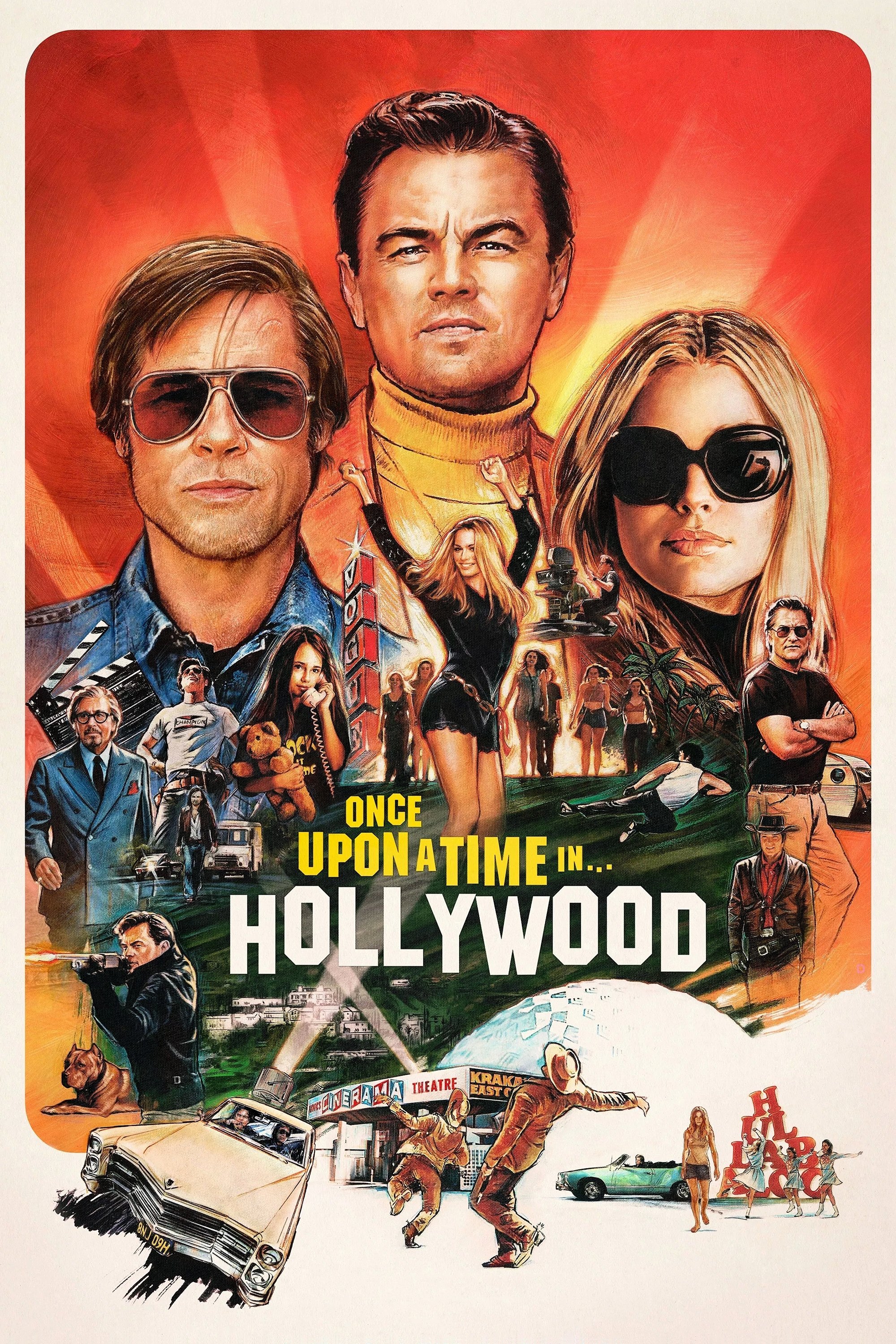
- Bruce Dern was not the first choice; the hosts say the first choice was Bert Reynolds, who died during rehearsals. Reactions to Dern are mixed; one view is that Reynolds would have been a better touch because he was almost a Rick Dalton, while Dern was always the bad guy in westerns. — Bill Simmons
- Tim Roth and James Marsden were cut from the film; Marsden played Bert Reynolds in a deleted scene and is said not to look or sound like him.
- Tarantino is said to have approached Jennifer Lawrence for Sharon Tate; the crowd reacts and the hosts doubt it would have worked. — Bill Simmons
- The Marvin role was written specifically for its actor, consistent with Tarantino's process as he described it on earlier episodes. — Bill Simmons
- Reports that Samuel L. Jackson had a major role and that Tom Cruise was considered for Cliff are treated as unconfirmed gossip; Tarantino is thought to want to work with Cruise. — Bill Simmons
Half-Assed Internet Research
Hitchcock-episode origin; revised ending; Stuyvesant Avenue location; security during filming; Lee on critics and Mookie; later references
In the discussion (8)
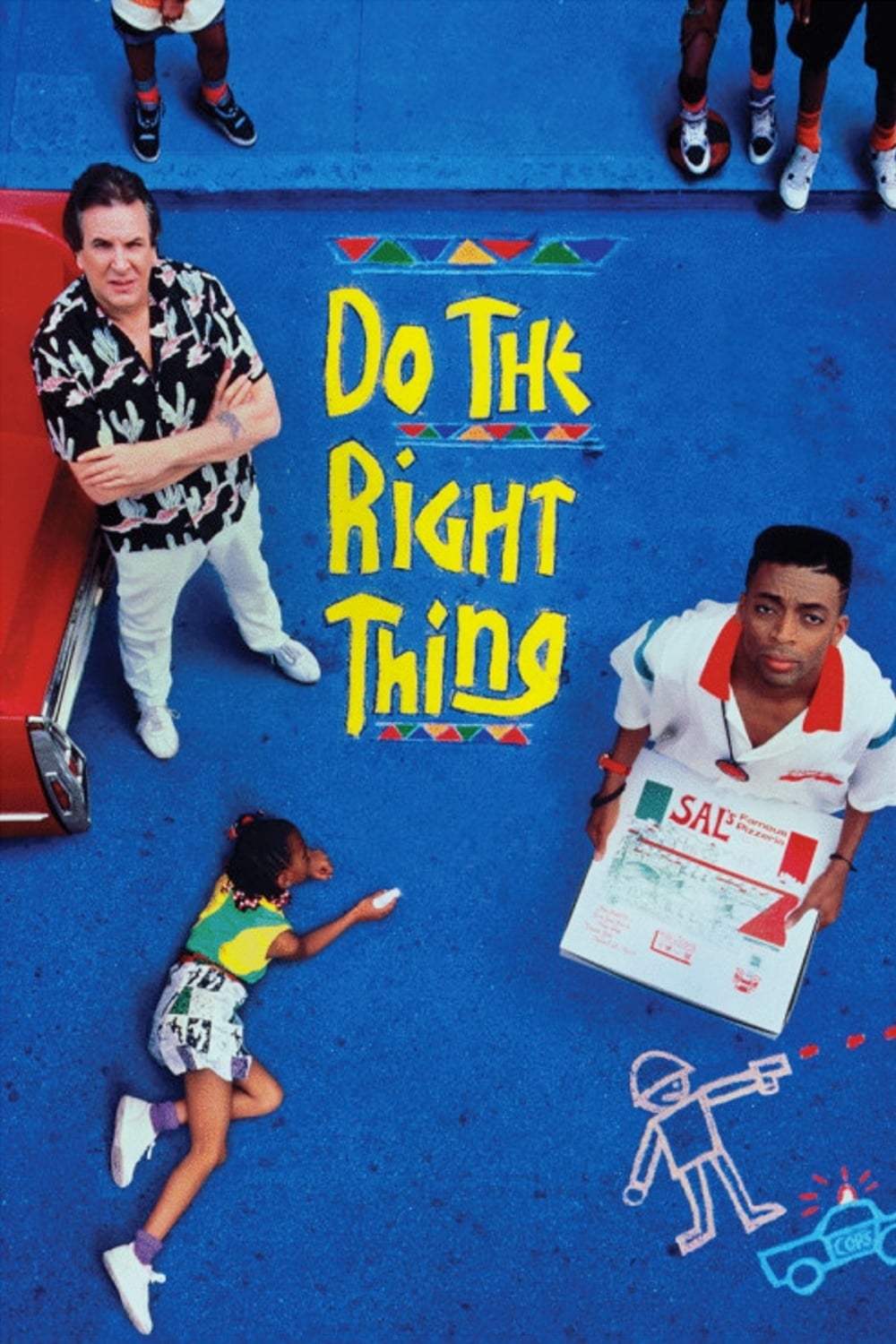
- As read on air, the idea came from the Alfred Hitchcock Presents episode 'Shopping for Death', about hot weather increasing violence; it was also inspired by Howard Beach and Eleanor Bumpurs, and the screenplay was written in two weeks. — Sean Fennessey
- As read on air, the original script ended with a stronger reconciliation between Mookie and Sal and it is unclear why Lee changed it; the hosts answer that it is better this way and the original would have been more Hollywood. — Sean Fennessey
- One host argues the film was a Rorschach test: white people (and not only white people) had been conditioned to expect race movies on their terms with reconciliation, and blamed Lee for not solving the problem; the film cuts the bow like a play. — Wesley Morris
- As read on air, the film was shot entirely on Stuyvesant Avenue between Quincy Street and Lexington Avenue, and the production designer painted the street red and orange to convey a heat wave. — Sean Fennessey
- As read on air, local crack dealers threatened the crew, so Lee hired Fruit of Islam members for security, and Samuel L. Jackson spent most of his time on set sleeping. — Sean Fennessey
- As read on air, in a 2014 interview the director called the critical fears outrageous, egregious and 'I think racist', saying they still bug him and that no one said that about Schwarzenegger films. — Sean Fennessey
- As read on air, only white viewers have ever asked Lee whether Mookie did the right thing; Lee believes those questioning the riot fail to see the difference between property and the life of a black man. — Sean Fennessey
- Later references read on air: police bring Sal's pizza to hostages in Inside Man, a 2016 Radio Raheem Air Jordan, and the Obamas praising the film in 2014 and saying they saw it on their first date. — Sean Fennessey
In the discussion (5)
- Listed nominees: Bill Nunn as Radio Raheem, Robin Harris as Sweet Dick Willie, and Rosie Perez; Sam Jackson, Martin Lawrence and Roger Guenveur Smith are also raised. — Sean Fennessey
- Heat check is tricky because nearly every character gets about a scene and a half; Robin Harris is a 'bay leaf' outside the plot, always with Frankie Faison and Paul Benjamin. — Sean Fennessey
- John Savage's scene in a Larry Bird jersey, stepping on Buggin' Out's new Jordans, is offered as the pick and as a potential rewatchable scene.
- Savage's story that Larry Bird gave him the jersey through his sister is called apocryphal: per the hosts, Lee debunked it to Savage's face, saying he bought the shirt and gave it to costume designer Ruth Carter. — Sean Fennessey
- Challenged on picking a white guy, the picker is not scared: Savage's one memorable scene is a heat check moment. — Wesley Morris

Most Rewatchable Scene
The opening dairy farm sequence with Hans Landa
In the discussion (23)
- This is called one of the hardest picks the show has had: the movie is essentially five 20-to-30-minute scenes and holds three of a host's favorite scenes of the century. The nominees read out are the La Louisiane tavern with Fassbender, Kruger and Hellstrom; Landa at the dairy farm, the opening 20 minutes; Hickox meeting Fennec (as transcribed) and Churchill; Shoshana's strudel lunch with Goebbels and Landa, specifically her stifled cry when Landa leaves; and the Cat People scene of her putting on the makeup and the dress. Little Aldo is on the list, though his speech could be.
- The introduction of the Bear Jew has to be on the list: Aldo's conversation with the German soldier, the bat knocking in the tunnel, the needle drop as Donnie Donowitz emerges, and the high laughter at the Boston accent, which is Eli Roth doing a Ted Williams impression; the hosts chant the Teddy ballgame and Lansdowne Street lines.
- Other nominees: the forehead-carving reveal in that sequence, the Bear Jew's first kill, the Stiglitz killing-spree montage with its heavy metal riff and Samuel L. Jackson voiceover, the Hans flip at the end with Aldo's bluffing and pursuit of vengeance and the 'just a chewing out' moment, the theater carnage, and the Gorlami scene introducing the three Italian compatriots to Landa with their Godfather hands, which lets the audience laugh after the weighty historical material.
- The tavern scene is a host's favorite part along with the opening 20 minutes: essentially Tarantino making a Hitchcock movie, like Rope, one of the great bar scenes, with two thirds of it spent on the heads-up card game; a joke asks whether people in the 40s were smarter, and the answer is that it is a Tarantino invention in which every character is clever.
- Hellstrom's King Kong theory is Tarantino's own, shared with Terry Gross on Fresh Air; the tension builds when the unseen Hellstrom stands up with his boot of beer, and the scene is a comedy of manners about how long they have to stay, a literal card game in which each side ups the ante until pistols are pointed at testicles, capped by the hand gesture for the scotches.
- Fassbender's performance is called crazy: a man born in Germany, raised speaking German, moved to Ireland and learned English, playing an Englishman who learned German and affects an invented Pitzpaloo-esque (as transcribed) accent; he tried out for Landa five times and was heartbroken before being given Hickox, and this was the moment a host asked who that movie star was, after Hunger had made him look like the next Daniel Day Lewis (transcribed 'Dale and Dale Lewis'), with this suggesting the next James Bond.
- Hickox talks like Trevor Howard and looks like Sean Connery, the smartest and most dashing man in the room but also a pretentious film critic who appreciates a good scotch; alcohol is deployed throughout the scene, from the boot of beer and the soldiers' schnapps for Maximilian's birth to the champagne and the scotch that gives the Englishman away.
- The 'speaking the kings' line is a line a screenwriter waits his whole life for; Fassbender's affectation and manner change the second he does the hand, knowing it is over, and Hellstrom knows too, which is the point of the line that neither of them is getting out of the bar.
- August Diehl as Dieter Hellstrom, called the most evil Nazi name ever heard, gives a hell of a performance going nose to nose with Fassbender; Bridget von Hammerschmark's (as transcribed) overconfidence in insisting they stay, when the soldiers knew before going downstairs that a meeting in a basement was insane, raises the question of whether the scene wants the audience to doubt her loyalty.
- The answer offered is that the scene hammers home that these people had jobs before the war, a film critic and an actress rather than trained soldiers, so she might simply pick a bar whose bartender she knows; her operating-table line that it was either a trap or a terrible coincidence but not both reflects what probably happened thousands of times in the war.
- The ticking-clock tension of the tavern is Hitchcockian, but it may not beat the opening 20 minutes: the lights go down, the Morricone music and the odd title fonts start, and the film opens like a spaghetti Western, building and building as someone comes up the road, with Lea Seydoux there, before a 20-minute conversation between the dairy farmer and Hans Landa that announces Waltz as an actor nobody had seen before.
- The opening shot is almost exactly the opening shot of Unforgiven and the setup of The Good, the Bad and the Ugly, both huge movies for Tarantino; the Morricone score is from The Big Gun Down and the opening signature (transcribed as 'Fira Lys') is Beethoven, the great Germanic composer arriving in a small village just like Landa. The sequence then becomes a Sherlock Holmes movie bookended by Westerns, with Shoshana running toward the horizon echoing The Searchers and John Wayne in the doorframe, even though Tarantino hates John Ford.
- The doorframe says that Jews in Europe in the early 40s were always outsiders on the run, and frames a movie poster for what unfolds as she runs toward her cinema in Operation Kino; it is impossible to overrate what it meant that the film really speaks the languages of the time and place, with an actor who could act in French, German, English and Italian.
- Landa asking to switch to English so the family under the floorboards would not understand was his plan all along; Waltz can be taken for granted now because he repeats the trick, but the modulation when he asks 'You're sheltering enemies of the state, are you not?' and drops the gregarious affectation reveals the heavy of the movie, the big bad rather than Hitler, in one of the most memorable introductions of an actor and a character.
- The scene is simultaneously compelling and horrifying: the gregarious guest asking for a glass of milk and lighting his pipe, then the instant pivot into an incarnation of horror; the pan down to the Dreyfus family hiding below and back up to their eyes, people the audience just met whose stakes are instantly understood; then 'Au revoir Shoshana' and the 'boop' with the gun, suggesting that for Landa the pursuit is as gratifying as the catch and that her escape only entices him more.
- Landa changes across the movie's three or four years: in 1941 he is a cookie full of arsenic, sweet outside and evil inside, proud of the Jew Hunter nickname, but by his talk with Aldo he claims to be an honorable man who does not control nicknames. One reading is that he is just saying what seals the deal rather than showing a change of conscience; another is that he has to stay elusive to keep an advantage, overpowering with Lepedit (as transcribed) and negotiating with Aldo while still in charge, which also shows the bureaucratic and clerical tyranny of the Germans, with the carrot that they would not harass the family anymore.
- The Mike Myers scene is loved as a work of imagination: Rod Taylor coming out of retirement to play Winston Churchill, Myers as a military attache, the scotch in the globe, Fassbender talking about Pabst, Selznick and Louis B. Mayer, and the 'Down with Hitler. All the way down' toast; the last 10 years of Myers' career are called strange, but a star who no longer needs to make Austin Powers 4 can simply spend two days in a Tarantino movie and be part of it forever.
- In the strudel lunch, 'wait for the cream' is good advice even though Hans is a monster, and the cigarette put out in the cream is called the biggest on-the-nose metaphor in the movie, the cookie with arsenic again.
- Asked by name whether he likes strudel, the host cannot recall ever eating it, assumes it is pretty good, and is not really into a flaky pastry. — Chris Ryan
- Melanie Laurent's eyes pop at her first bite of strudel, read as a character who has not had dessert in 10 years because of the life she was forced into; the counter is that she and Marcel could get strudel or the 1940s French Milk Duds at the cinema, but the moment reads as someone who never gets taken to nice lunches while being terrified, with pleasure and pain mixed together.
- The quick moment when Hans orders her a glass of milk, as if to say he knows who she is, is one of the most tense in the film and sincerely scary; Laurent and Kruger are revelations up there with Waltz, Kruger previously known mainly as the beauty from Troi (as transcribed), and the earlier part of the sequence is strong too, with Goebbels and Shoshana talking through the French translator while Zoller tries to ingratiate both Goebbels and a woman who wants him dead, a schoolyard romance that is complex yet easy to understand.
- The final call is a toss-up between the opening dairy farm sequence and the tavern, but the Hans introduction comes to mind first, so the dairy farm is the pick; the others agree, calling it one of the most searing scenes they have seen, with a last glaze of syrup for 'Teddy fucking ball game'.
- Earlier, not wanting to jump ahead to most rewatchable scene, a host notes you could basically say the whole movie.
Probably Unanswerable Questions
Did Avery die or kill himself? Did Mitch kick DeVasher to death? What happens to Lamar? What is the best Grisham movie?
In the discussion (4)
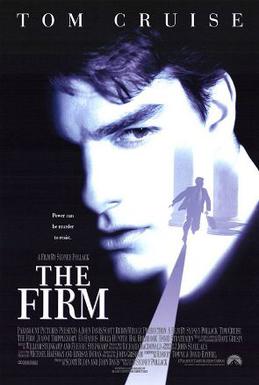
- Why Lamar is introduced as a big character, with the Heineken-and-sprinklers image, then vanishes; the answer offered is that the film is already too long, and he fits Cruise's pattern of a loser buddy sidekick.
- The best Grisham movie is called unanswerable: a sentimental favorite is The Client, another prefers A Time to Kill for Samuel L. Jackson, McConaughey's closing and evil Kiefer Sutherland; Ed Harris's bald look and the 'they don't own me' line lifted from Thief come up along the way.
- Earlier, whether the firm killed Avery or he killed himself was parked as an unanswerable question.
- Whether Mitch kicked DeVasher to death was debated during the Brimley section: he was probably groaning, with a concussion and broken ribs rather than dead.

In the discussion (1)
- All three would fit; the definitive choice is Michael K. Williams, who could easily have had the Sam Jackson part or fit any Drexel scene, and another agrees; Buscemi as Dick Ritchie or Elliot Blitzer is considered but he looks a little old even in 1993, since Dick is meant to be going out against the DiCaprio and Wahlberg generation, and Buscemi is more of a Coen Brothers guy.

