
Stats
- Episodes featuring their films
- 2
- Movies in this archive
- 2
Rewatchables episodes featuring Common’s films


Mentioned in discussions

Producer review
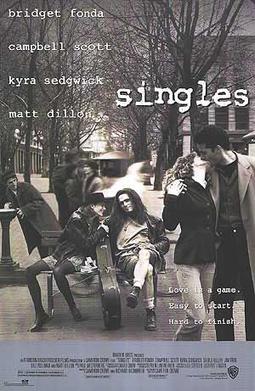
Favorite young-adult ensemble; questions about garages, strangers’ rides and answering machines
In the discussion (4)
- Singles joins Kicking and Screaming as a favorite early-twenties ensemble movie for a viewer born two years after its release. — Craig Horlbeck
- The garage-opener gift raises questions about regional garage access, with Seattle and San Francisco offered tentatively rather than established as common practice.
- The readiness to offer strangers rides seems surprising; picking up the roadside mime is distinguished from giving an acquaintance a lift after a bar. — Craig Horlbeck
- A broken answering machine seems an inadequate explanation for never reconnecting; the response stresses playing it cool and treats machine failure largely as a movie device, later supplanted by voicemail and pagers.

Most Rewatchable Scene
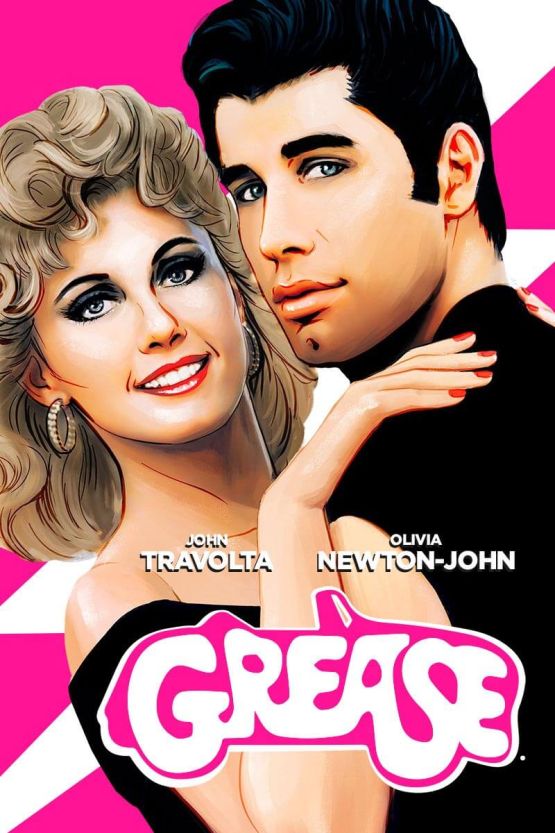
You’re the One That I Want finale
In the discussion (23)
- You’re the One That I Want is predicted as the scene winner for the song, dancing, chemistry, and Sandy’s leather-clad entrance. — Amanda Dobbins
- The animated opening credits are nominated and praised, but their 1970s look and lack of connection to the film’s 1950s setting are questioned.
- The animated opening is defended as a guide to the satire and a bridge from 1978 into 1958, despite having little in common with the rest of the film. — Bill Simmons
- Summer Nights is nominated, with its back-and-forth structure and ending split screen praised.
- Travolta combing his hair while the men shimmy on the bleachers is singled out as an iconic detail. — Amanda Dobbins
- The number is praised for establishing the premise and the stars’ talent in about four minutes.
- The choreography and camerawork are praised for keeping the performers visible and moving with them, unlike some later hurried numbers. — Amanda Dobbins
- Look at Me, I’m Sandra Dee is nominated, with a wish for more of Sandy’s reaction when she discovers the teasing. — Bill Simmons
- Greased Lightnin’ is nominated and Travolta’s performance praised, despite regret that Conaway lost the number.
- Giving Travolta the number is defended because he needed an uptempo showcase beyond the shared Summer Nights and the Sandy ballad.
- Both diner scenes are enjoyed, with a wish for more of them and for real diners like the Frosty Palace.
- Danny’s attempts at basketball, wrestling, baseball, and track are enjoyed as comedy; the baseball looks comparatively convincing. — Bill Simmons
- Rizzo’s missed-period revelation is nominated. — Bill Simmons
- The rumor spreading through the drive-in until Kenickie hears is another nominated moment. — Bill Simmons
- The Sandy performance is a favorite for one viewer but judged below the other numbers by another. — Bill Simmons
- The song’s spoken interlude prompts a joking claim that Travolta invented rap. — Bill Simmons
- The absurd car race is enjoyed, particularly its Los Angeles river setting. — Bill Simmons
- You’re the One That I Want and the ending are selected as an unmissable final eleven minutes. — Bill Simmons
- The bandstand sequence and hand jive are strongly defended after being omitted; one objection targets the lengthy lead-up rather than the hand jive itself.
- Hound Dog, Tears on My Pillow, and Those Magic Changes help make the dance appealing, with a wish for Those Magic Changes to be more prominent.
- You’re the One That I Want is accepted as the scene choice, with the bandstand sequence placed second. — Juliet Litman
- Summer Nights is a separate firm choice, defended as better choreographed.
- The finale’s familiar choreography and iconic appeal are defended, with the dance-off still a personal favorite. — Amanda Dobbins


What’s Aged the Worst?
Spelling Entertainment, car phones and fax machines, the rattlesnake, Griffin’s police-station laugh, June’s characterization, clothes, and the Range Rover
In the discussion (10)
- Spelling Entertainment’s credit alongside its television slate is treated as incongruous.
- Car fax machines and giant mobile phones are dated. — Bill Simmons
- June Gudmundsdottir’s unusually long name is questioned, then explained as common in Iceland. — Wesley Morris
- The rattlesnake-in-the-car torment is questioned. — Sean Fennessey
- Griffin’s police-station laughing scene is considered overly broad. — Bill Simmons
- June’s motivations and lack of suspicion toward Griffin are questioned. — Bill Simmons
- The panel disputes whether the problem is Greta Scacchi’s performance or the character writing.
- June is read as an intentionally distant noir-artist archetype.
- The double-breasted clothes are criticized. — Bill Simmons
- The Range Rover as a power vehicle is treated as dated.

What’s Aged the Best?
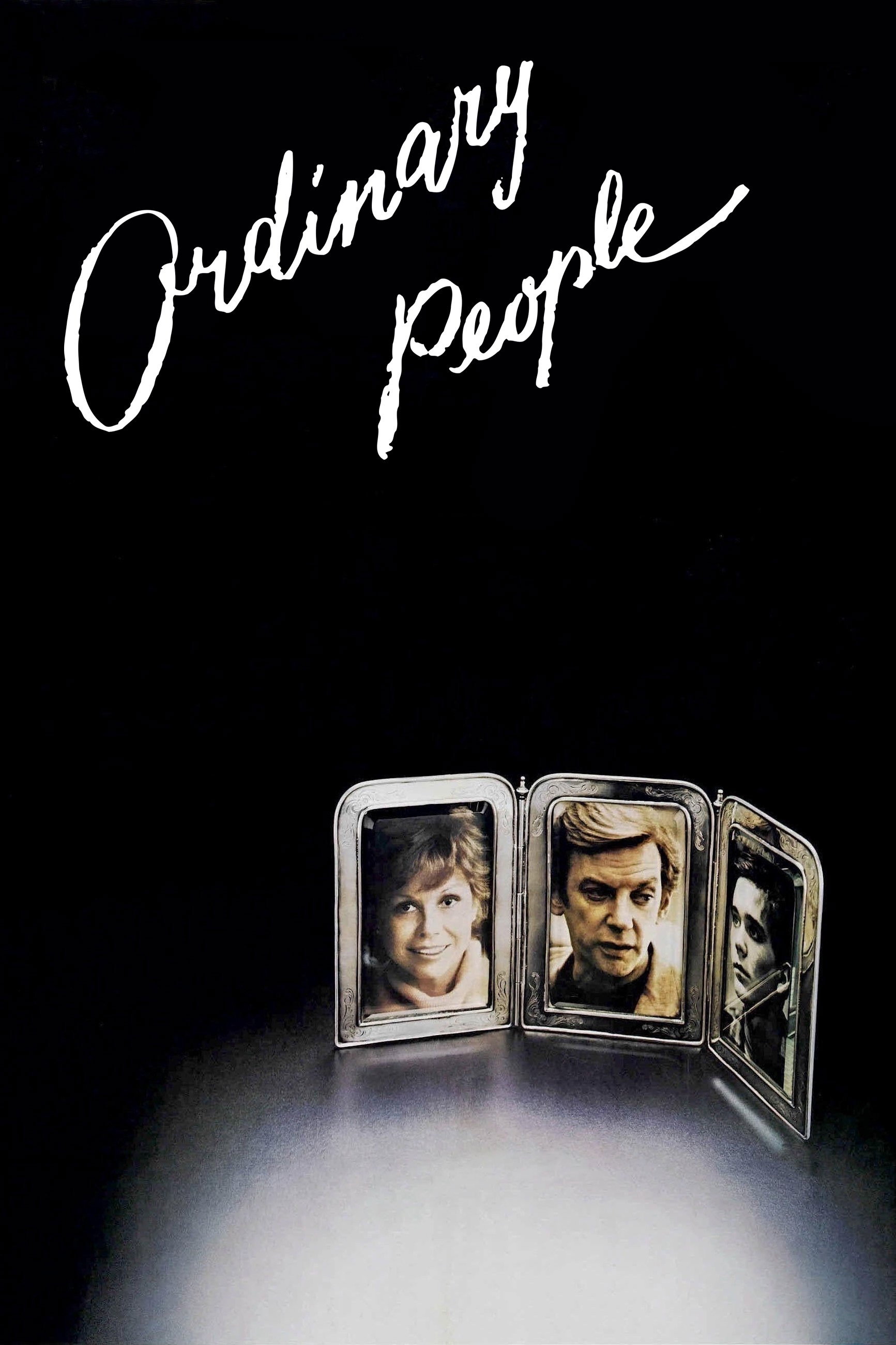
Conrad's depression cues; Beth's haircut; evil Mary Tyler Moore; Elizabeth McGovern; swim coach's office; movie psychiatrists; 'It hurts too much to be around you'; performances; Canon in D score; fashion; Conrad's books; actor-to-director transition; Chicago-suburb setting
In the discussion (11)
- The subtle ways the film shows Conrad is depressed in the first 15 minutes are called smart. — Bill Simmons
- Beth's haircut is perfect, de-glamorizing America's sweetheart; NBC gave Willow Bay the same cut. — Bill Simmons
- Evil Mary Tyler Moore has aged fantastically, and Elizabeth McGovern is a delight who is still working, as Cora on Downton. — Bill Simmons
- The swim coach's office feels completely 1980. — Bill Simmons
- Redford instructed the cast and crew not to interact with Hutton so he would feel isolated like his character; it worked. — Bill Simmons
- Psychiatrists in movies have aged the best, beyond a Woody Allen or erotic-thriller gimmick. — Bill Simmons
- After Conrad punches the swimmer, telling his friend 'it hurts too much to be around you' lands because the friend reminds him of Buck. — Bill Simmons
- The performances hold up on repeat viewing, as do the piano-heavy Canon in D score and the fashion, especially the suede outerwear. — Mallory Rubin
- Conrad's desk and books are noted: Return of the King, Thomas Hardy's Jude the Obscure, and Hunter S. Thompson. — Mallory Rubin
- The answer's own style is a fusion of Cal's and Berger's clothes. — Sean Fennessey
- The actor-to-director glow up became more common after Redford, and late-70s and early-80s Chicago-suburb films, with Risky Business, Ferris Bueller and Thief, have aged well. — Sean Fennessey
Most Rewatchable Scene
Third period of the USSR game
In the discussion (11)
- Picking the 26-man tryout team in an hour, with Noah Emrick as assistant Craig Patrick reacting "What?", is an early candidate; the coach wants the right players, not the best ones. — Bill Simmons
- O.C. fighting McLeanhan to get back at a cheap shot is great; O.C. is a classic Charlestown kid holding a grudge. — Bill Simmons
- Suggestion that O.C. could have been worked into The Town as one of the drivers; his beating of McClanhan is called realistic. — Bill Simmons
- Herb making everyone skate sprints after the exhibition game ("Again!") until the lights go out, with the "team of common men" speech, ends with Eruzione's answer that he plays for the United States of America. — Bill Simmons
- The four players intervening with Herb over Timmy Herr is another good scene; maybe Herb should have kept the ringer, who had led the country in goals. — Bill Simmons
- Ralph Cox getting cut is really good acting; a son watching called it unfair, prompting a lesson that people get cut. — Bill Simmons
- Herb goading McLean in the Sweden-game locker room to get him going ("a bruise on the leg is a hell of a long way from the heart") is highlighted.
- Herb's pregame speech before the USSR game is one of the best sports-movie speeches and gets played before more or less every sporting event in America.
- The move from the second to the third period without a locker-room scene is a little clumsy, but Herb's talk at the start of the third period works. — Bill Simmons
- The whole third period is fantastic; for most rewatchable you have to go with the third period of the USSR game. — Bill Simmons
- The again-again scene is also loved, and Herb telling O.C. he made the team is called the most moving moment; the answer settles on the third period.
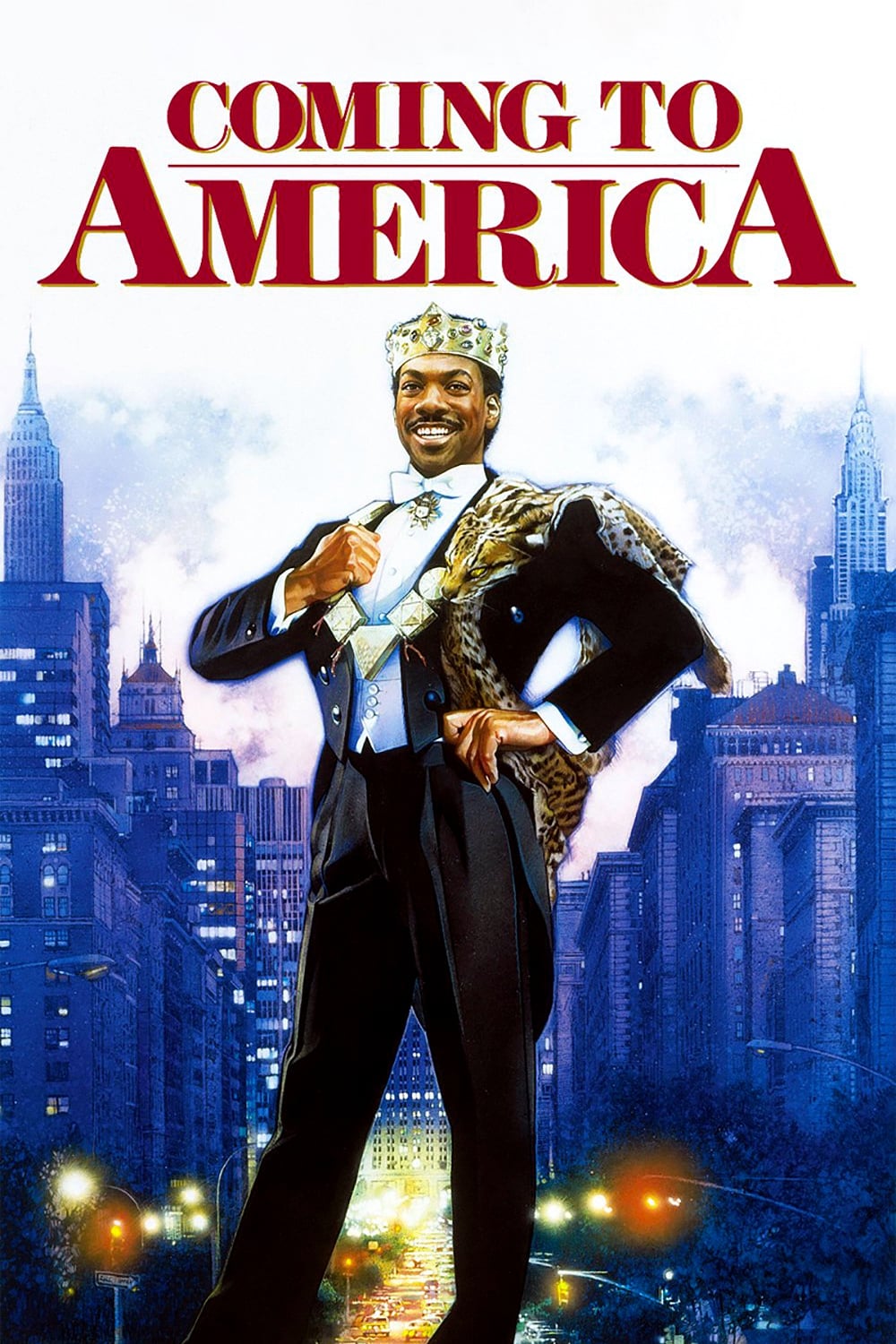
Most Rewatchable Scene
Black Awareness Week with Randy Watson; St. John's game bathroom recognition; plot-resolution party scene; barbershop scenes
In the discussion (21)
- The opening with Akeem waking up is floated as a pick; it is rewatchable but too long, since he barely reaches America 40 minutes in.
- First pick: the presentation of the future queen, lavish and well executed, with James Earl Jones's line about having sex with the bathers. — Bill Simmons
- The Zamunda sequence uses the old Hollywood trick of a lavish set piece, with elephants wandering past windows and 400 costumed people, compared with Cabin in the Sky. — Wesley Morris
- The first nightclub scene is cleverly edited, with a string of women and ending with Arsenio in drag. — Bill Simmons
- Invited to make a veiled joke, the reply notes this is the fourth Eddie Murphy conversation and riffs "Eddie, you talking to us." — Wesley Morris
- The nightclub scene is blocked as shot-reverse-shot, but for Arsenio's turn Eddie sits beside him, so Arsenio is essentially reacting to himself. — Wesley Morris
- The nightclub premise of judging which woman is good enough may belong in What's Aged the Worst; some moments are "definitely 1988". — Van Lathan
- Black Awareness Week, called "probably going to be my winner", features Arsenio's reverend and Randy Watson with Sexual Chocolate to tepid applause; the makeup hides Eddie for about 40 seconds, in six great minutes. — Bill Simmons
- The scene rings true to community events in Baton Rouge, at the Leo Butler Community Center, where a tired local celebrity always performs. — Van Lathan
- Another had a version at Fairmont Park; the name Black Awareness Week is the canned-peas version, and the crowd's reaction to Randy Watson is captured perfectly.
- Randy Watson sings The Greatest Love of All rather than Super Freak, a song sung at every graduation; without Whitney Houston you hear how mediocre it is.
- The St. John's game brings back the 80s Big East; the bathroom recognition is called one participant's favorite scene and another's second favorite.
- The bathroom scene is moving: a Black man seeing a Black person who means something deep to him in a common space; truly touching rather than funny. — Wesley Morris
- Akeem's first date with Lisa brings the cross-movie cameo of Mortimer and Randolph from Trading Places as homeless men, a huge theater surprise. — Bill Simmons
- A dad expected the Dukes to take the money and come back; a movie of that was expected but never came. — Van Lathan
- The dad-versus-dad clash between John Amos and James Earl Jones, with "I'm going to put my foot in your royal ass", is really good. — Bill Simmons
- The barbershop scenes are held for What's Aged the Best because they are short. — Bill Simmons
- The scene where all the characters come together to straighten out the plot is fine but a little long. — Bill Simmons
- That plot-resolution scene is called a favorite: a party sequence with deep depth of field and stakes, plus a living-room farce where misunderstandings get ironed out like a Three's Company ending, with Amos, Madge Sinclair and James Earl Jones on different sides. — Wesley Morris
- The barbershop scenes are the pick: so short that they're so rewatchable, arguing over the same things people argue about in the barbershop. — Van Lathan
- In reply, the barbershop scenes, earlier held for What's Aged the Best, are accepted as collectively the most rewatchable scene; a YouTube clip strings them all together like its own movie. — Bill Simmons
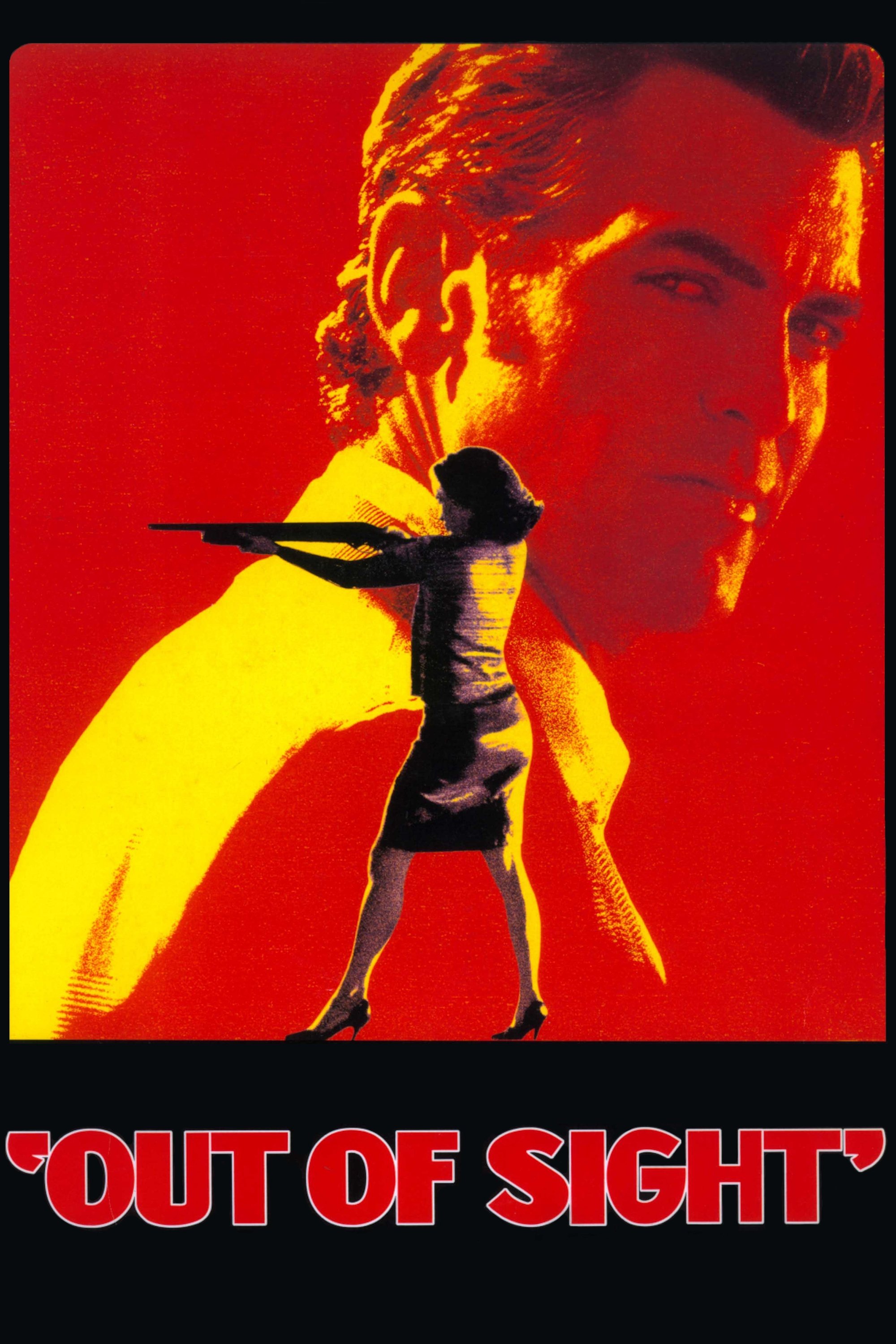
Half-Assed Internet Research
Ad-libbed dialogue; summer release; White Boy Bob callback
In the discussion (3)
- Per the commentary track with writer Scott Frank, cast members ad-libbed, including Cheeto's line about the high potentiality for the common motherfucker to bitch out. — Bill Simmons
- Many in the industry felt the movie was mismarketed as a summer release when it should have come out in the fall. — Bill Simmons
- Ving Rames tells White Boy Bob he likes to shoot his big mouth off, and later Bob literally shoots himself. — Bill Simmons

Most Rewatchable Scene
Andrew Shepard's final speech
In the discussion (15)
- The short lonely-widower moment is important because it sets up the movie.
- The first pool scene with Martin Sheen ("Call me Andy") is enjoyable; two people playing pool always works in a movie, as in Boomerang and Mystic Pizza. — Bill Simmons
- Douglas clearly worked on his pool game because the scene uses a full wide shot. — Bill Simmons
- The president calling Sidney for a date, which she takes for a prank, uses a rom-com trope said to appear at least 10 times.
- Agrees the trope is common, but this one is special because his solution is to have her call the actual White House number. — Amanda Dobbins
- The dance scene is well done; Douglas appears to do his own smooth dancing, the spark between them is real, and the reaction shots show everyone moved by the widower's first date.
- The morning after, staff barge in because the president's day has started while Sidney is still getting dressed; it could have gone badly in the wrong hands.
- Michael J. Fox challenging the president is a favorite scene; it inspired a college political essay about no longer recognizing genuine leadership, and its drink-the-sand line feels prescient in late October 2020.
- The second pool scene gets heated with the University of Wisconsin history professor line; the film is said to have negotiated three uses of the f-word, with a fourth meaning an R rating.
- That scene explains why Sheen is the consigliere: he hitched his kite to Shepard. — Bill Simmons
- Douglas's big speech taking it to Bob Rumson is the best, most rewatchable moment; the stretch from the Fox challenge through Sheen to the speech is a fantastic 15 minutes. — Bill Simmons
- The small limo scene ("No hopping, sir") is a favorite, and Fox is loved in this movie. — Van Lathan
- A line from the limo scene became a personal dating mantra: all plans are soft until confirmed 30 minutes ahead. — Van Lathan
- Fox's Danbury prison line still comes to mind; he was a moral compass on screen, and it is sad this was effectively his last movie. — Bill Simmons
- Before picking the speech, the flower-ordering scene is added: the dogwood tree-or-flower exchange and the Virginia ham conclusion show affection in the workplace and are top-grade rom-com material. — Amanda Dobbins

Half-Assed Internet Research
Research covered real punches and injuries, the Weathers–Lundgren dispute, Italian dubbing, shooting locations, and Tony Burton’s chess strength.
In the discussion (9)
- Stallone and Lundgren agreed to hit each other for real. — Bill Simmons
- Lundgren’s chest punch caused Stallone’s heart to swell against his breastbone. — Bill Simmons
- Stallone’s blood pressure exceeded 200 and he was airlifted from Canada to a Santa Monica hospital. — Cousin Sal
- Carl Weathers nearly left after Lundgren threw him too hard. — Cousin Sal
- Filming stopped for four days while Stallone brokered a reconciliation. — Bill Simmons
- The Italian “I break you in two” translation became a common phrase. — Bill Simmons
- The Russia training scenes were filmed in Wyoming.
- The Moscow fight was filmed at Vancouver’s PNE Agrodome. — Bill Simmons
- Tony Burton was a strong chess player who reportedly beat Stanley Kubrick on The Shining set. — Bill Simmons
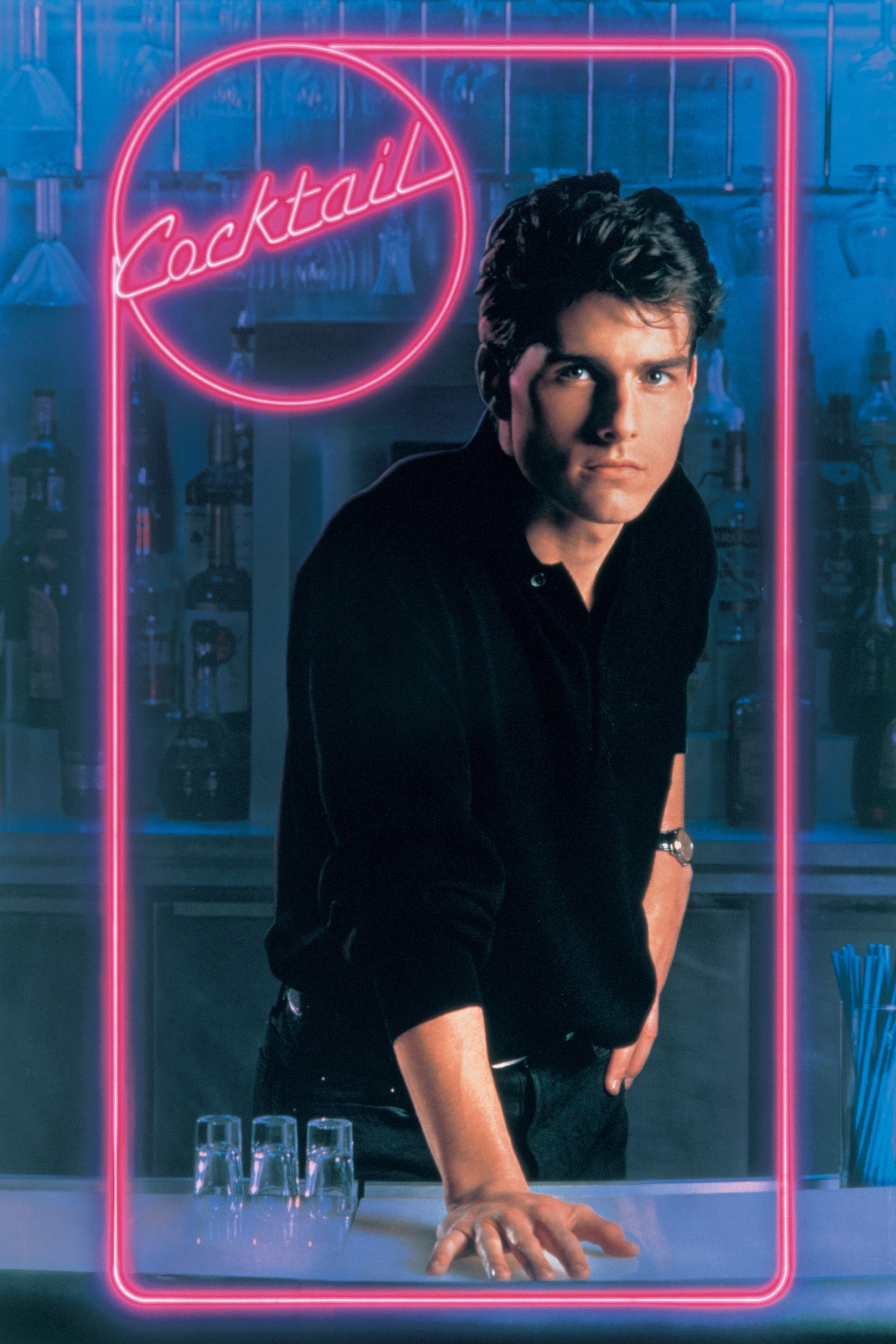
What’s Aged the Best?
Cruise and Coughlin bartending; Uncle Pat's never-buy-a-drink rule; Addicted to Love; Elisabeth Shue; the passed-out friend diagnosis; Roger Donaldson's late-80s run; Cruise playing basketball; the soundtrack
In the discussion (17)
- Cruise and Coughlin bartending comes first: nothing beats Cruise fired up in a quirky role, and nobody else would have taken bottle flipping so seriously. — Bill Simmons
- Of all Cruise's mastered skills, this participant would most want to see him play nine ball. — Chris Ryan
- Cruise approaches roles by asking what skill he can acquire, unlike Daniel Day Lewis asking who he can become. — Sean Fennessey
- Brian and Coughlin are called really bad, slow bartenders who make drinks for no one while 80 people wait. — Chris Ryan
- A nit pulled forward: the claim that bartenders make money for bars by pouring less, but they spill liquor everywhere while flipping bottles. — Bill Simmons
- Uncle Pat's rule never to buy anyone a drink has aged well and is a smart business strategy.
- New York buybacks are common; as a former bartender, topping up drinks for bigger tips steals from the bar, which is why an owner like Pat would not do it. — Bill Simmons
- Pat had no real growth plan: he accepts free labor from Brian and takes a dollar or two off the bar as tips. — Bill Simmons
- Addicted to Love and Shue, an 80s goddess, are listed, with Cocktail as a more adult Shue after The Karate Kid and Adventures in Babysitting. — Bill Simmons
- Cruise leaving 40 paying customers to glance at Shue's passed-out friend and declare her fine always gets a laugh. — Bill Simmons
- Funnier still, Shue abandons that friend for days, and the friend turns out to have gone home to New York. — Chris Ryan
- Roger Donaldson's late 80s, No Way Out and Cocktail, is listed; No Way Out is called perhaps the most rewatchable 80s action thriller.
- Cruise playing basketball is listed, part of a tour of his screen athletics from All the Right Moves to The Firm's running and tumbling. — Bill Simmons
- Cruise is judged undeniably a good athlete but the fit, uncoordinated crew-type rather than a varsity basketball player, compared with a high-school swimmer. — Sean Fennessey
- The basketball scene has Cruise going perfect from the field; the Philip Seymour Hoffman scene is called a direct parody, and "Ryan's Law" is proposed as never going five for five in a movie basketball scene.
- The soundtrack did very well and made the Bobby McFerrin song a thing; it pairs 1950s rock callbacks with 80s songs like Kokomo. — Sean Fennessey
- Asked for a final aged-best answer, the music is chosen. — Bill Simmons

In the discussion (2)
- Ebert’s “150-minute trailer” formulation earns reluctant admiration even from the movie’s defenders. — Bill Simmons
- His longer dismissal is quoted as attacking the eyes, ears, brain, common sense, and desire to be entertained. — Bill Simmons

The Neil McCauley “A Book about Metals” Award for Best Line from the Movie
Great Scott and the roads line
In the discussion (2)
- Great Scott is identified as the signature phrase that entered common usage — Bill Simmons
- The line that they do not need roads is the other leading quote — Bill Simmons


