
Film credit
Gene Hackman
Also referred to as Hackman
Stats
- Episodes featuring their films
- 8
- Movies in this archive
- 13
Rewatchables episodes featuring Gene Hackman’s films
Mentioned in discussions


The Great Shot Gordo Award for Most Cinematic Shot
Pentagon checkerboard chase; nighttime focus shift; party triangulation
In the discussion (3)
- Costner running along the Pentagon’s checkerboard hallway is a striking image.
- The nighttime focus shift between Hackman and Costner is effective. — Sean Fennessey
- Party photography triangulates Susan, Brice and Tom, then reveals Brice’s mounting anxiety. — Sean Fennessey

Half-Assed Internet Research
Source adaptations; budget and gross; Leachman account; nude-scene and stunt anecdotes; locations
In the discussion (7)
- A quoted Leachman autobiography passage recounts a one-night encounter with Hackman while both were filming in San Francisco. — Bill Simmons
- The story derives from Kenneth Fearing’s 1946 novel The Big Clock, previously adapted in 1948 and as Police Python 357 in 1976. — Bill Simmons
- The stated budget is $15 million and the gross $35.5 million; cable and HBO expanded its audience. — Sean Fennessey
- Young’s account describes helping an uncomfortable Costner through their nude scene. — Bill Simmons
- The limousine sequence is described as partly improvised.
- Costner reportedly rolled over a moving car’s hood during a chase and was reprimanded. — Bill Simmons
- Susan’s house is identified at Queen and Union Streets in Alexandria. — Bill Simmons


Sequel, Prequel, Limited Series, or All-Black Remake
Cancelled sequel; television adaptation
In the discussion (2)
- A sequel reportedly reached a completed script with Cameron and Schwarzenegger returning, but was abandoned after 9/11 because its light treatment of terrorism no longer seemed appropriate. — Bill Simmons
- The television adaptation is mentioned, followed by uncertainty about its availability and a joking proposal for Gene Hackman to return as the Heston character. — Bill Simmons

Casting What-Ifs
Nolte, Baldwin, Hackman, Voight and Richard Jordan
In the discussion (5)
- Walter Hill’s proposed Nick Nolte version — Bill Simmons
- Alec Baldwin described as an early choice — Bill Simmons
- Gene Hackman and Jon Voight considered for Gerard — Bill Simmons
- Richard Jordan’s illness and replacement — Bill Simmons
- Reshooting the party scene and Ford’s beard differences — Bill Simmons
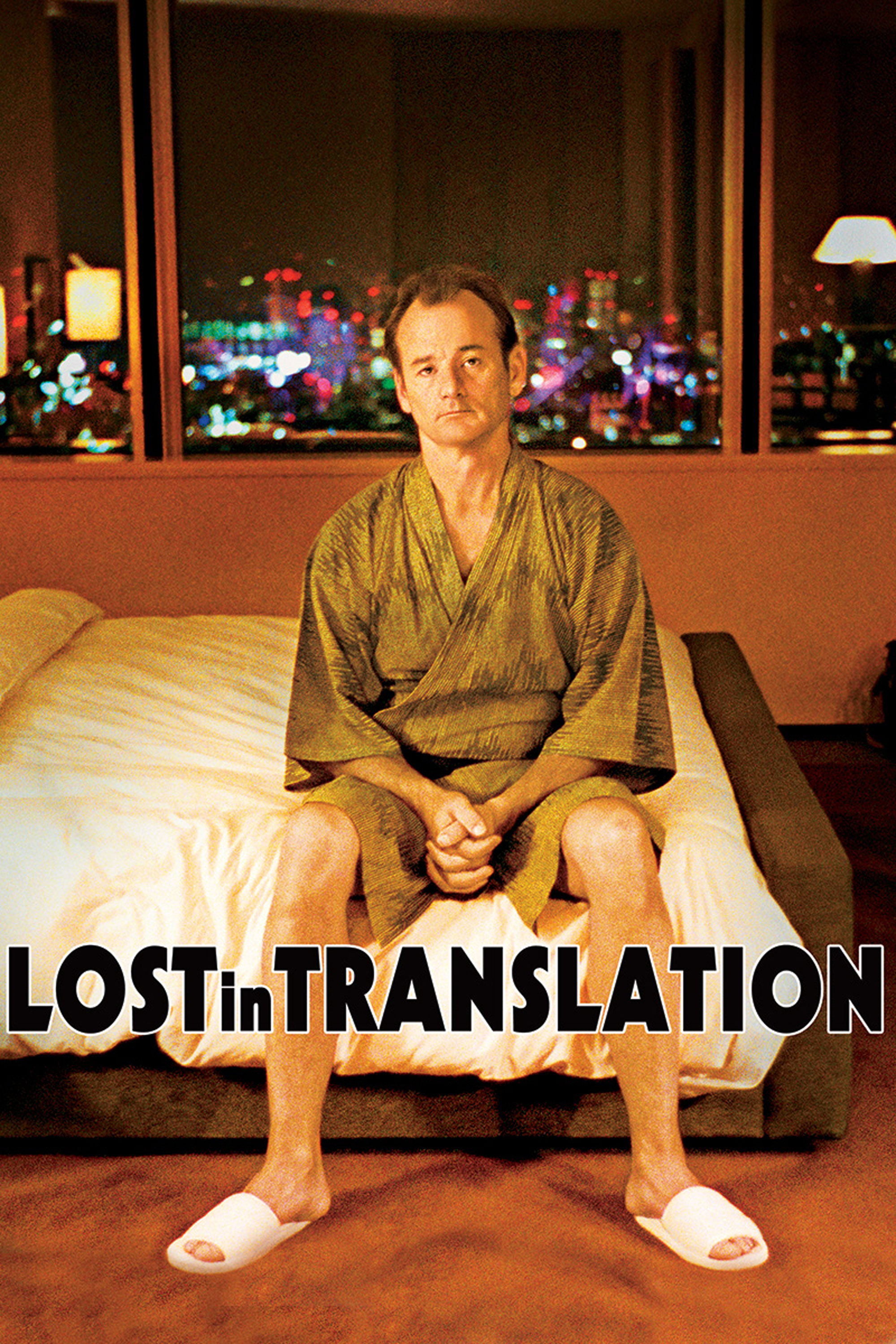

What’s Aged the Best?
Tokyo; hotel bar; smoking; no introductions; awkward fans; Phoenix; improvisation; departing husband; soundtrack; marriage arithmetic; limited connectivity
In the discussion (11)
- Early-2000s Tokyo inspires a desire to visit and stay at the Park Hyatt. — Bill Simmons
- Hotel bars with piano players are praised, with this bar considered exceptionally memorable as a film location. — Bill Simmons
- Smoking cigarettes and cigars in bars evokes nostalgia despite acknowledged health harms. — Bill Simmons
- Bob and Charlotte never formally introducing themselves is an appealing detail, despite his eventual ability to send a note to her room. — Bill Simmons
- The awkward fans praising Bob’s stunt driving are enjoyed; his past stardom is compared to a Gene Hackman or French Connection type. — Bill Simmons
- The film caught Phoenix before the band’s next breakthrough album. — Bill Simmons
- Murray’s apparently improvised stretches reward spotting where the camera was left running. — Bill Simmons
- Sending the husband away halfway through efficiently frees the central relationship to develop. — Bill Simmons
- The soundtrack has held up exceptionally well. — Bill Simmons
- Bob subtracting sleeping hours from the length of his marriage is a favorite comic theory. — Amanda Dobbins
- The period’s faxes and limited mobile communication preserve isolation; modern texting and internet use would reduce loneliness and change the intrusions. — Bill Simmons


Who Won the Movie?
Eastwood overall; Hackman on this viewing
In the discussion (2)
- Eastwood is the initial winner choice, with Hackman an attractive alternative. — Bill Simmons
- A response says Hackman won on this viewing, followed by agreement and an Eastwood-wins qualification based on the Oscars and legacy. — Bill Simmons
Podcast choices
Probably Unanswerable Questions
Hackman’s greatest role
In the discussion (5)
- Popeye Doyle is offered as Hackman’s greatest role, difficult to separate from Little Bill.
- Crimson Tide is a personal favorite Hackman role.
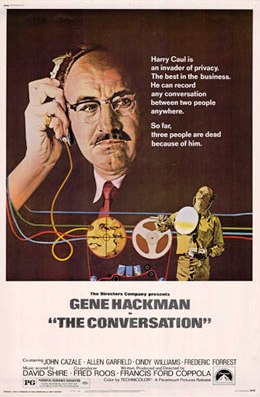
- The Conversation is another candidate. — Chris Ryan
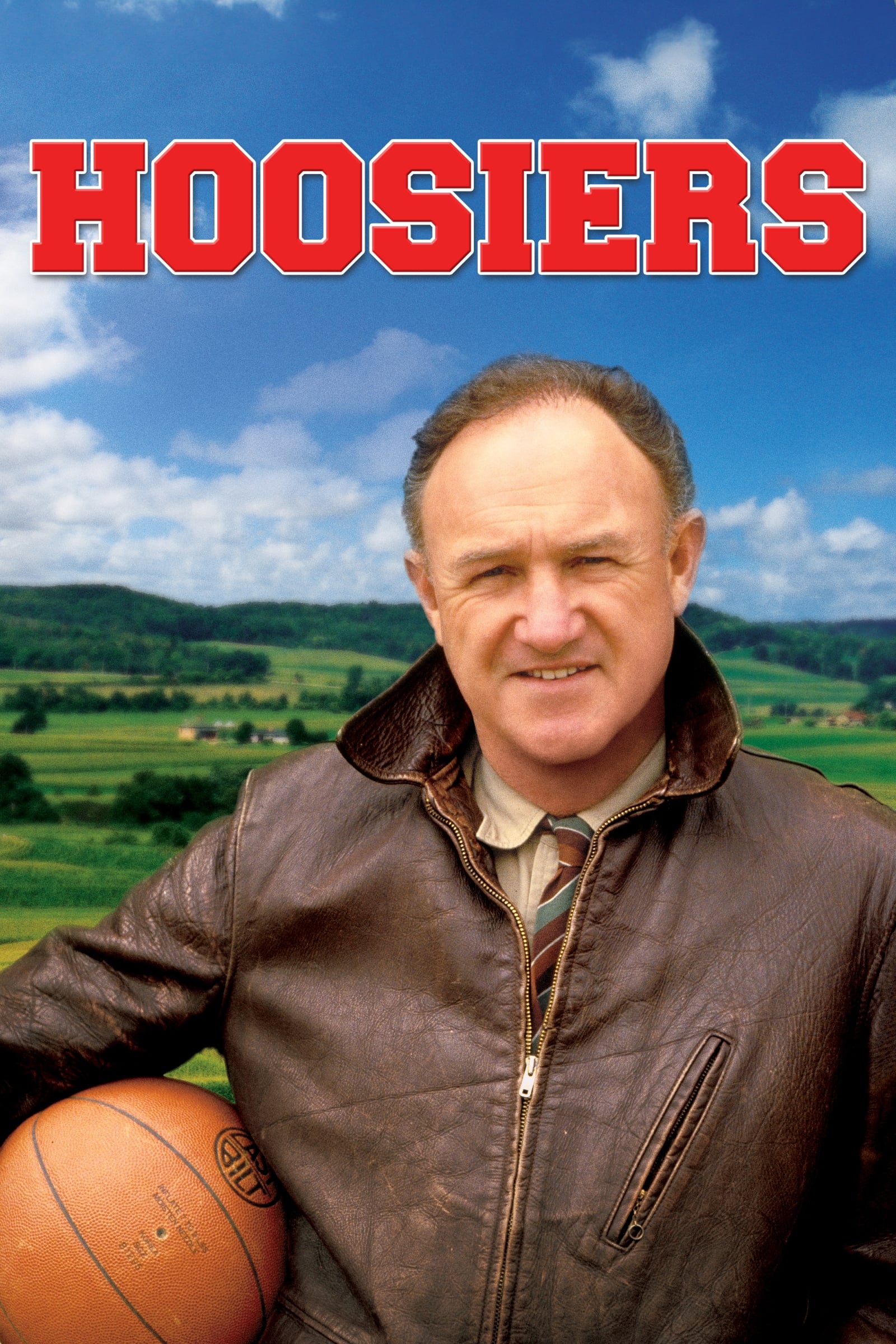
- Hoosiers is proposed but its appeal is reduced by reports Hackman disliked making it. — Bill Simmons
- Behind Enemy Lines is proposed and immediately doubted. — Chris Ryan

Apex Mountain
Post-prime Eastwood; post-prime Hackman; Saul Rubinek; small-penis revenge movies
In the discussion (7)
- Post-prime Eastwood receives a yes, combining acting, directing, and the adjacent In the Line of Fire/A Perfect World period.
- Crimson Tide is initially proposed for post-prime Hackman.
- Unforgiven is ultimately preferred for post-prime Hackman’s career influence, distinguishing that from enjoying Crimson Tide more. — Bill Simmons
- Freeman is rejected in favor of Shawshank. — Bill Simmons
- Saul Rubinek receives a yes through this and True Romance. — Bill Simmons
- Small-penis revenge films receive an affirmative response, prompting jokes about Quick Mike’s name and lack of accountability. — Bill Simmons
- Westerns are rejected; the 1950s or1960s are suggested instead, with High Noon, Liberty Valance, The Searchers, and The Good, the Bad and the Ugly as comparisons. — Sean Fennessey
Half-Assed Internet Research
Development; efficient production; dedication; awards; finances; casting; remake; set; actor autonomy
In the discussion (18)
- The film is described as Eastwood’s sixteenth directorial feature and first Oscar breakthrough, intended as his last Western. — Bill Simmons
- His fast, few-take style, avoidance of an action call, and tendency to finish under budget and schedule are described as an actor-centered approach. — Sean Fennessey
- The dedication honors Sergio Leone and Don Siegel, with Siegel’s efficient working style especially linked to Eastwood. — Sean Fennessey
- The Rookie and later Dirty Harry films are described as enabling more personal projects such as White Hunter Black Heart and Bird through the Warner partnership. — Chris Ryan
- Hackman reportedly would not join if the violence lacked reflection on its meaning. — Chris Ryan
- The film won picture, director, supporting actor, and editing. — Bill Simmons
- The Oscars telecast reportedly drew45million viewers. — Bill Simmons
- The 1976 script used The William Munny Killings and The Cut-Whore Killings titles; Eastwood acquired it in the early 1980s and delayed, ultimately reaching an appropriate age for the role. — Bill Simmons
- A script reader reportedly dismissed the screenplay before Eastwood later decided to make it. — Chris Ryan
- The stated budget is$14.4 million and gross$159.2 million.
- An uncertain internet report says a Six Flags Great Adventure coaster was to use the film’s theme before becoming Viper; the source’s reliability is explicitly questioned.
- Harris reportedly received the Eastwood call while watching High Plains Drifter.
- Rubinek reportedly followed Nicholson’s advice to send an audition tape, and Eastwood said the extra effort won him the role. — Sean Fennessey
- Eastwood reportedly preferred taped auditions because he disliked rejecting actors in person. — Sean Fennessey
- A 2013 Japanese remake starring Ken Watanabe is noted. — Bill Simmons
- Eastwood replaced opening and closing voiceover with text, preferred despite the text being difficult to read. — Bill Simmons
- Henry Bumstead reportedly built Big Whiskey in 32 days; the fresh construction suits the frontier setting. — Bill Simmons
- Rubinek recalls Eastwood granting him control over Beauchamp’s characterization and offering only practical adjustments, illustrating trust in actors. — Sean Fennessey
What’s Aged the Best?
Westerns; photography; premise; Big Whiskey; dialogue; sheriffs; Beauchamp; Harris’s accent; score; title; Hackman
In the discussion (16)
- The beautiful landscapes and brothel photography contrast with Munny’s brutality. — Chris Ryan
- The romantic Claudia theme lends unexpected tenderness to the filmmaking. — Chris Ryan
- The opening title and grave-and-tree image establish a classical, romantic storytelling frame. — Sean Fennessey
- Westerns remain appealing and avoid the same sense of datedness as contemporary-set films; the setting is compared with the era before There Will Be Blood. — Bill Simmons
- The lean revenge premise remains effective. — Bill Simmons
- Big Whiskey is praised as a town name. — Bill Simmons
- Young and full of beans is an appealing phrase. — Bill Simmons
- The sheriff’s apparently unchecked authority is enjoyed as a dramatic device, compared with a fantasy commissioner and dominant coaches. — Bill Simmons
- Beauchamp is interpreted as expressing Eastwood’s hostility toward journalists; the pants-wetting is speculatively imagined as Eastwood’s addition. — Bill Simmons
- Harris dropping his cultivated accent for Cockney when leaving exposes English Bob’s pretensions. — Bill Simmons
- The score and Eastwood’s guitar theme are praised, with Lennie Niehaus also credited. — Chris Ryan
- Leaving very young children alone for weeks is jokingly called an appealing bygone freedom while also acknowledged as troubling. — Chris Ryan
- Unforgiven is praised as a superior title and powerful marketing for an Eastwood Western.
- Hackman’s performance has grown in stature, with the Beauchamp conversations giving the movie its heartbeat. — Chris Ryan
- Munny’s farming and Little Bill’s civic order and house-building are interpreted as competing attempts at redemption. — Chris Ryan
- Hackman makes morally compromised men enjoyable without erasing their humanity, compared with No Way Out, The Firm, Crimson Tide, and The Royal Tenenbaums. — Bill Simmons

Casting What-Ifs
Many actors declined Annie Wilkes and Paul Sheldon; several alternative Paul Sheldons are debated
In the discussion (7)
- Anjelica Huston and Bette Midler are identified as actors offered Annie Wilkes — Bill Simmons
- Richard Dreyfuss is proposed as a believable writer but possibly insufficiently physical — Brian Koppelman
- Robin Williams is proposed for his sympathy, physicality, and caged energy — Brian Koppelman
- Robert Duvall and Michael Douglas are proposed as strong alternatives — Bill Simmons
- Donald Sutherland is proposed as another alternative — Bill Simmons
- William Hurt, Kevin Kline, Michael Douglas, Harrison Ford, Dustin Hoffman, Robert De Niro, Al Pacino, Richard Dreyfuss, Gene Hackman, and Robert Redford are listed as having declined Paul Sheldon — Bill Simmons
- Richard Dreyfuss and Bette Midler are said to have later expressed regret — Bill Simmons
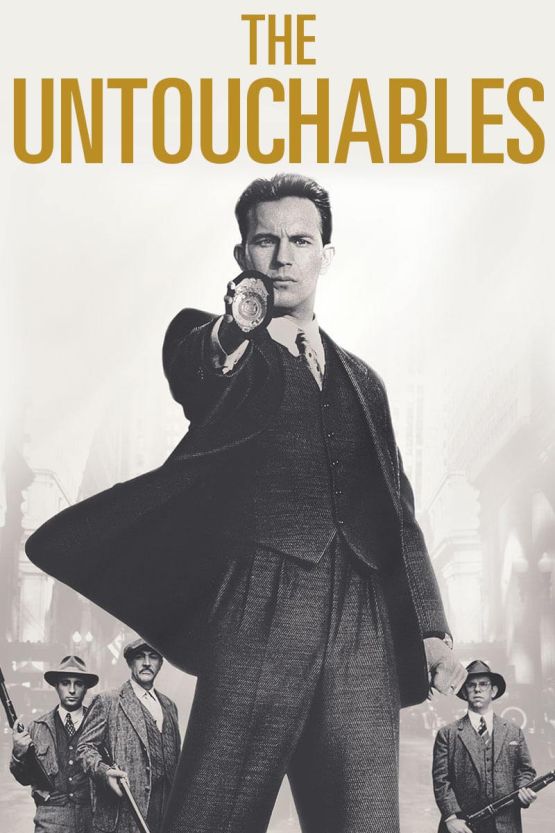
Recasting Couch
Richard Gere as Ness; Gene Hackman as Malone
In the discussion (2)
- Gere would make Ness darker and less wholesome, prompting jokes about sexual ambition and infidelity rather than straightforward family life. — Bill Simmons
- Hackman is proposed for Malone’s authority and a potentially more authentic accent; Connery remains difficult to replace imaginatively. — Bill Simmons
Films in the archive

Crimson Tide
1995



Downhill Racer
1969


Enemy of the State
1998
Hoosiers
1986
No Way Out
1987

Superman
1978
The Conversation
1974
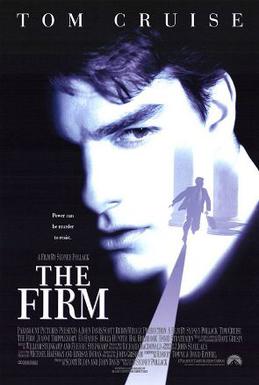
The Firm
1993

The Package
1989
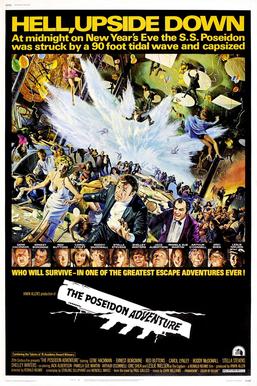
The Poseidon Adventure
1972

The Replacements
2000

The Royal Tenenbaums
2001