
‹ All people
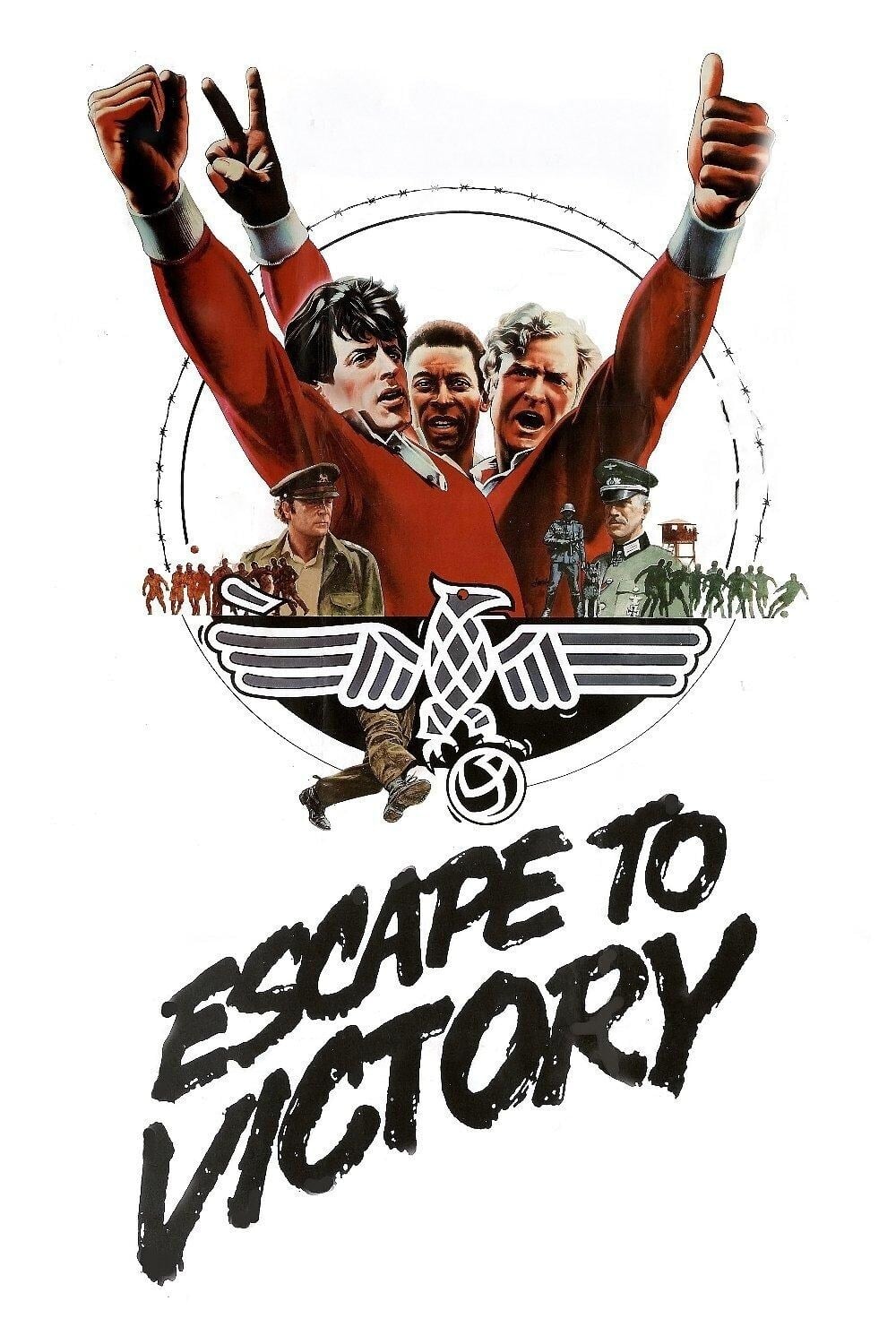
Victory

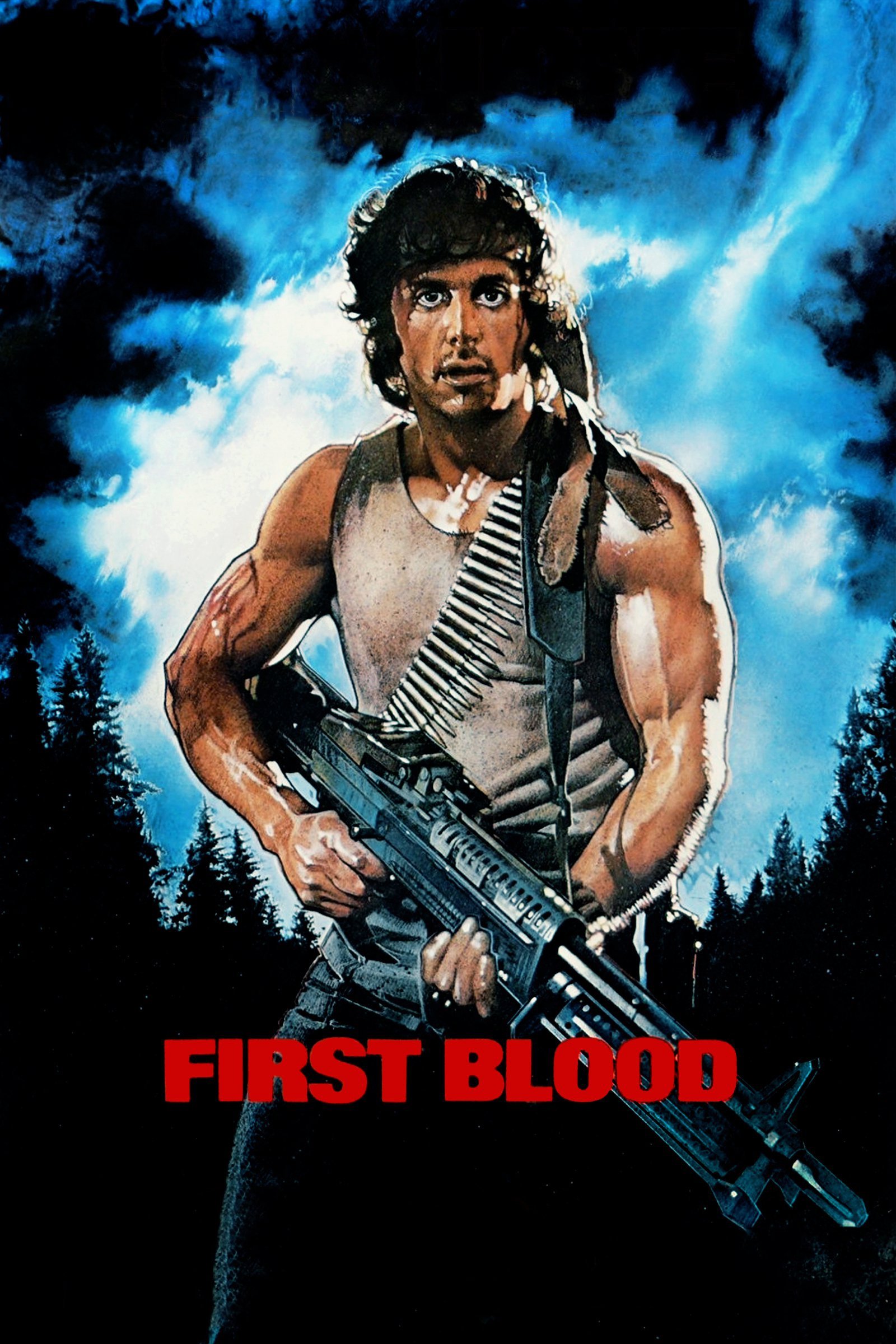
First Blood


The Royal Tenenbaums

The Royal Tenenbaums
The Royal Tenenbaums
The Royal Tenenbaums

The Royal Tenenbaums









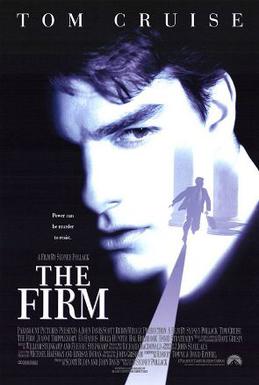

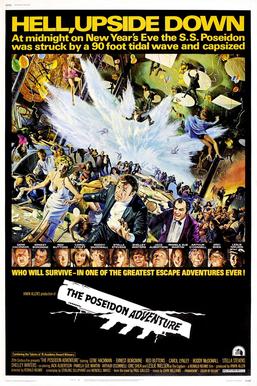

Film credit
Gene Hackman
Also referred to as Hackman
Stats
- Episodes featuring their films
- 8
- Movies in this archive
- 13
Rewatchables episodes featuring Gene Hackman’s films

Displaying all 8 episodes
Mentioned in discussions
Sequel, Prequel, Limited Series, or All-Black Remake
Yes, as a basketball series
In the discussion (3)
Approx. transcript time · 01:16:23Read transcript
- You, me and producer Craig all agree: yes, please. — Bill Simmons
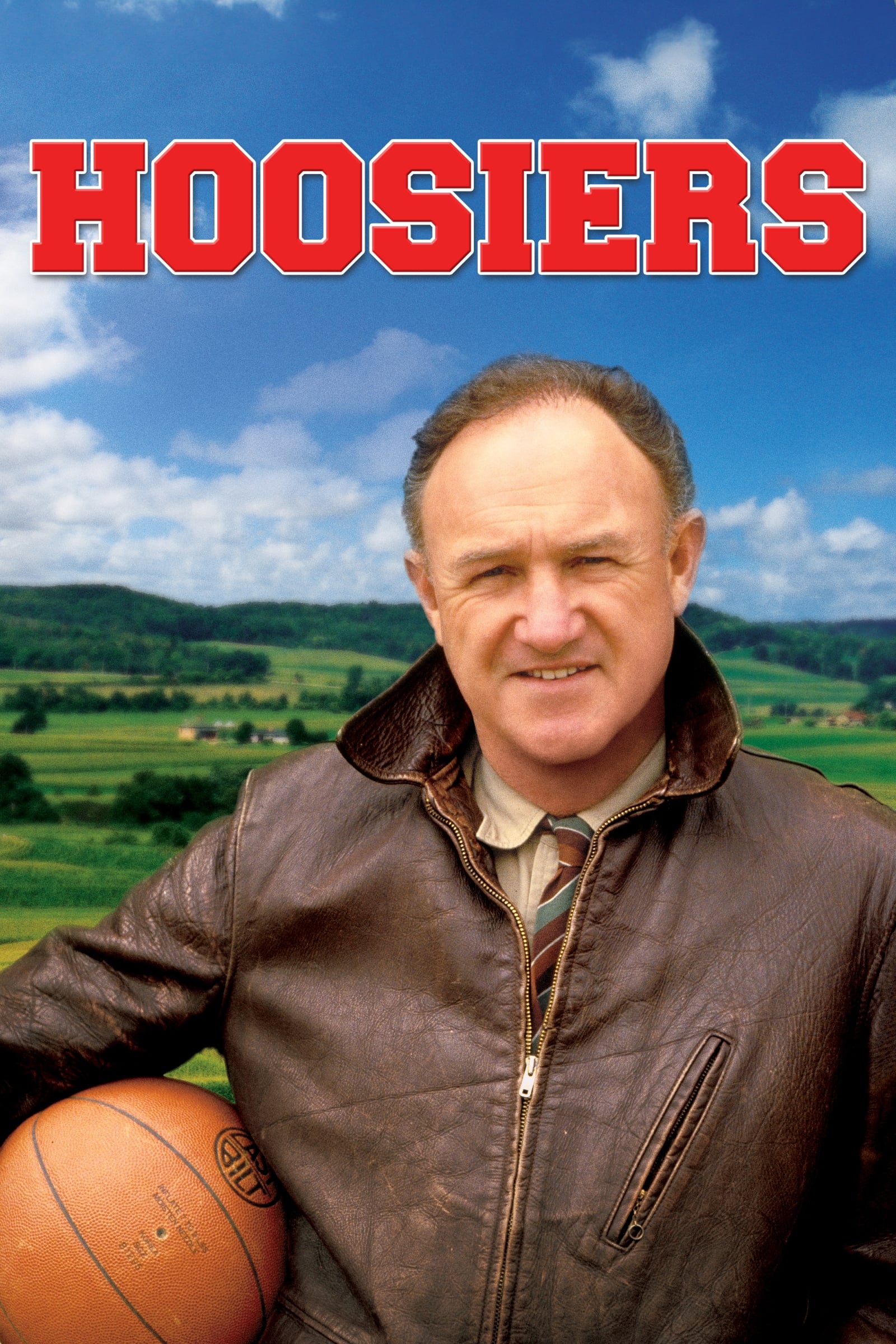
- Switch sports to basketball, since redoing soccer would be sacrilegious, and set it in World War III: Red Dawn meets Hoosiers. — Bill Simmons
- LeBron as Pele; jokes about Maverick Carter, Russell Westbrook changing teams, and Gene Hackman as Popovich. — Bill Simmons


In the discussion (5)
Approx. transcript time · 01:05:06Read transcript
- There are arguably three movies (the military-government thriller, Connery's and Cage's), but by the Judd Nelson standard Ed Harris is in a completely different movie because he takes it so seriously. — Chris Ryan
- Harris plays it like an Oliver Stone sequel to Platoon, without an Alan Rickman or John Lithgow gleam, entirely straight; not certain that was right, but memorable. — Chris Ryan
- Pushback that the core three were praised all along draws the reply that Harris is liked, just in a different movie, unlike Gene Hackman's quirks in Crimson Tide.
- Counterpoint: an obvious villain would make a different film; the story rests on the bluff, which Connery reads ("he's a soldier, he's not a madman"). — Mina Kimes
- The core three are rated more like Westbrook, Beale and Bertons, with a Chris Bosch comparison retracted, while Harris is called amazing. — Mina Kimes
In the discussion (4)
Approx. transcript time · 00:59:55Read transcript
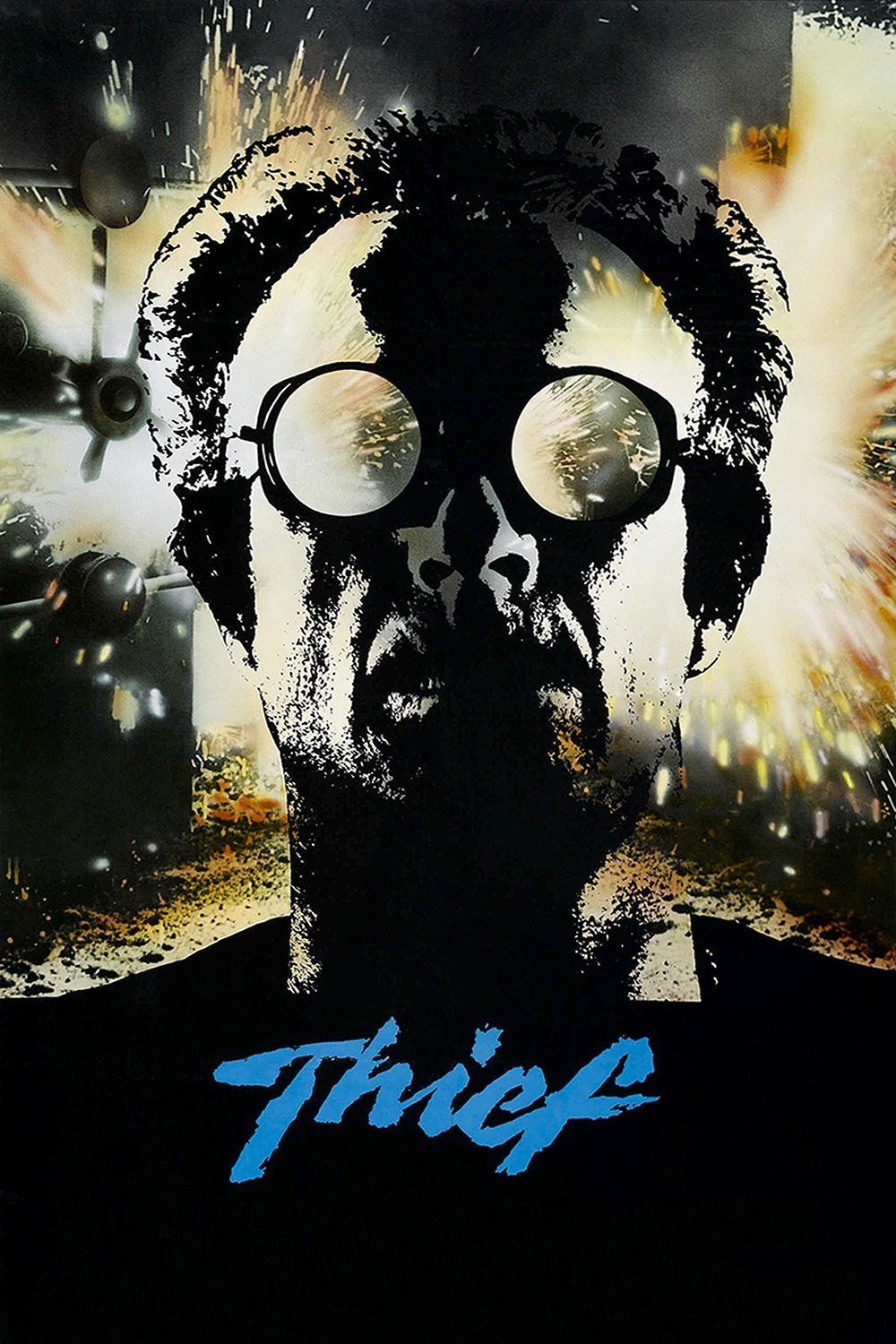
- Jeff Bridges was Mann's choice for Frank but the studio rejected him as too young and not experienced enough to be a hardened criminal; he is judged too sweet and not tough enough. — Bill Simmons
- Gene Hackman and Roy Scheider were reportedly considered; Hackman is too close to past roles, while Scheider would have been an all-in choice. — Bill Simmons
- Mann originally planned a Chicago blues score but switched to Tangerine Dream for more pulse, returning to blues and jazz in Collateral's Miles Davis scene. — Bill Simmons
- The original title was Violent Streets, judged too on the nose.
Casting What-Ifs
Steve McQueen; Kris Kristofferson; Gene Hackman; Robert Duvall; Lee Marvin; Kirk Douglas
In the discussion (6)
Approx. transcript time · 00:53:46Read transcript
- The film was nearly made in 1975; producers wanted Steve McQueen, then judged him too old, and considered Chris Christopherson before it went into turnaround. — Bill Simmons
- Gene Hackman and Robert Duvall turned down the Teasle role. — Bill Simmons
- Hackman would lift the movie a level, but then he might not do Unforgiven; Dennehy is judged the better outcome. — Bill Simmons
- Duvall would have been good, but Dennehy's use of his body mattered. — Bill Simmons
- Lee Marvin turned down Troutman; Kirk Douglas was hired and quit over a script dispute, with an uncertain story that he wanted Troutman to become Rambo. — Bill Simmons
- Crenna, hired within 24 hours, is preferred to Douglas for enjoying every line. — Brian Koppelman
Who Won the Movie?
Gene Hackman (two votes); Luke Wilson (one)
In the discussion (5)
Approx. transcript time · 01:34:20Read transcript
- The first participant jokingly says the audience wins before choosing Gene Hackman. — Andy Greenwald
- The second participant chooses Luke Wilson and calls him the film's beating heart. — Andy Greenwald
- The third response chooses Gene Hackman for a master performance appreciated even more after his retirement. — Andy Greenwald
- The closing Hackman case weighs the romantic image of retirement against his later Welcome to Mooseport role and naval-thriller writing. — Andy Greenwald
- The final tribute says Hackman's performance in this movie will endure. — Andy Greenwald
Podcast choices
- Speaker not identified
- Gene Hackman
- Speaker not identified
- Gene Hackman
Half-Assed Internet Research
Locations, literary and film influences, announcer voices, cast scheduling, Hackman's behavior, Bill Murray, the real house, period products, and Margot's cigarettes
In the discussion (17)
Approx. transcript time · 01:17:46Read transcript
- The address 111 Archer is a real Harlem location near 144th Street. — Chris Ryan
- Royal's unnamed hotel is represented by the Waldorf Astoria. — Chris Ryan
- The film presents itself as an adaptation of a book that never existed, including visible page turns. — Chris Ryan
- The discussion cites Louis Malle, the French New Wave, and Orson Wells among the film's influences; other names in the segment are sensitive to transcription errors. — Chris Ryan
- The Magnificent Ambersons is identified as an especially strong influence on The Royal Tenenbaums. — Chris Ryan
- Wes Anderson and Andrew Wilson voiced the announcers during Richie's tennis collapse. — Chris Ryan
- An internet claim says Danny Glover, Luke Wilson, and Owen Wilson declined Ocean's Eleven roles to appear in this film; the speaker explicitly labels the claim uncertain. — Chris Ryan
- The shoot was arranged around the cast's limited availability. — Chris Ryan
- Gene Hackman was reportedly combative on set, with a possibly apocryphal story that Bill Murray confronted him. — Chris Ryan
- Bill Murray's small performance is praised for understanding Anderson's tone and elevating limited screen time. — Andy Greenwald
- Murray is described as difficult to contact because he works without a conventional agent. — Andy Greenwald
- The production found the real house after foreclosure and rented it before the buyer renovated it. — Andy Greenwald
- The reported rent equaled what the buyer had paid for the house. — Andy Greenwald
- Recognizable New York places and real products remain visible even inside the film's carefully designed world. — Andy Greenwald
- Chas's office uses real iMacs, and Royal shoplifts gummy bears rather than genericized products. — Andy Greenwald
- Margot's cigarette brand is reported as an Irish brand discontinued in the late 1970s or 1980s. — Andy Greenwald
- The participants joke that Margot's brief smoking style anticipates vaping. — Chris Ryan

In the discussion (6)
Approx. transcript time · 01:11:26Read transcript
- Ben Stiller is the initial and final winner. — Andy Greenwald
- Gwyneth Paltrow is proposed as an alternate because she makes an active choice in every moment, even while doing very little. — Andy Greenwald
- The participants clarify that Paltrow's nomination is praise, using Al Pacino's Vincent Hanna as the category's positive model. — Chris Ryan
- Anderson's centered compositions, limited close-ups, and concern for movement constrain conventional overacting. — Andy Greenwald
- Stiller operates at a different frequency from the rest of the cast but makes that intensity work.
- The board-game-closet confrontation with Hackman is the main example of Stiller pushing the performance.
Casting What-Ifs
Gene Wilder and Michael Caine were considered for Royal before Gene Hackman accepted the role.
This discussion recalls a choice from an earlier episode.
In the discussion (6)
Approx. transcript time · 01:04:50Read transcript
- Gene Wilder is reported as a candidate for Royal Tenenbaum. — Andy Greenwald
- Michael Caine is described as the second choice after Hackman resisted the part. — Andy Greenwald
- Hackman objected to a role written for him, a three-month commitment, and scale pay. — Andy Greenwald
- Hackman accepted after learning that the production had turned toward Caine. — Andy Greenwald
- The participants think Caine could have been good but that his casting would create a completely different movie. — Andy Greenwald
- Anderson's early family drawings included other unidentified actor ideas that cannot be recovered from the transcript. — Andy Greenwald
What’s Aged the Worst?
Royal calling Henry “Coltrane”
In the discussion (11)
Approx. transcript time · 00:55:56Read transcript
- Margot and Richie's romance is initially flagged because they were raised as siblings, although the movie emphasizes that she is adopted and avoids showing a sexual relationship. — Andy Greenwald
- On rewatch, one participant feels less troubled by the romance than memory suggested because the movie leaves it unresolved. — Andy Greenwald
- The film's childlike treatment of sex and romance is compared with Rushmore and Moonrise Kingdom. — Andy Greenwald
- Making the romance more explicit would turn the film into something closer to The Dreamers, which the participants reject as a fit. — Andy Greenwald
- The Charlie Rose-like interviewer groping Margot now reads as an unsettlingly accurate dark detail. — Chris Ryan
- Royal's racial language toward Henry, especially calling him Coltrane, interrupts one participant's modern rewatch. — Andy Greenwald
- The discussion places Royal's speech in Anderson's affection for Hackman's 1970s roles while still rejecting the line as cute complexity. — Andy Greenwald
- The wedding climax is criticized as a slapstick collision of plot lines after the emotional climax in Margot and Richie's tent. — Andy Greenwald
- The staging of Eli's crash and the dog in the wedding sequence is considered awkward and overcomplicated. — Andy Greenwald
- The emotional release of Chaz telling Royal he has had a rough year partly redeems the ending. — Andy Greenwald
- The final explicit answer is Royal calling Henry Coltrane. — Chris Ryan
Most Rewatchable Scene
Margot’s background-file montage (one participant’s final choice)
In the discussion (17)
Approx. transcript time · 00:37:11Read transcript
- The pre-credit character introductions establish the family through a stylized montage before the plot begins. — Chris Ryan
- Royal's blunt response to Margot's childhood play is funny because he refuses to soften his criticism for a child.
- Margot meeting Richie at the pier is elevated by Nico's version of These Days and the slow-motion entrance. — Chris Ryan
- Royal's first secret meeting with Ari and Uzi is praised for his awkward introduction and inappropriate compliment about their mother. — Chris Ryan
- Richie's tennis collapse uses the announcers and seventy-two unforced errors to make his emotional breakdown visible. — Chris Ryan
- Every Eli Cash scene is considered rewatchable, including the mescaline introduction and his affected novelist persona. — Chris Ryan
- The montage of Royal and his grandsons scrapping, yelling, and mixing it up is a principal repeat-watch choice. — Chris Ryan
- Henry exposing Royal's fake cancer through tic tacks and cheeseburgers is singled out. — Chris Ryan
- Richie confronting Royal outside the house leads to the exchange that Royal was never dying but is going to live. — Chris Ryan
- Royal's confession to Etheline changes rapidly from a false death claim to a request for time, making the scene uncomfortably funny. — Andy Greenwald
- Hackman and Angelica Houston play the confession in a wide shot without relying on close-ups. — Andy Greenwald
- The Margot background-file montage is praised for combining exposition, visual detail, the private investigator, and Bill Murray's deadpan response. — Chris Ryan
- Richie's suicide attempt is called the most affecting scene Wes Anderson had shot, even though one participant does not find it casually rewatchable. — Andy Greenwald
- Elliott Smith's Needle in the Hay makes the suicide sequence especially difficult and powerful. — Andy Greenwald
- Margot and Richie's tent conversation is selected as an exceptionally tender moment. — Andy Greenwald
- The opening montage is praised for introducing a large unfamiliar world without the drag associated with long television introductions. — Andy Greenwald
- Margot's background-file montage becomes one participant's final choice because of its effortless style, detail, exposition, and Ramones song. — Chris Ryan
In the discussion (4)
Approx. transcript time · 00:29:48Read transcript
- The film was nominated for Best Original Screenplay at the 2002 Oscars. — Chris Ryan
- Gene Hackman won a Golden Globe for playing Royal Tenenbaum. — Chris Ryan
- The episode states that Roger Ebert gave the film three and a half stars. — Chris Ryan
- The stated score is summarized as evidence that Ebert was a fan of the film. — Chris Ryan
In the discussion (4)
Approx. transcript time · 01:00:14Read transcript
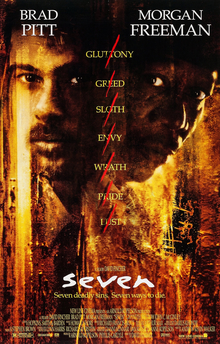
- Washington reportedly rejected Mills as too dark and later regretted it. — Bill Simmons
- The Stallone claim is doubted; Duvall and Hackman are reported Somerset alternatives, and Pacino reportedly chose City Hall.
- Kilmer as John Doe is enthusiastically imagined after a reported rejection; a Chechik directing attachment is questioned. — Bill Simmons
- The claim that del Toro rejected the film as too dark is treated skeptically. — Bill Simmons
Displaying discussions 37 - 48 of 76 in total
Films in the archive
Crimson Tide
1995
Downhill Racer
1969
Enemy of the State
1998
Hoosiers
1986
No Way Out
1987
Superman
1978
The Conversation
1974
The Firm
1993
The Package
1989
The Poseidon Adventure
1972
The Replacements
2000
The Royal Tenenbaums
2001