Most Rewatchable Scene begins with young Adonis’s opening encounter with Mary Anne, praising a scene that works better than expected. — Bill Simmons
The opening adoption scene is essential to explaining Adonis’s feelings; the unclenched fist and title reveal are praised.
The Andre Ward car-key-bet fight is nominated, though watching Donnie beaten makes one host sad; Van compares it to humbling real boxing encounters. — Van Lathan
Donnie meeting Rocky at Adrian’s is praised for Stallone gradually recognizing Apollo’s son and the time-is-undefeated line. Rocky diminishing his own victories to honor Apollo reframes the franchise mythology.
Rocky says Apollo won their private third fight. Bill doubts whether he is sparing the son’s feelings; Van thinks Apollo probably won. The uncertainty remains unresolved. — Bill Simmons
Donnie moving into Paulie’s room leads to a scene using Stallone’s real son’s photograph; the hosts praise his visible emotion and report Coogler persuaded him to include it. Paulie’s absence and missing robot prompt jokes. — Bill Simmons
The uninterrupted Leo–Donnie fight is nominated; the panel names its cinematographer and reports thirteen takes with the eleventh used. — Bill Simmons
The two-round fight is praised as a culmination of boxing cinema, immersive proof of Jordan’s credibility and Coogler’s action ability. Its tie-ups and counterpunches feel more realistic than the Rocky-style finale; the camera’s move from Rocky’s instruction to the knockout is admired.
The Baby Creed confrontation with Tone Trump is a scene nominee, called a characteristically Philadelphia escalation between two easily offended men. Van had invited the rapper to attend. — Van Lathan
Van interprets Tone Trump and Bianca as former sexual partners; another host offers past flirtation without consummation as an alternative. Familiarity is agreed but sexual history remains speculation; a joint music track is imagined. — Van Lathan
A provocative joke links Bianca’s hearing loss to gunfire; the panel asks whether Baby Creed is insulting and suggests Adonis was primed to take offense.
The jailhouse reconciliation and its absent-father monologue are nominated, linked to the mirror-training advice. — Bill Simmons
The bikes-and-ATVs training montage is a thrilling modern counterpart to Rocky’s runs. Its Meek Mill music is framed against the 2015 Drake feud and explicitly wins the needle-drop category.
The press conference, Conlan’s false-Creed taunt, the trunks from his mother, Rocky’s pre-fight speech, Tupac’s Hail Mary and Conlan’s entrance are praised. — Bill Simmons
Adonis shadowboxing while watching his father’s footage is nominated as an image of wanting to become Apollo. — Van Lathan
The final fight is nominated, especially round two and the late corner exchange about not being a mistake. Rocky’s love and renewed will to fight his illness lead into the deliberately withheld Rocky theme; the implausibly timed finish is enjoyed with objections deferred. — Bill Simmons
The final museum-steps exchange about seeing one’s life is nominated.
Chris chooses the Meek Mill training montage and adds the cheesesteak first date as a particularly Philadelphia scene; the date also wins the food award.
Van favors the father-film shadowboxing and training montage; the recreated 24/7 fight promotion also impresses. Another final choice is the montage. Liev Schreiber’s narration and his Hard Knocks appearance prompt a tangent.
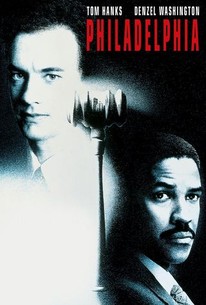
Most Rewatchable Scene: the opening Philadelphia montage and Springsteen song, with documentary-like camera interaction. Chris calls it a possible opening-credits Apex; Bill ranks the song among Springsteen’s best, and Wesley compares the montage to local Action News.
The opening direct-to-camera Hanks–Washington confrontation is recalled as a scene nominee. — Wesley Morris
Apex: Denzel rejected; Hanks’s adjacent early 1990s plateau is discussed with Forrest Gump preferred. Demme is affirmed after comparison with Silence of the Lambs; Banderas’s earlier Spanish/art-house career is preferred.
Apex affirms direct-to-camera dialogue, Springsteen’s use in film and evil Robards. Gay 1990s films and Philadelphia films are rejected; cartoon homophobia faces a Talented Mr. Ripley alternative, and the fictional Stallion Showcase prompts a joke rather than a clear award.
Chris chooses Andy’s promotion scene for Demme’s unsettling head-on framing and authentic wood-paneled club culture, compared with Trading Places’ banquet sequence. — Chris Ryan
Aged best: Hanks and Banderas’s authentic relationship scenes despite the thin Miguel role; Hanks’s Oscar speech inspiring In & Out. — Bill Simmons
Aged best: the awkward aftermath of the opera scene as Joe leaves rather than a sentimental fade. Wesley questions how much Andy’s solitude is actually shown, again connecting the perspective to Joe.
Joe’s hesitation on the stairs after leaving Andy is praised as an actorly moment; possible concern for his vulnerability is offered, while Wesley explicitly denies suggesting a sexual return. — Wesley Morris
Aged best: the family, the reuse of Demme actors such as Charles Napier, Philadelphia’s wealthy-club culture, period fear of lesions, and Andy briefly glimpsing his possible future in a dying patient. — Bill Simmons
Andy’s theater mustache and stubbled baseball-cap appearance prompt appreciation of Hanks’s looks and a teasing callback to Wesley’s earlier celebrity attractiveness opinion. — Wesley Morris
Aged best: jury deliberations reverse expectations about the apparent conservative juror, and the verdict reactions work. Robards’s villain and Joanne Woodward’s mother are praised. — Bill Simmons
Aged best: Springsteen’s award sweep is compared with Carly Simon’s Working Girl song; Robert Ridgely’s presence inevitably recalls his Boogie Nights character. — Bill Simmons
Most Rewatchable Scene: the opening Philadelphia montage and Springsteen song, with documentary-like camera interaction. Chris calls it a possible opening-credits Apex; Bill ranks the song among Springsteen’s best, and Wesley compares the montage to local Action News.
The opening direct-to-camera Hanks–Washington confrontation is recalled as a scene nominee. — Wesley Morris
Andy’s brief call to his mother is praised for efficiently revealing illness, severity, openness and her suppressed grief. — Chris Ryan
The senior-associate promotion scene contrasts the old-boys celebration with scrutiny of Andy’s forehead lesion. — Bill Simmons
Andy asking Joe to represent him is praised for Joe’s fearful reaction and attention to touched objects, the firing flashback, and Andy’s devastated stillness after rejection. One host calls it his favorite. — Bill Simmons
The library discrimination scene, with Tracey Walter’s librarian and Joe joining Andy’s legal research, is nominated. — Bill Simmons
Dr.J’s cameo and the partners’ subsequent villainous strategy conversation are nominated; Robards’s full commitment is admired despite caricature.
Opening arguments and the courtroom material are praised, especially Steenburgen’s repeated fact formulation and Denzel’s speech. — Bill Simmons
The Maria Callas opera scene is nominated and initially awarded Great Shot Gordo for the overhead camera and red lighting. Wesley objects to red’s association with hell for a gay character; Bill reads passion for life instead.
Andy’s testimony about excellent lawyering and justice, the flashback to office jokes, and the attack on his sexual history build to the lesion reveal. — Bill Simmons
The lesion scene is considered manipulative but effective: Wesley weighs its audience and warning function, while Chris sees a strong courtroom tactic. Wheeler’s testimony is another nominee. — Wesley Morris
The hospital farewell, the oxygen-mask gesture, individual family goodbyes and Neil Young ending are praised as exceptionally sad final minutes. — Bill Simmons
Wesley chooses Joe’s private conversation with his wife about gay acquaintances. His confident tirade, apron, bottle and food feel lived-in, and learning his attractive aunt is lesbian punctures his certainty.
Chris chooses Andy’s promotion scene for Demme’s unsettling head-on framing and authentic wood-paneled club culture, compared with Trading Places’ banquet sequence. — Chris Ryan
Bill chooses Dr.J’s cameo, with Andy asking Joe to take the case as runner-up. — Bill Simmons
The closing review finds the crash extraordinarily frightening, likes the first and last 25 minutes most, and wants a middle scene with Whip flying Nicole in the small aircraft.
The closing review praises Chris’s afterlife theory for changing his interpretation, especially the congregation in white; the hosts acknowledge someone else may independently have conceived it.
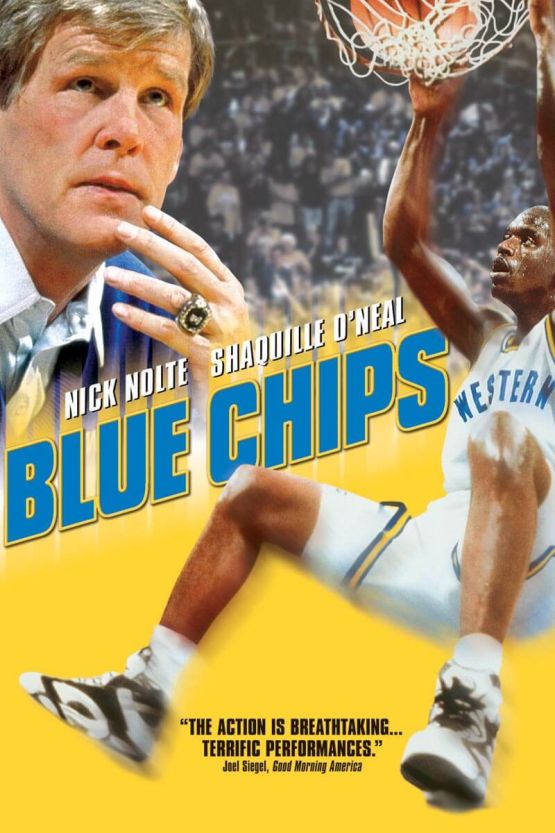
An explicitly invited CR flex questions Pete’s recruiting and coaching despite two titles: household-object demonstrations, indignation about expected payments and a simplistic defensive adjustment are criticized. — Bill Simmons
The rigid offense fails to adapt to Hardaway’s gifts; pick-and-rolls and alley-oops are suggested instead of forcing players into the system. — Van Lathan
Poor conditioning compounds the lack of tactical sophistication. — Bill Simmons
The explicitly invited CR flex chooses either the hotel explosion and collapsing room or being hit by an Oldsmobile while shopping in the mall. — Chris Ryan
The mother framed in the doorway as the car approaches, followed by her collapse onto the porch, is a selected cinematic image. — Chris Ryan
The men walking across the field and heads appearing over the hill are offered as other striking compositions. — Chris Ryan
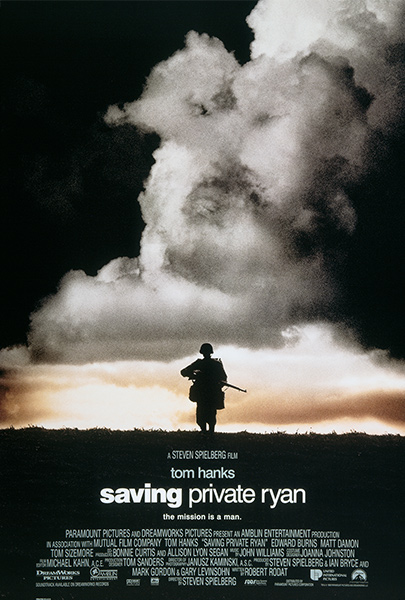
The wide shot of the men on the steps listening to the record player, apart from Hanks and Damon, is praised as poster-like. — Chris Ryan
A soldier surviving a shot that hits his helmet, removing it, and then being shot in the head is singled out as a brutal visual moment. — Sean Fennessey
The intricate handheld battle shots are praised for coordinating several moving actions within one shot. — Sean Fennessey
The tank crossing the opening in the final battle visually shows that the planned defense must change without explanatory dialogue. — Sean Fennessey
The underwater imagery during the landing is praised, including the realization that soldiers can be shot underwater. — Bill Simmons
Displaying flex picks 37 - 41 of 41 in total
From other episodes
Sourced picks from episodes not yet fully included in the archive.