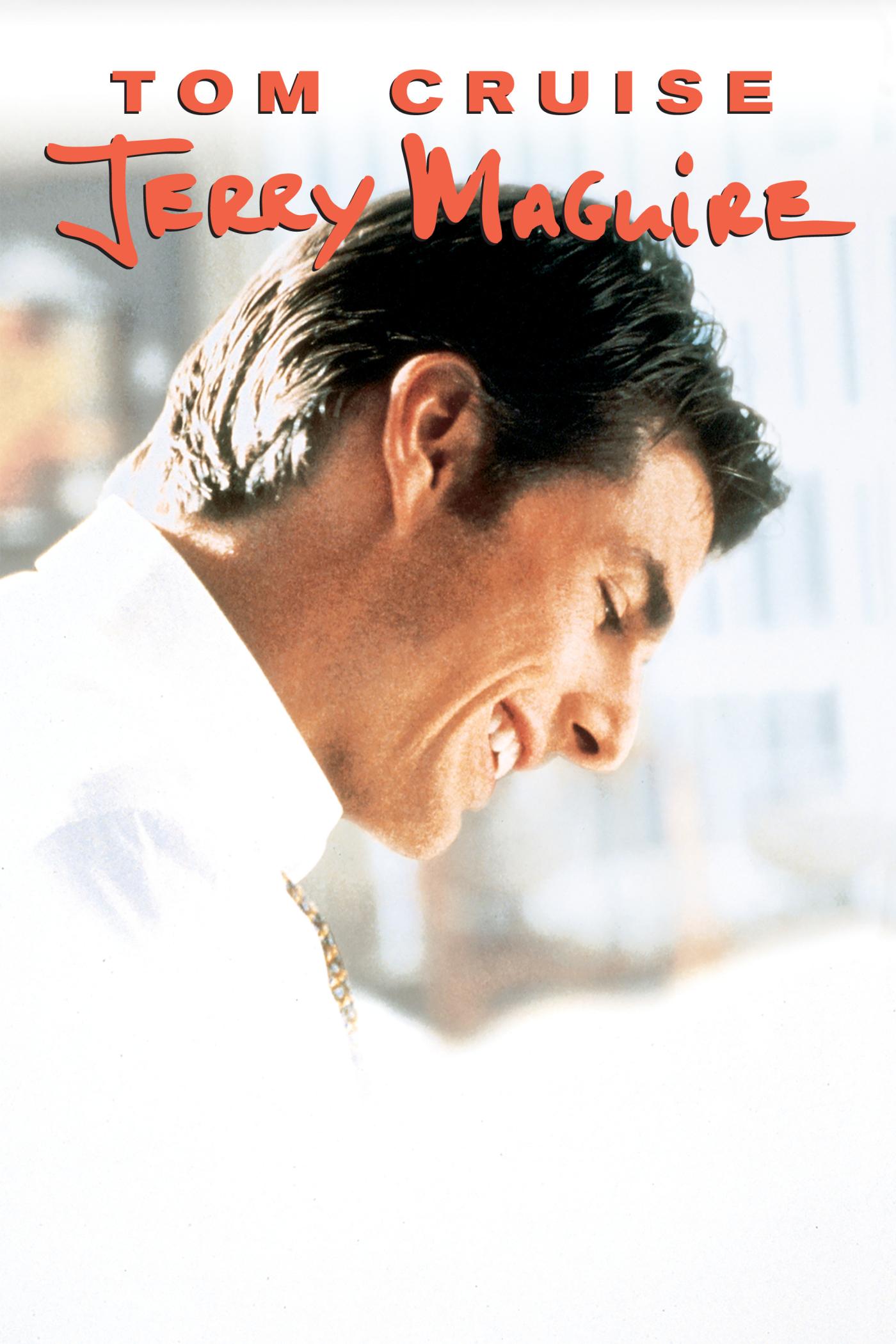
Twenty script drafts are credited with deepening characters; Rod's brother saying he was too small for the NFL while he lies injured is praised as painfully accurate envy within a family.
Crowe is praised for lingering on faces, including Dorothy during the Springsteen cue and her concealed delight at Jerry's breakup; the latter drew a large theatrical response, but Sean's wife still rejected the desperation.
James L. Brooks reportedly supplied a Gary Wichard/Brian Bosworth photo as an inspiration. The discussion links Leigh Steinberg’s departing partner to the agent rivalry, naming an agent rendered “Drew Rosenbaum” in the transcript; that identity is unresolved. — Bill Simmons
The mission statement reportedly drew on Jeffrey Katzenberg's 1991 Disney memo; DreamWorks is jokingly compared with Rod as the successful aftermath. — Bill Simmons
Crowe, Brooks and cinematographer Janusz Kamiński are credited; a childhood classroom photo essay by Kamiński is recalled. The film received five Oscar nominations and Gooding won supporting actor. — Bill Simmons
Rod's touchdown, dance and postgame press conference are nominated. Cruise reportedly supplied one script note asking where Jerry was during the celebration so he could build toward the ending, leading to his run onto the field. — Bill Simmons
Jerry's return and the You complete me/You had me at hello exchange introduce the final scene nominee. — Bill Simmons
A deleted four-minute Mohr telephone sequence is praised as a near-continuous performance across numerous clients, though too long for the finished film. — Bill Simmons
Aimee Mann's Wise Up was reportedly recorded for Jerry Maguire but judged not to fit, then used in Magnolia. — Bill Simmons
The film is described as the biggest-selling non-Disney VHS title, with over three million copies in its first week. — Bill Simmons
Lipnicki reportedly arrived on set with the human-head fact, which Crowe added to the film. — Bill Simmons
Rod's knockout hit reportedly required 29 takes and three stunt performers; Regina King was reportedly pregnant during filming. — Bill Simmons
Crowe reportedly regarded agents' disbelief at Jerry finding a conscience as confirmation that the story's theme was right. — Bill Simmons
Two 2017 mockumentaries reportedly imagined Cushman retiring after four years with athlete's foot, Rod rejecting a richer deal without quan, and adult Ray opening a boxing gym. The real 1995 Christmas Cardinals–Cowboys game ended Dallas 37–13, with Dave Krieg interceptions and Aikman passing for 350 yards recalled. — Bill Simmons
The opening road confrontation and tree trip stack jokes: driving under a truck, frozen Audrey, Clark’s frozen tongue and forgetting the saw.
The parents arrive already arguing and oversharing bodily ailments, prompting family and aging-politician jokes.
Clark’s grand 25,000-light presentation repeatedly fails despite his confident dedication and requested drumroll.
The lights finally work through the overloaded extension-cord setup, and Eddie’s surprise arrival escalates the scene with Ruby Sue’s crossed-eye story, Rocky’s fungus and Snot’s ailments. — Bill Simmons
Eddie silently loading dog food into the shopping cart while Clark pays is a favorite visual gag.
Clark and Eddie’s living-room talk combines the odd sweater/turtleneck outfit, dog-humping advice and Clark’s offer to abandon him; the absurd lubricant sledding sequence remains enjoyable. — Bill Simmons
Eddie’s replaced head plate and live-bait-business talk add to his bizarre character. Quaid’s later public behavior is debated as either harmful knowledge or an uncanny extension.
Eddie’s missing money, preacher/hockey-player reference and misunderstanding about buying his children gifts are admired.
The dry-turkey Christmas dinner, continued chewing and the gelatin mishap supply favorite food gags. — Bill Simmons
Clark’s lost-bonus rant wins Sean’s vote and is called Chase’s best film moment. Stories of improvisation with cue-word cards are relayed as rumor.
The shared nominee list is supplemented by Clark’s fumbling sexual attraction at the lingerie/perfume counter, observed by Rusty.
The immediate drum-and-Fletcher opening is a scene candidate; the film's relentless escalation provoked a physically tense first viewing, with romantic scenes providing rare pauses. — Sean Fennessey
Fletcher humiliating and expelling the Happy Meal student is nominated for establishing him as monstrous.
The rushing-or-dragging confrontation is a leading scene candidate and the performance's iconic moment; specialized musical language becomes instantly understandable rather than alienating.
Simmons and Teller reportedly agreed to real slaps after staged versions, and the genuine take was used; Simmons's commentary enjoyment is recalled. — Bill Simmons
The family dinner is nominated for Andrew's contempt for Division III football and preference for lasting musical greatness over a long, comfortable anonymous life.
Chazelle reportedly filmed the threatened dinner scene first, adapting a Lumet tactic to motivate the cast and keep it from being cut. — Sean Fennessey
The joke about the film destroying Carleton football is hyperbole. — Bill Simmons
Fletcher's apparent grief over Sean Casey's reported accident, followed by hours of rotating drummers, is another scene candidate.
Andrew losing his seat to Connolly, breaking up with Nicole and then fighting to earn his place forms an admired stretch. — Sean Fennessey
Fletcher's alternating charm, replacement threats and abuse makes Andrew's unraveling more than simple harsh coaching; it resembles deliberate psychological manipulation. — Sean Fennessey
The sudden car crash and Andrew arriving injured are scene candidates, with a tangent comparing professional performance while sick or exhausted. — Bill Simmons
The jazz-bar conversation encapsulates Fletcher's philosophy that praise prevents greatness; its apparent reconciliation becomes a powerful setup for another betrayal. — Bill Simmons
The ending is one final scene choice, with the jazz-bar conversation its runner-up. — Bill Simmons
Andrew's return to Fletcher resembles an abusive relationship. — Sean Fennessey
The public setup strains credibility but creates extraordinary tension. — Sean Fennessey
Simmons's controlled reaction during the finale is praised over imagined overacting by other stars. — Bill Simmons
His muscular, black-clad physical presence reinforces the drill-sergeant influence. — Sean Fennessey
Rushing or dragging is the other final most-rewatchable choice; the final twenty-five minutes beginning at the jazz bar are strongly endorsed. — Sean Fennessey
The producer is directly invited, likes LA ensemble striving and asks old-versus-new adult film depiction; hosts see nostalgia and filmmaking ambition versus meaner video.
The producer is directly invited, likes LA ensemble striving and asks old-versus-new adult film depiction; hosts see nostalgia and filmmaking ambition versus meaner video.
Movie-house replica rentals proposed and liked with hypothetical cost/parties/wedding, not actual booking.
The producer is thanked for producing, full name Craig Horleback explicitly supplied and Chris Ryan/Sean Fennancy/Dylan Burkey thanked; ending-show/Viking-funeral jokes remain jokes. — Bill Simmons
Cinema doughnut shops; Ridgely; Hartley’s mainstream acting; Hoffman’s background acting; “The Touch” in movies; movies about porn; movie parties (possible); “Sister Christian” in movies; Hall
Wahlberg no; PTA personal favorite versus career power There Will Be Blood, not equated. Two second-place preferences and another first-place preference are retained; Master prior near-top relative placement uncertain.
Italian leather alternatives Montalban commercial and Sopranos jacket; cinema donut shops yes; Ridgely yes; Hartley mainstream acting yes with broader-career ignorance. — Bill Simmons
Hoffman background acting here over Magnolia; Reynolds no. Thomas Jane alternatives Hung qualified/disliked and 61 preferred. — Bill Simmons
Graham Austin Powers 2 era; West Covina yes with Crazy Ex Girlfriend alternative. Moore uncertain Hours/Still Alice corrected Oscar/Far From Heaven or this film for new access.
The Touch here over Transformers; prosthetic movie genitalia Bruno alternative; Ricky Jay maybe House of Games; movies about porn yes. — Bill Simmons
Guzman How to Make It in America hypothetical Jacoby choice, Out of Sight preferred; movie parties possibly best, Project X comparator. — Chris Ryan
Reilly no: Step Brothers or Chicago, Jerry Bus current work admired. Macy/Cheadle no. — Sean Fennessey
Side-character name Floyd: Gondoli preferred by one, True Romance Floyd another; Penn brothers question and Sean eventual the film transcribed as liquor appearance.
Ridgely emphatic yes; Sister Christian yes here, Jessies Girl original number-one release preferred; Your Love Outfield misidentification corrected; Hall yes. — Bill Simmons
Reseda location here versus Karate Kid (preferred by one), Tom Petty lyric third alternative. — Bill Simmons
Pushback: the question is who won the movie, not who made the best movie, and Leo wins it.
The Scorsese case: a $300 million movie, the two biggest movie stars playing opposite each other, and the long-awaited Best Picture and Best Director. — Sean Fennessey
Still Leo: one of the most important actors of a lifetime, who proved in two and a half hours that he could do anything. — Bill Simmons
Thought experiment: Leo needed this movie for his stretch but was already Leo; without it Scorsese likely never wins Best Picture or Director and becomes Charles Barkley.
The first 32 minutes are called unassailable: everything during the day is rewatchable until they get in the car with the guy who hits Jonah Hill and the movie shifts to night. — Bill Simmons
The opening phone call is smart and well crafted; Michael finishes the call five feet away before getting in the car, classic best-friend stuff from the call-only era before texting. — Bill Simmons
The Vagtastic Voyage debuts here, with a co-host joked to be its patient-zero, platinum-club subscriber.
Planning which porn site to subscribe to once he gets to college, including the line about who directs the porn he watches, is singled out as funny. — Chris Ryan
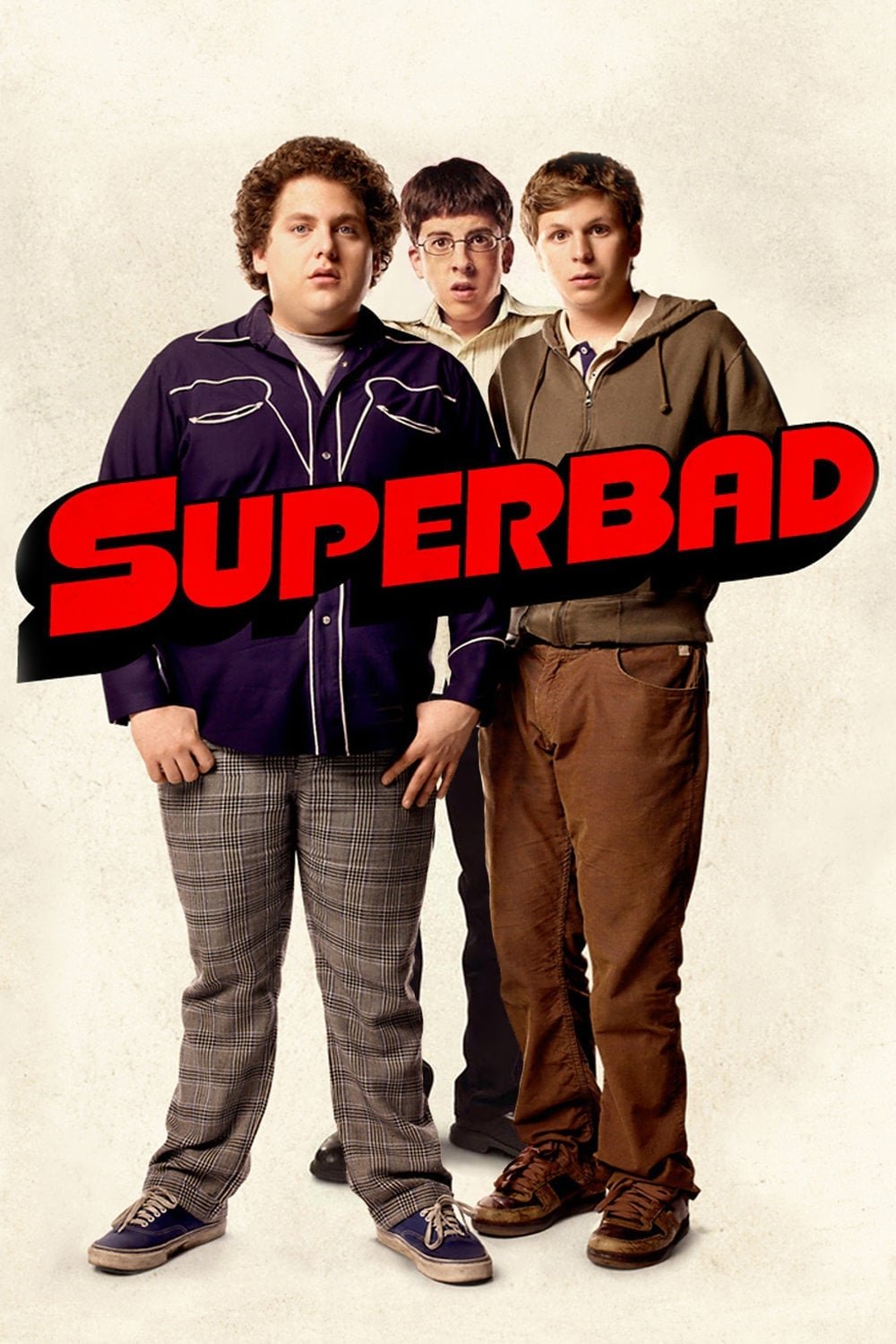
The mom cameo and the tits/teeth exchange are called very high-schooly. — Bill Simmons
A favorite comedy mode, traced to Chevy Chase, is someone doing something inappropriate behind a person who does not know; Jonah's home ec monologue about never needing to make tiramisu is the example.
The dick-drawings confession goes all in; Evan Goldberg's brother drew hundreds of them, and the Ghostbusters lunchbox treasure chest is a classic.
The driver's license scene unleashing McLovin is so funny; it was also the screen-test scene on YouTube, and Jonah's anger ("between that and Muhammad") makes it.
A Ringer piece says Jonah was mad at Mintz-Plasse, who did not care and stepped on his lines.
Seth telling Evan he got invited to the party has the most great Jonah Hill lines in two minutes: calm down Greg it's soccer, iron chef of pounding vag, Seth's own dressing, DTF.
Worked-up Jonah is compared to Chris Farley's energy; he could have done 20 more years of it and does some in Funny People. — Bill Simmons
The whole liquor store sequence could go in; the Seth dream sequence buying vodka is proposed, and at the party Seth coins the verb "perioded." — Bill Simmons
A favorite Hader scene is his bar explanation of his marriage and group sex on the wedding night, guessed to be ad-libbed; McLovin getting cockblocked by the cops, the cops generally, and the ending are also praised. — Bill Simmons
The Coke party with Kevin Corrigan's brother-from-Scottsdale speech is called the most rewatchable scene, better than Boogie Nights, with Cera singing These Eyes compared to Damian Lillard in a fourth quarter. — Chris Ryan
After an invitation to Sean, the dream sequence is chosen for Jonah's line readings such as "That would be lovely."
The stretch of McLovin buying booze, the robbery, Michaels and Slater interviewing Mindy and McLovin, the Seth-Evan lube fight and Joe Lo Truglio hitting Seth is called a favorite 15-minute stint. — Sean Fennessey
The following party scene captures the high school feeling of being somewhere with older kids where you are not supposed to be.
Agreement on the 15-minute stretch, adding the breast-reduction and "warlocks" riff and the plan to go down on her for several hours. — Bill Simmons
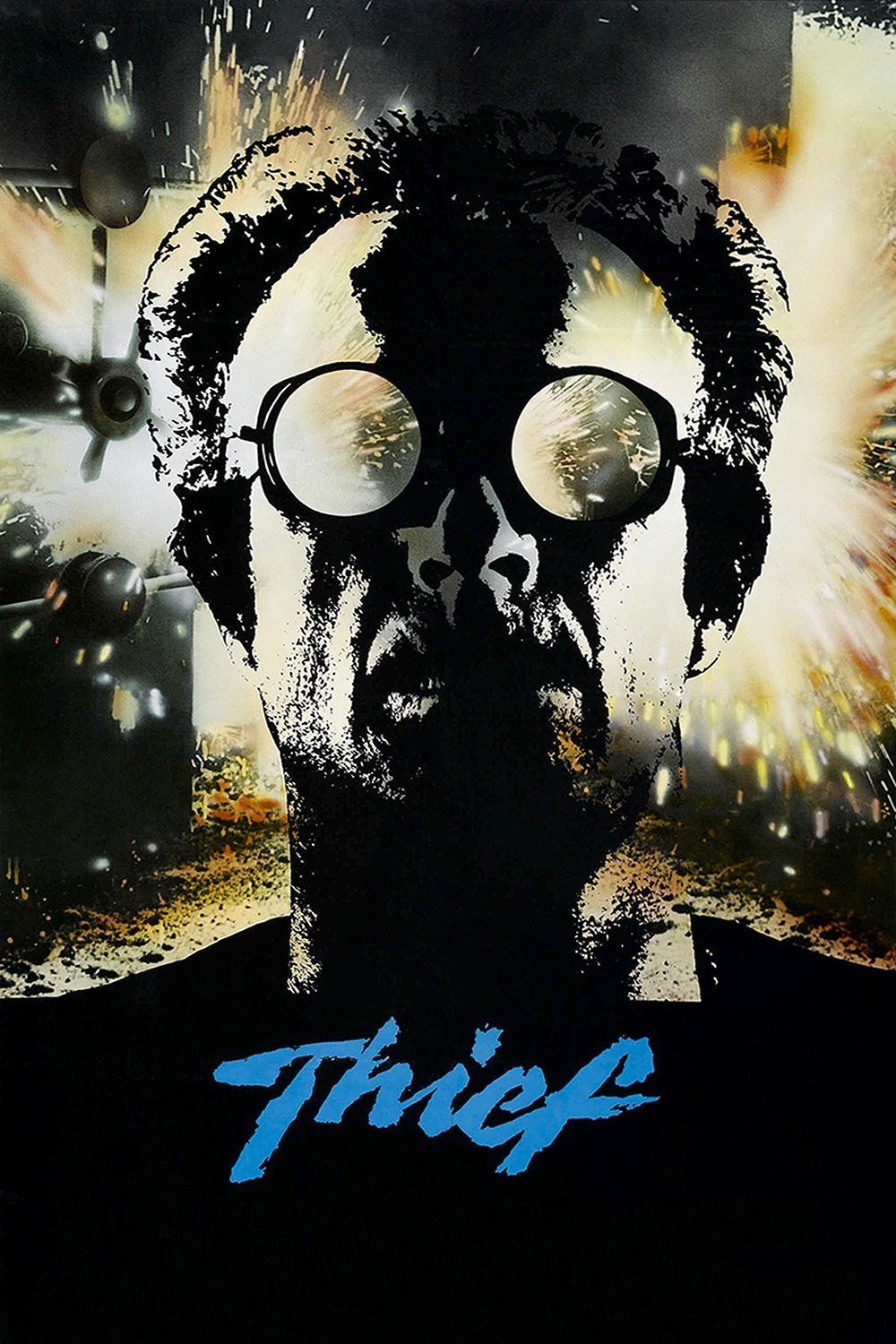
Dialogue; Tangerine Dream; Frank's collage; "I want a boy" exchange; film debuts; 1980 Caan and John Belushi in Chicago; Belushi's sideburns; Tuesday Weld; Mann's nihilistic ending
The dialogue: Mamet-influenced; per a Belushi video interview, Mann insisted the characters never speak in contractions because they are so precise; it never dumbs down the Chicago underworld lingo for criminals or cops, including the beating speech. — Chris Ryan
Tangerine Dream, fresh off Sorcerer and before Risky Business; with Vangelis and Faltermeyer they were the cool music of the early 80s. — Bill Simmons
Frank's collage of children, a car and a house he doesn't have, his jailed mentor Willie Nelson and 12 skulls; jokes about a personal collage of Sean that is now an NFT, and Mann inventing Pinterest. — Bill Simmons
Caan saying "I want a boy" and Prosky answering "Done"; the second meeting in the bar is a favorite conversation ("Wham-Bam Magic Sam"). — Sean Fennessey
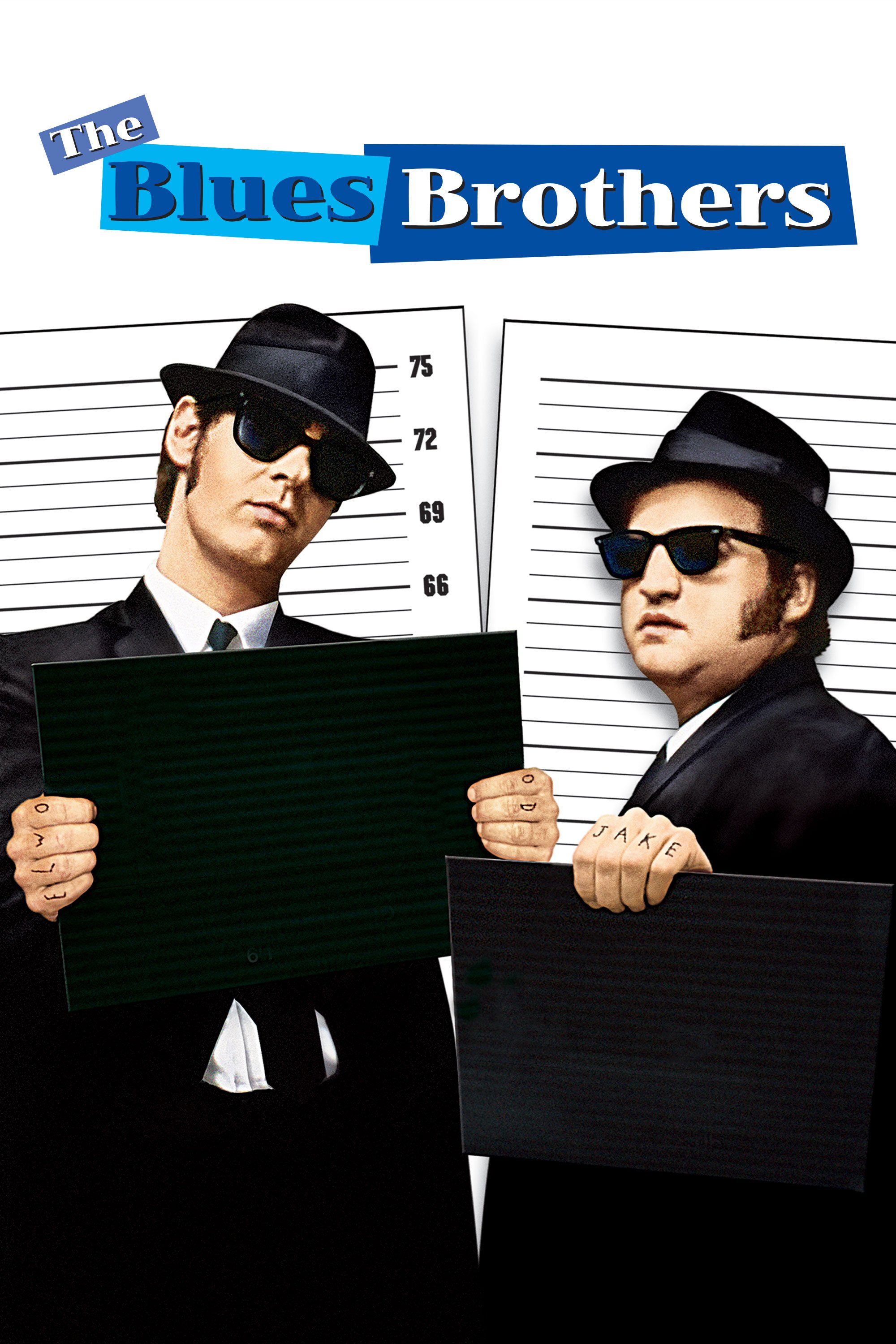
A participant saw it in a Boston theater in 1981 at 11 or 12 with his dad and was puzzled by Jim Belushi, who looked like John Belushi, then still alive. — Bill Simmons
John Belushi visited the set, and the cast and crew hung out free all night at his Blues Brothers bar in Chicago; 1980 Caan and Belushi together must have produced stories. — Bill Simmons
Belushi's sideburns were fantastic. — Bill Simmons
Tuesday Weld: Wesley approved the take that Jessica Lange market-corrected her; she is terrific and perfect here, an Oscar nominee famous from Dobie Gillis who hasn't acted in 20 years, and, with a weak Best Supporting Actress category that year, could probably have nailed that down.
These films shortchange wife and girlfriend roles, but this one gives her a big scene to come off the bench and score 22. — Chris Ryan
Mann on the final decision, from the Ringer piece: having something makes Frank vulnerable, so the nihilistic act of destroying it returns his power. — Chris Ryan
A joke about deleting the feed after the last Mann movie, with Heat as the 500th episode alongside Tom Sizemore.
A new award launched the week before on New Jack City: the Judd Nelson Award for someone who is clearly in another movie; Chris was there and Sean was not.
William Defoe seems to be in a completely different movie, generic and giving nothing interesting to say despite being a multi-Oscar nominee, like an old Law & Order episode.
A partial dissent enjoys Defoe being given nothing to do, while noting his odd introduction as a jerk to Denzel followed quickly by an apology.
Per the internet research, Spike and Defoe met in a men's room during an intermission of a Julius Caesar production with Denzel and agreed to work together, so Defoe feels shoehorned in, mainly setting up jokes.
Judd Nelson's New Jack City performance was the model, and Defoe is called a good first winner.
An explicit flex declares a three-way tie: Celine’s A Waltz for a Night, the This Time book cover and Jesse’s interview answers. — Sean Fennessey
The novel cover looks convincingly 2004, while supposed reluctance gives way to a complete next-book pitch; Hawke makes even its flawed premise enticing. — Sean Fennessey