
Film credit
Diane Keaton
Also referred to as Keaton
Stats
- Episodes featuring their films
- 4
- Movies in this archive
- 5
Rewatchables episodes featuring Diane Keaton’s films
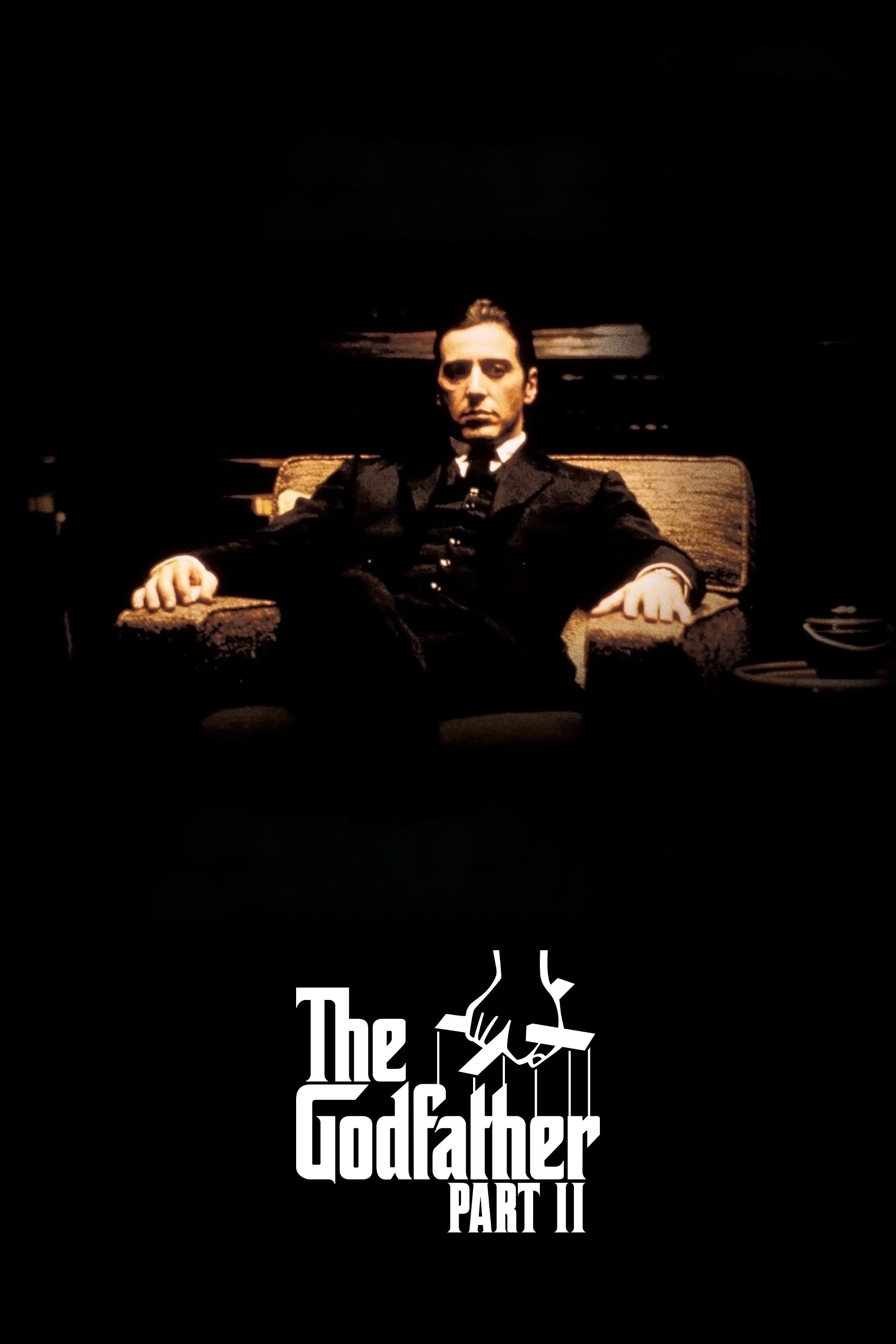
The Godfather Part II
1974 film
Bill Simmons · Sean Fennessey · Chris Ryan · Brian Koppelman
Aired December 17, 2019
Mentioned in discussions
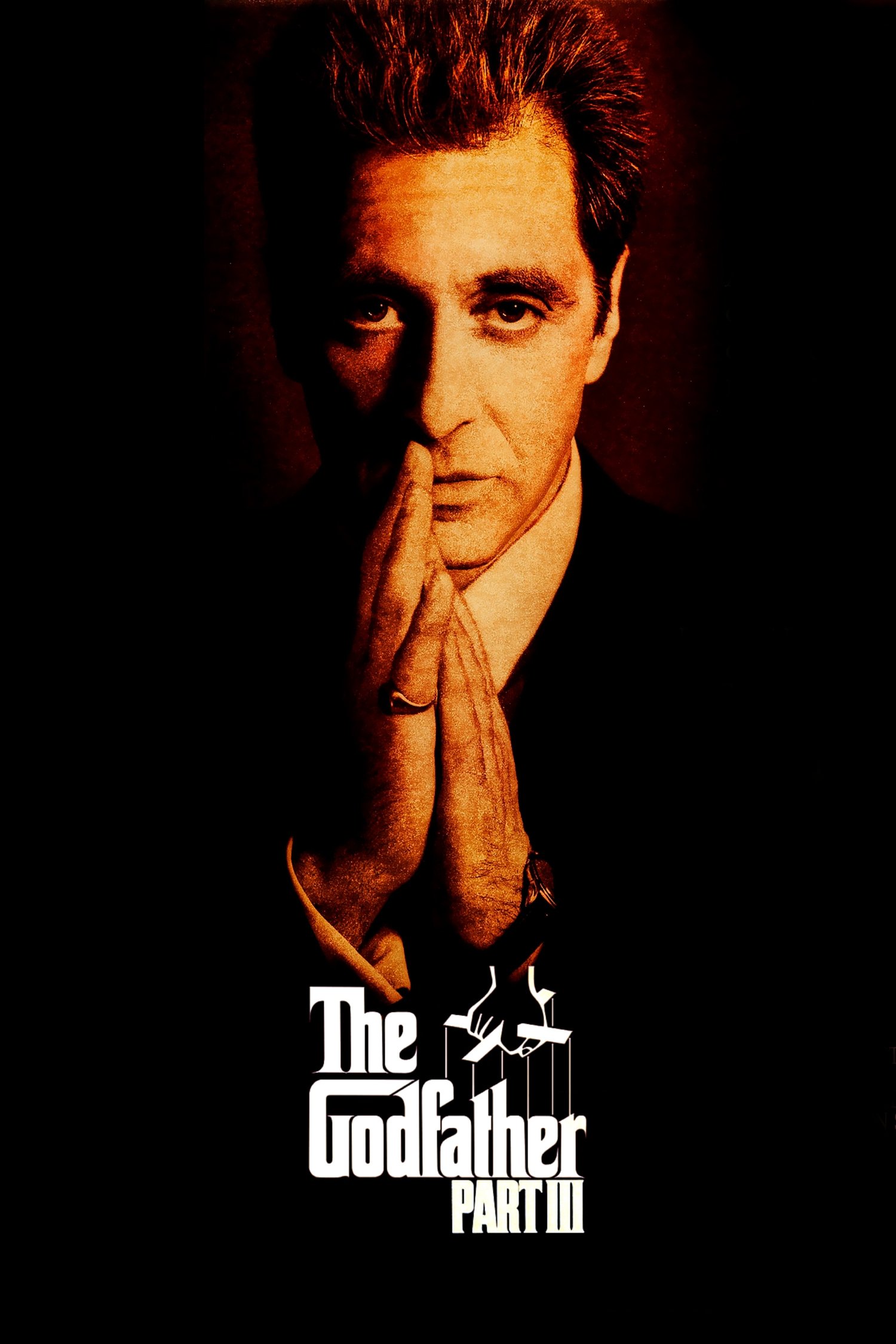

Recasting Couch
Laura San Giacomo as Mary; William Hurt in George Hamilton's role
In the discussion (10)
- A replacement for Altobello would need an Italian-American actor of the era with Sinatra-like charisma; Paul Sorvino is unavailable because of Goodfellas. — Bill Simmons
- Casting Wallach may echo the Lee Strasberg gamble, but it telegraphs the villain because he has played so many heavies.
- Dennis Farina, Mickey Rourke and John Turturro were apparently in talks for Zasa. — Chris Ryan
- David Caruso as Altobello and the Gilday actor playing every part are joked about. — Chris Ryan
- Laura San Giacomo as Mary is restated as an amazing recast. — Bill Simmons
- For George Hamilton's part the runners-up are Richard Gere, Harrison Ford and Paul Newman; Newman as Altobello is floated and welcomed as a good spitball, and Newman as Archbishop Gilday gets laughs. — Bill Simmons
- The winner for Hamilton's part is William Hurt, called a no-brainer who looks like Duvall and could be Hagen's Harvard son as the new consigliere.
- Recasting Hagen himself with Hurt is rejected as anti-recasting, and a Hagen son working for Michael is questioned given Michael's record. — Chris Ryan
- Keaton's hair is the only other recast. — Bill Simmons
- Brando as Altobello is rejected as too distracting, being much older and heavier, though The Freshman is liked.

What’s Aged the Worst?
Kay Corleone's hair; the incest plot; the gnocchi scene; the running time; George Hamilton; the villains, including Eli Wallach as Don Altobello
In the discussion (10)
- Kay Corleone's hair is mocked as a poodle perm and more a 1990 haircut than a 1979 one. — Bill Simmons
- The pushback defends Keaton and Kay: the Italy conversation is one of the great scenes and "I don't fear you, Michael, I dread you" lands. — Sean Fennessey
- The gnocchi scene is said to have aged just as badly as the incest. — Sean Fennessey
- The incest plot is the second worst thing: why not a third cousin, with Game of Thrones and Vincent's uncertain paternity raised. — Bill Simmons
- Cousin prom dates and the Wolf of Wall Street cousin line come up; the kitchen seduction scene is its own awkwardness.
- The two-hour, 50-minute running time ages worst, and George Hamilton gets another "why, why, why". — Bill Simmons
- The film has a bad-guy problem: Altobello is no match for the first film's villain or Hyman Roth, and once Zasa is gone Michael faces ineffectual old men. — Chris Ryan
- Lucchesi is introduced too late despite the "finance is a gun, politics is knowing when to pull the trigger" line and the message that the Vatican, the deal and the mafia are all connected. — Sean Fennessey
- The secret-society plot stays in the background and the characters are hard to keep apart even after several viewings, unlike the first film's cleanly set-up villain.
- Eli Wallach as Don Altobello is a miscast moved here from casting what-ifs; Sinatra almost took the part and would have brought the needed charisma.
Probably Unanswerable Questions
Did Pacino actually hit Diane Keaton?; Was Michael justified in killing Fredo?; Would Fredo have betrayed the family again?; Did this movie create the Hail Mary?; Is the chronological saga the best way to watch?; Which film uses Italy better?
In the discussion (10)
- Did Pacino actually hit Diane Keaton in the abortion scene? Actors talk that through carefully, but it looks like an accident and the most realistic punch of the 70s.
- A Rollerball episode is proposed as the first great sports movie that foreshadows the NFL, with jokes about ruining the show.
- Was Michael justified in murdering Fredo? We will never know. — Brian Koppelman
- Would Fredo have betrayed the family again? One answer is no because he seemed relieved to be back; Puzo reportedly resisted Michael killing Fredo and added waiting until the mother dies.
- Nobody in the house objects because such orders were given quietly, as in real mob books.
- An internet claim says the original script had Fredo think it was a kidnapping, which is called unforgivable and would have mirrored the first film. — Bill Simmons
- Did this movie create the Hail Mary in football? The 1975 Drew Pearson catch is cited, with Tom Landry's relationship with God and a report that the phrase came from Pearson after the game.
- Is the chronological saga the best way to watch? One view says no because the back-and-forth is essential; others enjoy the complete epic and want a Godfather channel.
- The De Niro material is called the least favorite part of the first two films, and the Sicilian opening lacks the shotgun burst of the first film's wedding.
- Which film makes you want to go to Italy more is raised and dismissed.

Most Rewatchable Scene
Senator Geary negotiation; Havana sequence; Fredo and Michael scene
In the discussion (38)
- Geary's insult and Michael's reply that his offer is nothing, not even the fee for the gaming license, show Michael has gone to another level; the line is often quoted between the hosts.
- Hyman Roth starts slowly, watching the real Notre Dame-USC game, before his Mo Greene speech about the man who invented Las Vegas.
- Michael pulling his chair close to Roth is a lesson in how men of that era learned a code; pulling a chair uncomfortably close to get the truth is called very effective in real life. — Brian Koppelman
- Strasberg, a legendary acting teacher in his first film performance, is perfectly cast as a Meyer Lansky stand-in; Coppola fills the film with figures from movie history, such as Gazzo and Roger Corman. — Sean Fennessey
- Roth is Michael's aspirational Vito figure yet lives alone in a small Miami house watching college football and eating sandwiches; a peanut-butter-and-jelly versus tuna fish mix-up is corrected. — Chris Ryan
- For Roth it is about power, not money; his "wise and considerate young man" really means Michael is a fool, and the scene plays differently on a second viewing. — Brian Koppelman
- Shirtless Roth came from Coppola meeting Elia Kazan, who declined the role but was not wearing a shirt at their meeting.
- The banana daiquiri scene shows Michael never saw Fredo as an equal; it is called the most important scene rather than the most rewatchable.
- Part II scenes grow painful, so the Geary scene is the most rewatchable, with Michael still the Michael of the first film defending his family. — Brian Koppelman
- Pentangeli drunk at the communion, blending Italian and English with "Cheech, aport," is a favorite rewatch that brings the old ways back into the room.
- The Havana sequence has Michael realizing Fredo betrayed him at the sex club, intercut with the Roth assassination going sideways. — Bill Simmons
- Roth's would-be assassin Bessetta wears one turtleneck outfit the whole film, even in Havana heat. — Chris Ryan
- The book tells how Michael recruited Rocco Lampone and Al Neri, and the Havana assassin is assumed to be a Sicilian executioner, like Furio before Furio. — Brian Koppelman
- "I know it was you, Fredo. You broke my heart," with the kiss, is called the number one movie acknowledgment of betrayal; Coppola is the master of big noisy set pieces.
- Vito killing Finucci during the festa is praised for the rooftops, the white suit to track him, the oranges, the light bulb and the towel over the gun.
- Vito bringing home a single pear after losing his job and sharing it silently with his wife is a wordless moment that brings a viewer to tears every time. — Brian Koppelman
- Themes of what comes from the earth, including oranges, the pear, olive oil and wine, are purposeful; Gordon Willis fought with Coppola over actors moving within the frame.
- In the Tahoe confrontation, Fredo could perhaps have saved himself by going straight to his brother the night of the assassination, but not by then.
- Michael banishing Fredo is almost worse than killing him; another view never felt bad for Fredo, since Johnny Ola's call proves the betrayal.
- Killing his brother is called the second-worst thing Michael does, behind having the innocent woman killed. — Brian Koppelman
- The abortion scene is defended as rewatchable and Pacino's greatest scene, rewatched almost daily; his face after "it was an abortion" is called the greatest five seconds in a movie.
- Hagen must have known about the abortion because he would know the doctor Kay went to, which contributes to Michael's anger at him. — Brian Koppelman
- A hottest take calls the abortion Kay's only good scene and Kay the worst character, dumber than Fredo; others defend Diane Keaton as a great dramatic actress and cite her other scenes.
- The abortion was Talia Shire's idea, and Coppola thanked her by adding her plea that Michael forgive Fredo. — Bill Simmons
- Talia Shire is praised as a smart actress and for looking great in Rocky 3.
- The Kay argument continues with Trump-style jokes about how many people agree.
- Vito killing Don Chitio with the 18-inch knife prompts questions about whether a knife could do that.
- Connie asking Michael to forgive Fredo ends with the hug and the menacing look to Al Neri. — Bill Simmons
- Tom and Frankie's prison scene with the Roman emperors story is called perhaps the best acting and writing in the two films, shot through the fence until Frankie is left alone.
- The scene ties to Clemenza talking about history and to Coppola's Patton script about warriors steeped in heritage, the idea that the empire ends. — Brian Koppelman
- The final three deaths are rewatchable: Roth's high-difficulty murder, Frankie in the bathtub, and Fredo killed on the lake during the Hail Mary. — Bill Simmons
- The final flashback dinner is praised; the Sonny actor returned for the same pay, while Brando did not show up and the scene was rewritten, which is judged better. — Bill Simmons
- The rug theft by Clemenza and Vito is another pick, as is the Don Roberto rent scene, with a nail in the door that the actor could not open. — Brian Koppelman
- The spaghetti scene shows Vito taking over from Clemenza.
- The Senate hearing, where Pentangeli recants after his brother appears and Hagen yells for an apology, is highly watchable.
- A final pick is the Senator Geary scene, which can be watched thousands of times. — Sean Fennessey
- Another final pick is the Havana sequence, specifically the Michael-Fredo cafe scene and the recreation of pre-revolution Havana. — Chris Ryan
- Two more picks go to a Fredo and Michael scene; whether it is Cuba or Tahoe is left unclear. — Bill Simmons

Picking Nits
A Telegraph wedding reporter owning that cottage; nobody has family at Christmas; Christmas Day and Boxing Day skipped; no vetting for the home swap; the bad-at-sex plot line; 'great' as Amanda's only adjective; Jude Law's daughters having cell phones; Jude Law too tan and too available; Iris's frumpy tan wardrobe; no rain, only snow; Santa Anas in December; the red bikini; the airport drive on the PCH; the driver who stops short of the cottage; everyone dropping their jobs
In the discussion (19)
- A wedding reporter for the Telegraph owning a picturesque cottage on par with the Brentwood mansion is a forever rom-com trope; the 40-minute commute is appreciated but not bought, unless it is family money.
- Where are these people's families? Everyone just goes away for Christmas with no parents, siblings or obligations; Jude Law did not even know Kate Winslet was gone, though she made the plan the night before and tried to tell him; even Eli Wallach has no grandkids or nieces around.
- For a movie called The Holiday with Christmas music and a Christmas Eve scene where Jack Black finds his girlfriend with someone else, Christmas Day is fast-forwarded through, Boxing Day is never mentioned, and there are no Christmas trees except at Jude Law's house; a Hanukkah dinner and the British sense of holiday as vacation may explain the broader appeal, but why skip Christmas Day.
- There is no vetting process for the home swap: they are just IMing like AOL in 1999, a sweet meet cute reminiscent of You've Got Mail, with no key exchange, house cleaning or preparation, and an assumption that neither will rip the other's house apart.
- Cameron Diaz's sex life as a plot line is baffling: her long-term boyfriend called her bad at sex and they stayed together, so why is she surprised he cheated; Jude Law then affirms her several times as a rebuke to the other guy; they had not had sex in a year, so what does he know.
- Giving a competent character 'I'm really bad at sex' as her relatable flaw, like making rom-com women fall down, is called sexist and super weird; she raises it just before sex with a man she never expects to see again, and a solutions-oriented L.A. woman would have taken classes and done reading.
- 'Great' is the only adjective Cameron Diaz's character knows, from the magical tent to the day; it is called bad writing, or a sign she lacks words for happiness and has not been around children, but the movie does not lean into her being a vapid L.A. person.
- In 2006 Jude Law's daughters, both under five, have their own cell phones to call him; a mother on the panel says her kids got phones around 11 when they started club sports, and iPads would be more plausible when cell phones had been mainstream for only five years.
- Jude Law randomly stays out all night at Cameron Diaz's while his kids are home, with grandparents mentioned but never seen; he is logistically too available; the phones are probably a basic error needed so the names on the phone make the Sophie and Olivia reveal work.
- Craig pointed out that Jude Law is very tan for a man in England in mid-December, blamed on Talented Mr. Ripley eight years before; Kate Winslet's wardrobe is too many tans, whites and creams, Diane Keaton's Something's Gotta Give clothes made frumpy, even though she looks like old Hollywood glamour in the pool one-piece, which reads as bad studio notes about making her relatable.
- It never rains in the movie, it only snows, which the director's commentary says never even sticks in England and had to be made to stick; London is paralyzed on the rare snow days, so give us the England rain, and Jude Law would still be hot wet.
- Do the Santa Anas really last to December? Peak season is now, in November; they can happen but the film uses them because people do not know, and the commentary says they were added because Santa Anas blew during filming.
- Jasper's line about the little red bikini that unties at the back makes no sense since all little bikinis tie at the back, unless she owns two red bikinis, one front-clasp and one tie-back.
- The drive from the airport somehow ends up on the PCH heading south from Malibu, then Ocean onto San Vicente with a Sunset sign planted to make Santa Monica look like Bel Air; something was wrong there, but it is a great view.
- The black-car driver refuses to drive down to the Cotswolds house, making her drag her suitcase a mile and a half in heels and nearly die, which never happens; Cameron Diaz reportedly called this her most physical film because of the running, and interviews fixated on her hitting her head on the beam.
- How does Iris get up to her own home if the cab driver would not? She has Amanda's Mini since they exchange cars, but it does not track with the cab; the driver is not a five-star rating.
- A late nitpick: they all have involved jobs and just drop everything, with Catherine Hahn, John Krasinski and the trailer people never heard from again; L.A. does shut down from mid-December to New Year's, but for a society reporter with Christmas Eve weddings and parties it is less believable.
- During the scene discussion, Jude Law's daughters seemed too well adjusted for having lost their mother a year ago, flagged for the nitpick section.
- During aged-best, pulling onto Sunset off the PCH from the airport with no cars around was flagged as a nitpick for later.
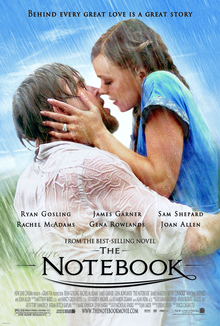

What’s Aged the Best?
The sex scene
In the discussion (17)
- The obvious one is the chemistry between Gosling and McAdams, astonishing and all-time, and partly luck since the casting had to be right; it makes the hosts sad they are no longer together, and Gosling told GQ after the breakup that women yelled at him on the street for breaking up with her because of this movie.
- Movies like this raise the question of whether acting is real or whether magic moments are just captured on camera; the half-assed research spills early: the two did not like each other on set and fought a lot, a big blowout reportedly made things better, and he seemed to arrive ready to be a serious actor throwing fastballs that she threw right back.
- The Nick Cassavetes part is a weird movie for him to make and the best he has made; his credits include She's So Lovely, a much darker love triangle, John Q, Alpha Dog and The Other Woman with a Kate Upton performance called a historical moment.
- Gina Rollins (as transcribed) is his mom, as the son of Gina Rollins and John Cassavetes, and an anecdote has James Garner breaking up when the director called 'okay, mom, action'; he is the star of the DVD extras and the source of the trivia cited later, and he gets immense credit for casting McAdams and Gosling after a long search for her.
- Rachel McAdams in general: so good, looks amazing, an incredible performance; asked to choose between Allie and Regina George, one host picks Regina George as the historical, impactful one while loving this performance and her wavy hair.
- Asked which role is preferred, the performance caught this viewer a little off guard on rewatch; Regina George is the more iconic character but it is hard to say, and Allie might be liked more. — Andrew Gruttadaro
- Allie seems like a better hang and really fun, loves to swim, with so much of the opening montage spent jumping into water, though she is a little fungible, whereas Regina is strong in her convictions even when they are suspect.
- Incorporating Charleston is nominated because Charleston in 2019 is really having a moment. — Juliet Litman
- The counter puts Charleston under what aged worst: there is too much plantation stuff, everyone in a service role, nurse or household staff, is black, which is glaring and uncomfortable now, a bizarre choice especially at the retirement home, where the one white person is a male doctor.
- The movie is a period piece: set in the 40s, so the costumes and references never age, which works fifteen years later; there are almost no references beyond the war, Walt Whitman and the cotton trade.
- The structure is really good: whatever one thinks of the dementia plot or the writing in the notebook itself, which seems terrible with respect to Ali Hamilton, the pacing keeps you in young Noah and Ali's world so that you forget James Garner and Gina Rollins (as transcribed) until halfway, and by the time you learn who they are you are invested enough to buy a ridiculous device; one host could not even work out what the notebook was.
- Asked about the old-people side, the device is appreciated, but by the time it is revealed that they are them it loses its power. — Andrew Gruttadaro
- You realise it is her when she plays the piano and him much later; nobody remembers first finding out, possibly spoiled, yet it still makes one host cry at the end; producer Craig is cited as loving the old people, the framing gives gravitas to the younger story, and nobody can imagine reading the Nicholas Sparks novel, so it is an achievement.
- Asked what else has aged well, the offer is maybe James Marsden's inclusion. — Andrew Gruttadaro
- Marsden is a really good hit, not really famous when the movie came out, who went on to be a rom-com guy and now a guy who dies in sci-fi movies.
- It starts his career as the other guy, the passed-over guy, but the movie makes you root for Lon and feel bad for him, putting him with Dempsey in Sweet Home Alabama, Karen on The Office and just below Keanu in Something's Gotta Give, where Diane Keaton should have chosen Keanu Reeves.
- Deciding, the hosts first propose the old-people device, then remember the chemistry, and settle on giving it to the sex scene described at length earlier, so the chemistry wins in the form of that scene; other nominees were McAdams's performance, Charleston, the period setting, the old-people structure and Marsden's inclusion; a joke proposes a video bonus breaking down the choreography on a telestrator.

Half-Assed Internet Research
The research section covers Sofia Coppola, Sinatra, Pacino, Caan, Brando, cars, deleted deaths, salaries, and real figures.
In the discussion (10)
- Sofia Coppola played the baby in the christening. — Bill Simmons
- The Sinatra–Puzo confrontation story is recounted. — Bill Simmons
- Pacino really had his jaw wired during part of the shoot.
- A cast mooning tradition and Moon Champion belt are recounted. — Bill Simmons
- James Caan confronted Robert Evans after seeing his cut-down role at the premiere. — Bill Simmons
- Brando’s slap of Al Martino was reportedly improvised. — Bill Simmons
- Apollonia’s car is identified as a 1946 Alfa Romeo.
- Fabrizio’s death was cut from the first film, then filmed and cut again for Part II. — Bill Simmons
- Moe Greene is linked to Bugsy Siegel.
- Pacino, Caan, Keaton, and Duvall’s salaries are compared. — Bill Simmons
Films in the archive

Father of the Bride
1991



Manhattan
1979

The Godfather
1972
The Godfather Part II
1974
The Godfather Part III
1990