
Stats
- Episodes featuring their films
- 12
- Movies in this archive
- 16
Rewatchables episodes featuring Tom Hanks’s films
Forrest Gump
1994 film
Bill Simmons · Chris Ryan · Sean Fennessey · Mallory Rubin
Aired February 13, 2024
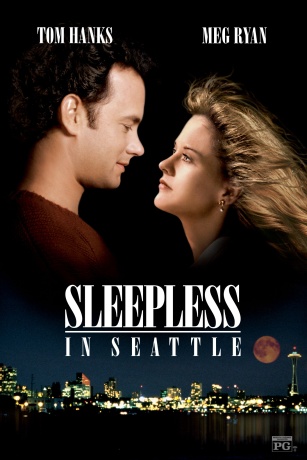
Sleepless in Seattle
1993 film
Bill Simmons · Juliet Litman · Amanda Dobbins
Aired February 14, 2023

Mentioned in discussions

Casting What-Ifs
Castle; Roberts; Basinger (uncertain); Quaid; original Jonah
This discussion recalls a choice from an earlier episode.
In the discussion (8)
- Nick Castle reportedly lost Hook to Spielberg, then lost Sleepless to Ephron after creative conflict, eventually directing Dennis the Menace the same year. — Bill Simmons
- Internet casting lists are treated skeptically; Roberts turning down Annie is considered credible because she reportedly discussed it herself. — Bill Simmons
- Kim Basinger’s possible involvement is considered believable. — Bill Simmons
- Demi Moore is an intriguing hypothetical Annie but is considered too feisty or controlled; Robin Wright likewise lacks Ryan’s daffy quality.
- Bullock is considered too early in her career and Roberts too famous, potentially overpowering the film. — Bill Simmons
- Ryan’s accessible appeal and relatability are defended as essential to supporting a character who stalks a stranger.
- Ryan reportedly pushed for husband Dennis Quaid as Sam, but Ephron rejected the married pairing; the panel doubts Quaid could deliver the radio speech as effectively. — Bill Simmons
- The original Jonah was replaced after days; an assertion that Hanks pushed the firing is qualified by his documentary recollection that Ephron fired the child. Ross Malinger's later car-sales work is reported secondhand. — Bill Simmons

The Stephen A. Smith Hottest Take Award
Hanks/Ryan are the romantic-comedy greats; O’Donnell’s best work; remarriage is rushed
In the discussion (3)
- The announced hot take credits the pairing of the male and female romantic-comedy greats, Hanks and Ryan; its supposed novelty is challenged, with Roberts and Clooney alternatives raised. — Bill Simmons
- The hot take calls this O'Donnell's finest work and praises her ideal grizzled friend, while others defend her talk show, Beautiful Girls and A League of Their Own; comparisons distinguish Fisher's fuller character arc in When Harry Met Sally.
- A second hot take says a year and a half is too soon to seek a new spouse and introducing Victoria after one date is irresponsible; competing views emphasize a happy widowhood leading to new love, the child's initiative and personal reluctance to remarry. — Amanda Dobbins

Most Rewatchable Scene
Radio-call and driving sequence
In the discussion (9)
- The attic wedding-dress conversation is a scene candidate for its destiny, coincidence and matching-sandwich writing; the dress itself is disliked while Annie's slip and velvet dress are discussed.
- The economical opening establishes the wife's death without prolonged exposition; throwing down business cards makes Sam's angry grief believable, though it is not presented as a favorite rewatchable scene. — Bill Simmons
- Jonah's radio call and Sam remembering his wife making everything beautiful are scene candidates that provoke tears; the child's I live here response is a favorite beat.
- The tiramisu misunderstanding with Reiner is a nominated scene; the seafood counter and clams or oysters look appealing.
- Annie composing her letter while Becky watches television is a scene candidate, especially the Walter reaction and destiny-can-be-doom line; Becky's unseen Rick is compared with Cheers' unseen Vera. — Bill Simmons
- Jonah fearing he is forgetting his mother is an unexpectedly devastating scene for parents, with Bye Bye Blackbird intensifying the emotion. — Bill Simmons
- Sam spotting Annie at the airport is nominated; his struck-by-love reaction is compared with Michael Corleone seeing Apollonia. — Bill Simmons
- Wilson describing An Affair to Remember and the men's Dirty Dozen response is a scene candidate; Wilson reportedly auditioned for the lead and improvised this unusual exception to Ephron's precise scripting.
- The ending from Walter's dinner through the final meeting is a major alternative, but the final scene preference is the radio-call/driving sequence, combining Hanks's emotion and Ryan's physical comedy; agreement follows.


Who Won the Movie?
Selection unclear in transcript
In the discussion (1)
- The winner cue is followed by a selection transcribed tell me and agreement; the candidate's identity is not safely established by the written source, so no named final ballot should be inferred from earlier Hanks praise. — Bill Simmons

In the discussion (2)
- Hanks is proposed as the deserved Oscar winner over actual winner Hoffman; the full nominee field is Hoffman for Rain Man, Hackman for Mississippi Burning, Hanks for Big, Olmos for Stand and Deliver and von Sydow for Pelle the Conqueror. Malkovich in Dangerous Liaisons is an additional overlooked possibility. — Bill Simmons
- Hanks is the unanimous hypothetical Oscar recipient; Marshall's direction or screenplay are alternatives only if Hanks is excluded. — Van Lathan

Apex Mountain
Eighties Tom Hanks; Elizabeth Perkins; movie toy companies; Mark Gastineau jerseys; Zoltar machines
In the discussion (11)
- An era-specific Apex for eighties Hanks is proposed as the culmination of his ascent, distinct from his nineties and twenty-first-century phases; the multiple-mountain definition is challenged but the breakthrough is accepted. — Bill Simmons
- Perkins receives an unqualified affirmative Apex choice. — Bill Simmons
- Loggia is rejected for this-film Apex, with Scarface and Independence Day suggested as stronger possibilities. — Van Lathan
- Movie toy companies receive an affirmative Apex choice for McMillan Toys. — Bill Simmons
- Playland as a film location is rejected here because Fatal Attraction's visit is the preferred peak. — Bill Simmons
- Body-swap films receive a probable but disputed Apex, with Lohan's Freaky Friday and 13 Going on 30 alternatives and disagreement over whether aging into oneself counts as swapping. — Bill Simmons
- Mark Gastineau jerseys receive an affirmative Apex choice, while the later Gastineau Girls era is a comparison. — Bill Simmons
- Susan's Subaru XT6 is floated without a clear affirmative conclusion. — Bill Simmons
- Missing-child milk cartons are rejected as an Apex choice. — Bill Simmons
- Zoltar machines receive an emphatic affirmative Apex choice. — Bill Simmons
- Amusement-ride height markers are proposed as a possible peak because they trigger the story, but no definitive comparison settles it; their continued use prompts a safety discussion.
Casting What-Ifs
De Niro; Ford; Winger; Quaid (uncertain); Dreyfuss; Penn; Travolta
This discussion recalls a choice from an earlier episode.
In the discussion (7)
- De Niro reportedly was attached as Josh and helped the film get greenlit; the panel strongly rejects him as a fit despite admiration for his acting.
- Spielberg briefly considered directing with Ford; the idea is partly defended but challenged as too sexually charismatic, with Regarding Henry a comparison.
- Brooks reportedly brought Marshall aboard after her departure from Peggy Sue Got Married; a female version with Winger was considered, but Marshall's quoted contemporary objection says the reversed sexual premise would be unacceptable. — Bill Simmons
- Quaid reportedly told Larry King he declined Big for Everybody's All-American; the report is treated as possible rather than certain. — Bill Simmons
- Jared Rushton reportedly read with Richard Dreyfuss for Josh. — Bill Simmons
- Rushton reportedly also read with Sean Penn, considered an especially strange Josh possibility. — Bill Simmons
- Travolta reportedly wanted Josh but the studio rejected him during his career slump; the panel thinks his comic innocence might have worked, though not as well as Hanks. — Bill Simmons
Half-Assed Internet Research
Performance study; piano choreography; deleted scenes; Zoltar; unknown baby; baseball; expanded piano
In the discussion (14)
- The hotel-room fear reinforces Hanks's convincing child performance; he reportedly studied David Moscow and watched the child rehearse scenes with Perkins to copy delivery, eye contact and nervous habits. — Bill Simmons
- Reported research credits Ross and Anne Spielberg's 1985 script, Oscar nominations for Hanks and screenplay, Marshall's first female-directed hundred-million grosser, an $18 million budget and $151.7 million gross as the fourth-biggest 1988 film. A claim this was Marshall's first directed film is raised without correction here. — Bill Simmons
- FAO Schwarz chopsticks remains a scene choice; a reported Playboy interview describes exhausting rehearsals and Hanks/Loggia insisting on doing it themselves despite available doubles. — Bill Simmons
- A deleted sequence has Susan inspect Josh's wallet after his confession and find a Mattingly card and Zoltar ticket, then test his behavior the next morning; retaining it is proposed because it would motivate her realization. — Bill Simmons
- The deleted Bubblicious test is defended as a bridge to Susan believing Josh; objections note adults also enjoy the gum and that suspecting his childhood before bed could make her complicit. Cutting it for that reason is speculation, not confirmed production history.
- An unpicked-up 1990 pilot is distinguished from a successful Big series; film-to-TV failures are compared with Clueless and later successful reimaginings Friday Night Lights and Parenthood. — Bill Simmons
- Deleted research scenes include tuxedo shopping and another hotel payphone call to hear the mother's voice; the wallet sequence remains the only major proposed restoration. — Bill Simmons
- Zoltar Speaks was reportedly invented for the film, then copyrighted and made commercially available; a later San Antonio encounter supplied a personal example. — Bill Simmons
- Josh's baby sister is reportedly uncredited and unidentified; the possibility she was someone's child is speculation. — Bill Simmons
- The Shimmy Shimmy Cocoa Bop routine was reportedly Hanks's idea after his son learned it at camp. — Bill Simmons
- The filmed Yankees–Royals game is identified as July 1987, with Tim Stoddard pitching to Ángel Salazar and Bo Jackson on first. — Bill Simmons
- A deleted Billy-family scene reportedly features Frances Fisher as his mother; the sentence about family dysfunction is garbled. — Bill Simmons
- The walking piano was reportedly built larger for the film and remained at FAO Schwarz; a Ringer feature is recommended. — Bill Simmons
- The insect-robot idea reportedly already existed as Transformers Insecticons in 1985, making Josh's supposedly original insight a copy. — Bill Simmons

What’s Aged the Best?
Moscow/Hanks resemblance; childlike behavior; apartment fantasy; carnivals; friendship
In the discussion (10)
- The facial resemblance between young Josh and Hanks is an aged-best casting achievement, followed by a tangent about Moscow's reported engagement to Washington.
- Hanks's quick childlike nodding and Susan's hardened careerist characterization have aged well; adults' alarm at Josh's behavior supplies comedy. — Bill Simmons
- Cashing the $187 check and showing Billy the office are aged-best moments. — Bill Simmons
- Cynthia's big hair, denim jacket and role as a twelve-year-old ideal preserve a specific 1988 look; Josh appearing on a missing-child milk carton is another memorable detail. — Bill Simmons
- The mother's demand for proof of her son's identity prompts Josh's delayed recognition and singing, with Lovitz looking on, nearly earning a separate scene nomination. — Bill Simmons
- Walkie-talkies are admired as a film device, with disagreement over real-life use and comparisons to Stranger Things, Nextel chirps and FaceTime.
- The toy-filled adult apartment remains an aged-best childhood wish-fulfillment fantasy, compared with Richie Rich and Blank Check. — Mallory Rubin
- Carnivals are an aged-best setting for family, crushes, snacks and possibility, despite Josh's humiliating height rejection. — Mallory Rubin
- Pepsi, Bubblicious and Pizza Hut placement is disputed between aged-best effectiveness and aged-worst conspicuousness; a Coke machine would improve the fantasy apartment for one speaker.
- Billy's tireless loyalty is aged-best: clothes, city help, Zoltar search, resume invention, locker-combination Social Security number and sharing a cherry exemplify childhood friendship, contrasted with adulthood's competing obligations.
Most Rewatchable Scene
Giant piano at FAO Schwarz
In the discussion (13)
- The giant-piano scene is called an all-time favorite: its organic crowd, choreography and shared play connect Josh and Mac, with childhood nostalgia producing tears rather than merely admiration.
- Josh waking in an adult body is a scene candidate, including inspecting himself, the tiny bicycle and failed attempt to convince his mother; Ruehl's panicked reaction is praised. — Bill Simmons
- The frightening hotel-room sequence is nominated for Hanks's sustained performance in a fixed wide shot, convincingly showing a terrified child. — Bill Simmons
- Josh's immediate promotion to product-development vice president is followed by comic abuse of his secretary, including television errands and removing commercials. — Bill Simmons
- The I don't get it toy-pitch meeting is a scene candidate, especially the building-versus-bug reasoning and the room immediately embracing his alternative.
- The company cocktail party is nominated, with Josh’s strange social greetings and Susan’s professional flirting. — Bill Simmons
- The trampoline visibly changes Susan’s character and disarms her initially sexual assumptions.
- The bunk-bed glow-in-the-dark compass gift is disarmingly sweet.
- The paddleball argument is a scene candidate for Josh refusing to surrender the ball and calling out changing rules.
- The second wish and return-home ending are scene candidates; the autumn street shot is a cinematic-shot choice, with filming locations and Billy's easy access to the city questioned. — Bill Simmons
- Josh's first Zoltar wish is an additional scene candidate, with Shore's changing score introducing magical realism. — Mallory Rubin
- The opening friendship with Billy is also admired. — Mallory Rubin
- The piano is the clear final scene winner despite many candidates; the reverse I don't get it meeting is another meaningful alternative, showing adulthood replacing Josh's instinctive insight.

Casting What-Ifs
Reported Hanks and Travolta alternatives prompt disagreement about age and role suitability.
In the discussion (3)
- Tom Hanks considered plausible later but too youthful then; hard-ass performance not familiar until League of Their Own aside from Turner and Hooch. — Bill Simmons
- Hughes reportedly wanted Hanks as Neil,Travolta as Del; Hanks filming Big, could work with younger children; different suggestion Travolta could nail Neil. — Bill Simmons
- Paramount reportedly vetoed Travolta as box-office poison after Perfect/Staying Alive; later Look Who’s Talking rebound noted. — Bill Simmons

Recasting Couch
Keep Allen disputed; Sarandon, Winger, Close, Lange, Kidder and Fisher proposed
In the discussion (17)
- Redford or Hoffman are imagined in a 1970s version, but neither would supply Travolta’s particular lightness and finesse. — Wesley Morris
- Travolta is imagined in Tom Hanks’s 1980s roles, Romancing the Stone, Beverly Hills Cop and Amadeus, praising his combined dancing and everyman abilities. — Wesley Morris
- Purple Rain is jokingly floated and doubted, while Manhunter receives enthusiastic support as a hypothetical Travolta vehicle.
- Gere is imagined in Urban Cowboy’s Scott Glenn role but not Travolta’s lead. — Wesley Morris
- Travolta in No Way Out and Field of Dreams is imagined; Field of Dreams versus Bull Durham suitability is disputed, including whether he looks like a baseball player.
- Travolta in Die Hard is enthusiastically supported; missing an action vehicle around 1986–1988 is considered a lost opportunity.
- Travolta is imagined as Danny in Prince of the City.
- Nancy Allen is the recasting target despite admiration for Dressed to Kill and Carrie; repeated casting of a romantic partner is compared to Sondra Locke, while Allen is said to improve in the second half. — Bill Simmons
- Susan Sarandon, Debra Winger, a young Glenn Close and Jessica Lange are proposed for more star power. — Bill Simmons
- Lange is initially considered the only proposed actor suited to the character’s ditziness; Allen’s apparent dullness is defended as manipulation plus genuine hospital sedation.
- Allen is defended through her attentive eyes in the bar scene; the alternatives might project too much intelligence and professionalism, including Lange’s light rather than ditzy Tootsie performance. — Wesley Morris
- Sarandon remains a possible alternative, but Allen’s Bronx background makes her believable as Philadelphian in a way Lange may not. — Chris Ryan
- Margot Kidder and Carrie Fisher are proposed then rejected as different or too smart; Allen’s lightness is defended as exactly right, while the desire for a new actress persists.
- Harrison Ford is proposed as capable of the lead but acknowledged to produce a different performance. — Wesley Morris
- Roy Scheider could make it work as a more 1970s film; Redford is doubted as too beautiful and insufficiently East Coast, while Pacino and Gere remain conceivable. — Wesley Morris
- Stallone is jokingly the worst case because he would rewrite the material.
- The invited producer agrees Allen works better by the end despite disliking her early performance. — Bill Simmons
Films in the archive

A League of Their Own
1992



Apollo 13
1995

Bachelor Party
1984

Big
1988
Captain Phillips
2013

Cast Away
2000
Catch Me If You Can
2002

Forrest Gump
1994
Philadelphia
1993
Saving Private Ryan
1998
Sleepless in Seattle
1993

Splash
1984