
Halloween Listening: Horror Movies Covered on The Rewatchables
Pull a tape from the Halloween shelf
All 19 films in this guide, in guide order. Point at a tape, tap it, or use the arrow keys to explore each film and its archive coverage.
Tape 1 of 19
Halloween (1978)
- Episode aired
- On the mics
- Bill Simmons and Chris Ryan
Spoiler territory: the panel’s verdicts.
- Who Won the Movie
- John Carpenter
- Most Rewatchable Scene
- The closet scene
- Apex Mountain
- Halloween (the holiday) movies
Tape 2 of 19
Halloween II (1981)
- Episode aired
- On the mics
- Bill Simmons, Chris Ryan, and Van Lathan
Spoiler territory: the panel’s verdicts.
- Who Won the Movie
- Michael Myers
- Most Rewatchable Scene
- Ben Tramer’s mistaken-identity incineration
- Apex Mountain
- No affirmative selection
Tape 3 of 19
Halloween 4: The Return of Michael Myers (1988)
- Episode aired
- On the mics
- Bill Simmons, Chris Ryan, and Van Lathan
Spoiler territory: the panel’s verdicts.
- Who Won the Movie
- Two Myers choices, one Harris choice and a later music choice; no unanimous winner.
- Most Rewatchable Scene
- Roof battle, trick-or-treat night and gas station are distinct final favorites.
- Apex Mountain
- “Cops Do It by the Book” shirts; Kinmont (also offered)
Tape 4 of 19
The Blair Witch Project (1999)
- Episode aired
- On the mics
- Bill Simmons and Chris Ryan
Spoiler territory: the panel’s verdicts.
- Who Won the Movie
- Artisan Entertainment; filmmakers including cast
- Most Rewatchable Scene
- Final fifteen minutes in the house
- Apex Mountain
- Cast and directors; viral marketing; Cal Ripken film references; corner-facing murder; Artisan; you-had-to-be-there moments
Tape 5 of 19
Get Out (2017)
- Episode aired
- On the mics
- Bill Simmons, Wesley Morris, Sean Fennessey, and K. Austin Collins
Spoiler territory: the panel’s verdicts.
- Who Won the Movie
- Jordan Peele (two); Betty Gabriel (one); America (one)
- Most Rewatchable Scene
- Initial nominees: kidnapping opening, deer collision, cigarette-break runner, camera-flash seizure, family revelation, escape and ending.
- Apex Mountain
- Too early after one year to determine career apex; topping this achievement seems difficult but eagerly anticipated.
Tape 6 of 19
Hereditary (2018)
- Episode aired
- On the mics
- Bill Simmons, Chris Ryan, and Sean Fennessey
Spoiler territory: the panel’s verdicts.
- Who Won the Movie
- Ari Aster
- Most Rewatchable Scene
- Final stretch after Steve burns; Charlie’s telephone-pole death
- Apex Mountain
- Decapitations; Alex Wolff; self-beheading with piano wire; coffee before reporting a charred father (joke)
Tape 7 of 19
The Silence of the Lambs (1991)
- Episode aired
- On the mics
- Bill Simmons, Chris Ryan, Sean Fennessey, and Mallory Rubin
Spoiler territory: the panel’s verdicts.
- Who Won the Movie
- Anthony Hopkins
- Most Rewatchable Scene
- Split: Lecter killing the guards (two choices); Clarice recounting the lambs; the first Clarice–Lecter meeting
- Apex Mountain
- Jonathan Demme, Anthony Hopkins, Q Lazzarus, face-wearing, and Chris Isaak
Tape 8 of 19
The Shining (1980)
- Episode aired
- On the mics
- Bill Simmons, Sean Fennessey, and Chris Ryan
Spoiler territory: the panel’s verdicts.
- Who Won the Movie
- Stanley Kubrick
- Most Rewatchable Scene
- Wendy discovers the manuscript and confronts Jack on the staircase
- Apex Mountain
- Shelley Duvall (qualified); caretakers
Tape 9 of 19
The Exorcist (1973)
- Episode aired
- On the mics
- Bill Simmons, Sean Fennessey, and Chris Ryan
Spoiler territory: the panel’s verdicts.
- Who Won the Movie
- William Friedkin
- Most Rewatchable Scene
- Party interruption; first demonic outburst; crucifix scene; mother meets priest; exorcism; detective interviews
- Apex Mountain
- William Friedkin; Jason Miller; Linda Blair; split-pea soup; Pazuzu
Tape 10 of 19
The Conjuring (2013)
- Episode aired
- On the mics
- Bill Simmons, Sean Fennessey, Chris Ryan, and Ben Simmons
Spoiler territory: the panel’s verdicts.
- Who Won the Movie
- Lili Taylor; James Wan; Vera Farmiga
- Most Rewatchable Scene
- The wall-to-basement sequence; Nancy’s hair-pulling scene; the clapping game
- Bathsheba’s hanging feet
- Apex Mountain
- Lili Taylor; Patrick Wilson (disputed); haunted-house movies (disputed)
Tape 11 of 19
The Devil’s Advocate (1997)
- Episode aired
- On the mics
- Bill Simmons, Chris Ryan, and Van Lathan
Spoiler territory: the panel’s verdicts.
- Who Won the Movie
- Al Pacino
- Most Rewatchable Scene
- The final Milton speech; the subway scene; the rooftop meeting
- Apex Mountain
- Satan on film; Roy Jones Jr.; Cullen’s sexual alibi; Charlize Theron eating chicken
Tape 12 of 19
They Live (1988)
- Episode aired
- On the mics
- Bill Simmons, Chris Ryan, and Sean Fennessey
Spoiler territory: the panel’s verdicts.
- Who Won the Movie
- John Carpenter
- Most Rewatchable Scene
- The alley fight; the first sunglasses revelation
- Apex Mountain
- Roddy Piper as an actor
- Roddy Piper; 1980s downtown Los Angeles movies; street fights
Tape 13 of 19
The Purge (2013)
- Episode aired
- On the mics
- Bill Simmons and Chris Ryan
Spoiler territory: the panel’s verdicts.
- Who Won the Movie
- Blumhouse; Ethan Hawke
- Most Rewatchable Scene
- The playroom fight
- Apex Mountain
- Ethan Hawke; Lena Headey
Tape 14 of 19
I Am Legend (2007)
- Episode aired
- On the mics
- Bill Simmons and Van Lathan
Spoiler territory: the panel’s verdicts.
- Who Won the Movie
- Will Smith
- Most Rewatchable Scene
- The upside-down trap; the virus-statistics monologue
- Apex Mountain
- Will Smith’s movie-star charisma in Hitch
- No affirmative selection
Tape 15 of 19
Se7en (1995)
- Episode aired
- On the mics
- Bill Simmons, Sean Fennessey, and Chris Ryan
Spoiler territory: the panel’s verdicts.
- Who Won the Movie
- David Fincher
- Most Rewatchable Scene
- Car ride with John Doe; desert ending
- Apex Mountain
- Morgan Freeman (disputed)
Tape 16 of 19
Fatal Attraction (1987)
- Episode aired
- On the mics
- Bill Simmons, Mallory Rubin, and Wesley Morris
Spoiler territory: the panel’s verdicts.
- Who Won the Movie
- Glenn Close
- Most Rewatchable Scene
- The kitchen-sink sex scene
- The kitchen-sink sex scene; the ending; no settled overall choice
- The elevator; the initial affair conversation
- Apex Mountain
- Michael Douglas; Glenn Close commercially; Anne Archer; Bedford; Adrian Lyne; gated elevators
Tape 17 of 19
8MM (1999)
- Episode aired
- On the mics
- Bill Simmons, Chris Ryan, and Van Lathan
Spoiler territory: the panel’s verdicts.
- Who Won the Movie
- Joaquin Phoenix
- Most Rewatchable Scene
- The meatpacking-district confrontation
- Apex Mountain
- Seedy porn shops; snuff-film movies; the invented Los Angeles red-light district
Tape 18 of 19
The Texas Chain Saw Massacre (1974)
- Episode aired
- On the mics
- Bill Simmons and Chris Ryan
Spoiler territory: the panel’s verdicts.
- Who Won the Movie
- Tobe Hooper
- Most Rewatchable Scene
- Kirk's death and the lead-up to it
- Apex Mountain
- Indie horror movies; chainsaws; cinematic rural Texas; head cheese; the 1972 Ford Club Wagon
Tape 19 of 19
Friday the 13th (1980)
- Episode aired
- On the mics
- Bill Simmons, Chris Ryan, and Van Lathan
Spoiler territory: the panel’s verdicts.
- Who Won the Movie
- Steve Miner; Jason; the Friday the 13th franchise
- Most Rewatchable Scene
- Marcy and Jack's deaths
- Apex Mountain
- Adrienne King; Halloween ripoff movies; the Blairstown Diner; strip Monopoly
For a Halloween listening queue, start with Halloween for a slasher night, The Blair Witch Project for dread, or Get Out for a movie that rewards close attention on a second viewing. These 19 movie-and-podcast pairings offer different ways into the season, from haunted houses and possession to science-fiction horror. Numbers 15 to 17 are darker thriller alternatives for listeners who want suspense without another supernatural story, number 18 is The Texas Chain Saw Massacre, and number 19 is the newest horror episode: Friday the 13th.
This is an editorial selection, checked against available episode pages on September 20, 2026, updated on October 8, 2026 with the new The Texas Chain Saw Massacre episode, and updated on October 18, 2026 with the new Friday the 13th episode. It is not a complete horror inventory or a ranking of the funniest podcasts. The recommendations below match films, hosts, and documented discussion topics to the kind of evening you want.
Watch the movie before the podcast. This guide avoids major plot reveals, but the linked archive entries and episodes discuss endings, deaths, and favorite scenes. Treat those links as spoiler territory.
Pick a mood, build your three nights
Tap a lane to narrow the posters, then let the archive deal you a queue. Every poster jumps to that pairing below.
-
 Halloween 1978
-
 Halloween II 1981
-
 Halloween 4: The Return of Michael Myers 1988
-
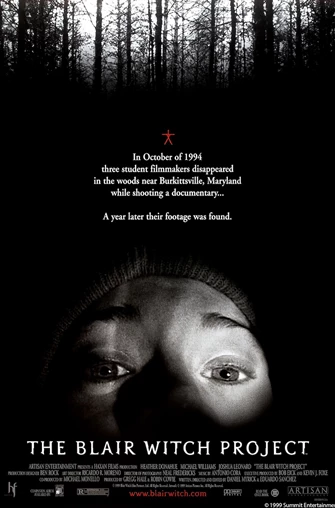 The Blair Witch Project 1999
-
 Get Out 2017
-
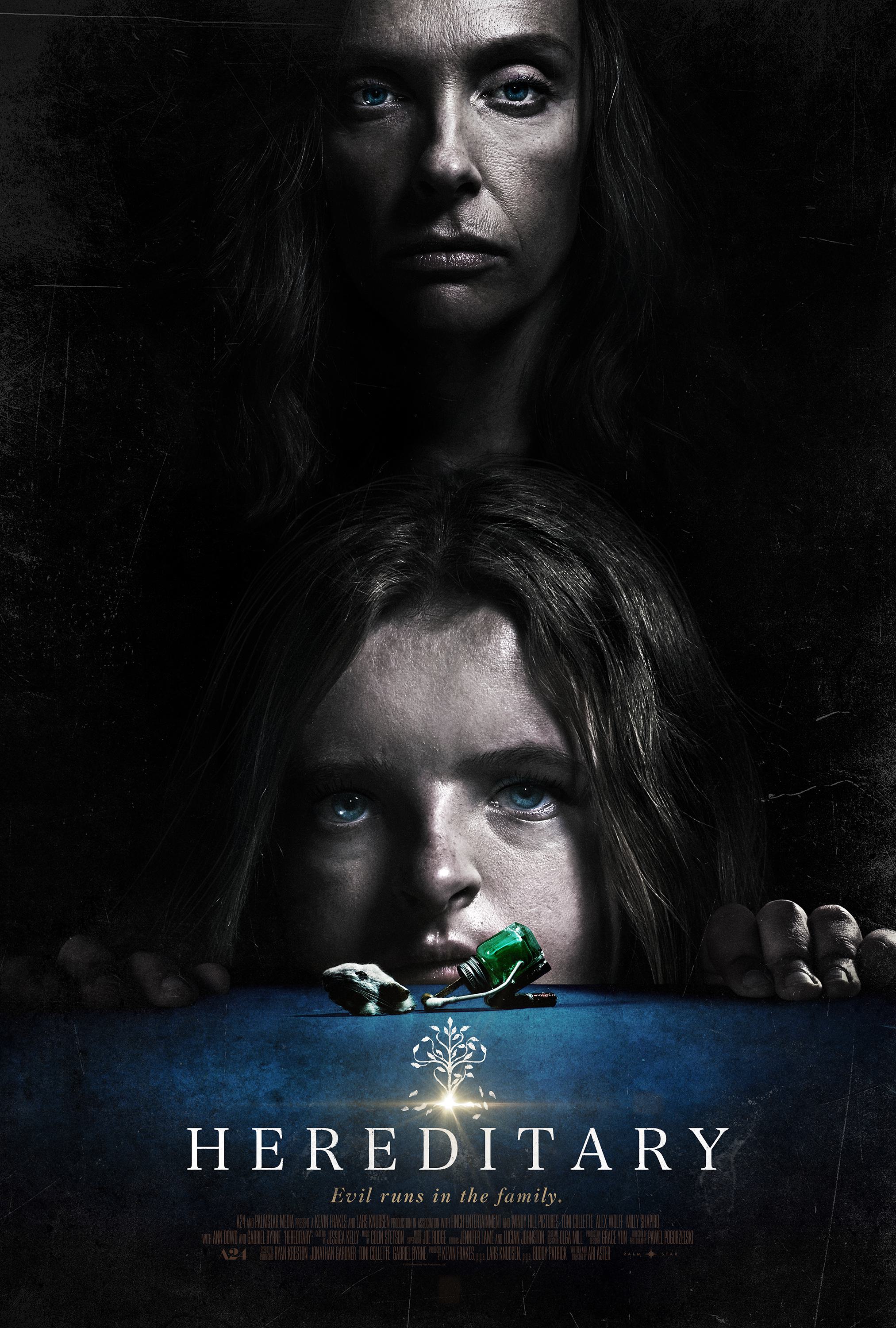 Hereditary 2018
-
 The Silence of the Lambs 1991
-
 The Shining 1980
-
 The Exorcist 1973
-
 The Conjuring 2013
-
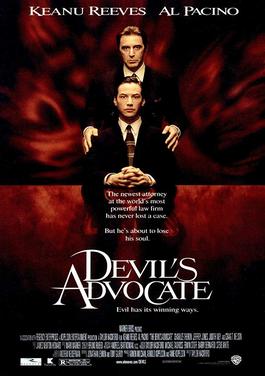 The Devil’s Advocate 1997
-
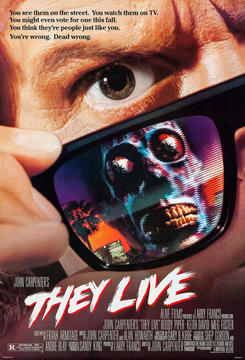 They Live 1988
-
 The Purge 2013
-
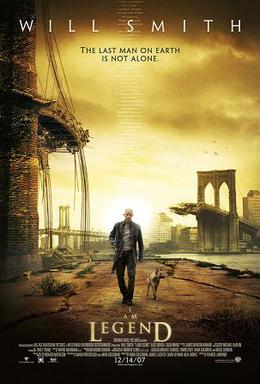 I Am Legend 2007
-
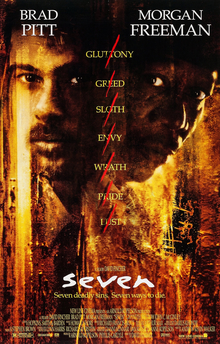 Se7en 1995
-
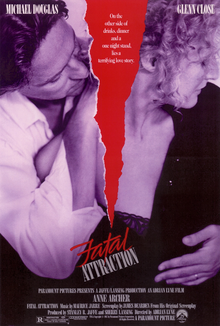 Fatal Attraction 1987
-
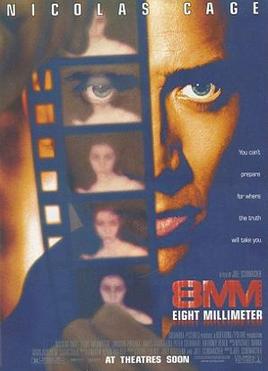 8MM 1999
-
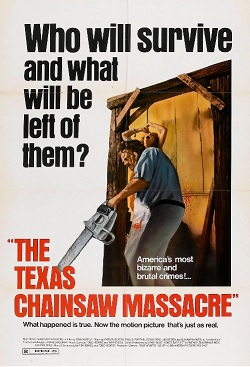 The Texas Chain Saw Massacre 1974
-
 Friday the 13th 1980
In this guide
- Choose your Halloween queue
- Halloween
- Halloween II
- Halloween 4
- The Blair Witch Project
- Get Out
- Hereditary
- The Silence of the Lambs
- The Shining
- The Exorcist
- The Conjuring
- The Devil’s Advocate
- They Live
- The Purge
- I Am Legend
- Se7en
- Fatal Attraction
- 8MM
- The Texas Chain Saw Massacre
- Friday the 13th
- Use the podcast as a second look
- Make an October plan
Choose your Halloween queue
| Your mood | Start here | Continue with |
|---|---|---|
| Michael Myers, Jason and classic slashers | Halloween | Halloween II, then Halloween 4, then Friday the 13th |
| Something unsettling rather than another slasher | The Blair Witch Project | Hereditary, then The Texas Chain Saw Massacre |
| Performances and psychological tension | Get Out | The Silence of the Lambs |
| Haunted places and supernatural dread | The Shining | The Exorcist, then The Conjuring |
| Theatrical menace and social unease | The Devil’s Advocate | They Live, then The Purge |
| Science fiction and survival | I Am Legend | They Live for a more satirical turn |
| Darker thriller alternatives | Se7en | Fatal Attraction or 8MM, depending on your appetite for grim material |
| One film and one podcast tonight | The film here you already know best | Save an unfamiliar film for a watch-first night |
The last route is useful if you want to listen immediately. A familiar movie gives you something to argue with when the hosts choose a scene or single out a performance. An unfamiliar one gives you spoilers before you have had a chance to form your own opinion.
1. Halloween: the starting point for a Michael Myers night

Most Rewatchable Scene
The closet scene
In the discussion (20)
- The segment opens with a warning of Loomis monologue impressions; some people would pick the five-minute single-shot opening, likened to the Goodfellas shot. — Chris Ryan
- The opening is left out of the picks: the older sister never stands up to a six-year-old with a butcher knife, the teenage boyfriend is upstairs only about two and a half minutes, and the parents just stare at Michael holding the bloody knife. — Chris Ryan
- Loomis driving to Illinois State Hospital in the rain with the nurse Marion: patients wandering in gowns, no backup, Loomis running ahead to the phone while Myers takes the station wagon, and Loomis partly to blame. — Chris Ryan
- The three girls walking home from school carrying books, Myers driving by in the wagon, and the "Speed kills" exchange; the speaker might own a Speed Kills coffee mug. — Chris Ryan
- Their banter sets up the archetypes; the speaker's mom called the dialogue bad, while Debra Hill supposedly wrote the girls' scenes, and Annie's meanness to Laurie rings true for a friend group you are stuck with. — Chris Ryan
- Laurie's crush on Ben Tramer and the sheriff bumping into her with "Everyone's entitled to one scare" are also liked; the sheriff is a little creepy. — Chris Ryan
- Annie's last stretch: stuck in the laundry room, Myers floating in and around, the dog dying (the dog category may need to return), and a weirdly long, disturbing strangling in the car before the knife; the throat slit probably lacked blood because of the low budget. — Chris Ryan
- Loomis parked outside the Myers house yells "Hey, Lonnie, get your ass away from there," is delighted with himself, and is then startled by the sheriff. — Chris Ryan
- Loomis's monologue in the house about the six-year-old with "the devil's eyes" who was "purely and simply evil" is added as a rewatchable scene; the sheriff's muted response gets mayor-from-Jaws comparisons. — Chris Ryan
- Loomis's "Death has come to your little town, sheriff" speech meets Brackett's "More fancy talk"; Brackett seems consumed by petty crimes like the hardware store break-in. — Chris Ryan
- Bob going to get a beer and being pinned to the wall leads to the Myers head tilt, called the single scariest moment in probably any horror movie; widescreen and HD now make it visible. — Chris Ryan
- Part two: Myers puts on the ghost costume with Bob's glasses, a playful Myers, then kills P. J. Soles's character while she calls Laurie. — Chris Ryan
- Laurie's reaction on the phone is not terrified enough; the counterpoint is that she thinks her friends are fooling with her after a day of being told to get over what she saw. — Chris Ryan
- The last 12 minutes play as one continuous scene: the long walk across, the Judith Myers tombstone, the mask out of the dark, the stabbing and the fall over the staircase, Myers coming down the stairs with his shoulders not moving, and "You can't kill the boogeyman." — Chris Ryan
- The closet is called one of the greatest scenes in horror movie history, up there with anything Hitchcock did: the light, the wire hanger, his arms flailing, the window distraction, and his hands punching through; the reply agrees it is the single best scene in the movie. — Chris Ryan
- Jamie Lee Curtis is praised as a great, believable scream queen, overqualified next to the Nightmare on Elm Street lead; the hosts doubt they could fashion a wire hanger into a weapon in 15 seconds. — Bill Simmons
- The single best moment: Laurie standing in the doorway with her back turned while, in the wide shot, Myers rises and turns, maybe the single best horror movie moment of all time. — Chris Ryan
- A host describes a YouTube clip of 1979 theater audio in which the crowd gasps when he stands up and someone yells "shoot him again!" — Chris Ryan
- The last rewatchable scene is the ending: six shots, he is not there, and shots of all the scenes. — Chris Ryan
- Asked for a pick: the final Michael chase, especially the closet, with everything in that bedroom named the most rewatchable scene; as a non-horror pick, the three girls walking home busting each other's chops and seeing Michael behind the bush. — Bill Simmons
In the discussion (1)
- John Carpenter is the answer; the reply calls it an easy one, and Curtis is right there with him but it has to be Carpenter. — Chris Ryan
Podcast choices
Film: Halloween (1978). Hosts: Bill Simmons and Chris Ryan.
John Carpenter's original is the natural first stop if the occasion matters as much as the genre. The official episode revisits the film starring Jamie Lee Curtis and Donald Pleasence. Start with this version before selecting a sequel; the shared franchise name can otherwise make a podcast search surprisingly unhelpful. Open The Ringer's Halloween episode.
Our suggested rewatch question: how much of the tension comes from waiting? Pay attention to the space around characters and the point when anticipation becomes a scare. You will have a more specific position than “it was scary” when the conversation turns to favorite moments.
RewatchVault currently has a film reference for the original but no dedicated episode entry, so the official episode is the useful destination here.
2. Halloween II: continue the franchise with a different panel
Most Rewatchable Scene
Ben Tramer’s mistaken-identity incineration
In the discussion (7)
- The reprise remixes the original ending, Loomis’s “you don’t know what death is,” the opening score, and Michael stealing a kitchen knife into a propulsive first twelve minutes. — Bill Simmons
- An elderly couple watching Night of the Living Dead while preparing a huge midnight sandwich creates domestic calm before Michael enters the neighborhood.
- Ben Tramer is hit by a speeding police car, pinned to a van, and incinerated while Loomis and Brackett immediately leave; its grotesque scale and lack of aftermath make it the unanimous comic favorite.
- Brackett closing Annie’s eyes and blaming Loomis is unexpectedly moving, while Loomis responds with monomaniacal indifference.
- Loomis repeats his inhuman-patience speech like stand-up material and grows increasingly frantic as nobody believes Michael cannot die. — Bill Simmons
- Karen and Bud’s workplace hot-tub tryst combines unhygienic absurdity, coercive set history, nudity, and the movie’s most iconic scalding murder.
- The hypodermic deaths, scalpel lift, Laurie’s car hiding, blind Michael, and Loomis’s willingness to explode an occupied hospital are additional set pieces. — Bill Simmons

Who Won the Movie?
Michael Myers
In the discussion (2)
- Two choices go to “Big Mikey” for relentless presence and survival.
- The dissent chooses Pleasence because Loomis dominates the movie, commits to every warning, and survives an arc nearly as indestructible as Michael’s.
Podcast choices
- Speaker not identified
- Michael Myers
- Speaker not identified
- Michael Myers
- Speaker not identified
- Donald Pleasence / Dr. Loomis
Film: Halloween II (1981). Hosts: Bill Simmons, Chris Ryan, and Van Lathan.
Choose this after the original if you want to stay with Michael Myers and bring Van Lathan into the listening queue. RewatchVault's Halloween II episode entry records a discussion of the opening's reuse of the earlier film's ending, individual set pieces, and the tradeoff between plotting and scares.
That gives this pairing a useful question: what do you want a horror sequel to preserve? Watch for the moments that depend on familiarity with the first film, then decide whether those callbacks help the sequel stand on its own. Keep the archive closed until afterward; its scene summaries are detailed.
3. Halloween 4: make room for the seasonal sequel
Most Rewatchable Scene
Roof battle, trick-or-treat night and gas station are distinct final favorites.
In the discussion (8)
- The autumnal opening credits are praised; the director reportedly researched fall traditions. — Chris Ryan
- The dangerous-patient transfer and finger-through-forehead kill are highlighted; failure to restrain or assess his strength is ridiculed.
- Jamie’s nightmare and under-bed pull, followed by the gas station, are favorites; bandaged Myers could have carried the film instead of inconsistent masks. — Bill Simmons
- Loomis’s warning about the endangered child and burning filling station is highlighted. — Craig Horlbeck
- Trick-or-treating separation and the Rachel-Brady-Kelly triangle are nominated, including the coffee revenge and seduction trope.
- Brady’s final resistance redeems him despite foolish gun handling; the roof battle is an explicit favorite. — Van Lathan
- Truck slaughter, the truck collision, mine-shaft fall and shocking ending are praised. — Bill Simmons
- The roof is selected again; trick-or-treat night and the gas station are separate final favorites.
Who Won the Movie?
Two Myers choices, one Harris choice and a later music choice; no unanimous winner.
In the discussion (3)
- Danielle Harris, transcribed Daniel and normalized using official episode cast metadata, is selected for new life and the terrifying final image. — Chris Ryan
- Two other choices favor Michael Myers, while respecting the Harris choice. — Bill Simmons
- The music is so much better and wins the movie in the later response. — Craig Horlbeck
Podcast choices
- Speaker not identified
- Michael Myers
- Speaker not identified
- Michael Myers
- Craig Horlbeck
- The music
Film: Halloween 4: The Return of Michael Myers (1988). Hosts: Bill Simmons, Chris Ryan, and Van Lathan.
This is our pick when the attraction is the Halloween setting itself. The archive's Halloween 4 discussion records attention to the autumnal opening credits and trick-or-treat scenes, alongside the larger set pieces. The Ringer confirms the same panel and film in its official episode listing.
Try separating atmosphere from story during your rewatch. Which details would still feel like October if you removed Michael Myers? This gives you a reason to compare the original and the sequel beyond choosing a better mask or a favorite kill. The proposed three-film route is a selective Michael Myers queue, not a complete franchise watch order.
4. The Blair Witch Project: a two-host night in the woods
Most Rewatchable Scene
Final fifteen minutes in the house
In the discussion (10)
- The hotel drinking scene is nominated. — Bill Simmons
- The first frightening nighttime awakening and the later discovery of three rock piles are nominated. — Bill Simmons
- The missing map leads to Mike admitting he threw it away. — Craig Horlbeck
- Discovering the elaborate objects in the forest produces the joke that no redneck is this creative. — Bill Simmons
- The nighttime screaming after Josh disappears is nominated. — Bill Simmons
- Heather finds body parts wrapped in Josh’s shirt. — Bill Simmons
- Heather’s confessional and the house ending are the major candidates. — Bill Simmons
- Returning to the same log after hours of walking creates an especially frightening sense of being trapped. — Chris Ryan
- The last fifteen minutes in the house are the final choice; the confessional is distinguished as the most memorable and parodied scene. — Chris Ryan
- Mike facing the corner pays off the earlier story and ends abruptly without a reassuring epilogue. — Bill Simmons
Who Won the Movie?
Artisan Entertainment; filmmakers including cast
In the discussion (2)
- Artisan Entertainment is the first choice, with the filmmakers offered as an alternative and the actors initially excluded from the financial win. — Chris Ryan
- The filmmakers, expressly including the actors’ creative contribution, are the second choice for popularizing found footage. — Chris Ryan
Podcast choices
- Chris Ryan
- The filmmakers, including the actors
- Chris Ryan
- Artisan Entertainment
Film: The Blair Witch Project (1999). Hosts: Bill Simmons and Chris Ryan.
Switch here when you want a different kind of unease. The RewatchVault entry for The Blair Witch Project includes a substantial research discussion about its promotion and production, including the relationship between the fictional disappearance premise and the film's presentation. The official episode confirms this is the dedicated 2024 conversation.
For the film, try this: notice what you hear before deciding what you think is happening. For the podcast, follow the distinction between how the film works and how it was sold. Those are related questions, but you can find one convincing without agreeing about the other.
5. Get Out: watch closely, then bring your own scene pick
Most Rewatchable Scene
Initial nominees: kidnapping opening, deer collision, cigarette-break runner, camera-flash seizure, family revelation, escape and ending.
In the discussion (7)
- Initial nominees: kidnapping opening, deer collision, cigarette-break runner, camera-flash seizure, family revelation, escape and ending. — Bill Simmons
- Sunken place initially excluded as too disturbing, then accepted within cigarette-break sequence; gardener running and Georgina adjusting wig contribute dread. — Bill Simmons
- Kidnapping opening praised as disorienting horror, with Scream parallel. Headlock/car clues, camera pivot, Swahili warning and subsequent Redbone sequence form three openings. — Wesley Morris
- Rose donut-shop introduction deceptively reassuring; shaving cream as white face reported from commentary. Girls character baggage makes one participant suspicious.
- Phone-unplugging confrontation distinguished from flash seizure; Gabriel close-up conveys multiple identities with difficult exposed acting.
- No sole choice in directly addressed reply, but phone confrontation and keys/Rose turn particularly loved. — Sean Fennessey
- Scrapbook through keys revelation is a favorite stretch; picture count debated five versus nine, racial fetish revealed and Rod vindicated.
Who Won the Movie?
Jordan Peele (two); Betty Gabriel (one); America (one)
In the discussion (4)
- Betty Gabriel chosen for discovery and showing psychological premise through one face.
- Jordan Peel chosen in explicitly addressed reply for leap to highly anticipated filmmaker; another says same answer. — Sean Fennessey
- America chosen with sustained audience-impact rationale: movie could have failed commercially, but audience support and mutual respect create confidence for filmmakers and studios. — Wesley Morris
- Jordan Peel chosen in directly addressed final reply while other answers appreciated; earlier anonymous same-answer response may be a reaffirmation. — Bill Simmons
Podcast choices
- Speaker not identified
- Betty Gabriel
- Wesley Morris
- America
Film: Get Out (2017). Hosts: Bill Simmons, Wesley Morris, Sean Fennessey, and K. Austin Collins.
Choose this for a change in panel as well as a change in film. The Ringer's episode archive identifies these four participants and describes Jordan Peele's film as a social thriller. RewatchVault labels it psychological horror; both descriptions are useful when choosing your night.
The Get Out episode entry records several Most Rewatchable Scene candidates rather than presenting the discussion as one tidy choice. Before listening, pick your own scene and explain what makes it worth revisiting. Does knowing where the story goes change the appeal? Save that comparison for after the film, especially if this is your first viewing.
6. Hereditary: choose sustained discomfort
Most Rewatchable Scene
Final stretch after Steve burns; Charlie’s telephone-pole death
In the discussion (12)
- Annie’s support-group family history is nominated, with the distant elevated camera slowly approaching her face as inherited catastrophe unfolds.
- The party setup is examined: bringing Charlie strains plausibility, while the classroom’s fate discussion and the nut-filled cake suggest predestination.
- Charlie’s decapitation is startling and effective, helped by a trailer that misleadingly positioned her as central without revealing the death.
- Peter’s shutdown and silent return home are disturbing; holding on his face while Annie screams is praised, while shock is offered as a defense of his behavior. — Bill Simmons
- The head with ants, Charlie cutting the bird’s head off and the designs on the telephone pole match other clues noticed on later viewings.
- Annie’s second meeting with Joan is nominated, with a brief tangent about Dowd’s college. — Bill Simmons
- The paint-thinner story and Annie calling her accident miniature a neutral view combine painful family history with absurd dark humor. — Bill Simmons
- The dinner confrontation is nominated for Collette’s furious maternal speech, compared jokingly with a dysfunctional-family SNL sketch. — Chris Ryan
- The family séance is nominated and considered an obviously dangerous decision, especially the insistence that everyone attend and recite unknown words.
- Annie deciphering albums and books, Peter’s classroom breakdown, showing Steve the attic and Steve burning are further candidates. — Bill Simmons
- The preferred final stretch begins with Steve burning and Peter discovering his father’s body and his mother on the ceiling; the transfer logic and piano-wire death are discussed.
- A second choice supports the ending after Steve burns, while another explicitly chooses the telephone-pole death. — Sean Fennessey
In the discussion (2)
- Aster receives two explicit winner choices and a subsequent agreement; A24 is floated but considered already established, while Collette earns a shout-out. — Sean Fennessey
- The film’s success is credited with financing Aster’s subsequent unusual projects, particularly Beau Is Afraid. — Sean Fennessey
Film: Hereditary (2018). Hosts: Bill Simmons, Chris Ryan, and Sean Fennessey.
Our selection for a heavier evening is Ari Aster's Hereditary. The official episode description foregrounds grief and disturbing events. This is a deliberate mood choice, particularly if you are putting it beside a slasher sequel.
There is also a useful listening hook: the archive entry records the panel proposing six types of horror, distinguishing several kinds of creepiness from other approaches to scares. Those are the hosts' proposed categories, not a formal genre system. Use them to test your own reaction: did the movie unsettle you in the same way it unsettled them? You do not have to agree with their labels to find the comparison useful.
7. The Silence of the Lambs: a thriller crossover with a live panel
Most Rewatchable Scene
Split: Lecter killing the guards (two choices); Clarice recounting the lambs; the first Clarice–Lecter meeting
In the discussion (9)
- Clarice’s first descent to Lecter, his instant psychological reading, the fava-beans line, and Miggs’s assault are nominated; one participant selects it.
- Catherine Martin singing “American Girl,” helping Gumb with the sofa, and being abducted are nominated.
- Gumb ordering Catherine to use the lotion, combined with the revelation of the bloody fingernail, is nominated for its simultaneous terror and dark comedy. — Mallory Rubin
- Lecter meeting Senator Martin while restrained and masked is nominated. — Bill Simmons
- Clarice’s final quid-pro-quo meeting with Lecter, including her lamb story and his lesson about coveting, is nominated; one participant selects the lamb confession.
- Lecter’s attack on the guards, staging of the bodies, face disguise, and ambulance escape are nominated; two participants select the sequence. — Bill Simmons
- Gumb’s dance intercut with Catherine capturing Precious is nominated. — Mallory Rubin
- The cross-cut raid and Clarice’s realization that she is inside Gumb’s actual house are nominated. — Bill Simmons
- Clarice’s night-vision basement pursuit and killing of Gumb are nominated for suspense, foreshadowing, and payoff.
In the discussion (2)
- Three participants explicitly choose Hopkins. — Bill Simmons
- The rationale distinguishes Foster’s deserved Oscar from Hopkins’s career-transforming cultural impact. — Bill Simmons
Podcast choices
- Speaker not identified
- Anthony Hopkins
- Speaker not identified
- Anthony Hopkins
- Speaker not identified
- Anthony Hopkins
Film: The Silence of the Lambs (1991). Panel: Bill Simmons, Chris Ryan, Sean Fennessey, and Mallory Rubin.
For this guide, The Silence of the Lambs is the thriller crossover. RewatchVault gives it both Thriller and Horror tags. Pick the October 2024 live episode if you want this four-person panel; the title distinguishes it from other conversations about the same film.
The archive's live-episode entry documents multiple scene selections and a discussion of location as a scene-stealing element. That suggests a productive rewatch lens: how does a room change the balance between two people? Follow the settings as closely as the performances, then compare your answer with the episode after watching.
8. The Shining: a hotel full of unease
Most Rewatchable Scene
Wendy discovers the manuscript and confronts Jack on the staircase
In the discussion (13)
- The opening helicopter imagery and its theatrical impact are praised; old square television framing diminished it. — Bill Simmons
- Jack’s anger at Wendy’s writing interruption is nominated, with her hurt and the warning signs of their marriage discussed.
- Jack’s drink with Lloyd is praised for Nicholson’s expressive face and commitment.
- The manuscript discovery and stair confrontation are praised for both performances, staging, terror and the revelation of the repeated sentence.
- The manuscript’s typing is recounted, with the teardrop-shaped page and quoted indentation singled out. — Bill Simmons
- The panel debates how many pages Wendy needs to inspect before understanding the manuscript. — Bill Simmons
- The axe-through-the-bathroom-door sequence is nominated as an outstanding horror scene.
- The iconic bathroom attack is admired, but prior exposure to parodies diluted its terror for one viewer; Jack abandoning the attack prompts a question. — Sean Fennessey
- The killing of Scatman Crothers is praised as shocking: Nicholson is hidden behind a pillar and the long return suggests a larger role. — Bill Simmons
- Danny’s maze escape is praised for his preparation and retracing of footprints. — Bill Simmons
- The second Gold Room visit and Grady conversation are added, along with the introductory hotel tour. — Chris Ryan
- The ice-cream conversation is praised for explicitly acknowledging the supernatural power. — Sean Fennessey
- The manuscript discovery and staircase scene receive the final selection. — Bill Simmons
In the discussion (2)
Podcast choices
- Speaker not identified
- Jack Nicholson
- Speaker not identified
- Stanley Kubrick
- Speaker not identified
- Stanley Kubrick
Film: The Shining (1980), directed by Stanley Kubrick. Hosts: Bill Simmons, Sean Fennessey, and Chris Ryan.
Choose this for a night built around atmosphere and isolation. Kubrick makes corridors, rooms, sound and movement worth watching closely even when you know the story.
The episode considers Steadicam movement, the hotel’s design, the adaptation of Stephen King’s novel and the film’s long afterlife in internet interpretation. On your rewatch, ask which details create unease before anything overtly frightening happens. Open the The Shining episode entry for the discussion and listening link.
9. The Exorcist: take the fear seriously
Most Rewatchable Scene
Party interruption; first demonic outburst; crucifix scene; mother meets priest; exorcism; detective interviews
In the discussion (7)
- The astronaut warning and public urination are nominated as a powerful scene.
- A pet’s public urination evokes the film, while the unusual priest-and-astronaut guest list is explained as a Washington society party. — Bill Simmons
- The Iraq prologue is defended for establishing Merrin’s history, heart problem and the geographic reach of evil, but explicitly not nominated as most rewatchable. — Sean Fennessey
- The first demonic outburst and crucifix/head-turn scene are praised for their shocking escalation. — Bill Simmons
- The mother’s meeting with the priest is admired for the performances, bruises, sunglasses and shaking hands.
- The entire final exorcism is praised as an extraordinary final twenty to thirty minutes.
- Both detective scenes are nominated, especially the subtle conversation with the mother about her daughter killing the director. — Sean Fennessey
In the discussion (4)
- Two explicit Friedkin choices are followed by a preference for him despite initial temptation toward Miller. — Sean Fennessey
- The result is complicated by the argument that the film set expectations too high for Friedkin’s later work. — Sean Fennessey
- Later films including Cruising, Jade, Blue Chips, Bug, The French Connection and Sorcerer prompt possible future-episode discussion. — Bill Simmons
- Friedkin’s generational placement, uneven career and later revival are compared with Coppola and Schrader.
Podcast choices
- Speaker not identified
- William Friedkin
- Speaker not identified
- William Friedkin
- Speaker not identified
- William Friedkin
Film: The Exorcist (1973), directed by William Friedkin. Hosts: Bill Simmons, Sean Fennessey, and Chris Ryan.
This is the choice for sustained, serious supernatural dread. A family’s crisis gives the film an intimate scale, while its approach to faith, medicine and uncertainty makes ordinary rooms feel unsafe.
The panel emphasizes documentary-like locations, natural performances and unsettling sound. Listen after watching, then compare the scenes that frightened you with the quieter details that made the situation believable. Open the The Exorcist episode entry for the discussion and listening link.
10. The Conjuring: a haunted-house night
Most Rewatchable Scene
The wall-to-basement sequence; Nancy’s hair-pulling scene; the clapping game
In the discussion (5)
- The opening Annabelle scene is praised for establishing the horror premise. — Bill Simmons
- The sisters sensing someone by the door and Bathsheba appearing atop the dresser are nominated. — Bill Simmons
- “Look what you made me do,” Lorraine’s daughter entering the artifact room and the climactic exorcism are additional candidates; the preferred sustained stretch begins with Rory’s hiding place and Lorraine falling into the basement. — Bill Simmons
- Nancy being dragged by her hair is another preference, especially the shot of her flying across the room.
- The clapping game is a separate favorite and the first truly frightening moment for that participant. — Sean Fennessey
Most Rewatchable Scene
Bathsheba’s hanging feet
In the discussion (1)
- The image of hanging feet during the Warrens’ arrival is belatedly recalled and praised. — Sean Fennessey
Film: The Conjuring (2013), directed by James Wan. Hosts: Bill Simmons, Sean Fennessey, and Chris Ryan.
Pick this for a haunted-house story built around patient suspense and two couples confronting an unsettling home. Its familiar ingredients make a useful companion to an older horror favorite.
The episode treats the film as a collection of haunted-house techniques and considers its performances, sound and cinematic nostalgia. Watch how the house becomes legible: knowing where a doorway or staircase leads can make waiting more tense. Open the The Conjuring episode entry for the discussion and listening link.
11. The Devil’s Advocate: supernatural temptation with a theatrical streak
Most Rewatchable Scene
The final Milton speech; the subway scene; the rooftop meeting
In the discussion (10)
- The opening cross-examination is gripping but immediately exposes the protagonist’s cruelty toward a child he knows is telling the truth.
- The rooftop meeting is praised as harrowing and visually convincing. — Bill Simmons
- The hair suggestion, Mary Ann’s shopping trip and demonic vision, and Milton speaking Spanish on the subway are nominated. — Bill Simmons
- The subway threat escalates through increasingly specific humiliations, including the victim’s favorite green bedspread; the travel logistics are jokingly questioned.
- Kevin’s concise opening statement undermines his own client while winning the jury’s goodwill. — Bill Simmons
- Eddie Barzoon’s death and Milton’s monologue are praised; jogging is mocked, and the horsemen color symbolism and societal indictment are discussed. — Bill Simmons
- The scene where Charlize kills herself is called intense and great but explicitly not rewatchable. — Bill Simmons
- The final confrontation and speech are praised; the empty street suggests supernatural limbo, and Milton’s gestures and emphases are singled out. Kevin’s ignorance is defended as necessary to the contrast.
- Final preferences include the look-but-don’t-touch speech, the subway and the rooftop meeting.
- The Moyez basement scene is belatedly praised despite the Haitian accent; a longer television version could spend episodes on the case.
In the discussion (1)
- Three consecutive final choices name Pacino, with a joke excluding his teeth. — Bill Simmons
Film: The Devil’s Advocate (1997), directed by Taylor Hackford. Hosts: Bill Simmons, Chris Ryan, and Van Lathan.
Choose this when you want legal ambition, lavish New York settings and Al Pacino’s theatrical energy in the same evening. Its supernatural premise offers a different mood from a quiet haunted-house film.
The conversation leans into line delivery, locations and the strain between professional success and domestic life. Before listening, decide when a performance’s size helps the movie: this panel gives you plenty to compare with your own answer. Open the The Devil’s Advocate episode entry for the discussion and listening link.
12. They Live: science-fiction horror with a live audience
Most Rewatchable Scene
The alley fight; the first sunglasses revelation
In the discussion (7)
- The glasses reveal advertising commands and alien faces, leading into the bank confrontation and bubblegum line. — Bill Simmons
- Holly sending Piper’s character through the window is nominated as an abrupt, effective stunt. — Bill Simmons
- The five-and-a-half-minute fight is broken down into punches, groin shots, slams and suplexes; the close imaginary score favors Piper. — Bill Simmons
- The hotel-room philosophical conversation is another favorite. — Chris Ryan
- The collaborators’ dinner party and tuxedoed sellout receive praise. — Chris Ryan
- The final shootout and Holly’s turn are discussed.
- The panel calls the fight the signature scene while another preference favors the glasses; the audience is also split. — Bill Simmons
In the discussion (3)
- The film’s number-one opening and rapid disappearance frame a Carpenter preference; it is called his last truly great movie. — Sean Fennessey
- Carpenter is selected again; Piper receives a distinct alternative vote for his singular performance, while Peter Jason is considered and rejected. — Chris Ryan
- The film is placed at the end of Carpenter’s peak run, with later influence emphasized. — Bill Simmons
Podcast choices
- Speaker not identified
- John Carpenter
- Speaker not identified
- John Carpenter
Film: They Live (1988), directed by John Carpenter. Hosts: Bill Simmons, Chris Ryan, and Sean Fennessey.
For a change of pace, choose Carpenter’s science-fiction action-horror with Roddy Piper and Keith David. Its combination of physical action and social satire makes it a different kind of Halloween watch from the possession stories above.
This is the live Los Angeles episode, so include “LIVE From L.A.” when searching your podcast app. A useful rewatch question is how the movie turns an ordinary street, sign or shop into something worth questioning. Open the They Live episode entry for the discussion and listening link.
13. The Purge: a home-invasion premise to argue about
Most Rewatchable Scene
The playroom fight
In the discussion (6)
- The opening credits are praised while the source of the apparent news footage remains uncertain. — Bill Simmons
- The kid turning off the alarm and opening the door prompts repeated warnings not to do it. — Bill Simmons
- The polite psycho showing up at the door and then killing his friend escalate the threat. — Chris Ryan
- Catching the stranger and the invaders breaking in are nominations before the playroom fight is emphatically chosen. — Bill Simmons
- The pool-table fight’s physical impacts and unusual room make it especially effective; more scenes of that quality are desired. — Bill Simmons
- The neighbor betrayal and the stranger’s rescue are additional scenes; both hosts reaffirm the playroom fight. — Bill Simmons
Who Won the Movie?
Blumhouse; Ethan Hawke
In the discussion (1)
- Blumhouse is selected; another speaker had intended Hawke for his pay and performance but acknowledges Blumhouse’s breakthrough. — Bill Simmons
Podcast choices
- Bill Simmons
- Blumhouse
Film: The Purge (2013), directed by James DeMonaco. Hosts: Bill Simmons and Chris Ryan.
A family shelters behind its security system during a legally sanctioned night of crime. Choose this for a compact home-invasion thriller whose premise invites questions well beyond one house.
The episode considers how the idea became a franchise and what a restricted setting offers a small-budget film. On your rewatch, separate the tension inside the house from the larger questions the imagined society raises. Open the The Purge episode entry for the discussion and listening link.
14. I Am Legend: lonely survival in an empty city
Most Rewatchable Scene
The upside-down trap; the virus-statistics monologue
In the discussion (10)
- The speech giving the virus’s death and survival figures is singled out as an exceptional Smith performance and especially powerful after COVID. — Van Lathan
- The first hour is preferred while Sam remains alive; the opening deer chase and escaped lion make empty-city driving compelling. — Bill Simmons
- The basement’s experimental rats establish a scientist methodically working toward a cure. — Bill Simmons
- Sam entering the dark building creates suspense through delayed revelation; showing less of the creatures afterward could strengthen it. — Bill Simmons
- The mannequin trap, waking upside down and racing the fading daylight are praised; his injury and disorientation defend his slow escape. — Van Lathan
- Sam’s rescue from the infected dogs is praised, but the subsequent death is too upsetting to rewatch. — Bill Simmons
- Will mowing down zombies in the car could have lasted longer; after they kill his dog, he wants to take out as many as possible while killing himself. — Bill Simmons
- The Bob Marley speech is praised despite low dialogue volume.
- The house assault leads into discussion of the alternative ending where he survives. — Bill Simmons
- Final choices split between the upside-down sequence and the statistical monologue, called a career-best acting scene. — Van Lathan
In the discussion (1)
- Both voices choose Smith and reiterate that his earlier films remain enjoyable. — Bill Simmons
Podcast choices
- Speaker not identified
- Will Smith
- Speaker not identified
- Will Smith
Film: I Am Legend (2007), directed by Francis Lawrence. Hosts: Bill Simmons and Van Lathan.
A scientist and his dog move through a deserted New York after a devastating outbreak. This pairing mixes survival drama, science fiction and creature suspense, with Will Smith carrying long stretches of the film.
The discussion considers Smith’s screen presence and how the movie feels after a real pandemic. Watch the daily routines and empty-city images: what makes the solitude convincing before the immediate danger arrives? Open the I Am Legend episode entry for the discussion and listening link.
15. Se7en: a darker thriller alternative
Most Rewatchable Scene
Car ride with John Doe; desert ending
In the discussion (6)
- Somerset’s library research and dinner with the Mills couple are nominated for filmmaking and establishing affection. — Bill Simmons
- The SWAT discovery and apartment pursuit are nominated; the cough reportedly surprised actors, and Pitt’s real arm injury was incorporated. — Bill Simmons
- The car ride and ending are leading choices; the helicopter view and Freeman running back and forth to the box are praised.
- Small procedural moments are appreciated, while the car speech is praised for voice changes and sustaining suspense after the killer is known. — Sean Fennessey
- John Doe’s bloody-handed entrance and demand for a lawyer are celebrated.
- The car ride is explicitly preferred because new details survive familiarity with the ending; fingerprints, pizza-parlor research exchange and the office-name removal are added favorites.
In the discussion (2)
- Fincher receives a choice and explicit agreement, while Freeman is said to nearly share the honor for guiding viewers through the world. — Chris Ryan
- Fight Club’s lasting impact is disputed; Fincher’s subsequent creative control and craftsmanship support the choice. — Sean Fennessey
Podcast choices
- Speaker not identified
- David Fincher
- Speaker not identified
- David Fincher
Film: Se7en (1995), directed by David Fincher. Hosts: Bill Simmons, Sean Fennessey, and Chris Ryan.
Choose this for a bleak detective story and an oppressive city rather than a supernatural threat. It is a demanding mood choice; make sure your group wants grim procedural suspense before putting it on.
The episode explores Fincher’s craft, the patient detective work and the contrast between Brad Pitt and Morgan Freeman. On a rewatch, follow what sound, rain and small working habits tell you about the detectives. Save the podcast and archive page until afterward. Open the Se7en episode entry for the discussion and listening link.
16. Fatal Attraction: an adult psychological-thriller alternative
Most Rewatchable Scene
The kitchen-sink sex scene
In the discussion (8)
- The kitchen sequence is called the obvious winner: the water, dirty dishes, Douglas’s reactions and Close’s physical control are praised alongside the elevator scene.
- The restaurant conversation rationally establishes a supposedly consequence-free affair, creating later tension.
- The wet blouse, movement to the bed and relieved post-coital response are discussed as sexual spectacle and validation. — Mallory Rubin
- The progression through running, sex, dancing and the elevator conveys Alex’s appetite for life; both endings are criticized for diminishing that quality. — Wesley Morris
- The park date brings Dan’s dog and ordinary life into the affair; physical play, a faked heart attack and Alex’s contradictory account of her father are examined. — Bill Simmons
- Possessiveness and self-harm mark a frightening tonal turn, but the abruptness and incomplete psychological explanation are challenged.
- Alex’s real-estate visit builds palpable tension, and the subsequent confrontation demands that Dan take her seriously.
- The boiled-rabbit reveal is memorable and expertly constructed but explicitly rejected as rewatchable by one participant; a real dead rabbit was reportedly used.
Most Rewatchable Scene
The kitchen-sink sex scene; the ending; no settled overall choice
In the discussion (4)
- Dan confessing to Beth is praised for Archer’s reaction, especially the pregnancy disclosure; Ellen’s kidnapping is another tense sequence. — Bill Simmons
- The kidnapping and rabbit killing are debated as attacks on the family unit Alex cannot have.
- The recorded car message is praised as suspenseful but rejected as uncomfortable by another participant.
- One participant wants to choose sink sex but settles on the ending; others cannot pick because the whole movie is rewatchable. The bathtub climax combines Psycho homage and a horror resurrection device.
Film: Fatal Attraction (1987), directed by Adrian Lyne. Hosts: Bill Simmons, Mallory Rubin, and Wesley Morris.
This is an adult thriller about an affair and escalating consequences. Pick it for performances and uneasy questions about audience sympathy, rather than monsters or Halloween imagery.
The panel examines Glenn Close’s physical performance, moral judgment and the construction of suspense. Its extensive discussion of the ending makes this a firm watch-first pairing. Bring a question about whose perspective the film asks you to adopt. Open the Fatal Attraction episode entry for the discussion and listening link.
17. 8MM: a grim mystery-thriller alternative
Most Rewatchable Scene
The meatpacking-district confrontation
In the discussion (11)
- The second visit to the missing girl’s mother is praised for its sad social tension and for grounding the investigation in her need to know. — Bill Simmons
- Max’s bookstore introduction is praised for instantly energizing the film and establishing chemistry with the investigator. — Bill Simmons
- The panel digresses into the implausible length and audience of the adult novel used as a book cover.
- The parking-lot negotiation and underground search are favorites; discovering that the same performer appears in two supposedly fatal films supplies dark comic relief. — Bill Simmons
- The threatening phone call to Eddie is admired for Gandolfini’s reaction and sleazy characterization. — Bill Simmons
- The meatpacking confrontation is praised for its location, revelation of the motive, and escape using the single bullet. — Bill Simmons
- The subsequent call confirming the film’s reality is singled out. — Bill Simmons
- Eddie’s death scene is praised for Gandolfini’s taunting excess and Cage’s emotional escalation. Stopping to telephone the mother for permission is also mocked as bizarre overthinking.
- The final fight with Machine is praised, particularly the ordinary-looking face behind the mask and his lack of an explanatory traumatic history. — Bill Simmons
- One preference is for the second and third Phoenix-and-Cage scenes as they enter the underground world. — Bill Simmons
- Another contribution praises hiring Dino to make a custom film before choosing the meatpacking showdown; the next choice agrees, emphasizing that the villains anticipated the investigator. — Bill Simmons
In the discussion (4)
- Phoenix is selected for adding edge and reality, over the obvious Cage choice and a possible Schumacher argument. — Chris Ryan
- Another speaker initially considers Schumacher’s recovery after Batman & Robin but ultimately chooses Machine as a character and wishes he could have returned. — Van Lathan
- A sequel twist preserving both Machine and Max is imagined. — Bill Simmons
- The final selection puts Phoenix first for his electric limited screen time, with Machine second for distinctiveness. — Bill Simmons
Podcast choices
- Speaker not identified
- Joaquin Phoenix
- Speaker not identified
- Joaquin Phoenix
- Van Lathan
- Machine
Film: 8MM (1999), directed by Joel Schumacher. Hosts: Bill Simmons, Chris Ryan, and Van Lathan.
A private investigator examines a disturbing film that may record a real crime. Choose this only if the appeal of your Halloween queue is a descent into a sordid mystery: its sexual-violence subject matter is far removed from a playful scare night.
The episode spends time on the Nicolas Cage–Joaquin Phoenix partnership and supporting performances, including James Gandolfini. A spoiler-neutral rewatch lens is the investigator’s role as your guide: notice how the settings and people he encounters change the tone of the search. Open the 8MM episode entry for the discussion and listening link.
18. The Texas Chain Saw Massacre: the rawest night here
Most Rewatchable Scene
Kirk's death and the lead-up to it
In the discussion (13)
- The opening is admired though not offered as the pick: the August 18th, 1973 date, the opening crawl, the credits and the graveyard shot make one of the great tone-setting openings, especially since the next 35 to 40 minutes bring little.
- Picking up the hitchhiker is compared to Antonio Brown joining the Patriots: a bad idea that went worse than expected and ended with people bleeding.
- Getting stuck with someone fully gone is likened to the corner of a bar; one participant recalls a man in a Philly bar insisting they check out his knife, and the scariest part is that such people call the shots and you have to play along.
- Kirk and his girlfriend go to a watering hole with no water and walk toward a house that might have gas; finding a rotten tooth and giving it to his girlfriend as a joke is where the hosts would have left.
- Kirk goes in after hearing an animal squealing and Leatherface kills him with no music, the hammer sounding like a walnut cracking, then slams the sliding metal door; hammers are called underexplored in horror because they knock someone unconscious immediately.
- Pam goes into the house after Kirk and ends up in the room of feathers and bones, assembled by an art director who collected decomposing animal parts around Texas; Leatherface carries her to another room, puts her on a hook, and she watches Kirk get chainsawed.
- Jerry goes into the creepy house looking for both; the interaction between Franklin and Sally, brother and sister, is singled out as a riff on Hansel and Gretel: she cannot leave him, which saves her life but costs his.
- The girl in the freezer, called the igloo, Jerry getting smoked and Leatherface killing Franklin follow, and Sally runs to the gas station guy, who is not really helping her.
- The gas station guy turning out to be bad, the person you run to for help, became a horror trope; she sees the organs roasting and wonders whether to run before he pulls up with the bag and rope, and Friday the 13th repeats the moment with Jason's mom.
- The grandfather sucking Sally's bloody finger is super disturbing and her passing out is called the correct response; they reportedly cut her finger for real.
- The dinner is called the worst dinner invite of all time, tied up while three psychopaths mock her, and the grandfather trying and failing to hit her with the hammer is compared to an aging quarterback trying one last season.
- She escapes by jumping out the window a second time; the hosts are unsure why she and the truck driver leave the truck, and call the ending, her bloody face screaming while Leatherface waves the chainsaw in the dawn sun, the most haunting ending and an all-time last shot, better even than Halloween's.
- The pick is Kirk getting killed and the lead-up to it, which another participant agrees with without question; it is the stretch they would watch if the movie came on cable.
In the discussion (1)
- Hooper is proposed and affirmed because he had the most career afterwards, a Hollywood hotshot for a while on the Universal lot with Spielberg, directing Poltergeist.
Podcast choices
- Speaker not identified
- Tobe Hooper
Film: The Texas Chain Saw Massacre (1974), directed by Tobe Hooper. Hosts: Bill Simmons and Chris Ryan.
Five friends on a summer road trip through rural Texas pick up the wrong hitchhiker and stop at the wrong house. Choose this when you want the scare night stripped down: a low-budget independent film whose grimy, sunlit dread still feels dangerous. The episode was published October 6, 2026.
The archive's The Texas Chain Saw Massacre episode entry records the panel crediting Tobe Hooper as the person who won the movie and recounting the punishing production, including a dinner-scene shoot of about 30 hours in 100-degree heat. On your rewatch, notice how much of the fear comes from the house, the heat and the noise rather than from what the camera shows. Watch first: the episode discusses deaths and the ending in detail.
19. Friday the 13th: the newest episode, and a night at summer camp
Most Rewatchable Scene
Marcy and Jack's deaths
In the discussion (19)
- The walk-through starts with the opening scene set in 1958, where counselors sing Michael Rode, Roll the Boat of Shore (as transcribed) before Jason's mom takes them down, and the sex scene never comes.
- Because of that song it may be a religious camp, which leads to a riff on over the pants contact and the acronym OTPHJ, which one participant, who grew up in Baton Rouge, had never heard.
- Annie's car ride to Camp Blood, the journey to Crystal Lake, is a good horror setup: a local who coexists with the evil tells her to stop and get out, and the truck driver who gives her a ride grabs her ass as she gets in.
- A participant who left the Sycamore office imagines being told that Simmons' house is where people go to die, and refusing to come over.
- She heads to a camp in the middle of the woods while a whole diner warns her off, with a left at the cemetery as another red flag; the butt grab is thought to have been directed, and one participant got nervous the driver was another Texas Chainsaw guy.
- Starting the killing with a character outside the main narrative shows how much danger everyone else is in; the sequels, especially two and three, open with the last 10 minutes of the previous movie to get a kill in, because the next 40 minutes are kids hanging out.
- Her scene ends in a graphic throat cut; it is her second hitchhiking ride, and after getting away from the first guy she seems comfortable with the next person, whose car keeps going past the sign.
- The mom as the villain was a zag in the theater, and it makes sense because every victim greets the killer from the killer's POV; it later became legend, with a film bro kid in middle school explaining that it is actually Jason's mom.
- Jack, Kevin Bacon's character, and Marcy buying it are a couple of good deaths: the through-the-bed death was filmed with his head over the bed and a fake body, and Jack probably died happy with a quick arrow through the throat.
- Marcy getting the axe to the forehead is a disappointing death because she saw it coming, and the last thing she sees is the scariest thing in the world.
- Jason's mom is called one of the greatest female athletes ever, killing since 58 and getting better over time like Derrick Henry, versatile enough to throw a body through a window and keep her blue sweater clean.
- At the end she explains her reasons like she is doing a podcast, a gimmick Fruising (as transcribed) also had, prompting an impression of Matt Bellany (as transcribed) asking whether one death is a good enough reason to kill the counselors.
- Alice finds Bill and the rest of the bodies, Bill with an arrow through the eyeball, and builds a barricade compared to Minecraft Mike Tomlin; then Jason's mom shows up saying they were making love while the young boy drowned.
- Betsy Palmer loses what is scored like a UFC fight, 50 to 45; Alice sitting with her back to the house after leaving her attacker is called a strange choice and a trope, topped only by Jamie Lee Curtis dropping the knife in Halloween.
- The fight is a lot of shin and box kicking and a frying pan, ending in a good slow-motion decapitation with the machete and the music.
- The second ending in the canoe is one of the scariest things one participant ever saw; the newcomer whose reaction is requested calls it legitimately shocking, the only scary part for them, having expected a little tease with two minutes left.
- The ending is thought to be influenced by Carrie's hand coming out at the end and to have been Tom Savini's idea for one more button; Jason was not yet envisioned, his disfigured body is called great, and the jump scare was often imitated afterwards.
- The pick is Marcy and Jack dying, where you just know you're in Friday the 13th, called the biting of the apple, and another participant had the same scene; it is funny that it is Kevin Bacon, with the softball line quoted.
- The last participant asked for a most rewatchable scene agrees with the others.
Who Won the Movie?
Steve Miner; Jason; the Friday the 13th franchise
In the discussion (3)
- Called one of the tougher Who Won the Movies, the first nominee is Steve Miner, director of two and three and an associate producer on one, who shepherded the franchise and became a prolific Hollywood director.
- Another answer is Jason as an idea, though Jason is not even in this movie; Jason's mom and the music are also floated.
- Ripping off Halloween is floated as the winner, and finally Friday the 13th itself, because it is the franchise, the IP.
Film: Friday the 13th (1980), directed by Sean S. Cunningham. Hosts: Bill Simmons, Chris Ryan, and Van Lathan.
Camp counselors reopening an abandoned summer camp are picked off one by one over a single night. Choose this to round out the slasher lane after the Michael Myers films: a low-budget hit made in the wake of Halloween that started a long-running franchise. Van Lathan joins Bill Simmons and Chris Ryan again, as he did for Halloween II and Halloween 4. It is the newest horror conversation in the archive, published October 13, 2026.
The archive's Friday the 13th episode entry records a disputed Who Won the Movie, with Steve Miner, who went on to direct the next two sequels, and the franchise itself among the answers. Its Apex Mountain list runs from Adrienne King to the Blairstown Diner and strip Monopoly, and its research segment places the shoot at a camp in Warren County, New Jersey. On your rewatch, notice which pieces of the formula, the isolated camp, the warnings nobody heeds and the one long night, later slashers borrowed. Watch first: the episode and the archive entry discuss who dies, who the killer is, and how the film ends.
Use the podcast as a second look
A movie-and-podcast pairing works best when you carry one observation from the film into the conversation. You do not need to take notes throughout the movie. Afterward, write down a scene, a performance, or a detail that stayed with you. Then listen for whether the panel notices it, dismisses it, or gives you another way to see it.
For the Michael Myers route, keep the question consistent across all three films: what creates the seasonal atmosphere before the threat arrives? A repeated question makes the differences easier to discuss. For the contrasting-horror route, change the question with the film. Consider what a second viewing reveals in Get Out, what sound contributes in The Blair Witch Project, and how the panel's horror labels fit your reaction to Hereditary.
If a scene debate sends you back to the movie, revisit that scene after the podcast. You can compare your initial reaction, the hosts' argument, and what you notice on the return visit. That is a more useful experiment than treating the category answer as a verdict you have to accept.
For a group, ask everyone for their answer before playing the episode. Otherwise the first confident host can set the terms of your whole conversation. Keep differing answers: someone choosing a frightening sequence and someone choosing a funny exchange may be using “rewatchable” in different ways. Explaining that difference is part of the fun.
When searching a podcast app, match the film title and the panel listed here. The year beside each film is its release year, not the date of the podcast recording. For The Silence of the Lambs, look for the live Broadway episode with Mallory Rubin in the title. For Halloween, include “1978” to separate the original from sequels. If a search returns several versions, open the linked episode listing before adding one to your queue.
Turn the selections into a manageable October plan
For three nights, choose one lane: the Michael Myers selections, or Get Out, The Blair Witch Project, and Hereditary for contrasting approaches to unease. Watch one film each night and save its podcast for the next day's walk or commute. That spacing lets the movie sit with you before somebody else's scene picks take over.
If you are planning with friends, let each person choose one film and one question to carry into the episode. “Which scene would you replay?” is enough. Agree on the tone first: a franchise night and a grief-centered horror film make different promises to the group.
To extend the queue, browse the movie archive by title and check whether a page contains a dedicated episode or only mentions from other discussions. Start with the film you want to revisit; use the episode panel and discussion topics to choose what comes next.