
Christmas Movies: 8 Rewatchables Picks
The December collection · 8 films · Lights on, phones down
The tree is up, the leftovers are in the fridge and someone has to choose the movie. This shelf holds eight Christmas and Christmas-set films that The Rewatchables gave a whole episode: two family classics, a holiday-from-hell comedy, a cross-Atlantic romance, three action films that happen to take place in December and a comedy of fortunes that runs from Christmas to New Year’s.
Some of these are Christmas movies by any definition. Others start a familiar argument about whether a film set at Christmas counts as a Christmas movie. That argument is part of the fun, so the list leaves room for both sides. Pick a mood, pull a tape, or let the three-night shuffle choose your next stretch of evenings.
The setting is festive; not every movie is gentle. The action lane brings gunfire and real danger, and the older comedies can be abrasive in ways a family audience may want to know about first. The introductions below keep the endings to themselves, while the archive’s podcast discussions go into detail.
Spoilers ahead in the shelf verdicts and category cards. They are the hosts’ recorded answers, and they discuss each film from start to finish. Watch the film before opening its podcast discussions. For a first watch, skip to the spoiler-light introductions.
Pull a tape from the Christmas shelf
All 8 films in this guide, in guide order. Point at a tape, tap it, or use the arrow keys to explore each film and its archive coverage.
Tape 1 of 8
Home Alone (1990)
- Episode aired
- On the mics
- Chris Ryan, Sean Fennessey, and Mina Kimes
Spoiler territory: the panel’s verdicts.
- Who Won the Movie
- Macaulay Culkin
- Most Rewatchable Scene
- Pizza guy scared off by the movie
- Apex Mountain
- Macaulay Culkin
Tape 2 of 8
Home Alone 2: Lost in New York (1992)
- Episode aired
- On the mics
- Bill Simmons and Kyle Brandt
Spoiler territory: the panel’s verdicts.
- Who Won the Movie
- Not recorded in the archive
- Most Rewatchable Scene
- Final trap sequence
- Apex Mountain
- Macaulay Culkin; pigeon ladies; benevolent Christmas homeless characters; New York holiday setting; Plaza pop-culture status; kerosene ropes; Daniel Stern; Joe Pesci’s1992 run
Tape 3 of 8
National Lampoon’s Christmas Vacation (1989)
- Episode aired
- On the mics
- Bill Simmons, Chris Ryan, Sean Fennessey, and Van Lathan
Spoiler territory: the panel’s verdicts.
- Who Won the Movie
- Chevy Chase
- Most Rewatchable Scene
- Bonus meltdown; Eddie’s arrival; shopping; dinner; tree trip; store flirtation
- Apex Mountain
- Jelly-of-the-month club; Christmas lights; street septic dumping; Christmas films, personally
Tape 4 of 8
The Holiday (2006)
- Episode aired
- On the mics
- Juliet Litman, Amanda Dobbins, and Kari Simmons
Spoiler territory: the panel’s verdicts.
- Who Won the Movie
- Jude Law
- Most Rewatchable Scene
- Cameron Diaz's drive into the village; Jude Law as a dad with his two daughters; Jude Law and Cameron Diaz's morning after
- Apex Mountain
- Jack Black
Tape 5 of 8
Die Hard (1988)
- Episode aired
- On the mics
- Bill Simmons, Chris Ryan, Jason Concepcion, and Sean Fennessey
Spoiler territory: the panel’s verdicts.
- Who Won the Movie
- Bruce Willis
- Most Rewatchable Scene
- Ellis getting a Coke (two votes); the roof/fire-hose escape; Hans posing as a hostage
- Apex Mountain
- Bruce Willis, Alan Rickman, 1980s action movies, Argyle, and John McTiernan
Tape 6 of 8
Die Hard 2 (1990)
- Episode aired
- On the mics
- Bill Simmons, Chris Ryan, and Sean Fennessey
Spoiler territory: the panel’s verdicts.
- Who Won the Movie
- Bruce Willis
- Most Rewatchable Scene
- Baggage-area fight; first McClane-Lorenzo meeting; painters shootout and ramp standoff; ejection and parachute escape; runway fight and fuel-trail landing
- Apex Mountain
- Die Hard 2 for Renny Harlin; Oliver North-style villains; evil John Amos; Bruce Willis's pre-thinning hair; Bonnie Bedelia; icicle eye stabbings; public airphones
Tape 7 of 8
Lethal Weapon (1987)
- Episode aired
- On the mics
- Bill Simmons and Chris Ryan
Spoiler territory: the panel’s verdicts.
- Who Won the Movie
- Mel Gibson and Danny Glover
- Most Rewatchable Scene
- Riggs's escape through the strip-club and 101 freeway shootout; Hunsaker's killing and the helicopter shootout
- Apex Mountain
- Richard Donner; jumps onto an inflatable cushion; drinking Coors in movies
Tape 8 of 8
Trading Places (1983)
- Episode aired
- On the mics
- Bill Simmons, Chris Ryan, and Van Lathan
Spoiler territory: the panel’s verdicts.
- Who Won the Movie
- Eddie Murphy
- Most Rewatchable Scene
- Trading floor; Curtis’s nude scenes; bar and limousine reveal also strongly considered
- Apex Mountain
- Hoagie City; 1983 Philadelphia; Philadelphia films, qualified; commodities
Pick a mood, build your three nights
Tap a lane to narrow the posters, then let the archive deal you a queue. Every poster jumps to that pairing below.
-
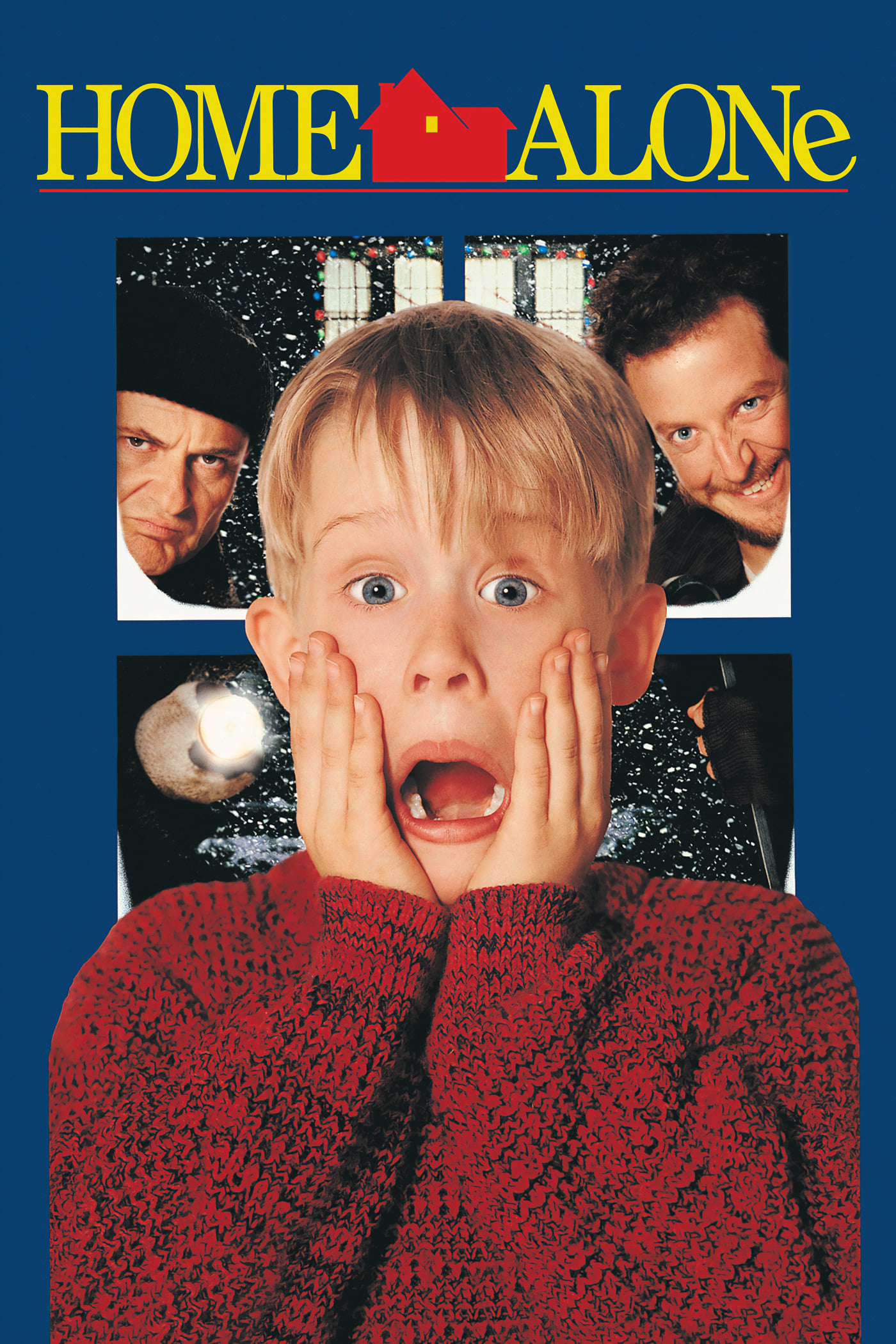 Home Alone 1990
-
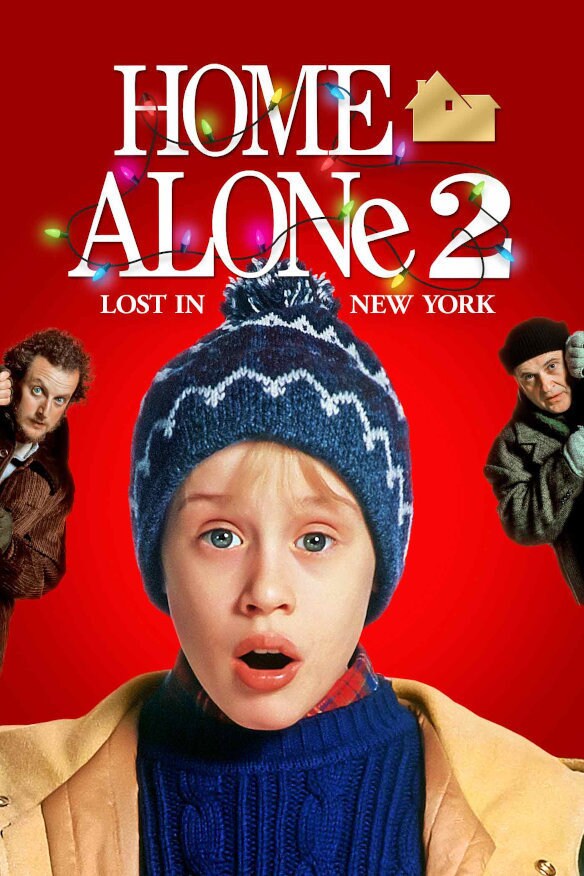 Home Alone 2: Lost in New York 1992
-
National Lampoon’s Christmas Vacation 1989
-
 The Holiday 2006
-
 Die Hard 1988
-
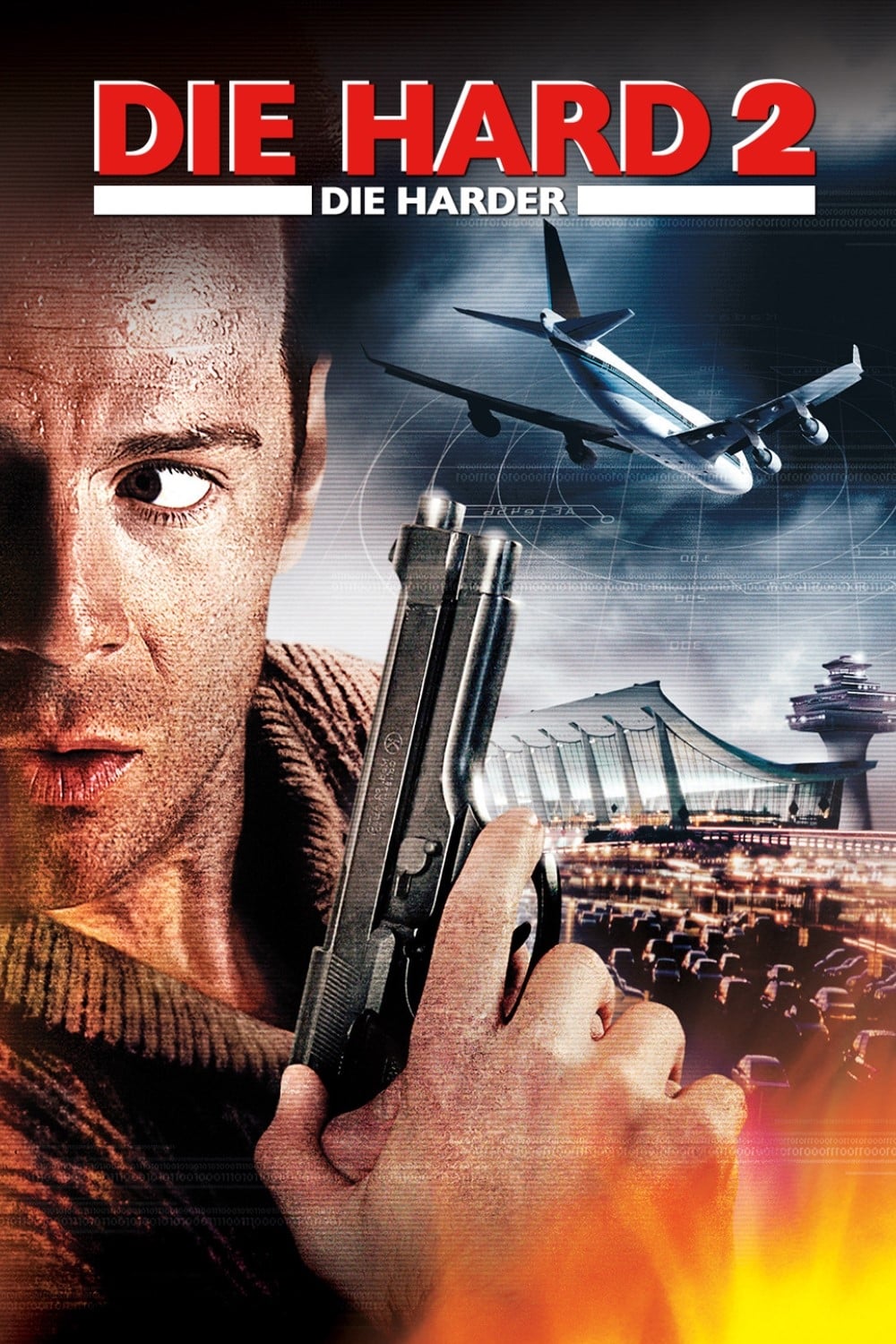 Die Hard 2 1990
-
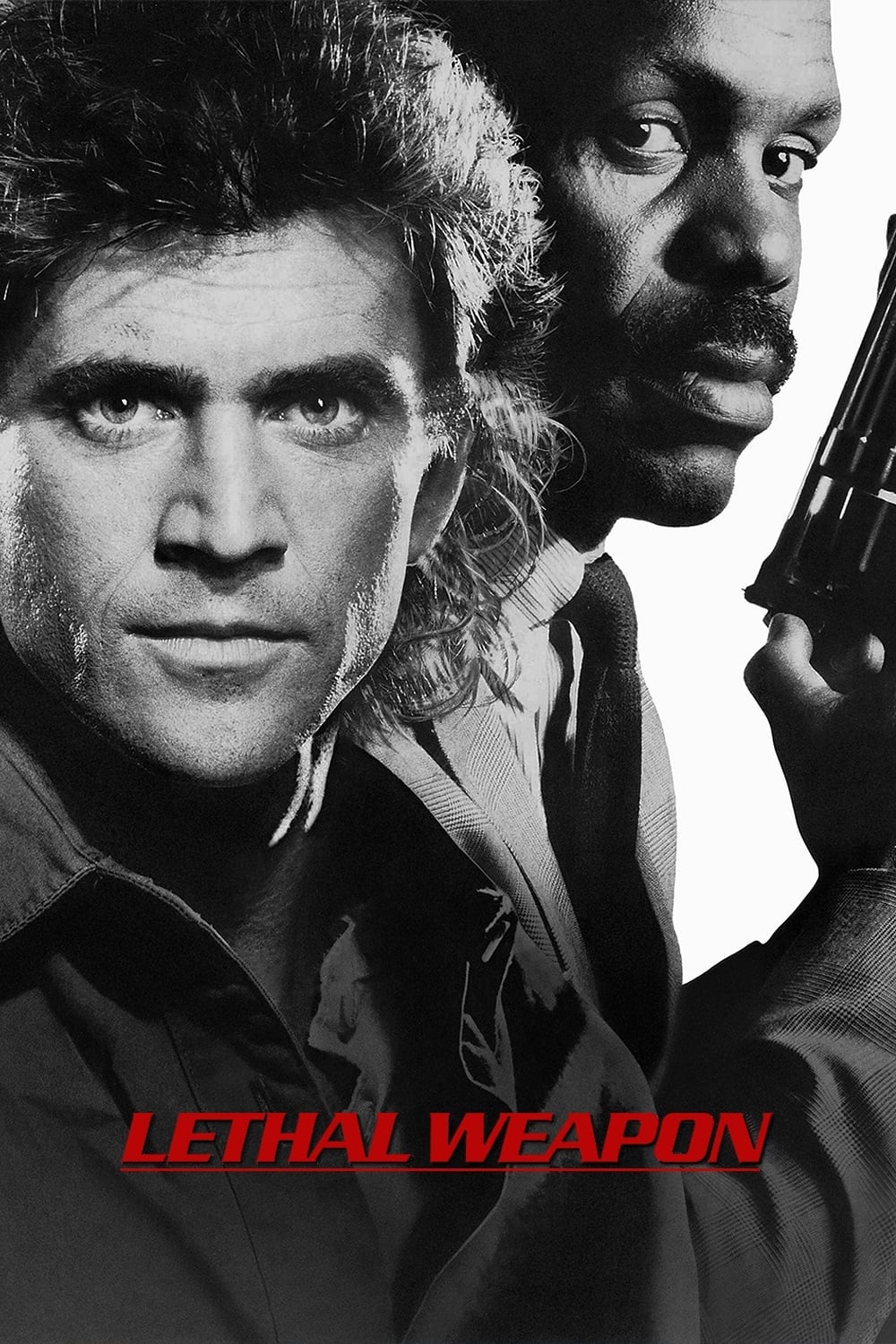 Lethal Weapon 1987
-
 Trading Places 1983
1. Home Alone (1990)
Start with the one most households already agree on. A large family leaves for a Christmas trip and forgets one child, who then has the house, the snow and the holiday entirely to himself. Chris Columbus keeps the warmth and the slapstick in the same frame, and the result plays as well for adults remembering their first viewing as for children seeing it now. Make it the opening night, with something warm to drink and the lights turned low.

Most Rewatchable Scene
Pizza guy scared off by the movie
In the discussion (11)
- Family chaos at the start is enjoyable: Pesci shows up in the cop uniform, the Little Nero's pizza guy is introduced, Kevin is set up as a brat, and the chaos makes it plausible he gets left behind. — Chris Ryan
- Kevin shopping is a favorite: shoplifting the toothbrush, the coupon trip and sassy cashier exchange at the supermarket, and the Michael Jordan party he runs like a marionette. — Chris Ryan
- Kate and John Candy's polka king at the airport is a loved moment. — Chris Ryan
- Kevin's talk with the fake Santa is a low-key favorite; the actor is recognized from Armageddon and Groundhog Day, and the "you work for him" fake-out is praised as great writing. — Chris Ryan
- The church choir scene where the old neighbor explains his estrangement is the most holiday-centric moment and more affecting than remembered. — Chris Ryan
- The final robbery is a 22-minute tour de force of physical comedy that prefigures later torture-horror films; the reunion with O'Hara's arrival and the siblings' 30 seconds of interest is note perfect. — Chris Ryan
- The most obvious choice is the pizza delivery scared off by the movie Kevin plays ("Keep the change, you filthy animal").
- The opening's child-POV chaos sets the tone, and the setup for leaving Kevin behind (storm knocking out the alarm, the neighbor kid being counted, the pre-9/11 airport rush) is cleverly written and realistic. — Mina Kimes
- O'Hara and John Heard on the plane working out what they forgot, ending in the scream of Kevin's name, is one of the most iconic moments; the kids flying in coach is funny. — Sean Fennessey
- Kevin's first day home alone indulging kid fantasies (jumping on the bed, a giant sundae, Angels with Filthy Souls) is a favorite and sets up his parallel with the mom. — Mina Kimes
- The last robbery with paint cans is called the normie choice; the group leans toward earlier scenes, then goes with the pizza scene, which kids used to copy. — Chris Ryan

In the discussion (4)
- Macaulay Culkin is the choice and is called unanimous. — Chris Ryan
- An argument could be made that the movie is another classic from Hughes. — Chris Ryan
- Stern and Pesci's physical comedy and their stunt guys earn a shout-out, but Culkin is in almost every frame. — Chris Ryan
- The close restates that Culkin won the movie. — Chris Ryan
Podcast choices
2. Home Alone 2: Lost in New York (1992)
The sequel moves the same Christmas misadventure from a suburban house to New York City, with its department stores, hotel lobbies and decorated streets. It is a natural second night for anyone who finished the first film and wanted more of the same mischief. Watch it as a holiday tour of the city as much as a comedy, and let the family argue afterward about which of the two films they would choose to keep.
Most Rewatchable Scene
Final trap sequence
In the discussion (13)
- The family losing Kevin and realizing he is absent is the first nominated scene.
- Kevin buying Chinatown fireworks is an appealing childhood fantasy. — Bill Simmons
- The free limousine with pizza, Coke and a television is another childhood wish-fulfillment highlight. — Bill Simmons
- Kevin scattering pearls to escape the renamed Sticky Bandits and using the videotape against hotel staff are nominated; his exact remote timing is implausibly expert for a hotel VCR. — Bill Simmons
- The pigeon lady’s heart-to-heart is perversely rewatchable because its long adult relationship confession to a lost child is so misguided. — Bill Simmons
- The pigeon-lady material duplicates the heart already supplied by the toy-store owner and hospital donation story, and her unrestricted Carnegie Hall access is implausible. — Kyle Brandt
- Kevin preparing traps has the appeal of a Commando-style weapons montage, amplified into a sadistic fantasy. — Bill Simmons
- The trap sequence includes four falling bricks, a staple/nail gun, slippery ladder and floor, falling tools, electrical sink, burning head and exploding toilet; the worst injuries should be fatal. — Bill Simmons
- Further punishment includes sand, the swinging pipe, tool chest, burning rope and falling paint cans, accompanied by taunts about injury. — Bill Simmons
- The kerosene-soaked rope is one favorite gag, especially the confused burglars and futile demand to climb upward. — Bill Simmons
- The pipe is the competing favorite, from the paint-can fake-out through the fall into the basement and the pipe dropping onto them. — Kyle Brandt
- The mother finding Kevin at the tree is criticized for both characters’ oddly subdued reunion. — Bill Simmons
- The final scene selection is the chaotic destruction in the renovated apartments. — Bill Simmons
3. National Lampoon’s Christmas Vacation (1989)
Every family has one relative who wants this Christmas to be perfect. Here it is a father with very large plans for the lights, the tree and the visiting relatives, and the comedy comes from watching those plans meet reality. This is the shelf’s grown-up comedy pick: rowdy, warm in an awkward way and best with a crowd that recognizes its own holiday arguments on screen. Some of the humor is of its time, so preview it before a young audience joins.
Most Rewatchable Scene
Bonus meltdown; Eddie’s arrival; shopping; dinner; tree trip; store flirtation
In the discussion (11)
- The opening road confrontation and tree trip stack jokes: driving under a truck, frozen Audrey, Clark’s frozen tongue and forgetting the saw.
- The parents arrive already arguing and oversharing bodily ailments, prompting family and aging-politician jokes.
- Clark’s grand 25,000-light presentation repeatedly fails despite his confident dedication and requested drumroll.
- The lights finally work through the overloaded extension-cord setup, and Eddie’s surprise arrival escalates the scene with Ruby Sue’s crossed-eye story, Rocky’s fungus and Snot’s ailments. — Bill Simmons
- Eddie silently loading dog food into the shopping cart while Clark pays is a favorite visual gag.
- Clark and Eddie’s living-room talk combines the odd sweater/turtleneck outfit, dog-humping advice and Clark’s offer to abandon him; the absurd lubricant sledding sequence remains enjoyable. — Bill Simmons
- Eddie’s replaced head plate and live-bait-business talk add to his bizarre character. Quaid’s later public behavior is debated as either harmful knowledge or an uncanny extension.
- Eddie’s missing money, preacher/hockey-player reference and misunderstanding about buying his children gifts are admired.
- The dry-turkey Christmas dinner, continued chewing and the gelatin mishap supply favorite food gags. — Bill Simmons
- Clark’s lost-bonus rant wins Sean’s vote and is called Chase’s best film moment. Stories of improvisation with cue-word cards are relayed as rumor.
- The shared nominee list is supplemented by Clark’s fumbling sexual attraction at the lingerie/perfume counter, observed by Rusty.
In the discussion (1)
- Chevy is the unanimous winner, explicitly summarized as across the board. — Bill Simmons
Podcast choices
4. The Holiday (2006)
Nancy Meyers sends two people to swap houses across the Atlantic for the Christmas holidays, one into a snowy English cottage and the other into a sunny Los Angeles home. It is the shelf’s romance lane on its own: a slower, softer evening built for blankets and a long conversation afterward. Pick it for the night when nobody wants explosions or slapstick, and the main question is which of the two houses you would rather wake up in.
Most Rewatchable Scene
Cameron Diaz's drive into the village; Jude Law as a dad with his two daughters; Jude Law and Cameron Diaz's morning after
In the discussion (8)
- The video store scene is the obvious nominee but nobody on the panel loves it: it is Jack Black's signature scene, at a Blockbuster that looks like the west side, explaining movies to Kate Winslet through their scores while Dustin Hoffman stands annoyed in the same row; the 'Where have you gone, Joe DiMaggio' clip is played, in which the dialogue says it was written for the movie as a score.
- The key objection is that he is singing the scores rather than playing them, with vowels no other human has made; on a date it would be an absolute pass, yet it is still an iconic scene in the movie.
- Graham and Amanda's first morning after is nominated with a clip: Cameron Diaz absolutely shines, a little awkward, doing the screwball thing she is good at, although the cadence of the banter is a bit odd, and her trying not to seem too into him is a relatable position.
- Diaz's power is the very physical, goofy comedy, so the together control freak is not funny Cameron Diaz and it feels more natural once she is allowed to be weird; the scene is also uncomfortable because Jude Law is so hot, in the greatest glasses ever, early to the plastic-glasses trend before Warby Parker, a hot dad who is a distraction in every scene.
- The scene where Cameron Diaz goes to Jude Law's house and learns Sophie and Olivia are his daughters, not other women, is another nominee: the two British girls are the cutest kids and call both adults out, though they seem too well adjusted a year after their mother died; it is summed up as 'Jude Law as a dad', doing the napkin face, crafted in a lab to appeal to a certain type of person, with a nice house too.
- On the Kate Winslet side, Iris picking up Arthur to go to the WGA, helping him walk in the pool, the Hanukkah dinner with his old friends, and the last scene where he gives her a corsage (clip played) are liked, with the Arthur plot line preferred to Winslet's other plot lines as a real L.A. story of befriending a neighbor; still, nothing contends with Jude Law and Cameron Diaz.
- Cameron Diaz driving to the town, terrified of hitting cars, just missing Jude Law on his bike and pulling up at the little grocery store, then alone in the cottage swigging wine in a beanie hat and reading, is called a favorite and solo funny Cameron Diaz.
- The final picks are Cameron Diaz driving, 'Jude Law is a dad', and the Jude Law and Cameron Diaz morning after; everyone agrees it is a Jude Law and Cameron Diaz movie.
In the discussion (1)
- Jude Law won the movie, resoundingly: that guy is so hot it carries the movie, tough but true, and the movie does not work without him; there is no other answer, and yet, as transcribed, 'it still has Apex Mountain', how wild.
5. Die Hard (1988)
Set at an office Christmas party in a Los Angeles tower, John McTiernan’s film is the center of the most familiar holiday argument in movies. Watch it once and decide for yourself. It is an action film with a strong sense of place, a winter-holiday soundtrack and a hero who wants to make up with his family before the evening is over. Save it for the group that wants tension and noise, and keep it away from the youngest viewers.
Most Rewatchable Scene
Ellis getting a Coke (two votes); the roof/fire-hose escape; Hans posing as a hostage
In the discussion (8)
- McClane crossing broken glass barefoot is nominated for its immediate physical vulnerability. — Chris Ryan
- Hans interrogating Takagi is nominated as the first full display of his charm and ruthlessness.
- Ellis drinking Coke while trying to negotiate with Hans is nominated and later chosen by two participants.
- McClane’s improvised attempts to attract Al Powell, culminating in dropping a body on the police car, are nominated.
- The SWAT assault and Theo’s “Night Before Christmas” narration are nominated. — Chris Ryan
- McClane leaping from the roof with a fire hose and barely surviving the swing into the building are nominated; one participant selects this sequence.
- Hans pretending to be an escaped hostage, accepting a cigarette, and receiving an unloaded gun are nominated; one participant selects it.
- McClane’s fight with Karl, every FBI appearance, and the under-table shooting are additional nominations.
In the discussion (4)
- Bruce Willis receives the first explicit vote because the movie created the action-star career that supported his more adventurous work.
- John McTiernan is proposed for raising the craft expectations of action filmmaking and sustaining an unusually interesting career.
- A second explicit decision says Bruce Willis definitely won.
- Alan Rickman is identified as the other half of the central two-person race, though no final explicit vote for him is captured.
Podcast choices
- Speaker not identified
- Bruce Willis
- Speaker not identified
- Bruce Willis
6. Die Hard 2 (1990)
The sequel keeps the Christmas Eve setting and moves it to a snowbound airport, where holiday travel is about to get much worse. Renny Harlin gives it a bigger scale and a sense of everyone trying to get home before the night is out. Pair it with the first film on consecutive nights, then compare how a sequel repeats its setup while trying to change the scenery. The action and violence are again for an older audience.
Most Rewatchable Scene
Baggage-area fight; first McClane-Lorenzo meeting; painters shootout and ramp standoff; ejection and parachute escape; runway fight and fuel-trail landing
In the discussion (9)
- First listed: McClane fighting two men in a restricted baggage area, with Vondie Curtis Hall; the cluttered, climbable set is praised and the airport raised as a possible Apex Mountain for airport movies, though it was not actually shot at Dulles. — Bill Simmons
- The first McClane-Lorenzo meeting is quoted, with both actors bringing it; it sets up the trope of an official who is unimpressed by a proven hero, riffed on through an imagined Sully Sullenberger being brushed off.
- The metal-detector insult to Carmine is noted as a likely ad-lib whose joke nobody fully understands. — Bill Simmons
- The paintball-style shootout, with sinister painters (including Robert Patrick) ignored by the airport SWAT team, and the suspenseful moving-ramp standoff are nominated. — Bill Simmons
- The plane crash is called the craziest and most horrifying scene in action-movie history; with some 220 deaths quickly moved past, it is judged memorable rather than rewatchable. — Bill Simmons
- After 9/11 such a scene would never be made; the movie is one of the most violent mainstream films, mixing sight gags with a British plane crash that kills about 200 people, after which everyone at Dulles keeps drinking and waiting, and making the passengers unlikable British travelers is called a weird choice.
- McClane pushing the crate, taking on Esperanza on the transport plane and ejecting leads to a shot of him parachuting at the camera, called one of the better action-movie shots, though the villains oddly fail to finish him. — Bill Simmons
- The final fight with John Amos and Stuart ends with the plane blown up on an improbably long runway and controllers using the fire trail to guide landing planes. — Bill Simmons
- Additional favorites: the news helicopter pilot saying he is crazy but not that crazy, repeated blueprint-reading scenes with Art Evans, and the William Atherton-Bonnie Bedelia first-class feud. — Sean Fennessey
In the discussion (1)
- Asked who won the movie, the answer is Bruce Willis, who did it again, with no doubt expressed.
Podcast choices
- Speaker not identified
- Bruce Willis
7. Lethal Weapon (1987)
Richard Donner’s buddy-cop film takes place in Los Angeles at Christmastime, with decorations in the background and two very different partners at the center. One of them is a family man who wants a quiet holiday; the other has very little holding him together. It is the darker end of the action lane, with intense violence and heavy themes, so choose it for a late night with friends rather than a family evening.
Most Rewatchable Scene
Riggs's escape through the strip-club and 101 freeway shootout; Hunsaker's killing and the helicopter shootout
In the discussion (16)
- The Christmas-tree drug bust opens the list, with the 'this is a real fucking gun' badge exchange called amazing.
- Two scenes establish Riggs, whose introduction has him swallowing cocaine off a switchblade; the Christmas element is called bigger here than in Die Hard. — Chris Ryan
- Riggs's Three Stooges bit and cocaine use flip the usual cop-movie arc; his 'shoot him' standoff before turning it on the dealer is called brilliant. — Chris Ryan
- The handcuff jump with the jumper is next: it has no plot need but proves how crazy Riggs is and poses whether he is chasing a psycho pension or truly suicidal. — Bill Simmons
- Viewers forget the jump is coming, jumps onto the big inflatable cushion are always great, and the cushion is never shown being set up. — Chris Ryan
- The jumper is wished to have been a known actor, like Ellis from Die Hard. — Bill Simmons
- The post-dinner talk in a boat parked in the driveway is the chemistry scene that shows why the movie works. — Bill Simmons
- The desert exchange feels Joel Silver-ish; its location (White Sands or the Mojave) is a drive of hours from downtown L.A., and one host had it in nitpicks; Riggs's sniper work there is enjoyed despite 1987 communication limits. — Bill Simmons
- Riggs's escape through the strip-joint and 101 freeway shootout is called 11 incredible nonstop minutes; the torture scene with Busey is 'all of the 80s in one room'. — Bill Simmons
- The strip-club shooting reflects a rough decade for pedestrians in action movies, and the 101 shootout is underrated; taking over that stretch of freeway is marvelled at. — Bill Simmons
- Riggs is judged faster than 1986 Cruise in a sprint and barefoot for the last half hour without the problems of Die Hard's hero; Robert Patrick in Terminator 2 tops the running hierarchy. — Bill Simmons
- The front-yard fight ('would you like a shot at the title?') is a favorite despite the many implied violations; research says four more minutes of the fight were cut. — Bill Simmons
- It ends with the 80s trope of the villain getting up to be shot one last time; Joshua winning then would have topped the 2004 Red Sox comeback. — Bill Simmons
- Final pick: everything from Riggs's escape through the 101 shootout. — Bill Simmons
- The other pick is Hunsaker's killing and the helicopter shootout, with Riggs emptying two clips toward the ocean; Shane Black redid it in Iron Man 3, and Hunsaker is shot through the eggnog. — Chris Ryan
- The cliffside helicopter pullback is praised; Palos Verdes is the location guess, and a mid-80s run of helicopter stunts (Airwolf, Blue Thunder) is recalled. — Bill Simmons
In the discussion (2)
- The award goes to Gibson and Glover together as a duo.
- Agreement follows because it vaulted both of them; they brought Shane Black's material to life. — Bill Simmons
Podcast choices
- Speaker not identified
- Mel Gibson and Danny Glover
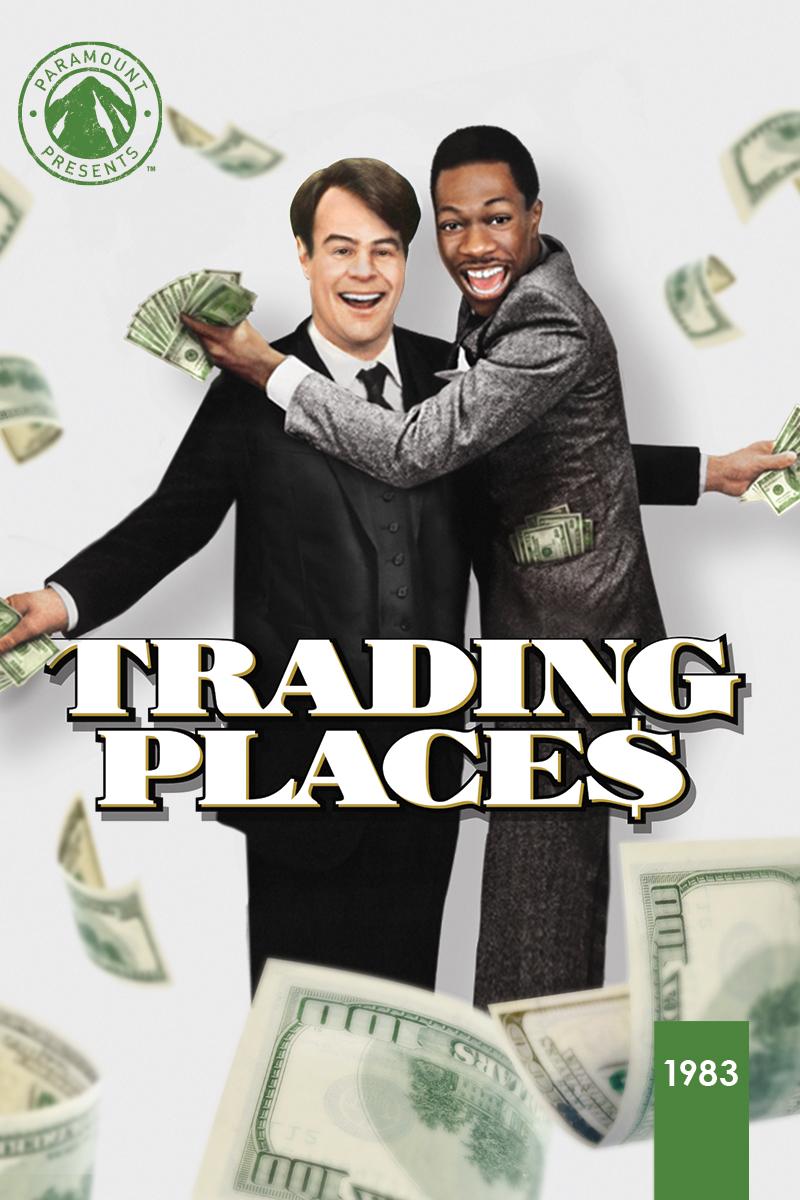
8. Trading Places (1983)
Finish with a comedy of money, status and a wager made by two rich men who think they can arrange other people’s lives. John Landis sets it in Philadelphia across the holiday season, from Christmas to New Year’s. Eddie Murphy and Dan Aykroyd give the shelf its sharpest comic rhythm. It is an older comedy with crude and abrasive moments, so come ready for those, then let the podcast take over after the final scene.
Most Rewatchable Scene
Trading floor; Curtis’s nude scenes; bar and limousine reveal also strongly considered
In the discussion (18)
- The opening credits establish Philadelphia, season and atmosphere before the characters. — Van Lathan
- Billy Ray’s supposed miraculous recovery reveals his street hustle and explosive comic presence.
- The collision with Louis leads to armed police confrontation and a Blues Brothers callback. — Bill Simmons
- The Dukes’ offer prompts Billy Ray to consult the chauffeur and test whether the arrangement is a joke. — Bill Simmons
- Billy Ray explores the house, calls Coleman his slave and breaks the vase while testing what ownership means. — Bill Simmons
- The bar reunion and limousine reveal are strong contenders.
- The house party turns Billy Ray protective of his possessions, including cigarette damage.
- The Christmas party through overhearing the bet is nominated, including salmon in the Santa suit. — Bill Simmons
- Billy Ray pockets one joint while confiscating the planted drugs. — Bill Simmons
- The bathroom conversation and inhaler are favorite details. — Bill Simmons
- Louis waking and confronting Billy Ray leads to the experiment explanation. — Bill Simmons
- The trading sequence is nominated.
- The final beach ending is nominated. — Chris Ryan
- Billy Ray’s jail stories, broken limousine phone and karate boasting are considered among the funniest comedy scenes. — Van Lathan
- Curtis’s nude scenes are emphatically selected as formative and highly rewatchable.
- The trading floor is an explicit final choice, praised as a satisfying heist-like conclusion beginning with the financial contributions at the station.
- The Dukes’ collapse culminates in the demand to reopen trading and indifference to a brother’s illness.
- Billy Ray proves his value through the kung-fu-grip market reasoning and saves the Dukes money. — Van Lathan
In the discussion (1)
- Murphy is proposed in the final winner question and explicitly affirmed in the response. — Bill Simmons
Podcast choices
- Speaker not identified
- Eddie Murphy
- Speaker not identified
- Eddie Murphy
Keep the evening going
The list is an invitation, not homework: eight films leave room to choose the tone that suits each night of the holidays. Use the mood picker to make a shorter queue, or browse the movie directory for another route into the podcast. When you do listen, the category directory explains where to find the panel’s scene picks, winners and other recurring arguments.