
Film credit
Kevin Costner
Also referred to as Costner, Koster, Coster
Stats
- Episodes featuring their films
- 10
- Movies in this archive
- 10
Rewatchables episodes featuring Kevin Costner’s films
Robin Hood: Prince of Thieves
1991 film
Bill Simmons · Chris Ryan · Van Lathan
Aired November 7, 2023
Mentioned in discussions
In the discussion (4)
- Revenge is suggested as a companion film.
- American Flyers first, then No Way Out, would show Costner before and after stardom. — Sean Fennessey
- The Big Clock offers the earlier adaptation, although it is considered less good and less twisty. — Sean Fennessey
- Presumed Innocent supplies another sexy, star-driven mystery about power. — Sean Fennessey


Apex Mountain
Washington film noir; pirate-uniformed bellboy witnesses
In the discussion (10)
- Costner is rejected; Young’s earlier Stripes/Blade Runner period is preferred. — Bill Simmons
- Movie mistresses is proposed but left unresolved after considering several alternatives. — Bill Simmons
- Hackman is rejected. — Bill Simmons
- Washington film noir receives agreement. — Bill Simmons
- Russian-submarine material loses to The Hunt for Red October. — Bill Simmons
- Dzundza murders is proposed against Basic Instinct without a settled choice. — Bill Simmons
- The Omni Shoreham Hotel is nominated.
- Patton’s peak is assigned to Remember the Titans.
- Polaroids are rejected in favor of Memento. — Bill Simmons
- Pirate-uniformed bellboys serving as federal espionage witnesses receives enthusiastic agreement. — Bill Simmons

The Great Shot Gordo Award for Most Cinematic Shot
Pentagon checkerboard chase; nighttime focus shift; party triangulation
In the discussion (3)
- Costner running along the Pentagon’s checkerboard hallway is a striking image.
- The nighttime focus shift between Hackman and Costner is effective. — Sean Fennessey
- Party photography triangulates Susan, Brice and Tom, then reveals Brice’s mounting anxiety. — Sean Fennessey

What’s Aged the Worst?
Assassins; limo sex; spy conventions; underused Duff; audition allegation; detours; stereotypes; haircuts
In the discussion (10)
- The supposedly elite assassins run awkwardly and look insufficiently formidable. — Bill Simmons
- The limousine sex scene has corny music and unclear positioning. — Bill Simmons
- The long-term embedded Russian-spy model feels dated relative to modern technological espionage, although Russian spying itself remains active. — Bill Simmons
- Howard Duff is underused in a role lasting roughly a scene and a half.
- Young’s reported account of Donaldson requiring her to expose herself at an audition is condemned. — Bill Simmons
- The extended overseas rescue and Manila detour seems excessive for its narrative purpose, despite a defense of establishing Tom’s hero status. — Bill Simmons
- The phantom-submarine subplot receives too little explanation for its importance. — Chris Ryan
- Costner listing Russian authors is proposed as a weakness, with an immediate objection.
- Scott participates in an outdated stereotype of the hysterical queer villain, even though the performance remains entertaining. — Bill Simmons
- The supposedly sexy film has awkward haircuts for Susan, Tom, Scott and party guests.

Most Rewatchable Scene
Bryce betrays Scott in the office; the final twenty minutes
In the discussion (14)
- The opening Washington party efficiently introduces Tom, Susan and Scott through flirtation and social maneuvering. — Bill Simmons
- Tom’s Stoli order supplies a small clue, while Susan’s conspicuously long cigarette adds to their flirtation. — Bill Simmons
- The limousine ride begins with Susan asking the driver to show them the monuments. — Bill Simmons
- Susan commandeers Nina’s apartment and bed, offering her friend the limousine, fur coat and food. — Chris Ryan
- Tom and Susan flirt while preparing for their second party. — Bill Simmons
- The Manila strip-club sequence, including Wild Thing and a phone torn from the wall, is singled out enthusiastically.
- Brice’s confrontation with Susan turns into her fatal fall. — Bill Simmons
- Brice brings Scott the news that he has killed Susan, and Scott immediately constructs a plan.
- Tom’s reaction to learning Susan is dead plays both as grief and, on rewatch, panic about his own exposure.
- During the visit to Nina, Tom silently implores her not to reveal their connection, then prepares to use a vase against Scott. — Bill Simmons
- The Washington car and running chase features impressive physical work from Costner. — Bill Simmons
- The final pursuit, stairwell fight and confrontation in Brice’s office culminate in Brice betraying Scott. — Bill Simmons
- The final revelation reframes Tom’s relationship with Susan as part of his assignment.
- The office confrontation is the favored specific scene; another choice is the final twenty minutes, encompassing the Pentagon hunt and revelation.

Half-Assed Internet Research
Source adaptations; budget and gross; Leachman account; nude-scene and stunt anecdotes; locations
In the discussion (7)
- A quoted Leachman autobiography passage recounts a one-night encounter with Hackman while both were filming in San Francisco. — Bill Simmons
- The story derives from Kenneth Fearing’s 1946 novel The Big Clock, previously adapted in 1948 and as Police Python 357 in 1976. — Bill Simmons
- The stated budget is $15 million and the gross $35.5 million; cable and HBO expanded its audience. — Sean Fennessey
- Young’s account describes helping an uncomfortable Costner through their nude scene. — Bill Simmons
- The limousine sequence is described as partly improvised.
- Costner reportedly rolled over a moving car’s hood during a chase and was reprimanded. — Bill Simmons
- Susan’s house is identified at Queen and Union Streets in Alexandria. — Bill Simmons

What’s Aged the Best?
The twist; photograph countdown; chemistry; political rivalry; score; getaway; collaborators; Scott
In the discussion (13)
- A powerful man maintaining a mistress in a Virginia townhouse is praised as an effective movie premise, with joking disagreement about calling it aged best.
- Opening on an intense interrogation before jumping six months backward works here, despite objections that television has overused the device.
- The landlord’s revelation as Tom’s handler supplies a second twist.
- The gradually resolving photograph serves as an effective countdown. — Chris Ryan
- Costner and Young’s chemistry remains exceptionally strong. — Chris Ryan
- The destructive rivalry between Congress and the executive branch still resonates. — Bill Simmons
- Fred Dalton Thompson remains convincing as a military-industrial figure.
- The ominous Washington synthesizer score works well. — Bill Simmons
- Paying extra for an otherwise unavailable boat enables the Chesapeake getaway.
- Costner’s loyalty to collaborators carries supporting performers into later films.
- Scott’s patronizing demands for moral courage and calm remain entertaining.
- The old-college-friends connection between Tom and Scott is memorable.
- The henchmen’s awkward pursuit is funny enough to count as both a strength and a weakness. — Bill Simmons

In the discussion (1)
- Costner and Scully are considered for winner; Costner receives the final choice for his performance and physical commitment, with Scully an honorable mention. — Mallory Rubin
Podcast choices

Half-Assed Internet Research
Deleted shower scene; Scully casting; Yankee Stadium; Michael Shaara nod
In the discussion (4)
- Conflicting explanations for the reportedly deleted nude shower scene include maintaining PG-13 and poor test reactions; the audience-giggling account is challenged and Costner's reported anger is discussed. — Mallory Rubin
- A claim that Costner requested Scully is mentioned with uncertainty; the thin research material and prevalence of minor real-baseball casting anecdotes draw skepticism. — Mallory Rubin
- The story that Costner persuaded Steinbrenner to allow Yankee Stadium filming despite a Yankees loss is considered entertaining, against the team's real dominance. — Mallory Rubin
- Chapel reading The Killer Angels is identified as a nod to Michael Shaara, also the author of the source novel. — Mallory Rubin
What’s Aged the Best?
Clear the mechanism; Costner as a baseball player
In the discussion (17)
- Clear the mechanism is praised as an enduring phrase. — Mallory Rubin
- Sam Tuttle is praised as an ideal Yankees villain, especially his attempt to bunt against the perfect game. — Bill Simmons
- Brian Cox, John C. Reilly and J.K. Simmons are aged-best candidates; Simmons's genial manager is contrasted with his then-familiar violent racist character on Oz. — Bill Simmons
- Against the Wind is an aged-best choice. — Bill Simmons
- The old Yankee Stadium is an aged-best choice. — Bill Simmons
- Vin Scully is credited with elevating the baseball from ordinary to exceptional; a reported interview suggests freedom to alter dialogue, and his real perfect-game experience adds authority. — Mallory Rubin
- Costner as a baseball player and in various states of undress are praised, particularly the locker-room changing and sensual handling of his glove. — Mallory Rubin
- Jane's restrained sexual presentation is criticized in contrast to Costner's, while a defense argues it differentiates her from his usual partners; her museum appearance is praised. — Mallory Rubin
- The relationship with Birch, nicknamed Scarecrow, is praised for handling friendship and a player's move for family and money without excessive emphasis. — Bill Simmons
- Signing autographs during the couple's argument is praised as realistic for 1999, but also considered dated because phone cameras would now expose the conversation. — Bill Simmons
- Gus’s reassurance speech is an aged-best candidate. — Bill Simmons
- Obnoxious Yankees fans are an aged-best candidate; the caricatured hecklers remain amusing. — Mallory Rubin
- Gus's .184 batting average inspires a joking theory that the Tigers valued pitch framing before its wider recognition. — Mallory Rubin
- The catching footage is thought to rely on a double for Reilly, which is considered understandable given the fastballs. — Mallory Rubin
- The initial sexual arrangement is praised for honesty about Chapel’s behavior. — Mallory Rubin
- The flashback structure is preferred to conventional narration despite the weak romance. — Mallory Rubin
- Final aged-best choices split between Clear the mechanism and Costner as a baseball player, with Scully acknowledged as a tempting alternative. — Bill Simmons
Most Rewatchable Scene
Mickey Hart’s catch; ninth inning
In the discussion (25)
- The first-inning sequence is nominated, from insisting on Gus as catcher through the confrontation with Sam Tuttle; the manager exchange and J.K. Simmons are praised.
- Access to Chapel's thought process makes the pitching duel compelling, contrasting the hostile Tuttle at-bat with his affection for Birch and comparing the mental approach to Bull Durham. — Mallory Rubin
- Talking aloud on the mound and the dialogue itself are considered devices that should fail but work because they feel convincing. — Bill Simmons
- The apparent full crowd and grandeur of the old Yankee Stadium are praised, with preference expressed over its replacement. — Mallory Rubin
- The mound dialogue supplies welcome baseball history missing from the romance flashbacks, but the brief moving-out scene leaves the bond with Birch underexplored. — Mallory Rubin
- The masseuse sequence is nominated by both speakers: the suggestive massage, Jane's surprise arrival, his greeting and the masseuse appearing upstairs make the comic situation work. — Mallory Rubin
- The established relationship with the masseuse and immediate response to Jane declining the invitation are considered believable behavior for a professional athlete; the massage timing inspires a happy-beginning joke. — Mallory Rubin
- Chapel discovering the perfect game and Gus's reassurance are nominated; the speech is praised as Reilly's standout scene despite reservations about the rest of his performance. — Bill Simmons
- A veteran pitcher failing to recognize a perfect game is challenged, especially given teammates avoiding him; the distraction is nevertheless accepted as useful for the scene. — Mallory Rubin
- The manager warming relievers and insisting he needs the game is considered less believable given the team's losing record and the perfect game in progress. — Bill Simmons
- The attempt to replace Gus before what might be Chapel's final Tigers start is criticized as an implausible prioritization of the backup catcher's at-bats. — Mallory Rubin
- Mickey Hart saving the perfect game is nominated and praised for its payoff, cap acknowledgment and the manager's reaction; the actual catch is criticized as insufficiently athletic. — Bill Simmons
- Mickey's earlier ball-off-the-head error recalls Jose Canseco, but the depicted Fenway wall is challenged as nonexistent. — Mallory Rubin
- Chapel discouraging Mickey from becoming a media joke is praised as valuable evidence of his generosity as a teammate and as material that should have formed more of the movie. — Mallory Rubin
- Mickey's failed-prospect setup leaves open the possibility that the catch could turn his career around. — Mallory Rubin
- Signing the retirement message on the baseball before the ninth is nominated; the delayed reveal, owner's reaction, manager's exclamation and Scully transition are praised. — Bill Simmons
- The ninth inning is nominated, but the increasingly spectacular defensive outs culminate in an implausible diving shortstop play against an apparently quick runner. — Mallory Rubin
- A strikeout is proposed as the more fitting final out for the story's individual achievement theme. — Mallory Rubin
- An alternative ending in which the runner is safe and Chapel loses the perfect game is welcomed as interesting, while the filmed achievement remains emotionally effective. — Mallory Rubin
- Scully's climactic commentary is praised, with relief that Steve Lyons recedes from the broadcast late in the game. — Mallory Rubin
- The first dinner is nominated for engrossing badness: the notebook and lip-gloss exchange, awkward kissing question and later yes note create unintentional comedy, while Costner's appeal partly sells the moment. — Mallory Rubin
- The hand-saw accident and hospital sequence are nominated for their excessive drama, especially Jane's outburst, not joining the helicopter and visibly aggrieved reaction. — Mallory Rubin
- The makeup-smashing argument is nominated for unintentional comedy, particularly Chapel's solemn promise to hire a driver. — Mallory Rubin
- Mickey Hart's catch is the final scene choice, with the first inning also strongly praised. — Bill Simmons
- The ninth inning sealing the perfect game is the other final choice, chiefly for Scully's commentary on baseball history. — Mallory Rubin
Casting What-Ifs
Nick Nolte declined Peck; the extensive other-candidate list is treated skeptically.
In the discussion (2)
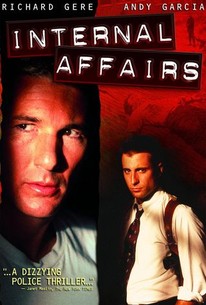
- Nick Nolte reportedly declined Dennis Peck for Another 48 Hrs.; Gere is considered essential despite a long and questionable list of other purported candidates.
- The untrusted candidate list includes Alec Baldwin, Tom Berenger, Jeff Bridges, Pierce Brosnan, Kevin Costner, Willem Dafoe, De Niro, Michael Douglas, Harrison Ford, Mel Gibson, Jeff Goldblum, Ed Harris, William Hurt, Don Johnson, Tommy Lee Jones, Michael Keaton, Nolte, Pacino, Christopher Reeve, Kurt Russell and Schwarzenegger. — Chris Ryan
Films in the archive
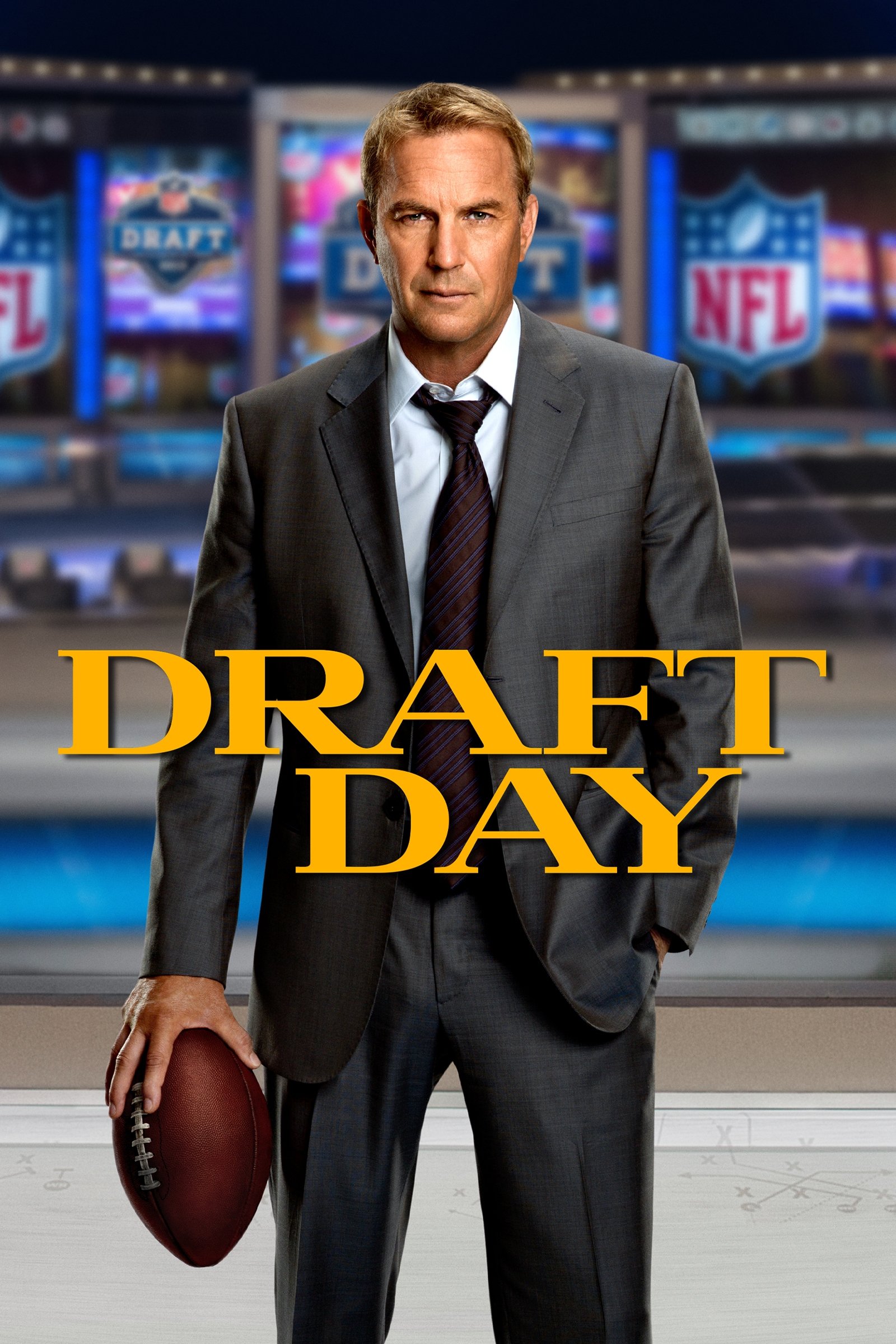
Draft Day
2014


Field of Dreams
1989
For Love of the Game
1999
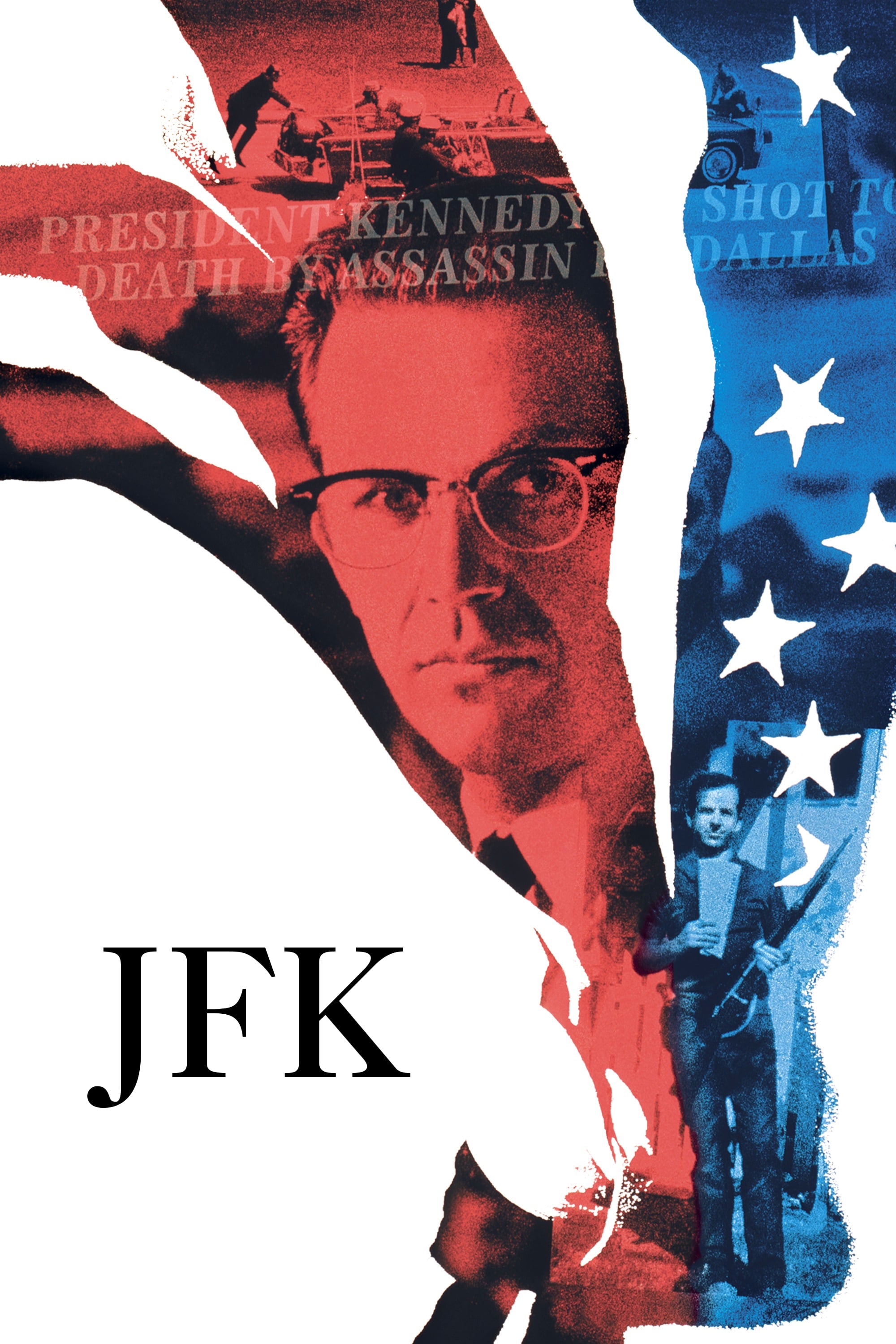
JFK
1991

Night Shift
1982

No Way Out
1987

Robin Hood: Prince of Thieves
1991
The Bodyguard
1992
The Untouchables
1987

Tin Cup
1996