
Film credit
Gene Hackman
Also referred to as Hackman
Stats
- Episodes featuring their films
- 8
- Movies in this archive
- 13
Rewatchables episodes featuring Gene Hackman’s films



Mentioned in discussions


The Great Shot Gordo Award for Most Cinematic Shot
Pentagon checkerboard chase; nighttime focus shift; party triangulation
In the discussion (3)
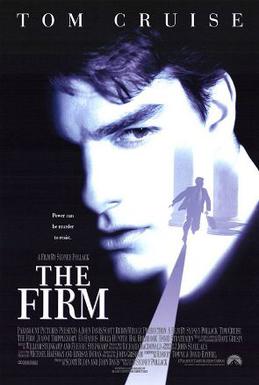
- Costner running along the Pentagon’s checkerboard hallway is a striking image.
- The nighttime focus shift between Hackman and Costner is effective. — Sean Fennessey
- Party photography triangulates Susan, Brice and Tom, then reveals Brice’s mounting anxiety. — Sean Fennessey

Half-Assed Internet Research
Source adaptations; budget and gross; Leachman account; nude-scene and stunt anecdotes; locations
In the discussion (7)
- A quoted Leachman autobiography passage recounts a one-night encounter with Hackman while both were filming in San Francisco. — Bill Simmons
- The story derives from Kenneth Fearing’s 1946 novel The Big Clock, previously adapted in 1948 and as Police Python 357 in 1976. — Bill Simmons
- The stated budget is $15 million and the gross $35.5 million; cable and HBO expanded its audience. — Sean Fennessey
- Young’s account describes helping an uncomfortable Costner through their nude scene. — Bill Simmons
- The limousine sequence is described as partly improvised.
- Costner reportedly rolled over a moving car’s hood during a chase and was reprimanded. — Bill Simmons
- Susan’s house is identified at Queen and Union Streets in Alexandria. — Bill Simmons


Sequel, Prequel, Limited Series, or All-Black Remake
Cancelled sequel; television adaptation
In the discussion (2)
- A sequel reportedly reached a completed script with Cameron and Schwarzenegger returning, but was abandoned after 9/11 because its light treatment of terrorism no longer seemed appropriate. — Bill Simmons
- The television adaptation is mentioned, followed by uncertainty about its availability and a joking proposal for Gene Hackman to return as the Heston character. — Bill Simmons

Casting What-Ifs
Nolte, Baldwin, Hackman, Voight and Richard Jordan
In the discussion (5)
- Walter Hill’s proposed Nick Nolte version — Bill Simmons
- Alec Baldwin described as an early choice — Bill Simmons
- Gene Hackman and Jon Voight considered for Gerard — Bill Simmons
- Richard Jordan’s illness and replacement — Bill Simmons
- Reshooting the party scene and Ford’s beard differences — Bill Simmons

What’s Aged the Best?
Tokyo; hotel bar; smoking; no introductions; awkward fans; Phoenix; improvisation; departing husband; soundtrack; marriage arithmetic; limited connectivity
In the discussion (11)
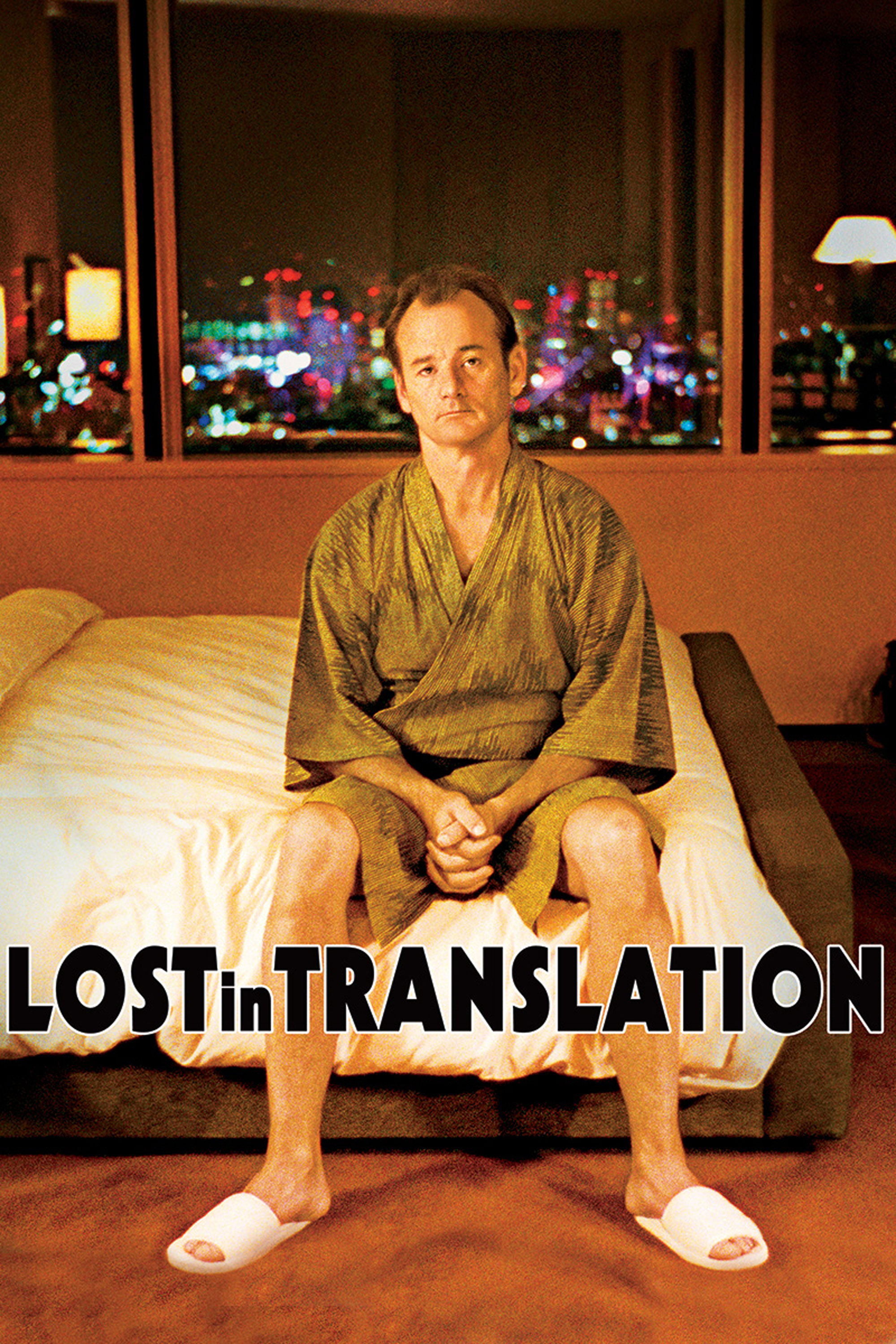
- Early-2000s Tokyo inspires a desire to visit and stay at the Park Hyatt. — Bill Simmons
- Hotel bars with piano players are praised, with this bar considered exceptionally memorable as a film location. — Bill Simmons
- Smoking cigarettes and cigars in bars evokes nostalgia despite acknowledged health harms. — Bill Simmons
- Bob and Charlotte never formally introducing themselves is an appealing detail, despite his eventual ability to send a note to her room. — Bill Simmons
- The awkward fans praising Bob’s stunt driving are enjoyed; his past stardom is compared to a Gene Hackman or French Connection type. — Bill Simmons
- The film caught Phoenix before the band’s next breakthrough album. — Bill Simmons
- Murray’s apparently improvised stretches reward spotting where the camera was left running. — Bill Simmons
- Sending the husband away halfway through efficiently frees the central relationship to develop. — Bill Simmons
- The soundtrack has held up exceptionally well. — Bill Simmons
- Bob subtracting sleeping hours from the length of his marriage is a favorite comic theory. — Amanda Dobbins
- The period’s faxes and limited mobile communication preserve isolation; modern texting and internet use would reduce loneliness and change the intrusions. — Bill Simmons


Who Won the Movie?
Eastwood overall; Hackman on this viewing
In the discussion (2)
- Eastwood is the initial winner choice, with Hackman an attractive alternative. — Bill Simmons
- A response says Hackman won on this viewing, followed by agreement and an Eastwood-wins qualification based on the Oscars and legacy. — Bill Simmons
Podcast choices
Probably Unanswerable Questions
Hackman’s greatest role
In the discussion (5)
- Popeye Doyle is offered as Hackman’s greatest role, difficult to separate from Little Bill.
- Crimson Tide is a personal favorite Hackman role.
- The Conversation is another candidate. — Chris Ryan
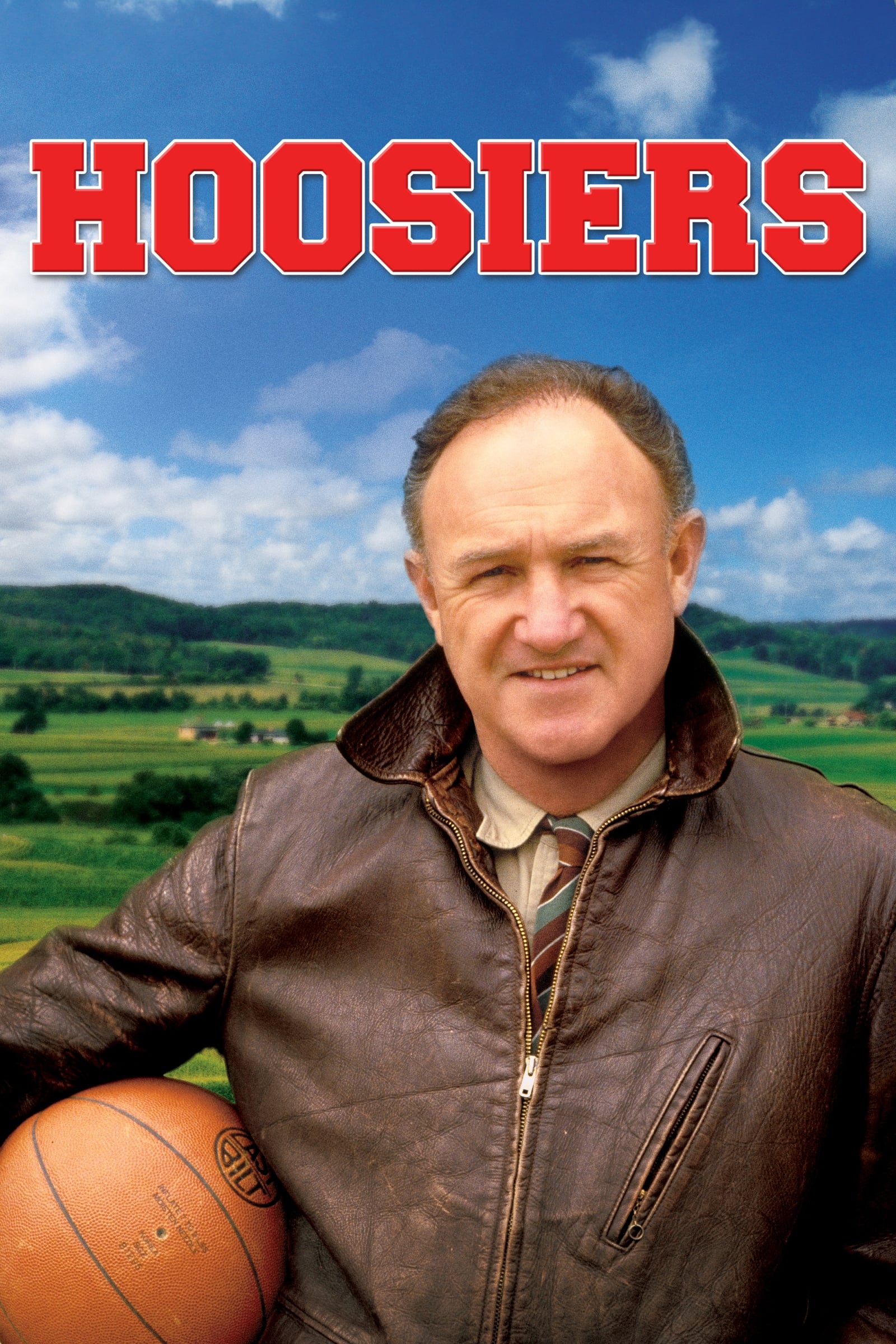
- Hoosiers is proposed but its appeal is reduced by reports Hackman disliked making it. — Bill Simmons
- Behind Enemy Lines is proposed and immediately doubted. — Chris Ryan

Apex Mountain
Post-prime Eastwood; post-prime Hackman; Saul Rubinek; small-penis revenge movies
In the discussion (7)
- Post-prime Eastwood receives a yes, combining acting, directing, and the adjacent In the Line of Fire/A Perfect World period.
- Crimson Tide is initially proposed for post-prime Hackman.
- Unforgiven is ultimately preferred for post-prime Hackman’s career influence, distinguishing that from enjoying Crimson Tide more. — Bill Simmons
- Freeman is rejected in favor of Shawshank. — Bill Simmons
- Saul Rubinek receives a yes through this and True Romance. — Bill Simmons
- Small-penis revenge films receive an affirmative response, prompting jokes about Quick Mike’s name and lack of accountability. — Bill Simmons
- Westerns are rejected; the 1950s or1960s are suggested instead, with High Noon, Liberty Valance, The Searchers, and The Good, the Bad and the Ugly as comparisons. — Sean Fennessey
Half-Assed Internet Research
Development; efficient production; dedication; awards; finances; casting; remake; set; actor autonomy
In the discussion (18)
- The film is described as Eastwood’s sixteenth directorial feature and first Oscar breakthrough, intended as his last Western. — Bill Simmons
- His fast, few-take style, avoidance of an action call, and tendency to finish under budget and schedule are described as an actor-centered approach. — Sean Fennessey
- The dedication honors Sergio Leone and Don Siegel, with Siegel’s efficient working style especially linked to Eastwood. — Sean Fennessey
- The Rookie and later Dirty Harry films are described as enabling more personal projects such as White Hunter Black Heart and Bird through the Warner partnership. — Chris Ryan
- Hackman reportedly would not join if the violence lacked reflection on its meaning. — Chris Ryan
- The film won picture, director, supporting actor, and editing. — Bill Simmons
- The Oscars telecast reportedly drew45million viewers. — Bill Simmons
- The 1976 script used The William Munny Killings and The Cut-Whore Killings titles; Eastwood acquired it in the early 1980s and delayed, ultimately reaching an appropriate age for the role. — Bill Simmons
- A script reader reportedly dismissed the screenplay before Eastwood later decided to make it. — Chris Ryan
- The stated budget is$14.4 million and gross$159.2 million.
- An uncertain internet report says a Six Flags Great Adventure coaster was to use the film’s theme before becoming Viper; the source’s reliability is explicitly questioned.
- Harris reportedly received the Eastwood call while watching High Plains Drifter.
- Rubinek reportedly followed Nicholson’s advice to send an audition tape, and Eastwood said the extra effort won him the role. — Sean Fennessey
- Eastwood reportedly preferred taped auditions because he disliked rejecting actors in person. — Sean Fennessey
- A 2013 Japanese remake starring Ken Watanabe is noted. — Bill Simmons
- Eastwood replaced opening and closing voiceover with text, preferred despite the text being difficult to read. — Bill Simmons
- Henry Bumstead reportedly built Big Whiskey in 32 days; the fresh construction suits the frontier setting. — Bill Simmons
- Rubinek recalls Eastwood granting him control over Beauchamp’s characterization and offering only practical adjustments, illustrating trust in actors. — Sean Fennessey
What’s Aged the Best?
Westerns; photography; premise; Big Whiskey; dialogue; sheriffs; Beauchamp; Harris’s accent; score; title; Hackman
In the discussion (16)
- The beautiful landscapes and brothel photography contrast with Munny’s brutality. — Chris Ryan
- The romantic Claudia theme lends unexpected tenderness to the filmmaking. — Chris Ryan
- The opening title and grave-and-tree image establish a classical, romantic storytelling frame. — Sean Fennessey
- Westerns remain appealing and avoid the same sense of datedness as contemporary-set films; the setting is compared with the era before There Will Be Blood. — Bill Simmons
- The lean revenge premise remains effective. — Bill Simmons
- Big Whiskey is praised as a town name. — Bill Simmons
- Young and full of beans is an appealing phrase. — Bill Simmons
- The sheriff’s apparently unchecked authority is enjoyed as a dramatic device, compared with a fantasy commissioner and dominant coaches. — Bill Simmons
- Beauchamp is interpreted as expressing Eastwood’s hostility toward journalists; the pants-wetting is speculatively imagined as Eastwood’s addition. — Bill Simmons
- Harris dropping his cultivated accent for Cockney when leaving exposes English Bob’s pretensions. — Bill Simmons
- The score and Eastwood’s guitar theme are praised, with Lennie Niehaus also credited. — Chris Ryan
- Leaving very young children alone for weeks is jokingly called an appealing bygone freedom while also acknowledged as troubling. — Chris Ryan
- Unforgiven is praised as a superior title and powerful marketing for an Eastwood Western.
- Hackman’s performance has grown in stature, with the Beauchamp conversations giving the movie its heartbeat. — Chris Ryan
- Munny’s farming and Little Bill’s civic order and house-building are interpreted as competing attempts at redemption. — Chris Ryan
- Hackman makes morally compromised men enjoyable without erasing their humanity, compared with No Way Out, The Firm, Crimson Tide, and The Royal Tenenbaums. — Bill Simmons

Casting What-Ifs
Many actors declined Annie Wilkes and Paul Sheldon; several alternative Paul Sheldons are debated
In the discussion (7)
- Anjelica Huston and Bette Midler are identified as actors offered Annie Wilkes — Bill Simmons
- Richard Dreyfuss is proposed as a believable writer but possibly insufficiently physical — Brian Koppelman
- Robin Williams is proposed for his sympathy, physicality, and caged energy — Brian Koppelman
- Robert Duvall and Michael Douglas are proposed as strong alternatives — Bill Simmons
- Donald Sutherland is proposed as another alternative — Bill Simmons
- William Hurt, Kevin Kline, Michael Douglas, Harrison Ford, Dustin Hoffman, Robert De Niro, Al Pacino, Richard Dreyfuss, Gene Hackman, and Robert Redford are listed as having declined Paul Sheldon — Bill Simmons
- Richard Dreyfuss and Bette Midler are said to have later expressed regret — Bill Simmons
Recasting Couch
Richard Gere as Ness; Gene Hackman as Malone
In the discussion (2)
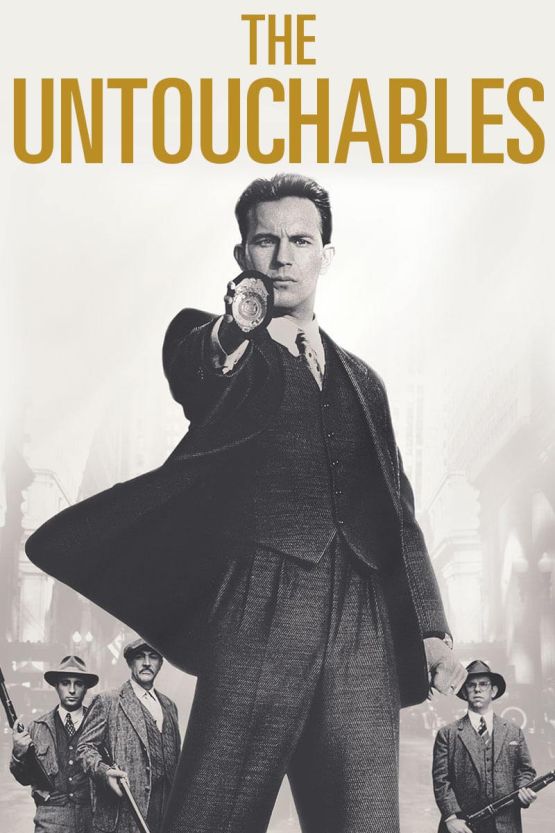
- Gere would make Ness darker and less wholesome, prompting jokes about sexual ambition and infidelity rather than straightforward family life. — Bill Simmons
- Hackman is proposed for Malone’s authority and a potentially more authentic accent; Connery remains difficult to replace imaginatively. — Bill Simmons

