
Film credit
Michael Madsen
Also referred to as Madsen, Michael Mattson
Stats
- Episodes featuring their films
- 5
- Movies in this archive
- 6
Rewatchables episodes featuring Michael Madsen’s films
Once Upon a Time in Hollywood
2019 film
Bill Simmons · Sean Fennessey · Chris Ryan
Aired February 6, 2020
Mentioned in discussions
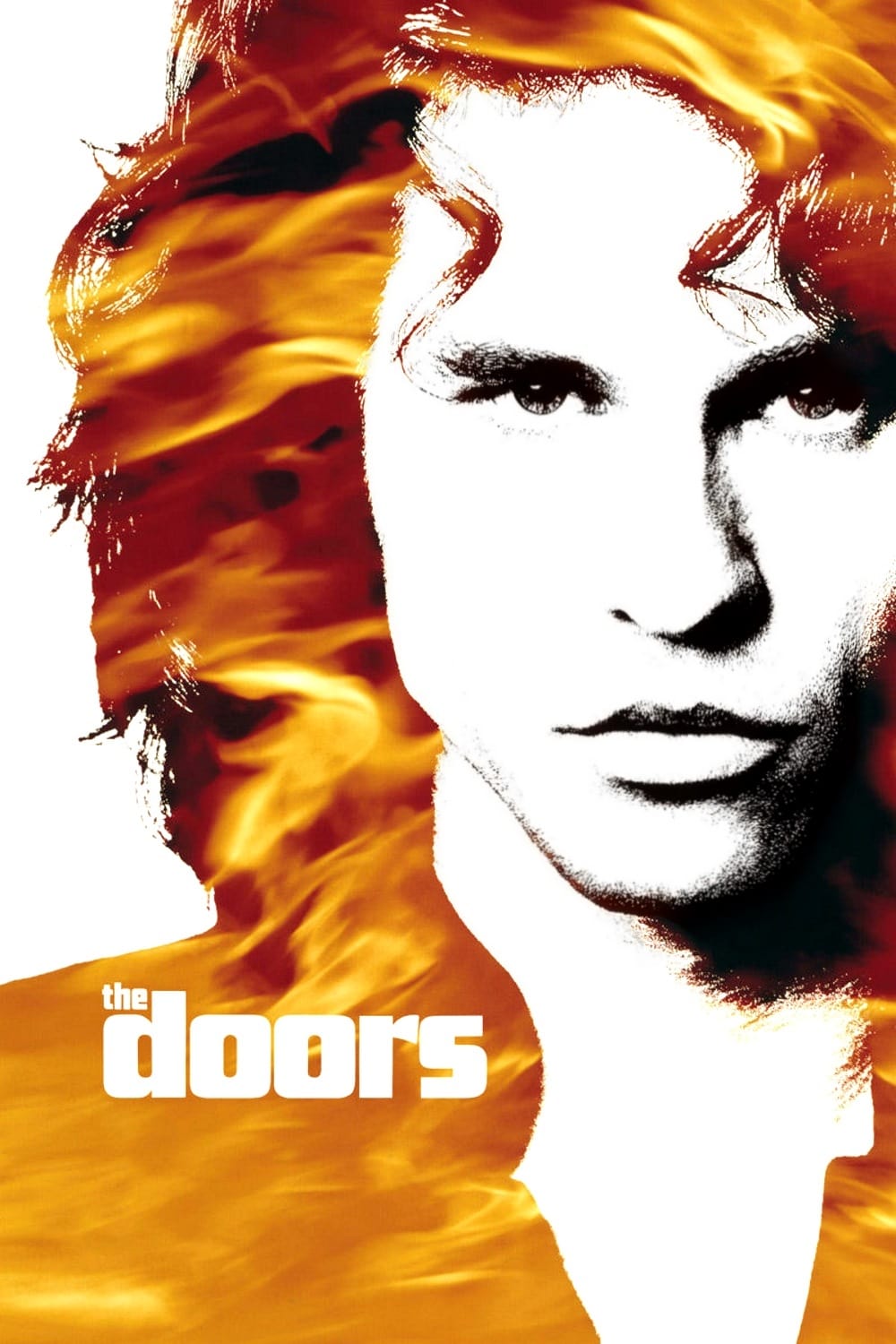

Probably Unanswerable Questions
USC film school prequel; telling books lying around; best use of an Arthur Rimbaud book; Madsen's character
In the discussion (4)
- Would watch a prequel about Jim's entire USC film school stint, every class. — Chris Ryan
- Did they always have such telling books lying around, like Mailer's Armies of the Night next to the TV, with every title visible; jokes about Bill's own set-dressed books.
- Eddie and the Cruisers, definitely, is the best use of an Arthur Rimbaud book. — Chris Ryan
- Was Madsen's character a Roger Corman type? Answer: an actual hanger-on in Warhol and Paul Morrissey art porn. — Bill Simmons

Apex Mountain
Val Kilmer; Billy Idol's movie career; Barney's Beanery
In the discussion (9)
- Oliver Stone: no. — Chris Ryan
- Kilmer's Apex: Batman or the Tombstone Huckleberry role are mentioned, but this giant movie-star role made him a star; agreed.
- Meg Ryan: no. — Bill Simmons
- Desert drug scenes are asked about as an Apex; the reply muses that the movie cemented the desert as the place for hallucinogenics, with no yes given. — Chuck Klosterman
- Frank Whaley's Apex is put at Pulp Fiction or Career Opportunities; debate over whether Apex means peak or most juice; this movie was not a success. — Bill Simmons
- Kyle McLaughlin (as spoken): no, Twin Peaks; Michael Madsen: no. — Bill Simmons
- Billy Idol's movie career definitely peaked in 1991, with Cameron and Stone wanting him. — Bill Simmons
- Barney's Beanery: no question. — Bill Simmons
- Hedged: you could argue the Doors music was most potent in 1991; disputed, with three Doors periods described. — Chuck Klosterman

In the discussion (3)
- Runners-up include Mimi Rogers as the horny photographer, Crispin Glover and Billy Idol. — Bill Simmons
- The clear winner is Michael Madsen, in a great six-year run; he is the devil-on-the-shoulder friend but basically just plays Michael Madsen. — Bill Simmons
- Bill Siddons, the first manager who tells Jim to drop the band, is also liked. — Bill Simmons
Casting What-Ifs
Ian Astbury as Jim Morrison; Michael Madsen for Morrison; Billy Idol as Tom Baker; Patricia Arquette as Pam; Kyle MacLachlan in Platoon
In the discussion (6)
- Stone offered Jim Morrison to Ian Aspery (as spoken) of the Cult, who turned it down and later toured with the Doors in the early 2000s; his voice, like Eddie Vedder's, was compared to Morrison's. — Bill Simmons
- An unverified report that Bono wanted the role; Michael Hutchins (as spoken) could have been good, while Bono doing it seems strange. — Chuck Klosterman
- Michael Madsen auditioned for Morrison and was moved to Tom Baker, initially Billy Idol's role, losing 40 pounds. — Bill Simmons
- Billy Idol's motorcycle accident also cost him the T-1000; without it he might be huge, joked into Lincoln or an HBO prestige series. — Bill Simmons
- The casting director said Patricia Arquette auditioned well for Pam and should have gotten it; an unknown would have been better. — Bill Simmons
- Kyle McLaughlin (as spoken) was Stone's first choice for the Charlie Sheen role in Platoon. — Bill Simmons

Most Rewatchable Scene
Light My Fire rehearsal through the everything's-taking-off montage and Ed Sullivan; the early fan-mania scene; the Miami sequence from backstage to performance
In the discussion (31)
- The opening is liked but left out; the film-school scene is enjoyed; the first scene with Jim and Ray on the beach is picked, from "great fucking lyrics" to "people want to fight or fuck," setting up the 60s in three sentences, called a great four minutes. — Bill Simmons
- Kilmer is not singing well yet on the beach, and later works out a raspier drunk-Jim voice. — Bill Simmons
- The beach is identified as Venice. — Bill Simmons
- The likely pick is the first band rehearsal where Light My Fire comes together in about two minutes. — Chuck Klosterman
- A good detail is Morrison walking through the rough chord changes; the speed seems crazy, but it shows how a band turns one member's rough version into a song. — Chuck Klosterman
- The organ intro gets worked out during a five-minute break; the path-to-a-hit device is loved here and in That Thing You Do and the NWA movie. — Bill Simmons
- The first live performance of The End at the Whiskey is incredible and hilarious, along with the short scene where he will not face the crowd and then turns around. — Bill Simmons
- The crowd at that show is unrealistically attractive compared with real rock shows like a Poison concert. — Bill Simmons
- Stone captures the band's early mania in a news-camera style; on the plane each member states name and occupation (Manzarek, Densmore as percussionist, Krieger), the girlfriend is introduced as an ornament and Morrison just says "Jim," which drew theater laughter. — Chuck Klosterman
- It is hard to recall what he knew about the Doors at 19, including whether he read No One Here Gets Out Alive before or after the movie. — Chuck Klosterman
- The everything's-taking-off montage and the character reset are loved, compared with a favorite Boogie Nights deleted scene; it leads into Ed Sullivan. — Chuck Klosterman
- The New Haven 1968 concert used 4,000 extras over five days, which seemed new for a concert scene; the announcer sounds like Mike Francesa; The Blues Brothers' concert was probably about 1,000 people, and films like the first two Rockies cheated with extras. — Bill Simmons
- The Thanksgiving dinner where Pam meets Patricia over a duck is very funny, with the knife and the quoted confrontation.
- The Thanksgiving scene and the closet-fire scene are both made up; odd details like the burnt duck make it seem real, a Stone trick also used in JFK, and the invented closet fire effectively casts Morrison as a murderer. — Chuck Klosterman
- The scene reflects a type of man who invites both women to extend his power over them; the real Pam and Patricia were reportedly cordial. — Chuck Klosterman
- Pam's family was involved in the movie and there is a rumor she bought the heroin; in the scene she only wants him to wait on the acid, so she was not advocating sobriety. — Chuck Klosterman
- Jim's friends, Michael Madsen and Billy Idol's biker types, could have had their own prequel. — Bill Simmons
- Drunk Jim recording Touch Me might be the single best scene, followed by his outburst over the Light My Fire commercial ($75,000; Feliciano had sold 2 million). — Bill Simmons
- The short plane scene with Madsen before Miami ("what are you going to do for act three") and Morrison asking for heroin on the plane are liked. — Chuck Klosterman
- In Miami, drunk Jim insults everyone, then police and the Native American figure appear and he glides through the crowd; called one of the coolest two-minute scenes of the era and the film's peak.
- The real Miami concert audio is on YouTube, but the Kilmer version is called better. — Chris Ryan
- The Miami backstage stretch is a favorite: everyone voicing their feelings, peyote with Krieger, and a journalist dictating that The Soft Parade was disappointing while Densmore listens. — Chris Ryan
- Kevin Dillon's "we took drugs to expand our minds, not to escape" is something no drug user says; Stone co-wrote with Randall Johnson (as spoken).
- Stone oddly emphasizes Morrison's impotence (coke, blood); the Wiccan blood marriage could be cut from a two-hour-20-minute movie. — Chuck Klosterman
- Stone handles the transgressive background (Ed Sullivan, decency laws, Manson) in a minute or two while lingering on rants, Wiccan ceremonies, shamanism and the desert. — Chuck Klosterman
- The Ed Sullivan scene is dramatized: the Stones visibly protested their lyric change, but in the actual Doors performance they just play the song and he does not change the lyric; the scene contrasts wholesome acts with the band. — Chuck Klosterman
- A short book about the band by Grill Marcus (as spoken) is cited: people were not shocked by The End at the Whiskey; the lyrics signaled a different way to live, which the movie does not convey except in the on-the-nose beach scene. — Chuck Klosterman
- The last scene of the band together, which first seemed like heaven, is enjoyed. — Bill Simmons
- Favorite rewatchable scene: Light My Fire all the way through the everything's-taking-off montage and Ed Sullivan. — Bill Simmons
- Favorite scene is the "first time they're present" (as transcribed), for the mania, with a woman kissing him and the girlfriend hitting him with a purse; the live performances run a bit long. — Chuck Klosterman
- Picks the whole Miami sequence, from backstage to the performance. — Chris Ryan
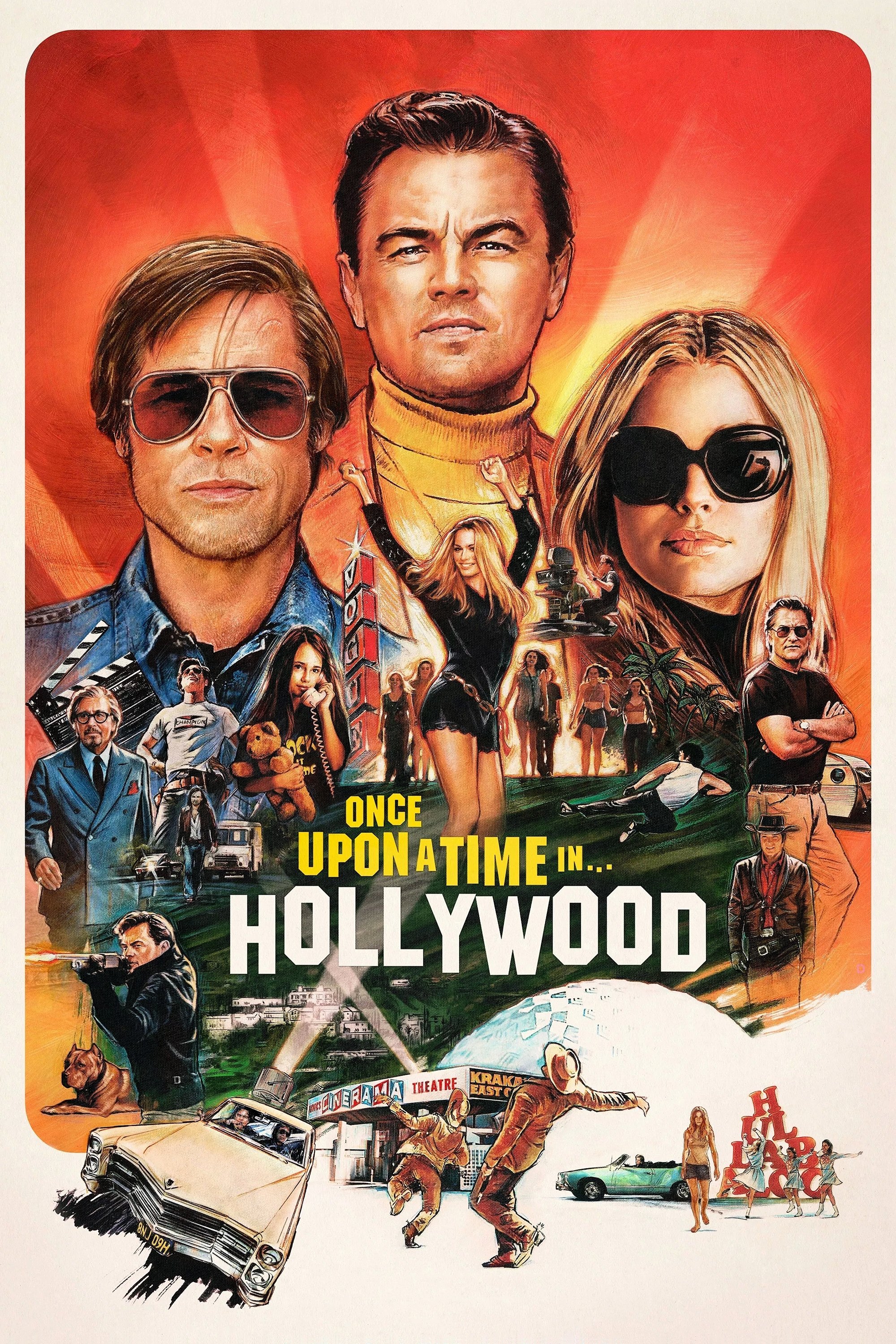
Half-Assed Internet Research
Pitt's ad-libbed Rick Dalton line; DiCaprio's real flamethrower reaction; Michael Madsen's Cadillac; Mad Magazine prop; DiCaprio's Maltese Falcon; Trudi's Lancer inspiration
In the discussion (8)
- Pitt ad-libbed "You're Rick fucking Dalton. Don't you forget it," based on an unnamed actor who told him the same in the early '90s; the hosts guess jokingly at who it was. — Bill Simmons
- Rick recoiling from the flamethrower's heat was DiCaprio's genuine reaction, which Tarantino kept.
- The Cadillac belonged to Michael Madsen, the same car from Reservoir Dogs.
- The theater Sharon Tate and J.C. Bring discuss at El Coyote is now the New Beverly, owned by Tarantino. — Bill Simmons
- A framed Mad Magazine in Rick's apartment was made as a full magazine with jokes, as Tarantino told the hosts. — Bill Simmons
- Tarantino wrote a novel-like backstory of Cliff and Rick before the screenplay. — Chris Ryan
- The Maltese Falcon Sharon holds in the bookstore is owned by DiCaprio. — Bill Simmons
- Trudi was inspired by a character from Lancer; some think she draws on Jody Foster. — Bill Simmons

What’s Aged the Best?
1969 Hollywood recreation; music and constant soundtrack; Rick Dalton's house; Brandy the dog; Playboy Mansion; extended cast; the title's misdirection; three-day structure
In the discussion (12)
- Rick Dalton's house was for sale and was looked at on Zillow, leading to jokes about moving The Ringer into the Boogie Nights house.
- Brandy the dog has aged the best, with a proposed Oscar for best performance by a pet and an Aaron Sorkin War Horse joke. — Bill Simmons
- The recreation of 1969 Hollywood is praised, including reconstructed neon signage on Sunset and Hollywood Boulevard, production design and costumes. — Bill Simmons
- A story told by Tarantino to a host: scouting Lee Van Cleef's house, he found a giant painting of Van Cleef in the garage, which inspired Rick's portrait in the driveway. — Sean Fennessey
- Rick's story of almost getting the McQueen movie and the accumulated fictional works of Rick Dalton are inventive; Tarantino has plotted Rick's 1970s in an interview with Kim Morgan.
- The real Playboy Mansion, Polanski dressed like Austin Powers, and two-floor 1960s airplanes with cigarettes are enjoyed. — Bill Simmons
- Asked whether he has ever danced on an airplane, the answer is every time he flies. — Bill Simmons
- El Coyote has not changed, but its food has not aged the best. — Bill Simmons
- The extended cast is a strength, including Madsen, Luke Perry, Pacino, Kurt Russell, Emil Hirsch and Oliphant, with Manson family members played by daughters of famous people.
- The title's trick sets the viewer up for nobody dying; on first viewing everyone was expected to be murdered.
- The constant radio and TV in the background is relatable; Tarantino is said to have listened to about 16 hours of KHJ broadcasts. The three-day structure is also praised. — Chris Ryan
- The closing picks are how the film recreated 1969 Hollywood, and the music and constant soundtrack. — Bill Simmons

Casting What-Ifs
Walter Hill directing; Keanu Reeves as Chris; Michael Madsen as Michael; Don Johnson as Michael; Ted Levine as Waingro; Voight declining Nate; the Thief star as Nate
In the discussion (10)
- The hosts say Mann shopped the script to Walter Hill in the 1980s and Hill turned it down; a Hill-Mann bank movie would have been huge news, perhaps starring Nick Nolte and Don Johnson. — Bill Simmons
- The hosts say Keanu Reeves was originally set to play Chris and lost the part when Kilmer fit it around Batman Forever; one host would totally go for Keanu. — Bill Simmons
- The hosts say Michael Madsen was originally cast as Michael and replaced by Sizemore, and Don Johnson was considered for Michael and as a backup for De Niro and Pacino. — Bill Simmons
- After rewatching every Michael scene with Don Johnson in mind, one host says no; the other thinks he could have worked, better as Nate. — Bill Simmons
- William Petersen allegedly turned down Michael, which one host doubts. — Chris Ryan
- The hosts say Ted Levine was offered Waingro and turned it down to avoid typecasting after Buffalo Bill; one host can't fathom it, the other thinks he would like that movie more. — Bill Simmons
- The hosts say Voight initially turned down Nate, saying others could do it better, until Mann insisted. — Bill Simmons
- An internet claim that the actress later in Mann's Miami Vice refused Justine unless the script was translated into Mandarin is called half-fast and fishy. — Bill Simmons
- The Thief star lamented on a 1998 Thief DVD commentary with Mann that he had no role in Heat; the hosts say he should have played Nate. — Bill Simmons
- Offered the Thief star as Nate plus Keanu as Chris, one host would rather keep Kilmer, whose unpredictable performance he loves. — Bill Simmons
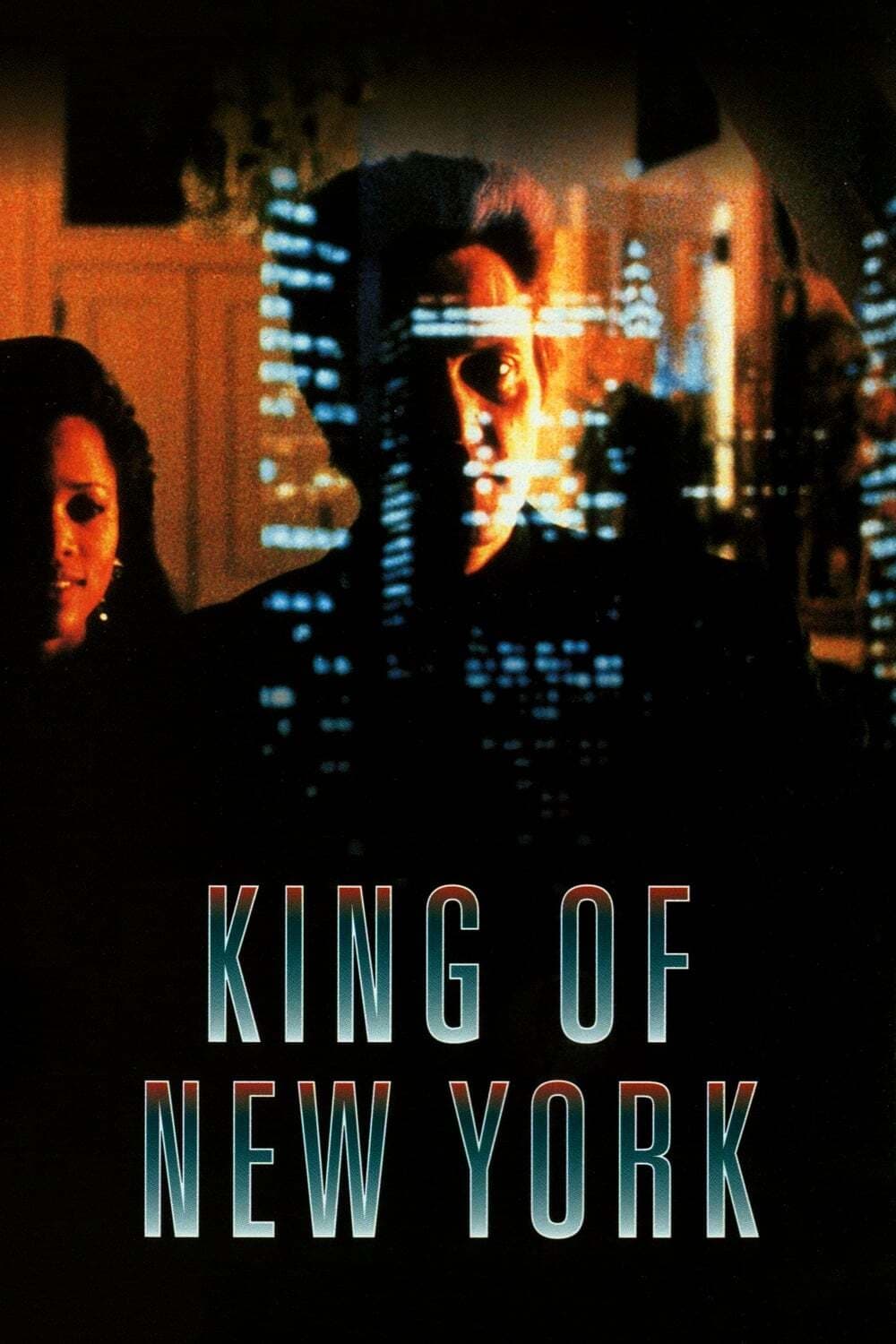
Probably Unanswerable Questions
Was Omar inspired by Frank White?; Did the subway muggers come back?; Why does it take filmmakers so long to tap obvious stars?
In the discussion (8)
- Was Omar from The Wire inspired by Frank White? Avon Barksdale is suggested instead, or Frank split into several characters; the film may be missing an Omar-type gunfighter Frank keeps on ice.
- Did Walken's subway muggers come back for a job? Yes, Harold Perrineau is seen later at the Plaza and in the Schoolly D scene.
- Why does it take filmmakers so long to tap people who are obviously stars, as with Grantland and Ringer writers? The answer is the actors spent a decade building toward the right role, and most directors know only already-known actors.
- While casting Reservoir Dogs, the speaker recalls casting director Ronnie Eskell (as heard) telling him, 'Quentin, if this directing thing doesn't work, I will give you half my business.' — Quentin Tarantino
- Game recognizes game: Ferrara and the NYPD Blue team (Bocchco and Milch) recognized Caruso was ready; Tim Robbins recounted being promised The Player despite funding pressure.
- On Jackie Brown, Paul Newman, Gene Hackman, Robert Forster and John Saxon were the four Max Cherry ideas; Forster got the role after an Alligator rewatch and a chance restaurant meeting, before bigger names could ask.
- Pam Greer was baked into that project; Travolta was first considered for the Eric Stoltz role while Michael Madsen was expected as Vincent, then became the backup when that fell through.
- For the last movie, casting Brad Pitt needed availability, a deal, and Rick cast first so his double Cliff would be realistic.

Probably Unanswerable Questions
What is happening in Gardena? Is this a better movie if we see the heist? Did Mr. Pink survive? What would Tony Scott's Reservoir Dogs have been?
In the discussion (7)
- What is happening in Gardenia (as transcribed), where the crew meets with Nice Guy Eddie and Joe, also a huge location for Den of Thieves; is it a Mos Eisley spaceport where all the armed robbers live? A road trip in black suits is proposed.
- Is this a better movie if we see the heist? No: as No Country for Old Men shows, Mr. White confronting Mr. Blonde and slowly unfurling what happened is more effective; the devil's-advocate case is that watching these actors rob a bank would be fun, and Tarantino might have shot it with money.
- The heist is already given through Mr. Orange's account to Mr. White and the car-ride plan; one host loves bank scenes more than anyone in the room and would have liked to know who took it too far, probably Madsen.
- Asked whether he has mapped out a bank robbery, one host recalls pitching an amusement park called Felony Land seven years ago with Wilds, which the others say predicted Westworld; he insists Westworld ripped off Felony Land despite the seventies movie and the Michael Creighton (as transcribed) book, and it is no bachelor party pitch.
- Did Mr. Pink die, and does anybody live? Tarantino is quoted saying Pink survived while Orange and White die, and with the volume up he can be heard yelling not to shoot; a present-day Mr. Pink movie is imagined, though the 1992 LAPD would not have gently cuffed a man who shot eleven cops.
- What Tony Scott's Reservoir Dogs would have been is also filed as an unanswerable question.
- Earlier, during nitpicks, the very last shot at the end was flagged as an unanswerable question to be held for later.
In the discussion (3)
- Madsen is a yes: a case could be made and nobody argues against this being his Apex Mountain; Chris Penn is floated as a possible case.
- Tim Roth is not a yes here; Pulp Fiction is his peak, and he is not thought that great in this movie.
- Chris Penn's peak is somewhere between this and Shortcuts, maybe At Close Range, though people would point to Footloose; one host loves him in this movie and no decision is made.
Half-Assed Internet Research
Walkouts at screenings including Wes Craven and Rick Baker; a 2006 video game with only Madsen's likeness; actors wore their own clothes and Chris Penn used his own car; the soundtrack budget went to Stuck in the Middle with You; 272 fucks; no police traffic control for the carjacking; Madsen's aversion to violence; Roth peeled off the fake blood; the Vega brothers and the unmade Double V Vega; the title from Au Revoir les Enfants
In the discussion (6)
- Many people walked out of screenings, including Wes Craven and makeup legend Rick Baker; Tarantino is quoted saying the Last House on the Left director walked out of his movie and that it happens every screening because the violence or rude language is a mountain some cannot climb, which he wanted to be disturbing.
- A 2006 video game for PC, Xbox and PlayStation 2 used only Madsen's likeness, which he needed for the paycheck, and GameSpot labelled it an out-and-out failure; the budget was so low actors wore their own clothes, Chris Penn used his own car, and Tarantino is quoted in 2014 saying the whole soundtrack budget went to securing Stuck in the Middle with You.
- Guesses at the number of fucks run from 400 to 117; the answer is 272. With no budget for police traffic control, Buscemi's carjacking could only be shot when the lights were green, a dangerous true-indie move.
- Madsen allegedly struggled with the torture scene due to a strong aversion to violence, which feels half-assed for a man in forty action movies; Roth lay in fake blood so long in the summer heat that it dried and he had to be peeled off the floor, which is how the hosts expect to feel at the end of the podcast.
- Vic Vega and Vincent Vega were brothers, and Tarantino always wanted a prequel called Double V Vega until Madsen and Travolta got too old; the unmade Tarantino movies would make a good podcast.
- The title came from a Video Archives customer who mockingly refused 'Au Revoir Les Infants' (as transcribed) as 'reservoir dogs'; such weird, oblique titles were possible before everything was optimized, Tarantino treats them as his artist's flourish, as with the Inglourious Bastards spelling, and this one means nothing since there is no reservoir where they live.
Films in the archive

Donnie Brasco
1997


Once Upon a Time in Hollywood
2019

Reservoir Dogs
1992

Species
1995
The Doors
1991

The Natural
1984