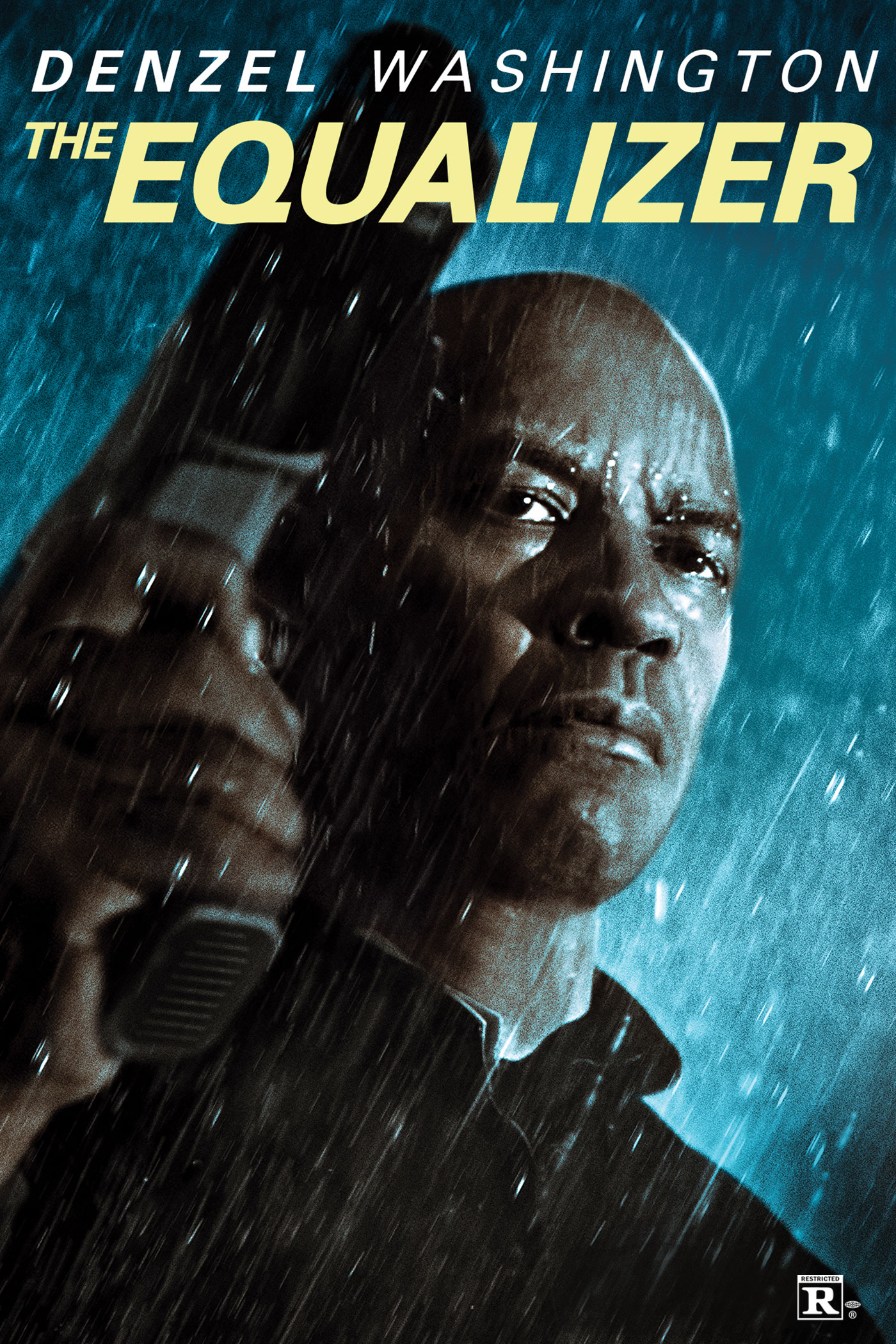
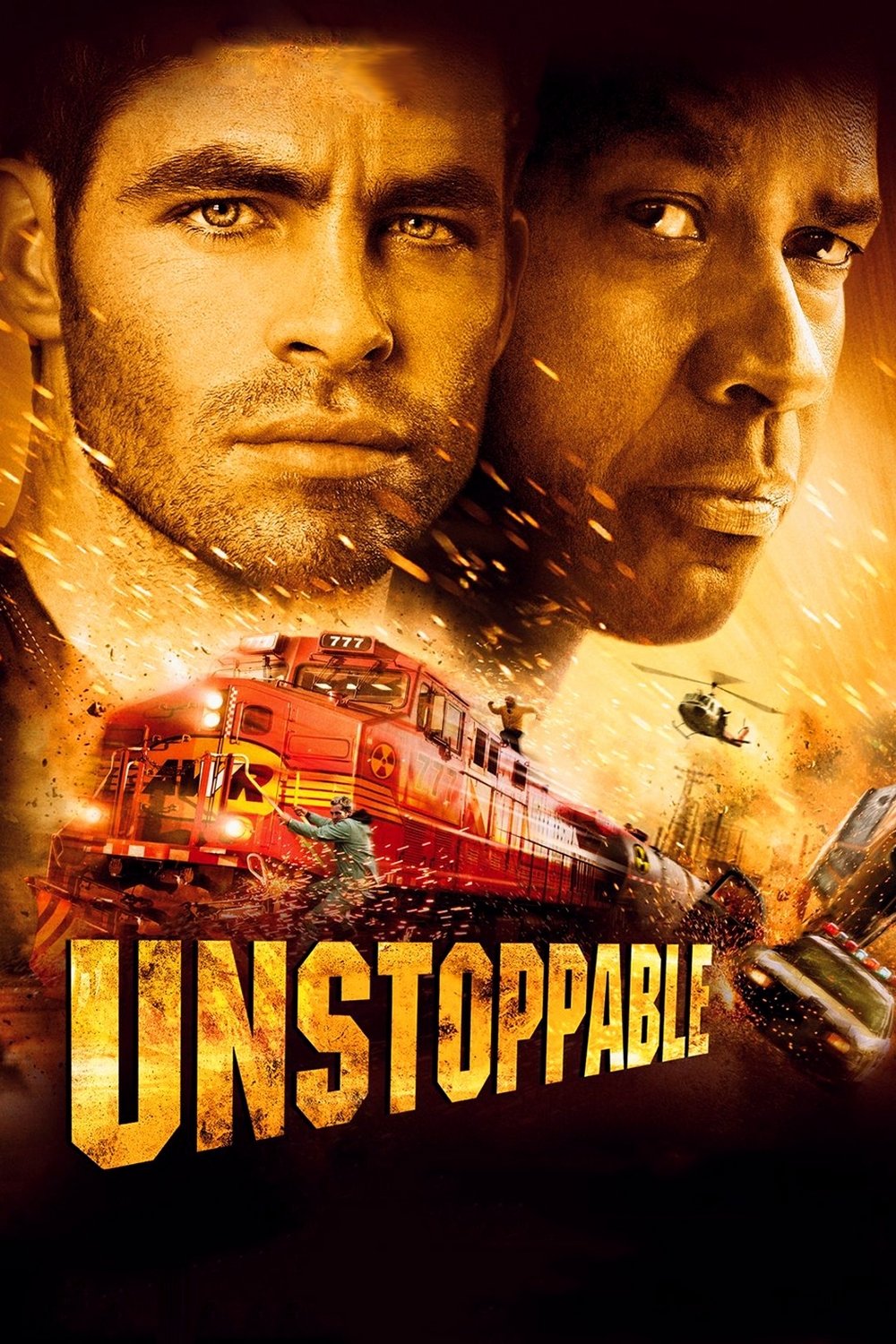
Four candidates are laid out: Denzel bullying Ethan Hawke into smoking pot that turns out to be PCP, an amazing mental chess match of challenging somebody's manhood; the nine-minute robbery of Scott Glenn, where the crew goes back to shoot him and take his money and the guy in the bulletproof vest really does get shot, which Jake refuses to join; the poker scene with the Latino gang at Smiley's house, which has no Denzel in it; and the final Denzel-versus-Hawke shootout in the house.
Their first meeting in the diner, the 'tell me a story' scene, is one host's favorite and makes it five candidates; the 'this is a newspaper' beat is recited.
Asked whether any character in a lifetime of watching movies resembles Alonzo, the answer is that he resembles older guys on a high school team: charismatic but terrifying, guys who could kick your ass but whom you might also die for, messing with you while trying to indoctrinate you, leaving a younger man completely confused; as a younger man this host thought that way about Dave Jacoby. — Chris Ryan
Another voice objects that Jacoby is not threatening and is told they did not know him back then; picks then split, with one host going diner scene alongside Sean and reciting the 'tell me a story' exchange, and another going poker scene for the Latino street gang's crude 'shit pushed in' question.
Revisiting it during the nitpicks, one host thinks the most rewatchable scene might be the one after the diner where Alonzo makes Jake take the drugs, with Alonzo pulling a gun on another motorist who just stays cool and stopping in the middle of intersections.
Asked for a favorite scene seventeen years later, the phoned-in answer is the table scene, the best scene in the movie even though it does not involve Denzel; another voice says that was their case too and that the boys picked the diner scene.
The diner scene is called good, but the poker scene is an incredible nine minutes that left one viewer tense, back knotted and stomach nervous, not knowing how Jake gets out; the escalation is laid out from gangsters taking your gun, to your ride leaving, to being asked a crude question, which is the end of the line.
The one really interesting casting what-if: the role was originally offered to Denzel Washington, who in a GQ interview named Seven and Michael Clayton as the two roles he most regretted turning down, and who was scared off by Tony Gilroy being a first-time director.
Denzel later played a lawyer for the other Gilroy brother, Dan Gilroy, in last year's Roman J. Israel, thought underrated or misunderstood and remembered mostly for his Best Actor nomination.
Denzel is really good at playing exasperated, so his version would have been a different take: Clooney is not exasperated but conflicted in a repressed way, whereas Denzel would have been much more 'what do you want me to do?' — Justin Charity
Asked for a Michael Clayton line in a Denzel voice, the request gets a flat no, but the 'I'm not the guy you kill. I'm the guy you buy' line is delivered anyway and called incredible.
Denzel is thought better in films like Crimson Tide or Malcolm X where he leans into his charisma, though his choices show he likes playing downtrodden, beaten-down, morally compromised people, as in Inside Man from around the same time, the film one participant watched right before seeing Michael Clayton for the first time.
Asked who else could be imagined as Michael Clayton, the answer is that this is a very hard one to recast because everybody seems really well cast. — Lindsay Zoladz
Mark Wahlberg as Michael Clayton is floated and knocked down: he would try to play the hero too much, whereas Clooney's performance is never triumphant, dejected and tired in the cab at the end rather than smiling, and Wahlberg would look for the noble firefighter element; the proposer confesses the suggestion was meant partly as comedy, since Wahlberg's weird, confused tone could have made a funny alternative take.
Chris Cooper as Marty Bach: there is a running list of aughts films that either have Chris Cooper in them or are defined by the fact that they should have, and this people-in-suits, corruption-everywhere, racing-to-do-the-thing film is a classic Chris Cooper movie. — Justin Charity
Chris Cooper would be allowed as Barry but not as Marty, because Pollack in that role is a classic look.
The reported chance for Edward James Almost to reprise Castillo was declined, disappointing the hosts; the transcribed spelling remains unresolved. — Bill Simmons
Jan Hammer reportedly declined a request for a different score. — Bill Simmons
The idea that the requested score was death metal is a joke and speculation. — Bill Simmons
More favorites: Philip Baker Hall as Sherwood, the handwriting specialist who starts drinking a little; Clea Duvall, with a great heat-check scene; John Goetz (as transcribed), from Blood Simple, as the Chronicle editor; and Anthony Edwards, fantastic and unexpected.
One pick gives the award specifically to Cox, with the Melvin Belli phone-call clip played, 'Is there something I can call you that's a little less ominous?', for making the most of his few moments, the television interview, the sincere attempt to offer the caller a lifeline, and the way he physically takes the incredible screaming sound.
Jimmy Simpson (as transcribed), who plays the shooting victim at the start and returns at the end, prompts a detail: the character is Mike Mageau, and when the name is reported over the Vallejo PD wire it is said aloud in the newsroom as 'Mayhew', so the film intentionally misleads in a way that was probably true to how it was said, an obsessive Fincherism; James LeGroix (as transcribed) is good and weird, and Zach Granier (as transcribed), the boss in Fight Club, runs the Vallejo police department.
A second pick is Elias Codius (as transcribed) as Detective Mullinax (as transcribed), a great real name: a that-guy who can shoot when given the ball, known to the hosts' generation as Casey from Teenage Mutant Ninja Turtles, a guy who looks like a cop and rarely gets a stage this large, and a great serial killer in Fallen with Denzel Washington, directed by Gregory Hoblitz (as transcribed).
Asked directly for a winner, a third pick is John Carroll Lynch as Arthur Lee Allen, with the 'Nobody calls me Arthur' clip: the role basically made the second half of his career, he directed the last film starring Harry Dean Stan (as transcribed) this year, and he is a well-known theater actor remembered as Norm in bed with Francis McNormand (as transcribed) at the end of Fargo.
Asked whether the film still works with a huge star like Anthony Hopkins as Arthur, the answer is not as well: it has to be a face whose physical presence unsettles because you feel you could have seen him without knowing why, since viewers bring previous films into the room and would read a famous actor as an important part; the misdirect succeeds because the only place to remember Lynch is Fargo, where Norm is a completely different, friendly disposition.
Later, the Ioni Sky (as transcribed) roadside scene is called another Dion Waiters performance and the hardest scene for one host to watch.
Keanu Reeves is reported as a near Billy Hoyle choice who could not play basketball; Denzel Washington is reported as an early Sidney Dean possibility who chose Malcolm X.
Keanu Reeves is described as close to the Billy Hoyle role and wanted by the production, but his basketball limitations are given as the obstacle. — Chris Ryan
Denzel Washington is described as being in the mix for Sidney Dean before choosing Malcolm X, after which Wesley Snipes received the role.