
Film credit
Al Pacino
Also referred to as Pacino
Stats
- Episodes featuring their films
- 16
- Movies in this archive
- 17
Rewatchables episodes featuring Al Pacino’s films


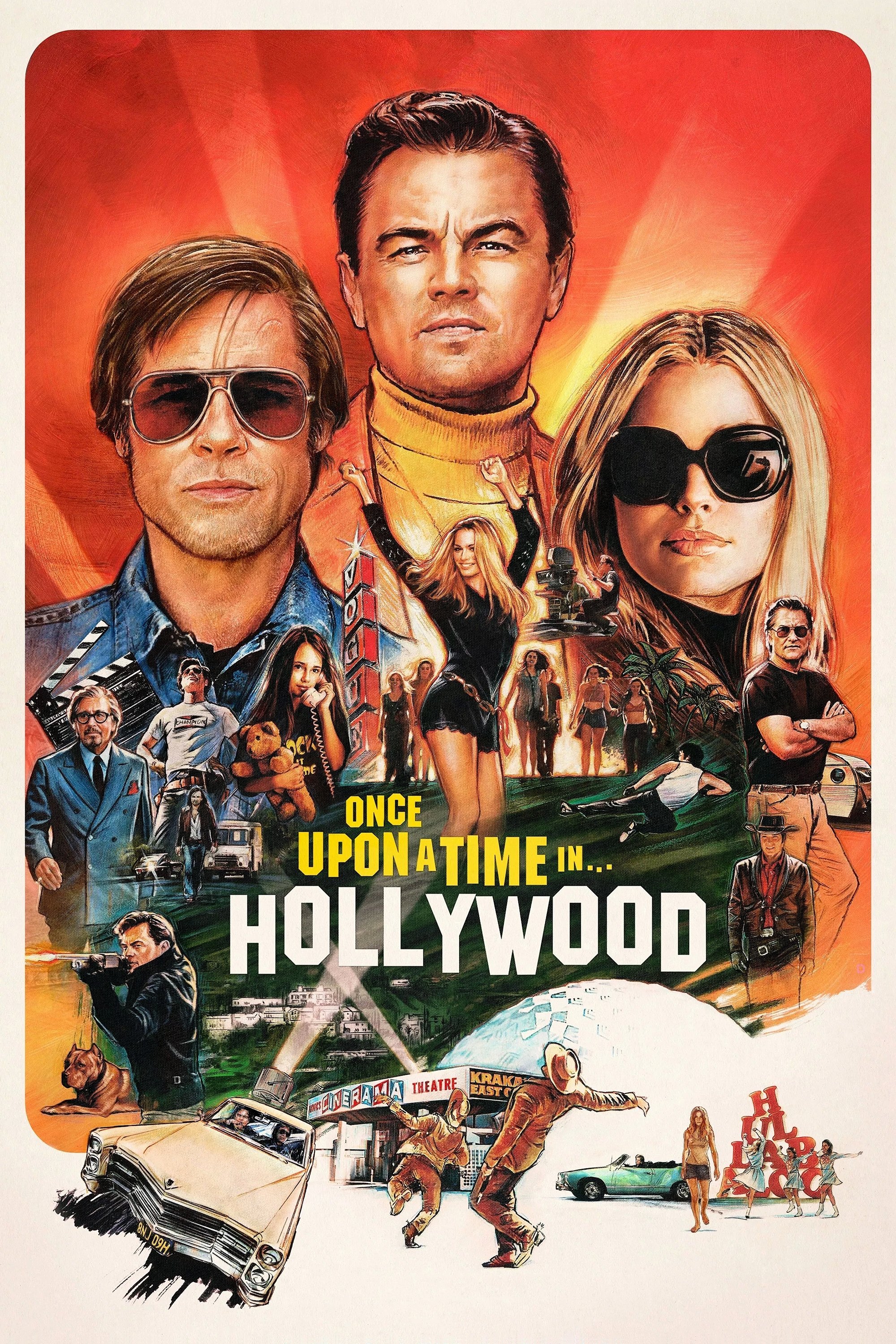
Once Upon a Time in Hollywood
2019 film
Bill Simmons · Sean Fennessey · Chris Ryan
Aired February 6, 2020
Mentioned in discussions


Apex Mountain
Apex checks cover Pacino, O’Donnell, blind movie characters, the Ferrari, bad Thanksgivings, and the Ringer chokehold.
In the discussion (10)
- Pacino's apex is rejected, while the movie is accepted as Chris O'Donnell's apex. — Bill Simmons
- James Rebhorn's apex is debated because his supporting roles occupy a consistently high level. — Bill Simmons
- Scarface is preferred as the apex for Pacino movies featuring a character named Manny. — Bill Simmons
- Blind movie characters are proposed as an apex because few alternatives come to mind. — Bill Simmons
- The 1989 Ferrari Mondial T Cabriolet is declared an apex. — Bill Simmons
- The Thanksgiving scene is placed among apex dysfunctional family holidays. — Bill Simmons
- The Ringer chokehold is declared an apex. — Chris Ryan
- Matthew McConaughey in A Time to Kill is chosen as the apex for 1990s hunk actors crying. — Bill Simmons
- Philip Seymour Hoffman and prep-school or boarding-school movies are rejected as apexes for this film. — Bill Simmons
- The Oak Room is considered a possible apex for the location itself. — Bill Simmons

Half-Assed Internet Research
Locations, blindness and weapons preparation, the origin of “hoo-ah,” and a deleted hotel cameo
In the discussion (5)
- The Baird scenes were filmed at the Emma Willard School in New York. — Bill Simmons
- Pacino prepared with a school for the blind and avoided focusing his eyes on objects. — Bill Simmons
- A lieutenant colonel taught Pacino to load and unload the pistol. — Bill Simmons
- Pacino reportedly adopted 'hoo-ah' after hearing a soldier use it while handling a rifle. — Bill Simmons
- A Plaza Hotel scene with Trump and Marlon Maples was filmed and then removed. — Bill Simmons

The Stephen A. Smith Hottest Take Award
Pacino is actively bad; his performance plays like a parody
In the discussion (3)
- The producer says he did not enjoy the movie and calls Pacino actively bad. — Craig Horlbeck
- He says the performance feels like a parody of someone playing a blind role and blames Pacino for dialing it up too far. — Craig Horlbeck
- He also says Chris O'Donnell is not very good and calls both central performances one-note. — Craig Horlbeck
The Stephen A. Smith Hottest Take Award
The takes place the performance outside Pacino’s best eight and condemn Karen Rossi for leaving him with a teenager.
In the discussion (3)
- The performance is placed outside Pacino's best eight and possibly outside his top ten because several earlier roles are more nuanced. — Bill Simmons
- The counterpoint says the movie is valuable precisely because Pacino commits fully to the outsized character. — Bill Simmons
- Karen Rossi is blamed for abandoning a vulnerable heavy drinker to a teenager during Thanksgiving. — Chris Ryan

What’s Aged the Worst?
The escort requests, dated first class, heavy drinking, and unexplained football background draw criticism.
In the discussion (6)
- The colonel's repeated public requests for an escort would now attract scrutiny, though the behavior is defended as plausible for the pre-internet era. — Chris Ryan
- The first-class airplane cabin looks cheap and ordinary by current standards. — Bill Simmons
- The quantity of whiskey consumed during a short flight and across each day appears incompatible with the character remaining so controlled. — Bill Simmons
- Charlie's sudden description as Baird's star halfback feels unsupported by everything else shown about him. — Bill Simmons
- Frank Slade is described as a nightmare guest at holiday dinners. — Bill Simmons
- The recurring Pacino impression is added to What's Aged the Worst because it repeatedly parodied this movie. — Bill Simmons

What’s Aged the Best?
The score, class dynamics, supporting performances, Oscar debate, career-changing roles, New York locations, and the hero’s heightened senses
In the discussion (11)
- Thomas Newman's score is praised as an active character in the movie. — Bill Simmons
- The prep-school conflict between inherited power and the scholarship student remains a sharp depiction of class and old-boy protection. — Bill Simmons
- The running joke in which the colonel calls Jack Daniel's 'John Daniels' is explicitly offered as something that aged well. — Bill Simmons
- James Rebhorn is praised as an elite supporting actor at playing polished men with sleazy interiors. — Bill Simmons
- The boarding-school setting belongs to a strong run that also includes Dead Poets Society and School Ties. — Bill Simmons
- Pacino's advice that a young actor should never marry an actress is recalled as a colorful set anecdote. — Bill Simmons
- The movie sits at an early point when public arguments over Oscar winners became part of mainstream movie culture. — Chris Ryan
- The performance helped establish the cynical idea that an actor could win awards by playing a disability or other conspicuous obstacle. — Bill Simmons
- The coveted Charlie role is used as an example of the career-changing parts that many young actors once competed to win. — Chris Ryan
- The Waldorf and Oak Room footage preserves an appealing pre-reservation-app vision of New York access and luxury. — Chris Ryan
- The colonel's heightened smell and hearing are treated as entertaining superhuman powers attached to a disability. — Bill Simmons

Most Rewatchable Scene
The second half of the school hearing
In the discussion (11)
- George's threatening walk with Charlie is praised for the strange physicality and for revealing an actor who immediately stands out. — Bill Simmons
- George's ingratiating conversation with Mrs. Hunsacker is a smaller candidate that shows him as a skilled rich-kid manipulator. — Chris Ryan
- The airplane conversation is selected for the colonel's loudly inappropriate advice while other passengers sit nearby. — Bill Simmons
- The Oak Room arrival efficiently establishes the direction of the weekend and the conflict between the two leads. — Bill Simmons
- The Thanksgiving dinner is praised as a great dysfunctional-holiday sequence built around rising tension, insults, and the horrified family.
- The tango is praised for its lesson that mistakes can be folded into the dance and for the surprise it creates in the room. — Bill Simmons
- The tango partner said Pacino skipped the rehearsals and that she was left with several half-broken toes. — Bill Simmons
- The Ferrari sequence includes the dealership negotiation and the implausible but exciting blind drive. — Bill Simmons
- Charlie's intervention during the suicide attempt is praised as an emotional toe-to-toe performance with Pacino. — Bill Simmons
- The second half of the school hearing is the final choice because the speech and immediate verdict provide the dramatic apex. — Bill Simmons
- The final teacher flirtation is a small closing candidate because the perfume-reading premise finally pays off. — Bill Simmons

Casting What-Ifs
Many actors declined Annie Wilkes and Paul Sheldon; several alternative Paul Sheldons are debated
In the discussion (7)
- Anjelica Huston and Bette Midler are identified as actors offered Annie Wilkes — Bill Simmons
- Richard Dreyfuss is proposed as a believable writer but possibly insufficiently physical — Brian Koppelman
- Robin Williams is proposed for his sympathy, physicality, and caged energy — Brian Koppelman
- Robert Duvall and Michael Douglas are proposed as strong alternatives — Bill Simmons
- Donald Sutherland is proposed as another alternative — Bill Simmons
- William Hurt, Kevin Kline, Michael Douglas, Harrison Ford, Dustin Hoffman, Robert De Niro, Al Pacino, Richard Dreyfuss, Gene Hackman, and Robert Redford are listed as having declined Paul Sheldon — Bill Simmons
- Richard Dreyfuss and Bette Midler are said to have later expressed regret — Bill Simmons
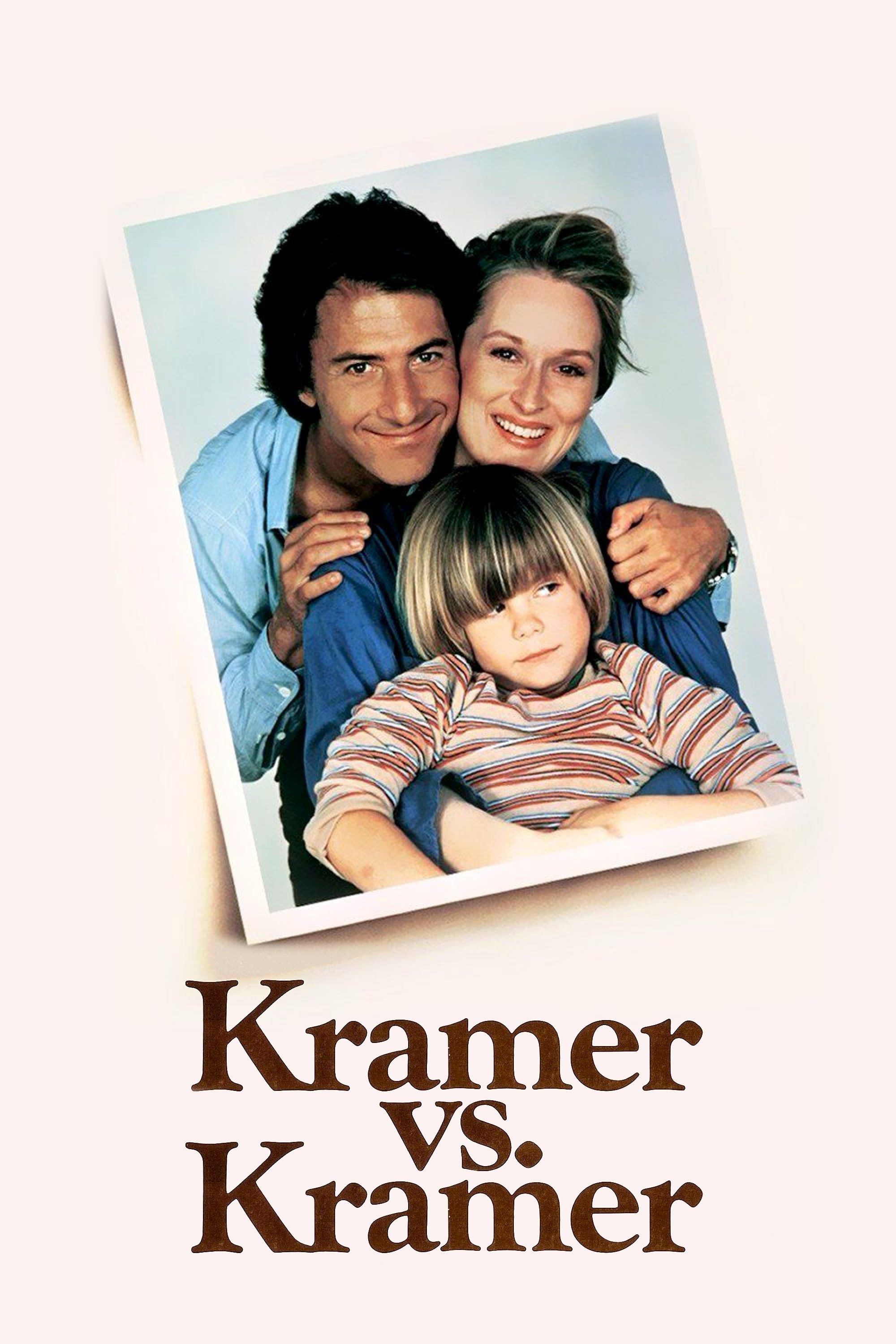
Casting What-Ifs
James Caan, Al Pacino and Jon Voight for Ted; Kate Jackson, Faye Dunaway and Jane Fonda for Joanna; Gail Strickland as Margaret
In the discussion (9)
- Hoffman initially did not want the role, and James Caan reportedly declined over fears the film would flop. — Bill Simmons
- Al Pacino reportedly turned it down as not right for him; seeing him in the role would have been welcome. — Mallory Rubin
- Jon Voight reportedly declined because he was already in The Champ, another divorced-parent story whose ending is called one of the saddest.
- Hoffman changed his mind after meeting Jaffe and Benton in a London hotel. — Bill Simmons
- By her own claim, Kate Jackson was offered Joanna but could not take it because of Charlie's Angels; the story is treated as only mostly true. — Bill Simmons
- Faye Dunaway was reportedly offered the role and did The Champ instead; Jane Fonda, earlier said to have been talked about for the role, is mentioned again; Ali MacGraw is named only with the judgment that she would have butchered it, without saying she was considered. — Bill Simmons
- Streep was originally meant for the JoBeth Williams role before being cast as Joanna. — Bill Simmons
- Gail Strickland was cast as Margaret but reportedly fired after Hoffman taunted her on set, and Jane Alexander replaced her. — Bill Simmons
- Earlier, a Kate Jackson version of Joanna is dismissed as unable to reach Streep's level, with casting what-ifs promised for later. — Bill Simmons
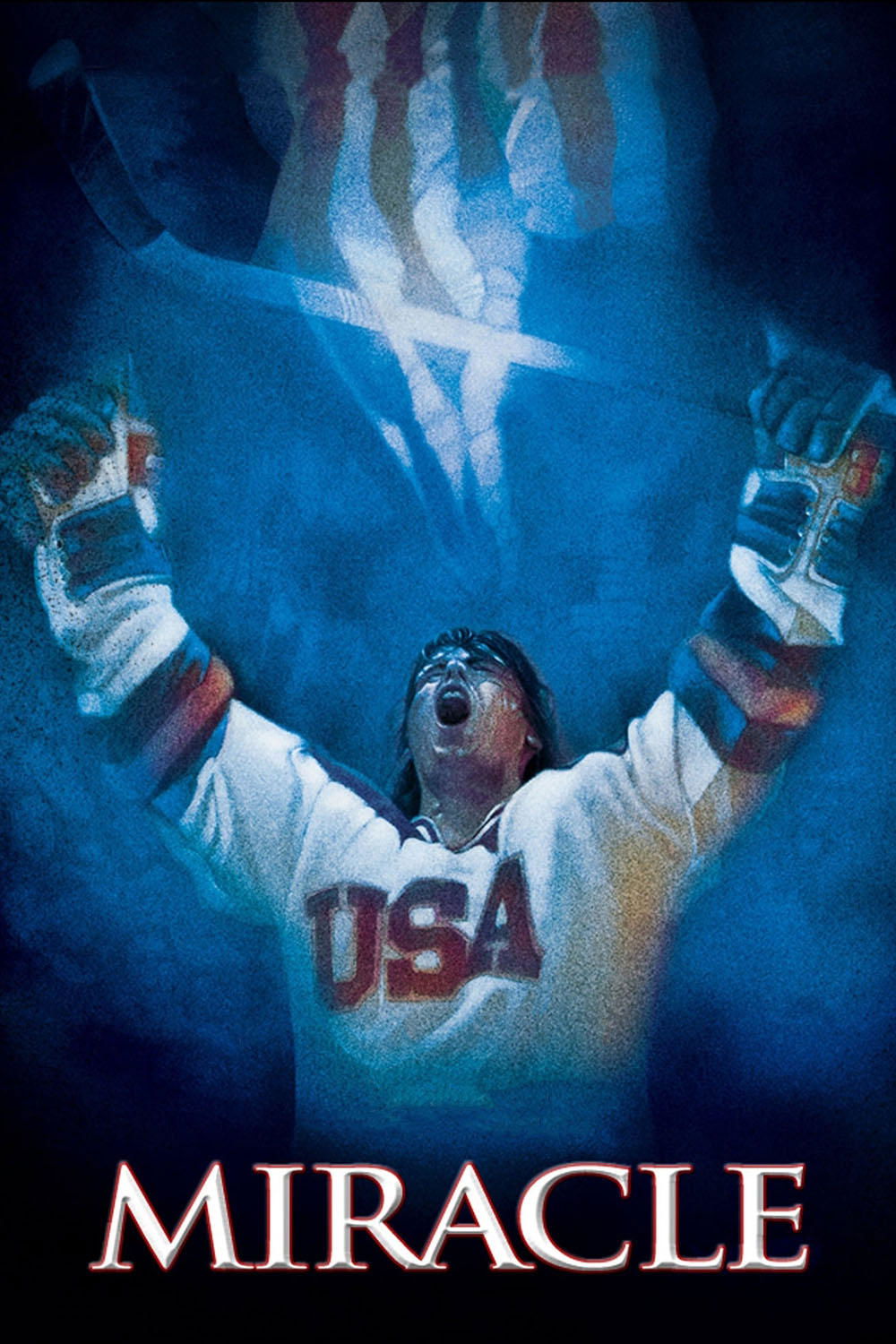
Probably Unanswerable Questions
Would a news-breaker spoil the tape-delayed game now; a Ralph Cox sequel; Kurt Russell movie ranking; greatest sports-movie speech
In the discussion (8)
- A possibly unanswerable question: would a news-breaker ruin this tape-delayed game in 2020 by announcing "USA wins 4-3"? (ASR "Woge"/"Walsh"). — Bill Simmons
- A top five Russell movies list is deferred to Probably Unanswerable Questions. — Bill Simmons
- A Ralph Cox sequel would be watched, perhaps as season two where he becomes super successful. — Bill Simmons
- Asked where this ranks, one list is hedged as "six or seven, maybe five": Escape from New York one, The Thing two, Tombstone three, Tango & Cash four, Miracle five; Big Trouble in Little China is loved less by one host than the other. — Bill Simmons
- Russell is also really good in Silkwood and great in Death Proof and The Hateful Eight; a "Silkwood shower" line once made the other host laugh hard. — Bill Simmons
- Is this the greatest motivational speech in sports movie history? It was forgotten for Apex Mountain; top three are this, Friday Night Lights and Al Pacino in Any Given Sunday, with Pacino first. — Bill Simmons
- The chef's Pele story in Vision Quest must be mentioned; Friday Night Lights is good but Pacino is still the apex; Vanderbeek at halftime in Varsity Blues is a good bad one. — Bill Simmons
- The through-line: coaches say nothing matters more than winning, then say they will love the players anyway, like Hackman in Hoosiers. — Chris Ryan
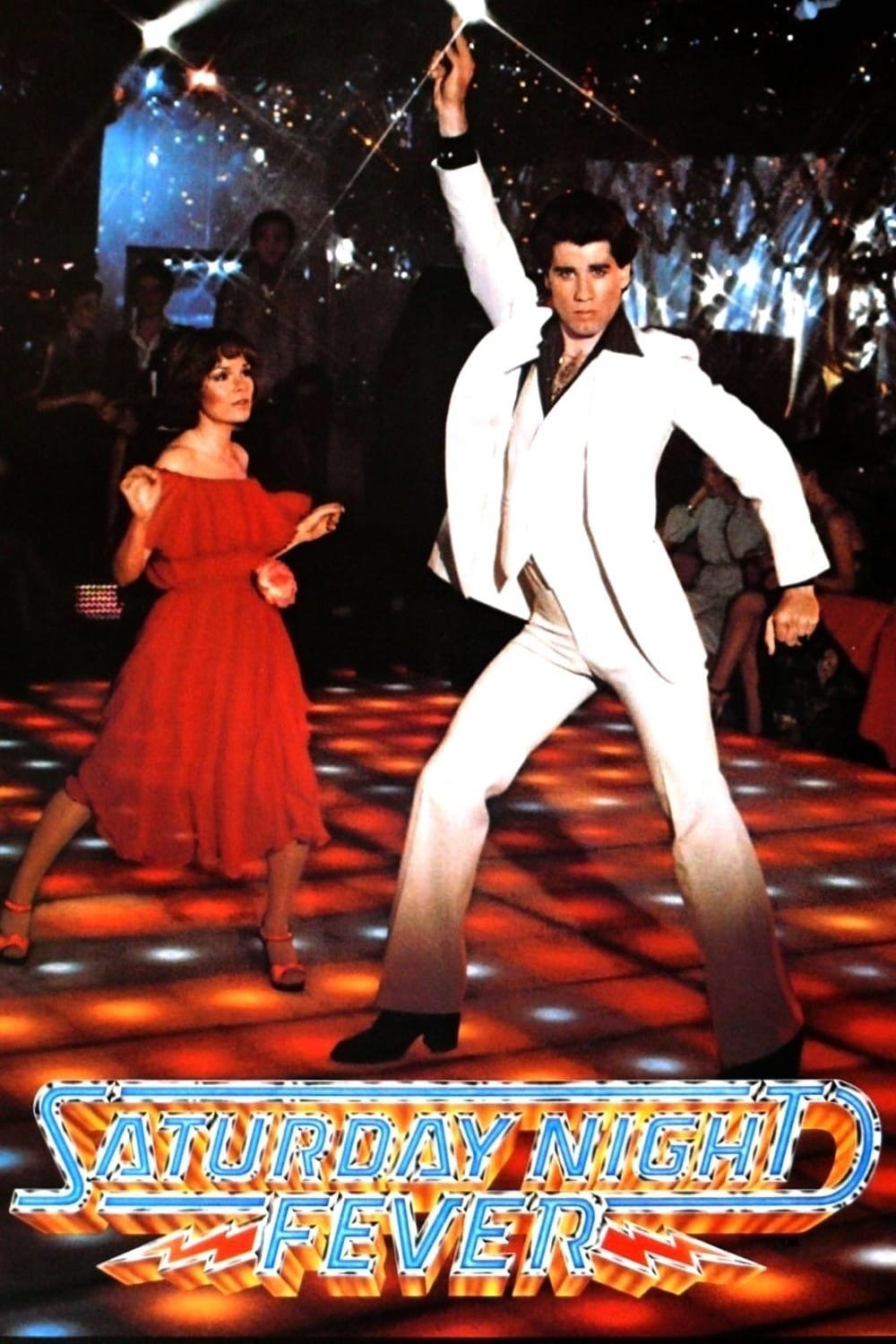
Most Rewatchable Scene
You Should Be Dancing solo; opening credits
In the discussion (14)
- The opening credits are indelible and endlessly parodied; most people have only seen the first minute. — Bill Simmons
- In the opening Tony carries a paint can, stacks two pizza slices and eats them at once, and hits on two women, blocking one from passing in a point-of-view shot; the music makes the scene. — Jimmy Kimmel
- Travolta gives a one-of-one unicorn performance; no actor of the last 50 years could pull off the opening walk, with only a young Mario Lopez or a young Pacino floated. — Jimmy Kimmel
- Magic Mike and Channing Tatum are named the closest current-era equivalent for driving women crazy. — Jimmy Kimmel
- The first disco sequence brings Disco Inferno, an "I love to watch you dance" cameo by a Saturday Night Live alum, and the Night Fever group line dance. — Bill Simmons
- Tony popping out of his bedroom in his underwear doing "Al Pacino, Attica" for his grandmother is a funny, real moment rooted in 1977. — Jimmy Kimmel
- The first coffee scene, where Tony is called a cliche on his way to no place, is praised as well written and well acted.
- The Father Frank Jr. disco visit includes the Fran Drescher cameo, and she is called the best-looking girl in the club.
- In the You Should Be Dancing scene Travolta takes over the floor; he threatened to quit unless it was shot wide instead of in close-ups, and it plays like a sports movie. — Bill Simmons
- The solo scene is called one of the five most iconic scenes of the 1970s and announced in advance as this participant's category winner. — Bill Simmons
- The first Brooklyn Bridge scene was filmed about 600 feet up with few safety precautions. — Bill Simmons
- The dance contest is enjoyable because it is infuriating, with Caesar and Maria excelling; the other view is that the final dance is underwhelming compared with the solo scene. — Jimmy Kimmel
- The You Should Be Dancing scene is picked as most rewatchable. — Bill Simmons
- The opening scene with the credits is the other pick, accepted as fair. — Bill Simmons

In the discussion (4)
- The hosts distinguish heightened acting from acting badly — Michael Mann
- Mann says Pacino was never too much for him — Michael Mann
- Hanna’s cocaine use and detailed fictional biography explain his intensity — Michael Mann
- Mann supplied character histories that actors could internalize — Michael Mann
Films in the archive
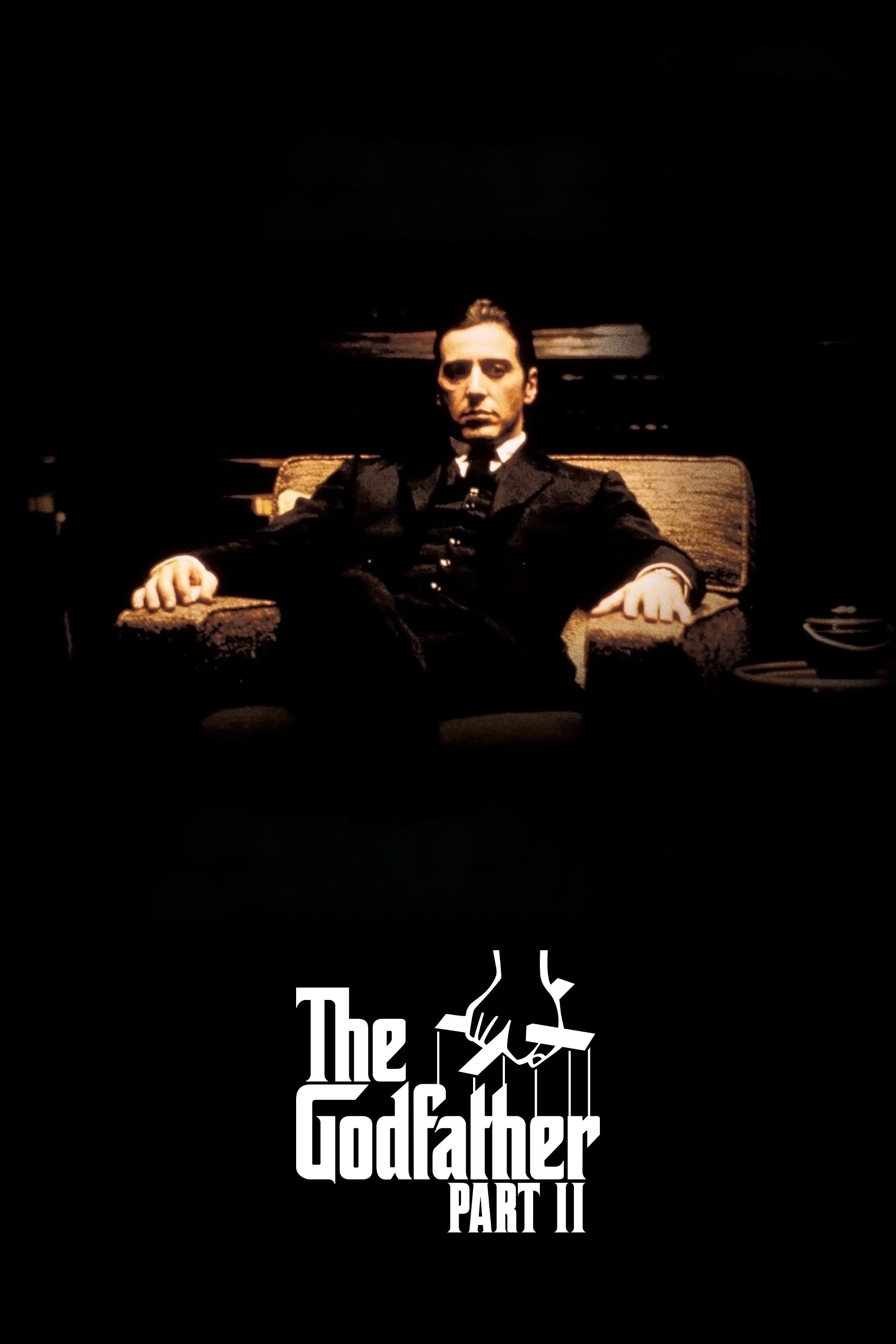
The Godfather Part II
1974



The Godfather Part III
1990

The Insider
1999

The Irishman
2019

Two for the Money
2005