
Film credit
Al Pacino
Also referred to as Pacino
Stats
- Episodes featuring their films
- 16
- Movies in this archive
- 17
Rewatchables episodes featuring Al Pacino’s films
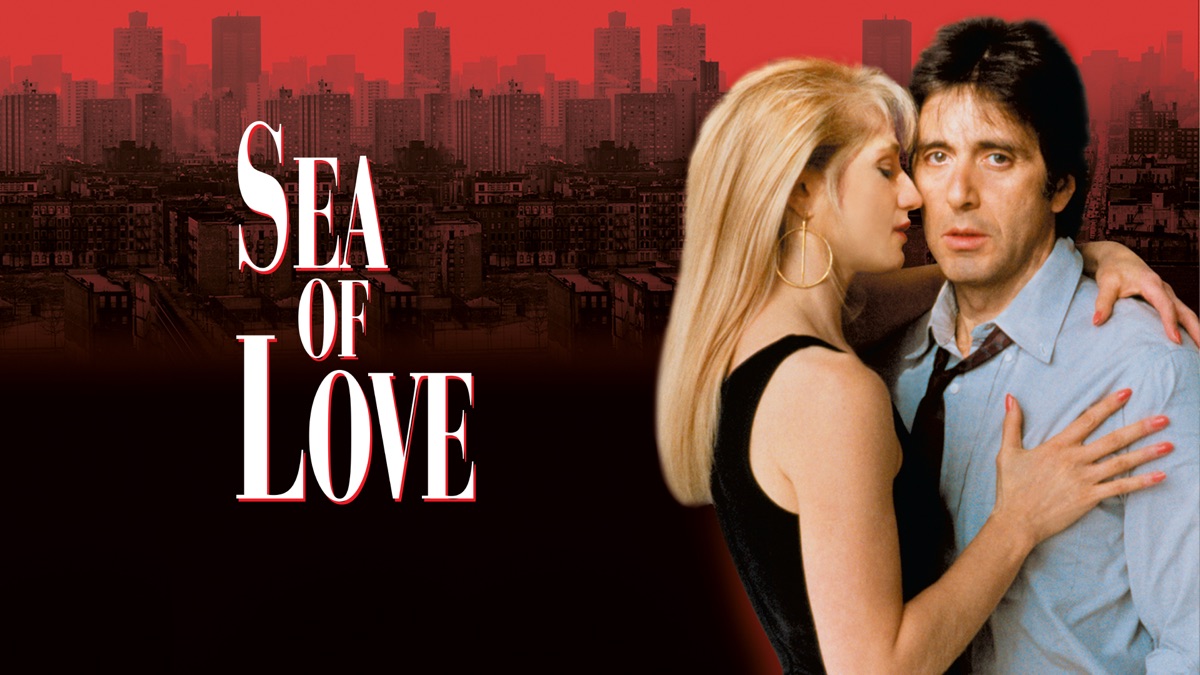


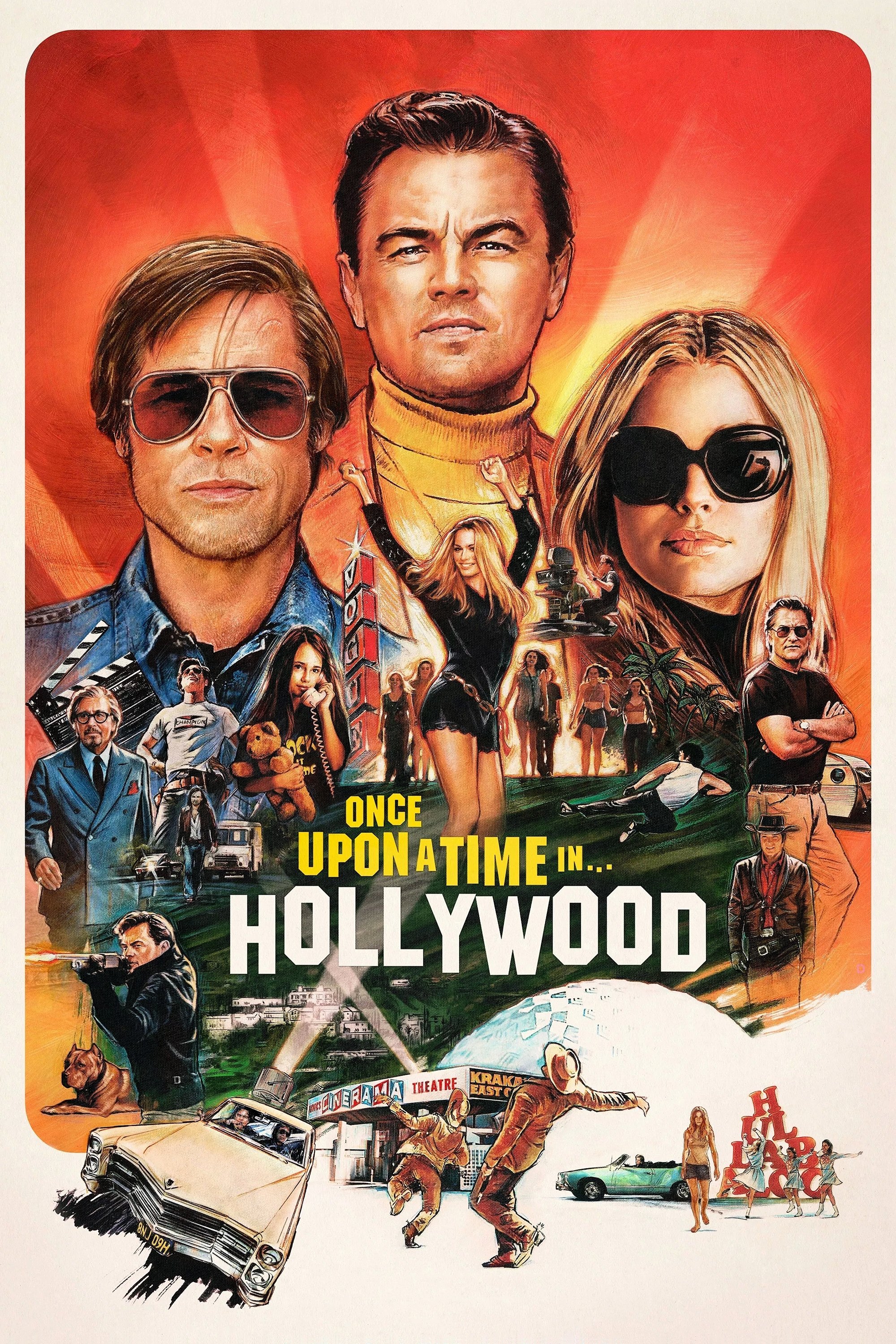
Once Upon a Time in Hollywood
2019 film
Bill Simmons · Sean Fennessey · Chris Ryan
Aired February 6, 2020
Mentioned in discussions

Casting What-Ifs
Pacino chose this over Kramer vs. Kramer
In the discussion (1)
- Pacino reportedly was first choice for Kramer vs. Kramer but chose this film instead; the group favors that outcome while debating whether he could also have matched Hoffman’s performance.
Half-Assed Internet Research
Awards; budget and gross; Baltimore filming; rehearsals; armed judge; coffee cake; courtroom research
In the discussion (7)
- The original-screenplay nominees were this film, The China Syndrome, Manhattan, All That Jazz and winner Breaking Away; the winner is respected but a retrospective result is uncertain. — Bill Simmons
- The actor field pairs Pacino with Jack Lemmon, Roy Scheider, Peter Sellers and winner Dustin Hoffman, with Scheider considered a likely winner in most other years. — Bill Simmons
- The film reportedly cost $4 million and earned $33 million. — Wesley Morris
- The production is reported to have filmed entirely in Baltimore; the claim of 26 performances of the final speech is corrected to 26 rehearsals.
- Jewison’s commentary reportedly attributes the gun-firing judge to a real Texas judge. — Bill Simmons
- The coffee-cake scene reportedly required 26 takes and made Warden vomit from overeating. — Bill Simmons
- Levinson’s courtroom research emphasized misleading first impressions and the distinction between truth and justice; the theme is connected to Homicide: Life on the Street. — Bill Simmons

Recasting Couch
John Tortoro as high-school coach; Robert De Niro or Al Pacino as TechU coach
In the discussion (3)
- John Tortoro is proposed as the high-school coach instead of the college coach. — Bill Simmons
- Robert De Niro is proposed as an older TechU coach with Dean Smith-like weight. — Bill Simmons
- Al Pacino is offered as another high-profile TechU coach for the single scene. — Bill Simmons


Apex Mountain
S&M leather scene in movies
In the discussion (7)
- Pacino is rejected for Apex here. — Wesley Morris
- Sorvino is rejected for Apex here. — Wesley Morris
- Remar is rejected for Apex here. — Wesley Morris
- Friedkin is rejected for Apex here. — Wesley Morris
- Karen Allen is rejected for Apex here. — Wesley Morris
- Crisco, nasal spray or poppers, and handkerchiefs are floated without a resolved affirmative choice.
- The S&M leather scene in movies receives an affirmative Apex judgment; Pulp Fiction’s gimp is considered a more problematic, decontextualized later portrayal. — Wesley Morris
Casting What-Ifs
Gere signed; Spielberg considered directing
In the discussion (2)
- Richard Gere was reportedly signed before Pacino, but is judged too handsome and insufficiently raw or believable as this kind of New York cop.
- Spielberg reportedly circled the film, prompting disbelief and joking speculation about an entirely different cultural history. — Wesley Morris

The Stephen A. Smith Hottest Take Award
Captain cannot play pool; Burns lacks appeal; ideal Cruise vehicle
In the discussion (3)
- Sorvino’s captain is terrible at pool, repeatedly hitting clusters rather than playing coherently, undermining confidence in him. — Chris Ryan
- Burns is considered too tired, unhealthy, scared and unappealing to attract these men; they seem to respond to Pacino’s celebrity rather than the character. — Wesley Morris
- Cruising is proposed as an ideal Tom Cruise vehicle, initially around 1993 but with 1999’s Eyes Wide Shut-era curiosity preferred over Jerry Maguire-era Cruise.

What’s Aged the Worst?
Sentence deal; dubbed voices; Franco film; headline; height staging; pickup dialogue
In the discussion (8)
- The first victim’s wrestling magazines prompt a joking objection to the association with wrestling. — Bill Simmons
- The captain’s promise of an eight-year maximum and release in three is questioned, both for leniency and his lack of sentencing authority. — Bill Simmons
- The dubbed killer dialogue is a qualified negative, also admired for disorientation and possible use of the father’s voice. — Bill Simmons
- Franco’s2013 Interior. Leather Bar. project is criticized as overreach and an unappealing use of money. — Bill Simmons
- The project is defended for exploring a straight actor’s unease and producing beautiful, if overly modern, reimagined footage. — Wesley Morris
- A newspaper’s anti-gay killer headline is jarring despite being considered period-realistic. — Bill Simmons
- The park confrontation conspicuously uses a bench and incline to make Pacino appear as tall as Stuart. — Chris Ryan
- The early pickup dialogue about an ostrich feather, a Martian and an ego needing worship is criticized as awkward psychoanalytic writing, despite succeeding within the scene. — Wesley Morris

In the discussion (1)
- The music accompanying Pacino’s dancing wins the Pursuit of Happiness needle-drop award; no song title is supplied here.
Half-Assed Internet Research
Origins; protests; missing footage; Pacino choices; budget; soundtrack; production; disclaimer
In the discussion (24)
- Protests reportedly ruined sound and contributed to multiple killer voices; around 40 minutes of explicit club footage were removed, described by Friedkin as pornography. — Chris Ryan
- The film derives from Gerald Walker’s 1970 novel, which Friedkin disliked; unsolved leather-bar murders, Village Voice articles and undercover officer Randy Jorgensen helped motivate his interest. — Bill Simmons
- Friedkin’s retrospective explanation frames the film as a murder mystery in an S&M setting rather than an anti-gay statement, with the timing amid gay liberation and AIDS shaping its reception. — Bill Simmons
- The city’s 1970s seediness is recalled through the blackout and Times Square; critic Nathan Lee’s enthusiastic reappraisal is placed uncertainly in the 2000 s or 2010 s. — Bill Simmons
- Pacino’s dramatic-star run precedes reported refusals of Han Solo, Close Encounters, Apocalypse Now and Kramer vs. Kramer; he wanted Slap Shot but his inability to skate reportedly cost him the role. — Bill Simmons
- Friedkin reportedly criticized Pacino’s eloquence, lateness and lack of creative ideas; the onscreen performance is defended against that judgment. — Wesley Morris
- The club participant reacting to the lubricated arm is identified as Bruno Kirby, surprising the others; the cast also prompts recognition of Mike Starr, William Russ, Powers Boothe and Ed O’Neill. — Wesley Morris
- The reported budget is 11 million dollars and gross 19.8 million, characterized as a hit. — Bill Simmons
- Karina Longworth’s podcast is cited for an interpretation of erotic thrillers partly as AIDS allegories, not solely reducible to that reading. — Wesley Morris
- A cited interpretation connects the captain’s limp to compromised masculinity; the author is not remembered and the reading remains interpretive. — Bill Simmons
- The novel’s protagonist is described as racist, unlike the film’s more valuable transformative journey. — Wesley Morris
- The soundtrack discussion lists Willy DeVille with “the moment” and “Pulling My String,” the Cripples, John Hiatt’s “Spy Boy,” Madelynn von Ritz, the Germs’ “Lion’s Share” and Rough Trade; only one intended Germs song was used. — Bill Simmons
- Mutiny’s “Lump” is identified as the opening song and the only funk track; another female-sung disco-tinged track is characterized as fundamentally rock. — Wesley Morris
- The earlier uncertain collaborator name is corrected to Travis Mathews in the discussion of Interior. Leather Bar. — Bill Simmons
- The missing explicit footage reportedly no longer exists, having been destroyed in fires according to Friedkin. — Wesley Morris
- Friedkin reportedly worked with Mafia members because they owned many of the city’s gay bars.
- The morgue sequence is reported as the first film given permission to shoot there; medical examiner Michael Baden allegedly lost his job over the decision before later television fame. — Bill Simmons
- Karen Allen reportedly never received the complete script because her character was meant not to know what Burns was doing; the implications for her final costume scene are questioned.
- Journalist Arthur Bell is identified as the early organizer of opposition. — Bill Simmons
- A protest reportedly drew 1000 marchers through the East Village, and Bell’s Village Voice articles are recommended. — Bill Simmons
- The Mineshaft refused filming; Friedkin reportedly submitted the initially X-rated film 50 times and removed 40 minutes, inconsistently claiming the cuts either did not affect the story or obscured Burns as a possible killer. — Bill Simmons
- Writer John Rechy reportedly persuaded Friedkin to remove a gay-liberation slogan from the opening body-recovery scene because it could be misread. — Bill Simmons
- An initial disclaimer disavowing judgment of gay life is recalled as controversial, though absent from the current viewing and not quoted exactly. — Wesley Morris
- The explicit club footage reportedly used actual patrons and leather-scene participants rather than primarily actors. — Wesley Morris
Probably Unanswerable Questions
Burns’s sexuality and hookups; Ted’s killer; captain’s knowledge; Party Size ad-lib
In the discussion (9)
- Steve Burns changes after entering this world, but exactly what happens remains deliberately ambiguous.
- Unresolved questions include whether Burns killed Ted, when he recognized his sexuality, whether he was already bisexual, how many killers exist, his relationship’s future and his reaction to his girlfriend wearing the clothes. — Bill Simmons
- Burns’s weight training blurs professional preparation with attraction to the bodies he sees in clubs.
- Whether Burns killed Ted is disputed: one voice suspects him, while another emphasizes his affection and connection with Ted. — Bill Simmons
- An internet theory making Burns the only killer is rejected because other killings are shown; multiple killers or copycats remain possible but unaccepted explanations.
- Ted’s murder remains disputed: the boyfriend is a possible intended suspect, while the captain’s reaction may implicate Burns; jealous behavior is offered against the categorical claim that Burns could not kill.
- What the captain knows at the end remains unclear, including whether he suspects Burns and will summon him back the next day. — Bill Simmons
- Whether Party Size was scripted or a Pacino improvisation is unknown. — Bill Simmons
- Whether Burns completed hookups, especially with Ted, remains unresolved; a possible Ted hookup makes the jealous boyfriend a plausible killer to one interpretation.

Most Rewatchable Scene
Pacino dancing; ending also favored
In the discussion (18)
- The ambiguous mirror ending and return to the harbor are admired, including the possibility of continuing murders; the editing problems may have helped create its ambiguity. — Bill Simmons
- The assignment scene is praised for Burns readily volunteering rather than resisting, with promotion seeming secondary; the captain opens by bluntly asking about sexual experience with men. — Wesley Morris
- The dancing sequence is praised as an unusually uninhibited Pacino moment, interpreted as release and a metaphorical sexual experience rather than mere undercover work. — Wesley Morris
- The precinct-night rejection is admired for the irony of an actual undercover cop failing to look or act sufficiently like a fetishized cop. — Wesley Morris
- Sorvino’s briefing is a scene candidate, using victim photographs that resemble Burns to explain the undercover assignment.
- The first gay-bar visit and Burns’s tour of the Ramrod and Wolf’s Den establish how fully the film enters this world.
- Powers Boothe explaining the hanky code is a favorite; Burns promises to think about it and returns with a yellow hanky before being told watching is insufficient.
- Burns lifting weights after the hanky-code encounter is interpreted as going beyond a purely undercover commitment. — Bill Simmons
- The dressmaker murder sequence, including the cinema trip, is praised as a miniature Hitchcock film. — Chris Ryan
- Burns telling the captain he cannot handle what is happening is a favorite; the captain’s indifference highlights the lack of concern for him as a person.
- The yearbook identification of Stuart is enjoyed as hands-on mystery solving. — Bill Simmons
- Burns tailing Stuart and confronting him at the park benches is praised as an old-fashioned showdown, despite possible police misconduct. — Bill Simmons
- The ending with Karen Allen wearing the clothes is admired for leaving the next encounter unknowable; Burns hearing club music during sex suggests mental distance from his girlfriend. — Wesley Morris
- The interrogation is considered terrifying and bracing rather than rewatchable or camp.
- The nearly naked cowboy-hatted enforcer is interpreted as an S&M embodiment used by police to abuse and coerce suspects. — Wesley Morris
- Burns asking why he was hit is a favorite non-dancing Pacino reaction, destabilizing what undercover realism means. — Chris Ryan
- Dancing receives repeated final selections, while another preference favors the showdown through hospital and especially the ending. — Bill Simmons
- The final shaving and residual cream are interpreted as concealment and a sexual visual metaphor, with agreement on that reading. — Wesley Morris

In the discussion (2)
- Mamet receives one final winner choice; Pacino receives a separate choice with acceptance of the Mamet argument. — Chris Ryan
- The explicitly invited producer chooses Lemmon, creating a three-way split. — Chris Ryan
Podcast choices
Films in the archive
The Godfather Part II
1974



The Godfather Part III
1990

The Insider
1999

The Irishman
2019

Two for the Money
2005