
Stats
- Episodes featuring their films
- 2
- Movies in this archive
- 3
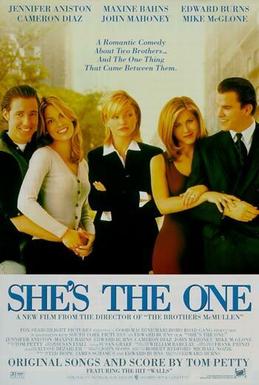
Rewatchables episodes featuring Jennifer Aniston’s films

Mentioned in discussions

Half-Assed Internet Research
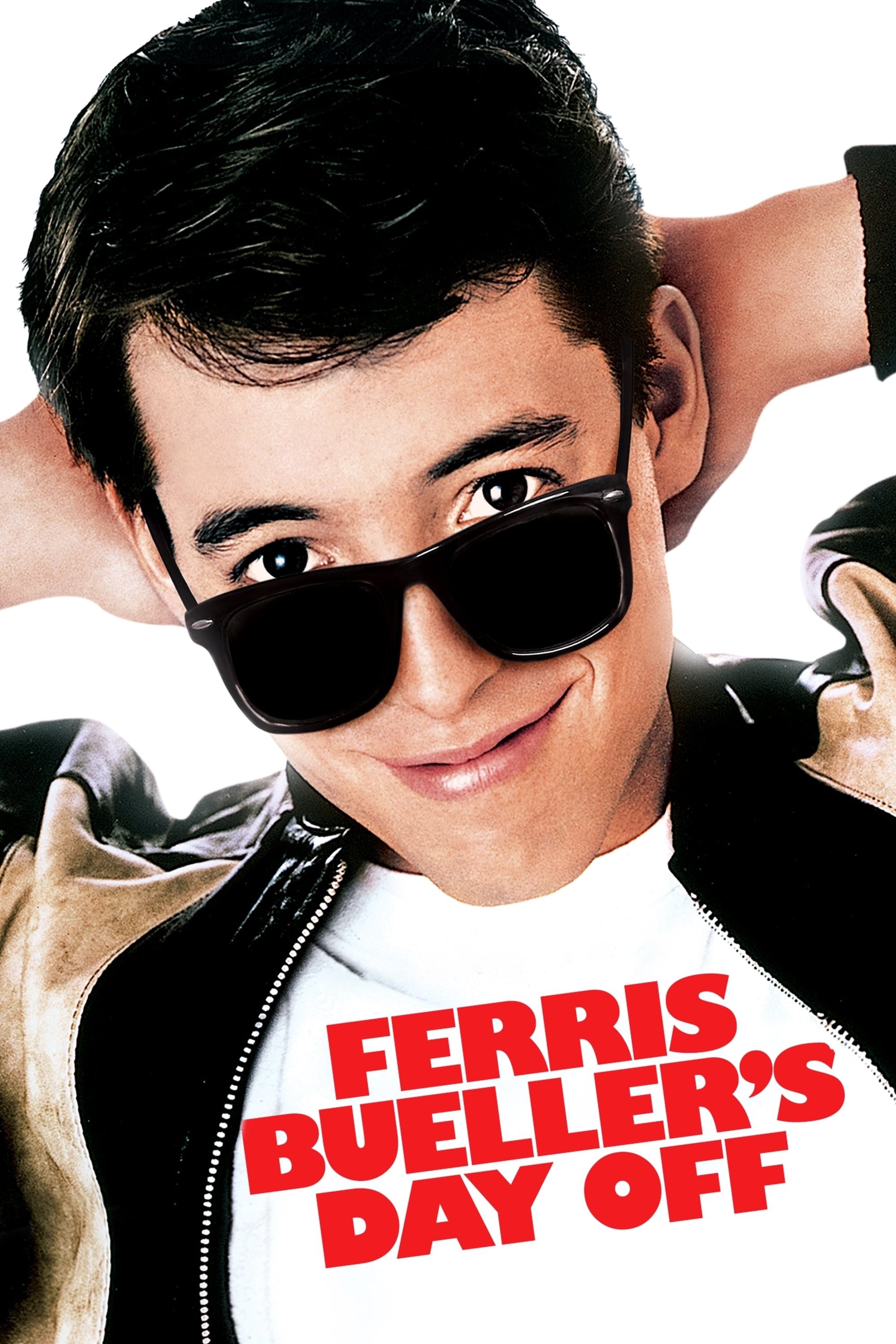
Chez Quis filming location; deleted savings-bond scene; Challenger cut; on-set romances; production anecdotes; the TV spinoff; Ferrari replicas
In the discussion (11)
- The Chez Quis restaurant is the same one used in The Blues Brothers and St. Elmo's Fire. — Bill Simmons
- A deleted scene had Ferris cash a savings bond to pay for the day; it was cut for making him seem a thief, though he has a knot of cash at Chez Quis. — Bill Simmons
- A line about riding the space shuttle was removed after the Challenger exploded. — Bill Simmons
- Broderick and Jennifer Grey got engaged before release, and Ferris's screen parents, Cindy Pickett and Lyman Ward, met on set, married, had two children and divorced. — Bill Simmons
- Ruck's George Peterson voice was an impression of their Biloxi Blues director meant to crack Broderick up. — Bill Simmons
- Broderick's knee injury limited the Twist and Shout choreography, which was by Kenny Ortega of Dirty Dancing and High School Musical. — Bill Simmons
- Ben Stein's lecture was improvised off camera, and the extras laughed so hard that voodoo economics stayed in. — Bill Simmons
- Broderick resisted a sequel, and Hughes's death made it moot. — Bill Simmons
- The 1990 NBC Ferris Bueller show starred Charlie Schlatter with Jennifer Aniston as Jeannie; Parker Lewis Can't Lose is preferred. — Bill Simmons
- The end-credits bus scene was cut from the movie and restored by Hughes, explaining a school bus coming home at 6 o'clock. — Bill Simmons
- Hughes first planned a Mercedes; Modena Design built the Ferrari replicas and, per the hosts, went bankrupt after Ferrari sued, prompting a joke about more blood on Cameron's hands. — Bill Simmons

Apex Mountain
1960s dog food
In the discussion (4)
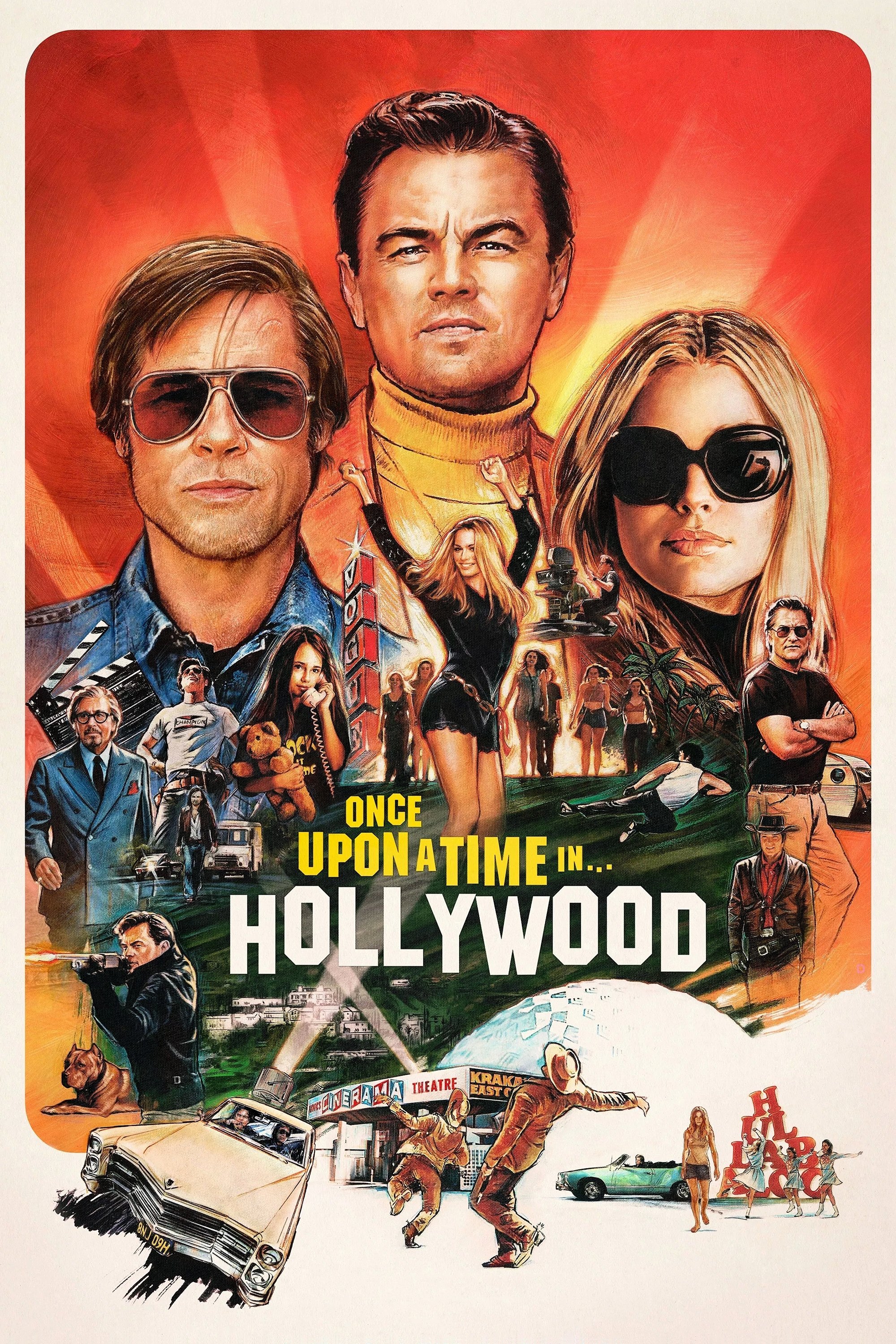
- This is post-prime Brad Pitt rather than prime; his Apex is settled as Ocean's 11 (or Fight Club) during the Jennifer Aniston years, after Moneyball is withdrawn. — Bill Simmons
- 1960s dog food is named Apex Mountain, followed by riffs on 1969 as a crazy year. — Bill Simmons
- Best Los Angeles movie is floated as in the conversation with Heat, Boys in the Hood and Nightcrawler; Bob and Carol and Ted Nallis is cited as an influence.
- The hosts hope this is not Margot Robbie's, Julia Butters' or Margaret Qualley's Apex, and doubt it will be seen as Pitt's. — Bill Simmons

Half-Assed Internet Research
Working title Redline; the title was owned by Roger Corman and traded for stock footage; Dom's house is really at 724 East Kensington Road in Echo Park; LA locations including Dodger Stadium and San Bernardino International Airport for Race Wars; the rig heist on Domagoni Parkway (as transcribed); Neil Moritz's Ferrari cameo; the Neptune's Net nod to Point Break; an alternate ending with Brian resigning from the LAPD; 1,500 real drivers at Race Wars; Vin Diesel and Michelle Rodriguez dated during filming; the camera-truck rig for driving shots; Brewster and Rodriguez had no driver's licenses; Vin Diesel and the director chose XXX over the sequel
In the discussion (12)
- The working title was Redline, which sounds like a Nick Cage or Timothy Olyphant Netflix movie; redline refers to a car's maximum speed; the title The Fast and the Furious belonged to director Roger Corman, who traded it for some stock footage owned by Universal Studios, a trade jokingly ranked with the Luka Doncic trade.
- One host thought the title was bad when it came out and loves it now; it is a running frustration that in all the ridiculous things the series has done nobody has ever said 'the Fast and the Furious', and the hosts script how Dom could have dropped it into the 'Salud Me Familia' toast after the heist before cutting to credits.
- A tangent on saying 'Salud Me Familia' at Ringer holiday parties, and on how by Fast Five even people barely in parts two through four were part of Vin's extended family: a touch on the forehead or passing the barbecue sauce gets you in.
- Dom's house shows the address 1327 but the real house is at 724 East Kensington Road in Echo Park, blocks from Dodger Stadium and now a tourist place; the hosts plan a field trip to shoot an Instagram video re-creating Jesse getting shot, one as Jesse and one as Vin crawling across the yard.
- Key LA locations: the Dodger Stadium parking lot where Brian tests his car in the opening, Angelino Heights, Silver Lake, Echo Park, Little Saigon, and San Bernardino International Airport as the venue for Race Wars, which one host of sixteen years in LA had never heard of; the entire rig heist was filmed on the Domagoni Parkway (as transcribed) on the south side of the San Jacinto Valley.
- Producer Neil Moritz made the movie happen and cameos as the bald driver of the black Ferrari who drag races Brian and Dom, as he told the hosts on an earlier podcast; the Malibu lunch at Neptune's Net on the Pacific Coast Highway is a little homage to Point Break, where Lori Petty's character worked there.
- Asked whether Brian being a cop was a surprise on first viewing, since the film does not hint at it until the police pull him over, one host already knew from reading that it was Point Break and wishes that had not been the case.
- An alternate ending was filmed in which Tanner drops Brian at the Toretto house, Mia is packing to move away, and Brian reveals he has resigned from the LAPD and has time; the hosts are glad it is not in the movie. Over 1,500 real drivers brought their cars to the Race Wars scene.
- Vin Diesel and Michelle Rodriguez dated during filming, which delights the hosts, who argue it should have been a magazine-cover story the way Brad Pitt and Jennifer Aniston were and imagine how cool a kid of theirs would have been.
- To put the real actors behind the wheel at 80 to 100 miles an hour, the production built a rig: a high-powered truck with a long chassis driven by a stunt driver while the actors steered a dummy car and bounced along; the hosts guess this decade just puts cameras in the car or uses CGI, and recall the chase in Ronan (as transcribed), where the lead actor, filmed beside the real driver, looks terrified and never cool for a single second.
- Stepping on research earlier: neither Jordana Brewster nor Michelle Rodriguez had a driver's license before the film and both needed intensive driver training.
- Forgotten research surfaced during Who Won: the director and Vin Diesel skipped Fast 2 to make XXX, wanting to own a franchise themselves; the hosts are unsure it was a good career move and place XXX in a weird era of music, video games and sports heroes, X games and Grand Theft Auto; Vin was pulled back for a cameo and did not really return until four.
In the discussion (8)
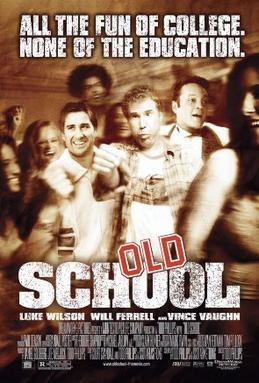
- Craig Kilburn (as transcribed) is a no: not this, not SportsCenter where one host thought he was God, but his first season of The Daily Show; he probably regards this as his apex because he had the CBS late-night show and this part, which is more than a cameo, and the hosts like him and have had him on their podcasts.
- Will Ferrell is a no: his apex has to come from his movie career, Anchorman, since his SNL apex was 2000 with Strategery as Bush.
- Vince Vaughn is a yes for one host, not only his best but the revival that leads to Dodgeball and Wedding Crashers and gets him out from under The Cell; another goes Wedding Crashers a year later, when it was no longer a fluke, he was dating Jennifer Aniston and on the cover of Us Weekly, one of the biggest stars in the world for a year and a half.
- Luke Wilson is a yes: this is his mainstream run with Legally Blonde 2 and Charlie's Angels, when he got the lead white-guy roles, and in a different era he would be in the Harrison Ford zone, which the others call blasphemous and a wild take; he is a comedy actor like Charles Grodin, not an action lead.
- The Luke Wilson conversation: one host does not think he is very good, lucked into the right movies, benefited from his creative brother Owen and Wes Anderson, and keeps replicating the doe-eyed Bottle Rocket regular guy in Charlie's Angels, Legally Blonde and this; others love his persona now as a golf, bourbon and Cowboys sportsman you could meet on a semi-private course on a Thursday with a Tecate.
- The defense of the take: they fucked up by not waiting to make Star Wars until Luke Wilson was around to play Han Solo, and had he stayed in game shape there was an action-movie path for him. — Chris Ryan
- Elisha Cuthbert draws a no, 24 season 1, against the argument that 24 began around 2001 and this came a couple of years in, about as good as it got; whether Girl Next Door is her best performance is asked, and she is incredible on Happy Endings.
- Patrick Crenshaw (as transcribed) is probably at his apex here, going out high.

Casting What-Ifs
Gary Oldman was to play Melvin Belli but was judged not heavy enough; Jennifer Aniston recommended Mark Ruffalo to Fincher; Andrew Garfield as a later Graysmith; Anthony Hopkins as Arthur Leigh Allen
In the discussion (4)
- The only casting what-if with any internet leftovers is Melvin Belli: Gary Oldman was supposed to play the role, and Fincher passed because he lacked the girth to play Belli, which lands oddly now that Oldman is playing Winston Churchill in all his girth in Darkest Hour; the hosts ask why a director who can add blood splatter could not add a few pounds, doubt anyone cares whether Belli weighed 250 or 175, and joke that human body fat is as sacred to Fincher as oak trees.
- Ruffalo was recommended to Fincher by Jennifer Aniston, and Fincher had liked him in Collateral.
- A side question asks whether Andrew Garfield, a little more of a boy scout, would have been a better Graysmith had the film been made five years later; Eisenberg is floated and rejected, and Gyllenhaal is called alarmingly handsome despite the wide-eyed look, as is Garfield.
- Asked whether the film still works with a huge star like Anthony Hopkins as Arthur, the answer is not as well: it has to be a face whose physical presence unsettles because you feel you could have seen him without knowing why, since viewers bring previous films into the room and would read a famous actor as an important part, and the only place to remember Lynch is Fargo, where Norm is a completely different, friendly disposition.
Apex Mountain
Robert Downey Jr. (Fincher: greatest accomplishment but not his best movie, 130)
In the discussion (8)
- For Gyllenhaal this is definitely not Apex Mountain; Enemy is offered, an incredible performance even though twin movies are usually bad and that one is triply complex, and Prisoners, with Detective Loki a series of choices; the things disliked in his early performances have become something he steered into, he works hard and made himself a better and more interesting actor, going from hiding the seams to embracing them, with this film perhaps the bridge.
- A joke nominates Source Code; otherwise everything after this is found better: Stronger, which came and went this year, is a really difficult performance in a familiar story that did not get the praise it was due, and he is consistently excellent now, so despite the affectations this is a great turning point.
- The case that this is Downey's Apex Mountain: people who know him only as a global superstar and brand in the last decade don't know the golden child who couldn't get it done, spoken of in hushed tones as the most talented actor of his generation yet undone by demons and addictions until a turning point around 2004 to 2006; Fincher caught him off Kiss Kiss Bang Bang, another one high on the list, and this film marries the electric comet-in-the-sky quality with a gravity that was sluiced away as he became more of a comic-book figure; Good Night and Good Luck was solid and controlled, but nothing around this suggested he could put together so mannered a performance.
- Downey's 80s run is called underrated, with Less Than Zero and The Pickup Artist, and his late-90s slide read as a tragedy because he had been consistently fascinating when used correctly, as in Soap Dish (as transcribed) and Wonder Boys, a film ready to be rediscovered; weighing the larger success arc, this fits perfectly as Apex Mountain for one host, with the global franchise-head apex coming a year later.
- Ruffalo is the biggest takeaway of the rewatch and perfectly cast: the Dave Toski (as transcribed) myth, the real cop who was Bullitt and partly the basis of Dirty Harry and perhaps the most recreated real-life cop ever, is played far more subtly than in the other Zodiac films, with the voice and accent right on, the floppy bow tie, pants and trench coat, and a softness that is a radical choice for a superstar murder police who literally asks about due process and is shown to be a grunt doing phone work.
- The vulnerable moment when Toski (as transcribed) is accused of writing the last Zodiac letter and gets a call at his house from Graysmith is loved: his wife, played by June Diane Raphael, is outraged on the phone, and Ruffalo delicately takes the phone from her, hangs it up and walks away without a word, jazz playing, in a bathrobe; but it is not his Apex Mountain, since You Can Count On Me is hard to top as where many first saw him.
- Collateral is still a thing for some among Ruffalo's cop performances; he was recommended to Fincher by Jennifer Aniston, who had liked him in Rumor Has It, the quasi-sequel to The Graduate, and Fincher liked him in Collateral.
- Asked whether this is Fincher's Apex Mountain, the answer is that it is his greatest accomplishment but not his best movie: Fight Club and Seven are iconic and stitched into people's lives, The Social Network is his best and the one liked most, but Zodiac clearly took the most to achieve, is his most personal and therefore most interesting film, though it will never be as beloved.
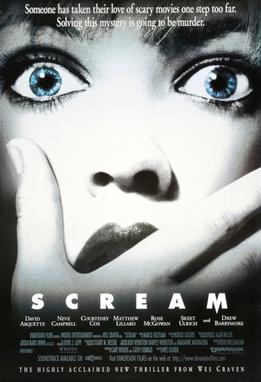
Casting What-Ifs
Drew Barrymore was cast as Sidney before commitments cut her to four days; Molly Ringwald was Williamson's first choice for Sidney; Brooke Shields for the Courtney Cox reporter; Ben Affleck considered for the Skeet Ulrich part; Breckin Meyer for the Jamie Kennedy part; Reese Witherspoon declined to audition for Sidney; Rebecca Gayhart (as transcribed) for the Rose McGowan part; Freddie Prinze (as transcribed) up for a role
In the discussion (12)
- Drew Barrymore was supposed to be Sidney and was locked in, the first to buy in and give the script credibility, but commitments left them four days with her, so she played the opening scene, which is thought to have helped the movie.
- It is hard to name another 1996 actress who could have carried the first murder with the same weight; Jennifer Aniston pretending to be eighteen is rejected, while Barrymore was famous yet young, a zeitgeist star.
- Neve Campbell was caught at a nice point in Party of Five; in a fantasy draft of 1996 actresses including Aniston, Courtney Cox, Reese Witherspoon and Sarah Michelle Gellar one host would take her top five for a 25-year career, while another never really got it.
- Party of Five trained her to do the sad emotions better than anybody, and she is formidable enough that you believe she would win a straight-up fist fight, which is why Drew Barrymore would not have worked as well in the lead.
- Gail Weathers getting punched in the face is another good scene for a host who hated Friends as a kid and still counts Ross as the least favorite character, which draws the remark that this is a hot-takey podcast.
- Neve Campbell never found a second stage after starring in a hundred-million-dollar movie; she is thought to have gone artsy and precious with the dance movie The Company, and her House of Cards appearance was greeted as a comeback.
- Molly Ringwald was the first choice Williamson wrote the movie for; she turned it down as too old at 27, which would have been a disaster as a high school senior, though an aged-up, harder-edged Gail Weathers might have suited her.
- Brooke Shields was in the mix for the Courtney Cox reporter role and Ben Affleck was supposedly considered for the Skeet Ulrich part, but this is one of the few movies where no name could be plugged into any role to improve it.
- Jamie Kennedy's part is the one that might have been stepped up, yet Breckin Meyer, who was up for it, would not have worked, because the character has to be annoying in the right way.
- Reese Witherspoon was wanted to audition for Sidney and wanted no part of it; she would have been good in anything, even Predator, and instead made the roller-coaster movie with Mark Wahlberg and the gnarly Freeway that year, with Cruel Intentions flagged for a future episode.
- Rebecca Gayhart (as transcribed) was up for Rose McGowan's part, though nothing like her, and was then put in Scream 2; after 90210 and the Noxzema ads she looked destined to be a massive star, but like Felicity she was hair dependent in a way that fit only 1996.
- Freddie Prinze (as transcribed) was remembered from the research as up for one of these roles; he was neck and neck for everything for three years, and gets away with his acting only in high school movies, so Summer Catch and She's All That cut around his throwing and kicking.



