
Film credit
Paul Newman
Also referred to as Newman
Stats
- Episodes featuring their films
- 5
- Movies in this archive
- 5
Rewatchables episodes featuring Paul Newman’s films
Butch Cassidy and the Sundance Kid
1969 film
Bill Simmons · Aaron Sorkin · Sean Fennessey
Aired September 2, 2019
Mentioned in discussions


What’s Aged the Worst?
Slapping Laura; sister’s accent; raw egg in beer; vanished shuttle convenience
In the discussion (6)
- Walk-up Eastern Airlines shuttles between LaGuardia and Boston are admired as a vanished convenience, classed as aged best by one and aged worst by another.
- Aged worst: the sister's attempted Boston accent is criticized, with joking blame on New Yorker Lumet.
- Galvin slapping Laura is a principal aged-worst choice. — Bill Simmons
- Producers reportedly wanted the slap removed to protect Newman and audience sympathy,but Newman insisted it fit the character. — Bill Simmons
- The slap is contextualized by his immediate discovery of betrayal and a period drunk lawyer's plausible behavior, while still condemned as violent misogyny; alternatives such as throwing a drink are suggested. — Sean Fennessey
- Raw egg in beer as sober-up breakfast is another aged-worst choice, contrasted with modern juice/immunity drinks and connected jokingly to Cool Hand Luke's eggs.

What’s Aged the Best?
Afraid-to-try lawyer; camera work; opening; judge; phone bill; Rampling; dialogue; Church villain; Warden
In the discussion (18)
- Cheap, unsuccessful lawyers afraid to enter court are praised as an effective dramatic type. — Bill Simmons
- The wide stationary camera angles are praised. — Bill Simmons
- The opening establishes a broken-down drunk while preserving sympathy. — Bill Simmons
- O’Shea’s judge is a memorably hateful villain. — Sean Fennessey
- The extreme unfairness strains credibility for one viewer,while others accept the depiction. — Sean Fennessey
- Refusing a nighttime extension is a powerful scene.
- Ebert's observation that Newman's newly tired appearance reveals his acting and foreshadows older roles is placed in aged best. — Bill Simmons
- Galvin finding a witness through a stolen phone bill is admired as clever and plausible despite being a stretch. — Bill Simmons
- Concannon's uniformly white legal team and excitement at the opposing expert being Black expose their prejudice. — Bill Simmons
- Rampling's performance improves on rewatch once her motives are known. — Bill Simmons
- Laura's alluring but damaged presence in Galvin's ordinary bar seems implausibly fortunate until her motives are revealed; Chris expresses particular admiration. — Chris Ryan
- Rampling surveying the apartment,keeping her eyes open during a kiss and acknowledging the ex-wife photograph rewards rewatching. — Chris Ryan
- Laura’s encouragement manipulates Galvin’s masculinity. — Sean Fennessey
- Mamet's repeated accusations that people do not care whom they hurt and cigarette requests are admired. — Bill Simmons
- The Catholic Church as villain is considered prescient. — Sean Fennessey
- Warden's age-weary dialogue is almost a parody of his persona but remains enjoyable. — Bill Simmons
- Lumet and Bartkowiak reportedly studied Caravaggio paintings for visual references and color. — Bill Simmons
- Galvin’s frustration at discovering the broken elevator after using eye drops is admired. — Sean Fennessey

Most Rewatchable Scene
Judge confrontation; Kaitlin’s testimony; opening
In the discussion (26)
- The opening pinball,drinking and smoking credits are admired as an economical introduction. — Bill Simmons
- The credit graphics are criticized. — Bill Simmons
- The opening beer is guessed as Schlitz,Harp or Bud without resolution. — Bill Simmons
- The opening funeral crashing,newspaper obituary circles and shaky shot-glass hand establish Galvin without exposition or invented trauma flashbacks.
- Mason's first preparation meeting explains the case elegantly and includes canceling a subordinate's Bahamas vacation while sending flowers and a tanning bed. — Chris Ryan
- Galvin meeting the cardinal and noting that 210,000 divides neatly into his 70,000 fee is admired; whether the moral decision occurs in the room or with developing Polaroids is debated.
- Concannon and Galvin in the eating judge's chambers reveal the opposing lawyer's connection without heavy exposition. — Bill Simmons
- The son-in-law's furious confrontation and line about living with professionals' mistakes are admired; he knocks the briefcase aside rather than slapping Galvin, and is called the most Boston moment.
- Concannon prepping the anesthesiologist to replace jargon with plain language is another scene candidate.
- Mason coaching the doctor to dramatize heroic attempts to save mother and child is like an acting class, and receives particular praise; Wesley Addy is identified as a recurring Lumet actor.
- Galvin attacking the judge after the expert testimony is a major scene candidate,especially the bagman accusation.
- Mason’s silent reactions during Galvin’s confrontation are admired. — Bill Simmons
- The bar-booth first date and jury speech return as a favorite, with the incongruity of staying in the same bar for dinner noted.
- Concannon paying Laura reveals her betrayal; the line about being paid to win is praised and her apparently implausible interest in Galvin retrospectively explained. — Bill Simmons
- Galvin traveling to New York to seek Kaitlin's help is a scene candidate. — Sean Fennessey
- Kaitlin’s rebuttal testimony is especially loved. — Bill Simmons
- The doctor’s standing double take when he hears Kaitlin’s name is admired.
- Mason’s intimidation gives way to the revelation that Kaitlin kept a copy showing one hour rather than nine.
- The judge lets the testimony run long enough that the jury cannot unhear it; the family members' silent reactions deepen the scene. — Chris Ryan
- Galvin’s final speech is a scene candidate.
- Lumet’s commentary reportedly says a camera hair spoiled a take and Newman’s repeat was even better. — Bill Simmons
- The jury asking to exceed the requested award and Warden looking upward provide a favorite payoff.
- The judge being forced to relinquish control makes the verdict especially satisfying. — Sean Fennessey
- Chris's final scene choice is Galvin dressing down the judge in chambers.
- Kaitlin's testimony is another final scene choice, with Lindsay Crouse's performance and later House of Games praised. — Sean Fennessey
- The opening two minutes receive the remaining final scene endorsement. — Sean Fennessey


Half-Assed Internet Research
Production accounts cover the actors’ boundaries, improvisation, and Altman’s rationale for the film’s nudity.
In the discussion (4)
- Greta Scacchi reportedly negotiated limits on nudity. — Bill Simmons
- Burt Reynolds reportedly improvised material during the opening shot. — Bill Simmons
- Altman reportedly explained Cynthia Stevenson’s nude scene as part of exposing Hollywood’s power imbalance. — Bill Simmons
- A Paul Newman anecdote is quoted to illustrate performers negotiating exposure and control.

In the discussion (3)
- Newman is chosen twice and then confirmed as the winner
- Newman’s first competitive Oscar is criticized as overdue — Chris Ryan
- A revised Verdict ballot is debated between Newman and Hoffman, with Kingsley in Gandhi placed third — Chris Ryan


Apex Mountain
Billiards, Balabushka cues, Mary Elizabeth Mastrantonio, and sweater vests
In the discussion (6)
- Newman, Cruise, and Scorsese are rejected as apex choices — Chris Ryan
- Billiards is assigned an apex for its ESPN visibility — Chris Ryan
- Clapton is rejected in favor of his later Unplugged peak
- Balabushka cues are assigned an apex for the film’s attention — Chris Ryan
- Mary Elizabeth Mastrantonio is debated against later films and her career path is discussed
- Sweater vests receive a consensus apex for Newman’s wardrobe — Bill Simmons
Half-Assed Internet Research
Oscar recurrence, trick shots, Doom, pool sales, and Scorsese project origin
In the discussion (5)
- Newman joined a small group nominated for replaying an earlier role — Chris Ryan
- Cruise performed every trick shot except one that would have required two more practice days — Chris Ryan
- The video game Doom was reportedly named from Vincent’s line — Chris Ryan
- Pool equipment sales reportedly rose after the film — Chris Ryan
- Scorsese reportedly became interested in Henry Hill after reading Wiseguy during production — Chris Ryan
What’s Aged the Best?
Sports craft, images, music, style, Newman, and continuation-sequel design
In the discussion (5)
- The pool matches work as clear sports scenes with visible winners and losers — Chris Ryan
- The art-of-luck line, three-character composition, Vince shirt, score, soundtrack, and numerous pool-table shots are praised
- Richard Price’s writing career is praised
- The film’s 1980s clothes, Newman’s mustache, Cadillac, and screen presence still look stylish — Chris Ryan
- The sequel subtly turns Eddie into the older mentor he once resisted without remaking The Hustler

Recasting Couch
Richard Gere or Paul Newman as Graham; broader Redford, Brando, Hoffman, DiCaprio, and Lakeith Stanfield hypotheticals
In the discussion (7)
- Richard Gere for Graham is proposed and disputed.
- Paul Newman is treated as the most intriguing period alternative.
- Robert Redford is considered.
- Marlon Brando is considered.
- Dustin Hoffman is considered.
- A post-Revenant Leonardo DiCaprio version is imagined.
- Lakeith Stanfield is proposed for a modern version.
Casting What-Ifs
Richard Gere, Mel Gibson, Paul Newman, and several Lecter possibilities
In the discussion (7)
- Richard Gere is named as a possible Will Graham.
- Mel Gibson is named as a possible Graham.
- Paul Newman is named as an intriguing Graham alternative.
- John Lithgow is considered for Lecter. — Bill Simmons
- Mandy Patinkin is considered for Lecter. — Bill Simmons
- Brian Dennehy is considered for Lecter and reportedly recommended Brian Cox. — Bill Simmons
- David Lynch and Ted Levine are mentioned in the wider casting discussion. — Bill Simmons
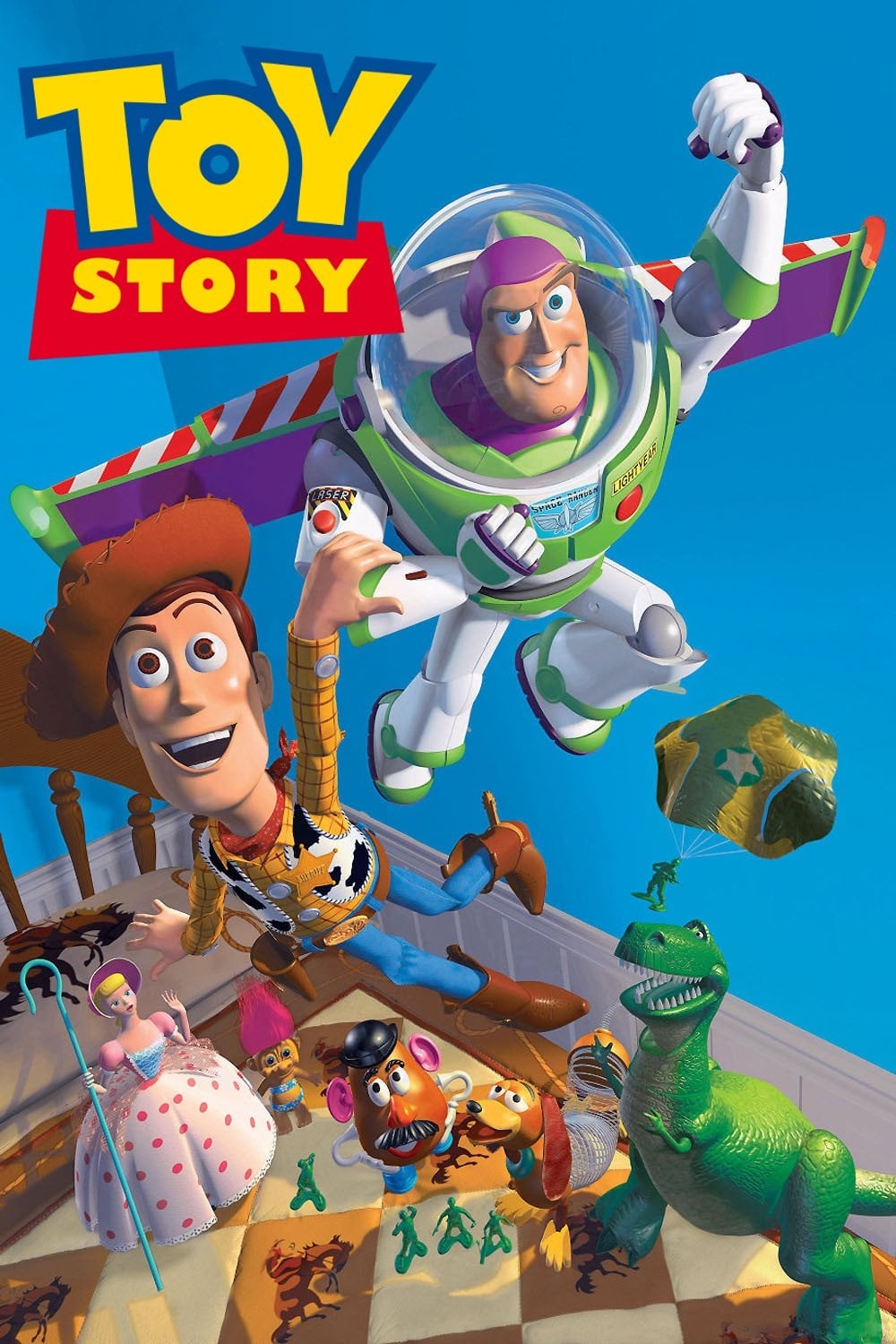
Casting What-Ifs
Billy Crystal, Chevy Chase, Bill Murray, Mel Gibson or Bruce Willis as Buzz; Jim Carrey as Buzz with Paul Newman as Woody; Rick Moranis as Rex
In the discussion (12)
- Billy Crystal declined Buzz, later called it the biggest mistake of his career, and was then offered Mike Wazowski in Monsters, Inc. — Sean Fennessey
- Crystal is judged not rigid enough for Buzz, unlike Tim Allen's chin-out delivery. — Sean Fennessey
- Chevy Chase turned down Buzz; he is judged unable to pull it off because his corners are a little too rounded. — Shea Serrano
- Bill Murray is rejected as too snarky to deliver the "sad, strange little man" line seriously. — Shea Serrano
- A 1995 Mel Gibson is judged capable of the role. — Shea Serrano
- Bruce Willis gets a thumbs up with doubts, and his Look Who's Talking voice work is praised. — Shea Serrano
- Tim Allen has said Pixar wanted Jim Carrey for Buzz and Paul Newman for Woody but could not afford them, meant to reflect new Hollywood taking over old; Newman later voiced Doc Hudson in Cars. — Sean Fennessey
- One should never say no to Paul Newman, but Tom Hanks's Woody is too ingrained to imagine anyone else. — Mallory Rubin
- Hanks and Allen as generational peers, a movie pillar and a TV star, is preferred; Newman fits better as Doc. — Sean Fennessey
- Newman is the only name that could have replaced Hanks, because Woody needs a peach-soft voice; several actors, such as Robert Redford or Denzel Washington, could have played Buzz. — Shea Serrano
- Rick Moranis was reportedly approached for Rex, which would have been great. — Shea Serrano
- An online claim of Jeremy Irons as Mr. Potato Head is raised but unconfirmed. — Sean Fennessey
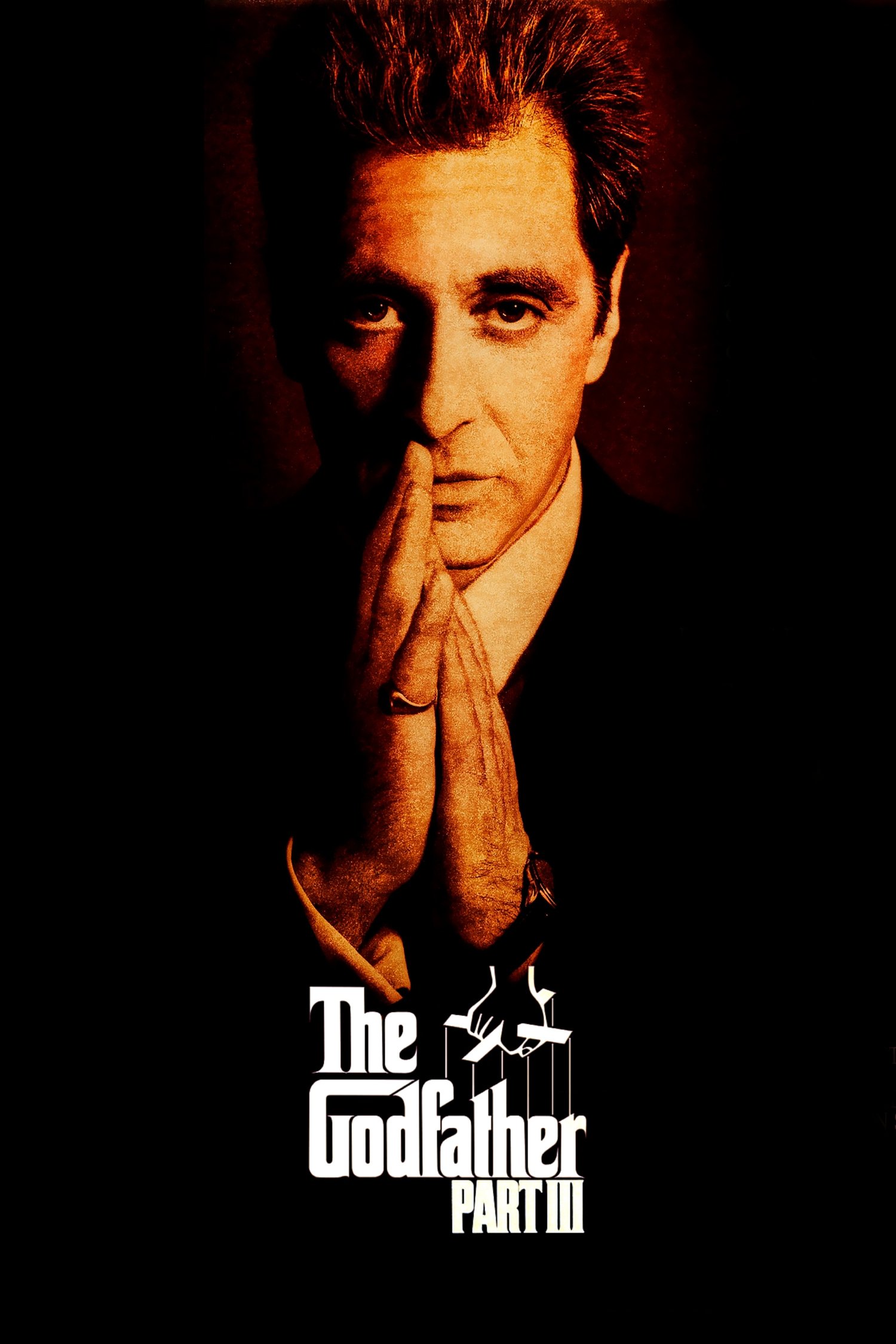
Recasting Couch
Laura San Giacomo as Mary; William Hurt in George Hamilton's role
In the discussion (10)
- A replacement for Altobello would need an Italian-American actor of the era with Sinatra-like charisma; Paul Sorvino is unavailable because of Goodfellas. — Bill Simmons
- Casting Wallach may echo the Lee Strasberg gamble, but it telegraphs the villain because he has played so many heavies.
- Dennis Farina, Mickey Rourke and John Turturro were apparently in talks for Zasa. — Chris Ryan
- David Caruso as Altobello and the Gilday actor playing every part are joked about. — Chris Ryan
- Laura San Giacomo as Mary is restated as an amazing recast. — Bill Simmons
- For George Hamilton's part the runners-up are Richard Gere, Harrison Ford and Paul Newman; Newman as Altobello is floated and welcomed as a good spitball, and Newman as Archbishop Gilday gets laughs. — Bill Simmons
- The winner for Hamilton's part is William Hurt, called a no-brainer who looks like Duvall and could be Hagen's Harvard son as the new consigliere.
- Recasting Hagen himself with Hurt is rejected as anti-recasting, and a Hagen son working for Michael is questioned given Michael's record. — Chris Ryan
- Keaton's hair is the only other recast. — Bill Simmons
- Brando as Altobello is rejected as too distracting, being much older and heavier, though The Freshman is liked.
Films in the archive
Butch Cassidy and the Sundance Kid
1969



Slap Shot
1977
The Color of Money
1986

The Sting
1973
The Verdict
1982