
Stats
- Episodes featuring their films
- 8
- Movies in this archive
- 7
Rewatchables episodes featuring Demi Moore’s films
Mentioned in discussions
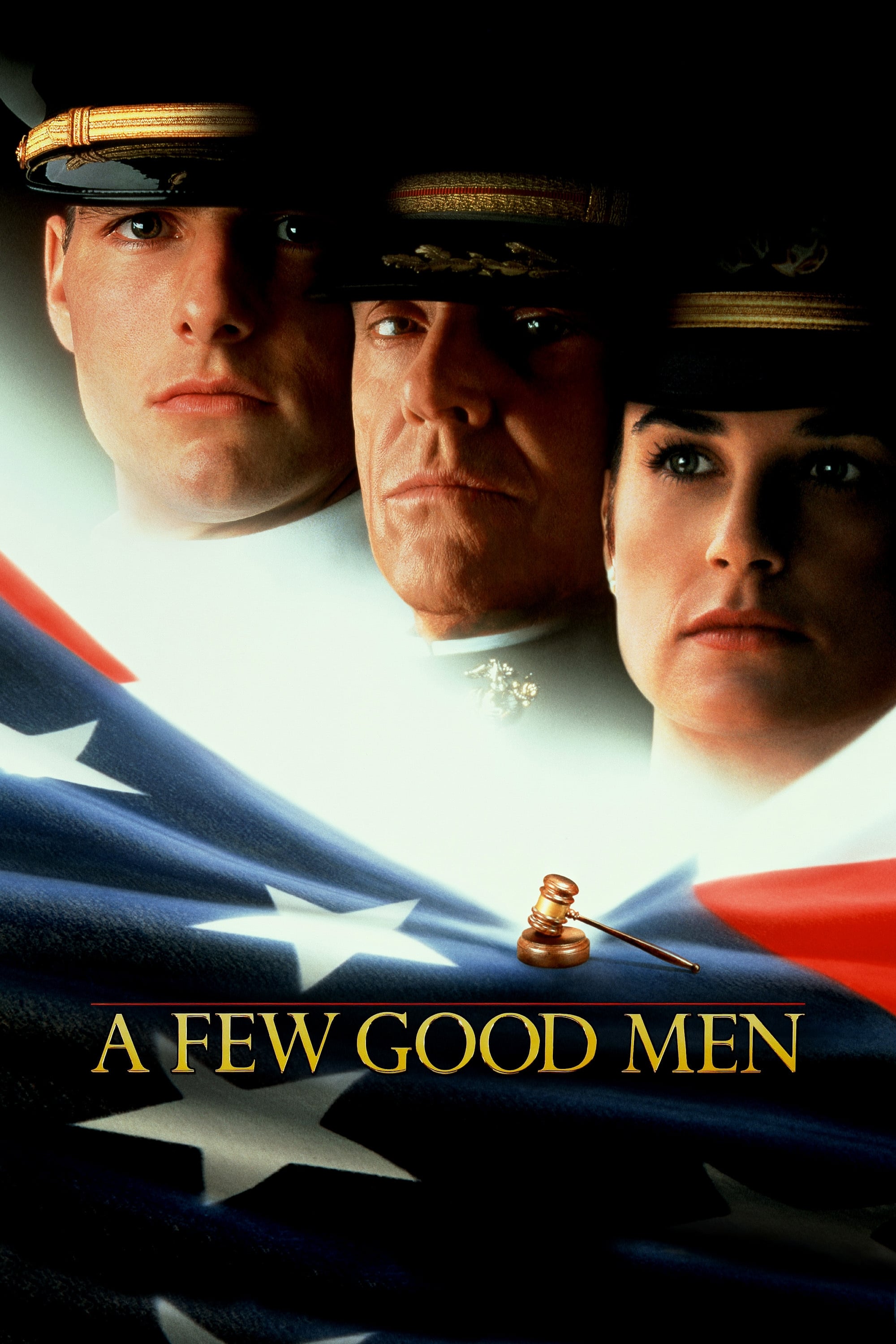

Apex Mountain
Code reds; marching band; Pollak; Yoo-hoo; Reiner; cinematic softball; Bodison; lactic acidosis; two bedside books
In the discussion (8)
- Moore is rejected. — Chris Ryan
- Nicholson is rejected, with Chinatown and One Flew Over the Cuckoo’s Nest preferred and the Broadcast News/Batman period considered for sheer stardom. — Bill Simmons
- Code reds, the opening marching-band performance and Pollak receive affirmative nominations; Guantanamo Bay is rejected. — Bill Simmons
- Sorkin and Walsh are rejected, with Blue Chips preferred for Walsh; Yoo-hoo receives a yes. — Chris Ryan
- Bacon is rejected; Reiner receives a yes because of Seinfeld and Castle Rock’s success.
- Cinematic softball practice and Bodison receive agreement. — Bill Simmons
- Cruise is rejected in favor of Jerry Maguire. — Bill Simmons
- Lactic acidosis and keeping only the Marine Corps code and King James Bible beside the bed are belated affirmative nominees. — Chris Ryan

The Butch’s Girlfriend Award for the Weakest Link in the Film
Demi Moore, entertainingly miscast
In the discussion (3)
- Moore is considered miscast, but that mismatch is defended as entertaining; a straighter Julianne Moore performance might make the film less fun. — Bill Simmons
- Jo exemplifies an emotional-support female lead whose main function is to affirm the male protagonist, compared with Jeanne Tripplehorn in The Firm.
- Moore and Cruise are considered watchable together but lacking sexual chemistry; Moore’s difficulty with Sorkin’s dialogue is contrasted with Cruise’s command of it.
In the discussion (20)
- Reiner reportedly planned stand-ins for reaction shots, but Nicholson insisted on fully delivering the climactic speech repeatedly and explained that he loved acting. — Bill Simmons
- Bacon and Sutherland reportedly regarded Nicholson’s work that day as a demonstration of movie stardom and professional commitment. — Bill Simmons
- Sorkin’s Navy-lawyer sister’s hazing case reportedly inspired the play, which he began on cocktail napkins while bartending at Broadway’s Palace Theatre. — Bill Simmons
- William Goldman’s rewrite contribution is clarified: instead of a documentary smoking gun, the flight-log issue provides no proof, forcing Kaffee to elicit a confession. — Bill Simmons
- The film reportedly received picture, supporting-actor, editing and sound nominations but none for Sorkin or Reiner, and won no Oscars. — Bill Simmons
- The film is described as Reiner’s only $100-million box-office release. — Bill Simmons
- The reported budget is $40 million against $243 million earned, with an 84 percent Rotten Tomatoes score mentioned. — Bill Simmons
- Cruise’s Nicholson impression reportedly was unscripted and elicited genuine laughter; that production anecdote is questioned but defended through Moore’s reaction.
- A making-of featurette praises the other actors extensively but reportedly gives Moore only Reiner’s acknowledgment that she auditioned and won the part. — Sean Fennessey
- Moore reportedly reduced her asking price from $3 million to $2 million after The Butcher’s Wife, Mortal Thoughts and Nothing but Trouble disappointed. — Bill Simmons
- Wolfgang Bodison reportedly moved from Reiner’s location scout to playing Dawson without prior acting experience; his ability to hold his own opposite Cruise is admired.
- Cruise reportedly received $12.5 million and Nicholson $5 million for ten shooting days. — Bill Simmons
- Nicholson reportedly disliked the release-date move that put the film against Hoffa; filming at Camp Pendleton was not permitted. — Bill Simmons
- Nicholson and Walsh reportedly became close while making this film and Hoffa, and Nicholson later dedicated his third Oscar to Walsh’s memory. — Bill Simmons
- Bacon is said to have played a Jack in six films: Frost/Nixon, My Dog Skip, Apollo 13, A Few Good Men, Quicksilver and Friday the 13th. — Bill Simmons
- Pollak reportedly described a screening of both Godfather films at a home screening hosted by Cruise, separated by an Italian meal. — Bill Simmons
- The first televised baseball game is identified as a Braves–Padres extra-inning game featuring a David Justice tying homer before San Diego won 11–10; Atlanta later lost the 1991 World Series. — Bill Simmons
- The second game is identified as Minnesota–Baltimore, with Rick Aguilera surrendering the save and Randy Milligan’s winning double ending a Twins streak; Minnesota later won the World Series. — Bill Simmons
- A New York Times account reportedly exposed lawyers advertising themselves as Kaffee’s inspiration, with one removing the claim when questioned. — Chris Ryan
- An executive reportedly demanded a Kaffee–Galloway sex scene and questioned her being a woman without one; Sorkin objected that women have other purposes. — Bill Simmons

In the discussion (1)
- The final winner choices are Robert Redford and Demi Moore, one explicit choice each. — Bill Simmons
Podcast choices
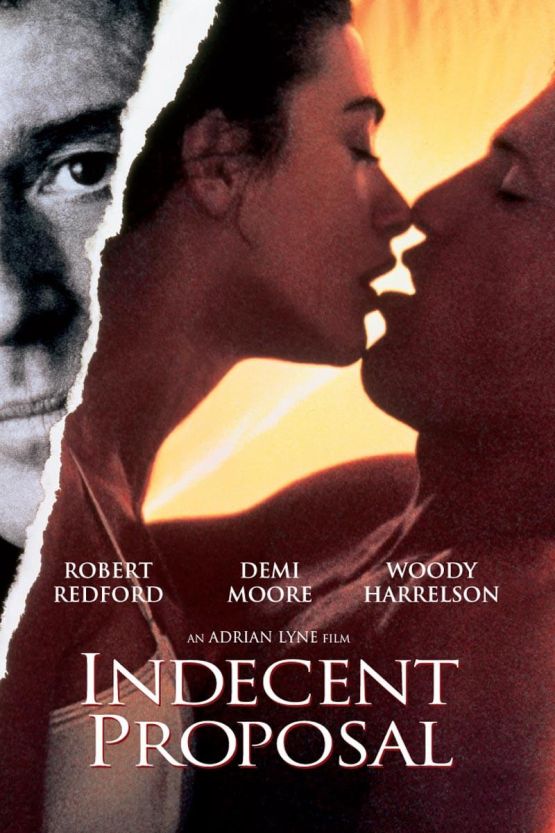

Just One Oscar
Demi Moore; Robert Redford (supporting actor)
In the discussion (2)
- Demi Moore is the first hypothetical Oscar choice. — Mallory Rubin
- Robert Redford for supporting actor is the other hypothetical Oscar choice. — Mallory Rubin
Apex Mountain
Demi Moore; Woody Harrelson; Thierry Mugler; sex on cash; John F. Kennedy Jr.; Sade near peak
In the discussion (11)
- This period is proposed as Demi Moore’s peak following Ghost and A Few Good Men; the later Striptease payday is an alternative. — Bill Simmons
- Demi Moore receives an affirmative Apex choice for the commercial success, preceding hits, celebrity position and subsequent Striptease payday; her appearance receives an additional affirmative peak assessment. — Bill Simmons
- Harrelson receives an affirmative Apex choice for White Men Can’t Jump, this film and emerging from Cheers as a movie star; True Detective is raised as an absent colleague’s likely alternative. — Bill Simmons
- Redford is rejected for Apex here. — Mallory Rubin
- Sade is placed near her peak. — Mallory Rubin
- Seal is rejected in favor of the later Kiss from a Rose period. — Bill Simmons
- Thierry Mugler receives an affirmative Apex choice. — Bill Simmons
- Sex on a large pile of money receives an affirmative Apex choice. — Bill Simmons
- Lyne is rejected for Apex here. — Bill Simmons
- Craps is rejected for Apex here. — Bill Simmons
- John F. Kennedy Jr. receives an affirmative, retrospective Apex discussion for his prominence and the premise’s reported inspiration. — Bill Simmons

Half-Assed Internet Research
Reviews; parody; production; original ending; dress; casino filming
In the discussion (10)
- The film reportedly appears in John Wilson’s book of one hundred enjoyably bad movies and inspired a 2002 Simpsons parody. — Bill Simmons
- Moore reportedly recalled Harrelson’s discomfort performing sex scenes with a friend’s wife. — Bill Simmons
- Negative reviews from the Los Angeles Times, New York Times and Rolling Stone led Amy Holden Jones to publish a rebuttal; the Thelma and Louise screenwriter also criticized the film. — Bill Simmons
- Redford’s missed-connection speech is described as substantially borrowed from Citizen Kane. — Bill Simmons
- Moore reportedly received final approval over her sex scenes and participated in editing them. — Bill Simmons
- The secretary reading Susan Faludi’s Backlash is identified as a deliberate thematic detail. — Bill Simmons
- The original script let Diana leave independently; Beatty reportedly refused because his character would not get the woman. — Bill Simmons
- Lyne and Moore reportedly argued over the character before he conceded that she was right. — Bill Simmons
- The five-thousand-dollar Thierry Mugler dress became a widely copied sensation. — Bill Simmons
- Vegas casino filming reportedly began at three in the morning for several weeks. — Bill Simmons
Recasting Couch
Sydney Sweeney; husband unresolved; Brad Pitt; gender-swapped Angela Bassett
In the discussion (7)
- Scarlett Johansson is raised as a contemporary Moore comparison before Sydney Sweeney is proposed for a remake. — Bill Simmons
- For Sydney Sweeney’s husband, a younger Adam Driver is considered; Glen Powell is rejected as too attractive and Miles Teller is viewed as a better candidate. — Mallory Rubin
- Jacob Elordi and Paul Mescal are rejected as too attractive for the desired contrast; Elordi’s height is also noted. — Bill Simmons
- A producer identified in the transcript as Linda Oakes describes Harrelson’s appeal to women as both adorable and adventurous; the name remains uncertain. — Bill Simmons
- Rory Culkin is proposed before the Succession actor is corrected to Kieran; Jeremy Strong follows, but the age gap with Sweeney draws an objection.
- Brad Pitt is favored over “Leo” (surname not spoken) for Gage because of his resemblance to and career association with Redford. — Bill Simmons
- A gender-swapped Gage prompts an emphatic Angela Bassett choice; Halle Berry and Nicole Kidman are additional candidates, while Reese Witherspoon is a joking contrast. — Bill Simmons

What’s Aged the Worst?
Flashback styling; billionaires; cash sex; gambling; suites; real estate; voiceover; spoiled separation
In the discussion (13)
- The youthful flashback appearances have aged poorly: Woody’s wig and Moore’s conspicuous braces. — Bill Simmons
- The relatively sympathetic billionaire is considered harder to accept today; Tony Stark counters the suggestion that Gage might be the last billionaire audiences rooted for, while Zuckerberg prompts qualification. — Bill Simmons
- Sex on piles of dirty cash is selected as having aged poorly, especially the bills shoved between bodies and their crumpled condition afterward. — Mallory Rubin
- The mix of twenties, fifties and hundreds is implausible casino payment; chips or larger bills would make more sense. — Bill Simmons
- Returning to roulette after an initial rapid loss is criticized as foolish gambling and implausible strategy. — Bill Simmons
- The supposedly luxurious early-1990s Vegas suites now look ugly. — Bill Simmons
- Readily available enormous oceanfront property in 1993 Santa Monica is challenged as implausible. — Mallory Rubin
- The Santa Monica land is estimated at at least five million dollars in 1993; the film needs an explanation for such valuable vacant property. — Bill Simmons
- Gage’s house value is corrected from forty to thirty million dollars, sharpening the comparison with the couple’s implausibly attainable dream property. — Bill Simmons
- A demolished prior house could explain availability, but the lush untouched-looking site does not communicate that history. — Bill Simmons
- Both agree the property is far more exceptional and valuable than the film acknowledges. — Bill Simmons
- The sporadic voiceover is criticized, especially its heavy use for the opening relationship history followed by a long absence. — Bill Simmons
- Revealing the separation at the start removes suspense about whether the marriage survives. — Mallory Rubin

What’s Aged the Best?
Vegas desperation; Demi Moore; return home; forgiveness; title; David with the dog; Jeremy
In the discussion (8)
- Going to Vegas as a desperate solution has aged well: unemployment, recession and failed home sales establish motivation, followed by the initial gambling high and collapse. — Mallory Rubin
- Demi Moore’s appearance and star presence are selected as having aged well. — Bill Simmons
- Movie depictions of wealthy people’s parties are praised for their glamorous settings and guests, although the specific parties here draw a dissenting reaction. — Bill Simmons
- Diana’s uneasy return after the night with Gage is effective, although David’s subsequent lipstick-smearing sexual behavior is described as gross and bizarre. — Bill Simmons
- The line distinguishing forgiveness from forgetting is praised. — Bill Simmons
- The title is selected as having aged well. — Mallory Rubin
- Giving David the dog after the separation creates sympathy for him when his other behavior makes him difficult to like. — Mallory Rubin
- Jeremy’s uncomfortable jokes function as an audience surrogate and provide an underrated contribution. — Mallory Rubin

Most Rewatchable Scene
Gage’s billiards proposition
In the discussion (17)
- The Vegas shopping scene leading into craps is nominated, including Diana’s refusal to be treated as another item for sale. — Bill Simmons
- The shopping and craps sequence captures the film’s strongest Vegas stretch and establishes Gage’s interest in borrowing Diana for luck.
- Billy Bob Thornton’s small appearance as Day Tripper is amusing in retrospect given his later Oscar. — Bill Simmons
- The money-covered sex scene after the first successful Vegas day is considered as another scene candidate, with objections deferred. — Mallory Rubin
- The billiards proposition is praised for its iconic premise-setting line, riveting conversation and insight into Gage’s psychology. — Mallory Rubin
- Diana answers before David, and Gage insists on hearing from him, deliberately opening a wedge between the couple.
- Pool-ball continuity undermines the scene’s metaphor: a scratched cue ball reappears, and the play lacks coherent eight-ball or nine-ball rules. — Bill Simmons
- The lawyer’s contract negotiation is a favorite, particularly payment without consummation and the John Garfield death-during-sex clause.
- Jeremy’s insistence that he could have negotiated at least two million dollars adds to the lawyer’s appeal. — Mallory Rubin
- The boat scene is praised, including Gage’s assurance that nothing will happen without Diana choosing it; it is called one of the film’s last good scenes. — Bill Simmons
- The argument about whether the sex was good gives Diana an effective explanation that neither praise nor denial can satisfy her husband.
- Her affirmative answer is disputed as unnecessarily hurtful; suggested reassuring lies draw the objection that he would not believe them. — Mallory Rubin
- Redford’s speech about the woman on the train is nominated, with Moore appearing genuinely moved by his performance. — Bill Simmons
- The supposedly relatable missed-connection story is mocked for justifying a billionaire’s extravagant pursuit of another man’s wife. — Mallory Rubin
- The million-dollar-club revelation is praised for Shackleford’s visible effort to support Gage’s improvised story without exposing it. — Mallory Rubin
- Sam Elliott is suggested as a cooler version of Shackleford who could appear more convincingly complicit. — Bill Simmons
- Gage’s billiards offer is the agreed final most-rewatchable scene despite the pool continuity errors. — Mallory Rubin
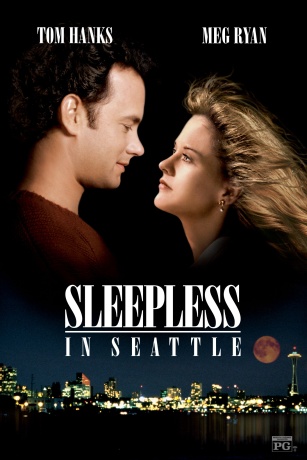
Casting What-Ifs
Castle; Roberts; Basinger (uncertain); Quaid; original Jonah
This discussion recalls a choice from an earlier episode.
In the discussion (8)
- Nick Castle reportedly lost Hook to Spielberg, then lost Sleepless to Ephron after creative conflict, eventually directing Dennis the Menace the same year. — Bill Simmons
- Internet casting lists are treated skeptically; Roberts turning down Annie is considered credible because she reportedly discussed it herself. — Bill Simmons
- Kim Basinger’s possible involvement is considered believable. — Bill Simmons
- Demi Moore is an intriguing hypothetical Annie but is considered too feisty or controlled; Robin Wright likewise lacks Ryan’s daffy quality.
- Bullock is considered too early in her career and Roberts too famous, potentially overpowering the film. — Bill Simmons
- Ryan’s accessible appeal and relatability are defended as essential to supporting a character who stalks a stranger.
- Ryan reportedly pushed for husband Dennis Quaid as Sam, but Ephron rejected the married pairing; the panel doubts Quaid could deliver the radio speech as effectively. — Bill Simmons
- The original Jonah was replaced after days; an assertion that Hanks pushed the firing is qualified by his documentary recollection that Ephron fired the child. Ross Malinger's later car-sales work is reported secondhand. — Bill Simmons
Films in the archive
About Last Night
1986


A Few Good Men
1992

Disclosure
1994

Ghost
1990
Indecent Proposal
1993
Margin Call
2011
St. Elmo's Fire
1985