Barry Levinson is selected for tackling several difficult social themes in an entertaining film, despite disagreement with some conclusions. — Bill Simmons
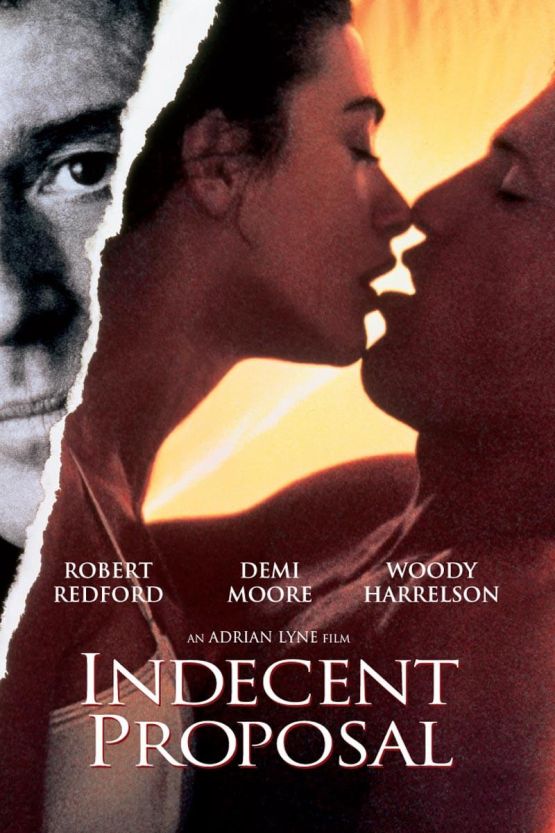
Moore's Apex is disputed among Disclosure, Indecent Proposal, and Ghost. The argument for this film centers on the record Striptease salary secured afterward, while opponents emphasize the films most associated with her. — Bill Simmons
Sexual-harassment movies are affirmed as an Apex choice. — Bill Simmons
Older Donald Sutherland is considered around Disclosure and Six Degrees of Separation, with Outbreak and Invasion of the Body Snatchers as alternatives. — Bill Simmons
Virtual reality is rejected for Apex. — Bill Simmons
Dennis Miller’s acting career is affirmed, with this film and The Net as the relevant stretch. — Bill Simmons
The 1991 Pahlmeyer is an affirmative Apex choice. — Bill Simmons
The Miss Teenage New Mexico pageant is an affirmative Apex choice because the hosts had not otherwise heard it mentioned. — Bill Simmons
Seattle as a setting is affirmed in the context of its sports and technology rise, with a correction from Singles to Sleepless in Seattle during the discussion. — Bill Simmons
Crichton reportedly sold film rights for a million dollars before the novel was published. — Bill Simmons
In the novel, the merger fails and Tom receives no promotion, while the dismissed antagonists find better jobs; the ending is described as cynical. — Bill Simmons
The hosts report a fifty-million-dollar budget and 214-million-dollar gross, calling the film a major hit. — Bill Simmons
The 1991 Pahlmeyer is said to cost six hundred dollars at the time of recording. — Bill Simmons
Industrial Light & Magic created the VR effects, which the hosts joke are not its proudest work. — Bill Simmons
The marketing reportedly presented the film as a major-star first addressing sexual harassment, reflecting the era’s issue-based campaigns. — Bill Simmons
The film was reportedly the third-most-rented movie of 1995; a Baton Rouge number-one claim is a joke about the earlier viewing story. — Bill Simmons
Research reports a later sexual-harassment suit against Moore by a ranch caretaker and explicitly states that it was dismissed; the allegation is not treated as established wrongdoing. — Bill Simmons
Moore reportedly gave birth a month before casting and rode twenty-eight miles before dawn to prepare physically. — Bill Simmons
Miloš Forman was originally attached to direct but reportedly left over creative differences. — Bill Simmons
Annette Bening was originally set to play Meredith but reportedly withdrew during pregnancy; the hosts think her style would not fit the role. — Bill Simmons
Moore reportedly won the role over Geena Davis and Michelle Pfeiffer. Pfeiffer is considered plausible, especially her Scarface or Fabulous Baker Boys era, though her career direction at the time is questioned. — Bill Simmons
Crichton reportedly imagined Dennis Miller as Mark while writing the novel, anticipating a film adaptation. — Bill Simmons
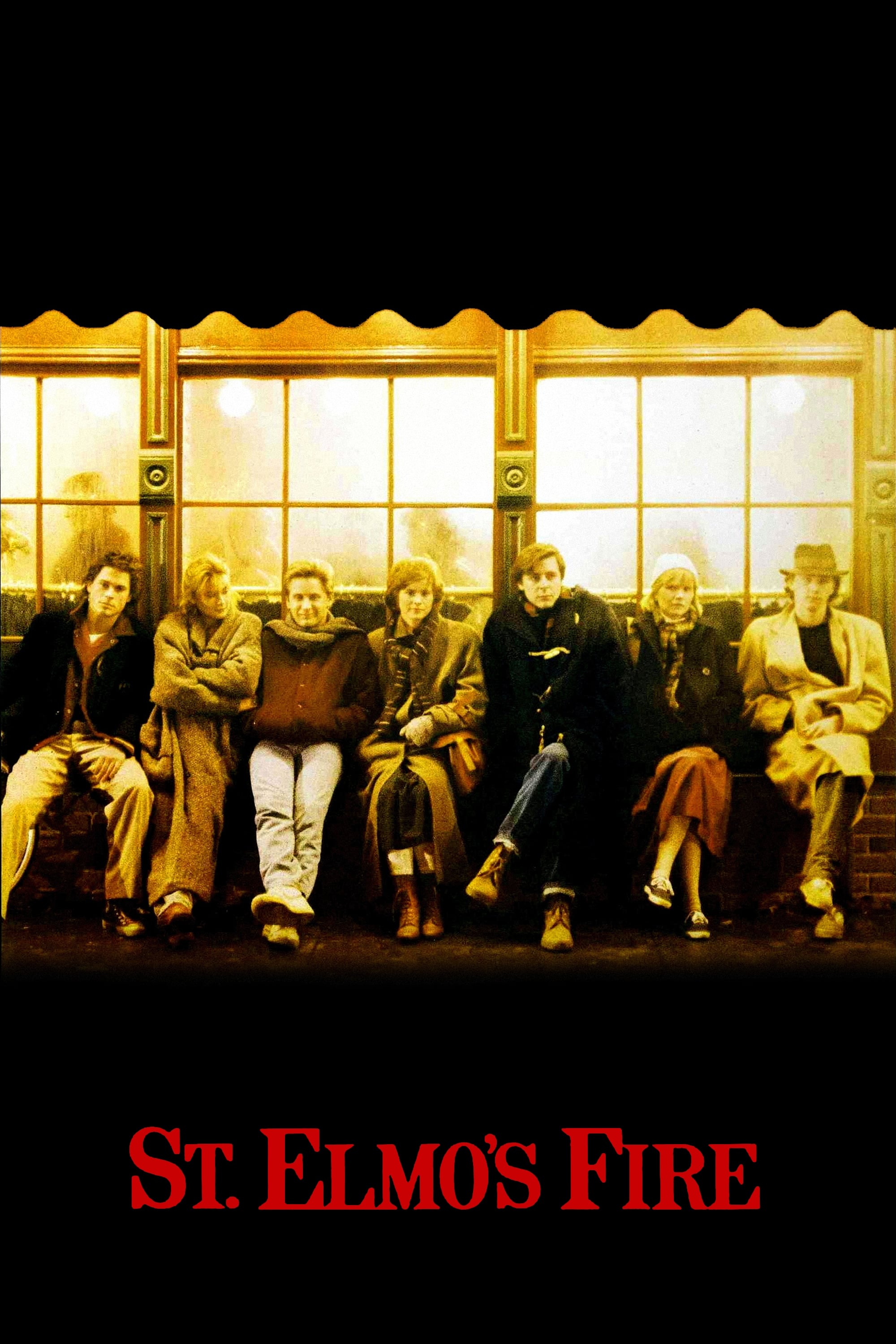
An early hottest take favors Moore in St. Elmo's Fire and Disclosure because they use her distinctive sexuality; Striptease is criticized for treating nudity as a stunt without dramatic heat. — Bill Simmons
The earlier hottest take is repeated: St. Elmo's Fire and Disclosure are Moore's two best roles. — Bill Simmons
Two further hot takes interpret Douglas's convincing sexual screen persona as exceptional coolness and speculate about his private life. These are host conjectures, not established biographical facts; they also imagine an erotic-thriller version of The American President. — Bill Simmons
Rewatchable scenes: Tom learns he may lose his job, then meets Meredith and angrily tells his staff he was passed over. The workplace banter is praised as absurdly full of statements that would now prompt HR complaints. — Bill Simmons
The staff's impromptu feminism debate is praised, especially the female engineer who can trade jokes with the men while explaining obstacles they dismiss. Dennis Miller supplies the wisecracks. — Bill Simmons
The after-hours drink with Meredith is praised for Moore's intensity and described as exceptionally charged without nudity. The hosts debate how its appeal implicates viewers because she ignores refusal, while the former couple's familiarity complicates the scene. — Bill Simmons
Meredith invokes their sexual history, comments cruelly on Tom's wife and domestic life, and stresses that he has more to lose. The old-flame trope and personal familiarity help explain his initial participation. — Bill Simmons
The encounter is compared with Single White Female's scene of a man outwardly resisting while participating; that film is preferred in the comparison, and its subsequent self-righteous response is mocked. — Bill Simmons
Tom seeing his reflection and recognizing what he is doing is singled out as an exceptional Great Shot Gordo moment. — Bill Simmons
Meredith's furious reaction after Tom stops and her demand that he return are praised for Moore's commitment and the scene's magnetic excess. — Bill Simmons
Dennis Miller exposes Tom's situation at a double date; Tom's wife says she already knows. Her later accounting of his mistakes is praised, along with his defensive speech about power. — Bill Simmons
Tom's deposition is praised for both lawyers and its squirm-inducing questions, with his female attorney opposed by Meredith's traditional male lawyer. — Bill Simmons
Meredith's deposition unravels through the rare 1991 Pahlmeyer Chardonnay: ordering it weeks earlier undermines her account of an impromptu meeting. The hosts enjoy the wine knowledge and legal construction.
The recording exposes Meredith's account, after which she doubles down with a speech about sexual aggression and women in power. The hosts compare the shift with Sharon Stone's interrogation and praise its theatrical excess.
The hotel-room virtual-reality sequence is a favorite for its cliff, poor effects, Meredith's avatar jump scare, and her angry computer face. Its file retrieval is contrasted with modern VR games used for amusement. — Bill Simmons
Getting into a hotel room by asking staff to clean it is praised as a 1990s movie device while questioned as real-world security, with Pacific Heights as another example. — Bill Simmons
The shareholder showdown firing Meredith is called unrealistic but entertaining. The ending gives Stephanie the job, reveals the anonymous friend, and restores Tom's family and employment. — Bill Simmons
The Donald Sutherland sexual-advance dream is called the funniest scene by one participant and an aged-worst choice by another, with its close-up treated as a jump scare. — Bill Simmons
Final scene choices: Van's sexual encounter choice is acknowledged, while another participant favors the comic hotel-room VR sequence. — Bill Simmons
Chambers makes the sister role distinctive through Honey’s quirkiness. — Amanda Dobbins
Dreyfus’s Martin adds comic energy through confusing Anna with Demi Moore in Ghost and the uncertain Ringo Starr sighting. — Amanda Dobbins
McInnerny and McKee create a believable married couple with their own story and friendship with William, rather than merely serving the leads. — Amanda Dobbins
Ifans’s scuba and cinema-goggle bits are praised as memorable physical comedy. — Juliet Litman
The final choices split between Honey/Chambers and Martin/Dreyfus, whose comic rhythm animates the bookstore scenes. — Juliet Litman
Myers reportedly declined a third Wayne's World to develop Austin Powers, prompting renewed interest in the Myers–Carvey split. — Bill Simmons
The reported origin story has The Look of Love on the car radio prompting Myers to use a swinging-English character voice for his wife, then write the film in three weeks. — Bill Simmons
The original film's MTV promotional special is recalled as a strange artifact of extensive movie-centered television promotion before internet marketing became dominant. — Bill Simmons
Fat Bastard's daily makeup time is corrected from the circulated seven hours to two and a half. — Bill Simmons
Heather Graham reportedly appeared in a much longer Goldmember cut before her scenes were removed; her gold-painted Details cover is recalled, with speculative connection to her casting. — Sean Fennessey
Demi Moore's executive-producer credit on all three films prompts uncertainty about her involvement; the Todd sisters' producing relationships are offered as a possible explanation. — Sean Fennessey
Travolta’s later Michael and Phenomenon are read as attempts to recover the benevolent-simple-man role; Sean Penn claimed he was a second choice. — Bill Simmons