
Film credit
Matthew McConaughey
Also referred to as McConaughey, Makani, Moncane, Wakane
Stats
- Episodes featuring their films
- 5
- Movies in this archive
- 6
Rewatchables episodes featuring Matthew McConaughey’s films
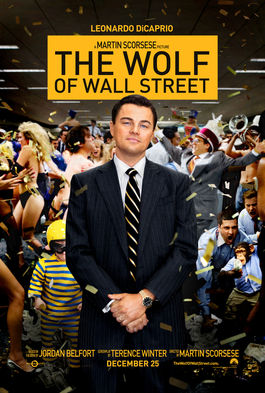
The Wolf of Wall Street
2013 film
Sean Fennessey · Chris Ryan · Ryen Russillo
Aired December 3, 2019
Mentioned in discussions

Half-Assed Internet Research
McConaughey's scenes were shot in the second week and his chest-beating was his warm-up; the film was financed with money allegedly stolen from Malaysia's 1MDB fund and Red Granite paid $60 million to settle; 400 to 450 VFX shots, shot digitally; a Guinness record 506 F-words; the actors snorted crushed B vitamins; Christina McDowell's open letter about the victims; Robbie's paper cuts on the bed of cash; Spielberg spent a day on set during the Steve Madden speech; Belfort coached DiCaprio on quaaludes; 27 takes for the Joanna Lumley kiss; the drug scenes are edited oddly on purpose
In the discussion (14)
- McConaughey's scenes were shot in the second week of filming; the chest-beating and humming were improvised from his pre-acting warm-up; the brief shot of Leo looking uneasily away from the camera was him looking to Scorsese for approval, and DiCaprio pushed to keep it in and later said it set the tone for the film, a pretty good sliding-doors moment.
- The Malaysian Anti-Corruption Commission alleged the film was financed with money stolen from the One Malaysia Development Berhad sovereign wealth fund by producer Riza Aziz, who pled not guilty to charges in July 2019; 2016 Department of Justice civil complaints named it as having provided a trust account through which hundreds of millions were siphoned; Red Granite Pictures paid $60 million to settle with no admission of wrongdoing.
- The story is part of Billion Dollar Whale by Bradley Hope and Tom Right (as transcribed): Joe Low (as transcribed), a well-off Malaysian kid at Pen among generational wealth, became a networker who threw parties without paying, went home to start a fund with Aziz, the prime minister's stepson, pulled in Middle East money and Goldman Sachs, took Paris Hilton on ski trips, bought Lindsay Lohan 23 bottles of champagne, bought part of EMI, sent Marlon Brando's Oscar to DiCaprio, who gave it back, and made a $43 million art purchase.
- DiCaprio and Scorsese saw guys offering total control and endless money after Scorsese had wasted half a year in development; in a poetic twist the financing is a testament to the reality the film depicts, money at your fingertips making you throw away principles; the money is still being chased, Low is thought to be under Chinese protection, DiCaprio and others gave back everything gifted, and whether anyone actually liked the guy is an open question; the movie is a lot different without a kid from Malaysia stealing money.
- The budget was needed partly for 400 to 450 VFX shots, uncommon for Scorsese outside Hugo; the film was shot digitally after he had been one of the last bastions of film, and without it there is probably no Irishman.
- The film set a Guinness World Record with 506 uses of the F word, 2.81 per minute, beating Casino at 422 and the 1997 British film Null by Mouth (as transcribed) at 428; CinemaScore audiences gave it a C, the lowest of anything in theaters that week, which is why America is not to be trusted.
- The actors snorted crushed B vitamins for the cocaine scenes and Jonah Hill ended up hospitalized with bronchitis; the film also commits the consistent Scorsese error of a character throwing the head back after a line as if hooked by the neck, which nobody does in real life.
- Christina McDowell, daughter of Tom Prusalis, who worked with Belfort at Stratton Oakmont, wrote an open letter criticizing the film for not portraying the victims; the response is that Boiler Room did have the family-guy victim, that this is like replying to a tweet with the seven things it left out, and that nobody would have seen a movie about the victims, which they made as 99 Homes with Andrew Garfield; the popularity of a movie like this is itself the point, which is where the final shot out into the audience lands: you thought this was fun, think about it.
- Margot Robbie reported the sex scene on a bed of fake cash was uncomfortable because the sharp paper bills gave her multiple paper cuts on her back.
- Asked for takes on the sex scenes, the addressed host declines to vamp for twenty minutes about them. — Chris Ryan
- The last sex scene is disturbing and awesome, such a fuck you and the ultimate turn; she deserves exactly what he has done to everyone else, and it should be an awful heartbreaking moment for him, the rock-bottom guy finally seeing the woman who had his back and not deserving to get her back; the sequence up to the freak-out and the kidnapping is the Scorsese of Raging Bull and Taxi Driver, dread, fear and violence, the eggs out of her hands.
- On a routine visit Steven Spielberg spent a day on set watching the Steve Madden speech and, per Scorsese, essentially co-directed it, advising actors and suggesting angles; that shows Scorsese's confidence, where anyone a tier below would say scram, like a host in the background wanting quicker questions when Simmons had Damon in studio; two cinematic geniuses might just agree there is a right way to tell a scene.
- Belfort coached DiCaprio's behavior, especially how he reacted to quaaludes and the dope-induced confrontation with Danny Porish (as transcribed), the character Jonah plays; a weird conversation that nonetheless makes sense since we are out of ludes and cannot know, something like trying to stay up on Ambien but much harder.
- DiCaprio was so nervous about the kissing scene with Joanna Lumley that it took a reported 27 takes; Scorsese has confirmed the editing is odd on purpose, with continuity issues after every scene where Jordan takes drugs; DiCaprio's dance was done on the spot but learned over decades, a real bar mitzvah robot he presumably did after a few sarsaparillas, in another smashed-up sequence with three songs in a minute and a half.

In the discussion (8)
- Possibly the hardest one ever done, ranked least to greatest: Bo Dietl as Bo Dietl, with an 'are you fucking high' impression; he was a recurring in-studio character on a New York radio show, New York's top cop turned PI turned conservative pundit praising Rudy, an object of obsession for Scorsese and Spike Lee as a New York institution, like Curtis Sola (as transcribed) commenting on crime; a New York One regular; he is good in it and has a prominent mob-boss role in The Irishman.
- Kristen Milioti (as transcribed) as the first wife may be the most likable and only innocent character; Jake Hoffman as Steve Madden is a purposeful cold check, like Mikhail Bridges (as transcribed); Shea Wiggum (as transcribed) as Captain Ted Beecham making a little chop; Joanna Lumley as Aunt Emma, with nobody admitting to being an AbFab guy.
- Rob Reiner as Max Belfort is amazing: the Equalizer phone tirade, the weird British accent he affects as soon as he answers, and the seemingly improvised 'sides cure cancer' exchange with Jonah while explaining marriage to his son.
- Jon Bernthal as Brad, the Quaalude King of Bayside, has not been discussed enough: the diner performance, asking for the ketchup, 'tell your sister I was asking about her'; visually incongruous with these guys, he is the one animal every crew of normal guys had, the one with the Adderall; a guy still in his hometown asking younger dudes to hang out is a red flag, yet Belfort likes him most as the guy who gets it; a human wrecking ball who is a classically trained, thoughtful actor kept getting cast as violent meatheads after The Walking Dead and The Punisher, and is now a jacked Lee Ayacocca (as transcribed) in Ford versus Fari (as transcribed).
- A tangent on Craig Kilbourne (as transcribed): his 'old man Ferrari' Instagram videos, made with his old writing crew, are ten times funnier than expected, awaited like Christmas morning, and he is floated as the new Robert Evans.
- Spike Jonze as Dwayne the investment center leader, blotchy skin, bad shirt, uneven mustache; Spike Jonze is only ever great in movies, Three Kings, Moneyball and this; a host's wife found him cute, prompting a re-evaluation.
- Jean Dujardin as Jean-Jacques Sorrel is doing a lot; for anyone not alive in 2013, he starred in The Artist, which won best picture and won him best actor during the Benigni run of handing Europeans best actor, compared to the late-nineties NBA draft and Jan Vesely; a host has still not watched or returned the DVD; he is in a different movie and takes one host's overacting award.
- Number one is McConaughey with one scene; the only other name to throw in is PJ Byrne as Rugrat, who is in much of the movie but whom one host did not like, preferring Cuthbert and Sea Otter, who sold meat and weed; those guys go in the That Guy award.

Most Rewatchable Scene
The Mark Hanna lunch with McConaughey
In the discussion (20)
- Before the category begins, the McConaughey sequence meeting Mark Hanna is flagged as the thesis statement of the movie: you are here to rob people and do cocaine while you do it; the body is a vessel for making money, jerking off and coke, and a wide-eyed 22-year-old from Queens with two accountant parents watching Hanna hoover martinis on a Monday morning could decide that is the lifestyle he wants.
- The purpose of the Hanna sequence is pinned to the moment Leo's character offers that everybody wins if the clients make money and Hanna's answer is simply no: every warrior for himself, the thesis in the second paragraph.
- The opening, the life of Jordan Belfort with the unreliable narrator, the $49 million a year line and the car flipping from red to white in real time, shows a character at the prime of his life right as the fall is about to come, with Scorsese breaking his own rules; the fourth-wall breaks are never used in a moral way and the film never slows down to judge the characters or let the audience feel better than them.
- The Mark Hanna lunch clip is played; McConaughey's four minutes are called the reconnaissance for his comeback between Dallas Buyers Club and True Detective, with the Hanna character and the hair having as much to do with it as the dialogue, which is so eighties and unbelievably bad; an ESPN-era interview anecdote recalls him answering a question about Interstellar by saying he needs a little freedom to do what needs to be done; the chest-beating was his warm-up that Scorsese and DiCaprio told him to keep, and it is good that the character never returns because it is unsustainable.
- McConaughey is an amazing physical actor here, throwing his arms down in a thrust before lunch and peering in like a college football coach racing down the sideline; you can imagine him giving the masturbation speech at a bar in real life, and the 'all mustard up here' line gets quoted.
- Donnie Azoff in the diner, 'show me a pay stub for $72,000' and quitting his job on the phone, reads as very Long Island, a wealthy guy weirdly having breakfast at a diner; the early run of back-to-back scenes, Donnie, Hanna, Spike Jonze, is remarkable in itself.
- Jonah introduces the grotesque with the capped teeth and the shirt patterns, trading his life for a pay stub; the character should not work, marrying his cousin, selling children's furniture, smoking crack days after meeting someone, yet the bond between two weird animals is bought; the objection that DiCaprio would never hang out with him is answered with the cousin Greg Succession theory, that he should not be in the room but every Greg scene is funny, and these are guys who make bad decisions, like Charles Schwab needing a guy for the garage.
- Meeting the Duchess of Bay Ridge: Margot Robbie was a lightning bolt, an Australian reportedly 23 at the time with some dispute about her real age, introduced as Jordan's dream girl coming out of the beach-house party with the douchebag boyfriend Blair and the jet-ski comeback.
- The smokestack lightning bacchanalia, the office party with the marching band, throwing the little people, the head shaving and the strippers, is one of the most ecstatic pieces of filmmaking ever; then an old blues song with echo comes in, the lighting goes dark and strobe, and you realize they have created hell on earth and are demons who love it; the camera moves in on a despairing DiCaprio walking off the stage, a subtle moment beside the later aside about the man who married the woman they double-teamed and killed himself; the first impression was that it was too much, Braveheart lines of strippers advancing.
- The research indicates the party combines things that did not all happen at once, and the absurdity is the point; a nitpick is raised that the film is over-scored, with too much music and a blues-to-eighties-to-Foo-Fighters run whose years do not add up; the defense is that the soundtrack runs the whole arc of pop music out of chronological order, with Robbie Robertson in Scorsese's ear, so that the music is about overconsumption like the movie, and its radio-dial flipping feels true to a coked-out perception, as opposed to the perfectly aligned Talking Heads cue in Wall Street.
- The Steve Madden IPO speech, 'my killers, my warriors, my telephone terrorists', with Madden bombing and being thrown out; Madden is played by Jake Hoffman, Dustin Hoffman's son; the bachelor party and wedding dance is now a famous GIF and Leo is a genuinely impressive dancer, which drifts into public Leo with the dad bod, super soakers, the Vans and calf socks and the choice of college hat.
- 'Daddy doesn't get to touch mommy' is a good scene nobody puts on YouTube, and it apparently really happened, including Rocco watching; after the movie came out every NBA player followed Robbie on Instagram, the entire Central Division, with Hibbert still in the game, a pivot from the Christina Hendricks era.
- Jordan invites the FBI onto his yacht, then 'I'm not leaving' is the clubhouse favorite, one of the more rewatchable scenes in any movie of the last decade, simultaneously disgusting and beautiful; the mid-speech realization that he cannot leave is the most honest part of the movie; it is the Field of Dreams heartstring moment that is also the most self-aggrandizing garbage of all time, since he forces Kimmy Belzer to tell a room of screaming dudes how much money he gave her; Aya Cash's snapping character is not meant to be liked, like nobody in the film.
- The Lemon Quaaludes are still aging and have lost their potency; the hosts wonder whether a thriving lude community exists on the dark web, compare the finite supply to Honus Wagner cards and ask whether Gretzky has one.
- The Naomi yacht capsizing is arguably the best scene, really fun and also true, as is the plane crash; 'I will not die sober' and getting the ludes while the boat goes down; the ultimate wake-up call compared to a country-club DUI; then the sober-at-the-pool scene with Donnie and the ankle bracelet and the O'Doul's exchange, some of the funniest writing in the movie, with 'it sucks, man' played as a clip.
- Spike Jonze at the investor center selling AeroTine (as transcribed), two brothers making radar detectors or maybe microwaves out of a garage in Dubuque with their mom Dorothy answering the main line, six cents a share, and the cutaway to the shed.
- The Stratton Oakmont cold-call script with Moby Dick and the harpoon, and everyone yelling about who Captain Ahab is, played as a clip; right before the boat leaves, finding out Aunt Emma is dead while freaking out about his money is loved too.
- The Spike Jonze scene is perfectly executed: he gets the company name wrong, does not know whether it is microwaves or radar, knows what a clown he is, and the 'if you sell ten thousand dollars of stock I'll blow you' line; DiCaprio's reaction shows the difference between a good and a great actor; dudes eat pizza, a guy screams in a sweatsuit and the bathroom opens straight into the office; the cross-cutting between brokers delivering Jordan's script, his gestures on the answering machine, the 'vice president of Stratton Oakmont' walk-throughs and the later SEC interrogation montage are also singled out.
- A correction for the sticklers: the plane that came to pick him up exploded a couple of days later, not in the same moment, and the real sinking is even crazier than the movie; listeners should tweet thanks to Russillo for getting it right.
- The final pick: one host argues McConaughey should be ineligible like Shack (as transcribed) in early fantasy basketball because the Hanna lunch is the clear runaway; another narrows it to the lunch, the Lemon Ludes and 'I'm not leaving' and goes with 'I'm not leaving'; a third goes with McConaughey after watching the scene fifteen times that week, so the Hanna lunch takes it two to one.

In the discussion (5)
- The choices offered are Linklater, McConaughey or Martha Washington, who took a big win; Don Dawson is floated and dismissed, since within the story Wooderson won, the way Chevy Chase won Fletch with his name atop the poster and Harrison Ford won Indiana Jones.
- The case for Linklater is that this launched a 25-year career and made him a two-track filmmaker rather than just an experimental director emerging from the indie scene.
- The case against McConaughey is that his career cratered in the early 2000s into bad Wooderson-impersonation rom-coms, as one host's 2001 movie-quotes column had jabbed, before the McConaissance.
- Linklater is one of the nine most important directors since 1990; this is the first Linklater Rewatchables, and the Before films have been discussed, imagined as the hosts and their wives crying through the five-hour trilogy.
- Linklater is the answer: every film he makes is interesting even when not his best, he has had a great career, and this is a masterpiece that Tarantino has had in his ten best films; alongside Pulp Fiction it emerges from that era as the standalone masterpiece and is the definition of a rewatchable.
Podcast choices
- Speaker not identified
- Richard Linklater


The Neil McCauley “A Book about Metals” Award for Best Line from the Movie
"I get older, they stay the same age"; "I only came here to do two things, kick some ass and drink some beer"; "If these are the best years of my life, remind me to kill myself"; "All right, all right, all right"; "You just got to keep on living, man"; "She was a hip, hip, hip lady"; "Wipe that face off your head, bitch"
In the discussion (5)
- Wooderson's line about getting older while the high school girls stay the same age was hilarious for about 20 years and is less so lately; the line about only coming to do two things, kick some ass and drink some beer, and being almost out of beer, and the great high school yearbook line about killing yourself if these are the best years of your life, are classics.
- 'All right, all right, all right' became the McConaughey joke for years and is still his catchphrase; Don Dawson's speech about doing the best he could, having fun, playing hard and chasing girls while stuck in this place is recited and attributed to Don, played by Sasha Jensen; the joint exchange and the keep-on-living speech with its spelled-out L.I.V.I.N. follow.
- Slater's George Washington speech is played: Washington was in a cult tied to aliens, grew fields of weed at Mount Vernon and had people growing it across the country as a cash crop for the southern states, and Martha Washington had a bowl waiting when he came home, a hip, hip, hip lady; Slater's line imagining how many people are having sex at that moment is also liked, and the Martha Washington line is loved.
- From 93 to 96 little movie monologues meant a lot because there was no internet yet, like Tarantino in the kitchen doing the Top Gun theory in Sleep With Me, an otherwise unremarkable Eric Stoltz movie, which felt mind-blowing, like the internet in one scene you wished was the whole movie; now the internet is full of such riffs, and the Martha Washington bit once landed as a great point.
- The cult-and-aliens line is preceded by Washington being in a cult; one of the best ad libs is Parker Posey's 'Wipe that face off your head, bitch' as she wraps up the initiation, which in a making-of she traced to a badly translated Chekhov play whose line stuck with her; Don's fake punch at a kid walking past in the school hallway is a classic crazy football bully move.

Apex Mountain
No affirmative selection
In the discussion (3)
- Arguably nobody here is at Apex Mountain unless you say Linklater, but the second Before Sunrise film is considered his peak instead.
- Jason O. Smith is offered as obviously peaking here, as are Michelle Burke, Sean Andrews, Rory Cochran and Wiley Wiggins, but these are not famous people and anyone never seen again does not really count, since Apex Mountain is usually for bigger names.
- It is obviously not McConaughey's peak; Dina Martin, who plays Siobhan (as transcribed), peaked in Swingers, where she is so good a host still has a crush on her.
Half-Assed Internet Research
Mitch's pitching scenes apparently needed a double; the cast lived and partied together at a Radisson; Linklater wanted Led Zeppelin's Rock and Roll for the end credits but Robert Plant refused; the beer was real except for the minors; 'man' is said 203 times; Mitch touches his nose 42 times; Linklater made character mixtapes; classmates sued over the film and lost; Wooderson's Ted Nugent t-shirt; Sean Andrews's part was phased out as McConaughey's grew
In the discussion (10)
- The first, garbled item seems to concern Mitch's pitching scenes and a double, with the view that when you need a double for a sports scene you should hang it up; the cast all lived together at a Radisson in a free-for-all party hookup, like Survivor with showmances and alliances.
- Linklater originally wanted Led Zeppelin's Rock and Roll over the end credits; Jimmy Page agreed but Robert Plant denied him, which draws abuse for Plant as the kind of guy who likes money.
- The beer in the movie was real, though the minors did not drink; Cole Hauser's ten-second bit of trying to stand up hammered, burping and sitting back down is one of the best in the film, and he may really have been drunk.
- 'Man' is said 203 times and Mitch touches his nose 42 times, yet another arrow against Mitch Kramer; the Jovovich and Sean Andrews annulled marriage is recalled from earlier.
- Linklater made individual mixtapes for the actors' characters, Adam Goldberg's being Elo (as transcribed) and the like; he was later sued by classmates who said the film disparaged them, as someone named O'Banion might feel, and the suit was thrown out.
- Wooderson's t-shirt is a Ted Nugent album cover, and the shirt can be bought online; a host recounts two absurd days in their early twenties hunting with Nugent outside Auburn Hills, Michigan, while he hosted a hunting reality show, stocking his acres with wildlife, killing it and butchering it in real time, simultaneously the worst person the host had ever met and a really nice guy; Nugent is now a controversial hard-right figure, but his records in the film are great.
- Nugent has two songs in the film, Stranglehold and Hey Baby.
- Sean Andrews, who played Pickford and married Mila Jovovich, is key in the first 20 to 25 minutes but had his part phased out during filming because nobody in the cast liked him, he feuded with Jason London and he isolated himself with Jovovich; the film opens on the two of them in that incredible car.
- As the cast turned on him, Linklater, a who's-vibing-with-whom director willing to add scenes and ad libs, kept giving scenes to McConaughey, who was supposed to be in only two since Wooderson is not in the class but was clearly a movie star; the driving at the end and the final football-field scene were supposed to be Sean Andrews's, and McConaughey is in the last 15 minutes instead.
- Nicky Cat (as transcribed), already a pretty cool actor, stands next to McConaughey in the car-hood scene when he was basically an extra, and may have wondered about it, though they were both in A Time to Kill in 1996; the most memorable Wooderson scenes were improvised or written on set, including the spelled-out L.I.V.I.N. and the Top Notch invitation to the nerds, making Wooderson the glue and the second most important character despite not being there from the beginning.
In the discussion (2)
- The award is a tough one: McConaughey is in the movie too much to qualify, and the same goes for Don Dawson, so something more creative is wanted.
- Parker Posey, in about four or five scenes, is proposed and was going to be the other host's vote; her high-pitched initiation scene is played, she is likened to Hannibal Lecter and called the answer, while Slater is ruled out as too prominent and iconic, with his long monologues, including his thoughts on George Washington's wife, saved for later.

What’s Aged the Worst?
Mitch Kramer's performance; his pitching, which needed a cutaway; Wooderson's interest in high school girls; the hazing and bullying; the lack of accent work beyond McConaughey
In the discussion (13)
- Number one is Mitch Kramer, the biggest flaw in the movie: a bad, miscast performance, which leads to his pitching, where a cutaway was needed and makes Freddie Prinze in Summer Catch look like 1999 Pedro Martinez; even in the cutaway he releases the ball beside his neck as if he had a herniated disc.
- Texas baseball could not have him as its innings eater; Everybody Wants Some (transcribed as Everybody Wants Him) is read as Linklater's reaction to botching the Mitch Kramer casting, since its players looked like real ballplayers, maybe the most credible baseball movie ever, including the mustached one, Tyler Hetchling (as transcribed) from Teen Wolf, who looks like Mike Trout.
- A counterpoint: 70s and 80s ballplayers were not athletes like Bryce Harper or Mike Trout, and Houston pitcher Mike Scott, a Cy Young winner, looked like a science teacher; the reply is that Scott was a cheater who tried to cheat the Mets out of the 1986 World Series.
- The counter to the counterpoint: Criterion making-of footage of Wiley Wiggins having a catch with Richard Linklater is one of the saddest things, since he cannot catch from three feet away; research says he claimed he had played baseball, could not, and they edited around it, which raises what Mitch Kramer brought to the movie versus a 12- or 13-year-old River Phoenix or another good child actor of 1993.
- The defense: even as a bad actor he has something, since eighth grade is awkward and his lack of confidence and signature nose-and-face touching read as nervousness, so the bad acting works in his favor; the rebuttal is that River Phoenix could have done that, and the what-if game is mocked with James Dean and the Doors Val Kilmer as Mitch Kramer.
- Kristen Hinojosa (as transcribed), who plays Sabrina, the other eighth-grade girl, is liked for playing it low-key in a movie full of big performances; Mitch needed to be cooler and to be seen pitching, since he is set up as the Randy Pink Floyd of four years later, and Pink at least carried himself like a quarterback.
- A tangent assigns football positions: Don a defensive end, linebacker or maybe safety, Cole Hauser clearly the best player and a left tackle or defensive end captain, Mel on defense, O'Banion the best player on the defense and a good blocker, Wooderson a tailback or, given his key-catching skills, a Jerry Rice wideout in a pre-West Coast ground-and-pound offense, and Pink a scrambling quarterback like Manziel, a young Jim Zorin (as transcribed) or Tarkenton rather than Stabler.
- The disagreement over Mitch Kramer is left standing: one side calls the defense the wrong opinion, the other says it is okay that he is a bad actor, something they would say in almost no other case.
- Wooderson's interest in high school girls, including the implied statutory issue, has not aged well and he may be a predator; the clip of him asking a freshman about this year's crop of girls and his line about getting older while they stay the same age is played.
- The hazing and bullying have also not aged well.
- Not a lot has aged badly: in the version of the country we live in now none of this is acceptable and society has changed, but as a period piece the costumes, music and performances hold up, it is full of stars and not riddled with problems. — Sean Fennessey
- When Mitch Kramer is raised again, Kramer's pitching is conceded as bad, and the Wiggins catch footage is now wanted; a side trip into the 1986 World Series box set, which includes the Astros-Mets NLCS games six and seven and Scott's chicanery, follows.
- Cole Hauser is not a convincing Texan, few in the cast were and it did not matter, but there is little accent work besides McConaughey, which may be what has aged worst.

What’s Aged the Best?
The combination of McConaughey and the cast
In the discussion (7)
- Opening nominations are McConaughey, the 70s music, the cars, the cast and the high school hierarchy, with others invited to add their own.
- The limited temporal narrative structure, with everything taking place over one day, never gets old and feels like a full day, recalling how the social part of a school day started after the last class, ran through practice or a game and then seven to ten hours of hanging out; the action is the juice.
- It is hard not to say the cast: McConaughey's first movie, Affleck, a golden generation, plus indelible characters for people who went on to have no careers; even though there was no tape on McConaughey in 1993, like drafting a player with no tape, he reads as a movie star, having done only one Miller Lite commercial.
- Around 1996, with Lone Star and A Time to Kill, McConaughey was pushed as a star on Premier and Vanity Fair covers, and that is when the film's cult-classic status grew because people saw him as Wooderson; in a making-of documentary he recounts being nobody on the Friday and famous, stopped on the street, by the Monday after A Time to Kill opened.
- A Time to Kill is far less remembered than Dazed and Confused, which is a more generationally beloved movie, though it is defended as good; Grisham was the MCU of the era, with real excitement for The Firm and The Client.
- The answer offered is the combination of McConaughey and the cast, with the pleasure of seeing McConaughey at that point of his career.
- Late additions: count how many times Don gets into a car, about 15, since apart from two school scenes he is in a car the whole time; Tim Lincecum looking like an adult Mitch Kramer became a running joke through the 2000s; and the nerds' theory in the car that President Ford's football concussions were affecting the economy now reads as a CTE subplot, which Chevy Chase's portrayal would support.
Most Rewatchable Scene
Wooderson's slow-motion entrance to the Emporium pool hall to Bob Dylan's Hurricane
In the discussion (9)
- The whole movie is a rewatchable scene and is hard to separate into candidates, since it is never clear what time it is until daylight arrives at the very end; the five picks are scenes you could identify from a single picture, knowing the music and exactly what happens.
- Wooderson going to the pool hall in slow motion to Bob Dylan's Hurricane is a great four minutes, a great 70s hang, the entire movie cracked into one thing, and may already be the answer.
- The mailbox-smashing drive, with Don Dawson laughing in the front seat and the angry hillbilly pulling a 9mm on them, recalls a host's own college Halloween runs smashing pumpkins in a rich part of Worcester; people were idiotic in the 70s and 80s.
- The paint dumped on O'Banion is a sting operation in which the ninth-grade girls get a little retribution; it is one of Affleck's most committed performances, he gets in his car and is never seen again, and together with Mallrats it suggested he would play a dipshit in every movie before Batman and Armageddon.
- Adam Goldberg's character getting beaten up is enjoyed as a very realistic fight: he put thought into it and out-thought himself, and the other guy just gets him; Cole Hauser's character shoves people back to let it go on until Pink comes in with McConaughey and stops it.
- The ending is probably the best two minutes of the movie: four people who would not have been together eight hours earlier end up in one car listening to Slow Ride as the road rolls toward nowhere over an imaginary hill, after the wind-down of everyone going home, Wiley Wiggins's character caught by his mom, Sabrina getting a kiss from Anthony Rapp's character, and Pink admitting to Don that football is not for him.
- The entrance to the Emporium is settled on as the pick.
- Asked first which song would soundtrack a slow-motion walk into a high school bar or party, picks Can I Live by Black Rob. — Sean Fennessey
- The other answer is Cash Rules Everything Around Me by Wu Tang, so both picks are hip-hop songs from kids of the 90s, obsessed with rap, though rock options like Whole Lotta Rosie and Houses of the Holy are floated; a middle school class spent two years reciting Wu Tang skits; one host's own pick would have been L.A. Woman by The Doors, which plays in the room, and a Doors Rewatchables is dangled to one host, who is accused of begging for it and told to name the day and time.

What’s Aged the Worst?
The car bomb and the time spent on the drive upstate; the U North expose material in the middle of the film
In the discussion (3)
- Nobody dies in car bombs anymore: after the precise, tactile, chilling way the hitmen kill Arthur, picking him up and lifting him and saying 'we're moving', the car bomb is the opposite, planted on the Lower East Side and requiring the killers to be a certain distance away to activate it at the exact moment Michael is out looking at the horses; since the opening already shows he survives, too much time is spent on the car-chase stretch.
- Clooney driving at night looks like a Matthew McConaughey Lincoln commercial, but the GPS won't work because there is a bomb in it; they killed the other guy so well.
- A somewhat controversial opinion: by the third, fourth or fifth viewing the U North material in the middle plays like Erin Brockovich or A Civil Action pop legal thriller, including the fake commercial and the scene where Wilkinson makes a remix of the U North song, and since there is no ambiguity that Tilda and Don Jeffries are the villains once you see them, the memorandums proving U North's crimes hold no surprise; still, this would be the best thing in ninety percent of other movies.
Films in the archive
A Time to Kill
1996



Dazed and Confused
1993
The Wolf of Wall Street
2013

Tropic Thunder
2008

Two for the Money
2005
U-571
2000