
Film credit
Dustin Hoffman
Also referred to as Hoffman
Stats
- Episodes featuring their films
- 5
- Movies in this archive
- 5
Rewatchables episodes featuring Dustin Hoffman’s films


Mentioned in discussions


Probably Unanswerable Questions
Blake’s role; Moss’s performance; Roma’s suspicion; lead quality; Moss’s movie; unseen characters
In the discussion (9)
- The exact time of Blake’s visit is unclear, and late-night cold calling by disheveled salesmen seems especially unwelcome. — Chris Ryan
- Blake may be a top regional or national salesman enlisted to intimidate and motivate the staff before new leads arrive; the job feels like a dramatic invention more than a real practice. — Sean Fennessey
- Moss’s offended rage may be a performance allowing him to leave for Wisconsin after the crime; the interrogations expose fragile male pride. — Sean Fennessey
- Roma’s question about the morning Nyborg sale might reveal suspicion that Levene lacks an alibi, but whether he knows or cares remains uncertain. — Chris Ryan
- The quality of the supposedly prized Glengarry leads is uncertain: the stack implies many ready buyers, but the promise may simply keep workers obedient. — Sean Fennessey
- Moss’s movie outing on the robbery night inspires an August 1991 top-five prompt, naming Hot Shots!, Terminator 2: Judgment Day, Doc Hollywood and Double Impact; Double Impact is considered funniest. — Chris Ryan
- The Last Boy Scout, Cape Fear and JFK are additional possible films for Moss’s night out; Doc Hollywood is also imagined as an unexpectedly liked choice. No fifth title completes the earlier stated top-five list. — Chris Ryan
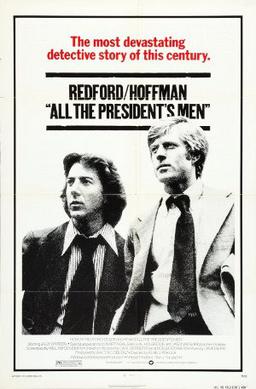
- Dustin Hoffman is the first Jerry Graff casting choice, based on his Mamet work and ability to play a slick contemporary competitor. — Chris Ryan
- A more star-heavy version uses Warren Beatty as Graff, Hoffman as both Mitch and Murray, and Sidney Pollack as Lemkin; Schwarzenegger is a joking Lemkin escalation. — Chris Ryan

Casting What-Ifs
Many actors declined Annie Wilkes and Paul Sheldon; several alternative Paul Sheldons are debated
In the discussion (7)
- Anjelica Huston and Bette Midler are identified as actors offered Annie Wilkes — Bill Simmons
- Richard Dreyfuss is proposed as a believable writer but possibly insufficiently physical — Brian Koppelman
- Robin Williams is proposed for his sympathy, physicality, and caged energy — Brian Koppelman
- Robert Duvall and Michael Douglas are proposed as strong alternatives — Bill Simmons
- Donald Sutherland is proposed as another alternative — Bill Simmons
- William Hurt, Kevin Kline, Michael Douglas, Harrison Ford, Dustin Hoffman, Robert De Niro, Al Pacino, Richard Dreyfuss, Gene Hackman, and Robert Redford are listed as having declined Paul Sheldon — Bill Simmons
- Richard Dreyfuss and Bette Midler are said to have later expressed regret — Bill Simmons

In the discussion (4)
- Hoffman is framed as hard not to say, because viewers leave rooting for him having won his son, unaware of the on-set conduct.
- Hoffman is conceded as the obvious answer, but over the years Streep is picked because the film falls apart if her character does not work. — Bill Simmons
- The same case is made for Billy, since a bad child performance would sink the film. — Bill Simmons
- Streep's case is supported: she had little film work before, appeared in only about five scenes and was excellent in all of them. — Sean Fennessey
Podcast choices

Apex Mountain
Dustin Hoffman; Justin Henry; Entenmann's; divorce movies; French toast; jungle gym accidents
In the discussion (9)
- Hoffman gets a yes over Tootsie: for about a year he takes the belt from Pacino and De Niro with the number one movie and an Oscar sweep; the same conclusion is recalled from the Rain Man episode. — Bill Simmons
- Streep is a no, called possibly ineligible because she has been on the mountain for 40 years. — Bill Simmons
- Justin Henry is a definite yes. — Bill Simmons
- Entenmann's is a yes, with the film showing the height of grocery-store baked-goods breakfasts; crumb cake and powdered donuts are recalled fondly.
- Divorce movies get a yes, with this film on the genre's Mount Rushmore and likely number one; The Squid and the Whale, Marriage Story, Irreconcilable Differences and Bye Bye Love are also named in an informal three-or-four-film list.
- Jane Alexander is a no, with All the President's Men probably her apex.
- French toast is at its apex given its starring role in several key scenes, although the missing cinnamon is previewed as a nitpick. — Mallory Rubin
- Jungle gym accidents are definitely at apex. — Mallory Rubin
- Benton is raised, with two Oscars and the number one film of the year called pretty good, without an explicit yes.
Half-Assed Internet Research
Avery Corman novel; darkened nude scene; Justin Henry improvising at seven; Library of Congress omission; J.G. Melon location; Streep pregnant during filming
In the discussion (6)
- The source novel was by Avery Corman, and Jaffe and Benton bought it. — Bill Simmons
- The JoBeth Williams nude scene was optically darkened to avoid an R rating. — Bill Simmons
- Justin Henry was seven when filming began and improvised a lot with Hoffman, who was reportedly nice to him. — Bill Simmons
- As of 2020 it was reportedly the only 1970s Best Picture winner not selected by the Library of Congress for preservation, which puzzles the hosts. — Bill Simmons
- The wine-glass scene was filmed at J.G. Melon on East 74th Street and Third Avenue, which displays a framed photo from the film. — Bill Simmons
- Streep was reportedly pregnant during filming, hidden by a raincoat, having met the sculptor Gummer shortly after John Cazale died. — Bill Simmons
Casting What-Ifs
James Caan, Al Pacino and Jon Voight for Ted; Kate Jackson, Faye Dunaway and Jane Fonda for Joanna; Gail Strickland as Margaret
In the discussion (9)
- Hoffman initially did not want the role, and James Caan reportedly declined over fears the film would flop. — Bill Simmons
- Al Pacino reportedly turned it down as not right for him; seeing him in the role would have been welcome. — Mallory Rubin
- Jon Voight reportedly declined because he was already in The Champ, another divorced-parent story whose ending is called one of the saddest.
- Hoffman changed his mind after meeting Jaffe and Benton in a London hotel. — Bill Simmons
- By her own claim, Kate Jackson was offered Joanna but could not take it because of Charlie's Angels; the story is treated as only mostly true. — Bill Simmons
- Faye Dunaway was reportedly offered the role and did The Champ instead; Jane Fonda, earlier said to have been talked about for the role, is mentioned again; Ali MacGraw is named only with the judgment that she would have butchered it, without saying she was considered. — Bill Simmons
- Streep was originally meant for the JoBeth Williams role before being cast as Joanna. — Bill Simmons
- Gail Strickland was cast as Margaret but reportedly fired after Hoffman taunted her on set, and Jane Alexander replaced her. — Bill Simmons
- Earlier, a Kate Jackson version of Joanna is dismissed as unable to reach Streep's level, with casting what-ifs promised for later. — Bill Simmons

What’s Aged the Best?
Young Meryl Streep; the title; the poster; the opening score; JoBeth Williams nude scene; Justin Henry; Halloween play; Billy picking the Celtics; Billy reading comics
In the discussion (7)
- Young Streep, with three 1979 films, is praised as leaving the 1970s on a high. — Bill Simmons
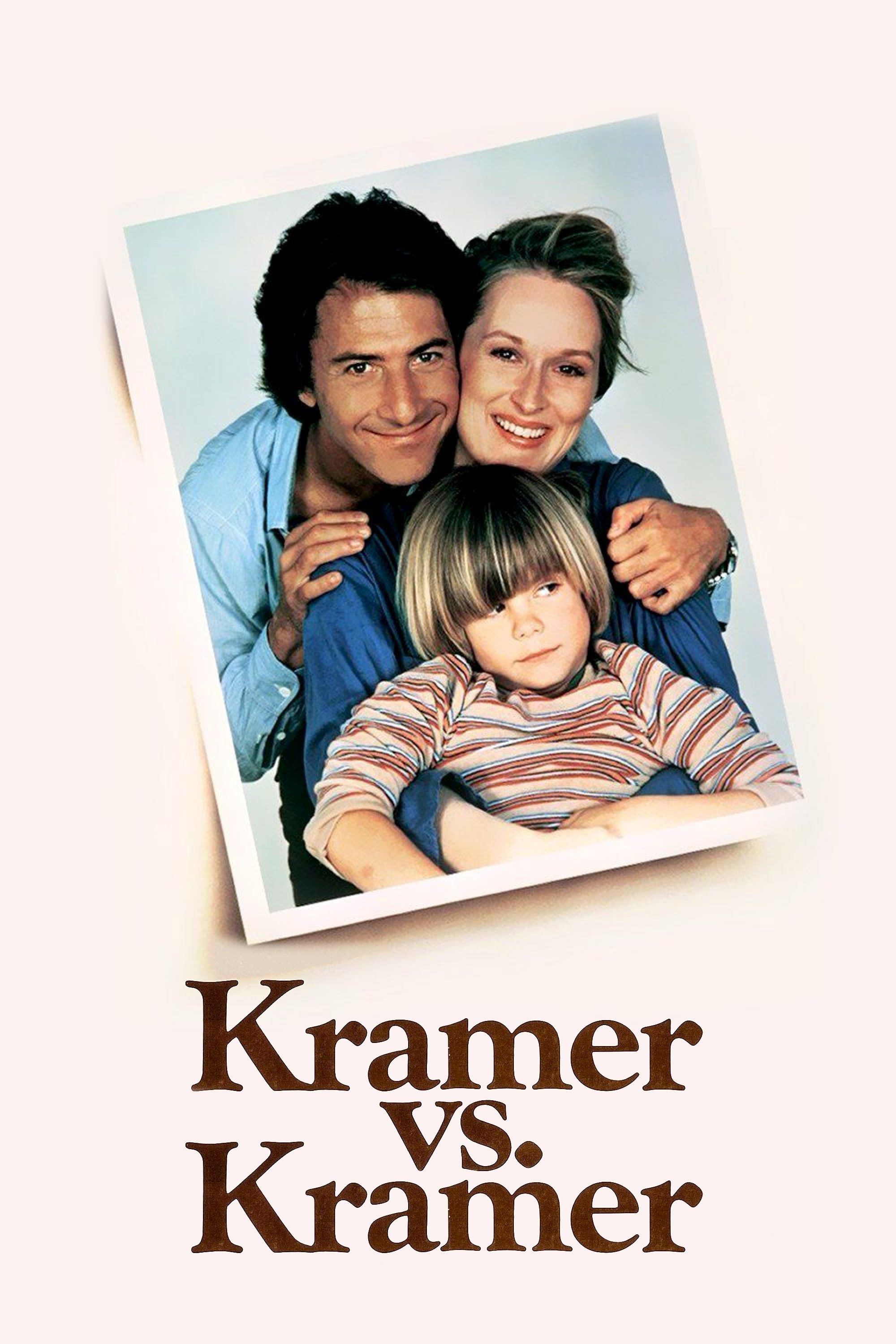
- The title, the moment it is spoken, the happy-family poster and the opening score with guitar players are all praised. — Bill Simmons
- Another item is a talk-show shag-marry-kill game about Redford, De Niro and Hoffman, in which the Streep answer reportedly kills Hoffman. — Bill Simmons
- The JoBeth Williams nude scene is called one of the funnier nude scenes, though staging it with a child would draw objections today. — Bill Simmons
- Justin Henry is noted as the youngest Oscar nominee ever, at eight, and his performance is argued to be the best in the film because of its degree of difficulty; his haircut and the Halloween play are also praised. — Bill Simmons
- The divorce genre itself is mentioned as a fertile subject. — Bill Simmons
- Billy choosing the Celtics over the Knicks and reading comics at breakfast are added as items that aged well. — Mallory Rubin

Most Rewatchable Scene
The two courtroom testimony scenes
In the discussion (11)
- Many candidate scenes are called too painful to be rewatchable, and a separate label like the one used for Ordinary People is suggested. — Bill Simmons
- Joanna leaving is nominated: Ted is too absorbed in work to hear her, and the elevator-door line that she no longer loves him lands almost as an afterthought. — Mallory Rubin
- The first French toast scene is nominated as a generous portrait of how hard it is to be a mom, building toward the silent breakfast routine; the breakfast scene is considered good but not rewatchable.
- The ice cream confrontation and the late-night talk that follows are called among the best scenes, though not rewatchable; parts were reportedly improvised. — Bill Simmons
- The restaurant confrontation with the thrown wine glass is praised for Ted moving from hopeful to enraged within two minutes, but not something to rewatch repeatedly.
- Ted forcing a same-day hiring decision at the Christmas party is called well constructed and shows why he is good at business.
- Streep on the stand is called one of the best-acted sequences of her career, and the switch between the rehearsed direct examination and the hostile cross-examination, mirrored in Hoffman's testimony, is loved. — Bill Simmons
- The pick is declared as the courtroom stretch with the two courtroom scenes, and another participant agrees it is the pick. — Bill Simmons
- For the record, Ted reading Joanna's letter to Billy, the run to the hospital and the ice cream scene with its aftermath are named as scenes thought about most often. — Mallory Rubin
- The trial is again called the probable pick among many pantheon scenes, with a joke that Ted should have read the letter before reading it aloud. — Bill Simmons
- The bicycle scene blew this participant away, with new-kid energy from just having a kid. — Sean Fennessey
In the discussion (8)
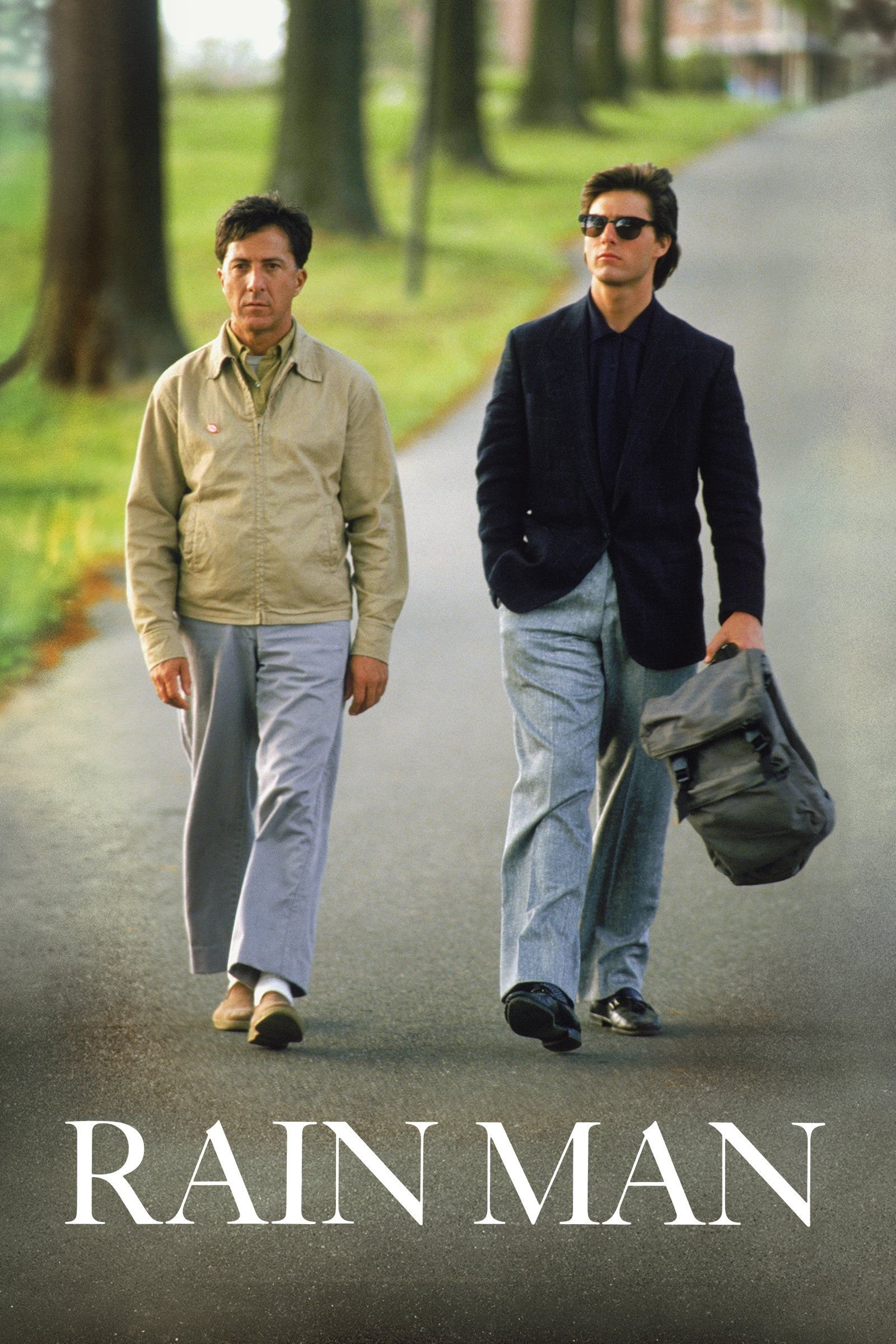
- Hoffman would have been the pick years ago, but Cruise wins the movie, and not as a contrarian zag. — Bill Simmons
- Another voice agrees and adds that the movie is Cruise's story of transformation, his first real adult part, pointing toward the rest of his career. — Bill Simmons
- Barry Levinson is floated: Best Picture, Best Director and the number one movie, though nothing he made after is as good; he is rejected because people see it as a Hoffman-Cruise movie. — Sean Fennessey
- Removing the film would barely change how Hoffman and Cruise are viewed, but Cruise is said to need it more. — Bill Simmons
- Asked who from the last 20 years could pull off Charlie, Leo, Damon, Affleck, Chris Evans, Brad Pitt, E. McGregor, Michael Keaton and others are floated; Hanks would not be believable as a chain-smoking dick. — Bill Simmons
- A spoken tally lists two Cruise votes and one Levinson vote. — Bill Simmons
- Pressed, the answer is Hoffman: Raymond became an iconic figure, won Best Actor and launched a wave of imitators; Hoffman is the not-overthinking-it answer, Levinson the overthinking one, and Cruise the smart answer. — Sean Fennessey
- A voice says it really wants Cruise to win and feels bad; a reply says he'll be okay and jokes that he can't win the Oscar or Who Won the Movie. The count is not restated. — Sean Fennessey
Podcast choices
- Speaker not identified
- Tom Cruise
Apex Mountain
People's Court; Barry Levinson; the 1949 Buick Roadmaster; Qantas; Caesars Palace; road trips caused by fear of flying; 97X
In the discussion (21)
- Tom Cruise: no for this movie, though a case is made for 1988; another view puts his peak at 1996 with Mission: Impossible, his first production, and McGuire. — Bill Simmons
- Asked directly, the reply is "No, I think I'm going to go with" what a co-host is saying. — Chris Ryan
- Hoffman's Apex is Kramer vs. Kramer, as decided on an earlier episode; Outbreak and Sphere are mentioned jokingly. — Bill Simmons
- People's Court never got better: crushing it in the late 80s and prominently featured in the number one movie, part of the 4:30-6 p.m. TV block with Jeopardy and Wheel of Fortune. — Bill Simmons
- Asked if he had heard of People's Court, the answer is vaguely; Judge Judy took it over. — Craig Horlbeck
- Barry Levinson is a yes for this period: best director and the number one movie at the box office. — Bill Simmons
- Levinson was also key to 30 for 30; once he committed, other directors followed. — Bill Simmons
- Levinson pretty much invented modern TV with Homicide a couple of years later and has perhaps the most underrated behind-the-scenes career, though his filmography is called hit and miss. — Bill Simmons
- Diner created a template everyone ripped off, and Levinson was already an Oscar-nominated screenwriter before that, having written ...And Justice for All in the 70s. — Bill Simmons
- Kasdan is proposed as the winner of a most-underrated tournament; Grand Canyon is mocked.
- Valeria Galena's Apex is Hot Shots.
- Road-trip movies: no, though this is a great road-trip movie shot sequentially; a list follows: Easy Rider, Thelma & Louise, Almost Famous, Blues Brothers, Midnight Run, Planes, Trains and Automobiles, Smokey and the Bandit, Dumb and Dumber and Tommy Boy, with Road Trip, Vacation and Due Date added.
- Handheld TVs, the Sony Watchman, were a thing for about three years. — Bill Simmons
- Who's on First: not its Apex overall, but perhaps for the last 40 years. — Bill Simmons
- The 1949 Buick Roadmaster and Qantas Airlines are yeses; Qantas is still throwing the no-hitter. — Bill Simmons
- Wheel of Fortune: no. — Bill Simmons
- Caesars Palace: yes, still the greatest casino gimmick in Vegas, versus New York-New York being grim inside. — Bill Simmons
- Blackjack: no, with personal blackjack peaks recalled instead. — Bill Simmons
- A case is made for Cincinnati: this film, the Reds, the Bengals making the Super Bowl, and WKRP reruns. — Bill Simmons
- The Apex of road trips caused by a main character afraid to fly: this and Midnight Run, right next to each other. — Bill Simmons
- One last Apex: 97X, bam, the future of rock and roll, which has never been topped. — Chris Ryan
In the discussion (16)
- During filming Hoffman and Cruise called the movie two schmucks in a car and constantly worried it would not work. — Bill Simmons
- Principal photography happened during the 1988 Writers Guild strike, so the final scene was apparently winged without writers. — Bill Simmons
- The ending is questioned as unsatisfying for a Best Picture winner, since it lacks a sappy payoff where Raymond stays with Charlie. — Sean Fennessey
- A sentimental Amtrak scene always lands for someone who spent the 80s riding Amtrak between a mom's house and a dad's house. — Sean Fennessey
- Card counting is meant to be the climax that brings the brothers close and saves Charlie's business; the ending is neither victory nor defeat, and its ambiguity is liked. — Chris Ryan
- Jokes imagine a modern version with Raymond as a Marvel superhero, a Wallbrook driveway epilogue, or Lenny killing Charlie.
- Airline versions deleted the airline-accident scene, except on Qantas. — Bill Simmons
- Choosing a flight at the airport and hopping on last minute was possible through the late 90s. — Bill Simmons
- Three weeks in, Hoffman thought the movie was a disaster and told Levinson to get Richard Dreyfuss; Dreyfuss is described as Hoffman on steroids in the asshole department. — Bill Simmons
- The film was written by Barry Morrow and Ronald Bass; Morrow created Raymond after meeting real-life savant Kim Peek. — Bill Simmons
- Hoffman beat Gene Hackman for Best Actor and hugged him; they were playhouse classmates who shared Hackman's apartment on 2nd Avenue and 26th Street, where Hoffman slept on the kitchen floor before moving in with Robert Duvall on West 109th Street. — Bill Simmons
- The three as roommates is pitched as a documentary or original series, compared to LeBron, Wade and Carmelo on one AAU team. — Bill Simmons
- Asked whose career they would rather have, one voice picks Duvall and Hackman is picked as well; Hackman was the most liked by other actors; Denzel and Will Smith took movies to work with him. — Bill Simmons
- Hackman won a second Oscar for a supporting part in Unforgiven, something Hoffman never did. — Bill Simmons
- Duvall is picked as the best storyteller of the three, with Godfather and Apocalypse Now stories.
- The Replacements is called a top-five Hackman performance, with scenes apparently done in one take. — Bill Simmons
Casting What-Ifs
Dustin Hoffman as Charlie with Bill Murray as Raymond; Martin Brest, Steven Spielberg or Sydney Pollack as director; J.T. Walsh as the psychiatrist
In the discussion (6)
- Michael Ovitz sent Hoffman the script thinking Hoffman would play the Cruise part; Hoffman preferred the other role. — Bill Simmons
- CAA wanted Dustin Hoffman and Bill Murray, with Hoffman as Charlie; Murray went on to make What About Bob, called a similar but different-toned lane that suited him better. — Bill Simmons
- CAA agent Paula Wagner, later Cruise's producing partner, suggested making Charlie the younger brother to get Tom Cruise in, raising objections that the two could never be brothers given the age gap. — Bill Simmons
- Martin Bress, Spielberg and Sydney Pollack all circled the film; Pollack and Hoffman legendarily despised each other on Tootsie, but Pollack got Levinson to read it. — Bill Simmons
- Levinson acts in the film because J.T. Walsh was supposed to play the psychiatrist but had a conflict. — Bill Simmons
- Jokes follow about Walsh playing the part as Markinson or as Happy Kikindale from Blue Chips. — Bill Simmons


