The choppy close-ups, gritty color, high-school legacy and parental pressure feel relatable and closer to Moneyball than broad teen melodrama. — Bill Simmons
The loss is surprising and welcome; constant eating to maintain playing weight feels accurate, while Carter’s coach is too slapstick. — Mallory Rubin
The obsessive town and casual sexism fit the setting; the father watching his son’s hookup is considered exceptionally horrifying. — Bill Simmons
The choice to depict the losing season is questioned and explained through the book’s original reporting year. — Bill Simmons
The first pregame speech’s final instruction gives the reviewer chills. — Bill Simmons
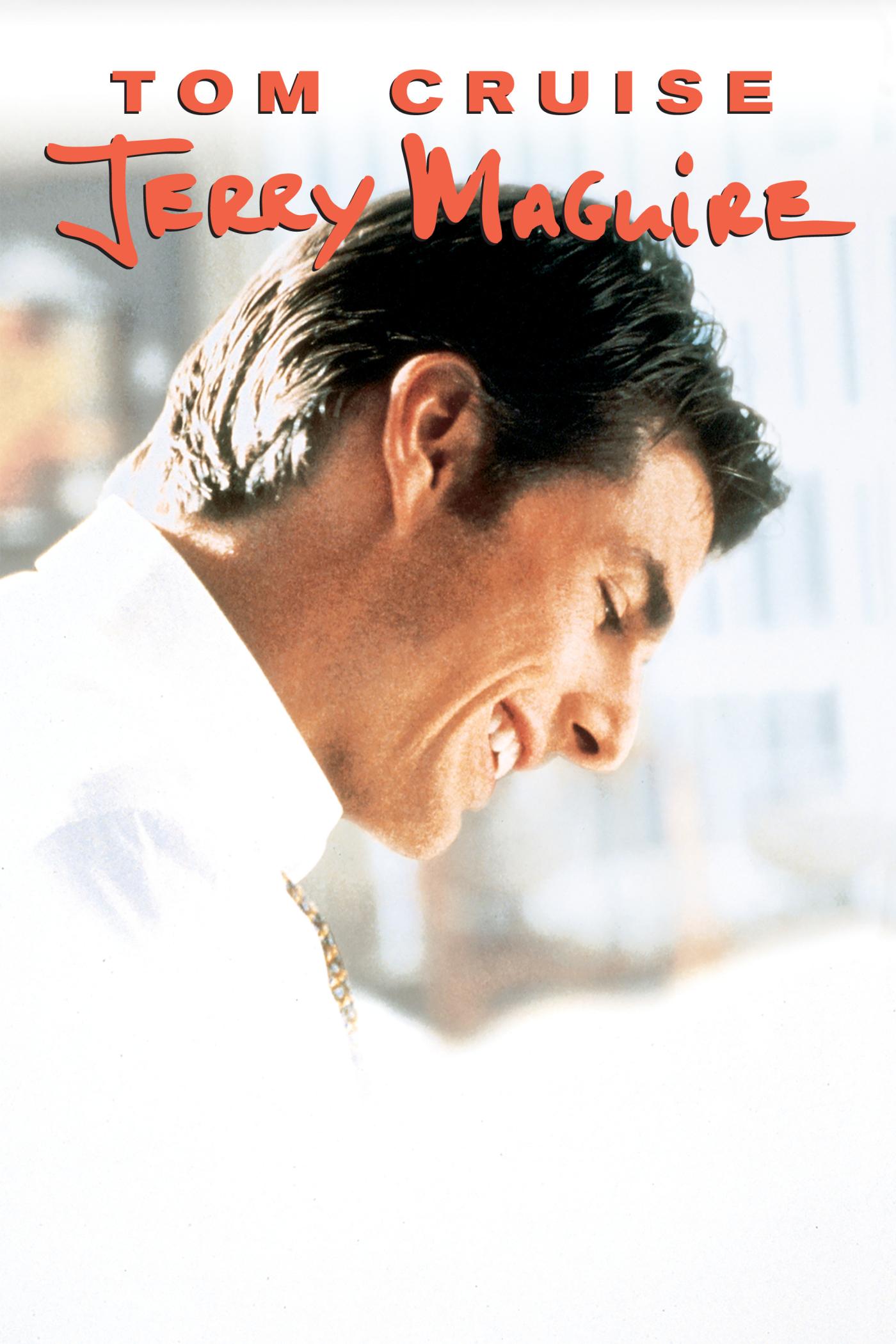
Cruise as Gaines is defended for alternating calm booster management with mania and rallying energy. — Bill Simmons
Craig explicitly chooses Hanks, arguing Cruise seems too small and less convincing as a Texan; Cruise’s booster confrontations remain defended. — Mallory Rubin
Hanks is declared the winner, with the year’s tally reported as21–16. — Bill Simmons
Craig dislikes the film on first viewing, finding no inherited nostalgic charm and an unresolved split between broad comedy and serious sports drama. He argues Hackman is miscast and the film should have committed to slapstick; Remember the Titans and The Sandlot provide stronger values and coming-of-age stories. — Bill Simmons
Craig tentatively argues that professional-sports films fare worse because older characters and business concerns displace coming-of-age themes. Major League and Slap Shot are counterexamples, with baseball treated as a possible exception. — Bill Simmons
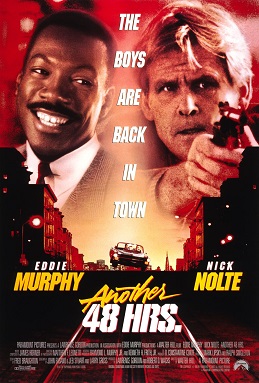
Eddie is compared with this era's silly sports movies, Celtic Pride is rejected, and the two-hour runtime is judged excessive; the hosts joke that Craig may eventually be worn down by repeat cable viewing. — Bill Simmons
The Wolf, Gimp, Walken, Roth, Plummer, Arquette, Stoltz, Maynard, Zed and cab driver are considered; Roth and Plummer are excluded for too much screen time. — Bill Simmons
Debate narrows to Walken and Keitel, with Stoltz defended and the Gimp playfully rejected.
One response initially chooses the Wolf, but Walken’s four-and-a-half-minute impact better fits the award; the final responses settle on Walken, including Craig’s explicit choice. — Bill Simmons
The most-rewatchable-scene discussion proposes eight selections and suggests almost the entire film qualifies except roughly twenty minutes. — Bill Simmons
The opening diner robbery and transition into the credits are praised. The discussion considers the switch between two songs and debates whether the typography still feels timeless; younger viewers may associate it with Stranger Things.
Misirlou prompts an association with the Black Eyed Peas song Pump It for a younger listener. — Craig Horlbeck
Vincent and Jules discussing Amsterdam and the Royale with Cheese is praised as exceptionally influential screenwriting. The conversation connects its everyday observations to the film's recurring contrasts between Europe and America.
The foot-massage argument, Mia's television pilot, and Antoine Tony Rocky Horror story are praised for combining casual conversation with the unexplained armed approach to an apartment. Vincent catches Jules with the offer to give him a foot massage. — Craig Horlbeck
The foot-massage debate leads to agreement that the gesture is intimate; professional massage is distinguished from a personal offer.
The apartment confrontation is introduced as another scene contender, with Samuel L. Jackson's performance prompting an early Rick Dalton Award mention. The Big Kahuna Burger and tasty-beverage dialogue, Frank Whaley's frightened performance, and the big-brain-on-Brett line receive praise.
Jackson's interaction with Burr Steers on the couch is singled out, while Travolta's quieter background performance also draws attention. — Chris Ryan
Travolta's relaxed background behavior contrasts with Jackson's commanding, repeatedly quotable performance in the apartment.
Jackson's extended biblical monologue is praised as an extraordinary sustained performance, prompting curiosity about how many takes the scene required. — Bill Simmons
Low angles, close-ups, and a camera move following Jackson's head turn establish him as a movie star, shifting attention away from Travolta. — Chris Ryan
The burger and the film's food generally are praised for looking appetizing.
Marsellus lecturing Butch about pride and his declining prime is selected as another scene; its advice is compared with Pacino's speech to DiCaprio in Once Upon a Time in Hollywood. — Bill Simmons
The speech's warning about aging inspires contemporary jokes about Joe Biden and Paul George's late-career contract.
Butch's confrontation with Vincent is discussed as the possible trigger for keying his car and deciding to betray Marsellus; a reported Tarantino answer supports the decision forming during that encounter.
Obscuring Marsellus's face during his speech is praised for building anticipation and making the crime boss seem mythical, with Mia's delayed reveal cited as a parallel.
Vincent buying heroin from Lance is selected for its elaborate product descriptions and sales pitch, including the more expensive Choco. — Chris Ryan
Lance remaining visible in a mirror is singled out as an easily missed visual detail. Mirrors and reflections recur with Mia, Fabienne, and Vincent. — Bill Simmons
Vincent confusing Trudi with Jody and describing the piercings on Jody's face is praised as an enduringly funny exchange; Stoltz's robe, sandals, and hair contribute to the performance.
The drug purchase captures obligatory small talk, with Lance echoing Vincent's complaints about his keyed car and using a salesman's suggestion that stock might run out. — Chris Ryan
Stoltz's appeal across different kinds of films is discussed. A festival encounter and his enthusiasm for Reservoir Dogs are offered as the background to his casting, alongside his other connections to Tarantino and Roger Avary. — Sean Fennessey
The discussion corrects Kicking and Screaming to 1995 and describes Stoltz's early-1990s mixture of indie leading roles and smaller appearances. — Bill Simmons
Vincent and Mia's date at Jack Rabbit Slim's is selected, including his arrival at her house. The restaurant's immersive design and automobile booths are praised; conflicting construction-budget recollections are discussed.
A reported Disney proposal to reproduce Jack Rabbit Slim's in a park was declined; the restaurant is compared with an unnamed real Los Angeles establishment. — Sean Fennessey
Characters repeatedly expressing pleasure in their food is suggested as part of why the meals look so appealing. Steve Buscemi's Buddy Holly waiter is highlighted. — Sean Fennessey
Fox Force Five's detailed character lineup inspires enthusiasm for an actual pilot and a comparison with Kill Bill; whether Tarantino wrote such a pilot is speculation.
The five-dollar milkshake exchange and its specific menu terminology are singled out as memorable date dialogue.
The date resolves the foot-massage rumor while Travolta's bashful, low-key delivery contrasts with Thurman's more animated cocaine-influenced behavior.
The twist contest and Chuck Berry song are praised. The discussion wonders how the dance would look to sober observers and reports that Travolta introduced additional period dances instead of only performing the twist.
A first-time viewer expects Vincent and Mia to have sex and face Marsellus's anger; the overdose instead provides an effective narrative swerve. The baggie rather than a balloon helps explain Mia mistaking heroin for cocaine. — Bill Simmons
Mia abandoning her lip-sync routine midway through the song is praised as a behavioral detail. Lance's quiet evening with cartoons, cereal, and a recliner makes Vincent's emergency arrival especially funny. — Chris Ryan
The injection effect reportedly used a needle pulled away from Thurman's chest with the footage reversed, after a fake chest was rejected. — Bill Simmons
Vincent pressuring Lance by explaining that Mia belongs to Marsellus adds another comic threat to the rescue; the rough handling of Mia on the lawn is noticed. — Chris Ryan
Thurman's ability to look glamorous and convincingly devastated, especially on the drive home, is praised. — Bill Simmons
Christopher Walken's watch monologue is selected as another scene. Its placement immediately after the overdose supplies another escalating surprise when a quieter flashback seems likely.
Walken's uninterrupted watch speech is praised, and the watch's Knoxville origin is connected to Butch's destination and Tarantino's biography.
Butch returning for the watch and killing Vincent is selected. One objection says Butch seems insufficiently frightened; the long approach through backyards is defended as an effective real-time buildup. Stopping for a toaster pastry is questioned.
Vincent's abrupt death is compared with Psycho's shocking removal of its apparent lead. Whether earlier politeness toward Butch would have saved him is raised, with survival offered as the reason Butch would shoot regardless.
The pawnshop basement and Gimp reveal are selected for their shocking narrative turn. Deliverance is a comparison, while the setting is read as a surreal personal hell for a powerful crime boss.
The Gimp emerging from the trunk is called a top-five shocking movie moment, without an enumerated ranking. The discussion debates deliberate provocation versus making the basement as strange as possible. — Bill Simmons
The Gimp laughing at Butch is compared to premature athletic taunting; the offscreen sounds prompt jokes about recording the scene.
The discussion debates returning to rescue an enemy versus escaping. Butch staying with Fabienne after she forgot the watch is also questioned.
The scene illustrates how Tarantino strategically withholds the sight of violence despite its strong effect. — Sean Fennessey
Vincent accidentally shooting Marvin and the ensuing trip to Jimmy's house are selected, highlighting Vincent's casual admission and the argument over whether a bump caused the gun to fire. — Craig Horlbeck
Jules and Vincent washing their hands and arguing about soap is praised, as is Vincent's impatient expectation that an apology should settle the accidental killing. — Bill Simmons
The Wolf's rapid arrival, appreciation of Jimmy's coffee, response to Vincent requesting politeness, and refusal to celebrate prematurely are highlighted alongside the argument over cleaning Marvin's remains. — Bill Simmons
The final breakfast and robbery confrontation is selected for Jules's transformation and the film's deepest thematic statement. Jackson's apartment performance remains a competing personal favorite.
The final diner confrontation is selected as the current favorite scene. — Sean Fennessey
Mia’s overdose through the injection and revival is selected as the most rewatchable scene.
The stretch from Marvin’s shooting through the Wolf leaving for the diner is separately identified as a favorite chapter.
The opening chapter is defended because it contains both the hitmen and Vincent’s date with Mia.
Jack Rabbit Slim’s through Mia’s revival is selected as an expanded scene choice. — Craig Horlbeck
Real hoverboards should be released to lure young people away from screens, despite safety objections and existing wheeled devices using the name. — Chris Ryan
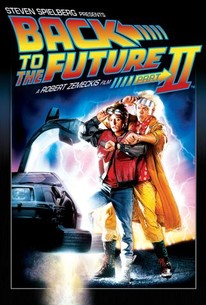
Marty could be Biff's son, sharing his temper rather than George's timidity; this would make a better Part III twist than the Western. — Cousin Sal
The unrealized anti-gravity Slamball concept combining jai alai, handball and roller derby should become a real sport. — Bill Simmons
Craig says Christopher Lloyd is the only good actor in the movie and carries it; the others agree Fox and Thompson are less effective here than in the original. — Craig Horlbeck
Asked directly for his view, Craig praises the combination of sports exhilaration and romance, small human details such as Jerry searching for the right car-radio song, and the business-and-relationships approach he wishes Ballers had used instead of partying. — Craig Horlbeck
Asked for his review, Craig calls it an enjoyable B-level/background comedy whose repeated cable exposure allowed it to endure, unlike films now buried among streaming catalogs. — Craig Horlbeck
Hamburg reportedly imagines the couple unmarried with children surfing in Costa Rica; the panel instead predicts roughly four more weeks together, possibly followed by Reuben returning to Lisa. — Bill Simmons
The game-used Hoffman basketball is the main memorabilia choice; Craig's loofah choice is attributed as a pre-recording comment. — Bill Simmons
Baldwin's accent and Indursky are aged-best choices; his character is imagined as an older Glengarry Glen Ross shark. The discussion's contemporaneous Rust remarks are distinguished from Craig's association of Baldwin with 30 Rock.
The film is praised as an underrated New York movie, especially recognizable downtown restaurants and galleries. — Sean Fennessey
Aniston's career arc looks stronger in hindsight after later hit comedies; Hoffman is also an obvious aged-best choice. — Sean Fennessey
A child actor permanently defined by a ten-year-old success is an aged-best concept, illustrated by school memories. Hamburg reportedly drew on wondering how life would have changed had he won an audition for The Champ. — Bill Simmons
The nature of Crocodile Tears remains uncertain: a family comedy, childhood tragedy or Bad News Bears-style film is debated, and the bagpipe scene's content is unknown. — Bill Simmons
Polly's graphic children's novel about losing an arm is praised as comedy that now resembles some real children's books. — Bill Simmons
St. Barts and vacation settings are aged-best choices, with pandemic family movie-watching used as virtual travel. — Bill Simmons
Risk Master and Reuben's constant calculations fit his profession; an actuary spouse supports the characterization, though the stated subway-grate and car-accident odds are questioned. — Bill Simmons
Bryan Brown's presence is celebrated through Cocktail references and a proposed repeat episode; a seven-minute bar-showcase compilation is imagined.
Jesus Christ Superstar rehearsals with Sandy claiming both Jesus and Judas are aged-best, as is Reuben's aversion to communal bar snacks; individual modern snack trays are a contrasting aged-worst observation. Impromptu base-jumping is praised as dependable movie excitement. — Bill Simmons
Reuben counting down to delay orgasm and shouting 50 is praised, as is Polly's later conversation about it. His broken Spanish confrontation with Javier fits Stiller's foolish persona. — Bill Simmons
Leland Van Lew's name is an aged-best addition, and his jump building is identified as the AT&T Tower at 611 West 6th Street, Los Angeles, qualifying the assumption that all filming was in New York. — Bill Simmons
The original Bakersfield footage is praised as setup rather than selected as a rewatchable scene. — Bill Simmons
The Wilshire detention-zone escape and Chico running too early are nominated. — Kyle Brandt
Captain Freedom’s workout tape is nominated and called a favorite part of the movie. — Bill Simmons
Captain Freedom’s cheap costume and visible steroid use add to the workout-and-green-room material. — Kyle Brandt
Richards taking Amber through a permissive 1980s airport is nominated. — Kyle Brandt
Killian asking Richards to volunteer and receiving a blunt refusal is a favorite exchange.
The aerobics cheerleaders, Buzzsaw and Killian entrances, doctored massacre, and pod launch are selected as a favorite six-minute stretch. — Bill Simmons
The fight with the ice-themed stalker is fun but feels too short, and the plain-zero line reading becomes part of its appeal. — Bill Simmons
The Dynamo opera fight is nominated mainly for the Christmas-tree and light-bulb insults. — Kyle Brandt
The old woman choosing Ben Richards is a brief scene nominee. — Bill Simmons
The fake Captain Freedom murders are nominated as both a deepfake spectacle and a rigged-gambling scandal. — Bill Simmons
The restored Bakersfield footage, Killian’s television speech, and his final exchange with Richards are praised as the ending.
Craig introduces the Vincent Chase flex for Catherine: her planning is admired but excessive stabbing, abandoned weapons and disregard for evidence are criticized; her authorial quality is debated using bestseller and review-blurb clues. — Bill Simmons
The counterargument says Catherine gets away with everything; an ice-pick search before bed becomes a joking hypothetical. — Chris Ryan
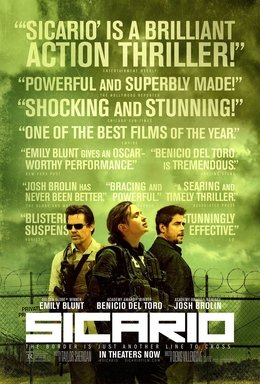
Craig introduces a Movie Franchise Tag flex proposing that a small annual group of films, including Sicario and The Devil Wears Prada, be protected from sequels.
Chris counters that once Sicario’s sequel exists the series should continue, while a prestige television version is discussed and Del Toro’s participation doubted.
The franchise-tag proposal expands to Sinners, Barbie and Oppenheimer with disagreement; Limitless is explicitly exempted and its television series recalled.
Craig’s female-sex-killer Mount Rushmore names Xenia, Catherine Tramell, Sil and Amy Dunne. Die Hard with a Vengeance, Mia Goth and horror alternatives are additions. — Bill Simmons
Craig introduces the Millennial Missed Reference Power Ranking flex, beginning with Love Boat, Crying Game, Star Trek and Binaca references; it is not yet a numbered ten-entry list. — Craig Horlbeck
Craig’s missed-reference flex continues with Binaca, Claude Rains, Poltergeist, Tone Lōc, Miami Vice and Connery. Zach dislikes the exorcised-demons punchline and also missed several references when young. — Craig Horlbeck
The hosts defend dated cultural references as entertaining later discoveries, contrasting Wayne’s World 2 relying on a whole-film Doors parody. — Bill Simmons
Laurie has been unable to walk, yet receives no stretcher and must put weight on the injured ankle.
Jimmy’s extreme injured acting is an additional low-key overacting joke; an alternate TV ending puts him beside Laurie in the ambulance. — Bill Simmons