
Film credit
Kiefer Sutherland
Also referred to as Kiefer
Stats
- Episodes featuring their films
- 5
- Movies in this archive
- 5
Rewatchables episodes featuring Kiefer Sutherland’s films

Mentioned in discussions

What’s Aged the Best?
Jerry O'Connell; young Kiefer; leeches; the game of chicken; the busboys quote; kids smoking; the narration; childhood urban legends; timelessness; Jack Nitzsche score
In the discussion (10)
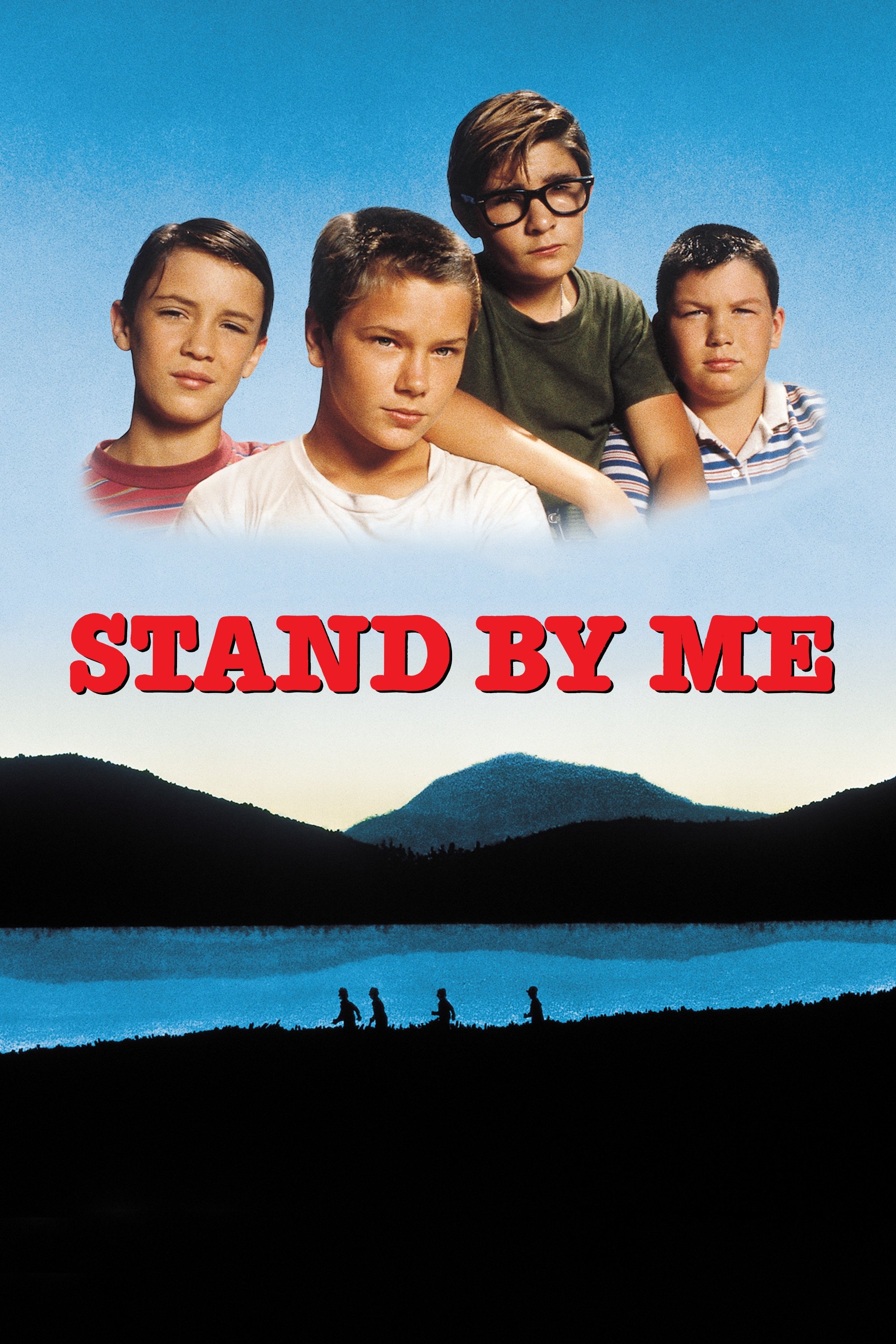
- Fat Jerry O'Connell ages well, given he later married Rebecca Romijn Stamos and played Cush; his nuanced part is the sneaky best of the four on repeat viewings. — Bill Simmons
- Young Kiefer ages well given his later career: engaged to Julia Roberts, winning the Dion Waiters Award for A Few Good Men as Kendrick, and Jack Bauer; this role is his Lost Boys villain without the vampire. — Bill Simmons
- Leeches always work and make viewers squirm; a Little League groin injury anecdote follows. — Bill Simmons
- The old-school game of chicken; one participant admits to drag races in high school. — Bill Simmons
- The narrator's line that friends come in and out of your life like busboys. — Bill Simmons
- Kids smoking: they embrace smoking's nuances, the pack rolled in the white tee, and Zippo work; smoking then is likened to video games for today's kids. — Bill Simmons
- The story-within-a-story nesting and Richard Dreyfuss's narration as older Gordy, such as Vern's pennies; narration usually signals a flaw, but Stand By Me, Shawshank and Goodfellas do it best. — Chris Ryan
- Childhood urban legends and mythology, with stories mutating among 12-year-olds and jinxes, which the internet has changed. — Chris Ryan
- The movie is timeless: set in 1959 with distance, it captures the era, down to the clothes and the radio DJ. — Bill Simmons
- The score and the classical version of the title song are added; 'Good call.' — Chris Ryan

Most Rewatchable Scene
Train bridge crossing
In the discussion (16)
- The first pick is the early run-in with Ace, who takes the Yankee hat Denny gave Gordy; it does a lot in two minutes, establishing Ace, Gordy's inability to fight back and Chris not yet able to stop the cigarette. — Bill Simmons
- There is not a wasted frame: the end mirrors the beginning, and the world holds only the kids looking for Ray Brower and the Cobras, with no parents or cops. — Chris Ryan
- Gordy's trip to the store for Cokes and hamburger meat, the store guy's quarterback comment about his brother, and the junkyard chase that ends with Feldman yelling at the junkyard guy is a favorite; the store evokes first solo shopping trips, though baseball cards at the counter would have been a nice touch. — Bill Simmons
- Chris's speech about Gordy's gift for writing shows in about 150 seconds why they are best friends: Chris is tough with a sensitive side, Gordy sensitive and wanting to be cool, always in each other's corner unlike Vern and Teddy. — Bill Simmons
- An NBA analogy makes Chris and Gordy the two stars with a rotating cast; Vern is compared to Dwight Howard and to not wanting to go in the bubble. — Bill Simmons
- The train scene is iconic: the wide bridge shots, the quiet, feeling the tracks, Teddy's line, Jerry O'Connell crawling and screaming, and the jump make a flawless four minutes. — Bill Simmons
- The pie-eating story delivers for little kids; its editing, cutting back to the campfire where the others ask 'that's it?', is praised. — Bill Simmons
- Chris's milk-money monologue is when Phoenix became the number-one draft pick; the hosts say Reiner told the 2016 Variety oral history he asked Phoenix to think of an adult who let him down, and the next take is in the movie. — Bill Simmons
- The scene reflects learning that people in power disappoint you; none of the four is getting out of town, each for his own reason. — Bill Simmons
- Gordy and Chris facing Ace with the gun is good, with Kiefer 'throwing 110 miles an hour' next to the decomposing body. — Bill Simmons
- The ending keeps building: goodbye to Chris, the story of his death, Chris vanishing, then the writer finding his last sentence, which the speaker, a former columnist, identifies with; then wrestling with his son. — Bill Simmons
- A joke imagines the same feeling after a 200th-episode Heat podcast with Michael Mann. — Bill Simmons
- A second participant adds Vern running up to the treehouse and being cut off while the others keep singing, which sets up the gang as real characters.
- The Cobras' mailbox baseball and tattoo scenes show what the boys could become; not even the bad guys have fun lives in this town. That participant calls the bridge crossing the most rewatchable. — Chris Ryan
- Mailbox baseball and smashing pumpkins are called New England traditions after one participant admits he might have done it in Worcester. — Bill Simmons
- Another participant agrees the train scene is the most rewatchable, a flawless four or five minutes; the hosts' research says a camera trick made the distant train seem right behind the boys. — Bill Simmons

Probably Unanswerable Questions
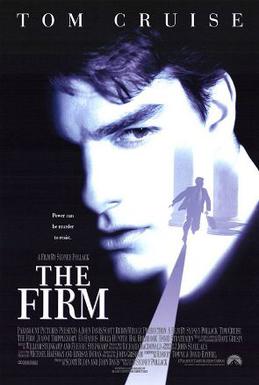
Did Avery die or kill himself? Did Mitch kick DeVasher to death? What happens to Lamar? What is the best Grisham movie?
In the discussion (4)
- Why Lamar is introduced as a big character, with the Heineken-and-sprinklers image, then vanishes; the answer offered is that the film is already too long, and he fits Cruise's pattern of a loser buddy sidekick.
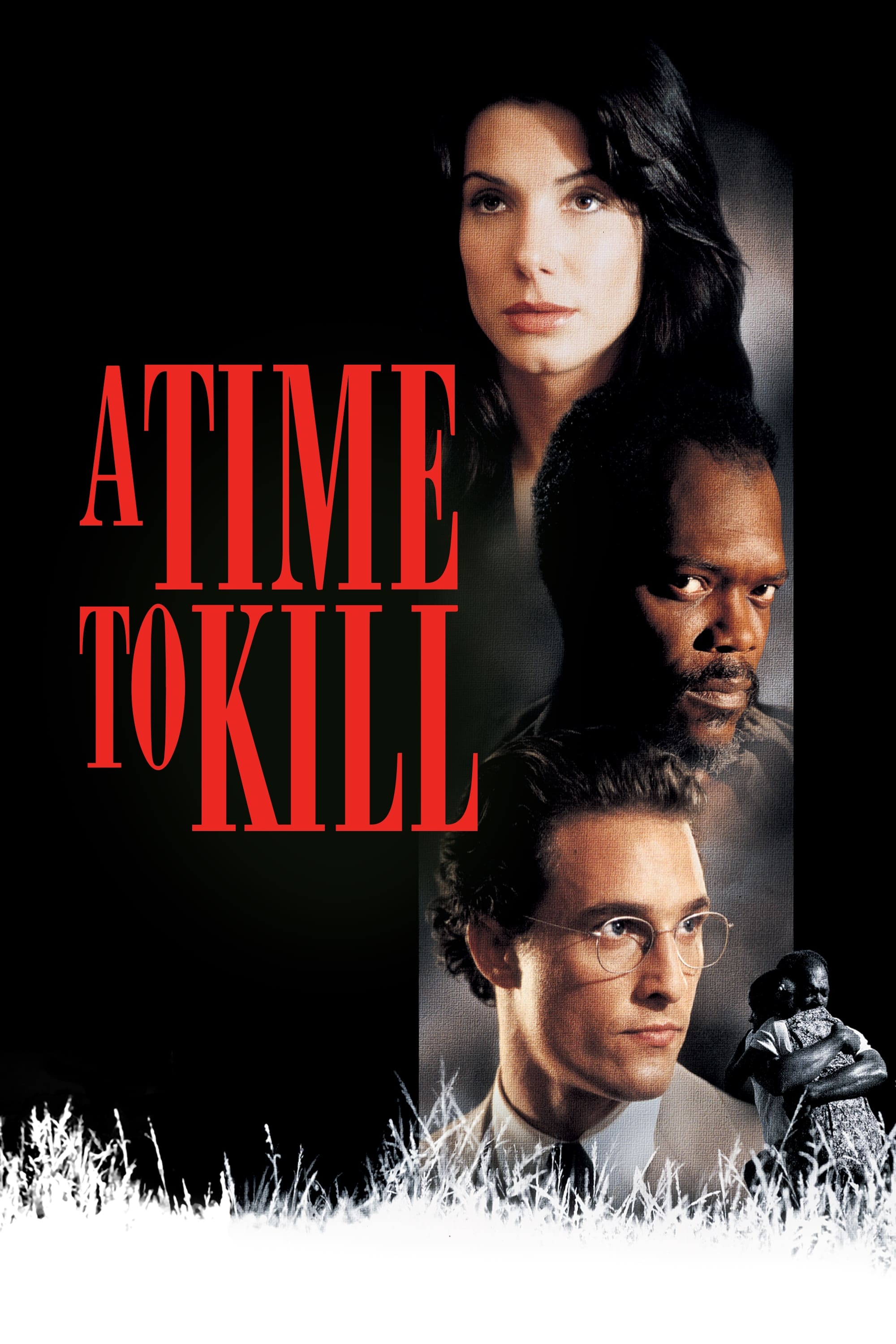
- The best Grisham movie is called unanswerable: a sentimental favorite is The Client, another prefers A Time to Kill for Samuel L. Jackson, McConaughey's closing and evil Kiefer Sutherland; Ed Harris's bald look and the 'they don't own me' line lifted from Thief come up along the way.
- Earlier, whether the firm killed Avery or he killed himself was parked as an unanswerable question.
- Whether Mitch kicked DeVasher to death was debated during the Brimley section: he was probably groaning, with a concussion and broken ribs rather than dead.

Picking Nits
What kind of sports writer Michael is; a $39,000 salary against billionaire spending; a 20-year-old dropping out to marry after a month or two; a best friend given three to five days' notice; a four-day wedding ending Sunday night in a church; the Sunday pre-wedding brunch; a drop-dead-gorgeous New York food critic with a book at 28; Kimmy having no maid of honor; the ugly purple bridesmaid dress; 'you're the only person I trust'; the welcoming billionaire family
In the discussion (11)
- What kind of sports writer was Michael: a generalist, a gamer, maybe regional, since all the references are Texas, San Antonio and College Station; making about $39,000 a year in 1997 while she gives up everything to follow him, except they are spending billionaire money and hitting up dad.
- The entire relationship timeline makes no sense: a month or two and they are getting married, she is 20 and dropping out of college, the parents would have stopped it and never thrown a wedding; a sub-nitpick is billionaires being this nice.
- Julianne gets Michael's call the Wednesday night before his wedding, giving his supposed best friend three to five days' notice; a real best friend would have been told earlier and told when he met someone, and the pact needed caveats built in; the film half-covers it with her not checking her phone machine while on a book tour as a food critic.
- The wedding itself is a four-day affair starting Thursday with a Sunday night church wedding, which makes no sense: they are not Jewish, and billionaires could have gotten the Saturday church spot; a Catholic explanation about a 6 p.m. Sunday slot after the holy window is offered and dismissed.
- A brunch the Sunday morning before the wedding asks too much of guests, though one host likes being fed and prefers a pre-wedding brunch where attendance is required to the annoying post-wedding one; another's stepmother insisted on a 9 a.m. Sunday brunch where everyone was hungover and kids ran around.
- The food critic nitpick: a New York food critic at 28 who has already written a book is ridiculous, the opening scene gets criticism backwards by having the waiter present the plate to the critic rather than her dining incognito, her 'inventive and confident' verdict is terrible criticism, and a drop-dead gorgeous 28-year-old critic is not a real thing, since the job takes 20 years to get.
- Every choice about the food critic job was 100 percent wrong; the climactic jab that she is a loser food critic treats having a job as a bad thing from someone dropping out of college at 20, and the plate presentation is as absurd as a sports writer interviewing batters at home plate between pitches; when a critic comes in, the restaurant pretends she is not there.
- Cameron Diaz has no maid of honor because hers broke her pelvis line dancing in Abilene and there is no backup; one host likes it as a strategic move revealing she does not trust Julia Roberts and is neutralizing her by cutting off her recourse, while another cannot invest in someone with no backup friend and thinks she should have demanded more for her own wedding.
- TV and movies always skip the fact that the person getting married has no friends, as when Dylan McKay marries Tony (as transcribed) on 90210 with bridesmaids he met two weeks earlier, or the unseen bridesmaids on Succession in seafoam green like Julia Roberts' non-wedding to Kiefer Sutherland, a detail that teaches you she is a bad person.
- The purple bridesmaid dress has the ugliest possible color and sparkles on the halter; and when Kimmy tells Julia Roberts she is the only person she trusts, that is not true, which the defender calls smart; how close could the friends have been if he waited until three days before the wedding.
- Her whole family being billionaires who run Chicago yet are nice and welcoming to a sports writer does not hold, though the dad does have an intimidating conversation about how much he makes; being 20 and dropping out of the best schools is the one nit a host cannot get past, a waste of money if you never graduate.

Apex Mountain
JT Walsh; Wolfgang Bodison; Tom Cruise; Kevin Bacon; Jack Nicholson (late career)
In the discussion (10)
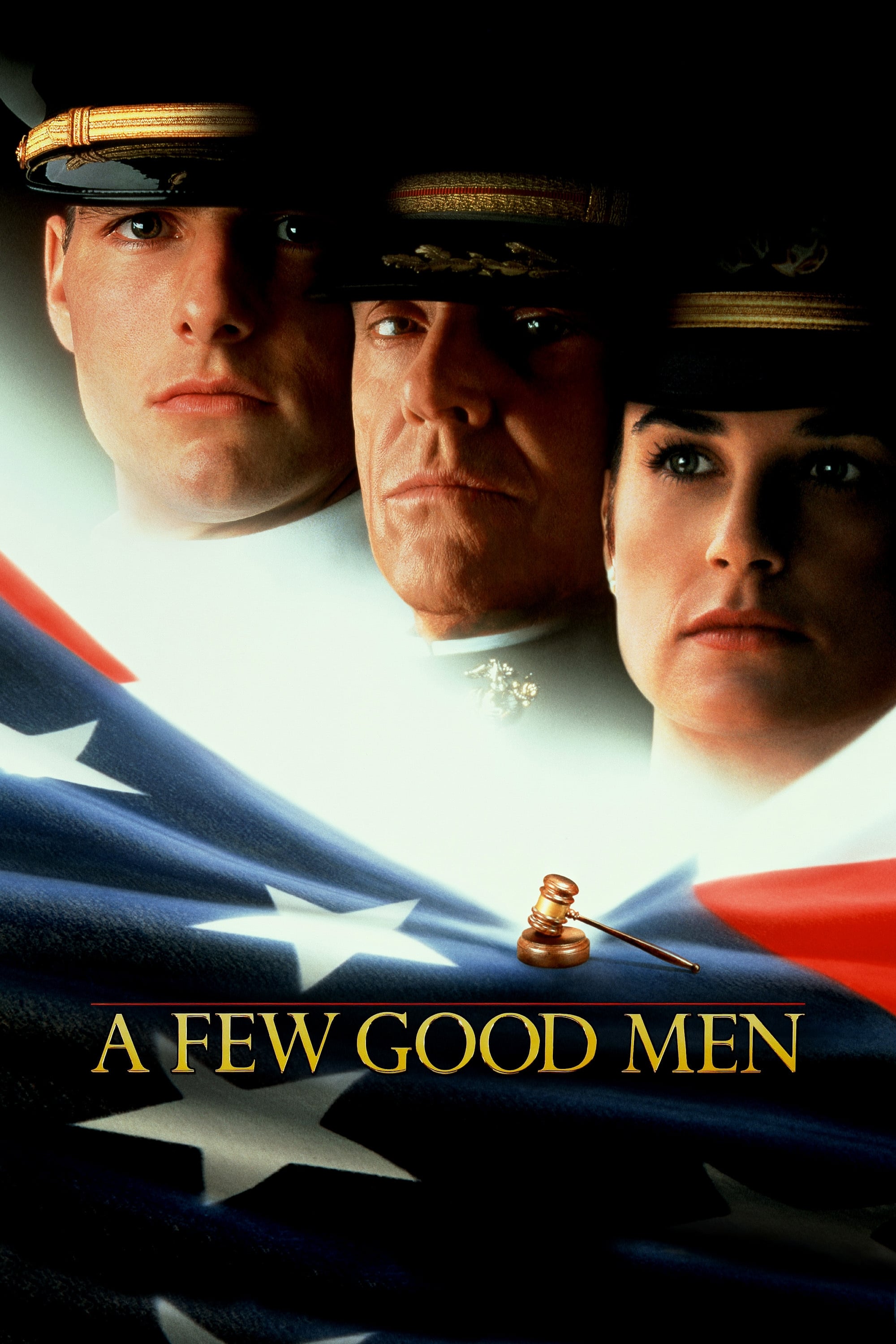
- JT Walsh gets an 'Apex for me for sure' and a second yes calling it his most infamous role, prompting a joke about how seriously the question was taken.
- Aaron Sorkin is close but not the apex, a nice view but not the top; the first season of The West Wing and The Social Network are his apex, this film is likened to his 63-point Michael Jordan game with not a bad scene in it, and Moneyball is set aside because he rewrote somebody else's script.
- Kevin Pollack is a no because of The Usual Suspects, which another agrees with.
- Kevin Bacon is a no from one panelist, who calls him great and underrated here but notes how many films he has made, with The River Wild mentioned; another says no too, theorizing his bad haircut was deliberate so he would not distract from Cruise, like Kiefer's haircut, and puts his apex at Footloose, also liking him in Mystic River.
- A third panelist disagrees with both and says this is Bacon's apex: not a meaty part but memorable, likable, with a dash of unintentional comedy, and hard to imagine anyone from that era, such as Matt Dillon, playing it without competing with Cruise.
- Bacon was taking smaller parts in bigger movies then, as in JFK; though he is on the prosecuting side backing Jessup, he has some morality, saying he does not think the guys deserve jail but does not make that call; after an aside that his leaving the pickup game is unforgivable, a 'yes' for him is restated, possibly by the same panelist.
- Wolfgang Bodesen (as transcribed) is a yes: 'that's the Apex for Wolfgang. I wish him well.'
- Jack Nicholson's career overall draws four 'No' answers; then 'Late Jack Nicholson. Yes.' is offered, with one voice naming As Good as It Gets, and challenged over The Departed the late-career yes holds, because the Departed performance with its accent as a Whitey Bulger figure is called out of control and the weak link of that film.
- Tom Cruise gets two yeses, with this chosen over Cocktail and a 'this or The Firm' aside; no one else in 30 years could bring this mix of unintentional comedy, good acting, sarcasm and bravado, Leo DiCaprio could not, though Matt Damon ten years later might have.
- A TV version is planned for next year with Alec Baldwin, who is called amazing, but Caffey has not been cast; James Franco was rumored, a terrible idea, since the part needs an airhead who is really smart, a lawyer who plays softball, attractive but not a romantic lead; Demi Moore is left off the list as the nadir of her career.
Half-Assed Internet Research
Kiefer Sutherland clipped Marines while driving a Jeep; Ebert gave it two and a half stars; Nicholson did 40 to 50 takes of the code red scene; it cost $30 million and made $230 million; Jason Alexander was meant to play Sam Weinberg; Sorkin wrote it on bar napkins and bought an early Macintosh with his roommates; Dawson's actor was Reiner's assistant; Sorkin cameos as a lawyer at the bar
In the discussion (7)
- Kiefer Sutherland drove the military Jeep so badly that he clipped a couple of Marines and scenes had to be redone, though he drives in only one scene, perhaps rewritten so Noah Wiley drove.
- Ebert's two-and-a-half-star review, which said the film telegraphed the ending, is noted and rejected.
- Nicholson did 40 to 50 takes of the 'you can't handle the truth' code red scene and kept performing during everyone else's coverage, telling the crew he loves to act, which becomes a joke about loving to podcast.
- Unlike productions full of casting stories and disasters, nothing went wrong here: it cost 30 million, made 230 million, Nicholson cost a lot, everyone calls it their best experience, and Reiner's directing is joked down to pointing the camera at the movie stars.
- Jason Alexander was supposed to play Sam Weinberg until season 2 of Seinfeld was picked up; Plan B was Kevin Pollard (as transcribed).
- Sorkin wrote it on bar napkins at a bar off Broadway, he and his roommates chipped in to buy an early Macintosh to write the script, and Dawson was Reiner's assistant.
- Sorkin was a bartender and appears in the film as the lawyer at the bar; the hosts like writers and directors showing up in their own movies, citing Oliver Stone as a football announcer and Scorsese playing the creepiest guy, though Sorkin has ten seconds too much dialogue, out of focus but clearly audible.
Most Rewatchable Scene
The ending; the Guantanamo Bay lunch; Jack and Caffey's beer
In the discussion (9)
- Offered the ending, the lunch in Guantanamo Bay, or Cruise and Bacon meeting for a beer, one panelist calls the last scene the best last scene of a movie ever but, despite hating to be too cute about these answers, goes with the Guantanamo Bay lunch as the sneaky choice.
- Another likens the question to picking the home run scene in The Natural, then, getting cute, names the favorite interaction as Jack and Caffey getting a beer that ends with 'you're a lousy fucking softball player'.
- In the bar, Cruise orders simply 'a beer' and makes a big show of refusing the frosted glass, which suggests he had never really done bar interactions on screen; the Vin Diesel beer tilt from the Fast and Furious films is the comparison.
- One panelist agrees the ending is the best and the most rewatchable, but says you cannot sleep on the Guantanamo Bay scene.
- The lunch makes them want the deleted small talk; Kendrick, whom Sean Phenasy (as transcribed) called 25 years early for what the alt-right looked like in 2016, is played by Kiefer Sutherland, hard to believe as the future Jack Bauer and the guy from The Vanishing, in a supporting part he was probably too big for.
- Kiefer slummed it, and Bacon a little too; the hosts recall the Flatliners period and the collapse of the wedding with Julia Roberts, 'the all time greatest getting left at the altar story'.
- Kendrick never cracks a smile, and when they ask to see the room where Santiago died he says the private died because he had no honor, no code.
- A fourth alternative is Jessup reading Santiago's letter, asking who PFC William Santiago is and sarcastically proposing they surrender their position in Cuba; Josh Malina is in that scene too.
- At the lunch Kendrick laughs only once, at Jessup's crude joke to Demi Moore's character about a superior officer, which TV prints cut; the hosts think it belongs because it shows how vicious Jessup is, and joke about a milder substitute word.



