The studio wanted Redford to play Calvin; he declined as too predictable, and the hosts think he would have overpowered or sunk the film. — Bill Simmons
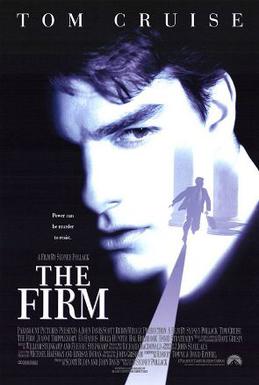
Hackman as Calvin is intriguing, recalling his surprising turn in The Firm. — Bill Simmons
The EW oral history links Hackman to both the Berger and Calvin parts; research indicates it was the Sutherland part. — Bill Simmons
Per Redford, he wanted Richard Dreyfuss as the psychiatrist, but the reply was that Dreyfuss was having a nervous breakdown; Sutherland then said he wanted the husband rather than the psychiatrist. — Bill Simmons
Hackman was cast as Calvin but dropped out over compensation, per a Chicago Tribune article; Sutherland was told it was him or Hackman. — Bill Simmons
De Niro is the pick: after Jackie Brown and Meet the Parents he made paycheck movies, doesn't seem fully into this one and scales it back like Gene Hackman's autopilot in The Replacements, though it works.
A disagreement: not a top-20 De Niro performance, but he brings gravity to Carl Van Loon, is better than Paul Giamatti would be, and has an affinity with Cooper while letting him chew the scenery. — Chris Ryan
De Niro could have met Cooper's final threat with a stare and a Heat-style reply; De Niro scales back on autopilot while Pacino gets big.
The biggest aged-worst item is the rating: this should have been rated R, with more violence and sex.
PG-13 is liked as is, because kids walking through the room are no problem and adults still get the drug and sex material. — Shea Serrano
PG-13 suits the TNT, USA and Paramount cable universe with few edits; the TV series was canceled after one season.
Eddie's smart-sounding speeches are rough on inspection: the Portugal salt-cod and Brits lines captivate an audience of nine people, and he sounds like he could have run Germany better than Hitler.
The basketball version of Eddie sounding smart would be saying threes are worth more than twos, or the Process's bottom-out logic.
Abbie Cornish runs pumping her fists; a track coach should have been hired for that scene.
There is not much aged-worst; the disappointing TV show is the one item, despite excitement that Cooper pops up in it. — Shea Serrano
An R version is wanted to see Cooper break an arm; older movies like Jaws are cited as more leniently rated, countered that a shark is a naturally occurring phenomenon, unlike Total Recall's violence.
CBS should have made the show with an older lead, a 62-year-old CEO taking the drug.
All the basketball guys in the cast, yes; basketball itself, no. — Bill Simmons
Sports movies: it's close, but a case is made that the genre peaks here after 12 years of bangers; afterward come rip-offs or movies merely rooted in sports. — Bill Simmons
It also set a template for later Disney sports movies. — Ryen Russillo
Mid-80s Cold War fear made feel-good movies an escape, and The Day After was emotionally scarring. — Ryen Russillo
Shooter moved from the title game to the hospital; Chitwood actor's later life; filming locations; NCAA suspensions; Hopper's drunk trick; Chitwood's one-take final shot; real Milan details; Hackman's joke to Hopper; Merle actor's death
Shooter was scripted to attend the title game, but Hopper, newly sober, objected that the character would fear relapsing, so he was put in the hospital. — Bill Simmons
Jimmy Chitwood's actor, Maris Valainis ('Maris Valanis'), became a golf pro in California and was the only player who didn't play college ball. — Ryen Russillo
Most Hickory scenes were shot in Richmond, Indiana. — Bill Simmons
The NCAA suspended five college-player actors for being paid in the movie. — Bill Simmons
For drunk scenes, Hopper's trick was 10 seconds' notice before action and spinning in a circle to look disoriented, a trick from James Dean in Giant. — Bill Simmons
The fans-rushing title shot could be filmed only once; the Chitwood actor missed in rehearsal but made it on the take. — Bill Simmons
The locker-room blackboard lists real Milan names; Milan won 32-30 in 1954 on Bobby Plump's shot from about the same spot; it was filmed at Hinkle Fieldhouse. — Bill Simmons
Hopper's laugh in a montage came from Hackman saying they would never work again after this movie. — Bill Simmons
The actor who played Merle, Kent Poole ('Kent Pool'), killed himself in 2003. — Bill Simmons
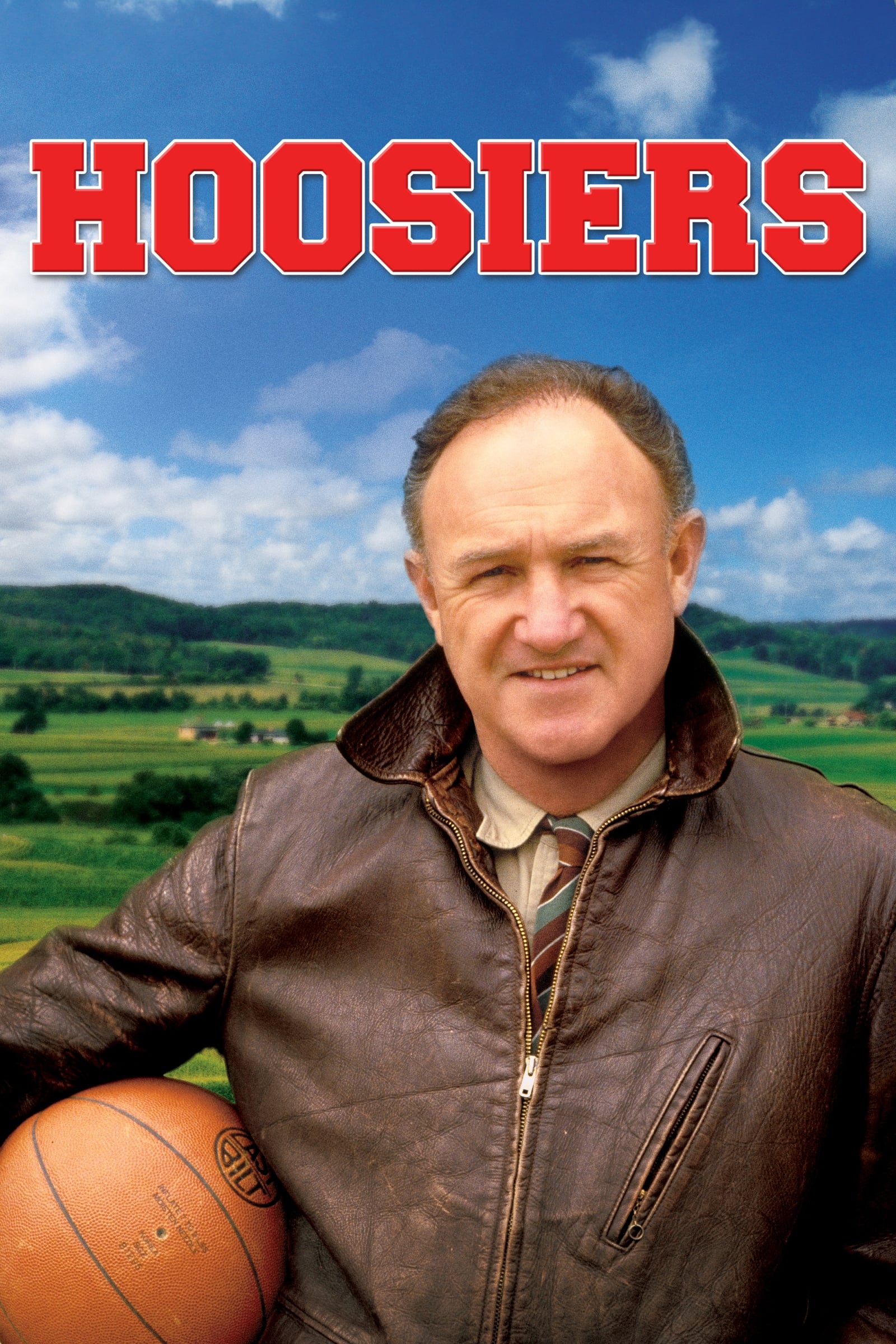
Jack Nicholson wanted to play Coach Dale, but a lawsuit sidelined him for six months, so the production went with Hackman. — Bill Simmons
Nicholson later told the director that with him as the star it would have been a mega hit. — Bill Simmons
One view agrees it would have been a bigger movie with Nicholson, then one of the biggest stars, though he would seem to want to get drunk with Shooter. — Bill Simmons
Hackman is more believable, and after 35 years the role can't be reimagined with Jack; Nicholson might have played it scaled back like Terms of Endearment. — Bill Simmons
Barbara Hershey's Myra Fleener is the token wet-blanket female character (the 'Adrian Balboa Hall of Fame'), the most mean-spirited version, who jumps on the bandwagon once the team wins. — Bill Simmons
Deleted scenes released on DVD around 2003-2004 include Myra thanking Coach Dale, saying she is moving to Chicago and that Chicago isn't that far away. — Bill Simmons
The studio wanted it under two hours (the final film is an hour 57), so scenes were cut, including Buddy asking back on the team; 19 minutes of scenes are missing. — Bill Simmons
A column asking how Buddy just showed back up was reportedly read in Bristol by John Walsh. — Bill Simmons
Hackman's aroused look after the feed-truck and dinner exchange prompts jokes about his lack of sex scenes, and The Firm as horny Gene Hackman. — Bill Simmons
Any scene with Hackman and Hershey kissing is rough, like watching grandparents kiss. — Bill Simmons
The actor who played Flatch was seemingly spotted as a cop in a late-night erotic thriller that is not on his IMDb. — Bill Simmons
A basketball book written with Ralph Wiley, Best Seat in the House, called Hoosiers racist for white players toppling South Bend's black players, a pattern traced to Rocky; this tainted the movie about 10%. — Bill Simmons
The film is based on the 1954 Milan team, whose opponent had black players, though Milan was a strong team; the white-hero pattern recurred in that era. — Bill Simmons
Watching with that lens, the South Bend white backcourt, not the black players, costs the game. — Ryen Russillo
Coach Dale's coaching is questioned: the pass-four-times rule, hiring the town drunk, playing four players, ejections, not running the final play for Jimmy, and not playing Strap enough. — Bill Simmons
His greatest gift was getting everybody rowing in the same direction, like Joe Tori, but the resume is not one of the all-time greats. — Ryen Russillo
Hopper's performance: if he were an athlete he would be one who could have been even greater with his life together. — Bill Simmons
Hackman ranks as a movie basketball coach, compared with Nolte doing Bobby Knight in Blue Chips and Affleck in The Way Back; he is as believable as anyone who has coached in a movie. — Bill Simmons
A critical note: it was unclear what Hackman's system or offense was at the beginning beyond passing. — Ryen Russillo
The concept of a Jimmy Chitwood, like Kelly Leak in Bad News Bears, is a fun sports-movie trope; Steph was a Jimmy Chitwood at Davidson. — Bill Simmons
A personal story: after being overlooked, the storyteller skipped senior varsity, worked alone for the seniors-versus-faculty game, scored 17 in the first half and told curious fans to 'ask them'. — Ryen Russillo
Candidate: Norman Dale kicking George out of practice, with the 'two kinds of dumb' threat played as a clip and the 'what kind of team do I have here' reaction. — Bill Simmons
Candidate: the coach visiting Jimmy with 'I don't care if you play or not'; Jimmy makes his first 12, misses one and finishes 13 for 14, and whether the miss counts is debated. — Bill Simmons
Candidate: the town meeting on firing Coach Dale leading into Jimmy joining and the winning montage; Myra's line about not wanting Jimmy to coach at 50 is called one of the meanest in a sports movie. — Bill Simmons
Three of Jimmy's four lines come at the meeting ('I play, coach stays; he goes, I go'); only Ivan Drago did more with less; the sequence is called one of the best nine-minute sequences in any sports movie. — Bill Simmons
Candidate: the picket fence game, Hopper's greatest scene: Hackman is ejected, Hopper freezes, his son pulls him in, and the delivery of the instructions shows the fog parting. — Bill Simmons
The defensive instruction does not seem to match what happens, but the play works and ends with 'You did good, pop'. — Bill Simmons
Teams run versions of the picket fence today, compared to Warriors sets for Steph Curry and a 'hammer'; a fifth-grade team ran a double-screen play because of the movie, called 'Ted' after Ted Williams. — Bill Simmons
Candidate: the Turhoun game fight, with Hackman's 'that's a gutless way to win' line praised as perfectly delivered. — Bill Simmons
Candidate: the Linton game; Strap should have played more, and Ollie's dribble off the foot seemed staged and his air ball was implausibly short. — Bill Simmons
Having the worst player hit two free throws to reach the state finals is called one of the most brilliant moves in any sports movie, and the second shot is praised for how it was filmed. — Bill Simmons
Ollie probably goes one for two at best in real life, and an opposing player with adult chest hair bumping him evokes Teen Wolf. — Ryen Russillo
Candidate: the 'way past big speech time' pregame speech with Merle, Flatch, Buddy and the Reverend's David and Goliath, which had a second life with the Jumbotron slow clap. — Bill Simmons
Hopper arguing a call off a bender and Coach Dale's 'you stay in the game' to Flatch is called an underrated chill moment. — Ryen Russillo
Candidates: the basket-measuring scene and the last few minutes of the title game, including Jimmy being carried off and the South Bend players' reactions. — Bill Simmons
One pick is the Ollie scene in the Linton game, for how it is shot. — Bill Simmons
Hackman going to Hopper's shack is liked, with a question of when a man on that kind of bender had time to scout teams. — Ryen Russillo
The other pick is when the coach seriously tells Hopper to be on the staff, praised for its writing and for having someone's back. — Ryen Russillo
Hopper's 'wing dinger' line about the suit and his awkward walk in a suit at the first game are praised. — Bill Simmons
Recasting Costello is raised early: this is not a good Nicholson performance given expectations, and failing to get an Oscar nomination at his stature means something went wrong.
The part needs real weight and prestige, a Brando Godfather type; Daniel DeLois and Sean Penn are too young, Jimmy Con and Duval too old, and Gandalfini is not Irish.
Nicholson was at the tail end of his career, like Magic Johnson in 1996; the movie might be tighter without his indulgences, but it is hard to conceive without him; in A Few Good Men every choice was perfect, here he is all over the place.
Hackman is proposed and liked: imposing, has played bastards, never worked with Scorsese, though he may have checked out by then; one participant would rather roll the dice with Hackman.
James Badge Dale was not famous enough to register as the guy from earlier; the counterpoint is that it works because it is someone the audience does not know. — Bill Simmons
Ryan Gosling is rejected; Jake Gyllenha and Keith Ledger are floated, but a star disappearing for two hours would be distracting, and Badge Dale is legit good. — Sean Fennessey
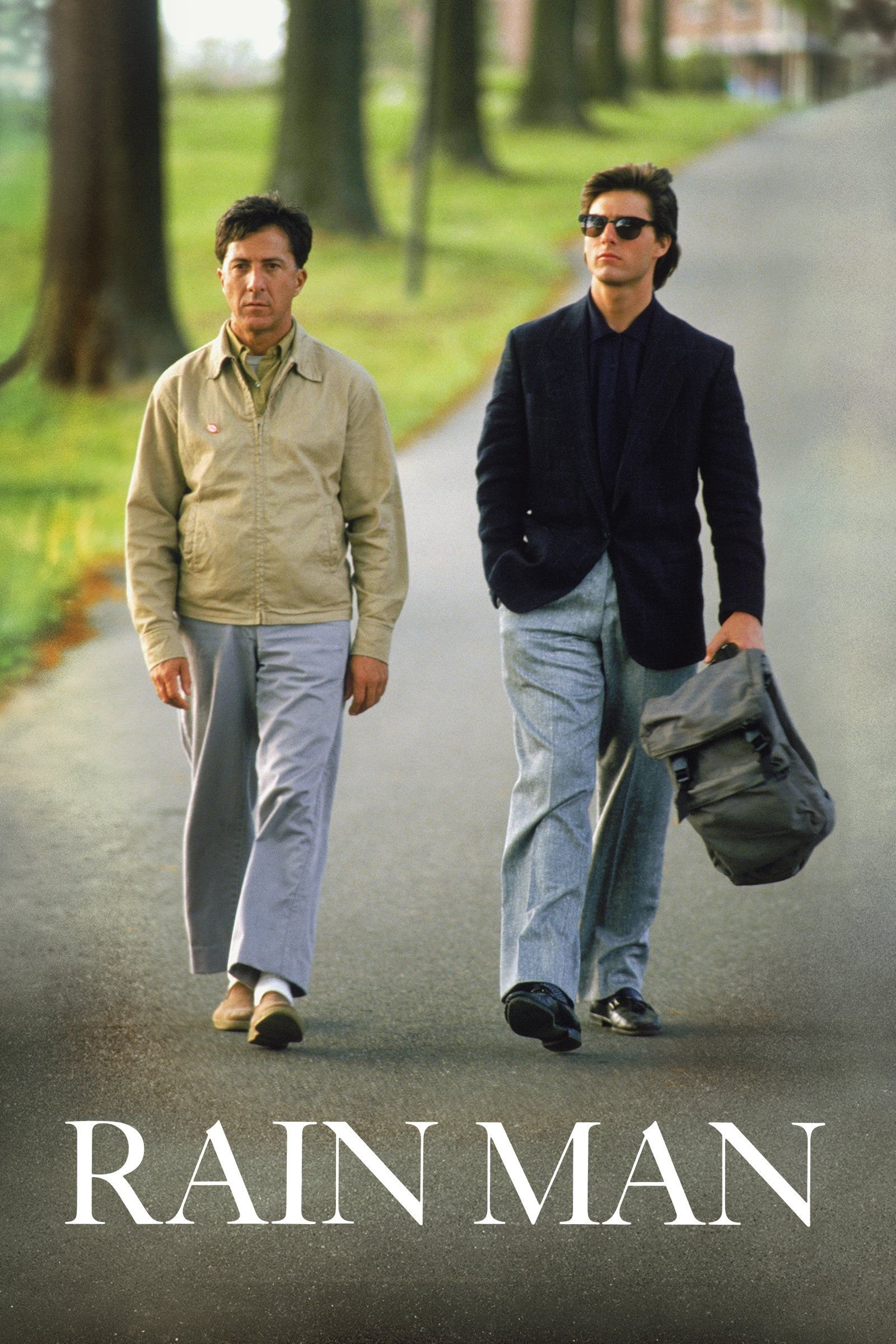
During filming Hoffman and Cruise called the movie two schmucks in a car and constantly worried it would not work. — Bill Simmons
Principal photography happened during the 1988 Writers Guild strike, so the final scene was apparently winged without writers. — Bill Simmons
The ending is questioned as unsatisfying for a Best Picture winner, since it lacks a sappy payoff where Raymond stays with Charlie. — Sean Fennessey
A sentimental Amtrak scene always lands for someone who spent the 80s riding Amtrak between a mom's house and a dad's house. — Sean Fennessey
Card counting is meant to be the climax that brings the brothers close and saves Charlie's business; the ending is neither victory nor defeat, and its ambiguity is liked. — Chris Ryan
Jokes imagine a modern version with Raymond as a Marvel superhero, a Wallbrook driveway epilogue, or Lenny killing Charlie.
Airline versions deleted the airline-accident scene, except on Qantas. — Bill Simmons
Choosing a flight at the airport and hopping on last minute was possible through the late 90s. — Bill Simmons
The film was written by Barry Morrow and Ronald Bass; Morrow created Raymond after meeting real-life savant Kim Peek. — Bill Simmons
Hoffman beat Gene Hackman for Best Actor and hugged him; they were playhouse classmates who shared Hackman's apartment on 2nd Avenue and 26th Street, where Hoffman slept on the kitchen floor before moving in with Robert Duvall on West 109th Street. — Bill Simmons
The three as roommates is pitched as a documentary or original series, compared to LeBron, Wade and Carmelo on one AAU team. — Bill Simmons
Asked whose career they would rather have, one voice picks Duvall and Hackman is picked as well; Hackman was the most liked by other actors; Denzel and Will Smith took movies to work with him. — Bill Simmons
Hackman won a second Oscar for a supporting part in Unforgiven, something Hoffman never did. — Bill Simmons
Duvall is picked as the best storyteller of the three, with Godfather and Apocalypse Now stories.
The Replacements is called a top-five Hackman performance, with scenes apparently done in one take. — Bill Simmons