
Film credit
Harrison Ford
Also referred to as Ford
Stats
- Episodes featuring their films
- 9
- Movies in this archive
- 13
Rewatchables episodes featuring Harrison Ford’s films
Star Wars: A New Hope
1977 film
Bill Simmons · Chris Ryan · Sean Fennessey · Van Lathan
Aired May 6, 2025
Star Wars: A New Hope
1977 film
Bill Simmons · Chris Ryan · Sean Fennessey · Van Lathan
Aired May 6, 2025
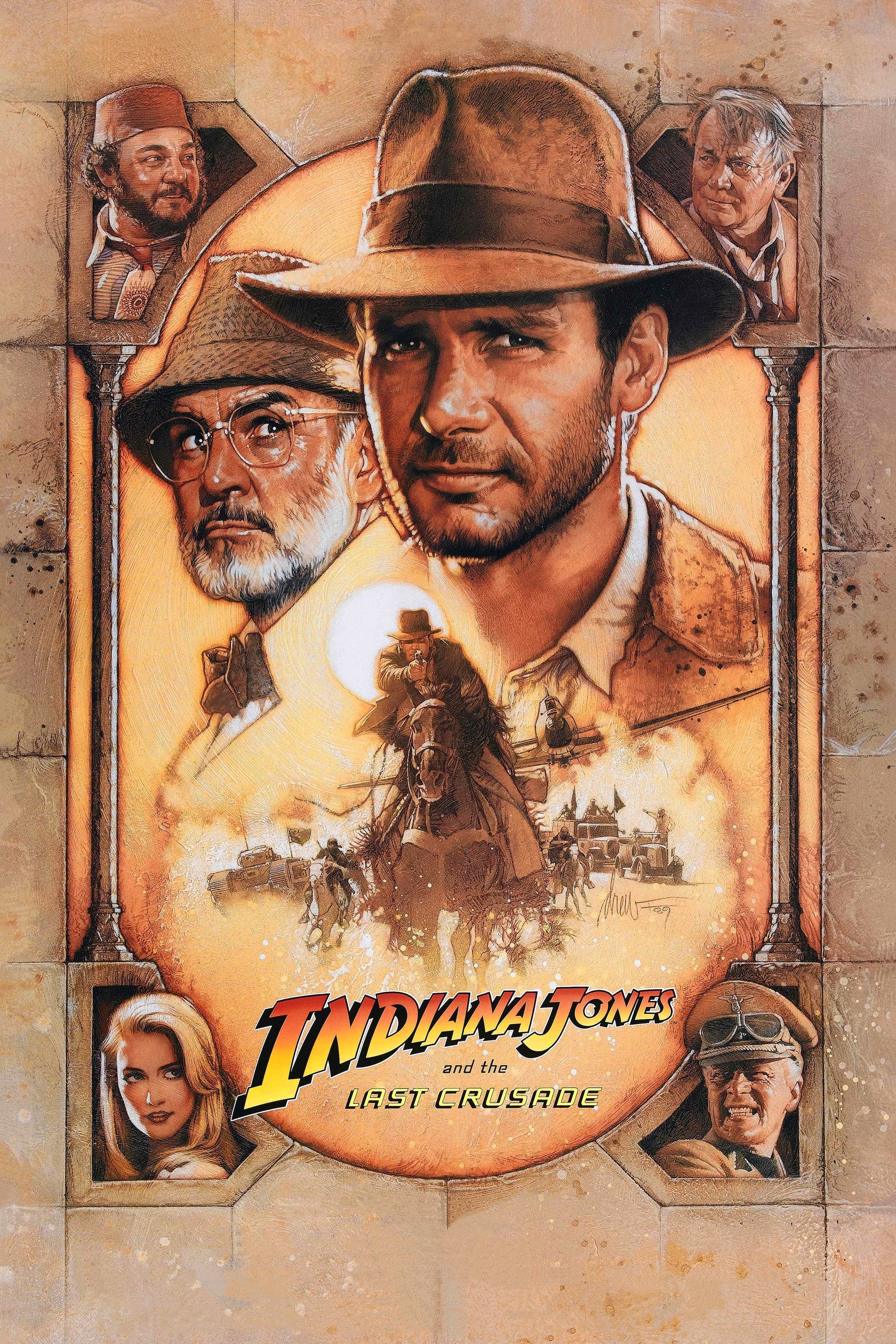
Indiana Jones and the Last Crusade
1989 film
Bill Simmons · Chris Ryan · Sean Fennessey
Aired June 20, 2023
Mentioned in discussions
In the discussion (12)
- Chicago as a filming location
- Seven-month shoot-to-release turnaround
- Helen’s affection for Richard
- Corporate-pharmaceutical villainy
- Tommy Lee Jones’s improvised lines
- Supporting cast, including Joe Pantoliano, Jane Lynch and Julianne Moore
- Bearded versus clean-shaven Harrison Ford is debated
- Nichols’s early villain cues
- James Newton Howard’s score
- Keeping Cosmo alive
- Sela Ward
- Kimble’s acts of kindness


Half-Assed Internet Research
Erika Eleniak’s E.T. appearance, Alabama shooting locations, budget-saving rewrites, Seagal’s Pearl Harbor idea, and the film persuading Harrison Ford to make The Fugitive
In the discussion (7)
- Eleniak’s first feature role was the girl Elliott kissed in E.T. — Bill Simmons
- USS Alabama stood in for USS Missouri. — Bill Simmons
- Mobile-area locations and framing made the limited water appear to be open ocean. — Bill Simmons
- The script was reduced from an estimated $100 million version to a roughly $30 million production. — Bill Simmons
- Seagal proposed incorporating the Pearl Harbor memorial and gathered ships. — Bill Simmons
- Harrison Ford reportedly joined The Fugitive after seeing an Under Siege rough cut. — Bill Simmons
- The production used a blackout barge and visual blocking to conceal the Alabama’s surroundings. — Bill Simmons

Casting What-Ifs
Woody Allen; Steve Martin; Harrison Ford; Baldwin and Basinger; Jennifer Jason Leigh; Depp doubted
In the discussion (6)
- Jennifer Jason Leigh reportedly filmed Marion’s scene but could not return for reshoots because of a Cronenberg film. — Chris Ryan
- Woody Allen was reportedly considered in the1970s; the possibility is dismissed as disastrous. — Sean Fennessey
- Steve Martin was reportedly considered for a1980s sex comedy with a wild and somber quality. — Sean Fennessey
- Harrison Ford was reportedly a top choice, with Harford described as a nod to his name; a late1980s version is considered appealing.
- Alec Baldwin and Kim Basinger were reportedly considered; Basinger’s suitability is questioned.
- Johnny Depp is named as a reported possibility but explicitly doubted. — Bill Simmons
Producer review
Adoration for film and Ford; trilogy continuity; Grail works within the film
In the discussion (2)
- The invited review adores the film, names Raiders as a favorite and Ford as an all-time favorite, and values directors maintaining a trilogy. — Craig Horlbeck
- The invited final Grail response separates skepticism about religion from accepting the device within the movie. — Craig Horlbeck

Who Won the Movie?
Harrison Ford (two choices); Steven Spielberg (one choice)
In the discussion (1)
- Ford receives two explicit final choices and Spielberg one. — Chris Ryan
Podcast choices
- Speaker not identified
- Harrison Ford
- Speaker not identified
- Harrison Ford
Probably Unanswerable Questions
Grail as performance enhancement; Ford’s screen-punching record
In the discussion (2)
- The Grail’s healing is jokingly compared with performance-enhancing drugs. — Bill Simmons
- Ford may have punched more people on screen than any ordinary American-style hero, with martial artists and boxers excluded from the comparison. — Bill Simmons

What’s Aged the Best?
Grail guardians; Nazis; shared lover, qualified; stakes; Hitler autograph; Scottish accent; mythology; Glover
In the discussion (8)
- The secret Grail-protecting order is an appealing adventure concept. — Bill Simmons
- Nazis remain ideal villains, with their leader appearing and the familiar expression of hatred enjoyed. — Bill Simmons
- Father and son both having slept with Elsa is admired as a bold 1989 choice, then complicated by the actors’ age differences. — Bill Simmons
- The warning that Nazi possession of the Grail would unleash evil sets up the stakes effectively, though the claim is teasingly questioned. — Bill Simmons
- Hitler unexpectedly autographing the diary is a smart suspenseful joke. — Bill Simmons
- Ford’s fake Scottish accent before meeting Connery is enjoyed. — Chris Ryan
- The Chronicles of St. Anselm, Grail brotherhood and Templar references create interesting mythology to investigate. — Chris Ryan
- Glover’s convincing villain turn and long screen career hold up. — Sean Fennessey

Apex Mountain
Doody; Ford’s second peak, qualified; Grail’s second peak, disputed; Cross of Coronado, joking
In the discussion (13)
- Crucifixes are rejected as a general peak against Christ and The Exorcist, while the Cross of Coronado receives a narrowly qualified joke claim.
- Ford is not at his overall peak but this belongs to a second career peak.
- The Grail is a joking second peak after the crucifixion; preference between this film and Monty Python’s version remains split.
- Snakes lose to Anaconda for Apex. — Sean Fennessey
- Rats are a possible Apex, with First Blood competing. — Sean Fennessey
- Connery is rejected for Apex. — Bill Simmons
- Spielberg is rejected for Apex. — Bill Simmons
- Lucas is rejected for Apex. — Bill Simmons
- Doody receives yes. — Bill Simmons
- Zeppelins prompt conflicting reactions and alternatives of Black Sunday and Led Zeppelin.
- Rolling severed heads are rejected, with Eight Heads in a Duffel Bag proposed as competition.
- Nazi stooges lose to Raiders’ Toht.
- Donovan’s midday black-tie party is considered second to the Wolf’s Pulp Fiction gathering. — Chris Ryan
Half-Assed Internet Research
Spielberg interviews; abandoned scripts; casting and rewrites; box office; stunts; costumes; rats; Eddison; Stoppard
In the discussion (25)
- Spielberg and Lucas reportedly made a handshake commitment to three Indiana Jones films. — Bill Simmons
- In a 1989 Premiere interview Spielberg criticized Temple of Doom as too dark and impersonal and described the next film as an apology. — Bill Simmons
- Spielberg’s Premiere remarks show growing willingness to attempt material unlike his established films, using Raging Bull as the example. — Bill Simmons
- Spielberg was considering Big and spent five months on Rain Man before Last Crusade, creating a major career counterfactual. — Chris Ryan
- Spielberg said overseeing Amblin films such as Gremlins, Back to the Future, Who Framed Roger Rabbit, The Money Pit and Amazing Stories reduced his own directing output. — Bill Simmons
- Spielberg’s Premiere interview praises Casualties of War and Scorsese’s risk-taking while worrying that everyone is taking risks except him. — Bill Simmons
- Lucas’s early Monkey King treatment and Columbus script included a Nazi bar owner, undead combat and deadly human chess; concerns about depicting African people helped end that direction. — Bill Simmons
- Connery reportedly reshaped a more elderly, crotchety father into a roaming scholar with more vitality.
- The reported budget is $48 million and worldwide gross first $472.2 million, then approximately $450 million; it is described as the worldwide annual leader. — Bill Simmons
- The film won sound-effects editing and received other Oscar nominations. — Bill Simmons
- The Siskel and Ebert episode also covered Miracle Mile, Pink Cadillac and Road House; both rejected Road House, and Siskel rejected Last Crusade as too familiar. — Sean Fennessey
- Ford coached Phoenix’s gestures and mannerisms and recommended him after The Mosquito Coast.
- The adventurer in the opening was reportedly intended as Abner Ravenwood, Marion’s father and Indy’s alternative mentor; making that explicit would strengthen the origin. — Sean Fennessey
- The stated filming ages are Ford 46, Connery 58 and Doody 21. — Sean Fennessey
- Brody was reportedly made much goofier than in the first film, despite Elliott’s acting stature. — Sean Fennessey
- The Young Indiana Jones television series began in 1992 and reportedly sought Phoenix, who declined. — Bill Simmons
- The knight’s actor, Robert Eddison, is described as a distinguished stage performer returning to screen after a 1948 appearance; this is a reported claim. — Sean Fennessey
- Ford performed many stunts and reportedly impressed stunt professionals enough to imagine an alternate stunt career. — Chris Ryan
- Elliott reportedly had AIDS and was ill during production; his 1992 death is recalled. — Bill Simmons
- Many Nazi uniforms were reportedly authentic items found in Germany. — Bill Simmons
- Rats were bred to avoid disease, with conflicting counts of 2,000 and 7,000 acknowledged. — Bill Simmons
- A Jackson set visit with a child is recounted through claims from Leaving Neverland, including meeting Ford and trying the whip; these remain reported documentary allegations. — Bill Simmons
- The reported body count is 50, including 13 by Indy, above the participants’ initial estimates. — Bill Simmons
- Phoenix and Connery both died on Halloween, in 1993 and 2020 respectively, a 27-year gap.
- Stoppard’s uncredited dialogue contribution is reported, possibly almost all dialogue according to an uncertain remembered Spielberg statement; the father-son exchanges are praised.

Casting What-Ifs
Streep as Ripley; Ford as Dallas; Cartwright casting confusion
In the discussion (6)
- The screenplay reportedly wrote the crew as men while explicitly making all roles interchangeable; Ripley was not originally specified as female.
- Meryl Streep reportedly competed with Yale classmate Sigourney Weaver for Ripley but was mourning John Cazale; the panel believes Streep could have played the part.
- Weaver's imposing physical presence distinguishes her from the imagined Streep casting, though Streep's acting ability is not doubted. — Bill Simmons
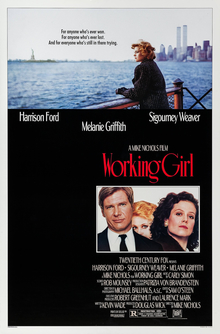
- Harrison Ford reportedly declined Dallas; a speaker believes Ford would improve the acting and chemistry with Weaver, anticipating their Working Girl pairing. — Bill Simmons
- Veronica Cartwright reportedly arrived in England believing she would play Ripley and learned during wardrobe fitting that she was Lambert; the panel expresses disbelief at the miscommunication. — Bill Simmons
- An anecdote says John Hurt lost another film after being mistaken in South Africa for a similarly named apartheid opponent, then became available for Alien after the replacement actor developed diabetes; the transcript does not reliably distinguish the two names.

Producer review
Horowitz wins; stronger after detention arrival
In the discussion (3)
- The producer explicitly chooses Horowitz as his own winner and wants a spinoff. — Chris Ryan
- The producer found the opening slightly cheesy but became fully engaged by the detention ensemble; trimming the first thirty minutes to twenty is supported. — Chris Ryan
- Penn’s believable roughness is contrasted with more manufactured contemporary leading-man images, with Harrison Ford and Jeff Bridges as comparable older stars. — Chris Ryan

In the discussion (22)
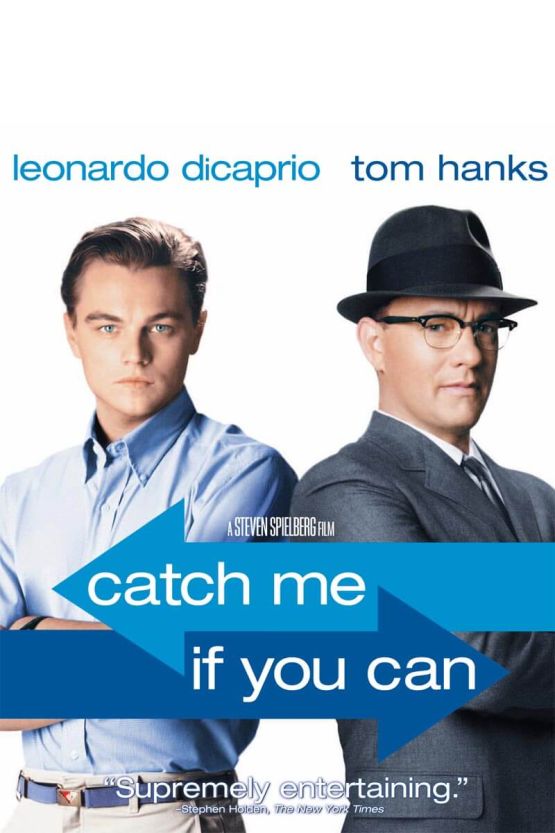
- The first-great-DiCaprio-performance hot take argues that this film depends more fully on him than Titanic or Romeo + Juliet; This Boy's Life is offered as an earlier exception. — Sean Fennessey
- Hanks's greatest-actor claim is questioned through weak accents, while his extraordinary movie-star run, popularity and success are defended; Cruise and Denzel are personal alternatives. — Bill Simmons
- Accent objections name Elvis, Charlie Wilson's War, The Post, Captain Phillips, The Terminal and Cloud Atlas, with disagreement over Captain Phillips. — Bill Simmons
- Carl's composite identity makes the accent unnecessary; the performance is placed low in Hanks's career despite affection for his presence. — Bill Simmons
- Hanks's two Oscars and serious films are weighed against Cruise's cultural force and comeback; Forrest Gump's standing draws disagreement. — Sean Fennessey
- Hanks's likability and storytelling are distinguished from greatest-actor status; Cruise's potential in Big or Cast Away is debated, while Greyhound illustrates a sturdy role Hanks handles well. — Sean Fennessey
- Cruise's consistent charismatic action lane is contrasted with Hanks's risky character work; hypothetical swaps include Philadelphia, Forrest Gump, Big, Mission: Impossible, Days of Thunder, Edge of Tomorrow, Minority Report, Taken, Eyes Wide Shut and A Few Good Men, with disagreement over equivalence.
- Hanks is defended as the more accomplished actor while Cruise's longevity and Denzel's comparable stature complicate the comparison. — Bill Simmons
- Hanks's post-Catch Me filmography is enumerated: The Ladykillers, The Terminal, The Polar Express, The Da Vinci Code, Charlie Wilson's War, Angels & Demons, Larry Crowne, Extremely Loud & Incredibly Close, Cloud Atlas, Captain Phillips, Saving Mr. Banks, Bridge of Spies, A Hologram for the King, Sully, Inferno, The Circle, The Post, Greyhound, A Beautiful Day in the Neighborhood, News of the World, Finch and Elvis. Cloud Atlas and the later dad-film run draw qualified defense. — Sean Fennessey
- A Man Called Otto is acknowledged as a hit and praised by a family member, while another speaker calls it only okay and a close Scandinavian remake. — Sean Fennessey
- Cruise's commercially bigger career is distinguished from Hanks's better career; comparing their 1988–2001 peaks prompts suggested Oscars for Hanks in Cast Away and Cruise in Jerry Maguire and Magnolia.
- Denzel's paycheck films, including The Equalizer, Déjà Vu and The Taking of Pelham 123, are considered more entertaining; Hanks's self-imposed Jimmy Stewart image may constrain his roles.
- Cruise losing for Magnolia to Caine in The Cider House Rules and for Jerry Maguire to Rush in Shine is challenged; Jude Law's Ripley performance is admired but placed below Cruise's Magnolia work. — Bill Simmons
- Hanks's consecutive Philadelphia and Forrest Gump Oscars strengthen his case; Denzel's Glory and Training Day wins are recalled with Malcolm X considered another deserved award. — Sean Fennessey
- Cruise's 2005-onward filmography is enumerated: War of the Worlds, Mission: Impossible III, Lions for Lambs, Tropic Thunder, Valkyrie, Knight and Day, Ghost Protocol, Rock of Ages, Jack Reacher, Oblivion, Edge of Tomorrow, Rogue Nation, Never Go Back, The Mummy, American Made, Fallout and Maverick; several weak films temper the franchise-success defense. — Bill Simmons
- Hanks's willingness to experiment is defended against Cruise's safe action lane, while Cruise's ongoing audience appeal and perceived rescue of theatrical movies are counterarguments; longevity versus peak quality is compared with basketball greatness. — Bill Simmons
- Cruise's 1990s-to-Minority Report run is compared with Hanks's peak, with The Others explicitly corrected as only an executive-producing credit; Toy Story is considered a decisive Hanks asset. — Chris Ryan
- Cruise's film library is the preferred desert-island entertainment choice for one speaker, while De Niro is called the best actor of that speaker's lifetime; Daniel Day-Lewis's great performances are distinguished from rewatchability. — Bill Simmons
- Weak later films and Hanks's lack of a Michael Mann collaboration enter the debate; both stars may be trapped by personas, but Cruise's stunts are considered more entertaining than Hanks's accents. — Bill Simmons
- The proposed top tier includes Cruise, Hanks and Denzel, before Harrison Ford's placement is debated. — Bill Simmons
- Ford's capacity for morally compromised sexuality is contrasted with Cruise's usual innocence; Hanks is urged to try a direct villain role without hiding behind makeup and accents. — Bill Simmons
- The industry's shift away from movie stars is offered as context for older stars' weaker later work; DiCaprio's future is compared with Nicholson's transition, including disagreement over Wolf and Hoffa. — Sean Fennessey
Films in the archive

Air Force One
1997


Apocalypse Now
1979
Indiana Jones and the Last Crusade
1989

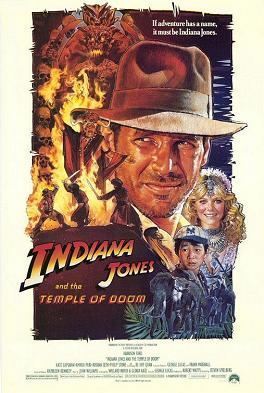
Indiana Jones and the Temple of Doom
1984
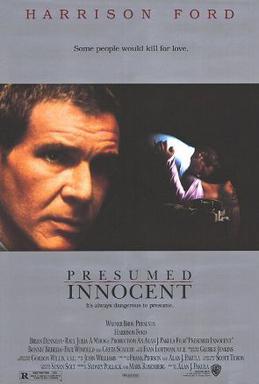
Presumed Innocent
1990

Raiders of the Lost Ark
1981

Star Wars: A New Hope
1977
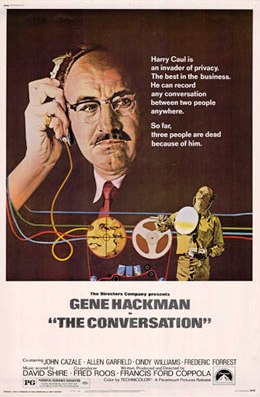
The Conversation
1974

The Empire Strikes Back
1980

The Fugitive
1993

What Lies Beneath
2000

Witness
1985