
Film credit
Bill Paxton
Also referred to as Paxton, Bill Pax
Stats
- Episodes featuring their films
- 11
- Movies in this archive
- 12
Rewatchables episodes featuring Bill Paxton’s films
Mentioned in discussions

The Dion Waiters Award for Best Heat Check Performance
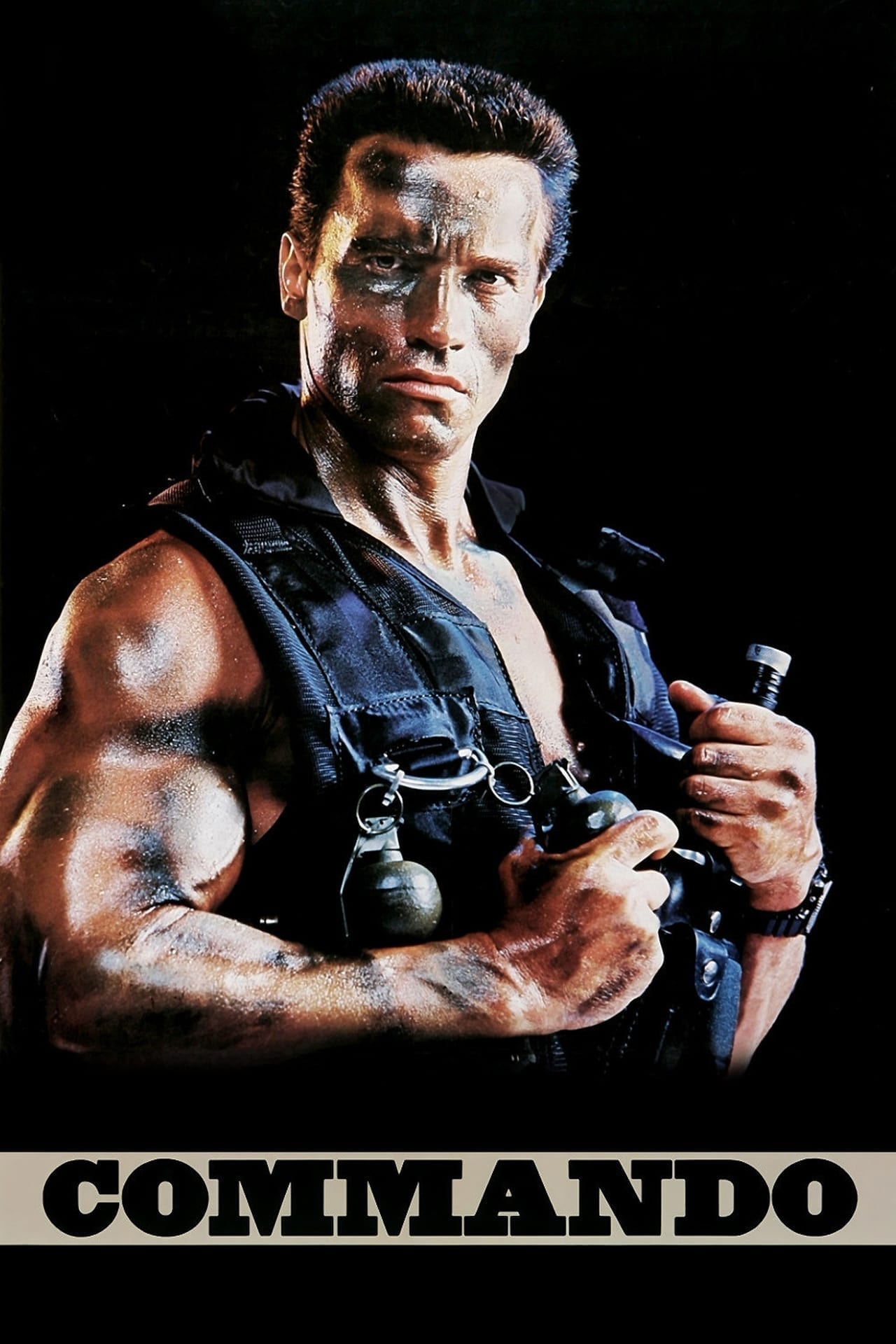
Bill Duke; the mall security guard
In the discussion (3)
- Bill Duke plays about 12 minutes and dominates, and he wins by being good rather than outrageous; his Green Beret threat is believable.
- Another submission is the mall security guard on the radio describing a six-foot-two 'gigantic' suspect after asking girls if they want to see him kick some ass. — Kyle Brandt
- He is compared to Talen Horton-Tucker ('Taylon' in the transcript), and it is asked why Bill Paxton did not play that part. — Bill Simmons

What’s Aged the Best?
Bill Duke's opening scenes; mid-80s malls; Arnold's secret gun shed; Bill Paxton cameo; Arnold's one-liners; the borrowed 48 Hours theme; Rae Dawn Chong
In the discussion (9)
- Bill Duke's three quick opening scenes, mid-80s malls and Arnold's secret gun shed are loved. — Bill Simmons
- Bill Paxton's out-of-nowhere cameo ('We lost them, sir') is praised; Paxton had a scene with Arnold in The Terminator, and the guess is Arnold wanted him around.
- Arnold's one-liners are top of the game: 'I'll be back, Bennett', the Sully 'kill you last' and 'I lied' callback, 'I let him go', 'We'll take Cook's car' and 'Let off some steam, Bennett'; he reportedly had more ad libs in deleted scenes; the cliff scene was considered for this list and called more of a what's-aged-the-best item. — Bill Simmons
- Commando unapologetically lifts the 48 Hours steel-drum theme; for a devoted 48 Hours viewer it is jarring but also a reminder of that film. — Bill Simmons
- Rae Dawn Chong is the pick: funny, doing fight commentary during the Bill Duke fight and freaking out in the car, a great balance for Arnold; Justin Long in the Die Hard franchise is cited as a later version of the idea. — Shea Serrano
- Seconding the pick: she fires a rocket, there is no romance with Arnold, and the director says they auditioned widely, including Sharon Stone; a planned romantic scene was cut over concerns about southern audiences reacting to a Black woman and a white man. — Kyle Brandt
- The Golden Child's love scene with Charlotte Lewis was cut for similar reasons; casting Chong rather than the white girl du jour was inspired. — Bill Simmons
- In the mid-80s it was a novelty that she was Tommy Chong's daughter; some once assumed Chong was Mexican because of Cheech. — Bill Simmons
- Her career illustrates old Hollywood: Soul Man, then within five years a Melrose Place arc, and it never happened for her.

The Dion Waiters Award for Best Heat Check Performance
Rick Rossovich beats Bill Paxton for the heat check through a phone call, sex scene, fearless underwear fight, and unrealized post-Top Gun momentum.
In the discussion (2)
- Paxton makes a strong 30-second case, but Rossovich has more material and returns to fight an enormous intruder without hesitation.
- Losin’ It, Streets of Fire, The Terminator, Top Gun, and Roxanne looked like the start of a larger career that did not arrive. — Bill Simmons
What’s Aged the Best?
The title, Arnold’s casting and dialogue, the gun-shop scene, supporting actors, synth score, romance, practical effects, and the unkillable-villain structure
In the discussion (8)
- The two-word title is praised as perfect, direct, sequel-friendly 1980s naming.
- Arnold as a robot is called A-plus casting, and the gun-shop inventory scene turns his delivery, scale, and Dick Miller’s salesmanship into repeat-viewing pleasure.
- Bill Paxton’s brief punk appearance, including his distinction as a Terminator/Alien/Predator victim, is a treasured cameo. — Bill Simmons
- Arnold’s pronunciation of Sarah Connor, Lance Henriksen and Paul Winfield’s overqualified cops, and Cameron’s dark Los Angeles atmosphere remain distinctive. — Bill Simmons
- “Fuck you, asshole,” the address demand, and especially Cameron refusing Arnold’s requested “I will be back” rewrite preserve his signature vocal comedy.
- Brad Fiedel’s synth pulse is picked as an enduring musical trigger despite its inexpensive-sounding era-specific tools.
- Kyle’s claim that he crossed time for Sarah gives the romance enormous stakes, while the explicit hotel scene remains narratively essential because it conceives John Connor.
- Stan Winston’s practical effects and Arnold’s effortless disposal of a visibly strong Rick Rossovich sustain the machine’s threat.

Most Rewatchable Scene
Tech Noir
In the discussion (8)
- Early candidates include every Ginger scene, Bill Paxton’s arrival, and Rick Rossovich returning from a plate-glass-window throw to keep fighting in his underwear.
- Tech Noir combines indiscriminate danger, slow-motion club imagery, Sarah recognizing both pursuers, Kyle’s rescue, and the reveal that shotgun blasts cannot stop Arnold. — Bill Simmons
- Kyle’s tunnel explanation of Skynet, extermination, and Sarah’s unborn son is praised as exposition that should fail but succeeds through writing and performance. — Bill Simmons
- The Terminator repairing his arm and eye is remembered as astonishing 1984 practical work whose crudeness now adds charm; sunglasses make the puppet face convincing. — Shea Serrano
- The police-station assault turns flimsy PCP explanations into a brutal crash-and-shootout showcase whose sound improved with later formats. — Bill Simmons
- The oil-tanker chase, delayed explosion, and endoskeleton emerging from fire create a false ending and reset the rules again.
- The Mexico coda completes Sarah’s transformation and pays off the photograph Kyle had carried without explaining away the causal loop.
- Two hosts explicitly choose Tech Noir, and the third centers his favorite quality on that scene’s revelation of how hard the machine is to kill.

Casting What-Ifs
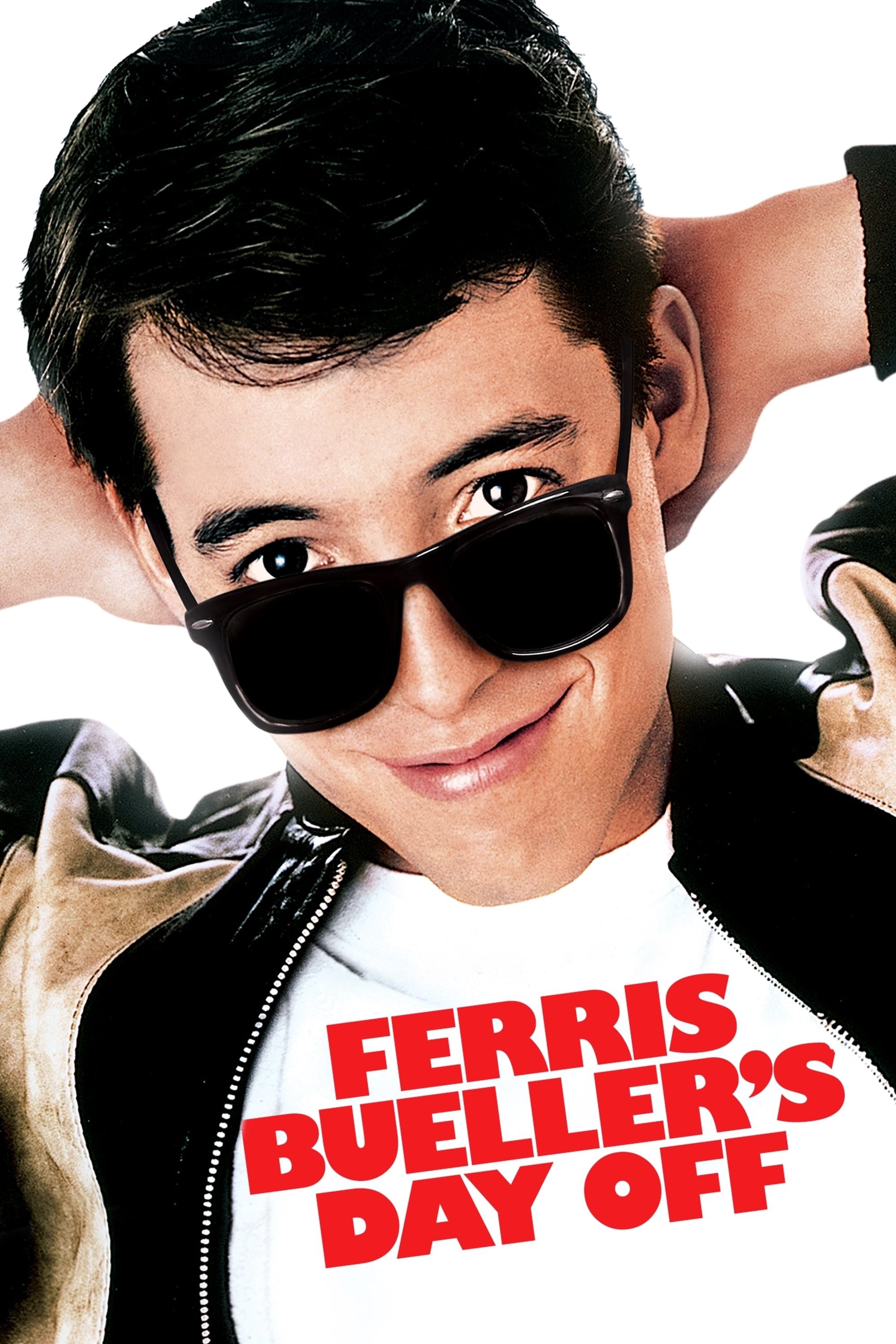
Emilio Estevez as Cameron; Molly Ringwald as Sloan; John Cusack as Ferris; Bill Paxton as the garage attendant; Paul Gleason as Ed Rooney
In the discussion (9)
- Estevez turned down Cameron; he could have done it, since his Breakfast Club jock has dad problems, but the result with Ruck is preferred.
- Estevez, fresh off Repo Man, would have played a punk-rock version rather than Ruck's Cameron. — Chris Ryan
- Ruck had auditioned for Bender, which would not have worked. — Bill Simmons
- Molly Ringwald wanted to play Sloan; per the hosts, Hughes wanted Mia Sara for her elegance and maturity, and telling Ringwald the part was too small is what you say when you do not want to cast someone. — Bill Simmons
- Hughes had only Broderick in mind; the backup is said to be John Cusack, who got his iconic high schooler as Lloyd Dobler in Say Anything. — Bill Simmons
- Anthony Michael Hall told Vanity Fair his relationship with Hughes ended after Weird Science and believes roles including Ferris were written for him; one host doubts this, another believes it and calls Hughes vindictive. — Bill Simmons
- Bill Paxton was offered the garage attendant, turned it down as too small, regretted it, and was never offered another Hughes role. — Bill Simmons
- Paul Gleason was considered for Ed Rooney; as Dick Vernon he would presumably be on administrative leave after the Breakfast Club detention. — Bill Simmons
- Gleason would have been distracting; Jeffrey Jones's sitcom, Laurel-and-Hardy energy was the right choice over Gleason's A1-asshole energy. — Sean Fennessey
Recasting Couch
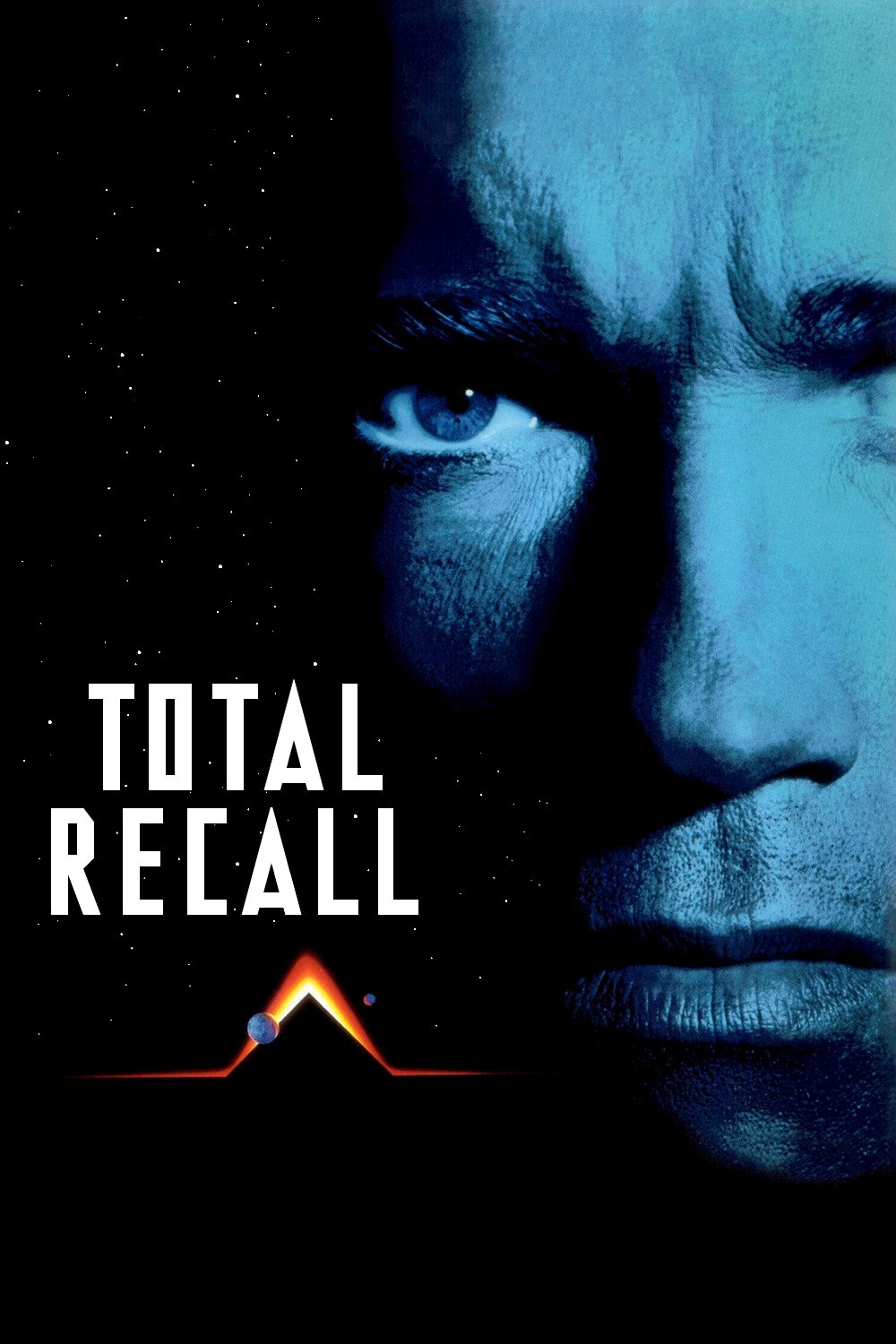
Bill Paxton as the Rekall salesman
In the discussion (4)
- Bill Paxton is proposed for the Rekall salesman who talks Quaid into the vacation. — Bill Simmons
- An objection: Paxton was too young in the Aliens era; the role needs a sleazy 40-something used-car-salesman type, and he lacked the gravitas to talk Quaid into the chair. — Jason Concepcion
- A rebuttal: Paxton's voice makes him someone who could talk you into anything. — Jason Concepcion
- David Caruso is nominated but judged too sinister; Judd Nelson is judged too weird, and Paxton is called the right move.

In the discussion (2)
- The award is first misnamed after Julianne Moore before the hosts riff on Vincent Hanna lines and joke about doing it on Zoom during Corona. — Sean Fennessey
- Paxton is floated, but the award goes to Charlotte Riley, "no disrespect", for going to the max, and the hosts settle there. — Sean Fennessey
In the discussion (4)
- Only one name is written down: Gleeson. — Chris Ryan
- Paxton is raised as an alternative, noting the hosts had mentioned Aliens three times without discussing him; Gleeson is still the choice. — Chris Ryan
- The late Bill Paxton is praised as an icon of One False Move, Aliens and Near Dark, doing a bit of R. Lee Ermey and Hudson from Aliens and crushing the repeated Farell speech; he's never done anything but make a movie better. — Chris Ryan
- In a making-of featurette, Blunt and Cruise love Liman's chaotic style while Paxton, a veteran of James Cameron movies such as True Lies, looks uneasy as Liman rewrites his lines between takes, though he stays respectful. — Sean Fennessey

In the discussion (13)
- Kurt Russell first, with the reminder that the question is the highest point of his career, not the favorite: one case is The Thing in 1982, after Escape from New York and with Silkwood, Swing Shift and Big Trouble in Little China coming; a no is cast because Escape from New York was only later a cult hit, raising whether apex is judged at the time or on reflection.
- Reading about Tombstone makes it sound like Russell was able to finance the movie coming off Backdraft, a relatively big hit he starred in, likened to LeBron in the 2018 Finals; a controversial case is made for Tango and Cash, when after the well-liked Tequila Sunrise with Michelle Pfeiffer a hit with Stallone, an absolutely ridiculous movie only those two could pull off, left him looking like an A plus list star.
- Tango and Cash was not a huge hit, costing $55 million and making $66 million, though $55 million in 1988 is like $160 million today, and it is not that good; the counter is that it opened up Backdraft and his ability to finance Tombstone; the actual answer may be that there was no apex at all, a range of rolling hills, which is what is cool about his career.
- Russell was nominated for Best Supporting Actor for Silkwood, which is why his Apex Mountain is around The Thing in 1982 or 1983, when Escape from New York was becoming a cult movie. — Sean Fennessey
- Whether Russell was ever Oscar-nominated is disputed, Miracle floated and rejected, until the Silkwood nomination is recalled; the host who forgot it concedes, a 180 the others tease.
- Russell could have had a different career as a serious dramatic actor rather than leaning into the masculine hero; he and Harrison Ford are cut from the same cloth, smart throwbacks to Paul Newman charisma, but Ford got two franchises while Russell alternates three good films and three bad; he is also just a good-looking dude, at his most handsome here, a man who should be on a poster.
- Val Kilmer: a no, with Top Gun imagined as his apex, since coming out of it people saw him neck and neck with the star, though another calls that the star's movie and goes Heat, where as De Niro's wingman in the biggest mid-90s movie he is the next wave; his pre-Batman run is traced through True Romance, Tombstone, The Real McCoy, Thunderheart and The Doors.
- 1987 right after Top Gun is floated, when Willow was hopefully going to be his Han Solo and did not work out; one host's personal apex for him is The Doors, where he was out of control, and a Doors rewatchable is wanted, though JFK would have to come first among the Oliver Stone movies.
- Jason Priestley is a thousand-percent yes: 90210 was never bigger, he is in a movie with Kurt Russell and Val Kilmer and has a couple of heat-check scenes, the steepest mountain of all time, very high with a precipitous drop on either side; a caution that a later show (transcribed 'Natuna') was big for three and a half years does not change the view that this literally was his Apex Mountain and his first dabbling in movies.
- Dana Delaney's apex has to be China Beach, which was probably already gone by this point, so she is not a yes; nobody else is proposed except George Cosmatos as ghost director, already covered, with the joke of a Ringer video secretly directed by someone else.
- The late Bill Paxton: this is not a Mount Rushmore Paxton performance next to Aliens, Near Dark, One False Move, Weird Science, True Lies and Twister, though it may be his sweetest spot while figuring out how to be Bill Paxton; in Aliens Sigourney Weaver is the hero but Paxton and Biehn would in any other world have been the stars, and One False Move is incredible though arguably Billy Bob's movie too.
- Twister was Hollywood's first concerted effort to make Paxton a major star, marketed with Helen Hunt and Philip Seymour Hoffman as people who were going to be stars rather than actual stars; the shift from needing a movie star to needing a tornado, meteor or alien invasion is traced to Speed, where Keanu was the guy and Sandra Bullock turned out to be one of the biggest stars of the next twenty years.
- Paxton is one of the all-time great number two or three guys: here he sets picks and makes a couple of corner threes, telling Wyatt he is the one, spits a lot, works the scorer's-table handshakes at the start, and gets the 'hey' when Doc responds to Wyatt's description of his new wife with 'pure as the driven snow'.

What’s Aged the Best?
The real mustaches; the loaded cast; Dana Delaney; the 1880s Wild West world-building; the closing credits; the Val Kilmer era; what the film shows of tuberculosis; Joanna Pacula; Billy Bob Thornton
In the discussion (15)
- The mustaches, all real and magnificent: an hour and a half in, one host wonders why nobody wears hats and mustaches now and says producer Craig should have one right now; another cannot grow one, Kurt Russell can grow incredible facial hair, and a Christmas challenge is set to grow a Tombstone mustache or goatee for the fans.
- Powers Booth and Val Kilmer actually have a soul patch with a mustache rather than goatees; the challenged host is in, even though a mustache makes him look like a dirtbag cop from 1974, which is when the challenger feels most like his friend, like being friends with Gene Hackman.
- The crazy loaded cast, already discussed, and Dana Delaney, whose good career felt like it could have been better; a China Beach fan likens her to Carla Gugino, first said as 'Carlo Gugino' and mocked as a Fellini actor and the Godfather toll-booth gunman, as a why-aren't-you-a-bigger-star actress, asking why Demi Moore was so much bigger.
- Delaney had a bigger career than Gugino, whom everyone loves, but should have been an A list star; this was the one time a big movie made her the female lead, Exit to Eden being the joke about where it went wrong, and she remains one host's second-favorite actress in the film.
- The 1880s Wild Wild West world-building: liquor, brothels, gambling, hats and mustaches; the Godfather tone Russell talked about shows in Wyatt moving in, taking over the faro game (transcribed 'Pharaoh') at the Oriental and winning the deeds to mines, a man who stands for law and order screwing people out of things because fame left the Earps with nothing to show for it.
- The film is called the bridge from John Ford Westerns to Deadwood, one of the first Westerns full of people cursing each other out and then shooting somebody in the head; the blood in the Bill Paxton scene and Sam Elliott being told he will never use his arm again were new and intense for a Western.
- The closing credits, four solid minutes of the cast walking in their outfits for no reason like a Vanity Fair photo shoot, are unintentionally funny but cool, compared to a Countdown segment one host once shot with Jalen.
- That era of Val Kilmer, all the way through Heat, is savored like old Fab Five tapes from Michigan: it did not totally work out, but if you could bottle this there was something special, and he really should have been a bigger star.
- Why the film is special: you can watch the other actors recognize what Kilmer is doing and change their performances to elevate his, making themselves more buttoned-down and austere, solid American oak, while he is free jazz, a coughing, sweating, feverish, green Byron or Shelley figure; the Kansas Earps versus Georgia Doc contrast is credited, with colleague Amanda Dobbins invoked as the poetic Georgian, and tuberculosis explaining the rest.
- Kurt Russell's Wyatt is looking for a wife who gets him and stokes his soul, but the real partner is Holliday, from the first 'how the hell are you' line; the friendship is the love story at the center of the movie, an amazing portrayal of it.
- Revisiting the 1993 Best Supporting Actor field (Tommy Lee Jones, DiCaprio, Ralph Fiennes, Malkovich, Pete Postlewaite), it is amazing Kilmer was not nominated, though the category was stacked; Malkovich is good in In the Line of Fire but not as memorable, and with the wished-for five-year Oscar delay Kilmer gets nominated.
- The film was a modest hit that took on a new life: one host is not sure he saw it in theaters despite seeing everything then, another definitely did over Christmas break when movies were the only thing to do, and another watched it maybe 25 times in a friend's basement because it was always on TV.
- The tuberculosis vaccine has aged best, in the sense that the film shows how much having tuberculosis sucked: Doc turns green, coughs blood, is insulted as a 'lunger' by everyone, and keeps smoking and drinking whiskey around the clock until the doctor orders no more whiskey, cigarettes, sex or gambling.
- Joanna Pacula, whose name nobody can pronounce, is the last pick: she was around for a while as a why-not-bigger actress and then just never made it, her credits being Marked for Death (transcribed 'Mark for Death') with Steven Seagal, Tombstone and My Giant; while her credits are looked up, Kilmer's 'I have not even begun to defile myself' is performed, his accent likened to Yosemite Sam reading Oscar Wilde, ridiculous but perfect.
- Asked again later, Billy Bob Thornton is one host's answer; another sticks with the mustaches.

What’s Aged the Worst?
The 135-minute runtime; the twelve-minute theater sequence; the picnic scene; Bill Paxton's slow-motion death scene; the unstructured violence of the final act; the fiercely independent portrayal of Dana Delaney's character
In the discussion (8)
- The 135-minute runtime: about twenty minutes would have been chopped, starting with the theater scene, which could have been 45 seconds; they do two plays that night, a reading from Henry V and Faustus.
- A defense of the theater scene: it shows why Jason Priestley's character is loyal to men he probably should not befriend, the constitution of the town and who is in charge, and that Wyatt Earp is officially out of the game when the mayor introduces himself; twelve minutes is still probably unnecessary, but the Priestley point wins the objector over.
- Priestley sitting beside Powers Booth is read as a stan, just a big fan; the movie opening with the cowboys executing a wedding party is liked as a way to set the tone for how bad somebody is, with the joke that it copies Three Amigos and that is why Kevin Jarrett (as transcribed) was fired.
- Three stretches of intense, unstructured violence, especially the end where it is unclear what they are trying to accomplish and the heroes are just murdering people, are called the George Cosmatos effect, the film turning into Cobra or Rambo for five minutes; the opening sequence itself is fine and sets up a gnarly, bare-knuckled, masculine movie.
- The theater was too long; the film is called weirdly woke about a woman's place in the old West, Dana Delaney playing a fiercely independent woman; another notes that Wyatt leaving Maddie for the actress is the real story and is also in Wyatt Earp, though doubt is cast on how independent she really was.
- Their picnic scene sucked: nobody comes to Tombstone for picnics, and the late-80s, early-90s habit of establishing a romantic connection is unnecessary when we already get that they like each other.
- Bill Paxton's slow-motion death scene is really bad and dated, one of several very long deaths that would be done differently in 2018.
- Asked again later, the 135 minutes is still the answer: it is way too long.
Films in the archive

Aliens
1986




Apollo 13
1995
Commando
1985
Edge of Tomorrow
2014

Predator 2
1990

Stripes
1981
Titanic
1997
Tombstone
1993

True Lies
1994
Twister
1996
U-571
2000

Weird Science
1985