
Film credit
Al Pacino
Also referred to as Pacino
Stats
- Episodes featuring their films
- 16
- Movies in this archive
- 17
Rewatchables episodes featuring Al Pacino’s films


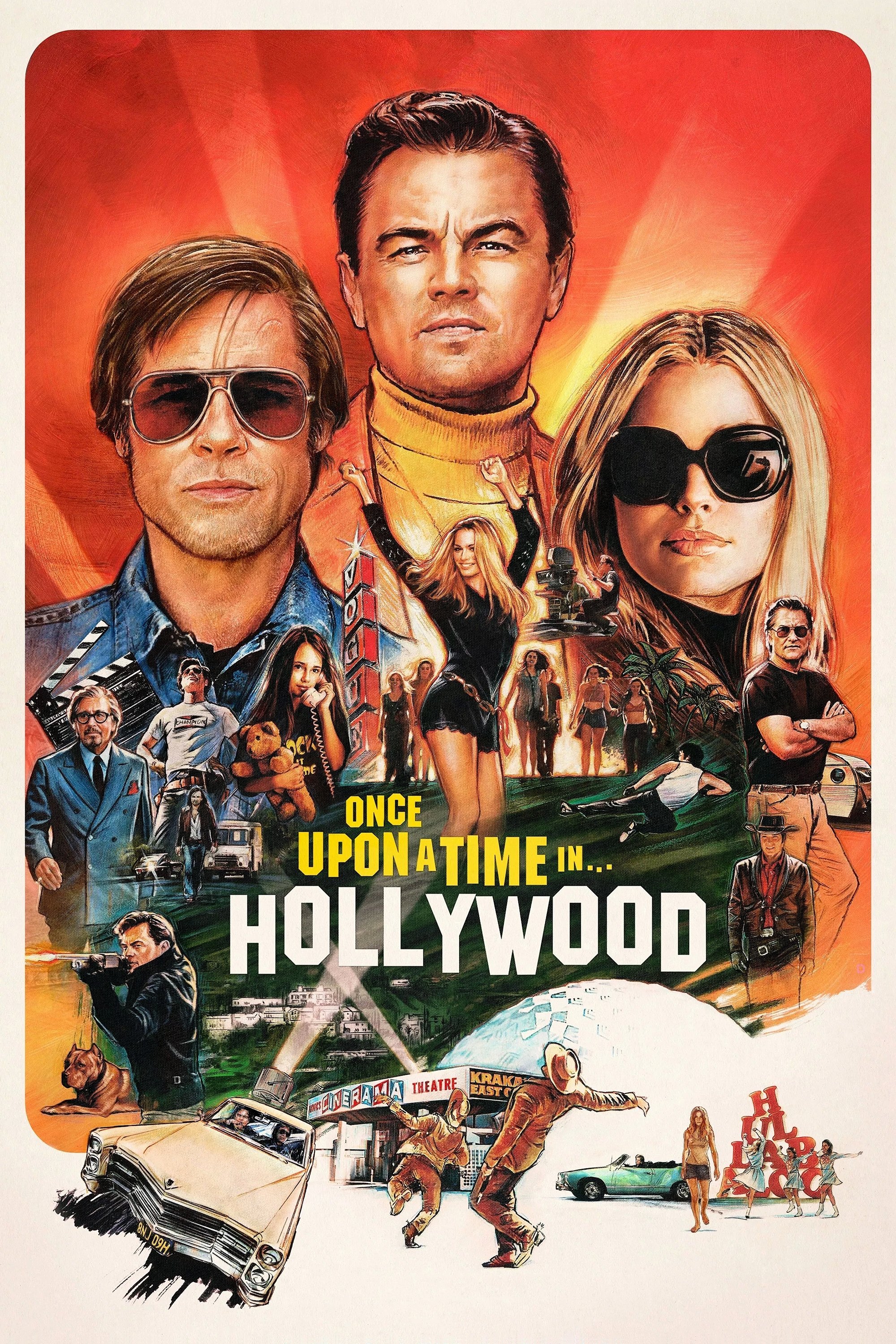
Once Upon a Time in Hollywood
2019 film
Bill Simmons · Sean Fennessey · Chris Ryan
Aired February 6, 2020
Mentioned in discussions


Most Rewatchable Scene
The heists, diner encounters, crew debate and final handclasp
In the discussion (14)
- The first armored-car robbery and Big Boy diner confrontation establish a ruthless crew — Michael Mann
- Mann says Kevin Gage encouraged actual head contact in the diner scene — Michael Mann
- Eady’s expression and Neil moving a seat closer make their first encounter compelling — Michael Mann
- Tom Sizemore’s commitment in the heist debate is a standout — Michael Mann
- Mann explains that the transmission-station location would interfere with surveillance bugs — Michael Mann
- The Pacino/De Niro diner meeting is the central acting showcase — Michael Mann
- Mann filmed both leads together using three cameras; he rejects the body-double rumor — Michael Mann
- Neutral restaurant colors and tight reverse angles foreground the faces — Michael Mann
- Mann avoided emotional rehearsal to preserve discovery during filming — Michael Mann
- Chris Ryan singles out Hanna’s vulnerability disarming Neil — Michael Mann
- The bank shootout preserves clear spatial geography — Michael Mann
- Mann describes precise range mockups and actor training with SAS advisers — Michael Mann
- The final handclasp was settled before the rest of the narrative was reverse-engineered — Michael Mann
- Moby’s closing cue was selected during editing; Goldenthal and Lisa Gerrard are also discussed — Michael Mann


Casting What-Ifs
Brad Pitt as Sullivan; Al Pacino as Costello; Ray Liotta or Denis Leary as Dignam; Mel Gibson as Ellerby; Robert De Niro as Queenan
In the discussion (10)
- The casting what-ifs are called probably the best for any movie they have done, a whole alternate Departed. — Bill Simmons
- Pitt bought the producing rights, planned to play the Damon part, then decided he might be too old and went to do Babel. — Bill Simmons
- Debate over Pitt: good instincts about roles and a great producer, but miscast himself in Meet Joe Black and The Devil's Own; Damon was the better choice.
- Scorsese wanted Al Pacino for Costello; Pacino turned it down and Nicholson was the second choice. — Bill Simmons
- Ray Leota was the original choice for Dignam but declined over other commitments, his 2006 films including Comeback Season, Local Color and Even Money. — Bill Simmons
- Dennis Leary was the second choice for Dignam but had to make season three of "rest of me" (as transcribed); he would have been great, though Walberg is perfect. — Bill Simmons
- Ellerby was offered to Mel Gibson, who was starting Apocalypto; Queenan was supposed to be De Niro, who made The Good Shepherd; the Anthony Anderson role was meant for "the Rizza" (transcript form, unresolved), who was too old or had conflicts. — Bill Simmons
- Leo was in The Good Shepherd but dropped out to play Billy Costigan, and Damon then took The Good Shepherd role; The Good Shepherd is called an unexamined movie with a dynamite cast.
- The alternate cast (Leo, Pitt, Pacino, Leota, De Niro, Mel Gibson and the Riza) is called pretty loaded and preferred by one participant; Pacino would lose Costello's lumbering physicality but gain CR doing Pacino.
- Would-you-rathers: Walberg over Ray Leota, Baldwin over Mel Gibson 100 out of 100 times, and De Niro over Sheen since he can underplay.
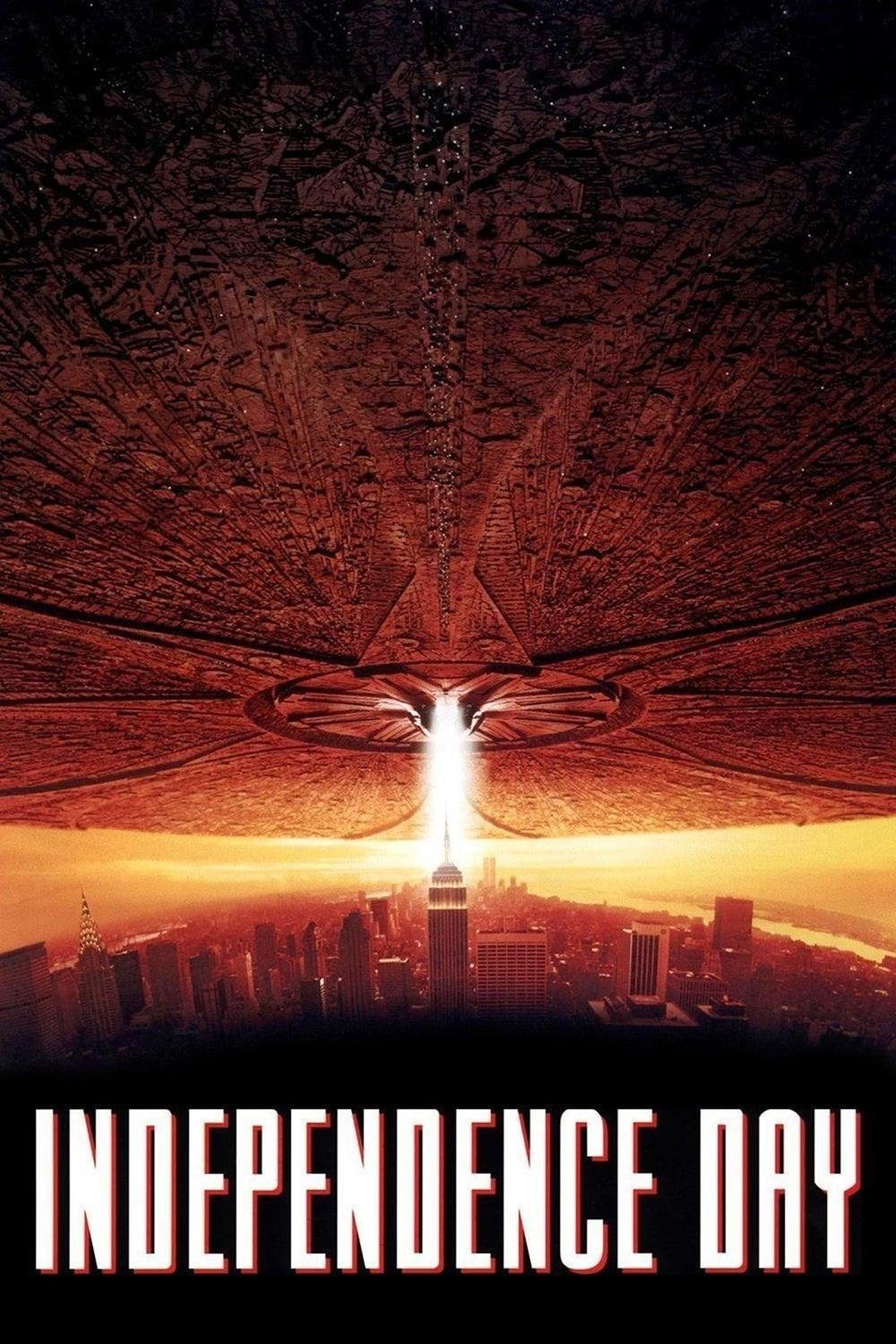
Recasting Couch
Christopher Lloyd, Dennis Hopper or Al Pacino as the Area 51 doctor; Demi Moore or Sharon Stone for Mary McDonnell's role; Martin Lawrence for Connick
In the discussion (6)
- Option two: the wacky Area 51 doctor should be a real famous person, such as Christopher Lloyd as a Doc Brown wink or Dennis Hopper. — Bill Simmons
- Pacino is suggested for two scenes at $10 million, with an impression.
- Option one: never having been a Mary McDonnell person (after an Amy Adams comparison), Demi Moore is wanted for four scenes, and her death would be more shocking. — Bill Simmons
- A defense: McDonnell is good in John Sails movies. — Bill Simmons
- For a three-day role, go big; Sharon Stone is suggested and would have been an unexpected death. — Bill Simmons
- Returning to recasting, Connick could be swapped for Martin Lawrence if the seat just needs a funny guy. — Bill Simmons
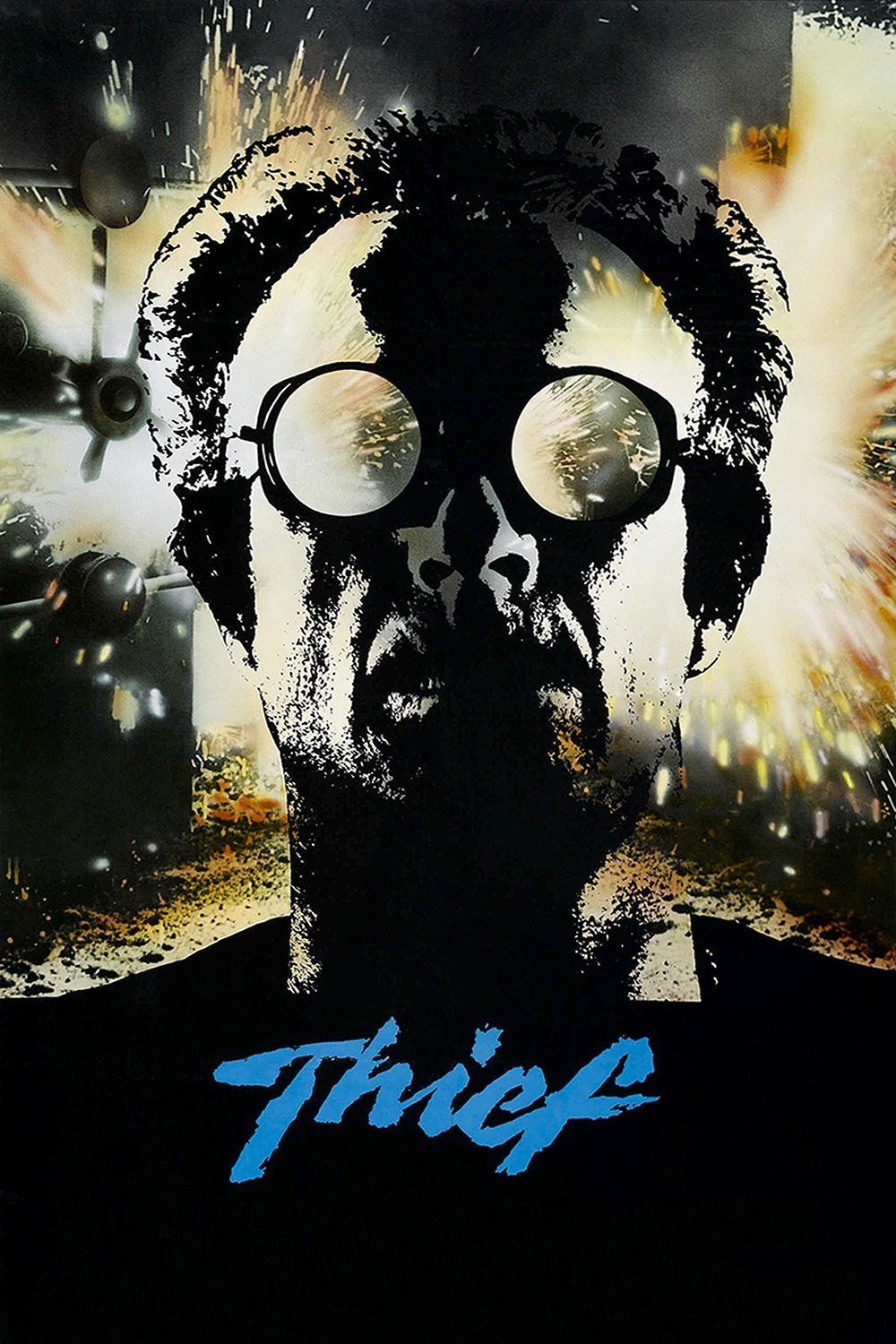
Half-Assed Internet Research
Real crooks and Gunsite training; Howard Johnson's booth; real burglary tools; water truck for wet streets; Green Mill's Capone booth; unused source book; Belushi's squibs; Tuesday Weld's Wikipedia
In the discussion (9)
- The actors hung out with real crooks, and Mann took Caan to the Gunsite firearms academy in Arizona, which is why his house raid looks realistic. — Bill Simmons
- Per Alan Siegel's research, Mann took his future wife to that Howard Johnson's in 1971 and they talked all night in the booth used for the scene; they are still married 50 years later. — Bill Simmons
- The burglary tools were real, and the actors were trained to use them. — Bill Simmons
- A 60,000-gallon water truck kept the streets wet, a Mann staple he may have invented, though Scorsese did some of it in Taxi Driver. — Bill Simmons
- Mann tells an anecdote about driving around looking at bridges and water before he was a filmmaker; the urban landscape colliding with nature, rain and neon are his signatures, as in Collateral. — Sean Fennessey
- The Green Mill jazz club in Uptown was an Al Capone hangout, and the scene was shot in Capone's booth, where he could see the whole club. — Bill Simmons
- The film is based on a book that was optioned, but Mann did not really use it. — Bill Simmons
- Belushi begged to do his own death scene and absorbed dozens of squib shots. — Bill Simmons
- Tuesday Weld's Wikipedia page is recommended: between marriages she dated Al Pacino, David Steinberg, Mikhail Baryshnikov, Omar Sharif, Richard Gere and Ryan O'Neal, and Baryshnikov's previous girlfriend Jessica Lange was her best friend. — Bill Simmons


In the discussion (6)
- Ben Stiller is the initial and final winner. — Andy Greenwald
- Gwyneth Paltrow is proposed as an alternate because she makes an active choice in every moment, even while doing very little. — Andy Greenwald
- The participants clarify that Paltrow's nomination is praise, using Al Pacino's Vincent Hanna as the category's positive model. — Chris Ryan
- Anderson's centered compositions, limited close-ups, and concern for movement constrain conventional overacting. — Andy Greenwald
- Stiller operates at a different frequency from the rest of the cast but makes that intensity work.
- The board-game-closet confrontation with Hackman is the main example of Stiller pushing the performance.

Recasting Couch
Cole Hauser or Casey Affleck in Clive Owen’s role; Amy Adams or the transcript-observed “Chloe 70” in Julia Stiles’s role; Al Pacino as Conklin
In the discussion (7)
- Cole Houser is proposed as a Damon-connected replacement for Clive Owen. — Chris Ryan
- Casey Affleck is another proposal for Clive Owen's role. — Chris Ryan
- Amy Adams is proposed as a replacement for Julia Stiles. — Chris Ryan
- The Julia Stiles role is described as thankless, which makes it suitable for a stronger alternate performer. — Chris Ryan
- Chloe 70 is the observed transcript form of the preferred alternate for Julia Stiles because the role seems perfect for her. — Chris Ryan
- Al Pacino is proposed as Conklin during the period when his style was becoming self-parody. — Chris Ryan
- Pacino's ability to tackle Henry Rollins in Heat is used to answer concerns about him physically challenging Bourne. — Chris Ryan
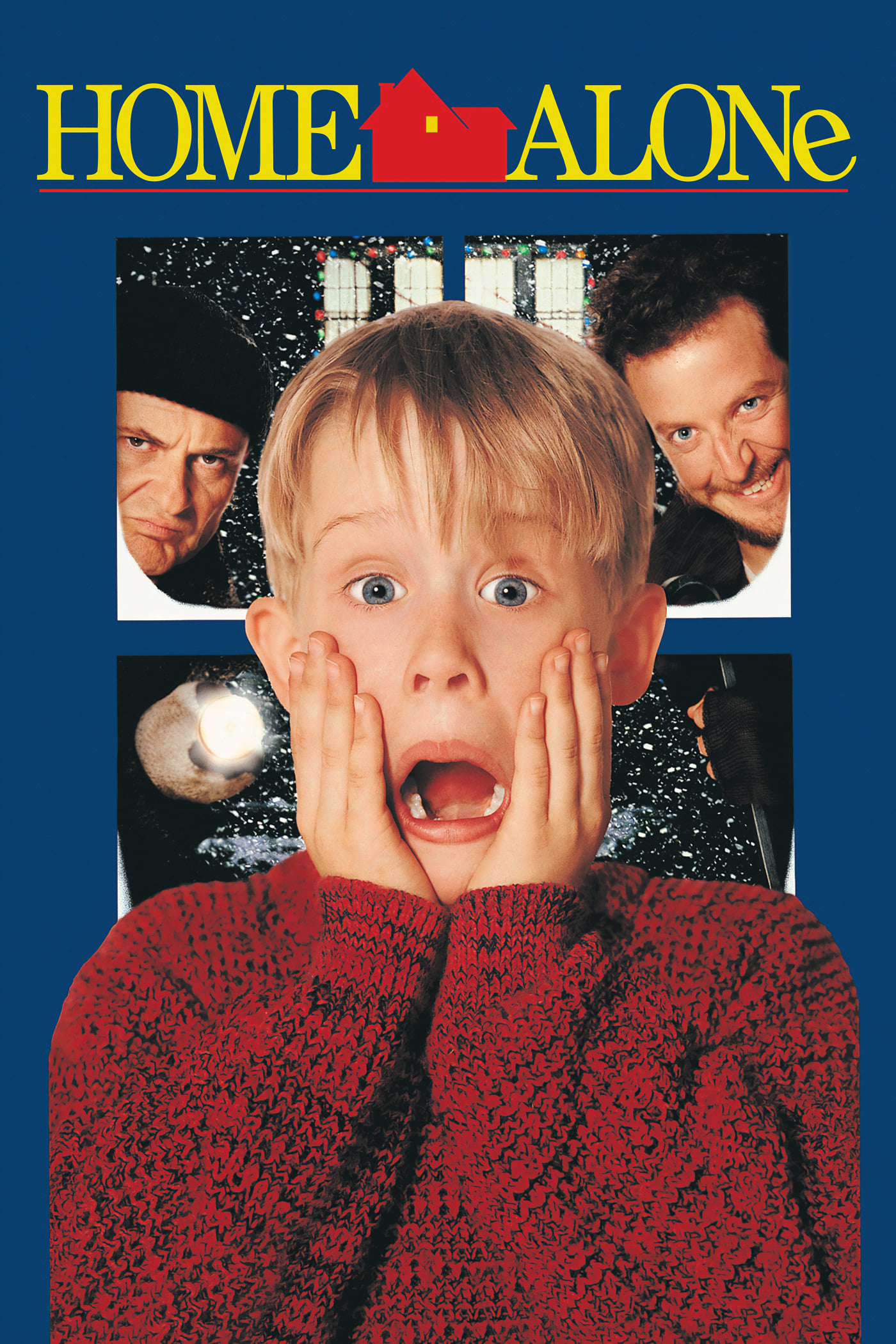
Recasting Couch
Al Pacino as Uncle Frank
In the discussion (3)
- Casting tough-guy actors as Harry and Marv would be fun, but there is little to recast. — Chris Ryan
- Pacino should have played Uncle Frank rather than the Pesci role. — Chris Ryan
- The joke extends to casting all the McAllister men as mafiosos, with Marlon Brando as Marley. — Chris Ryan
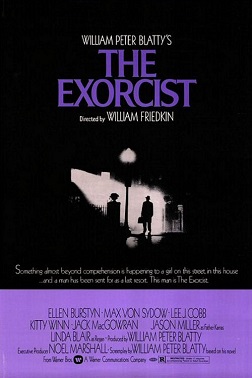
Recasting Couch
No necessary recast; Jane Fonda and early Al Pacino considered
In the discussion (3)
- The cast is largely left intact, perhaps except Burke; Fonda’s actress-as-actress casting is considered too self-conscious. — Bill Simmons
- Early Godfather/Serpico-era Pacino as the priest is considered intriguing and prompts impressions. — Bill Simmons
- The panel distinguishes early Pacino from the later persona and calls the proposed performance fascinating. — Bill Simmons

Recasting Couch
Diane Lane in Deborah Kara Unger’s role; Denzel Washington as Nicholas
In the discussion (6)
- Diane Lane is proposed over Deborah Kara Unger as a more involving version of the same role. — Bill Simmons
- Denzel Washington is proposed as Nicholas because he can hold attention while playing a flawed or unlikeable man. — Sean Fennessey
- Bill Murray is the joking fallback because he had already played a Scrooge figure.
- Robert De Niro’s Heat persona is imagined as another severe Nicholas alternative.
- The De Niro version resumes with an imagined CRS interview. — Chris Ryan
- Al Pacino is proposed for Conrad opposite the De Niro version. — Chris Ryan
In the discussion (4)
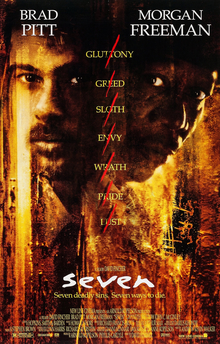
- Washington reportedly rejected Mills as too dark and later regretted it. — Bill Simmons
- The Stallone claim is doubted; Duvall and Hackman are reported Somerset alternatives, and Pacino reportedly chose City Hall.
- Kilmer as John Doe is enthusiastically imagined after a reported rejection; a Chechik directing attachment is questioned. — Bill Simmons
- The claim that del Toro rejected the film as too dark is treated skeptically. — Bill Simmons
Casting What-Ifs
Declined first choice for McManus; Chris Walken or Bob De Niro in Palminteri's role; Al Pacino
In the discussion (8)
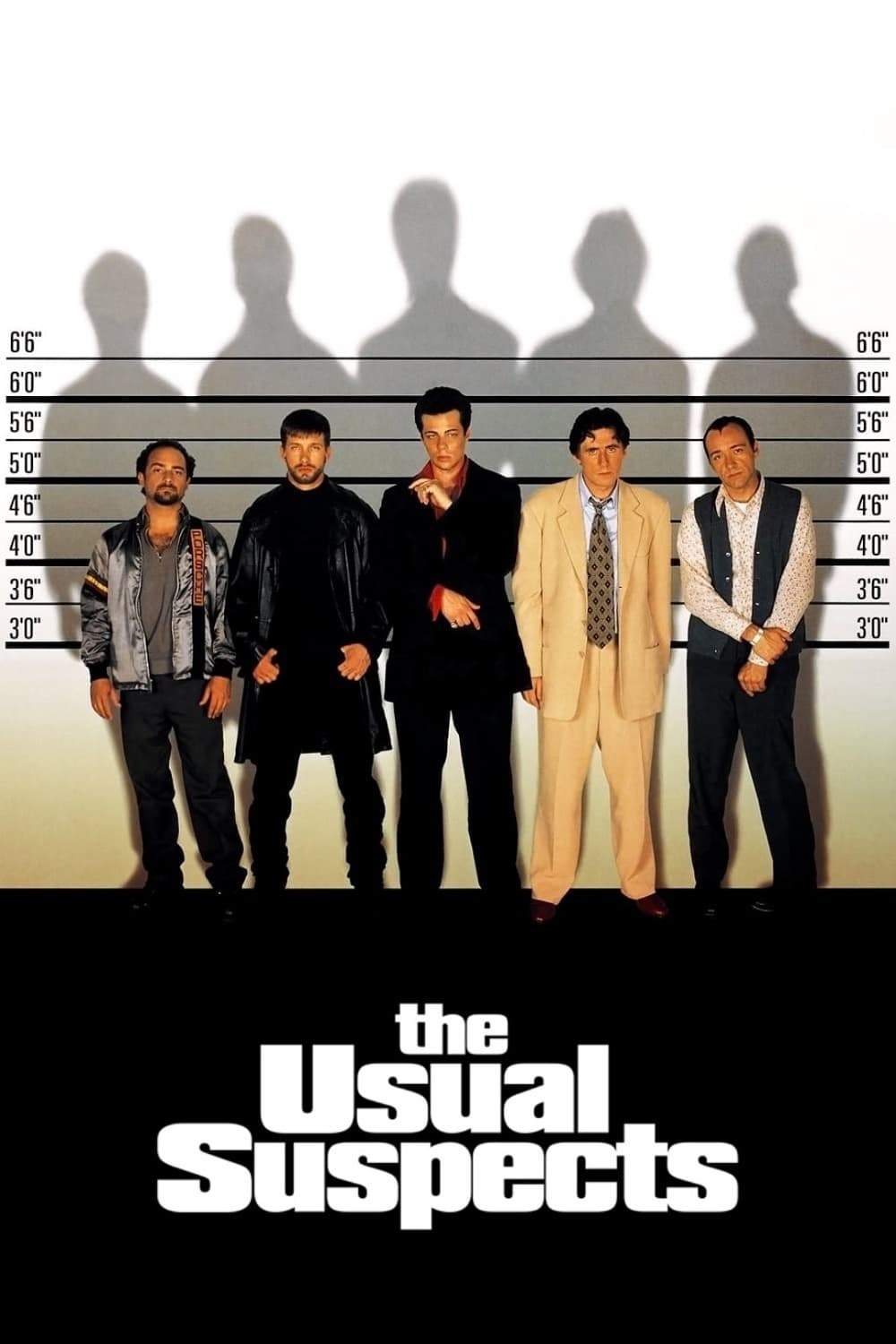
- Baldwin was the second choice for McManus; the first choice, Michael Biehn, reportedly turned it down and later called it a huge mistake. — Bill Simmons
- With Biehn it would be a less funny movie, though one host has always loved him. — Chris Ryan
- The script went to everybody in town; Palminteri's role was offered to Chris Walken and Bob De Niro, and Walken is imagined as Kobayashi or Redfoot. — Bill Simmons
- Al Pacino came in to read, which the hosts find suspicious. — Bill Simmons
- Singer and McQuarrie sent Spacey the script without saying which role was his; he assumed Palminteri's or Byrne's part, but it was written with him in mind for Verbal. — Bill Simmons
- The hosts say Redfoot was offered to a list including Walken, Tommy Lee Jones, Bridges, Charlie Sheen, Spader, Pacino and Johnny Cash before Peter Greene got it, adding "who knows if it's true". — Bill Simmons
- Byrne, dealing with personal problems, backed out for 24 hours until the filmmakers agreed to shoot in LA, where he lived, in five weeks. — Bill Simmons
- A joke proposes making Redfoot the Voight character from Heat to connect the universes. — Chris Ryan
Casting What-Ifs
John Lithgow and other alternate casting history
In the discussion (4)
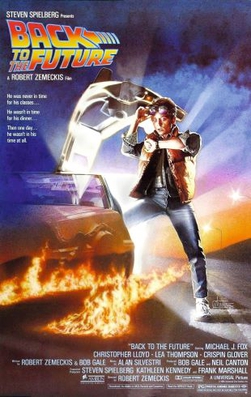
- John Lithgow is reported as the first choice for Doc Brown and is judged plausible — Bill Simmons
- J.J. Cohen was reportedly moved from Biff to a cohort because he was not imposing enough opposite Stoltz — Bill Simmons
- Melora Hardin was reportedly released as Jennifer after Fox replaced Stoltz because of their height difference — Bill Simmons
- An Al Pacino Doc Brown is performed as a comic hypothetical rather than reported casting — Bill Simmons
Films in the archive
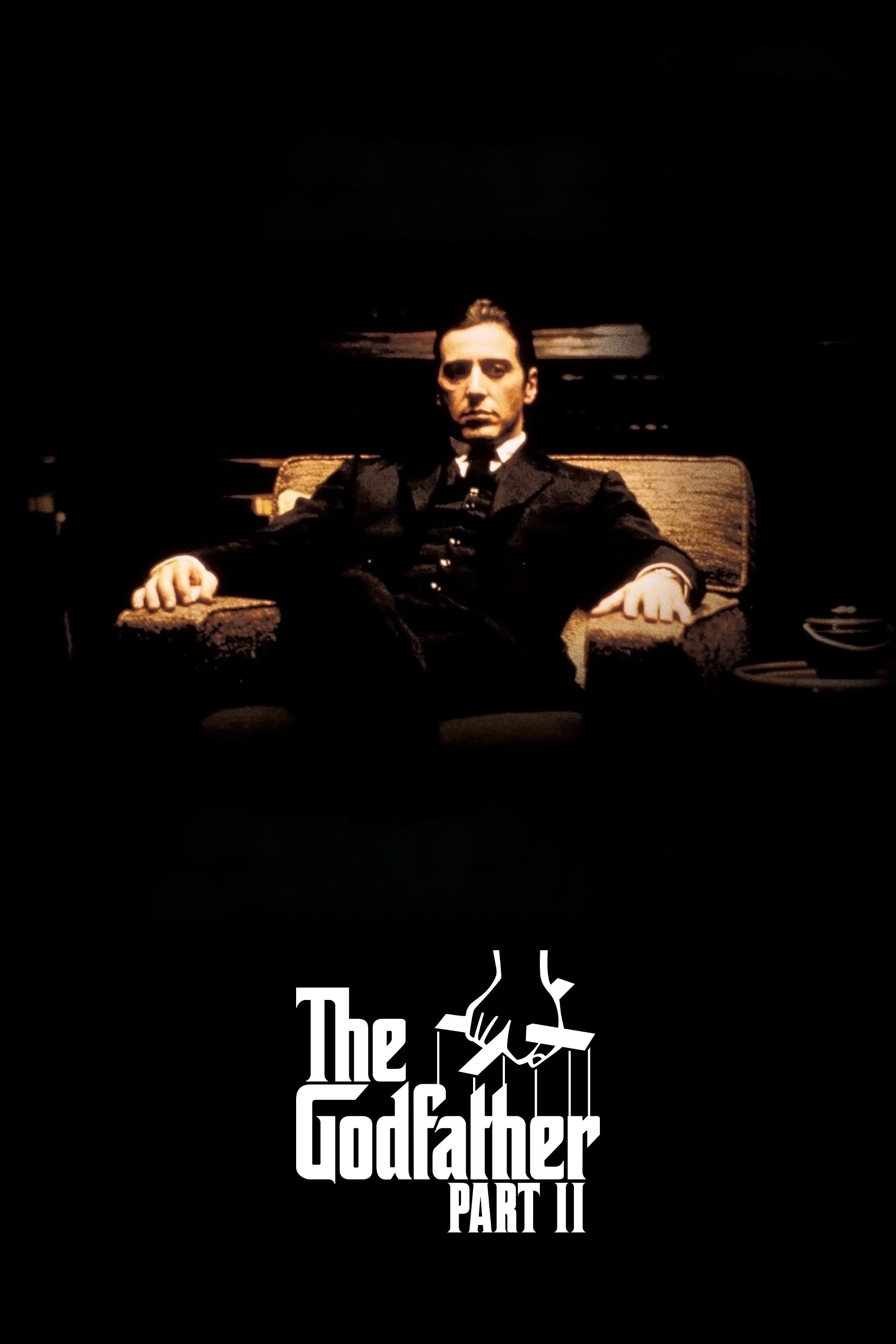
The Godfather Part II
1974



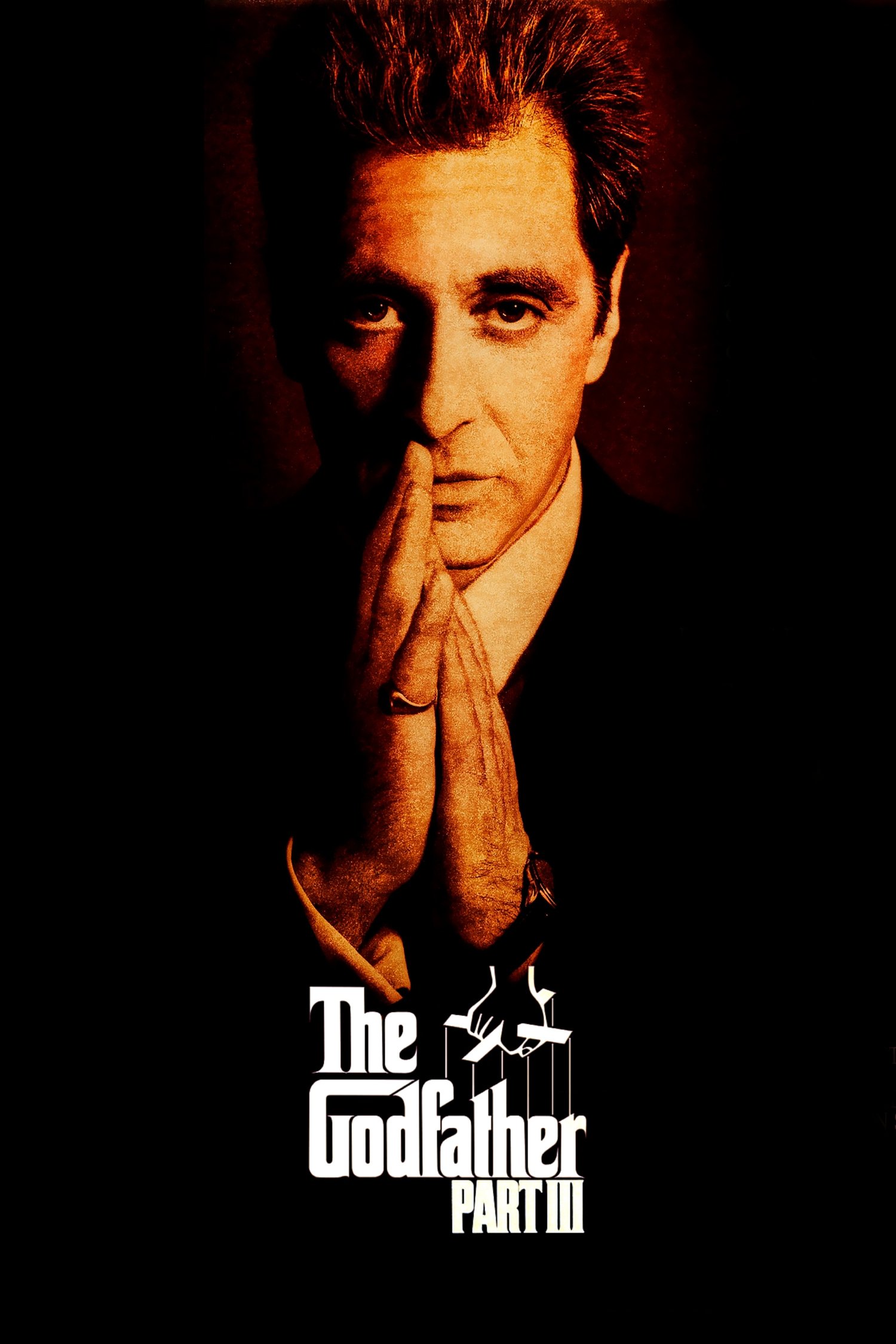
The Godfather Part III
1990

The Insider
1999

The Irishman
2019

Two for the Money
2005