‹ All people

Referenced person

Sal

Stats

Episodes featuring their films
0
Movies in this archive
0

Rewatchables episodes featuring Sal’s films

No episode credits in the archive yet.

No episodes found

Mentioned in discussions

In the discussion (6)
Approx. transcript time · 00:52:07Read transcript
  • Ron Howard was supposed to direct.
  • Spike Lee let Denzel choose either role; Denzel turned down the Clive Owen part because the character is always in disguise.
  • Owen nearly turned the role down for the same reason, so scenes of him talking into the camera were added.
  • Spike cast Amir Ali Saeed as the kid after seeing him in a Chappelle Show sketch.
  • A hostage named Miriam was played by Marsha Jean Kurtz because she played a bank hostage named Miriam in Dog Day Afternoon, which Spike loved.
  • The pizza-delivering cop may be a second Dog Day actor, and the pizza comes from Sal's Pizzeria as a callback.
Tommy Boy

Most Rewatchable Scene

Tommy's first sales meeting

In the discussion (21)
Approx. transcript time · 00:29:05Read transcript
  • The scene concept is amorphous for this movie, which is built from two-to-two-and-a-half-minute bits; the list could have run to 20. — Bill Simmons
  • The opening credits are phenomenal: the little kid running, shifting to older Farley graduating and falling, with comedy inside the credits; the others agree it shows who the character is right away and speeds up the usually boring credits. — Bill Simmons
  • Tommy's first visit with his dad in hard hats, the kung fu, Spade's dismissiveness and the new office set up that Spade's character will hate him; the 'It's called reading' exchange is cited. — Bill Simmons
  • A personal favorite, though maybe not most rewatchable: Tommy on the boat with Julie Warner, starting with real acting about his father's death, the boat tilting, the heckling kids, and her threat to them. — Bill Simmons
  • Farley proves a surprisingly good actor there, but he would be scarier than Julie Warner to the hecklers. — Sean Fennessey
  • The boat scene matters enough that it returns for the ending.
  • Julie Warner is listed at 5-2 but seems 4-9 or 4-10, prompting draft-measurement jokes and an elevated-curb observation. — Bill Simmons
  • Tommy's first sales meeting falls apart as he reenacts a car accident with 'new guy's in the corner puking his guts out'; anyone who doesn't laugh is dead inside. — Bill Simmons
  • A six-year-old's first viewing named the sales meeting his favorite part; the scene is cringeworthy as their only chance at a sale while he sets model cars on fire and Spade shoots darts at him; it is called that speaker's favorite, most rewatchable. — Cousin Sal
  • Watching Spade's horrified reactions is a fun way to watch the movie; the puking line is iconic.
  • The sales meeting leads into the gas-station door scene and 'What'd you do?', tied to a son denying he knocked over a wrestling glass; a 'Benny Boy' sequel joke follows. — Bill Simmons
  • A roughly ten-minute stretch is submitted as one rewatchable run: Fat Guy in a Little Coat, the Carpenters sing-along, the roadside fight and the diner with the waitress. — Bill Simmons
  • Of those four bits, the Carpenters 'Superstar' sing-along is a favorite, with the song called the ideal choice. — Cousin Sal
  • The later sing-along callback is loved, and the road-trip stretch is a favorite, especially the waitress deadpanning 'God, you're sick' after the biscuit bit. — Sean Fennessey
  • Small moments also stick: Richard picking Tommy up at the airport, the suitcase, the M&Ms in Richard's car; the movie is like 65 sketches stitched together, and the diner scene is named a favorite. — Sean Fennessey
  • The diner is the pivotal moment where Richard sees Tommy can sell, and it could have been hit harder; still, someone so pathetic you have to give them money is a good idea. — Cousin Sal
  • Tommy catching Richard watching the woman in the pool and the repeated jokes about Buddy Wackett and the Yankees are a favorite. — Bill Simmons
  • As the hosts tell the story, Fat Guy in a Little Coat began as a bit Farley did in the SNL offices that Spade had to endure, then became a song in the movie; it is joked to become the country's post-quarantine anthem. — Cousin Sal
  • The diner scene is probably the pick, with a shout-out to the climax: Zelensky signing for 500,000 brake pads and the factory cheer gave chills on rewatch. — Sean Fennessey
  • The first sales meeting with the new guy puking his guts out is picked as a favorite that gets that speaker every time; the same speaker notes 'Sal and I had the same'.
  • Setting the model cars on fire is picked as cringeworthy and physically beautiful. — Cousin Sal
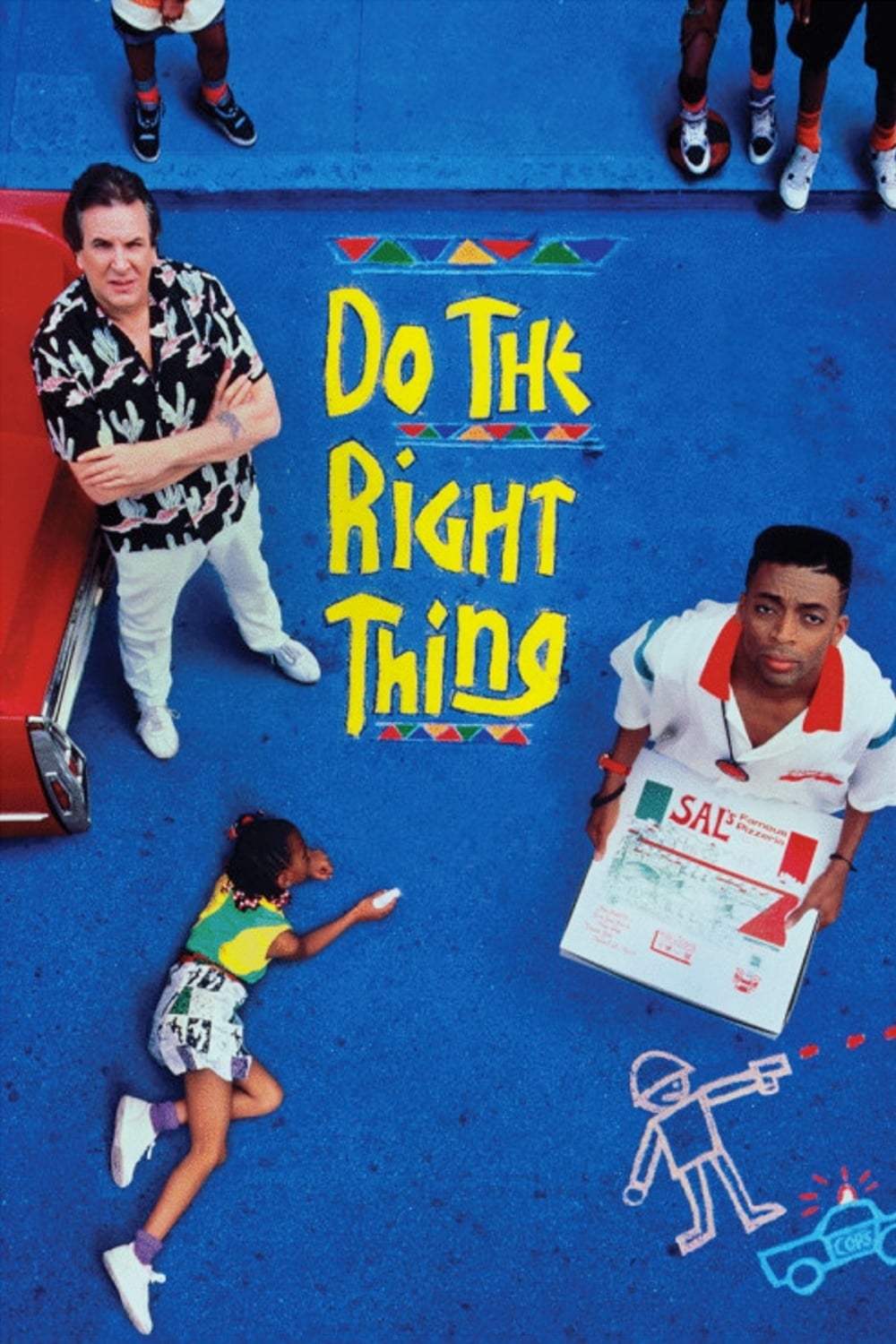
Do the Right Thing

Probably Unanswerable Questions

Mookie's trash can was both rescue and rage; Pino is mad because a black girl rejected him; Mookie and Sal never patched it up; Mother Sister and the mayor got together; Tina and Mookie did not last

In the discussion (7)
Approx. transcript time · 01:30:30Read transcript
  • Whether Mookie threw the trash can to save Sal or out of rage is unanswerable; both can be argued, given his fealty to Sal as a kind of third son and the sense that someone has to pay for the death. — Wesley Morris
  • Pino is angry because he tried to step to a black girl and was rejected; Vito is not mad. — Wesley Morris
  • Asked how long it took Mookie and Sal to patch things up, given later Lee films, the answer is that they never did: he needed a job and Sal needed a delivery person. — Wesley Morris
  • Mother Sister and the mayor had been together before and probably spent the rest of their lives together, after she made him shower. — Wesley Morris
  • Tina and Mookie did not stay together. — Wesley Morris
  • Was Sal's pizza good? The pizza looks like clay; the story told is that the tight budget left only two pizzas and Turturro could not cut through them. — Sean Fennessey
  • One participant would not eat Sal's pizza. — Wesley Morris
Do the Right Thing

The Neil McCauley “A Book about Metals” Award for Best Line from the Movie

Senor Love Daddy's roll call; Pino and Mookie's favorite-stars exchange

In the discussion (11)
Approx. transcript time · 01:22:36Read transcript
  • A detail noticed only on a recent rewatch: the Black Panther comic book and the 'we eat pizza' moment, called Lee ahead of the curve. — Sean Fennessey
  • Lee is credited with helping invent sneakerhead culture and the rock-star NBA image, not just Nike.
  • Radio Raheem's love and hate speech is played.
  • Sweet Dick Willie telling people to boycott the barber who messed up their head might be the funniest line in the movie.
  • The mayor telling Mookie 'always do the right thing' and Mookie's 'That's it? I got it. I'm gone.' came to mind when Lee won an Oscar; 'Stay black' is also cited. — Sean Fennessey
  • Senor Love Daddy's roll call is called the best: a diverse mini history of black music from Branford Marsalis to Bessie Smith, which later rap acts copied. — Wesley Morris
  • We Love Radio never reaches the street; Love Daddy stays behind the glass. — Sean Fennessey
  • Sal's 'I built this place with my bare hands' speech shows the film still working through his feelings; Lee did not have to let Sal speak, and the final conversation is balanced between antagonism and a moment of their old relationship. — Sean Fennessey
  • 'Why don't you go back to Massachusetts? I was born in Brooklyn' is cited. — Wesley Morris
  • The Pino and Mookie exchange about Magic Johnson, Eddie Murphy and Prince is called the best conversation in the movie because it is a real conversation black people have with non-black people who say 'you're different'. — Wesley Morris
  • Senor Love Daddy's 'y'all take a chill... that's the double truth, Ruth', which opened the podcast, is also cited. — Wesley Morris
Do the Right Thing

Half-Assed Internet Research

Hitchcock-episode origin; revised ending; Stuyvesant Avenue location; security during filming; Lee on critics and Mookie; later references

In the discussion (8)
Approx. transcript time · 01:06:00Read transcript
  • As read on air, the idea came from the Alfred Hitchcock Presents episode 'Shopping for Death', about hot weather increasing violence; it was also inspired by Howard Beach and Eleanor Bumpurs, and the screenplay was written in two weeks. — Sean Fennessey
  • As read on air, the original script ended with a stronger reconciliation between Mookie and Sal and it is unclear why Lee changed it; the hosts answer that it is better this way and the original would have been more Hollywood. — Sean Fennessey
  • One host argues the film was a Rorschach test: white people (and not only white people) had been conditioned to expect race movies on their terms with reconciliation, and blamed Lee for not solving the problem; the film cuts the bow like a play. — Wesley Morris
  • As read on air, the film was shot entirely on Stuyvesant Avenue between Quincy Street and Lexington Avenue, and the production designer painted the street red and orange to convey a heat wave. — Sean Fennessey
  • As read on air, local crack dealers threatened the crew, so Lee hired Fruit of Islam members for security, and Samuel L. Jackson spent most of his time on set sleeping. — Sean Fennessey
  • As read on air, in a 2014 interview the director called the critical fears outrageous, egregious and 'I think racist', saying they still bug him and that no one said that about Schwarzenegger films. — Sean Fennessey
  • As read on air, only white viewers have ever asked Lee whether Mookie did the right thing; Lee believes those questioning the riot fail to see the difference between property and the life of a black man. — Sean Fennessey
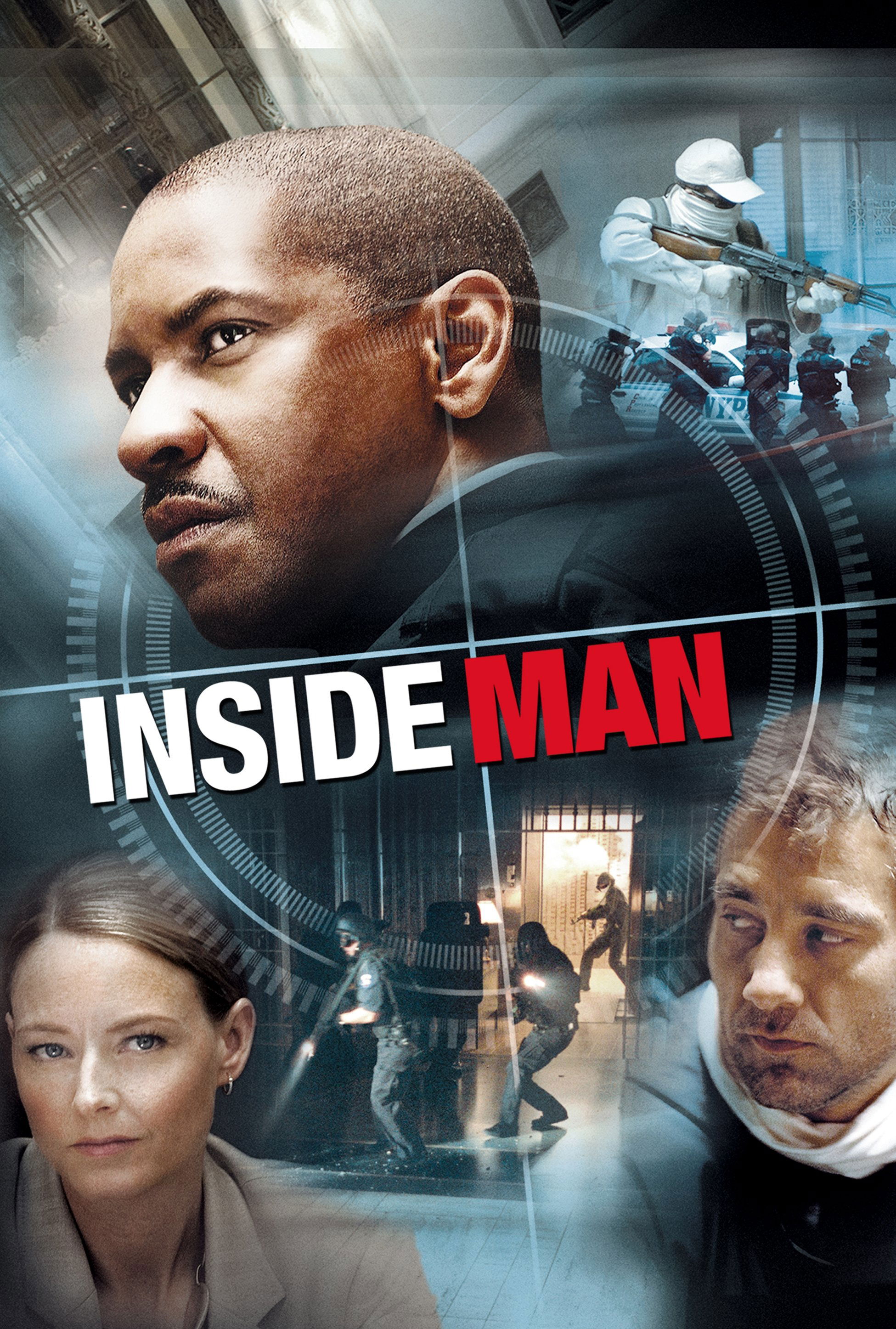
  • Later references read on air: police bring Sal's pizza to hostages in Inside Man, a 2016 Radio Raheem Air Jordan, and the Obamas praising the film in 2014 and saying they saw it on their first date. — Sean Fennessey
In the discussion (4)
Approx. transcript time · 00:59:29Read transcript
  • The only casting what-if found: Lee campaigned for Robert De Niro to play the pizzeria owner, but De Niro declined due to prior commitments. — Wesley Morris
  • With De Niro it becomes a different movie about De Niro; it might make more money or get closer to Best Picture, though Aiello's nomination suggests not. — Wesley Morris
  • De Niro would tip the ensemble's equal balance and bring baggage, so his smashing Radio Raheem's radio might be cheered; it is a morally different movie. — Wesley Morris
  • Danny Aiello was a 'that guy' at the time, known from Moonstruck with a very small Godfather role and other small parts. — Sean Fennessey
In the discussion (17)
Approx. transcript time · 00:34:12Read transcript
  • The opening sequence of Rosie Perez dancing to Public Enemy is the first scene on the list. — Sean Fennessey
  • Perez was choreographing the Fly Girls at the time, and five years of dance are visible in the sequence. — Wesley Morris
  • Lee reportedly met Perez in a Brooklyn club and told her she was in his movie even though she said she was not an actress; the film is described as full of accidents like this. — Wesley Morris
  • Jennifer Lopez was one of the Fly Girls Perez worked with and was not yet famous. — Sean Fennessey
  • Buggin' Out's Wall of Fame argument with Sal is a complicated scene; Lee has said both sides have good points: it is Sal's shop, but only black people eat there.
  • The Wall of Fame argument is called a proto-internet conversation with no subtlety or compromise about how many and which black figures go up. — Wesley Morris
  • Buggin' Out represents an emotional, ahistorical form of activism whose confrontation can only make Sal feel aggrieved. — Wesley Morris
  • Frank Vincent driving through the open fire hydrant is one of the funniest parts of the movie and recognizable to anyone who played in hydrants as a city kid. — Wesley Morris
  • A childhood memory: opening the corner hydrant and using a can with no top or bottom to spray passing cars, because there was no pool to go to. — Wesley Morris
  • Pino and Sal's debate about selling the pizzeria plays in one long shot interrupted by Smiley.
  • That conversation is necessary but not essential and creates a false sense of trust in Sal, coming right after his moment with Jade, as he says he is proud to have fed the neighborhood. — Sean Fennessey
  • Sal also hates rap and being confronted and smashes the boombox; like the Martin and Malcolm pairing, Sal and everyone in the film carry both love and hate, with Jade possibly the only purely good character. — Wesley Morris
  • The final extended sequence is the last pick, painful and hard to watch rather than comforting, with the camera tumbling in and out of the pizzeria and the trash-can jump cut repeated three times. — Sean Fennessey
  • That final sequence is thought possibly to be the only one Lee ever storyboarded, with Ernest Dickerson, from the moment Smiley, Buggin' Out and Radio Raheem enter the pizzeria. — Sean Fennessey
  • The racial slur montage is added to the list; later Lee versions such as the 25th Hour mirror speech have made the device less effective, but here it establishes the factions. — Wesley Morris
  • A Turturro story: after watching dailies of his rant he asked Lee to get on the cover of Ebony with his arm around him so he would be safe on the subway; his rant is called the best of the sequence and extremely rewatchable. — Wesley Morris
  • After the list is recapped, one participant goes with Rosie Perez; the ending is chosen by a participant who calls Rosie a close second. — Sean Fennessey
The Dark Knight

Most Rewatchable Scene

The Joker's fundraiser party appearance; the underground chase transporting Harvey Dent; the Joker's first meeting with the mob bosses

In the discussion (12)
Approx. transcript time · 00:20:10Read transcript
  • Nominees open with the bank robbery, maybe the best opening of a movie this century: note for note a recreation of elements of Heat, called an annoying homage, but with the hairs-on-the-neck feeling of zip lines across skyscrapers that look real and robbers in clown masks shooting each other; the clip is played.
  • Asked whether all the bank-robbery dialogue was recorded in post, a research tidbit is offered: not much went wrong on this set, but there were problems with the IMAX cameras in this scene and a couple of out-of-focus shots, so audio fixes would not be surprising.
  • The robbers' performative, unnatural dialogue about the Joker wearing makeup sets a comic-book tone the rest of the movie does not have; with everyone in clown masks and not quite speaking to one another it is a perfect microcosm of the film, where you do not know who these guys are but do not care because Hans Zimmer violins are playing and this is Heat again.
  • Further nominees: the Joker's meeting with the mob and the disappearing pencil; the Lau kidnapping in Hong Kong, which one host is not a fan of; the Joker's fundraiser party appearance with the champagne and Senator Patrick Leahy; the police funeral assassination, interestingly staged but also confusing; and the game of chicken between the 18-wheeler and the motorcycle, one of a host's favorite movie scenes ever.
  • One pick is the Joker's party appearance: he is obviously deeply damaged but also lying about everything, tells a different story about his scars than the one he told the gangsters, controls the room and the screen, and brings a crazy clown force into the locus of Gotham's economic power; the second scar story is when you realize he is an unreliable narrator who is either messing with everybody or having a break from reality.
  • Another pick is the entire chase through the underground after Harvey Dent turns himself in as the Batman and is transported in the truck: Nicky Katz (as transcribed) plays the exposition cop with the funny 'once he gets to county, he's their problem' line, the driver turns out to be Gordon in a gas mask after faking his death at the attempt on the mayor, and the Joker and his escaped Arkham lunatics pursue with a lot of grenade launching.
  • The flipping 18-wheeler, end to end, is called the single best car-flip in movie history and the hair-on-the-neck moment; Batman's decision not to kill the Joker there is a character note that pushes the psychology forward while exciting you about what comes next, which only Nolan does in these movies.
  • That moment exposes Batman's inherent sadism: how many people have died because he will not kill the Joker, the fundraiser gun-disarming looks like a hollow moral victory, and he knows the Joker and the other villains always break out of Arkham; a lonely billionaire whose only friend is an old British man keeps going because he likes the fights and wants to feel something.
  • The third pick is the Joker's first meeting with the mob bosses, both the best and the worst scene: Lau is on a little Sanyo TV beamed from a plane to China with no wireless internet, and the group is Richie Costner (as transcribed) as the Chechen, Eric Roberts as the Italian mob boss Sal Maroney, and Michael Jai White's Gamble with his crew, holding a quorum in what seems to be the back room of a restaurant.
  • The Joker's entrance should be stupid, but he kills a guy with a pencil and then narrates the flaws of the room, which is what differentiates good Nolan from bad Nolan, as with Gordon-Levitt and Hardy voicing how insane things are in Inception; the 'wind the clocks back a year' speech is played.
  • Favorite small moments include his 'I'm not' when called crazy and the varied laugh when he opens his coat to show the grenades; the hosts joke about demarcating five minutes for Ledger impersonations and note the Oscars might as well not have been held.
  • The Joker's long-term plan is parked for later because it is really hard to tell what it is; the segment closes with various winners, three different picks, which is judged a good thing.
Displaying discussions 13 - 20 of 20 in total