‹ All people

Film credit

Eric Roberts

Stats

Episodes featuring their films
0
Movies in this archive
1

Rewatchables episodes featuring Eric Roberts’s films

No episode credits in the archive yet.

No episodes found

Mentioned in discussions

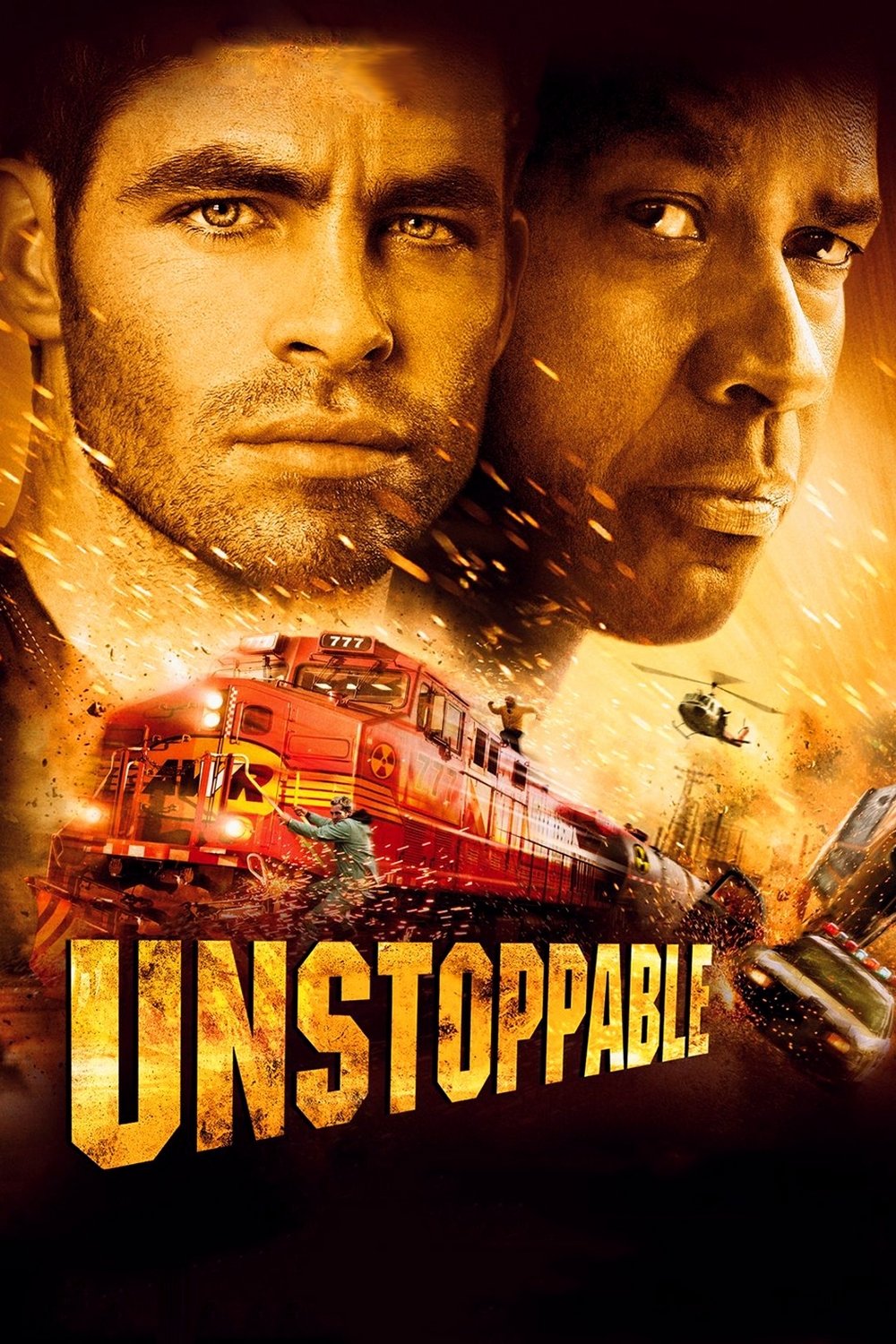
Unstoppable

Most Rewatchable Scene

Will jumping back onto the train; helicopter attempt to stop the train; Ned arriving in his red truck at the end

In the discussion (17)
Approx. transcript time · 00:34:45Read transcript
  • Dewey losing the train is a first pick: he cannot catch it, falls, and is the kind of idiot a real person would be rather than a movie idiot. — Bill Simmons
  • Tony Scott gives fringe characters room, as with the surveillance guys in Enemy of the State, who almost steal that movie. — Bill Simmons
  • The train nearly hitting the horses is unreal; the audience knows the children are safe but the horse might not be, and the shot from inside the horse trailer amazes.
  • Made around 1990 the horse would have gone down; you do not kill a dog unless you are John Wick.
  • Planting a car in front of the train goes badly and it derails and explodes, the first sign it could take out a town. — Bill Simmons
  • Galvin's plan is never explained: the film cross-cuts between his boardroom and Rosario Dawson's people, and the audience watches the plan take shape without being told.
  • Information flows well: viewers see the broadcasts and everyone involved, while the men on the train keep being caught unaware.
  • Will falling while trying to couple the cars feels real with no CGI, making a participant nervous for Chris Pine; the foot injury looks like it hurts. — Bill Simmons
  • Denzel's line that Will is "different" when asked if he is okay is singled out as brutal.
  • The train heading into the big curve beside storage tanks is joked about as the worst city planning; a defense is promised for Picking Nits.
  • The curve sequence works because of the cross-cutting to everyone watching on TV: the engineers, Rosario Dawson's team, Denzel's daughters at Hooters, Pine's wife and son, and the bars, which makes it emotional.
  • Tilting trains are believable because nobody knows enough about trains, unlike buses taking a ramp at 55.
  • Will jumping out and back onto the train is chosen as the most rewatchable scene; it leads to Denzel standing on top of the train with his arms up. — Bill Simmons
  • Fast and Furious has desensitized viewers to jumping between moving vehicles; Dewey's run shows how hard it really is. — Bill Simmons
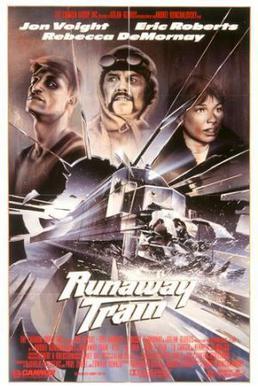
  • Runaway Train with Eric Roberts and Voight influenced Tony Scott; it is a cynical convict movie where the train is not a character, but Denzel atop the train echoes Voight's ending.
  • The helicopter attempt to stop the train with a man hanging out is picked; one shot holds two trains, three choppers and a fleet of emergency vehicles. — Chris Ryan
  • Favorite shot is the grain explosion while Pine works on the coupling, with the helicopter flying parallel through the cornstorm, likened to Days of Heaven and Apocalypse Now; the most rewatchable scene is Ned arriving at the end in his red truck and getting Chris Pine to the front. — Quentin Tarantino
The Dark Knight

Most Rewatchable Scene

The Joker's fundraiser party appearance; the underground chase transporting Harvey Dent; the Joker's first meeting with the mob bosses

In the discussion (12)
Approx. transcript time · 00:20:10Read transcript
  • Nominees open with the bank robbery, maybe the best opening of a movie this century: note for note a recreation of elements of Heat, called an annoying homage, but with the hairs-on-the-neck feeling of zip lines across skyscrapers that look real and robbers in clown masks shooting each other; the clip is played.
  • Asked whether all the bank-robbery dialogue was recorded in post, a research tidbit is offered: not much went wrong on this set, but there were problems with the IMAX cameras in this scene and a couple of out-of-focus shots, so audio fixes would not be surprising.
  • The robbers' performative, unnatural dialogue about the Joker wearing makeup sets a comic-book tone the rest of the movie does not have; with everyone in clown masks and not quite speaking to one another it is a perfect microcosm of the film, where you do not know who these guys are but do not care because Hans Zimmer violins are playing and this is Heat again.
  • Further nominees: the Joker's meeting with the mob and the disappearing pencil; the Lau kidnapping in Hong Kong, which one host is not a fan of; the Joker's fundraiser party appearance with the champagne and Senator Patrick Leahy; the police funeral assassination, interestingly staged but also confusing; and the game of chicken between the 18-wheeler and the motorcycle, one of a host's favorite movie scenes ever.
  • One pick is the Joker's party appearance: he is obviously deeply damaged but also lying about everything, tells a different story about his scars than the one he told the gangsters, controls the room and the screen, and brings a crazy clown force into the locus of Gotham's economic power; the second scar story is when you realize he is an unreliable narrator who is either messing with everybody or having a break from reality.
  • Another pick is the entire chase through the underground after Harvey Dent turns himself in as the Batman and is transported in the truck: Nicky Katz (as transcribed) plays the exposition cop with the funny 'once he gets to county, he's their problem' line, the driver turns out to be Gordon in a gas mask after faking his death at the attempt on the mayor, and the Joker and his escaped Arkham lunatics pursue with a lot of grenade launching.
  • The flipping 18-wheeler, end to end, is called the single best car-flip in movie history and the hair-on-the-neck moment; Batman's decision not to kill the Joker there is a character note that pushes the psychology forward while exciting you about what comes next, which only Nolan does in these movies.
  • That moment exposes Batman's inherent sadism: how many people have died because he will not kill the Joker, the fundraiser gun-disarming looks like a hollow moral victory, and he knows the Joker and the other villains always break out of Arkham; a lonely billionaire whose only friend is an old British man keeps going because he likes the fights and wants to feel something.
  • The third pick is the Joker's first meeting with the mob bosses, both the best and the worst scene: Lau is on a little Sanyo TV beamed from a plane to China with no wireless internet, and the group is Richie Costner (as transcribed) as the Chechen, Eric Roberts as the Italian mob boss Sal Maroney, and Michael Jai White's Gamble with his crew, holding a quorum in what seems to be the back room of a restaurant.
  • The Joker's entrance should be stupid, but he kills a guy with a pencil and then narrates the flaws of the room, which is what differentiates good Nolan from bad Nolan, as with Gordon-Levitt and Hardy voicing how insane things are in Inception; the 'wind the clocks back a year' speech is played.
  • Favorite small moments include his 'I'm not' when called crazy and the varied laugh when he opens his coat to show the grenades; the hosts joke about demarcating five minutes for Ledger impersonations and note the Oscars might as well not have been held.
  • The Joker's long-term plan is parked for later because it is really hard to tell what it is; the segment closes with various winners, three different picks, which is judged a good thing.
Displaying all 2 discussions

Films in the archive