
Stats
- Episodes featuring their films
- 12
- Movies in this archive
- 16
Rewatchables episodes featuring Tom Hanks’s films


Forrest Gump
1994 film
Bill Simmons · Chris Ryan · Sean Fennessey · Mallory Rubin
Aired February 13, 2024
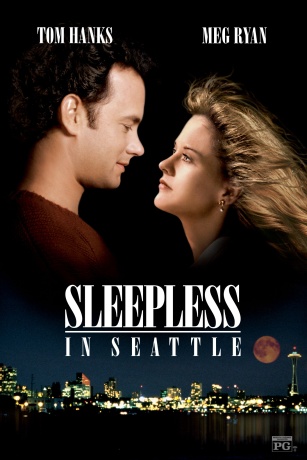
Sleepless in Seattle
1993 film
Bill Simmons · Juliet Litman · Amanda Dobbins
Aired February 14, 2023





Mentioned in discussions

Apex Mountain
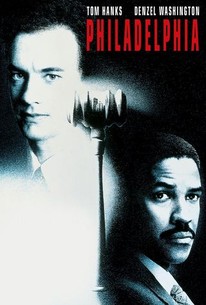
Jonathan Demme; direct-to-camera dialogue; Springsteen in film; evil Robards
In the discussion (4)
- Most Rewatchable Scene: the opening Philadelphia montage and Springsteen song, with documentary-like camera interaction. Chris calls it a possible opening-credits Apex; Bill ranks the song among Springsteen’s best, and Wesley compares the montage to local Action News.
- The opening direct-to-camera Hanks–Washington confrontation is recalled as a scene nominee. — Wesley Morris
- Apex: Denzel rejected; Hanks’s adjacent early 1990s plateau is discussed with Forrest Gump preferred. Demme is affirmed after comparison with Silence of the Lambs; Banderas’s earlier Spanish/art-house career is preferred.
- Apex affirms direct-to-camera dialogue, Springsteen’s use in film and evil Robards. Gay 1990s films and Philadelphia films are rejected; cartoon homophobia faces a Talented Mr. Ripley alternative, and the fictional Stallion Showcase prompts a joke rather than a clear award.

Half-Assed Internet Research
Real cases; weight loss; role discomfort; Vawter; military ban; Demme’s friend
In the discussion (2)
- The film’s 26 million budget, 206.7 million gross and ninth-place 1993 ranking contradict Kramer’s prediction of commercial failure. — Bill Simmons
- Research: the story draws on two attorneys’ discrimination cases; Hanks lost 30 pounds; Steenburgen’s personal dislike of the role became a line; Ron Vawter’s HIV status caused insurance difficulty; the party’s military costume references the service ban; a friend’s AIDS diagnosis motivated Demme. — Bill Simmons

The Stephen A. Smith Hottest Take Award
Joe Miller is the lead
In the discussion (1)
- Hottest take: this is Denzel/Joe Miller’s movie rather than Hanks’s, despite the Best Actor award. — Chris Ryan

What’s Aged the Best?
Hanks/Banderas; speech; opera aftermath; family; period detail; jury; supporting cast
In the discussion (8)
- Chris chooses Andy’s promotion scene for Demme’s unsettling head-on framing and authentic wood-paneled club culture, compared with Trading Places’ banquet sequence. — Chris Ryan
- Aged best: Hanks and Banderas’s authentic relationship scenes despite the thin Miguel role; Hanks’s Oscar speech inspiring In & Out. — Bill Simmons
- Aged best: the awkward aftermath of the opera scene as Joe leaves rather than a sentimental fade. Wesley questions how much Andy’s solitude is actually shown, again connecting the perspective to Joe.
- Joe’s hesitation on the stairs after leaving Andy is praised as an actorly moment; possible concern for his vulnerability is offered, while Wesley explicitly denies suggesting a sexual return. — Wesley Morris
- Aged best: the family, the reuse of Demme actors such as Charles Napier, Philadelphia’s wealthy-club culture, period fear of lesions, and Andy briefly glimpsing his possible future in a dying patient. — Bill Simmons
- Andy’s theater mustache and stubbled baseball-cap appearance prompt appreciation of Hanks’s looks and a teasing callback to Wesley’s earlier celebrity attractiveness opinion. — Wesley Morris
- Aged best: jury deliberations reverse expectations about the apparent conservative juror, and the verdict reactions work. Robards’s villain and Joanne Woodward’s mother are praised. — Bill Simmons
- Aged best: Springsteen’s award sweep is compared with Carly Simon’s Working Girl song; Robert Ridgely’s presence inevitably recalls his Boogie Nights character. — Bill Simmons
In the discussion (1)
- Ebert awarded three-and-a-half stars, praising Hanks and the film’s importance in breaking Hollywood’s silence. — Bill Simmons

Most Rewatchable Scene
Joe’s family conversation; Andy’s promotion; Dr. J cameo
In the discussion (15)
- Most Rewatchable Scene: the opening Philadelphia montage and Springsteen song, with documentary-like camera interaction. Chris calls it a possible opening-credits Apex; Bill ranks the song among Springsteen’s best, and Wesley compares the montage to local Action News.
- The opening direct-to-camera Hanks–Washington confrontation is recalled as a scene nominee. — Wesley Morris
- Andy’s brief call to his mother is praised for efficiently revealing illness, severity, openness and her suppressed grief. — Chris Ryan
- The senior-associate promotion scene contrasts the old-boys celebration with scrutiny of Andy’s forehead lesion. — Bill Simmons
- Andy asking Joe to represent him is praised for Joe’s fearful reaction and attention to touched objects, the firing flashback, and Andy’s devastated stillness after rejection. One host calls it his favorite. — Bill Simmons
- The library discrimination scene, with Tracey Walter’s librarian and Joe joining Andy’s legal research, is nominated. — Bill Simmons
- Dr.J’s cameo and the partners’ subsequent villainous strategy conversation are nominated; Robards’s full commitment is admired despite caricature.
- Opening arguments and the courtroom material are praised, especially Steenburgen’s repeated fact formulation and Denzel’s speech. — Bill Simmons
- The Maria Callas opera scene is nominated and initially awarded Great Shot Gordo for the overhead camera and red lighting. Wesley objects to red’s association with hell for a gay character; Bill reads passion for life instead.
- Andy’s testimony about excellent lawyering and justice, the flashback to office jokes, and the attack on his sexual history build to the lesion reveal. — Bill Simmons
- The lesion scene is considered manipulative but effective: Wesley weighs its audience and warning function, while Chris sees a strong courtroom tactic. Wheeler’s testimony is another nominee. — Wesley Morris
- The hospital farewell, the oxygen-mask gesture, individual family goodbyes and Neil Young ending are praised as exceptionally sad final minutes. — Bill Simmons
- Wesley chooses Joe’s private conversation with his wife about gay acquaintances. His confident tirade, apron, bottle and food feel lived-in, and learning his attractive aunt is lesbian punctures his certainty.
- Chris chooses Andy’s promotion scene for Demme’s unsettling head-on framing and authentic wood-paneled club culture, compared with Trading Places’ banquet sequence. — Chris Ryan
- Bill chooses Dr.J’s cameo, with Andy asking Joe to take the case as runner-up. — Bill Simmons

Apex Mountain
Jolie; Pitt, qualified; 21st-century celebrity culture; fighting spy couples, tentative; Brody; on-set romances for this century, disputed
In the discussion (8)
- Jolie is an affirmative choice. — Bill Simmons
- Pitt is an affirmative choice based on becoming perhaps the world’s most famous actor, while Moneyball and the intervening run remain alternatives. — Bill Simmons
- Twenty-first-century celebrity culture receives agreement.
- Fighting spy couples receives a tentative yes, but assassins or hit men more broadly do not. — Bill Simmons
- Vaughn is rejected and The Bourne Identity is preferred for Liman. — Bill Simmons
- Brody receives an emphatic yes because this film coincided with his O.C. fame, recalling hopes he could become the next Tom Hanks. — Bill Simmons
- Marriage-counseling movies receives a no without a clear alternative. — Bill Simmons
- On-set romances is disputed: Taylor and Burton are preferred overall, while Pitt and Jolie are defended at least for the twenty-first century. — Bill Simmons

Recasting Couch
Stone, unresolved DeMorne name or Arquette as Lynette; Quaid, Hanks or Reinhold as Sid; Dennis Quaid as Mayo; later-era Denzel as Foley
In the discussion (8)
- The cast is largely considered untouchable; Sharon Stone and The performer transcribed as DeMorne (identity unresolved) are proposed for Lynette, with continued admiration for Lisa Blount. — Bill Simmons
- Randy Quaid is proposed for Sid. — Chris Ryan
- Judge Reinhold is proposed for Sid. — Chris Ryan
- Tom Hanks is proposed for Sid, with enthusiasm for an Oklahoma accent. — Bill Simmons
- Dennis Quaid is proposed as a plausible alternative Mayo. — Bill Simmons
- A later-era Denzel Washington is proposed as an especially strong Foley, explicitly outside the original casting period. — Bill Simmons
- Denzel's military filmography is recalled in support of the hypothetical Foley casting; A Soldier's Story and Adolph Caesar's sergeant are praised. — Bill Simmons
- Rosanna Arquette is a late Lynette recasting proposal. — Bill Simmons


What’s Aged the Worst?
Gregory Peck’s original impact casting is harder to appreciate today; Tom Hanks is offered as an analogy.
In the discussion (6)
- Gregory Peck’s original impact casting is harder to appreciate today; Tom Hanks is offered as an analogy. — Bill Simmons
- Peck’s Happy Birthday singing sounds unnatural. — Chris Ryan
- Physical reference letters are easy to fake. — Chris Ryan
- Lack of child seatbelts and the mother’s fall effects look dated; Remick reportedly refused the railing stunt after Ellen Burstyn’s injury. — Chris Ryan
- The mark of the beast reportedly confused original audiences. — Chris Ryan
- The novelization explains Brennan and Spiletto’s involvement with Satanists; the film leaves the 666 thigh mark insufficiently explained. — Chris Ryan

What’s Aged the Best?
J.T. Lancer; Kline’s comic timing; marriage and parenting exchanges; Nick’s Porsche; funeral and happiness quotes; soundtrack; getaway-weekend arc; serious comedy; Nick’s injury and Alex parallels; Santini house; watching TV; male ensemble
In the discussion (13)
- J.T. Lancer is praised as a fully convincing spoof of early-1980s television. — Bill Simmons
- Kevin Kline’s dry timing is called elite, and the hosts argue he could have pursued a Tom Hanks-scale career. — Bill Simmons
- Richard and Karen’s marriage exchanges and Sarah’s changed voice with her children feel recognizable. — Bill Simmons
- Nick’s worn Porsche and its diagonal funeral parking are appreciated.
- The funeral-party quote and the question about how happy people act are praised. — Bill Simmons
- The awkward-to-euphoric-to-fighting-to-departure arc of a friend getaway is called perfectly observed. — Chris Ryan
- The film is placed among 1980s serious comedies that combine humor with existential stakes.
- Nick’s Vietnam injury is conveyed without turning the movie into an issue statement. — Chris Ryan
- Nick functions as Alex’s ghost, embodying what Alex believed and questioning how well the others knew him. — Chris Ryan
- The use of the Great Santini house is praised. — Bill Simmons
- Nick and Sam simply watching television together is appreciated.
- The four male leads, plus the unseen Costner, are praised as an unusually charismatic group.
- The soundtrack is already treated as an Aged Best answer when the prompt asks for answers “other than the soundtrack.” — Chris Ryan
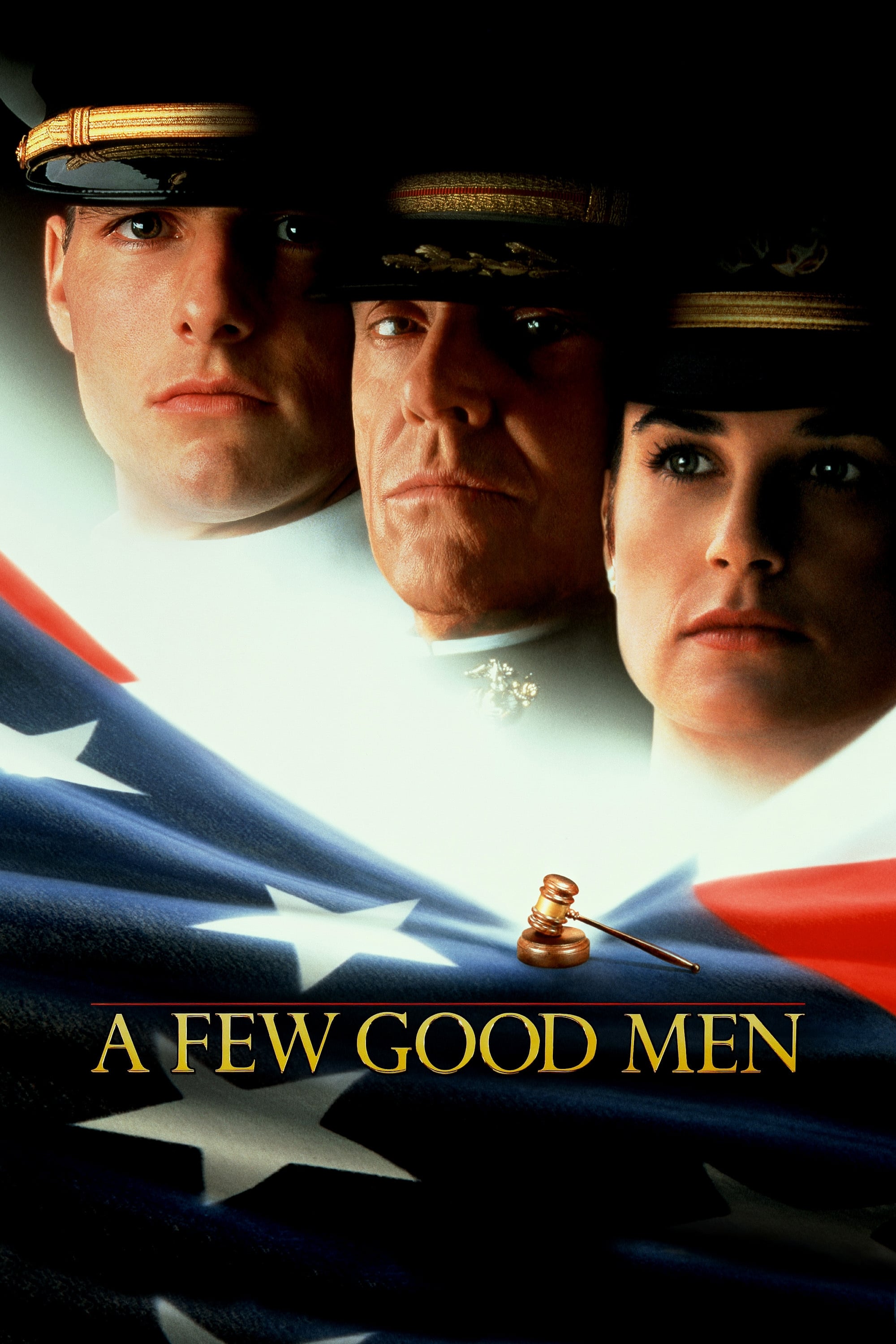
Recasting Couch
Angela Bassett as Jo; Smith and Pitt as defendants; Downey or Damon as Kaffee
In the discussion (4)
- Tom Hanks is rejected as a fit for Kaffee; Robert Downey Jr. is suggested, with debate about the best point in his career. — Bill Simmons
- A mid-1990s Matt Damon around Good Will Hunting or Rounders is proposed, although Kaffee’s age suggests an older actor. — Chris Ryan
- Will Smith and Brad Pitt are proposed as Dawson and Downey, with Pitt’s True Romance character providing a joking template. — Bill Simmons
- Angela Bassett is the preferred Jo, with Julianne Moore and Geena Davis as runners-up. — Bill Simmons
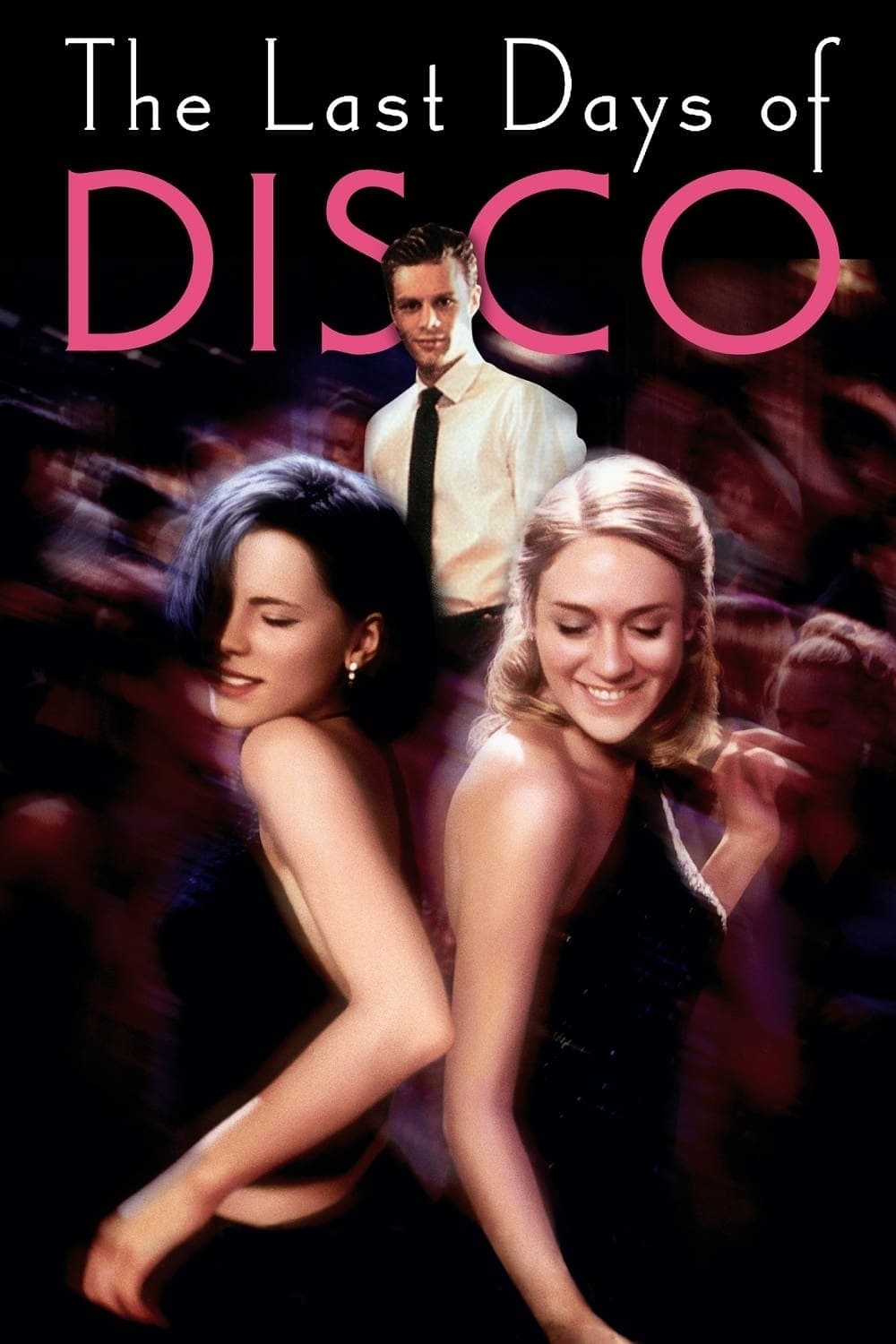
Recasting Couch
Josh: Norton or Hamilton; Jimmy: Affleck or Damon; Lee, Hauser, Casey Affleck and Sean Astin considered; star-casting jokes
In the discussion (15)
- Affleck is considered for Josh but may be too conventionally handsome; his Mallrats persona is closer to Des. — Sean Fennessey
- Norton is endorsed for Josh. — Sean Fennessey
- Jason Lee is considered closer to the Eigeman role. — Bill Simmons
- Affleck is preferred over Mackenzie Astin despite praise for the existing performance. — Sean Fennessey
- Damon is another proposal for the Astin role.
- Tom Hanks is a joking escalation of the star-heavy casting suggestions.
- Denzel Washington is another joking escalation.
- Cole Hauser is considered too gritty for the part.
- Casey Affleck is proposed then dismissed as too young; the stated age is a conversational estimate.
- Sean Astin is another suggestion.
- Josh Hamilton is endorsed over Keeslar for empathy and a reunion with Eigeman.
- Washington replacing Keeslar is a joking counterproposal.
- Newman’s availability is jokingly raised.
- Sidney Poitier as Josh continues the star-casting joke.
- Denzel Washington in the Mackenzie Astin role continues the star-casting joke.




