
Film credit
Matt Damon
Also referred to as Damon, Matt David
Stats
- Episodes featuring their films
- 13
- Movies in this archive
- 10
Rewatchables episodes featuring Matt Damon’s films
Mentioned in discussions
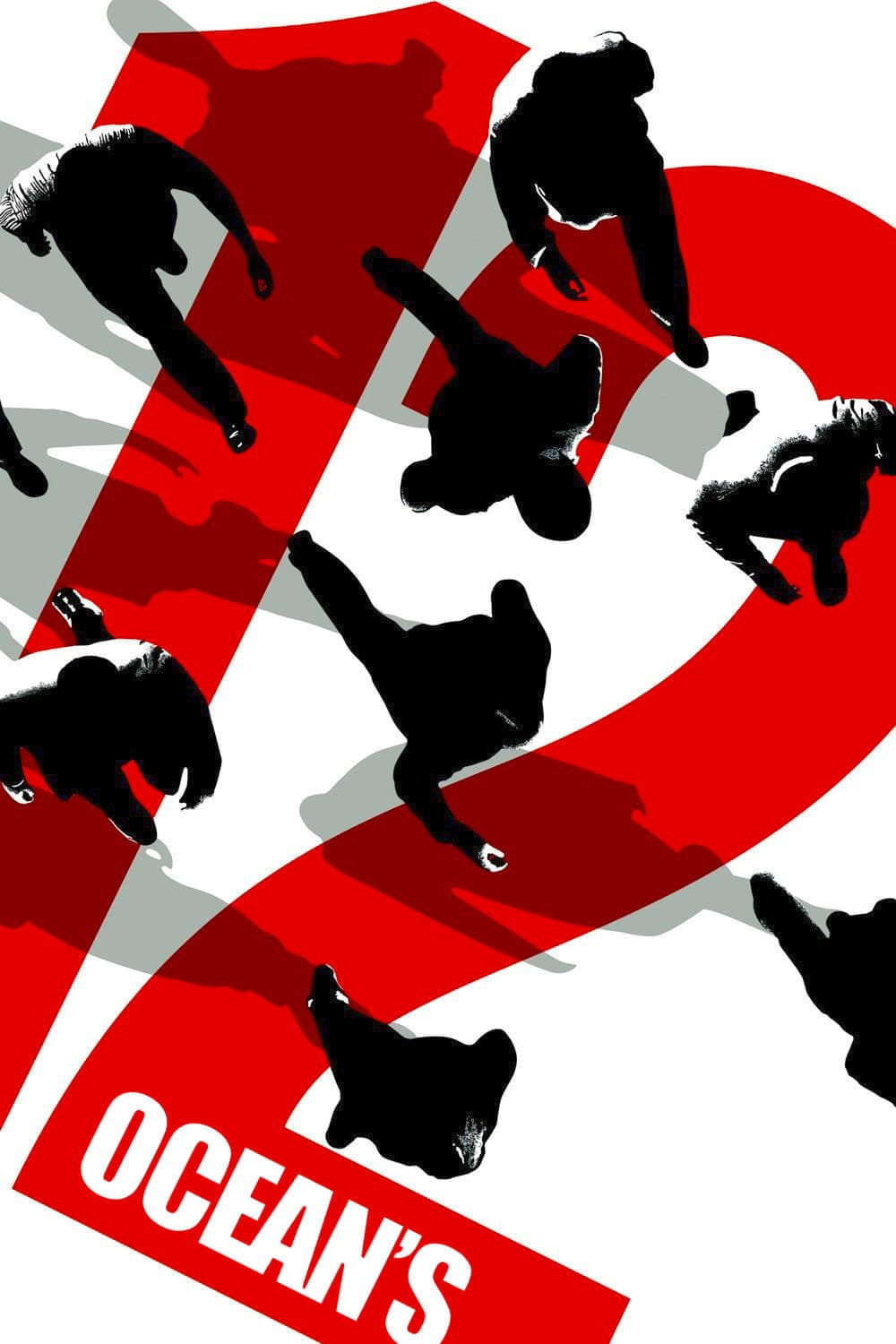

Casting What-Ifs
No affirmative selection
In the discussion (3)
- There are no real casting what-ifs because of the established cast. — Chris Ryan
- The hosts say Mark Wahlberg was lined up to replace Damon if he backed out, but question whether this was a promo-tour bit. — Chris Ryan
- Wahlberg has not been in a Soderbergh movie; he and Damon faced off in The Departed. — Sean Fennessey

What’s Aged the Best?
Look, sound and feel; David Holmes score; Lake Como and Vincent Cassel's lifestyle; Pitt's performance; Damon's thirst; ensemble chemistry; movie-star vacations
In the discussion (11)
- The look, sound and feel hold up; it works as a background movie that does not demand much. — Chris Ryan
- David Holmes's scores are undervalued in Soderbergh's work, nodding to 70s Italian crime soundtracks, Goblin and Morricone; the zither music at Isabel's mother's funeral is singled out. — Chris Ryan
- Lake Como and Vincent Cassel's lifestyle, down to the platter of fresh fruit, have aged well. — Chris Ryan
- A tangent about fruit bowls follows, with one participant eating an apple every day and another trying to grow citrus trees. — Chris Ryan
- Pitt's performance holds up: charming while going through a lot, with freeze-frame expressions; a Rusty Ryan hotel-owner movie would be welcome. — Chris Ryan
- Damon's thirst is an incredible vibe, and jumping from caving in terrorists' skulls in Bucharest straight to this film shows he knew what he was doing; his 2001-04 credits are read out. — Sean Fennessey
- Damon and Affleck appear in Jay and Silent Bob Reboot. — Chris Ryan
- The ensemble chemistry still checks out, and so does the idea of movies as vacations for rich people.
- A second voice picks the look and style, which differ from the American, casino-bound first film and resemble European heist films like The Italian Job, with an expat melancholy. — Sean Fennessey
- The Amsterdam bridge shot at sunset is rewound three times; the repeated zooms when Cherry Jones removes them from prison read as a self-referential joke. — Chris Ryan
- Movies they don't make anymore rarely look this good; Soderbergh cited Seconds, French New Wave and Italian crime films, and the sideways shot of Tess's plane is praised. — Amanda Dobbins

Most Rewatchable Scene
Tess-goes-to-Rome hotel scene with Bruce Willis
In the discussion (22)
- The reunion of the crew is nominated; Scott Khan (as transcribed) is called really good, and the 'it was one job that we did together' proprietary-stance exchange is quoted, with a take where a cast member cracks up kept in. — Chris Ryan
- The breakdown of the Vanderwood heist is nominated for Damon objecting to calling someone a freak and invoking Emily Dickinson; it plays like an Altman scene of overlapping dialogue, and subtitles reveal Pitt muttering 'don't touch my food.' — Chris Ryan
- The Matsui meeting with Robbie Coltrane is a five-minute scene in which no one knows what anyone is saying, capped by Damon reciting the lyrics to Kashmir. — Chris Ryan
- The train-station banter about how old Rusty is ('How old do you think I am?') is nominated. — Chris Ryan
- An 'Amanda Dobbins Memorial pick' goes to Vincent Cassel's introductory montage, with a plea to always film on location. — Chris Ryan
- Rusty and Danny getting drunk on red wine and watching Happy Days dubbed in Italian is nominated, with praise for the Potsie dubbing. — Chris Ryan
- Bruce Willis in the hotel, the whole Tess-comes-to-Rome stretch, the Faberge theft and the Night Fox's capoeira dance all feed the last 25 minutes before the final reveals. — Chris Ryan
- The reintroduction of the crew is singled out, especially Danny in the bank at the start, which has Thomas Crown Affair energy; his choosing not to rob the bank pivots the film from a grittier American tale to an international extravaganza. — Sean Fennessey
- The bank opening is also a nod to the start of Out of Sight; Rusty visiting Tover Grace (as transcribed) and the matador-suit stand-up routine are further nominees. — Sean Fennessey
- The film's title cards and timelines do not add up, but it is a movie of flashing moments, such as the Night Fox's story about Lamarca and the American businessman played by producer Jerry Weintraub. — Sean Fennessey
- Cherry Jones's moment with Damon in the truck ('You told Dad') is one of the funniest in the film, as is her chewing gum when she enters the jail cell.
- Runners-up: the Matsui meeting as a distillation of these movies, with Clooney's deadpan stillness and Damon's Kashmir timing, and Pitt and Clooney watching Happy Days, which this participant's husband called a beautiful movie about male intimacy. — Amanda Dobbins
- The Happy Days scene is inverted minutes later when Rusty bares his soul and a tired Danny pays him no attention. — Amanda Dobbins
- The pick is the whole Tess-goes-to-Rome sequence; another voice says it would be their pick too, and the bit is described as a whiteboard idea the movie was built around.
- The bit is a genuine risk, compared to Curb Your Enthusiasm casting real people as bad versions of themselves; the meta aspect is suggested as why Bill wanted this as a flawed rewatchable. — Sean Fennessey
- Viewers either find it delightful or ask whether Danny looks just like George Clooney if Tess looks like Julia Roberts; the message-board reading is mocked.
- The scene needs outside knowledge: Damon recounting The Sixth Sense to Bruce Willis, Julia Roberts's husband's real name being Danny, and the real name of Willis's daughter Tallulah. — Amanda Dobbins
- Damon's and Roberts's reactions when Willis walks in make the scene; Roberts's face is called possibly some of the greatest American acting, and they reportedly tried 23 versions of the scene. — Chris Ryan
- The Marcy publicist exchange is praised for its specificity about studio versus personal publicists on a European press tour.
- Tess's accent coaching and the Cockney accent draw a Dick Van Dyke comparison.
- The Julia Roberts hotel scene is declared the most rewatchable scene, with the whole Tess experience close behind. — Chris Ryan
- Roberts is underused in the first film, but here she joins the crew as the 12th, as in the paint-mixing 'too much ox blood' moment.
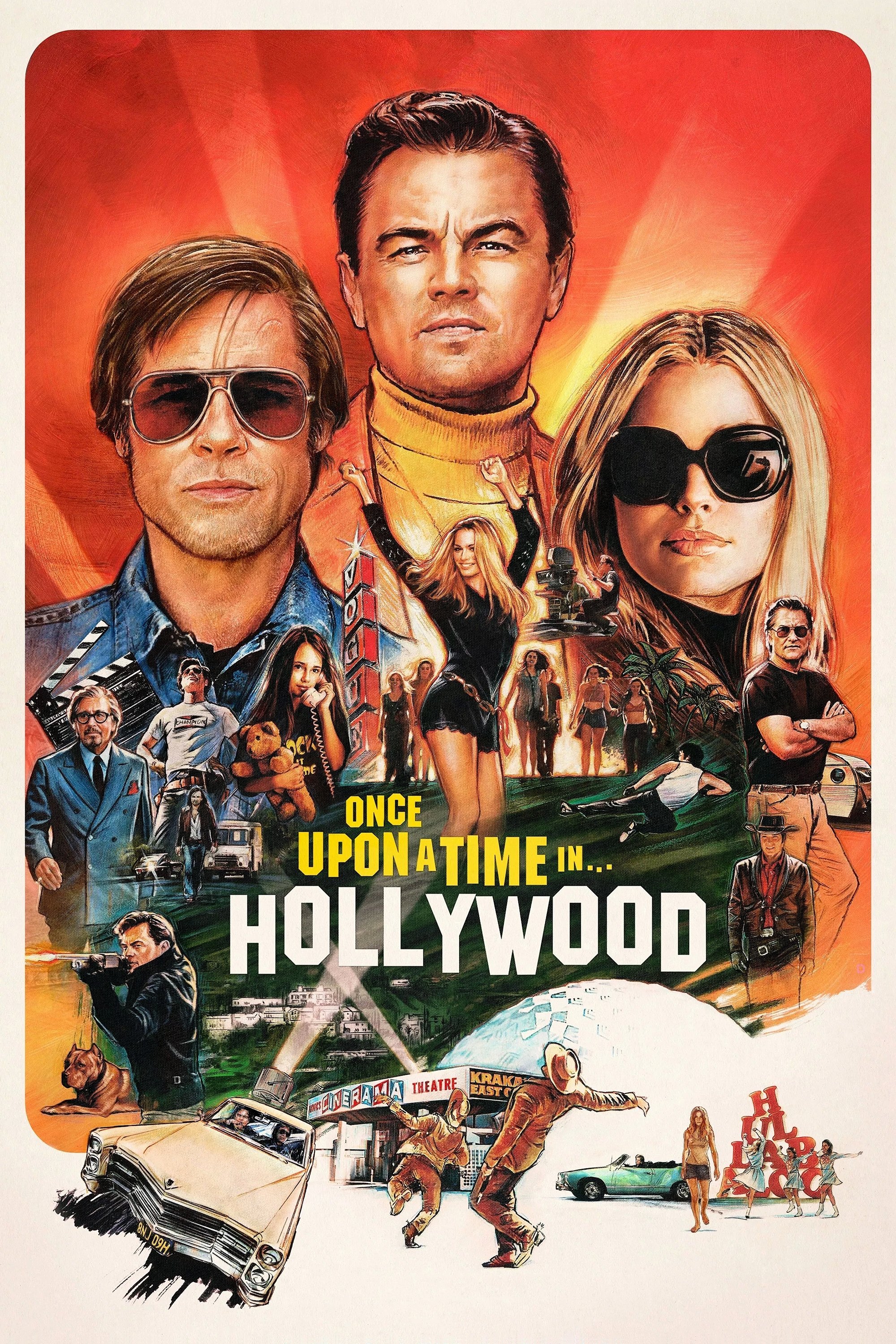
Recasting Couch
Jack Nicholson in the Bruce Dern role; Jude Law and Matt Damon as the leads
In the discussion (4)
- Jack Nicholson in the Bruce Dern part would have been amazing, though he would not have done it; it is called a great call. — Bill Simmons
- A game of replacing Brad and Leo: Ben and Matt (height difference), Johnny Depp and Robert Downey Jr. (with a joke about cancel standings), and Jude Law and Matt Damon, which is welcomed.
- Flipping the roles would not be as good, since Leo is less physically imposing as Cliff.
- Jake Gyllenhaal and Gerard Butler is mocked, and Downey with Clooney is rejected as too old.

In the discussion (4)
- Called a tough one, the answer is that it has to be Jude Law. — Bill Simmons
- Another voice feels similarly, noting it is amazing that Damon, in such an important performance for a top-five actor of the last 25 years, does not win the movie. — Sean Fennessey
- Just before recording, someone (transcribed 'Kate Hallowell') said the lasting impression is how incredibly hot Jude Law is in the movie, and the movie is never the same after he leaves. — Sean Fennessey
- Leaving halfway is compared to a Corleone exit, though The Godfather recovered; getting gunned down halfway through is how you know you are a charismatic actor. — Bill Simmons
Podcast choices
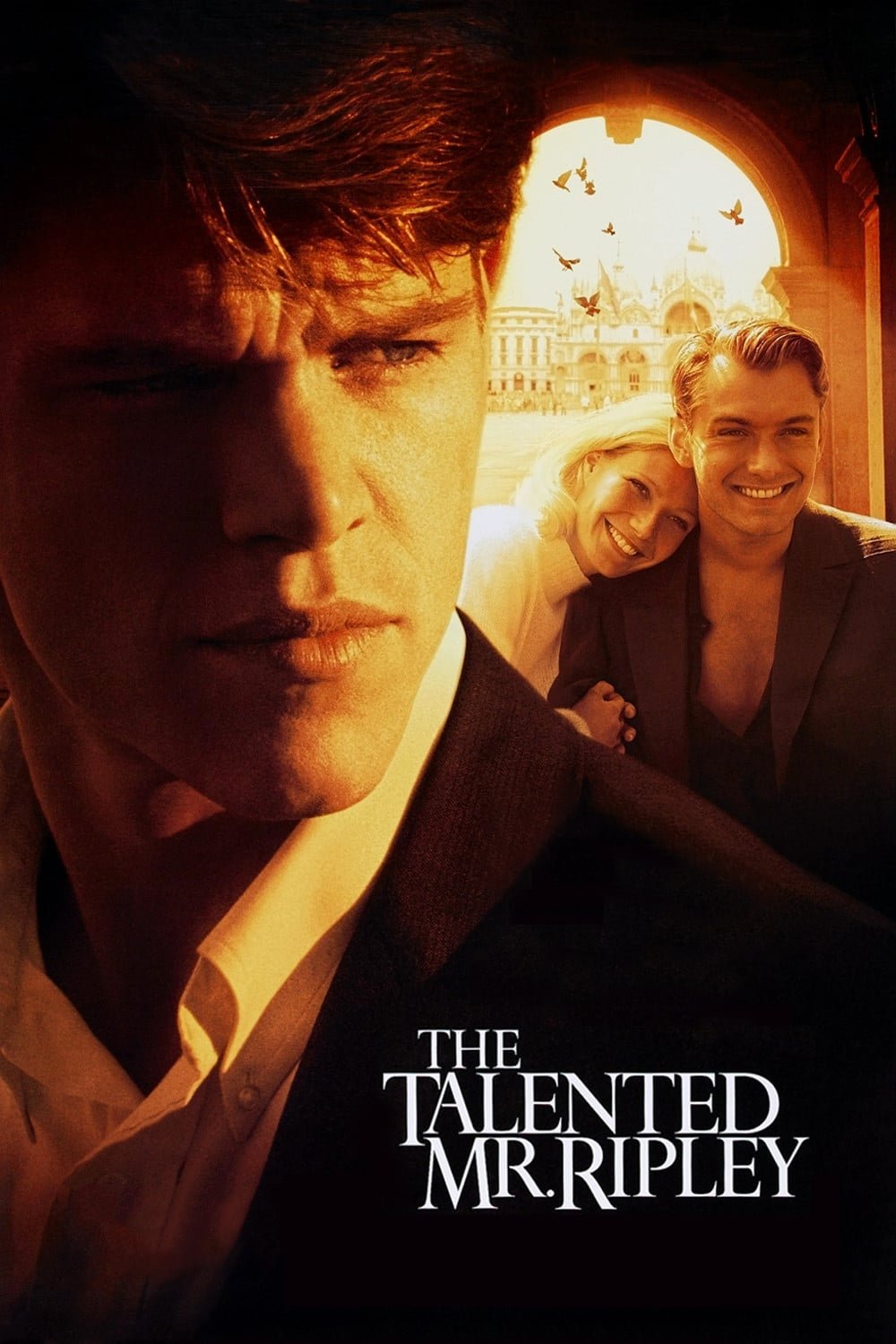
Picking Nits
Father not going himself; coming clean on the boat; sparing Blanchett's character; Peter's body and the manifest; unchecked passport photo; missing newspaper or yearbook photo; two witnesses
In the discussion (11)
- Why wouldn't Dickie's dad just go to Italy and drag him back? He is too busy with his ships. — Bill Simmons
- Could Ripley come clean about being Dickie on the boat with Blanchett's character? No, he would become a suspect. — Amanda Dobbins
- Why does he kill Jack Davenport's character instead of her? Because people saw him with her, while nobody saw Davenport.
- What does he do with Peter's body, presumably overboard, and how does he explain a second friend apparently killing himself when the ship's manifest is checked?
- In the 1950s nobody checks anything: officials compare a passport photo of Jude Law to Matt Damon and say it checks out.
- A related nit: some newspaper, or a Princeton yearbook, would surely have a real photo of Dickie Greenleaf, the famous shipping heir; the film has a lot of flaws and complicated plotting. — Amanda Dobbins
- The Amanda Knox story is called basically a remake of this film.
- This participant's middle name is Knox, which skewed their Google results for four or five years. — Amanda Dobbins
- The tangent continues with a joke about not being able to go to Italy for a couple of years and being 'mostly vindicated', drawing a 'We?' reply. — Amanda Dobbins
- Imagining being Ripley on the boat with Peter Smith Kingsley and Dickie's money, then seeing someone who knows them, would mean two witnesses; getting rid of Blanchett's character, even throwing her overboard, would at least be entertained. — Bill Simmons
- Going overboard is what happens to everyone else except Freddie Miles, who gets found, while Marge gets out of it.
In the discussion (7)
- Damon allegedly lost 30 pounds, learned piano, ran six miles a day and was covered in body makeup to look pasty and pale, prompting a joke about a pale co-host wearing an undercoat. — Bill Simmons
- The research says Damon actually sang My Funny Valentine and Jude Law learned the saxophone, leading to a question about Chet Baker. — Bill Simmons
- The research says Jude Law gained weight to seem more substantial and broke a rib falling backward while filming the boat murder. — Bill Simmons
- A joke item says a viewer named Tommy was so moved he vowed to make an equally compelling film and four years later made The Room; the hosts riff on the two being similar. — Bill Simmons
- Tom kills Freddie with a bust of the Roman emperor Hadrian, who the research says had a gay lover who was killed, called a little on the nose. — Bill Simmons
- A classics major explains that Hadrian built a long wall, partly in the UK, had a gay lover, and resembles the bust in the movie.
- The research says the production shot in seaside towns, Rome, Sicily and Naples, sometimes hundreds of miles apart, and reportedly shot in sequence; a joke says Clint Eastwood would have banged out all the Sicily scenes in a day. — Bill Simmons
Most Rewatchable Scene
Singing in the club
In the discussion (23)
- First nominee: Tom hanging out with Dickie for the first time, including the lunch where Tom impersonates Dickie's father and lists his talents as forging signatures, telling lies and impersonating practically anybody. — Bill Simmons
- Revealing his talents so early seems odd, perhaps a mind trick; Dickie does not remember him from Princeton but is enamored, since charismatic people like being around those they can push around. — Sean Fennessey
- Con men often reveal part of their strategy to make you trust them, which makes the talents exchange a cool scene. — Sean Fennessey
- A shout-out goes to the opening credits, styled after Saul Bass's Hitchcock credits (Strangers on a Train was also a Highsmith adaptation), with sliding lines that fit the film's theme of how people are seen and can flip. — Sean Fennessey
- The mid-to-late 90s is called the era when movies got good at credits, citing Enemy of the State and Seven. — Sean Fennessey
- Tom singing jazz with Dickie in the club for the first time is called possibly a host's wife's favorite movie scene of all time, and another participant's spouse is also obsessed with it; it condenses the movie's themes into two minutes.
- The singer Fausto sells the song, and Damon, brought in near the end, plays it as awkward but thrilled to be there, which is good character building. — Bill Simmons
- Freddie's entrance is called an all-time five seconds and one of the best entrances in movie history: he pulls into a piazza in a cherry-red car and his first line asks whether you want to sleep with everyone you see just once.
- The entrance is called sleazy but charming in a Freddie way.
- Next come Freddie mocking Tom at breakfast for living off Dickie, the boat line asking why men at play always pretend to kill each other, and Freddie's repeated 'Tommy, how's the peeping', which the hosts wonder whether Hoffman improvised. — Bill Simmons
- The boat murder is called violent, weird and well acted; it turns ugly with the 'third class mooch' insult and unfolds so that an unintentional killing seems realistic.
- Dickie's 'you can be a leech, and it's boring' line, used in the cold open, is called one of the more devastating digs you can put on a person.
- Ripley is also protecting things he wants known but will not say, such as being in love with Dickie; a counterpoint frames the tension as wanting to be with Dickie versus wanting to be Dickie.
- The chess scene with Dickie in the bathtub is added as important: its unspoken power dynamics and possible sexual challenge set Ripley off. — Sean Fennessey
- Another participant left the bathtub scene out as trying 10% too hard to establish sexual tension; neither thought Dickie was gay, rather that he lords everyone's attraction over them, even Freddie's. — Sean Fennessey
- Tom running into Peter and Marge at the opera is nominated: right after the opera parallel to killing Dickie, he is strutting as Dickie, slinks around the corner to avoid exposure, and Marge shows the first hint of suspicion.
- Freddie confronting Tom at the apartment is the next pick, for Hoffman's line readings about the new piano, the furnishings being bourgeois and Tom being a quick study.
- Freddie is thought to know Tom is a con man who did not go to Princeton, but not that he killed Dickie; he suspects Tom of taking advantage of Dickie, as everyone does.
- One participant has no more 100% rewatchable scenes and likes the first two-thirds more; Marge's late outburst at Tom is liked, a change from the book where she does not suspect him, but not given full rewatchable status.
- The Phil Baker Hall scene is nominated because it seems headed one way and goes the other. — Sean Fennessey
- Like all the Ripley stories, including Purple Noon, the detective scene sets up a reveal and Ripley wriggles out; Purple Noon's ending, where he gets caught, is said to betray the uncatchable character. — Sean Fennessey
- The detective says he does not like bullshit, then instead of accusing Tom offers him money for doing a good job; Phil Baker Hall is basically playing his Boogie Knights (as transcribed) character and is loved every time. — Sean Fennessey
- Asked for the most rewatchable scene, the answer is the singing in the club, followed by 'I agree. I agree.'
Casting What-Ifs
Leo offered Ripley; Leo as Dickie; Christian Bale considered for Ripley; John Malkovich nearly directing
In the discussion (8)
- Casting What-Ifs is stepped on early: the director is quoted as wanting final say over who played Tom Ripley, refusing to settle for someone he was 80% about, and seeking the brightest young actors he could find, who were household names a year later. — Bill Simmons
- All five leads needed chemistry with each other or to be plausible enemies; the director found five future movie stars, though Blanchett and Jude Law were not stars when cast, with Law coming off Gattaca. — Amanda Dobbins
- A worse version of the movie stars Gretchen Mall (as transcribed) instead of Paltrow as Marge; she had a going-to-be-a-thing moment that did not last. — Bill Simmons
- Leo reportedly declined the offer to play Ripley before Damon was cast, another instance of Damon versus Leo; his version would have been different and not as good. — Bill Simmons
- Leo should have been Dickie: blonde, tall and handsome at that age.
- Christian Bale was reportedly considered for Ripley; he could have done it but is slightly too menacing, lacking the boyish all-American look Damon turns in his face. — Amanda Dobbins
- Bale a year later did American Psycho, called an interesting double feature of con men who lure people to be murdered; Leo later played Gatsby, which suits his flamboyant style better. — Amanda Dobbins
- John Malcovich (as transcribed) reportedly came very close to directing the movie and later played Ripley himself.
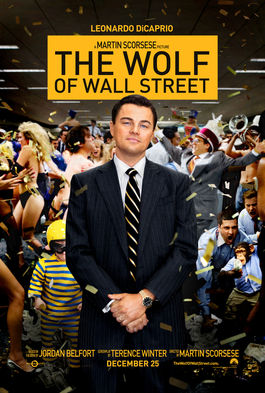
What’s Aged the Best?
The theme of wealth as an incurable pox; the narrated asides; the idea that not having wealth is also unacceptable; the soundtrack (disputed); the unreliable narration and fourth-wall breaking; Margot Robbie
In the discussion (10)
- The serious opener: the theme of wealth as an incurable pox that destroys life from the inside out, or at least that being motivated only by money is aging well.
- The asides age best: the man who married the girl they had all had their way with and then killed himself; Brad's heart attack at 35, just like Mozart; the financial explanations Jordan yada-yadas because you don't give a shit, which recalls the way Trump talks, with a bragging flourish at the end telling you that you are too stupid to need to know, an attitude that has clearly resonated.
- Related is the idea that not having wealth is also unacceptable, seen when Kyle Chandler sits on the subway at the end after getting his man; Scorsese and DiCaprio are wealthy and know life is easier with money, so the theme is how you get it and whether you are happy with what you chose, more nuanced than these guys suck.
- The film feeds the appetite for lots of characters and actors; Favreau is good at these side roles; the investigation took ten years and Belfort could have just paid a fine and stepped down from Stratton Oakmont, the Favreau and Reiner scene where he tells them what they want to hear while clearly not caring, and when a rich man goes to prison he does not really go to prison.
- The last scenes with Robbie's character are played starker to show how evil he is, he beats up his wife, and he still gets white-collar jail, tennis and speaking fees; there is an amazing dissonance between Belfort being all about this movie, even cropping up in the cameo, and the conclusion portraying him as an awful violent person.
- What is real is debated since he has denied things; Belfort and the ex-wife both live in Manhattan Beach, where a host jogged past his house; the fines he was supposed to pay are debatable; the ending may be a way to remind you this guy did awful shit, whereas the international flight where he wakes up seatbelted is played as a carnival montage; the end is the crash, with a stock metaphor about risk, bad decisions and hurting people, precise while feeling loose.
- The soundtrack is written down as aging best but the dissenter, named on air, holds that it never aged for him; the unreliable narrator and talking-to-camera device, usually considered a crutch, is essential here to be inside his brain, like Rounders without Matt Damon; The Office comparison is floated and doubted; the Lamborghini and the head-on-the-Expressway sell of the rule-breaking early is impressive writing.
- 'Did you guys see that?' after the plane crash brings the audience in and questions his perception without making a show of it, and the film moves on immediately.
- Margot Robbie's discovery and where she now sits in the Hollywood firmament; the 'we're not going to be friends' line puts her in control of the courtship; she handles emotional desperation and goes toe to toe, 'who are you, a fucking owl'; the Venice fight with the water thrown in his face while he shimmies about his body is forgotten for the scene category, and the 'stop flexing your muscles' clip is played.
- The tryout story: an unknown reading with DiCaprio, told to kiss him after the screaming, she slapped him and screamed fuck you instead, and Scorsese's reaction was that's the one; she wanted to take a risk, though the story may not be true.
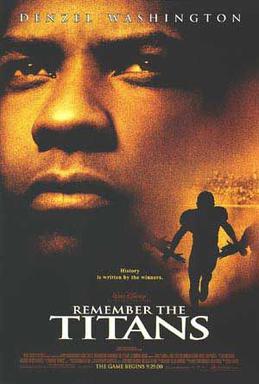
What’s Aged the Best?
The soundtrack; the Titan Spirit theme; Denzel tossing the banana to the opposing coach; Ray the Racist as villain; Kate Bosworth; the cast
In the discussion (9)
- The actor who plays Gary Bourdier (as transcribed) is so good in Sons of Anarchy that he reads as two different people; one host never watched that show, Googled him and found crazy facial hair, and had assumed the actor died when Bertier did; the character is who Gary would have become if he had not been paralyzed.
- The soundtrack has aged the best: John Fogarty (as transcribed) faded into classic rock yet ended up in twelve movies, any retro sports movie must use Credence (as transcribed); Blue starts singing four times in the first 22 minutes, Julius tells him to shut up in front of the white people, and the film has a Ryan Murphy quality with Marvin Gazebob (as transcribed), James Taylor, the Temptations, Cat Stevens, Sly Stone and Spirit in the Sky.
- The Titan Spirit theme, played in the room, makes a host well up; it has been used in countless World Series, Super Bowl and NBA telecasts and at the 2008 Democratic National Convention after Barack Obama's nomination and his victory speech, so the hosts joke that Obama does not become president without Coach Boone, which one host learned only from the research.
- Denzel tossing the banana to the opposing coach always gets a laugh with his little smirk, and the hosts marvel that he carried a banana in his pocket all game.
- Ray the Racist is a perfect villain who does not just hold racism but loves it, stalking shirtless around the locker room as if he might kill somebody; he is a made-up character, and a certain short, strong-chinned type of actor is cast for the over-the-top racist, which Matt Damon transcended in School Ties but Burgess Jenkins did not.
- Kate Bosworth plays the racist token wet-blanket girlfriend who still looks great in every scene and comes around to Julius at the end; the hosts debate how many days later Julius and she would get together, with one saying never because of Gary, another saying within a week, and Ray the Racist judged the better match for her.
- The racists are power-ranked: Gosling's dad screaming at Yost is a number one seed with racism from eight angles, the racist coach, the brick thrower, every opposing player and the assistant coach who walks out of the diner leaving Yost with the bill.
- Being attracted to Kate Bosworth here is ruled a no because she plays a high schooler, though everybody in the film is eight years older than high school; the final picks are the Titan Spirit theme, with its arc from sports telecasts to the Obama election, and the cast, which got more famous yet still feels like these characters rather than Avon Barksdale or the Gone in 60 Seconds guy; the gulf between Denzel and the second most famous person in the 2000 cast is gigantic.
- If Emma and Ray had a kid, the hosts guess he would be one of the tiki-torch people, a legacy Klansman buying rifles at Walmart.
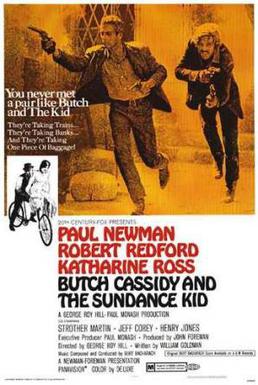

Sequel, Prequel, Limited Series, or All-Black Remake
No; ten hours would dilute the movie's moments, though someone will eventually try, probably updated to the present
In the discussion (2)
- The instinct would be fury at Netflix remaking it as a ten-episode show, but the next question would be who is doing it, and the right names could suck a viewer in; after fifty years a remake seems allowed, and the pitch is written by Aaron Sorkin and starring Ben Affleck and Matt Damon.
- The problem would be the movie itself: even with ten hours of material, people would wait for the movie moments and feel them diluted, the same problem as The Godfather, since nobody can disassociate from what is ingrained; someone will find a way, there is no sanctity, Harley Davidson already did it, and it would have to be updated to 2019, perhaps as two hackers.
Films in the archive
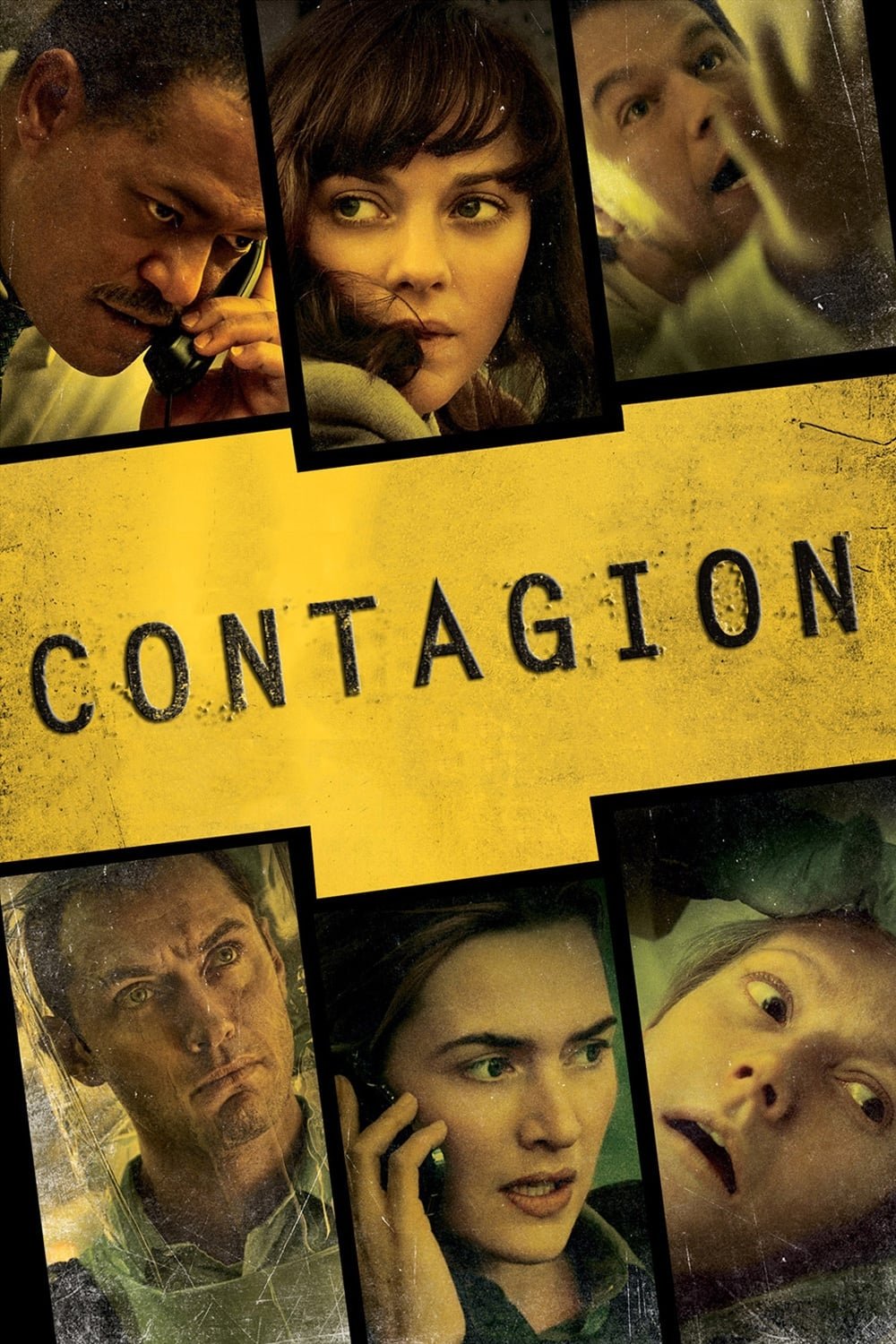
Contagion
2011



Good Will Hunting
1997

Ocean's Twelve
2004
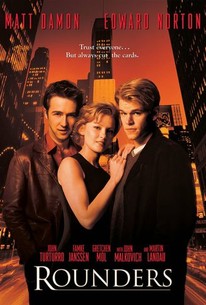
Rounders
1998
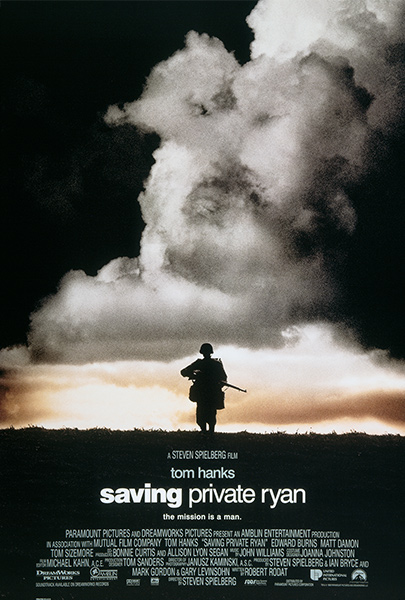
Saving Private Ryan
1998
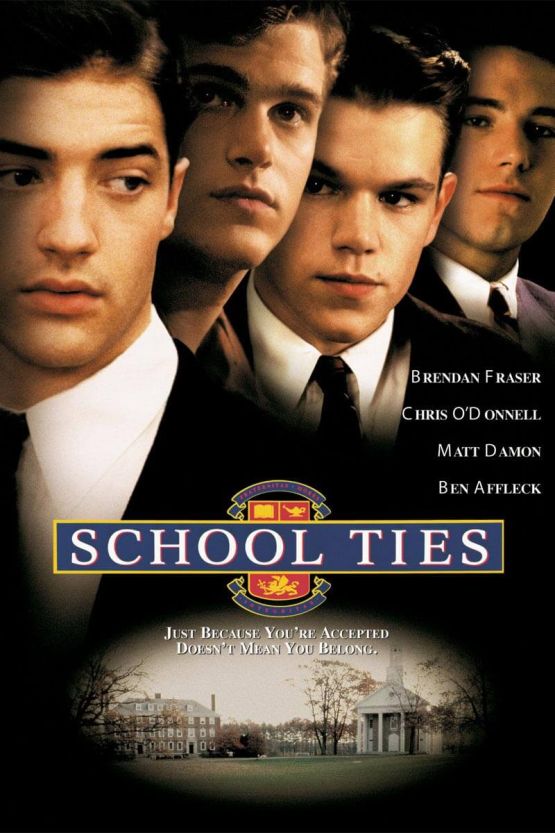
School Ties
1992

The Bourne Identity
2002

The Departed
2006

The Martian
2015
The Talented Mr. Ripley
1999