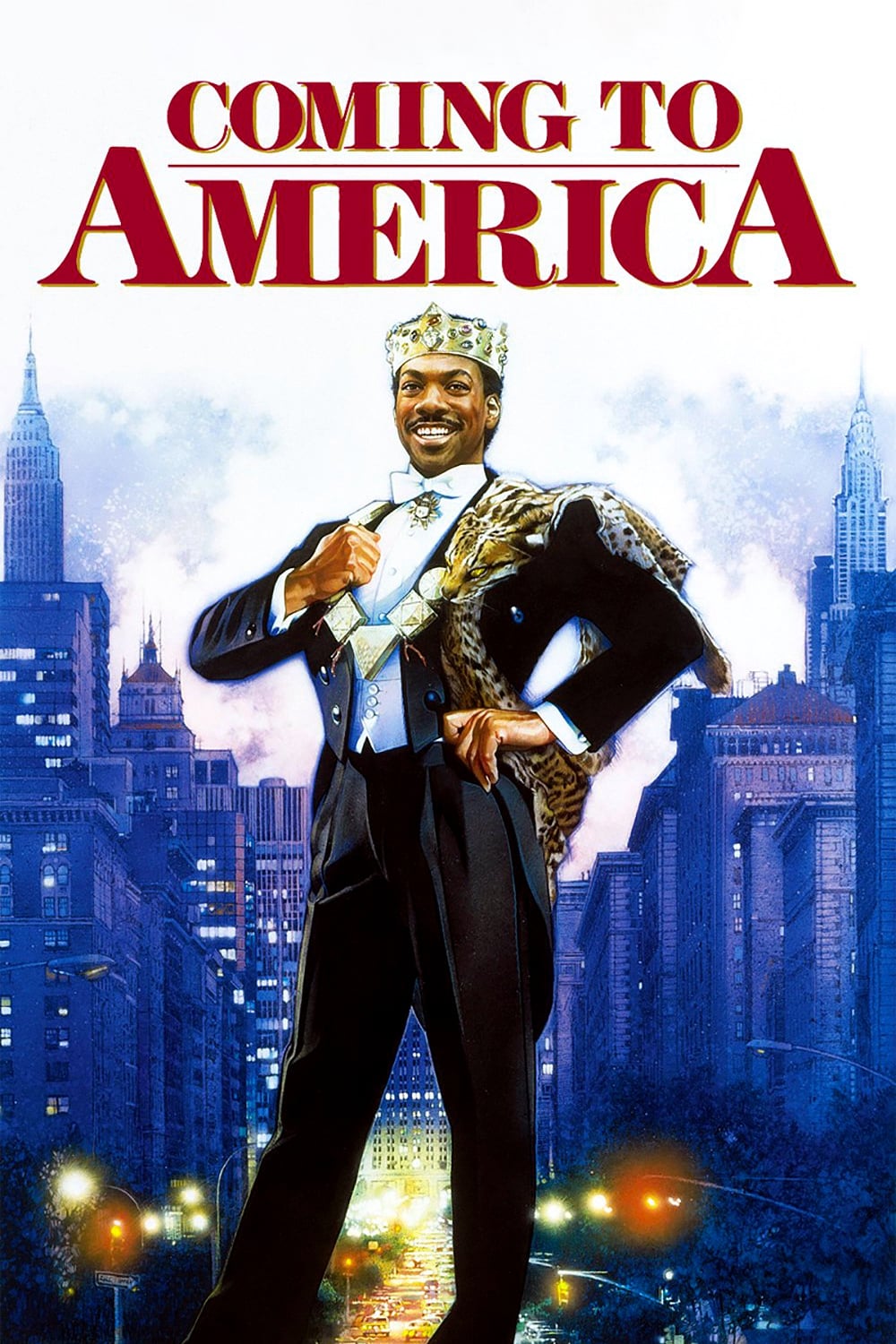
One objection is that the dinner sequence was shoehorned into the story and is not needed for the plot, even though its comic digression is pleasurable. — Wesley Morris
The scene evokes Black theater and its later Tyler Perry counterpart, bringing class tensions into the comedy. — Wesley Morris
The chitlins in a wealthy household and Angela being asked to handle them are described as a collision of Black culture and snobbery. — Wesley Morris
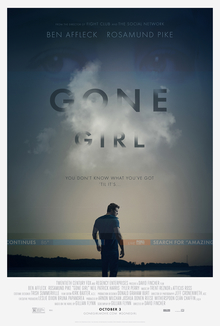
The shock value of the big twist, which cannot be recaptured on rewatch; the internet outrage reaction to the movie; the brutality of the Desi murder; Neil Patrick Harris's performance; Wesley Morris's negative review; Bill Simmons saying Neil Patrick Harris was bad
The big twist has aged worst in one sense: in the theater, where a guy audibly went 'oh, shit', it was the best part if you had not read the book, and that shock cannot be recaptured on a tenth viewing, though you appreciate the details in a new way, like rereading Goblet of Fire knowing Voldemort rises from the cauldron, which is the whole point of the podcast; it belongs in both categories.
The internet reacting to the movie has aged badly: one of the first cases of people pulling other things into a piece of art and arguing outrage over it, as now with the new Tarantino movie, when to one host it is a movie about a crazy lady who framed her husband and came back; another counters that using criticism to understand society through art is reasonable and happens on this podcast, and it was the 'how dare you, this is irresponsible' tone that grated.
Gillian Flynn has engaged the criticism of the story's sexual politics and of Amy, as she did when the book came out; her boiled-down response is that women can be murderous and violent too, anyone can be a psycho, an inversion the hosts find compelling; neither Nick nor Amy is a good person, and Nick's cheating does not entitle her to frame him, kill Desi and frame him for rape, or bring a child into that household, the baby being perhaps the most fucked-up thing she does.
The Desi murder is brutal and has aged worst for one host from a rewatchability standpoint; in the book she drugs him with sleeping pills and kills him off the page with a knife grabbed in the kitchen rather than a box cutter, less premeditated and violent, and Patrick Fugit's line asking how she got her hands on a box cutter is relished.
Neil Patrick Harris sucks, capital S, for one host: a sitcom actor with no chemistry, out-acted in his scenes and not a Fincher actor, with the other How I Met Your Mother guy Josh Radner (as transcribed), Zach Braff or Tobey Maguire suggested instead; others argue the lack of chemistry is the point, that he evinces weak, privileged, waspy cornball well, and that Amy is supposed to outclass him.
Wesley Morris's Grantland review is nominated, with one host eager to make fun of him: brilliant, sophisticated criticism nominated for a National Magazine Award, with a bad opinion inside it, that the movie is not good; another plans to argue with him for an hour at Rembrandt's wedding after three drinks.
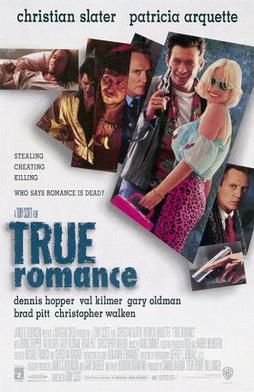
Are there really 17 tells for a lying man and 20 for a woman? Why wasn't Patricia Arquette a bigger star? What is Alabama doing right now? Where did Dick Ritchie and Floyd live? Did the Italians kill Floyd?
Is it true there are seventeen things a guy does when he lies and a woman has twenty; googling turns up nothing but this scene, Tarantino may have been talking out of his ass, why seventeen, and listeners are asked to email the mailbag if there is truth in it.
Why wasn't Patricia Arquette a bigger star: she has a wholly distinctive vibe, voice and look that did not translate to Julia Roberts type movies; she was on Medium a long time, was a star of Ed Wood and Flirting with Disaster and was in Lost Highway, but never a blockbuster; summoning the spirit of Wesley Morris, she was market-corrected by Drew Barrymore with the rom-coms and Charlie's Angels, weird but not too weird for guys, while Arquette is cool, a little weird and more hard-bitten.
What is Alabama doing right now: working in the boatyard with Red in Mexico, Clarence definitely dead, probably from complications of poor eye surgery; a deep-web Tarantino database supposedly has her hooking up with Harvey Keitel's Reservoir Dogs character and going on the run as a professional bank robber, which was the plan when Clarence died.
Where exactly did Dick Ritchie and Floyd live: honestly Los Feliz, or up Beachwood in the hills since the directions say go down Beachwood, around the Beachwood Cafe, looking like the Los Feliz or Franklin Hills; a Ringer video series visiting movie locations is wished for.
Did the Italians kill Floyd, the most important question of the movie and maybe of a host's life: they leave the first time, Gandolfini leaves the second after asking whether they want to smoke, they cock their guns and it just ends; in the 1992 draft Floyd's last line is 'well, you go down Beachwood' with no killing; killing him would only leave a trail, so he lives, or dies of lung disease two years later; Kevin Corrigan, one of the most Irish guys of all time, plays an Italian gangster.
The segment is announced as 'New category. The Joe Pantoliano Award' and named for Joe Pantoliano, which is why it is recorded under the existing Joey Pants that-guy family.
The award is for a then-that-guy who became a that guy or never did: Joe Pantoliano was Guido the Killer Pimp and the guy from the Cruisers movie for five years, then Running Scared, The Matrix and The Sopranos made him Joey Pants; the two nominees are Scott Glenn and Harris Ulan (as transcribed).
Harris Ulan (as transcribed) is a flat-out that guy: a hundred movies, almost always evil, usually the lieutenant or someone in the DA's or mayor's office, an amazing theater actor; the two performances burned in are the judge in Ghostbusters 2 and Mel Burstead (as transcribed) in Scarface, a role he has essentially played for 35 years, including a version of it here.
Scott Glenn's recognition of Hoyt as a strong safety from North Hollywood High is recited, and his one-shot character in the Apocalypse Now director's cut, painted and surrounded by Montagnard Indians at Brando's compound, is imagined coming back to the States to become an L.A. drug dealer who scouts high school defensive backs.
Why does Roger wear a black tank top tucked into jeans with a green bathrobe, drinking scotch at 10 in the morning, with a photographic memory for a player from 10 or 15 years earlier, before YouTube mixtapes, like the invention of Pro Football Focus; weird little flourishes like this elevate the movie.
Roger is understood as an ex-cop turned dealer, and there is a brand of cop really into local athletics who goes to high school games for no reason and asks about the quarterback, a provincial type who probably has a Letterman jacket from 1957.
The script had been banging around since the mid-90s and is based on the Rampart scandal, drawing on the Raphael Perez (as transcribed) case of cops stealing and selling drugs, with Alonzo modeled on Perez down to the beard and look.
Wesley Morris's 'there can only be one' market-correction game: Tommy Lee Jones market-corrected Scott Glenn; Glenn was the rival who sleeps with Debra Winger in Urban Cowboy, a weird film that has not aged well, while Jones was in The Executioner's Song with Rosanna Arquette, and they ran parallel through the 80s until The Fugitive and Under Siege made Jones a top-tier star and left Glenn to play Roger.
Glenn belongs to the early-80s generation of The Right Stuff, Silverado and Terms of Endearment whose careers were derailed by the mid-to-late-80s action boom; he took second-in-command roles in The Hunt for Red October, Silence of the Lambs as Jack Crawford, The Player, Backdraft and Absolute Power, grouped with Kline, Costner and Dennis Quaid.
Personal Best, Robert Towns's (as transcribed) directorial debut, is a weird film that has aged badly and incredibly well at once, with Glenn's character crazy and the two-athletes-falling-for-one-another premise interesting; it will never be on the show.
One voice thinks it has to go to Scott Glenn; another argues for Harris Ulan (as transcribed) because Glenn was already Scott Glenn, Alan Shepard in The Right Stuff, a known quantity 20 years earlier; Roger is called his best part, three great scenes, though the other would take Personal Best and The Right Stuff over it, and no single pick is settled.
Roger's football recall is riffed on: the game against Crenshaw, picking off two passes, going nickel in the third quarter, the safety blitz, all offered with scotch and a bathrobe.
Earlier, during the heat check, a nomination for Harris Ewan (as transcribed) was held for this new category.
A dog would improve lonely Ennis’s life and provide companionship beyond the distant relationship. — Wesley Morris
A bloodhound or border collie is considered; an initially proposed Ennis award is recognized as the existing Cliff Booth category and extended in name.