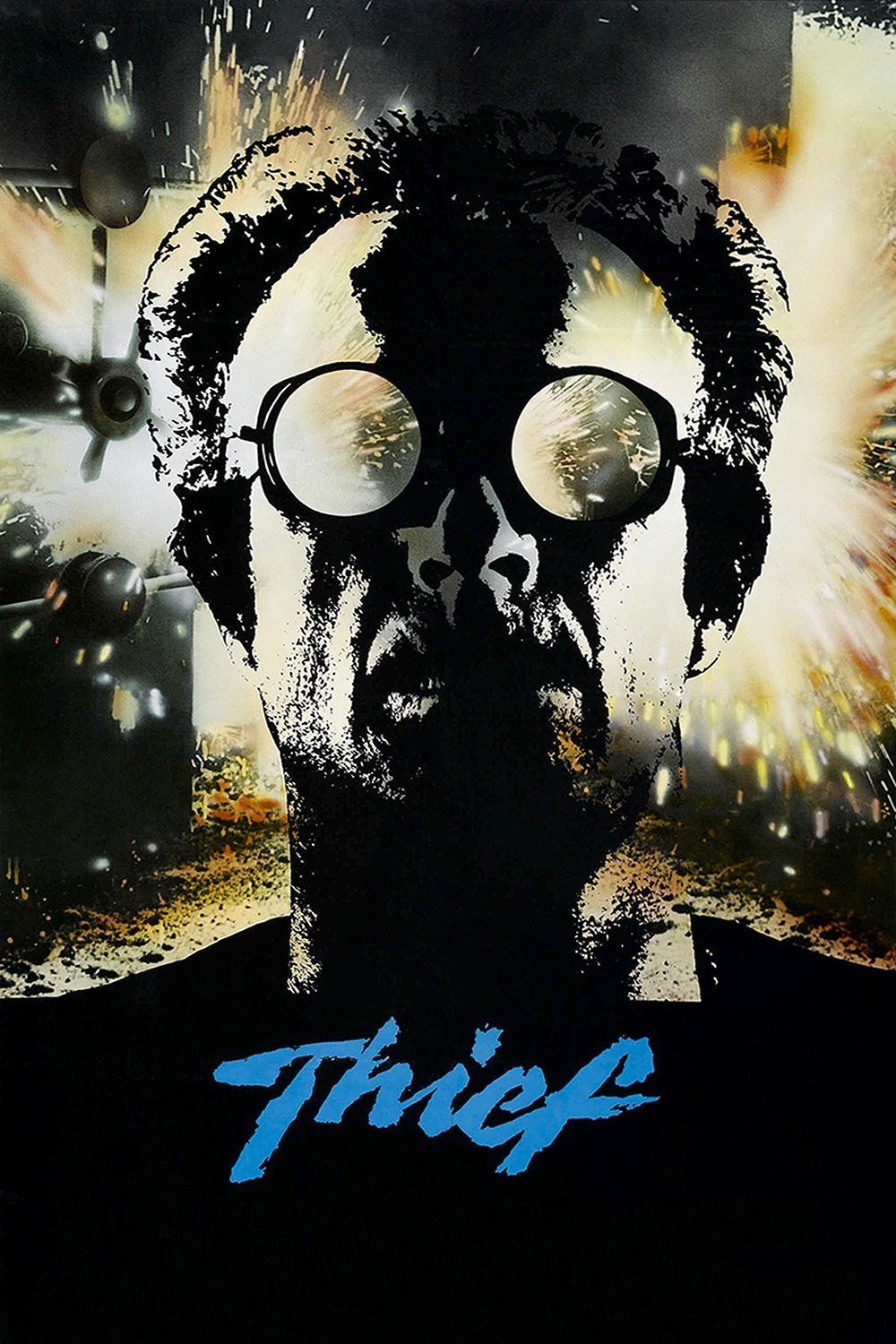
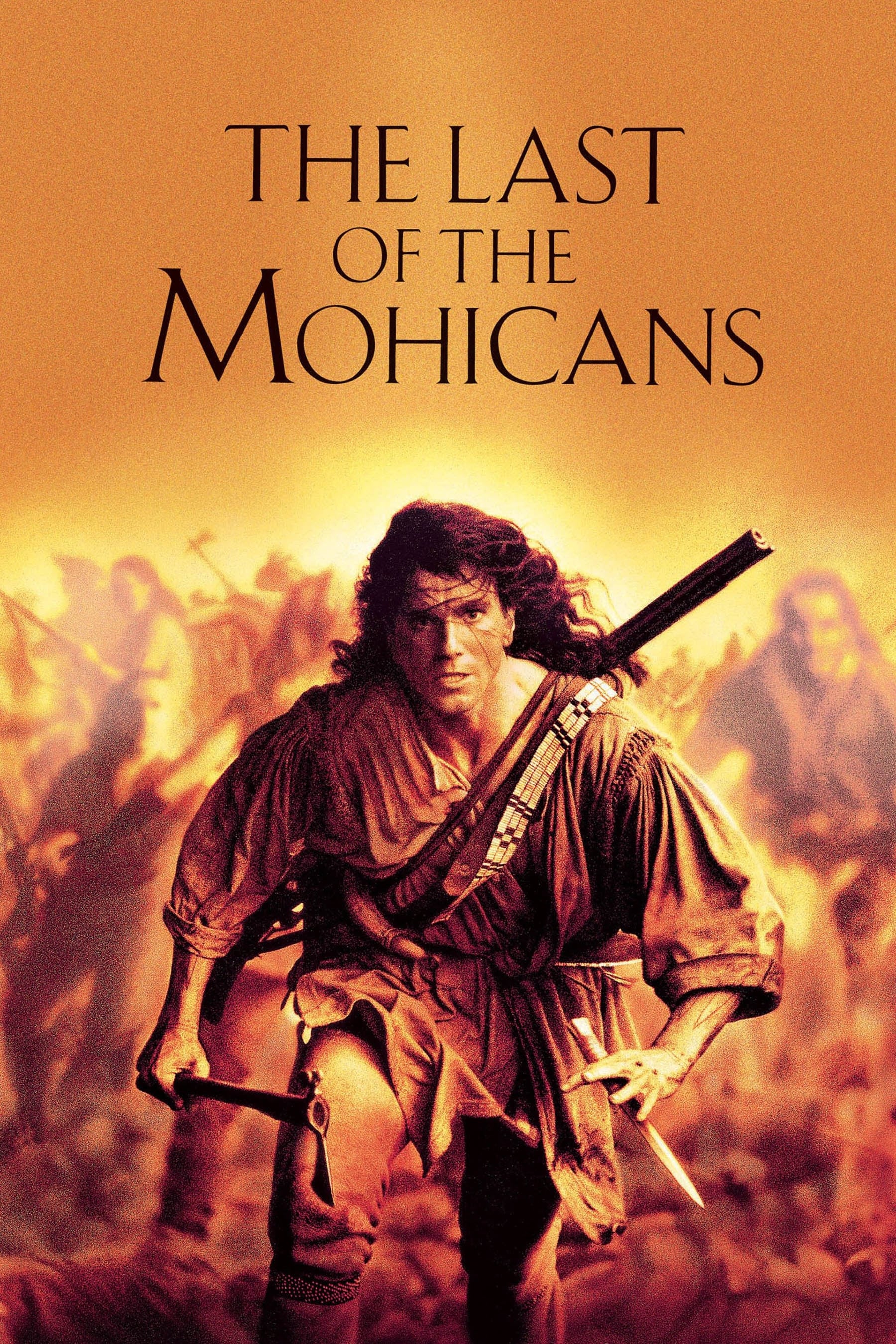
What happened to Frank? Siegel's piece reports a debate: the director's pessimistic answer is nowhere, while the star believed someone with Frank's determination would get everything back; the ambiguous ending is part of the appeal. — Bill Simmons
Thief as the first Heat: per the Siegel piece, the star told Pacino "that was my movie"; it's all one movie for Mann, though Thief is about a man alone and Heat is a showdown.
For a $5.5 million downtown LA bank job, Neil McCauley over the combustible Frank, going through Voight's character. — Chris Ryan
It would have been great if Frank became the Voight-style fixer years later. — Chris Ryan
Caan never appeared in another Mann movie; in the Criterion disc interview he calls Mann an 18-hour-a-day workaholic, and two notoriously difficult people made one movie and were done.
The Caan-Weld relationship is confusing; per the director's commentary, editing surgery made it seem like an eight-month back-and-forth, but the leap from yanking her out of a nightclub is still odd.
Her Bogota story is as crazy as his, and believable for the girlfriend of a cocaine dealer. — Bill Simmons
Something at the end is not made obvious enough, which Mann has acknowledged, and the final shootout is a dry run for Manhunter's. — Bill Simmons
Was Leo's shopping-mall deal that bad? Malls took off in the 80s and it's a perfect way to launder money. — Chris Ryan
You get far less than face value for stolen goods ($800,000 from a $4 million robbery), and $800,000 in the bank invites an audit, so trust Prosky; alternate Thief 2 with Weird Science filmed in their mall. — Sean Fennessey
Is baby stealing this easy, and how do stolen babies get Social Security cards? Hospital delivery rooms are monitored like banks. — Bill Simmons
Asked if he was a stolen baby, the reply is "I wouldn't know." — Chris Ryan
Real crooks and Gunsite training; Howard Johnson's booth; real burglary tools; water truck for wet streets; Green Mill's Capone booth; unused source book; Belushi's squibs; Tuesday Weld's Wikipedia
The actors hung out with real crooks, and Mann took Caan to the Gunsite firearms academy in Arizona, which is why his house raid looks realistic. — Bill Simmons
Per Alan Siegel's research, Mann took his future wife to that Howard Johnson's in 1971 and they talked all night in the booth used for the scene; they are still married 50 years later. — Bill Simmons
The burglary tools were real, and the actors were trained to use them. — Bill Simmons
A 60,000-gallon water truck kept the streets wet, a Mann staple he may have invented, though Scorsese did some of it in Taxi Driver. — Bill Simmons
Mann tells an anecdote about driving around looking at bridges and water before he was a filmmaker; the urban landscape colliding with nature, rain and neon are his signatures, as in Collateral. — Sean Fennessey
The Green Mill jazz club in Uptown was an Al Capone hangout, and the scene was shot in Capone's booth, where he could see the whole club. — Bill Simmons
The film is based on a book that was optioned, but Mann did not really use it. — Bill Simmons
Belushi begged to do his own death scene and absorbed dozens of squib shots. — Bill Simmons
Jeff Bridges was Mann's choice for Frank but the studio rejected him as too young and not experienced enough to be a hardened criminal; he is judged too sweet and not tough enough. — Bill Simmons
Mann originally planned a Chicago blues score but switched to Tangerine Dream for more pulse, returning to blues and jazz in Collateral's Miles Davis scene. — Bill Simmons
The original title was Violent Streets, judged too on the nose.
Dialogue; Tangerine Dream; Frank's collage; "I want a boy" exchange; film debuts; 1980 Caan and John Belushi in Chicago; Belushi's sideburns; Tuesday Weld; Mann's nihilistic ending
The dialogue: Mamet-influenced; per a Belushi video interview, Mann insisted the characters never speak in contractions because they are so precise; it never dumbs down the Chicago underworld lingo for criminals or cops, including the beating speech. — Chris Ryan
Tangerine Dream, fresh off Sorcerer and before Risky Business; with Vangelis and Faltermeyer they were the cool music of the early 80s. — Bill Simmons
Frank's collage of children, a car and a house he doesn't have, his jailed mentor Willie Nelson and 12 skulls; jokes about a personal collage of Sean that is now an NFT, and Mann inventing Pinterest. — Bill Simmons
Caan saying "I want a boy" and Prosky answering "Done"; the second meeting in the bar is a favorite conversation ("Wham-Bam Magic Sam"). — Sean Fennessey
A participant saw it in a Boston theater in 1981 at 11 or 12 with his dad and was puzzled by Jim Belushi, who looked like John Belushi, then still alive. — Bill Simmons
John Belushi visited the set, and the cast and crew hung out free all night at his Blues Brothers bar in Chicago; 1980 Caan and Belushi together must have produced stories. — Bill Simmons
Belushi's sideburns were fantastic. — Bill Simmons
Tuesday Weld: Wesley approved the take that Jessica Lange market-corrected her; she is terrific and perfect here, an Oscar nominee famous from Dobie Gillis who hasn't acted in 20 years, and, with a weak Best Supporting Actress category that year, could probably have nailed that down.
These films shortchange wife and girlfriend roles, but this one gives her a big scene to come off the bench and score 22. — Chris Ryan
Mann on the final decision, from the Ringer piece: having something makes Frank vulnerable, so the nihilistic act of destroying it returns his power. — Chris Ryan
A joke about deleting the feed after the last Mann movie, with Heat as the 500th episode alongside Tom Sizemore.
First pick: Caan going to the plating company to demand his $185,000 within three hours; it is the first time Farina is seen, and the eight horrified 1981 office workers are a highlight. — Bill Simmons
A joke that Chris used to enter the office the same way, moving the chair to see what was on the desk.
Willie Nelson's big prison scene is complicated but fascinating, an intense staring contest with the faces a foot apart; Mann seems to have few friends but insanely intense connections with the ones he has.
The Nelson scene is not obviously working at first but pays off with "I don't want to die in here, Frank"; his line readings are sometimes odd, but his open, empathetic face makes it work.
Willie Nelson on Frank's postcard collage is briefly puzzling on a rewatch until you remember he is Frank's best friend. — Chris Ryan
Praski's (Prosky's) first scene: his first movie at 51, dressed like a grandfather in a golf shirt tucked into pressed slacks. — Bill Simmons
Mann auditioned dozens of New York actors for Leo; Bruckheimer advised that the right person had not walked in the room yet, and Prosky, a theater actor, was found, leading to a That Guy career. — Bill Simmons
Peak Prosky is this role: an avuncular, warm, familial sensibility with pure evil right under the surface. — Sean Fennessey
The Natural is raised as close but too evil; later roles such as Last Action Hero and Mrs. Doubtfire made him the favorite uncle. — Sean Fennessey
Caan lays out what he won't steal: just diamonds and cash, no coin collections. — Bill Simmons
The diner monologue is the reason for the episode after it was caught while flipping channels and texted to Chris; it is called the best moment of Caan's career, better than any Godfather moment, laying out the character's spine in four minutes. — Bill Simmons
It is called a favorite first date in movie history: Caan is two hours late, they scream at each other on the drive, and he tells a woman he just met about his prison fight with Morphus. — Bill Simmons
Caan called it the scene he was most proud of; it was filmed at a Howard Johnson's in Illinois that Mann had a connection to, and the wide shot is Heat DNA, though Heat never shows the two men together. — Bill Simmons
An amazing piece of filmmaking; the underrated part is the car speech before the diner, two people who have looked at each other for eight months cutting out the games. — Sean Fennessey
Caan cracking the love affair like a safe ("cut the mini moves and the bullshit and get on with this big romance") while being impatient with the woman he plans to marry is hilarious. — Sean Fennessey
One-last-job movies raise the question of why not ask her out after the job; the woman complicating the last job is a Mann recurring thing. — Chris Ryan
Mann's top restaurants are ranked: diner, Chinese restaurant, Musso and Frank-style steakhouse, a close-booth place like Dan Tana's, and hibachi for the glimmering blades. — Chris Ryan
The Chinese-restaurant waiter gives a borderline Dion Waiters performance and is nicknamed David. — Bill Simmons
The elevator-shaft scene is weirdly harrowing and shows Mann's precision; it is liked more than the safe crack, though the opening keyhole-camera drilling sequence is great. — Sean Fennessey
A first-time viewer at home was riveted by the talking but hid behind an iPad during the drilling; Fincher's Panic Room is imagined as a response to Thief. — Sean Fennessey
Prosky lays down the law in an incredible monologue ("I run you", whacking out the whole family, wimpy burgers), shot upside down from Frank's POV, ending with Belushi dropped in acid. — Bill Simmons
Belushi's death scene could have used another minute of setup. — Bill Simmons
The ending is fun to watch but has issues: it hinges on Attaglia getting a glass of milk, Mann's written ending reunited Frank with Jessie, and seeing the girlfriend again would have been more satisfying.
Burning the postcard reads as Frank giving up the idea that he could be happy or emotionally available. — Chris Ryan
Biggest nit here: he should have gone back in the house and stolen things, though sparing Leo's wife is a purposeful choice by a man with a samurai code.
Mann repeatedly sends the wife packing, as in a two-part season-one Miami Vice episode and Heat's walk-away with Amy Brenneman in the car, which is called weird given the question of whether Mann himself hasn't been married to the same woman for about 50 years.
It is a great Mann movie, but this is among the favorite Day Lewis performances; he became a rock star household name off it and then chose a different direction. — Chris Ryan
Jokes imagine Day Lewis as Neil McCauley spending years learning metals and safecracking and serving time in San Quentin. — Bill Simmons
It could be, but would be among the most expensive 10-episode shows if done correctly. — Chris Ryan
A series would address the confusing political context and the Alice-Uncas relationship, though the film works as it is and Mann would tinker with it forever. — Chris Ryan
It would also give Magua a backstory, joked as recording his own music and coaching youth lacrosse. — Chris Ryan
Mann's takes and budget overrun; Fort William Henry set; waterfall reshoot; composer change; costume designer exit; release delay and three cuts; Native American extras; Russell Means's background
The hosts say Mann did at least 20 takes per setup, the budget ran $7 million over, and 20th Century Fox sent a representative to keep it on track. — Bill Simmons
A story has Mann shouting over speakers about an orange light that turned out to be the sun rising; the host questions whether it is true. — Bill Simmons
The hosts say the production used North Carolina for 1757 New York and spent $6 million on a Fort William Henry set built to historical specifications. — Bill Simmons
The hosts say Mann decided he did not like the waterfall scene and reshot it nine days before, as transcribed, 'Revere saw the movie', and that the 'stay alive, I will find you' moment came from the reshoot. — Bill Simmons
Citing a 1996 Randy Edelman interview, the hosts say Mann fired Trevor Jones over a more electronic score and brought in Edelman for a classical one; both are credited, with jokes about Jones being replaced. — Bill Simmons
The hosts say the original costume designer, a multiple Academy Award winner (transcribed 'Jay Matcheson'), left over artistic differences and removed his name, and Elsa Zampelli (as transcribed) finished; this is joked into Mann's pattern of people walking off sets. — Bill Simmons
The hosts say the film was scheduled for summer 1992, Mann delivered a three-hour version, Fox postponed it to September, and it was cut to two hours, with three cuts existing. — Bill Simmons
The hosts say the production employed 900 Native Americans from across the United States, most notably Cherokee. — Bill Simmons
The hosts say Russell Means was 52, making his first movie, and was a famous American Indian activist; they say he ran for vice president in 1984 as Hustler publisher Larry Flint's (as transcribed) running mate and lost the 1988 Libertarian nomination to Ron Paul. — Bill Simmons
A reported practical-joke war between Day Lewis and Stowe escalated from food fights to a staged bloody car crash; both hosts doubt it happened. — Bill Simmons